1851 · London, United Kingdom
Investigate this fair
6 clues in 4 photos, strongest first. Tap a photo to zoom in on each clue.
- 2 Other details
- 1 Masonry, not plaster
- 1 Impossible timeline
- 1 No work camp
- 1 Scale
Case file
The Hypothesis
The Hyde Park hall was raised around a site that was already in use, including standing trees and a masonry base, and the 'nine-month build' may describe assembling or re-dressing more than building from nothing.
London's hall is the template every later fair copied, and its own photos show a mature elm standing inside the glass and a masonry base under the iron. The record's nine-month timeline, a later move and the 1936 fire all leave open what the hall was before it opened.
What the photos and records show
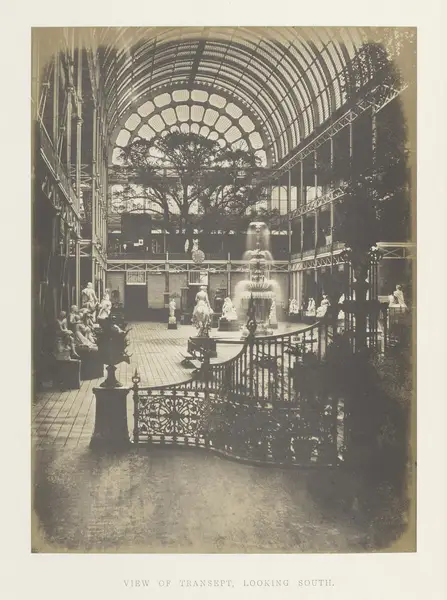
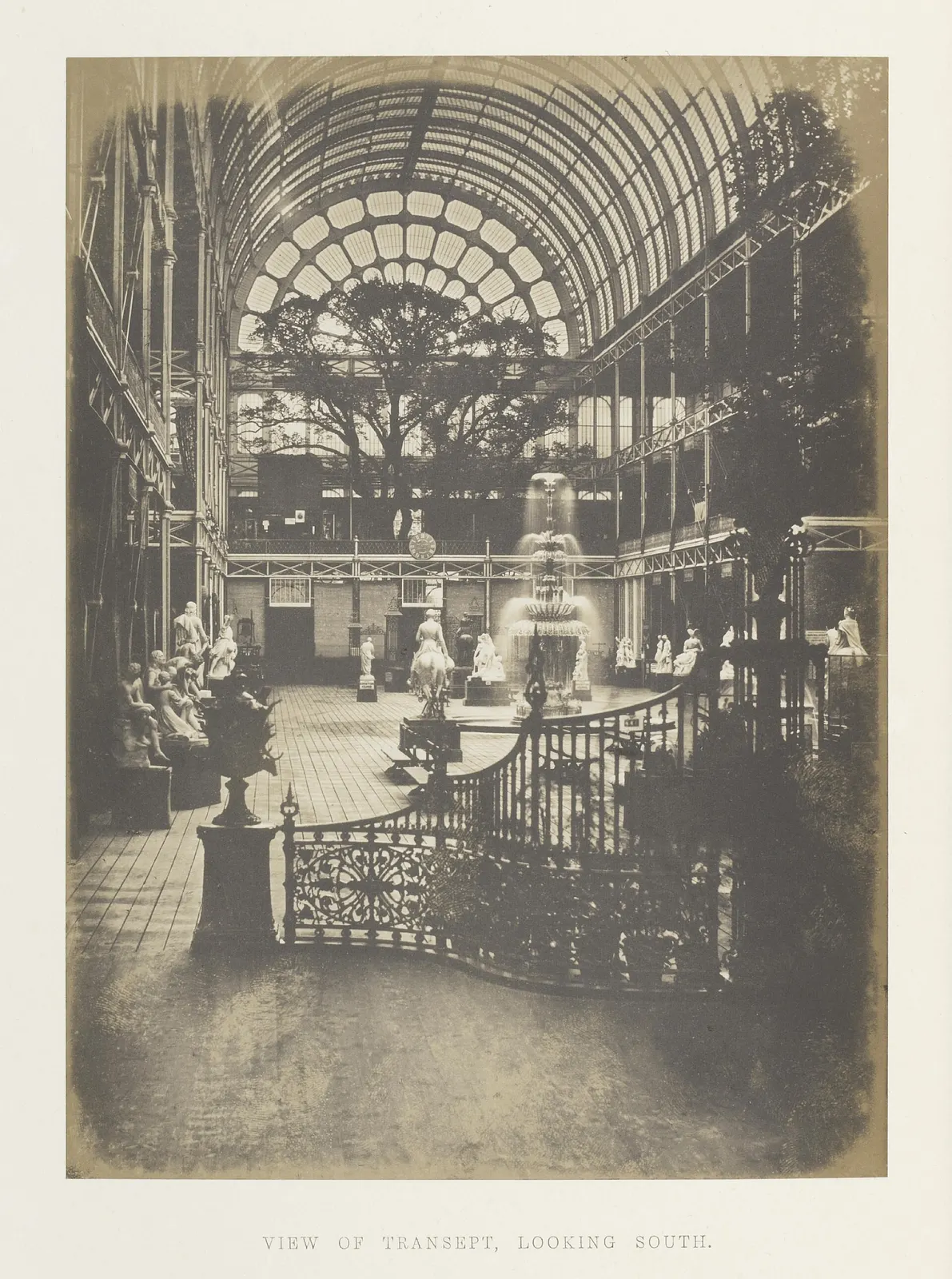
- Talbot's 1851 photo shows a full-grown elm inside the transept, and the record says the park's elms were enclosed rather than felled.
- A solid brick- or stone-faced wall shows at the lower level of the transept's south end.
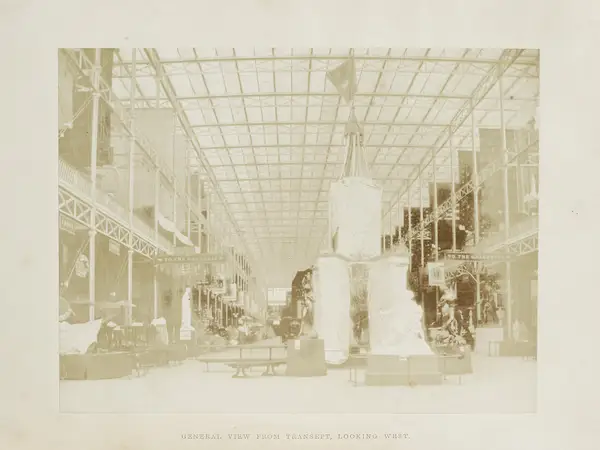
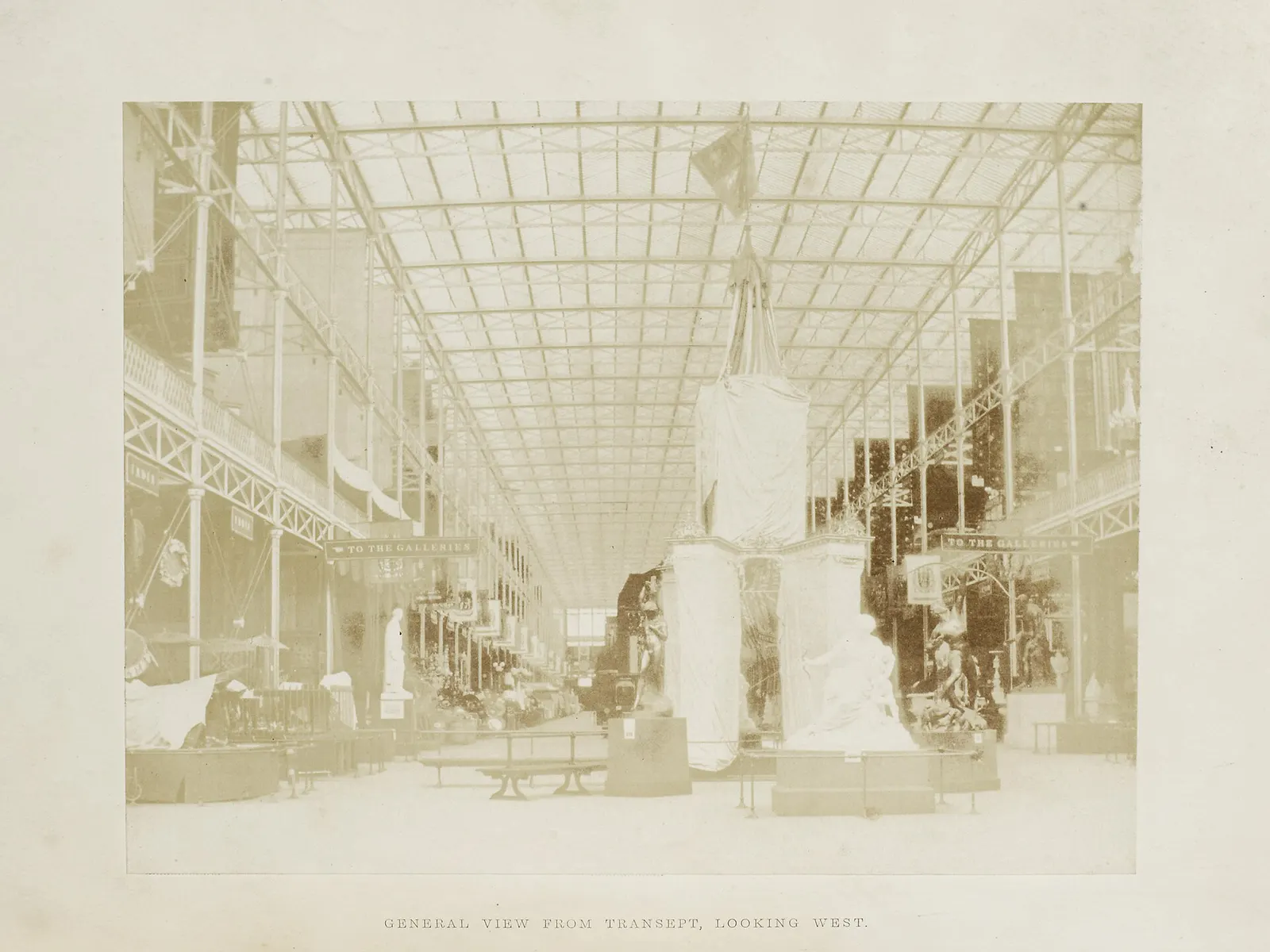
- The record gives about nine months for a hall about 1,850 ft long, a vast repetition of identical iron parts with horse transport.
- The finished interior photos show shrouded statues but no lifting gear, ladders or glazing stacks.
- The hall was moved to Sydenham and burned in 1936; Vienna's Rotunde burned a year later.
Open questions
- Where are the photographs of the iron going up, rather than the finished hall?
- What was the masonry base at the south end, and does it appear on any pre-1850 survey of the site?
- How many carts and horses did the iron and glass haul require, and is there a delivery ledger?
What would settle it
- Pre-1850 maps and engravings of the Hyde Park site, showing what stood there.
- Foundry and haulage ledgers for the iron, matched to the timeline.
- A dated sequence of construction photos showing the frame rising from bare ground.
Photo 1
Great Exhibition, Transept looking south, HF Talbot, 1851
 Zoom in
Photo: William Henry Fox Talbot · Public domain · via Wikimedia Commons
- 1A full-grown elm inside the glassTalbot's 1851 photo of the transept looking south shows a mature elm rising to the vault behind the fountain, its crown pressed up against the glass. The record says Hyde Park's elms were enclosed in the hall rather than felled.The questionWas the transept built around trees that were already standing, and what else on the site was older than the hall?
- 2Solid wall at the lower levelUnder the glazing at the south end of the transept, the lower level is a solid, brick- or stone-faced wall, not glass and iron. It reads as a heavy base under a light frame.The questionWhat is that masonry base, when was it laid, and did it carry an earlier structure?
Photo 2
Great Exhibition, Transept looking west, HF Talbot, 1851
 Zoom in
Photo: William Henry Fox Talbot · Public domain · via Wikimedia Commons
- 11,850 feet of iron and glass in about nine monthsThe transept looking west shows a seemingly endless grid of identical iron columns and girders, with statues still under cloths. The record gives roughly nine months for a hall about 1,850 ft long.The questionHow many men, carts and horses would it take to cast, haul and raise thousands of matching iron parts that quickly, and where are the photos of that work?
- 2A finished interior, statues still shroudedThe statues are wrapped and the floor is clear, but no ladders, lifting gear or piles of glazing show anywhere in the frame. The building itself looks finished while only the exhibits wait.The questionIs this a building being completed, or an existing hall being dressed for opening?
Photo 3
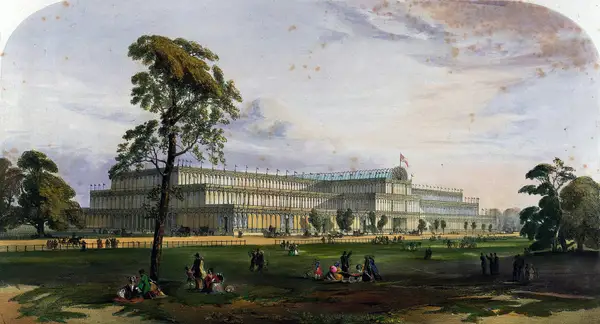
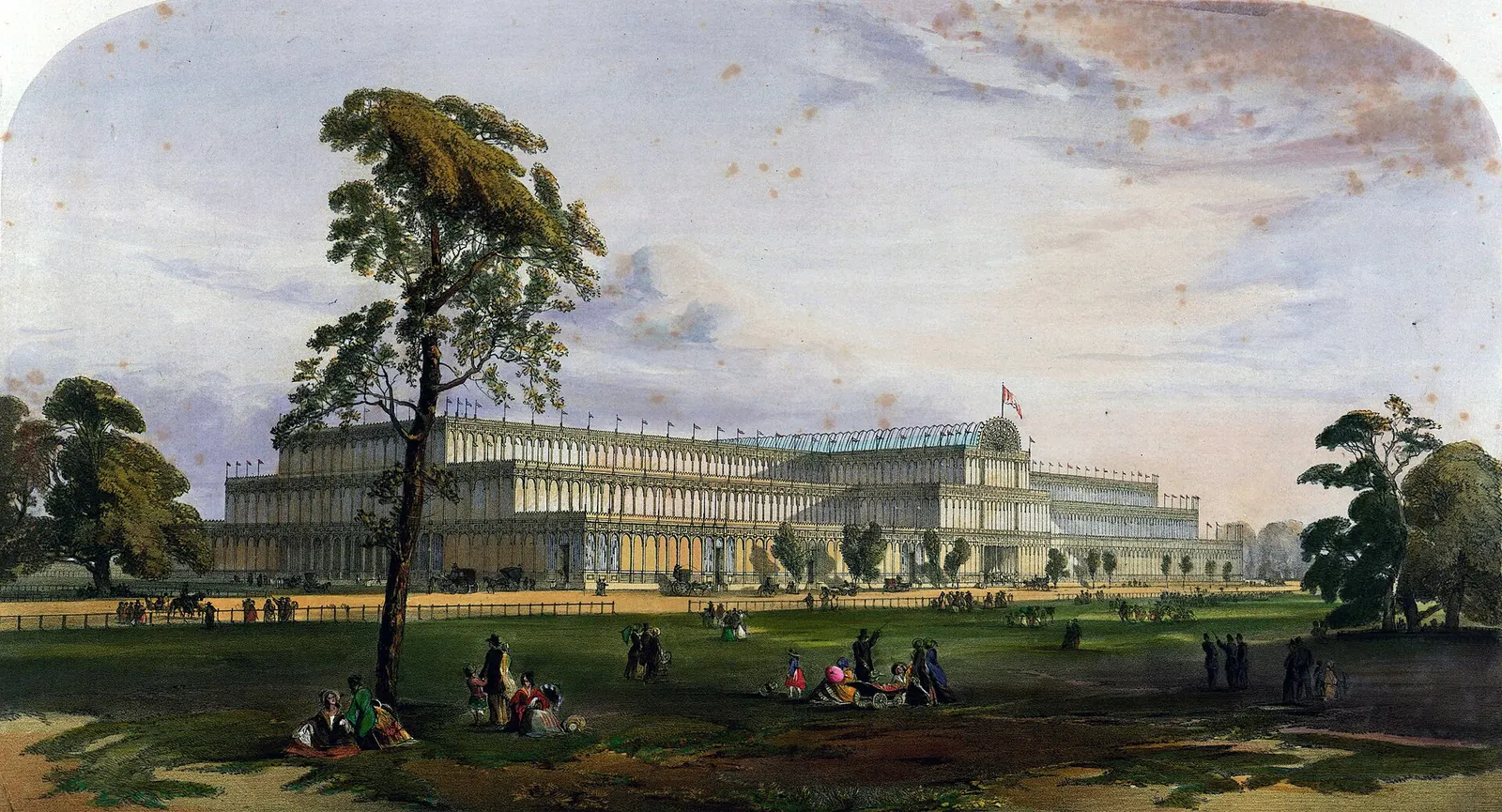
Crystal Palace from the northeast from Dickinson's Comprehensive Pictures of the Great Exhibition of 1851. 1854
 Zoom in
Photo: Dickinson Brothers · Public domain · via Wikimedia Commons
Photo 4
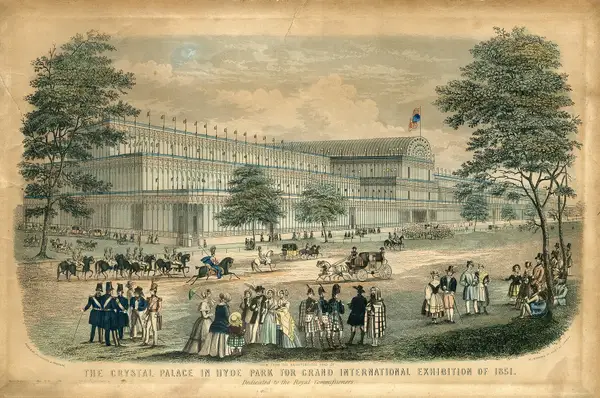
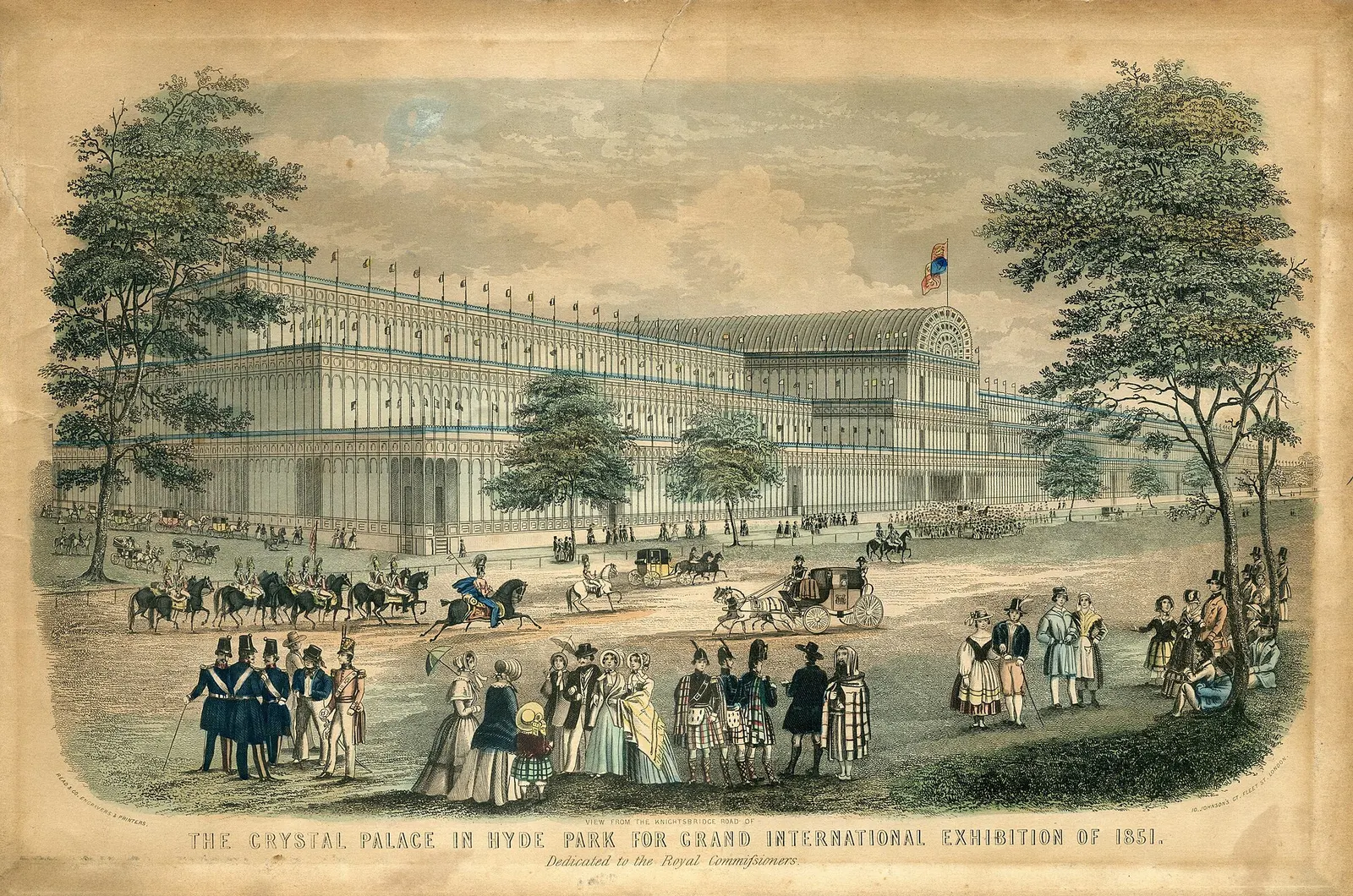
The Crystal Palace in Hyde Park for Grand International Exhibition of 1851
 Zoom in
Photo: Read & Co. Engravers & Printers · Public domain · via Wikimedia Commons
Related clues at other fairs
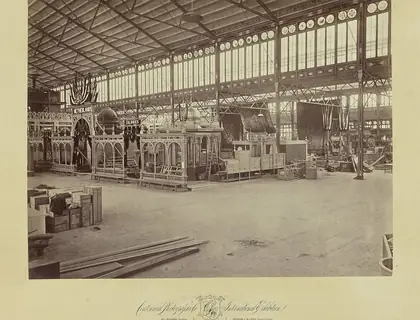 #3A 'construction' photo of a finished hallIf this is 'construction,' why is the building already finished and only the displays going in?
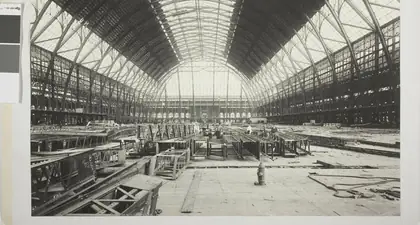 #7The iron arches, with three people in sightWhy is a 'construction' photo dated during the fair, and how was a span like this put up in the time recorded?
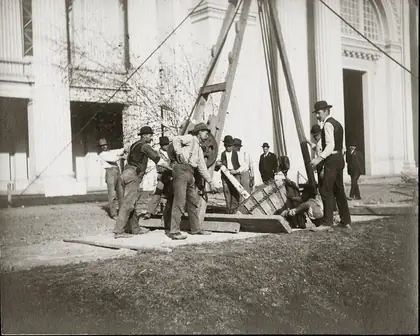 #10Twelve men and a tripod to plant one treeIf one tree took this much effort, what did the palaces take?
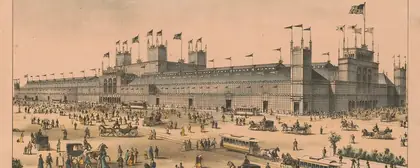 The 1,880-foot Main BuildingWith horses and horsecars as the heavy transport, how was this length of iron and glass raised in two years?
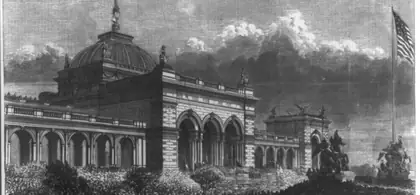
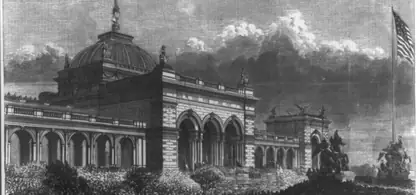 Memorial Hall: stone at the openingMemorial Hall was always meant to stay, but what does that say about the 'temporary' halls standing beside it?
 Crowds give the scaleHow many stone-setters and teams would a hall like this need on the timeline recorded?