Photo: C. D. Arnold (1844-1927); H. D. Higinbotham · Public domain · via Wikimedia Commons
1893 · Chicago, United States
World's Columbian Exposition
- Dates
- 1 May – 30 Oct 1893
- Site
- Jackson Park
- Declared purpose
- A world's fair for the 400th anniversary of Columbus reaching the Americas. The 'White City' of white palaces.
- Fate
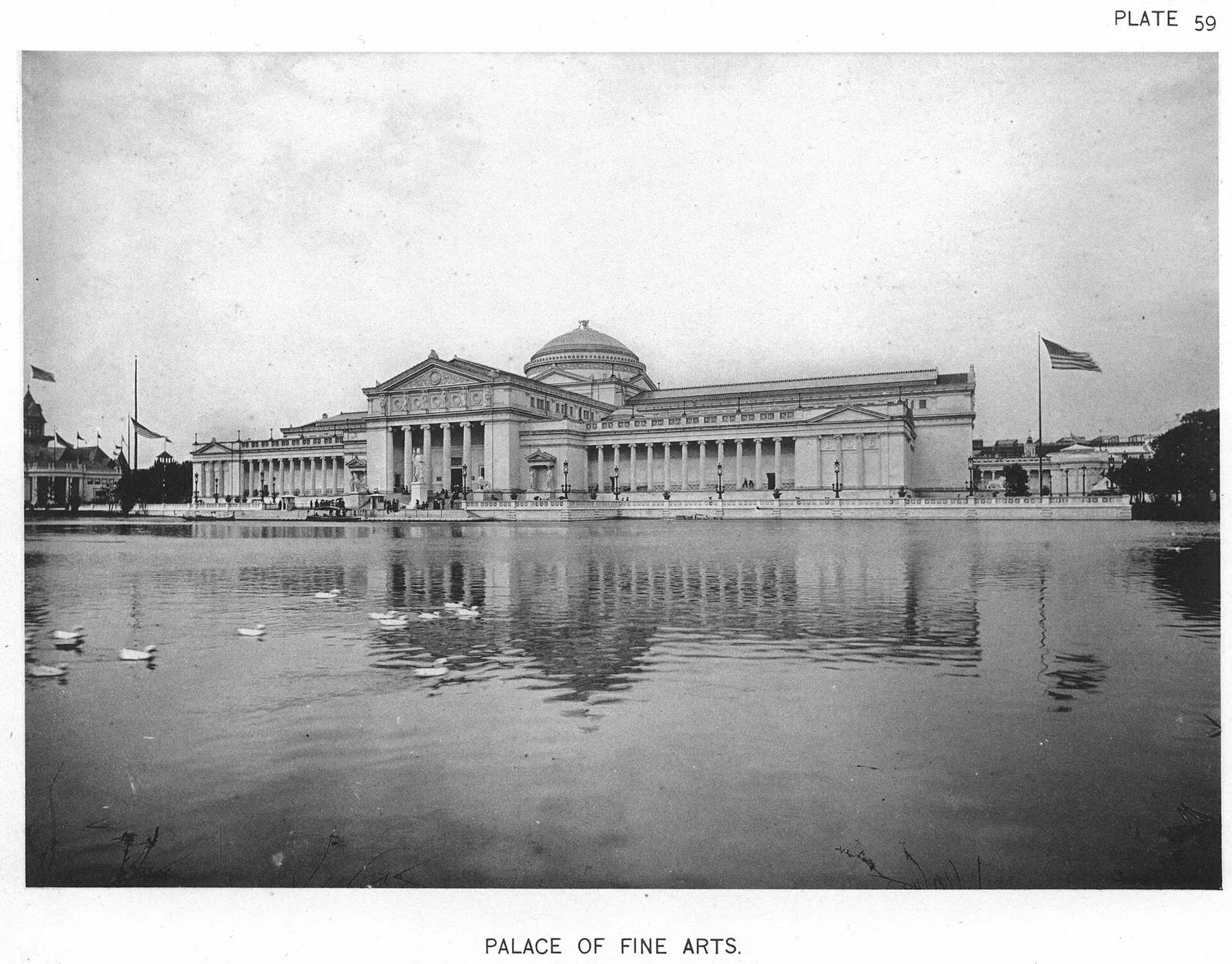
- Most palaces burned in 1894 or were cleared. The Palace of Fine Arts survives as the Museum of Science and Industry.
- Architect of record
- Daniel Burnham, chief of construction: about 44 when credited (1890, born 1846). Build time on record: about 2 years for the main palaces (1891–93).; Charles B. Atwood, designer-in-chief: about 42 when credited (1891, born 1849). Build time on record: about 2 years (1891–93).All architects of record →
- Built in record time
- Torn down
- Lost to fire
- Still standing
- Domes & towers
- Light & power
- Rebuilt or recast
- Burned & rebuilt
Hidden history
Found, Not Built
The White City is the center of this whole question. About 200 buildings went up in a swamp in roughly two years. They were said to be plaster over wood, and within months of closing most of them were ash. Hidden history researchers have spent years on these photos.
Scale vs. the clock
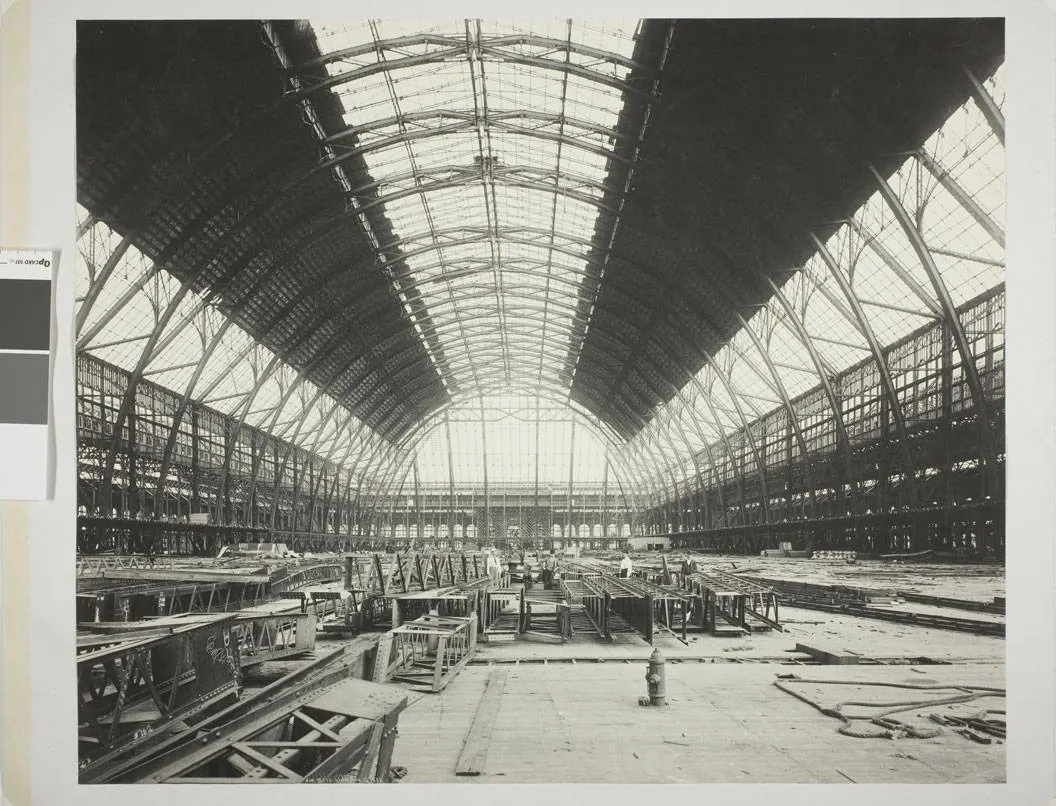
Manufactures and Liberal Arts covered about 30 acres under one roof. Researchers set the ornament, statues and domes against the time available and ask whether 'staff' plaster really accounts for what the photos show.
Construction or excavation?
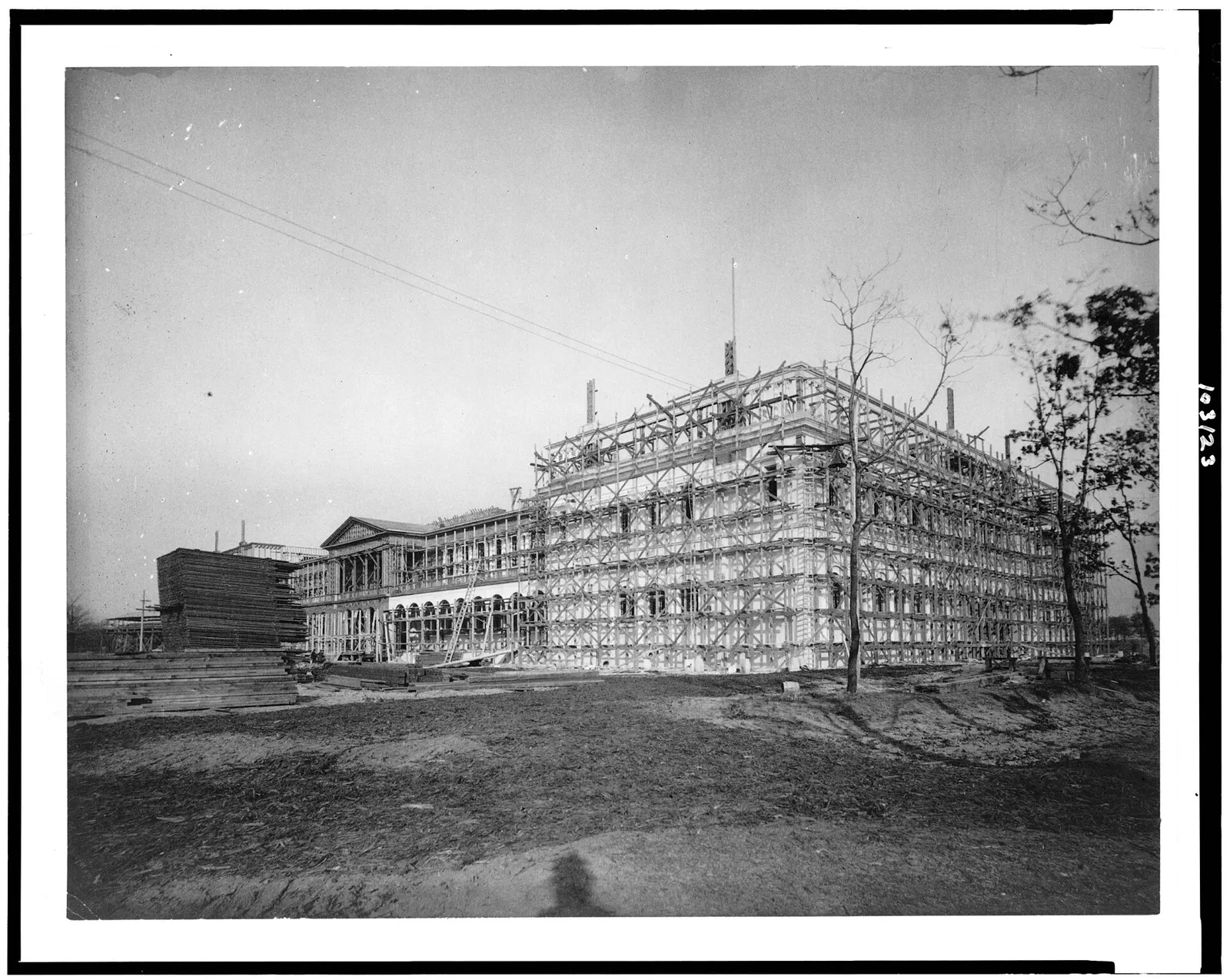
Some 1892 photos show workers, rail spurs and heaps of earth around half-finished walls. The question worth asking: are they building up, or digging out and repairing?
The 1894 fires
In January and July 1894, fire took most of the Court of Honor. The Statue of the Republic burned in 1896. Why does fire follow these grounds?
The survivor
The Palace of Fine Arts was kept for its 'fireproof' brick core. It was later rebuilt in stone and is now the Museum of Science and Industry.
Questions worth asking
- Why build a city of palaces to burn it within a year?
- Where are the working drawings for every statue and frieze?
- What did the electric fountains and searchlights run on?
- Why was the site a swamp and a park before and after?
Possible original uses
- A planned civic and cultural center
- Great halls for trade, assembly and learning
- Power distribution (domes, towers, fountains)
What the photos show
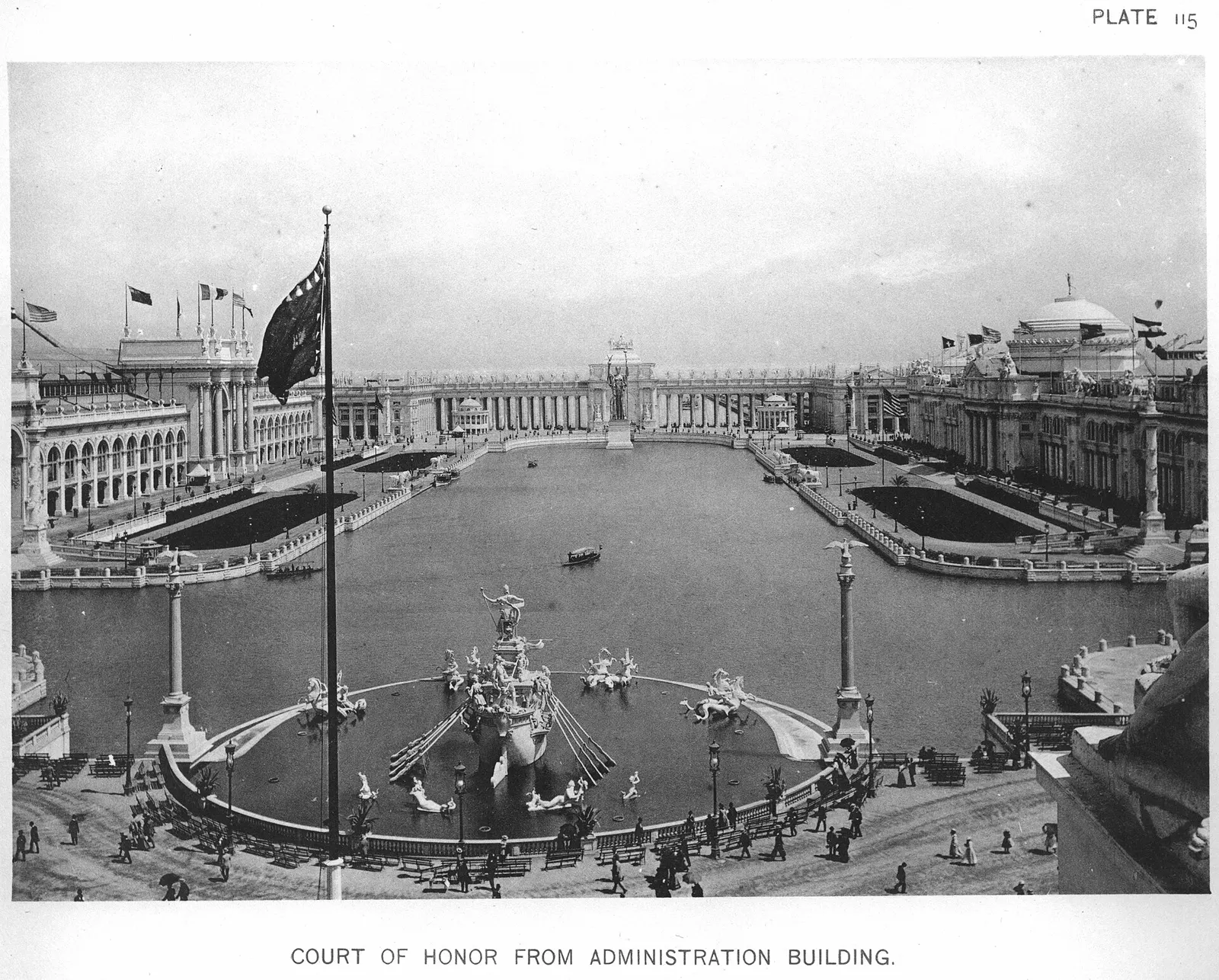
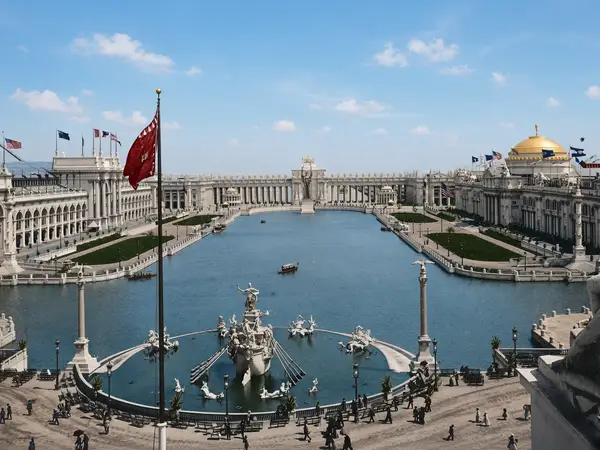
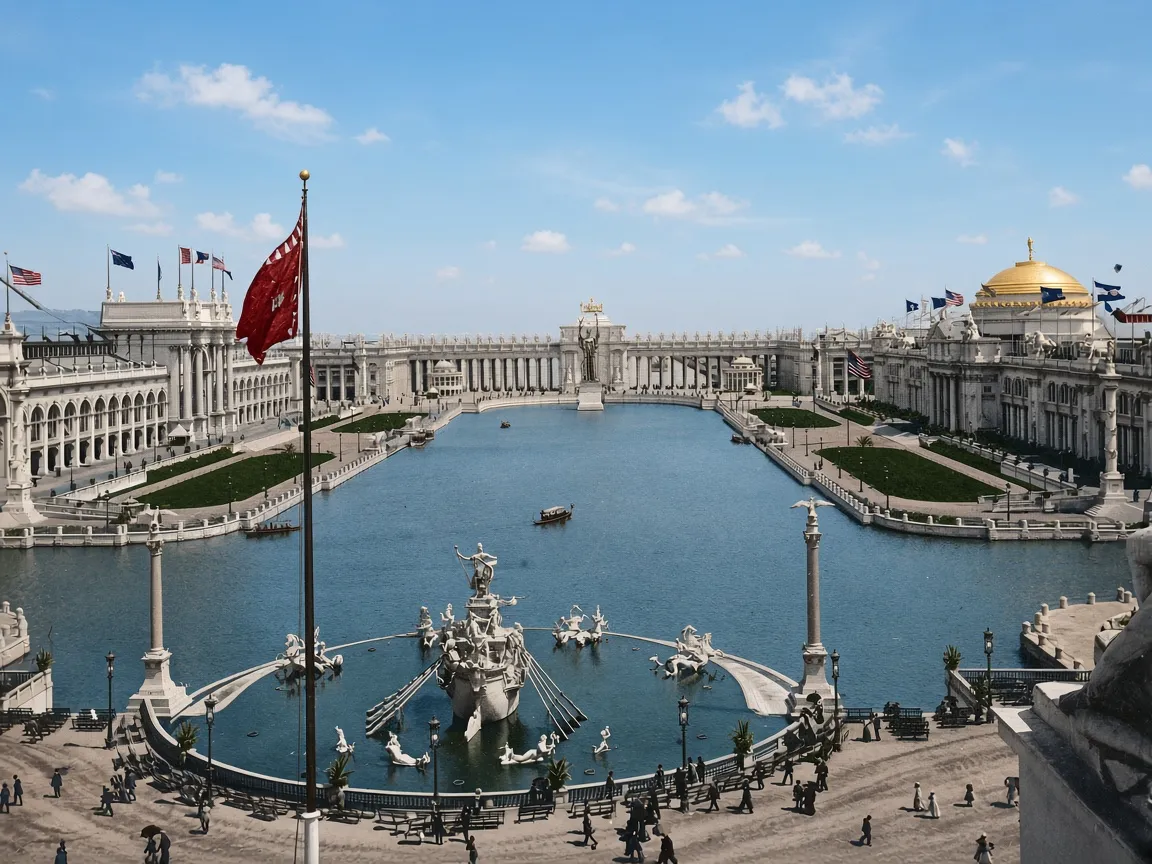
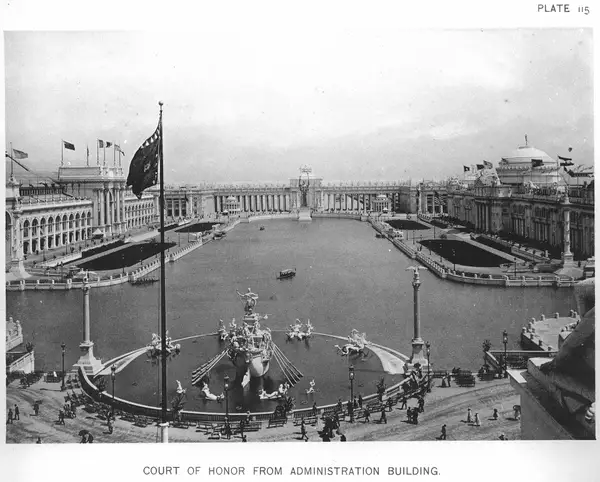 Court Of Honor From Administration Building — Official Views Of The World's Columbian Exposition — 1151893 · Public domain
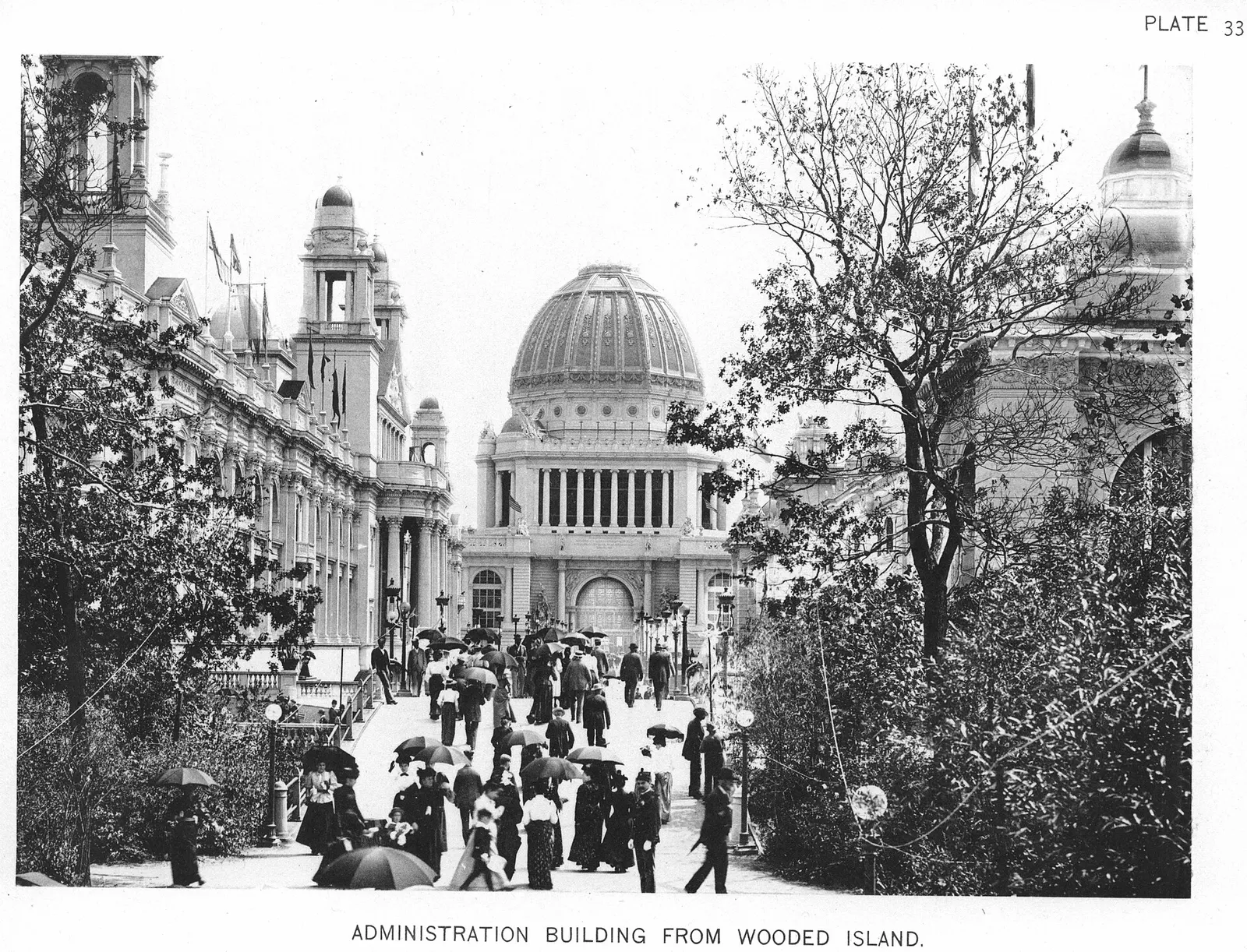
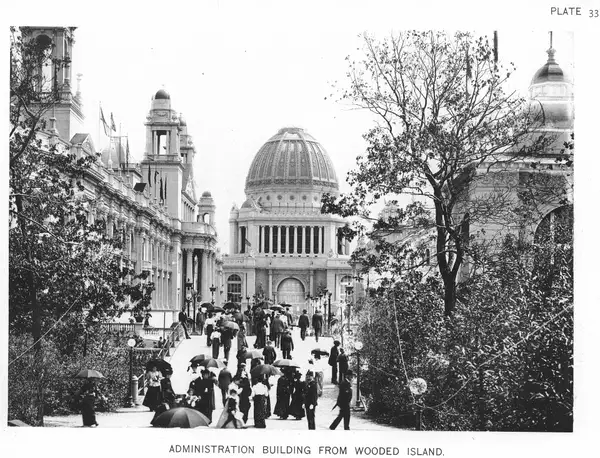 Administration Building From Wooded Island — Official Views Of The World's Columbian Exposition — 331893 · Public domain
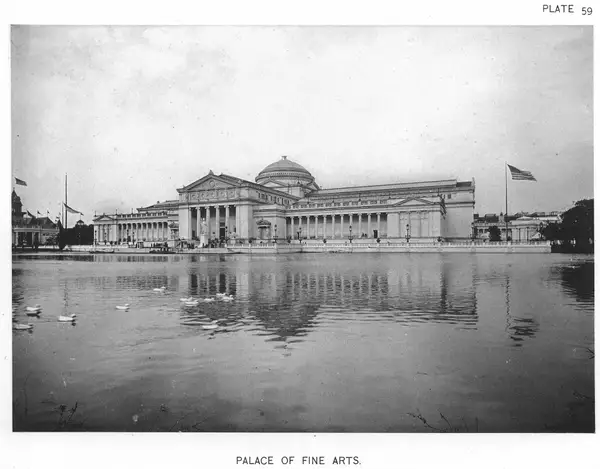 Palace Of Fine Arts — Official Views Of The World's Columbian Exposition — 591893 · Public domain
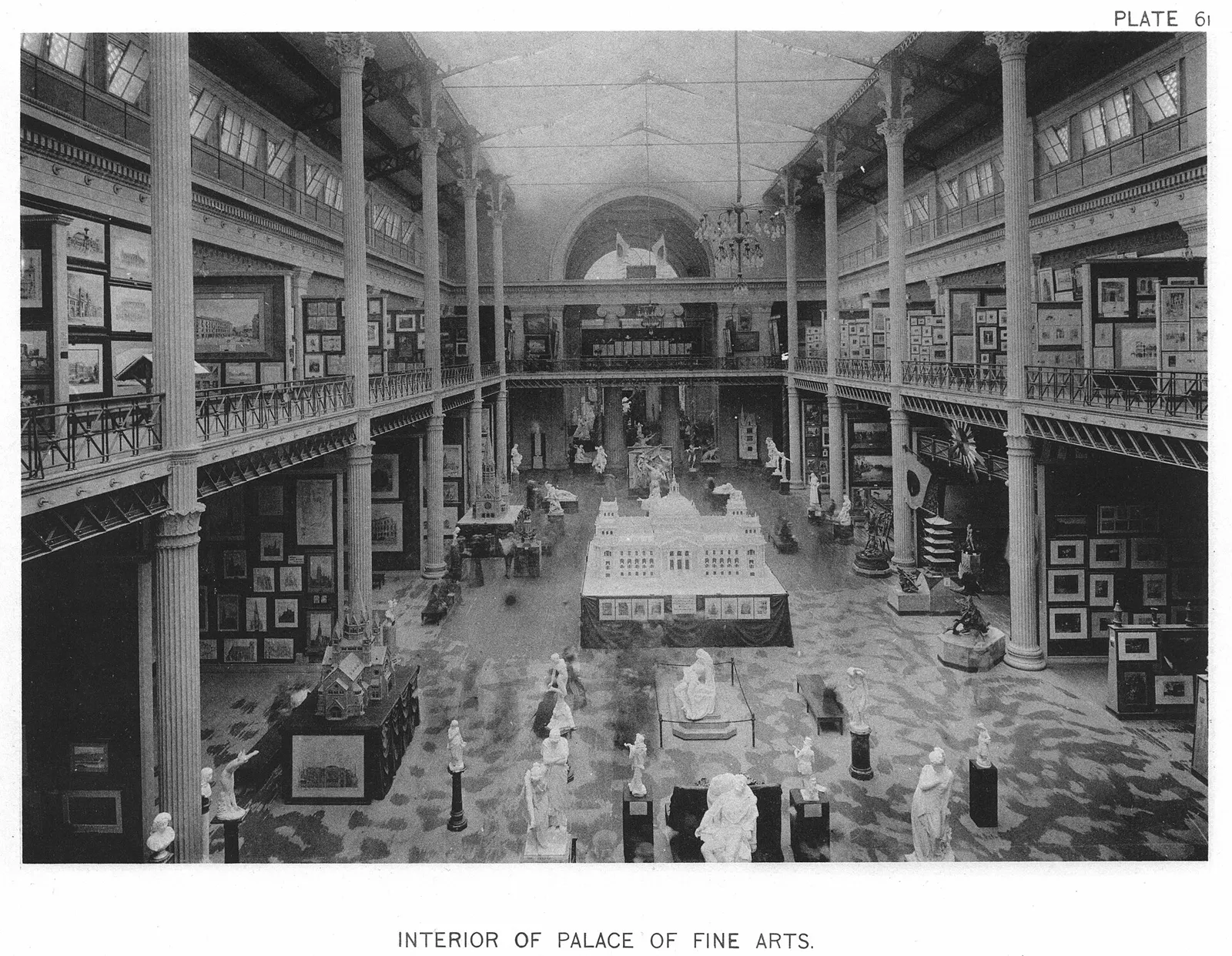
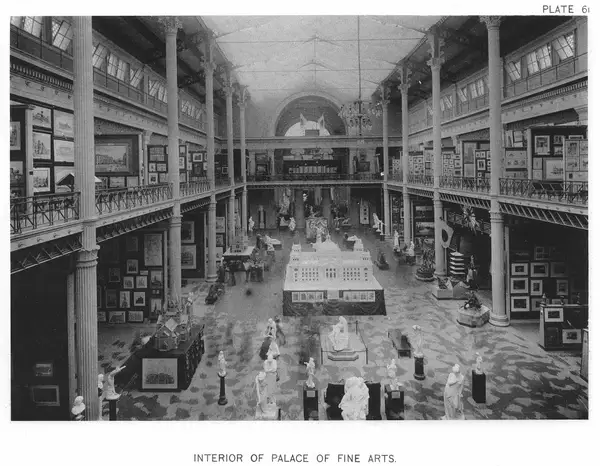 Interior Of Palace Of Fine Arts — Official Views Of The World's Columbian Exposition — 611893 · Public domain
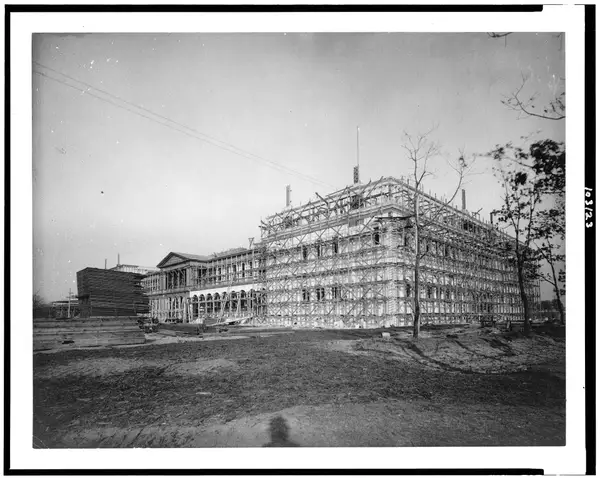 Exterior of Woman's Building, while under construction, at World's Fair, Chicago, Illinois LCCN917278471892 · Public domain
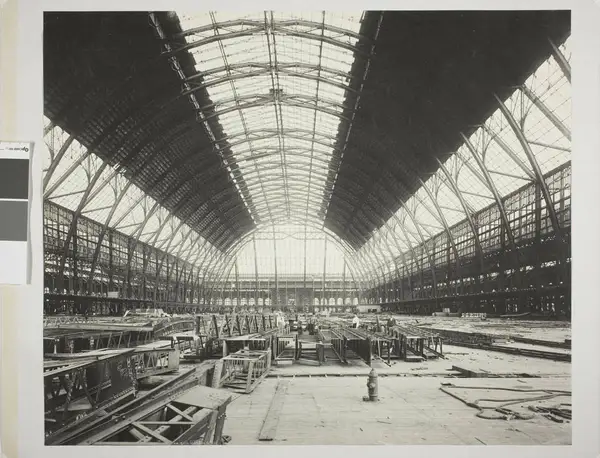 Mfg & liberal arts bldg construction photos 261893-10-10 · Public domain


The buildings
Tap a building for its photos and credits.
Still standing from this fair
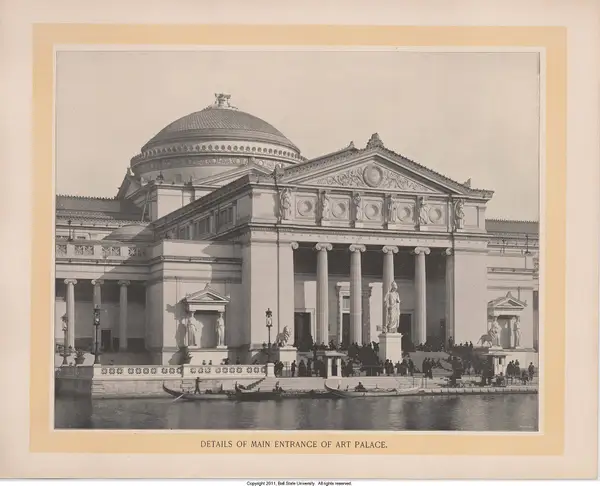
Further viewing
Episodes from My Lunch Break (Michael Kruse), the main lens for this app. They open on YouTube.


Voices on X
Summarized in our own words. The posts are on X.