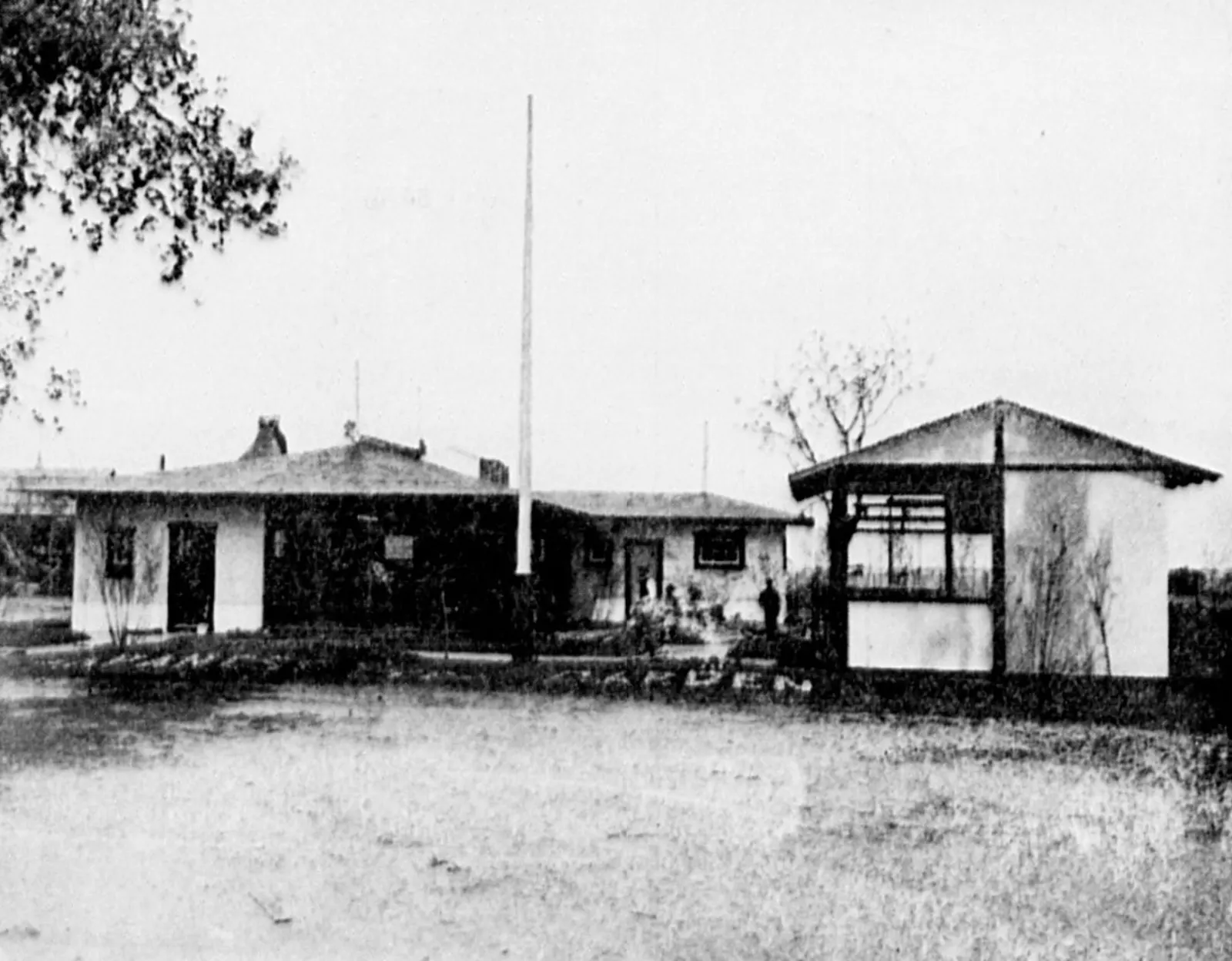
Photo: Detroit Photographic Co., publisher · Public domain · via Library of Congress via Wikimedia Commons
1898 · Omaha, United States
Trans-Mississippi and International Exposition
- Dates
- 1 Jun – 1 Nov 1898
- Site
- North Omaha (today Kountze Park)
- Declared purpose
- A fair to show the growth of the West, from the Mississippi to the Pacific.
- Fate
- Every main building was demolished, and the site is now a city park and homes.
- Architect of record
- Thomas Rogers Kimball, co-architect-in-chief: about 35 when credited (1897, born 1862). Build time on record: about 1 year (1897–98).All architects of record →
Hidden history
Found, Not Built
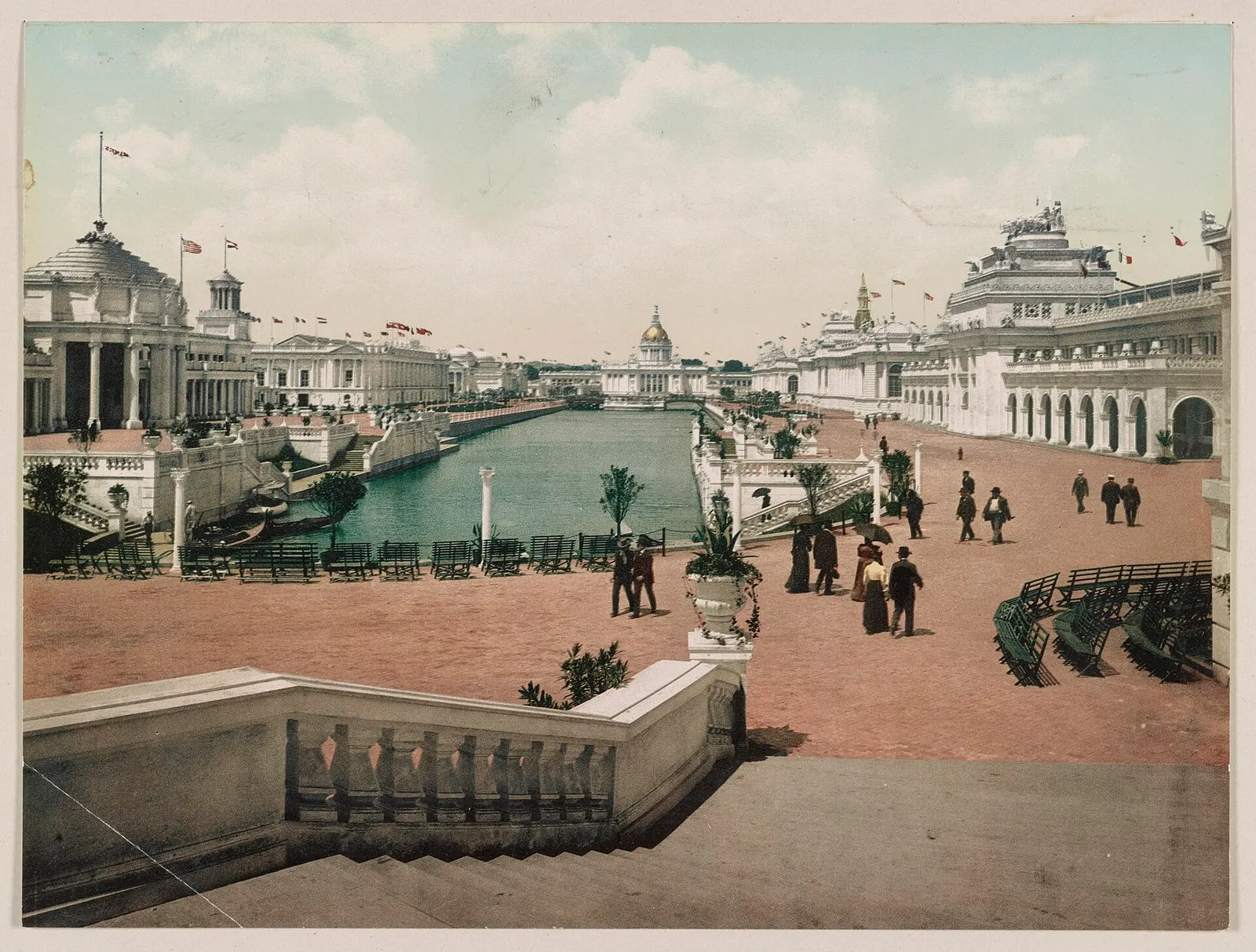
Omaha was a prairie city of about 100,000 people. In 1898 it opened a Grand Court that could stand next to Chicago's, with a lagoon lined by domed palaces. A year later it was gone.
The night photos
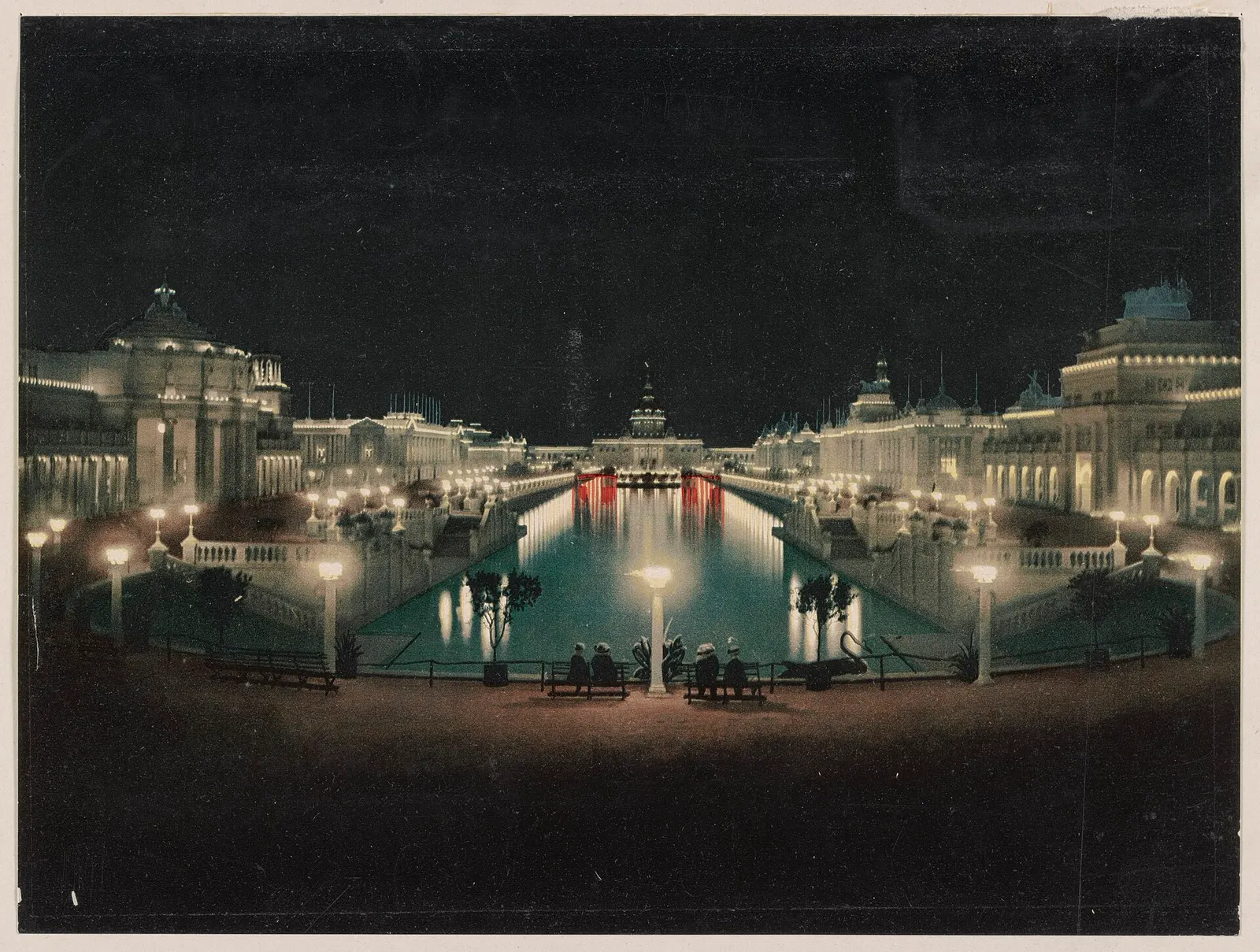
The Grand Court lit up at night is one of the most-shared images from the fair. The question worth asking is where all that light came from.
Gone without a trace
Researchers on X post the Omaha court as the city's finest district, cleared after the fair. Little is left except street names.
Questions worth asking
- Why would a frontier city build a palace court for five months?
- Are there any foundation remains in Kountze Park?
Possible original uses
- A civic center for a planned city
- Public baths, halls and gardens
What the photos show
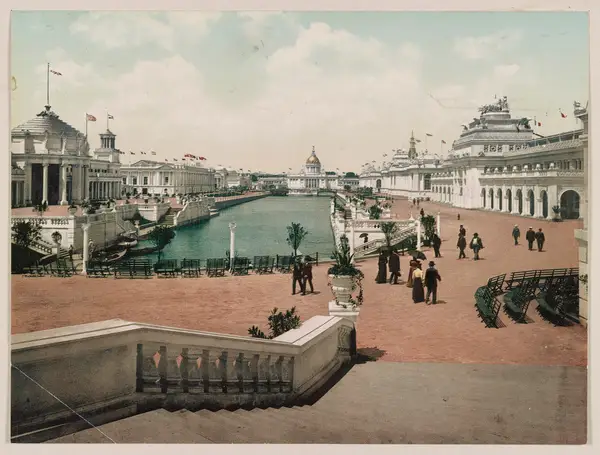 Grand Court, Looking West. Trans-Mississippi Exposition LCCN20176603141890 · Public domain
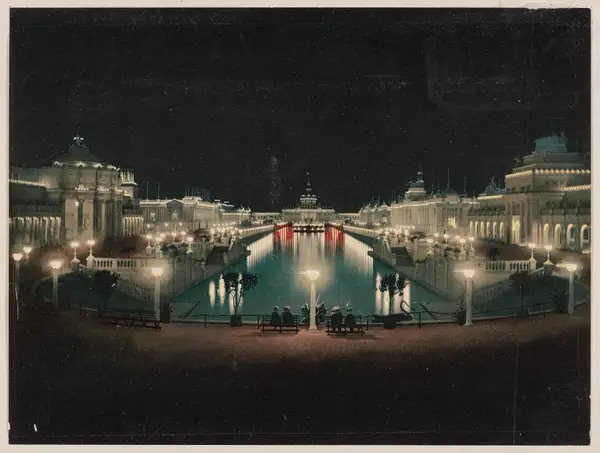 Grand Court, Night Illumination. Trans-Mississippi Exposition LCCN20176603161898 · Public domain
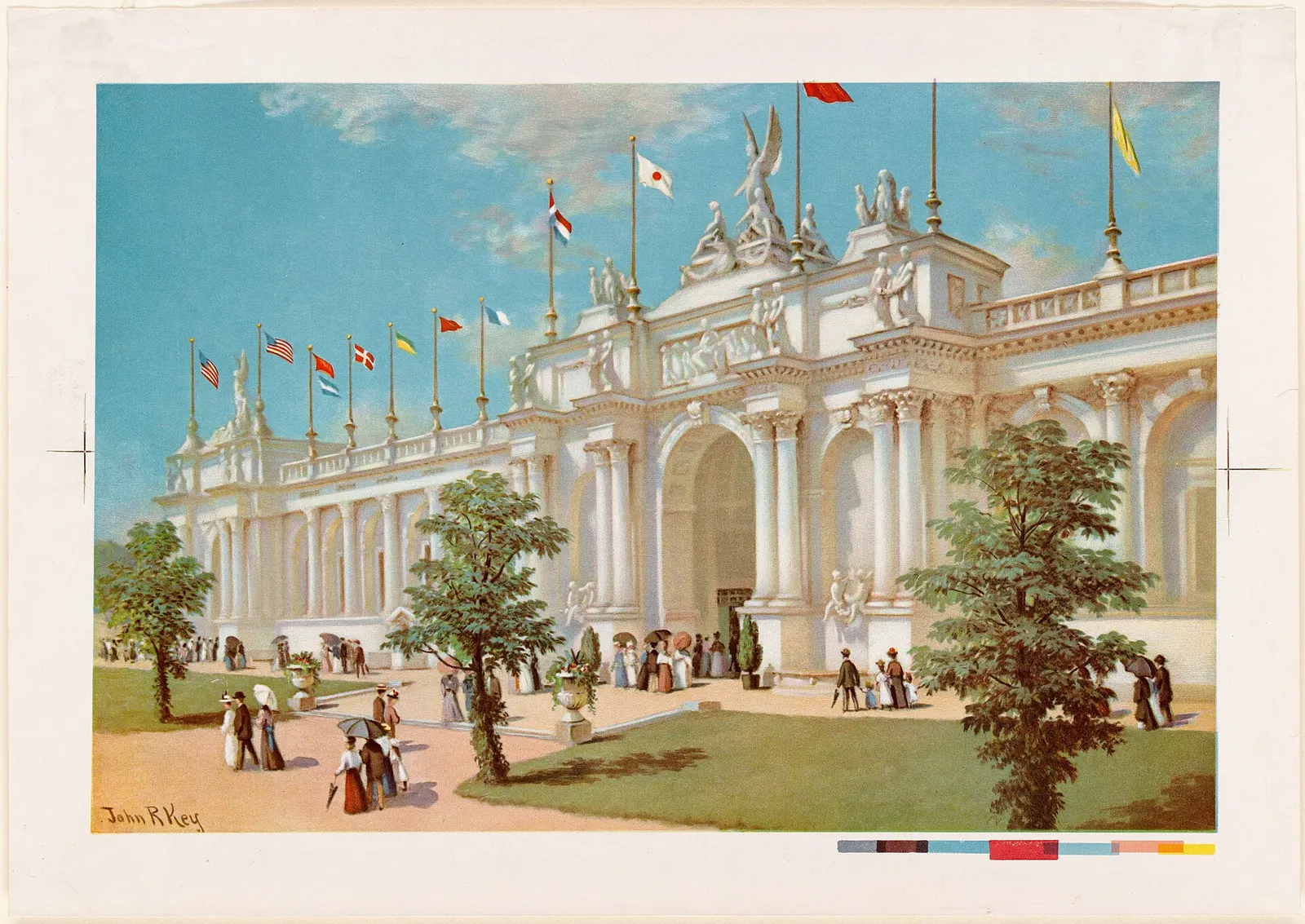
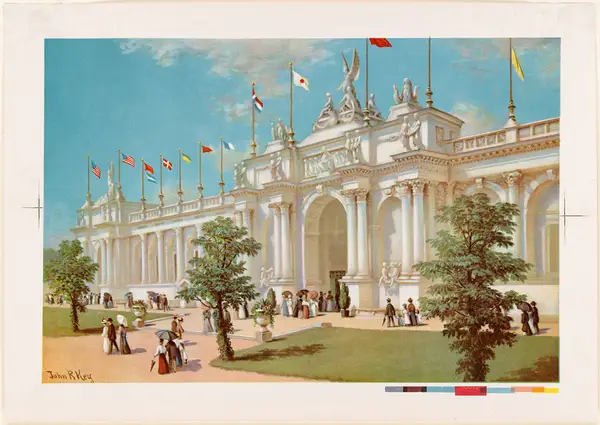 Agricultural Building, Trans-Mississippi Exposition of 1898 in Omaha, Nebraska - DPLA - 813666d28eb40723fe32040a84afc13d1898date QS:P571,+1898-0 · Public domain
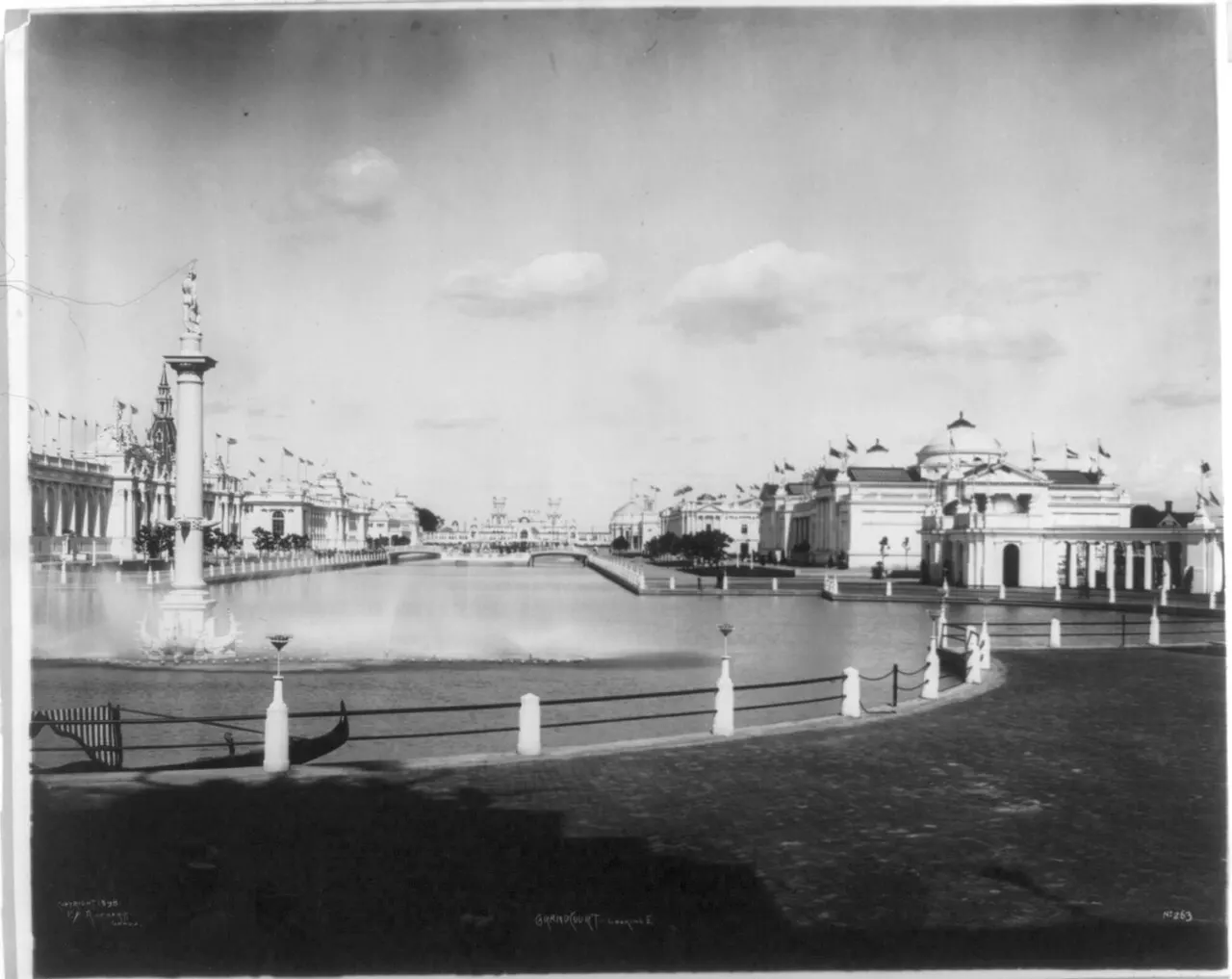
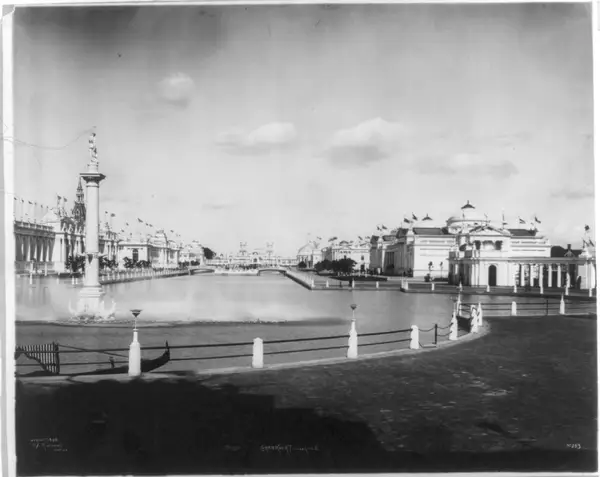 Grand Court - looking east, (Trans-Mississippi and international exposition, Omaha, Nebraska) LCCN20046682391898 · Public domain
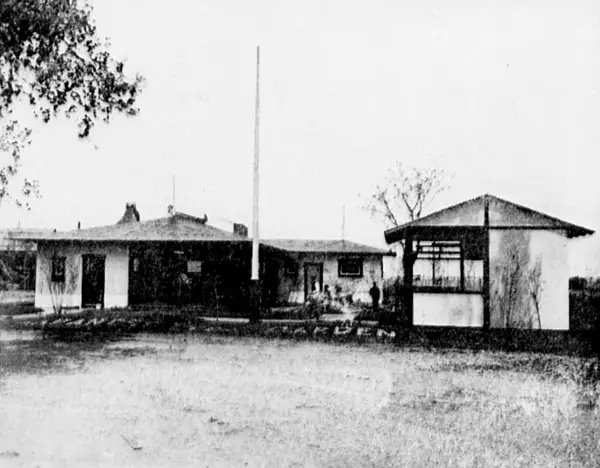 Japanese Tea Garden, Trans-Mississippi Exposition, Omaha, 18981898-06-01 · Public domain


The buildings
Tap a building for its photos and credits.
Further viewing
Episodes from My Lunch Break (Michael Kruse), the main lens for this app. They open on YouTube.
Voices on X
Summarized in our own words. The posts are on X.