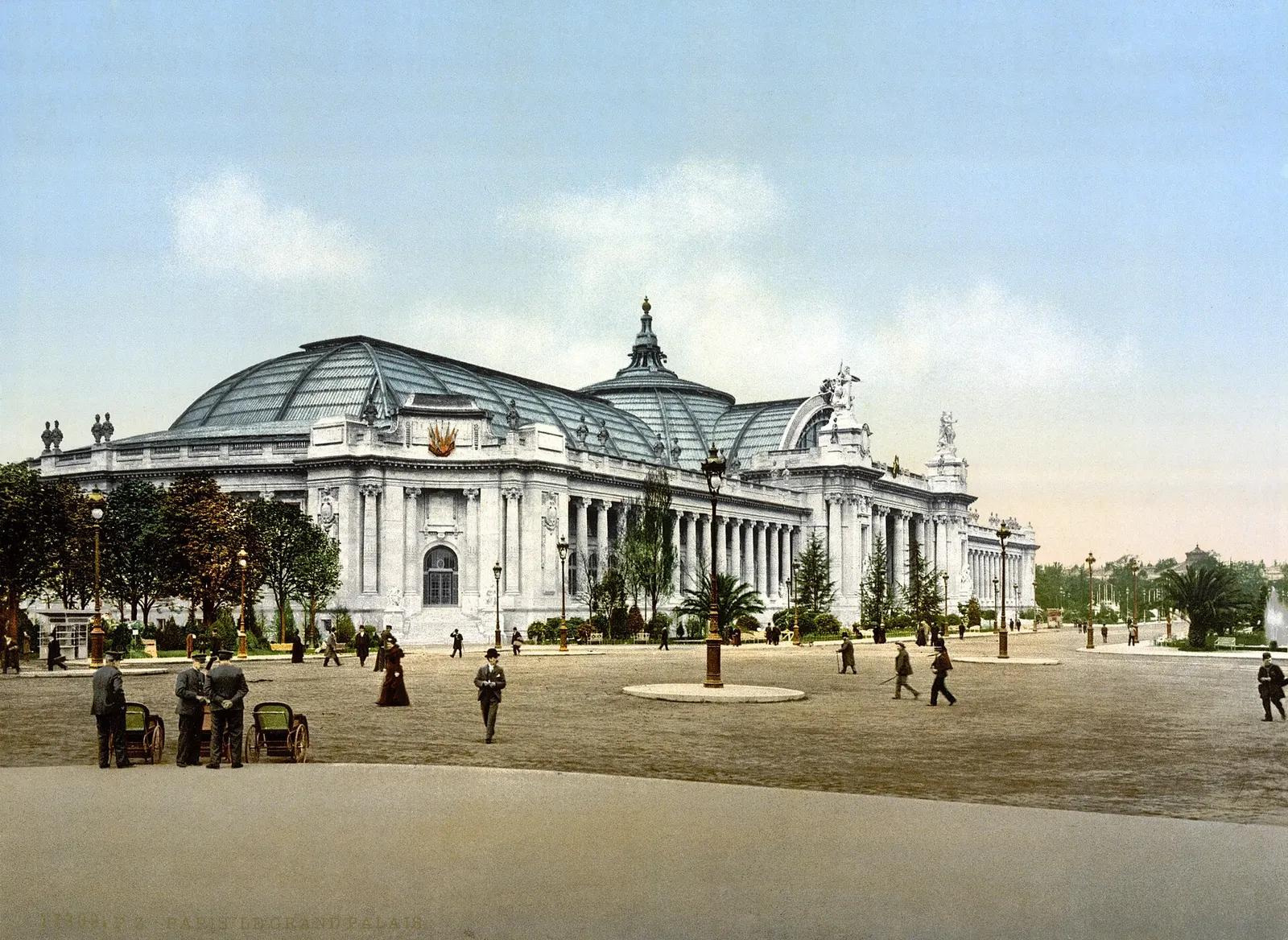
Photo: GTC · Public domain · via Wikimedia Commons
1900 · Paris, France
Exposition Universelle of 1900
- Dates
- 15 Apr – 12 Nov 1900
- Site
- Champ de Mars, Trocadéro, Esplanade des Invalides and both banks of the Seine
- Declared purpose
- A fair to sum up the century, with electricity, moving walkways and pavilions from around the world.
- Fate
- The Grand Palais, Petit Palais, Pont Alexandre III and Gare d'Orsay survive. Almost everything else was demolished.
- Architect of record
- Charles Girault, architect; chief architect of the grand palais: about 45 when credited (1896, born 1851). Build time on record: about 3 years (1897–1900).; Victor Laloux, architect: about 48 when credited (1898, born 1850). Build time on record: about 2 years (1898–1900).All architects of record →
Hidden history
Found, Not Built
Fifty million visitors, moving sidewalks and a palace of electricity. What the photos show is a city of domes along both banks of the Seine, nearly all of it gone a year later.
A nave in three years
The Grand Palais glass nave is about 200 metres long, and the record gives about three years to build it. Researchers ask how the iron, glass and stone came together that fast.
Water and power
Researchers on X point to the cascades, pumps and lighting and ask whether these were really one-season skills.
What stayed
Four big structures stayed. The palaces and national pavilions around them were demolished.
Questions worth asking
- Why keep the Grand and Petit Palais and clear the rest?
- Where did the power for the Palace of Electricity come from?
- What happened to the pavilions' stone and sculpture?
Possible original uses
- Great halls for trade and gatherings
- A power and light centre
- A grand station and hotel quarter
What the photos show
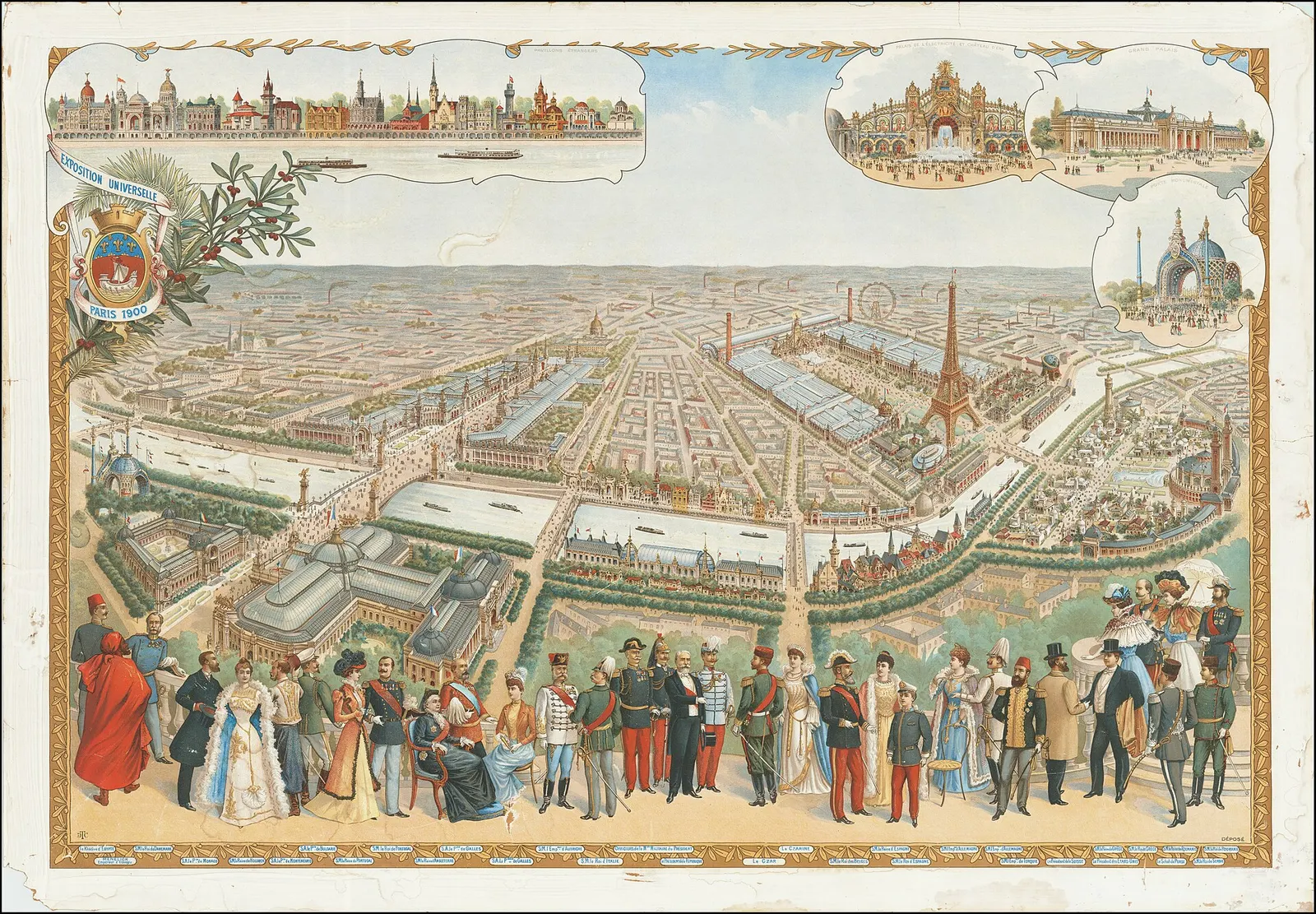
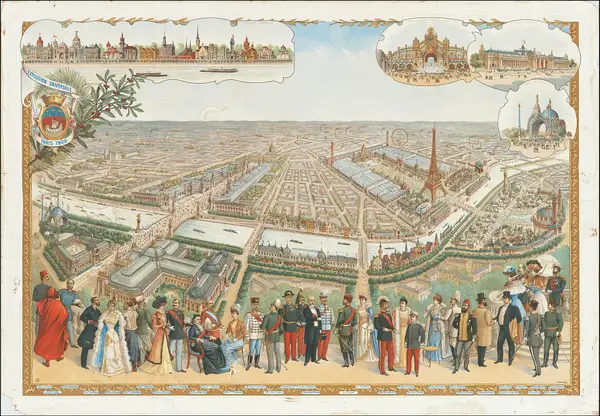 Exposition universelle de Paris, 19001900 · Public domain
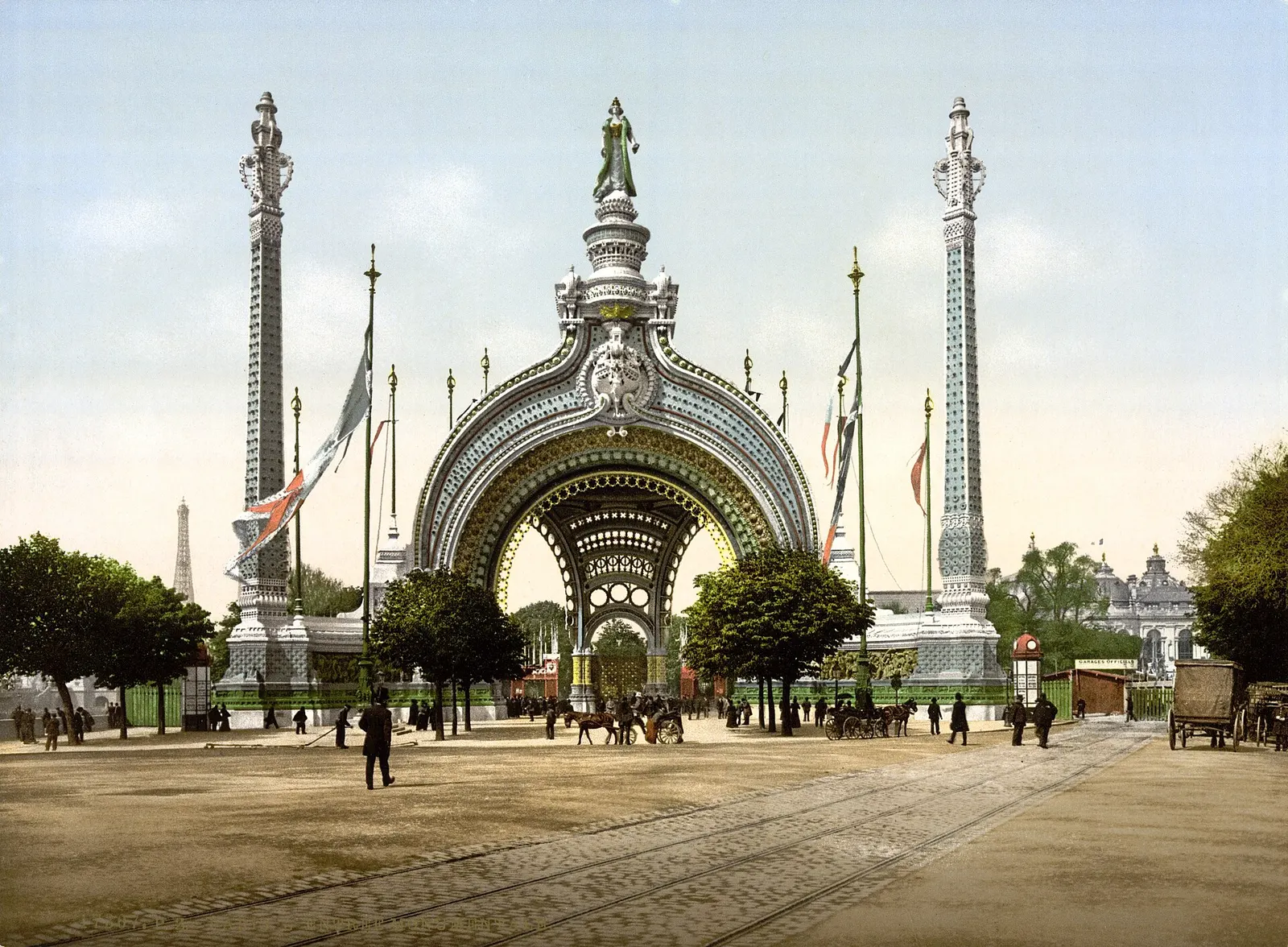
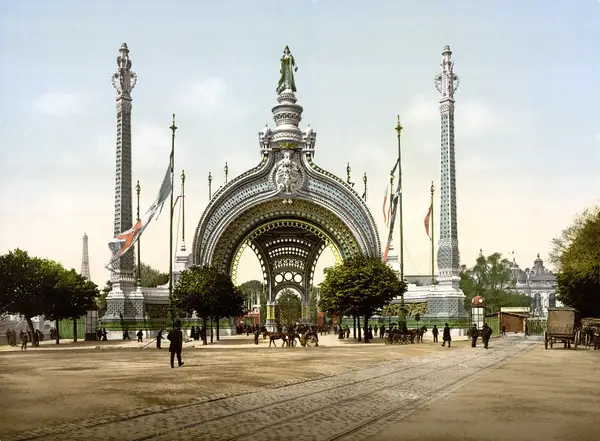 Grand entrance, Exposition Universal, 1900, Paris, France1900date QS:P571,+1900-0 · Public domain
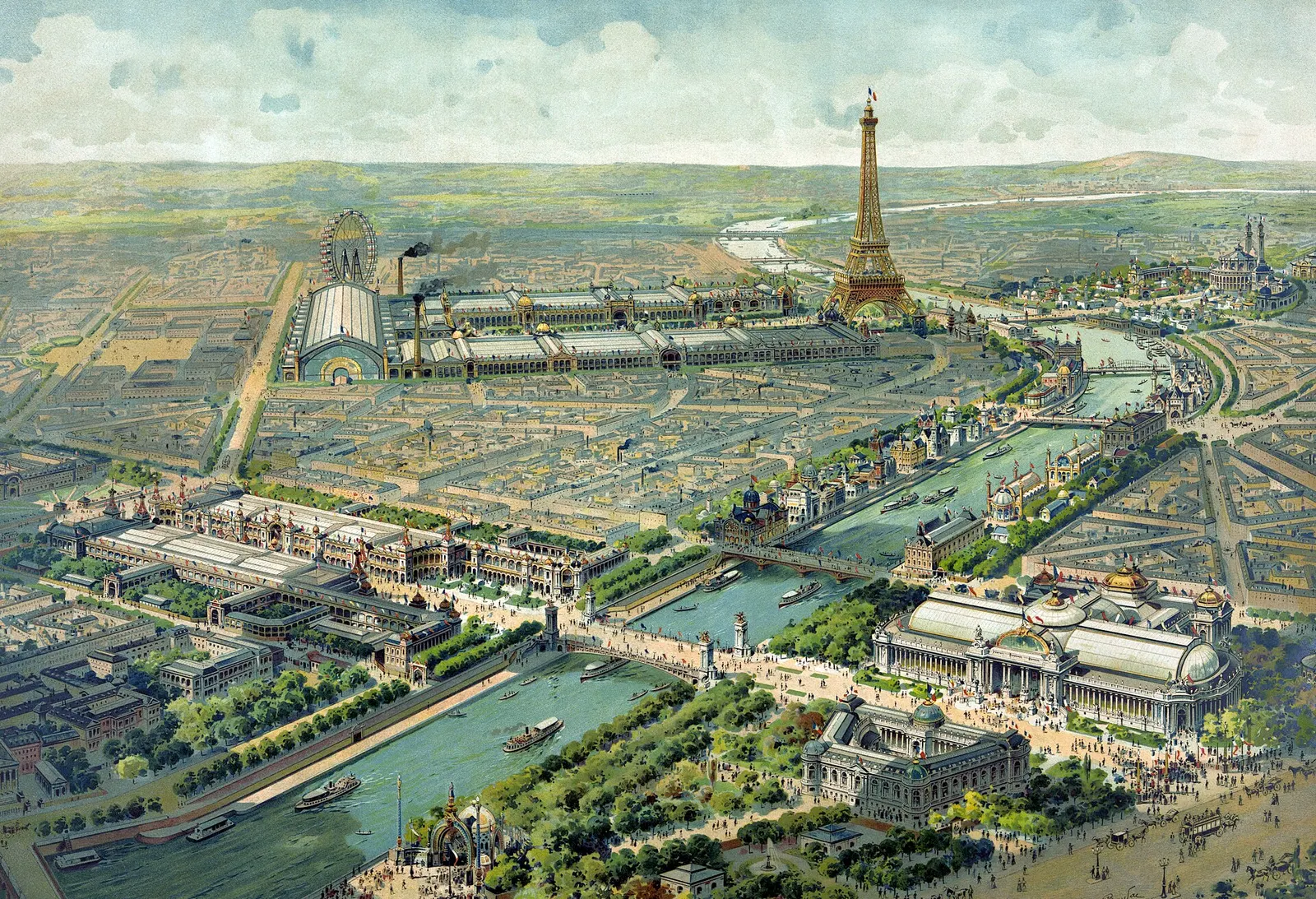
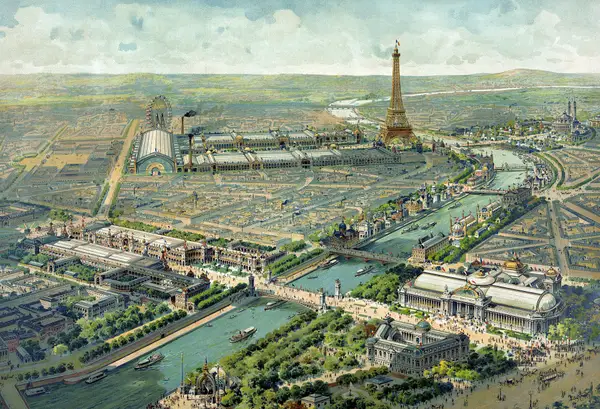 Vue panoramique de l'exposition universelle de 1900Original: 1900.Digitized · Public domain
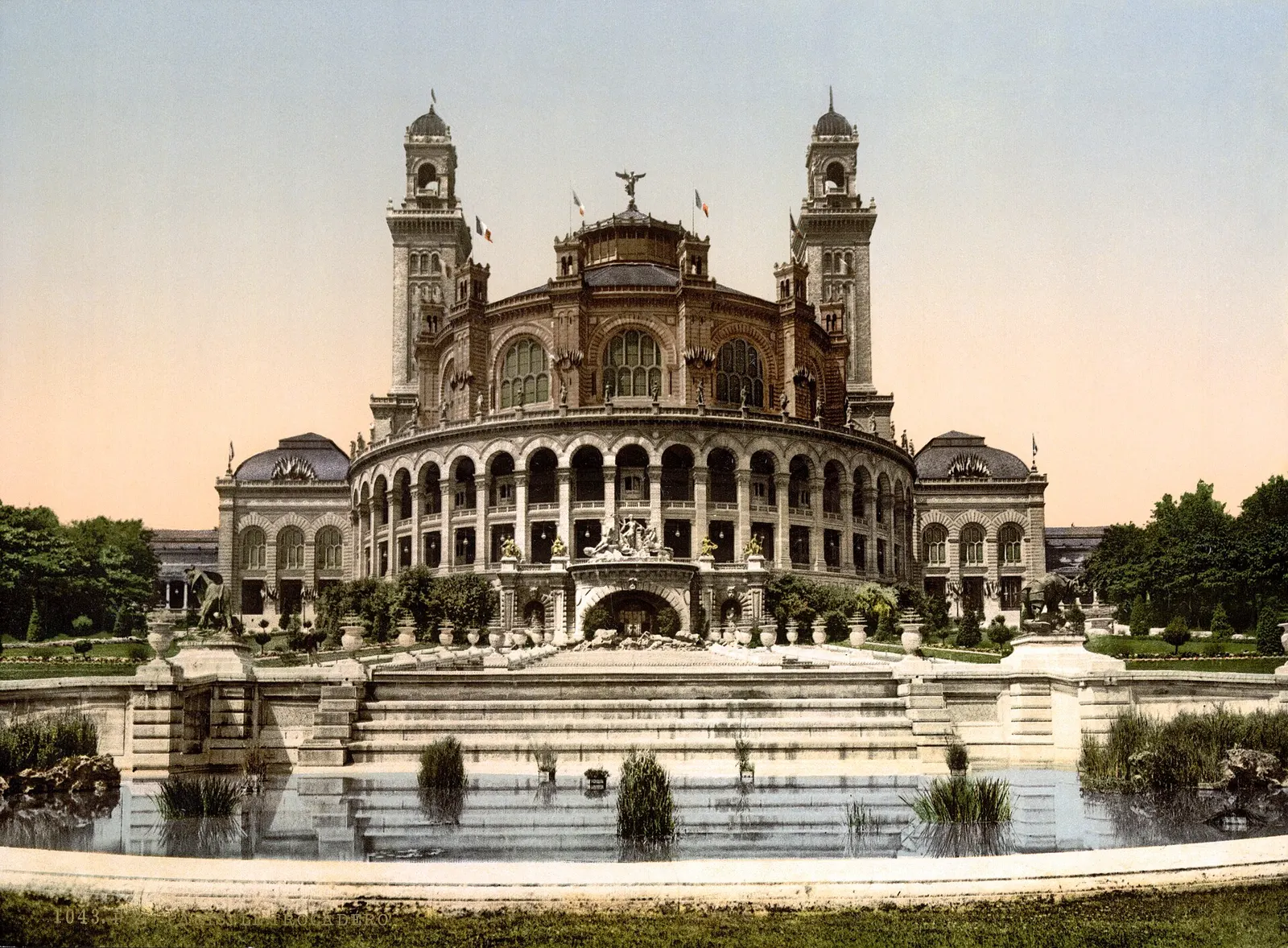
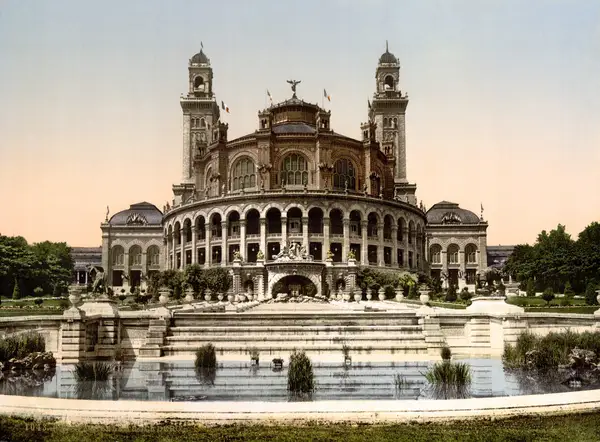 The Trocadero, Exposition Universal, 1900, Paris, Francecirca 1900date QS:P,+190 · Public domain
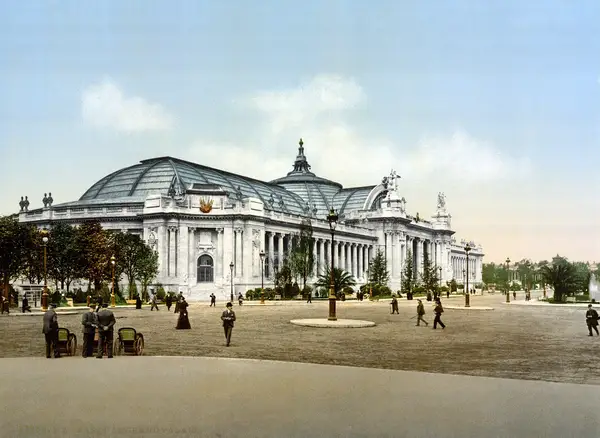 The Grand Palace, Exposition Universal, 1900, Paris, Francebetween 1890 and 1905dat · Public domain


Clues in the photos
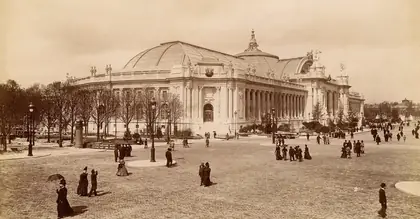 A stone colonnade under a glass vaultHow were the stone and iron for a 200 m nave quarried, cast, hauled and set in three years?
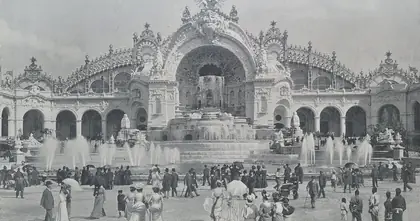 The Palace of Electricity with crowdsHow was ornament at this density made in time, and where did it go?
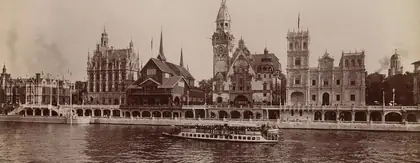 Stone-look pavilions on the Rue des NationsWhich were stone and which were plaster, and were any of them already there?
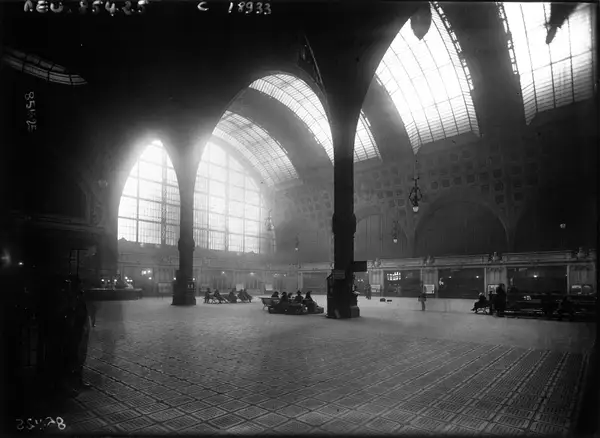 The Gare d'Orsay hallHow was this hall finished in time for 1900, and why was it the one kept while the fair halls were cleared?The grand entranceHow long would a gate like this take to model, cast and raise with the crews of the day?
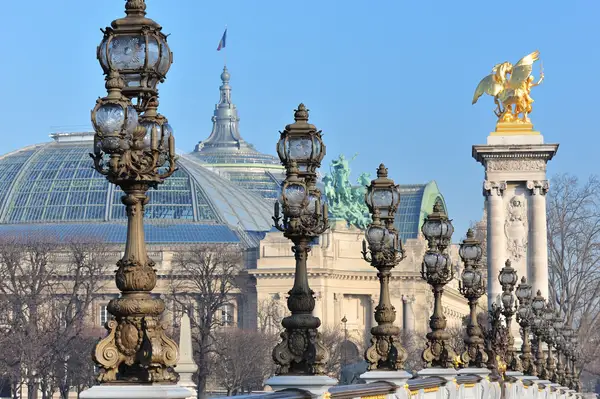 Pont Alexandre IIIBridge and palais were both built for 1900 and both survive. What set them apart from the halls that were cleared?
The buildings
Tap a building for its photos and credits.
Further viewing
Episodes from My Lunch Break (Michael Kruse), the main lens for this app. They open on YouTube.


Voices on X
- @AncientsRbackArgues the 1900 fair's water works and pumping were not the skills of a one-season event.
- @homogalacticAsks what really happened to the lost halls and facades of Paris 1900, with a photo thread.
- @DarkChronicles0On the Grand Palais nave, about 200 m long, said to be built in three years and lit by daylight alone.
- @TheDeep_State6Looks at the Petit Palais gates and asks whether it was really new in 1900.
- @andreas_nigburIdentifies the Italian Pavilion on the Seine, built for 1900 and gone after.
- @andreas_nigburOn the Palais des Lettres, Sciences et Arts, an ornate 'temporary' 1900 palace.
- @andreas_nigburIdentifies the Finnish pavilion at the 1900 fair from an old photo.
Summarized in our own words. The posts are on X.