Hypothesis #10 of 20
A second clearance: the 1930s and the 1950s–60s
Strength is how much of our gathered material lines up with the pattern. It is not the odds that the idea is true.
The working idea
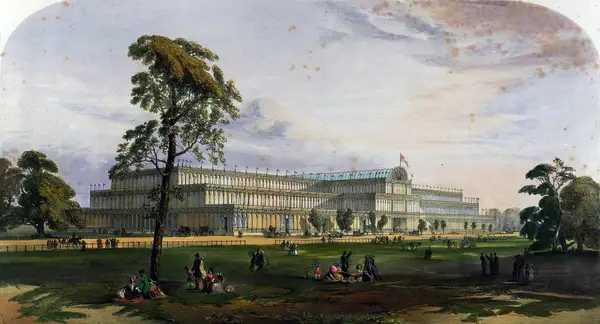
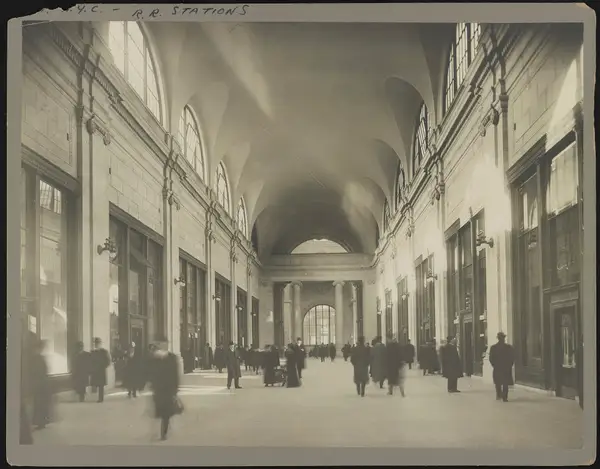
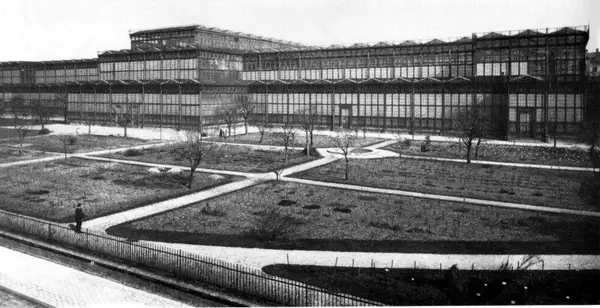
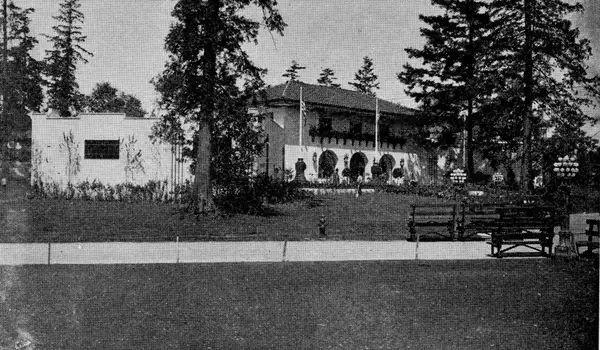
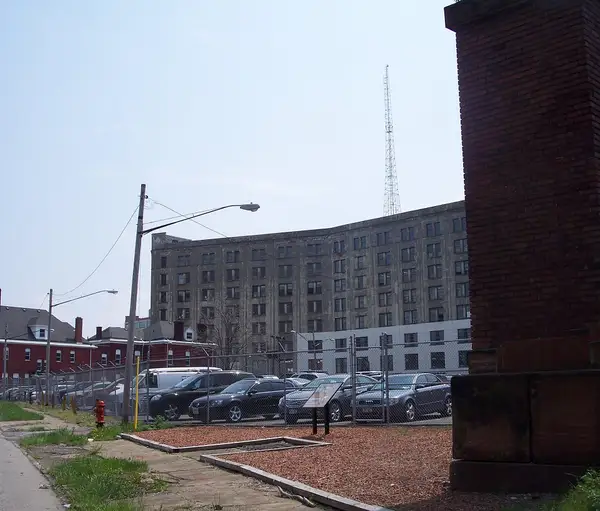
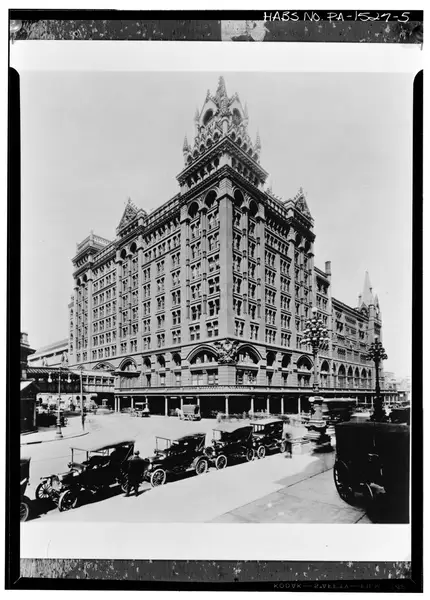
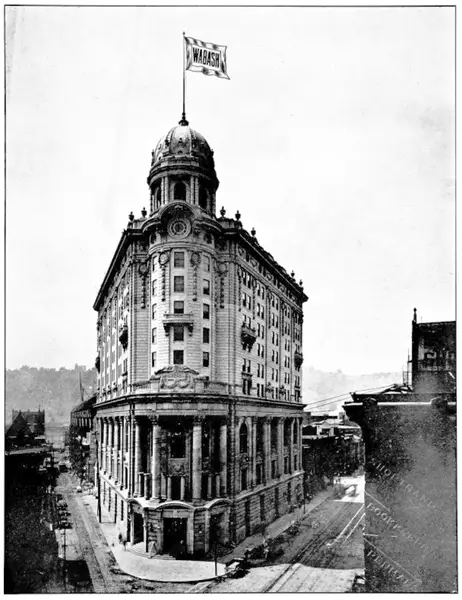
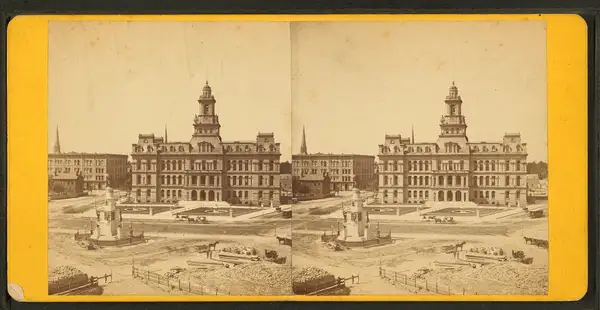
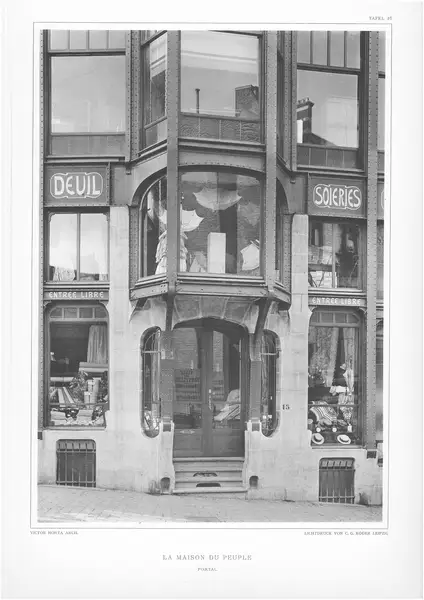
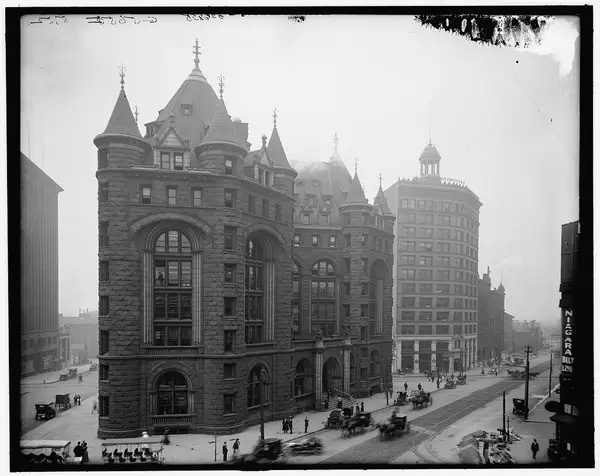
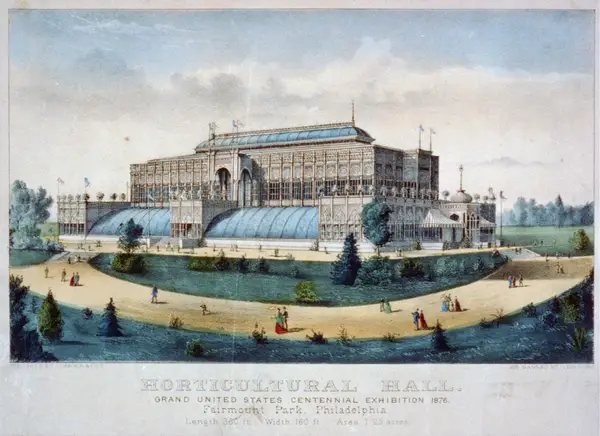
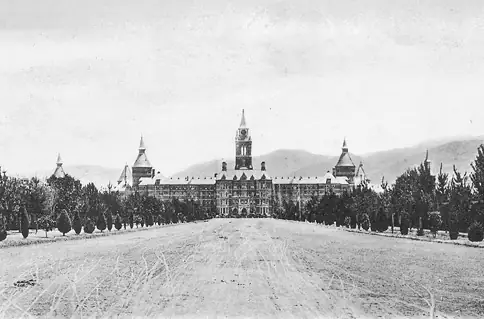
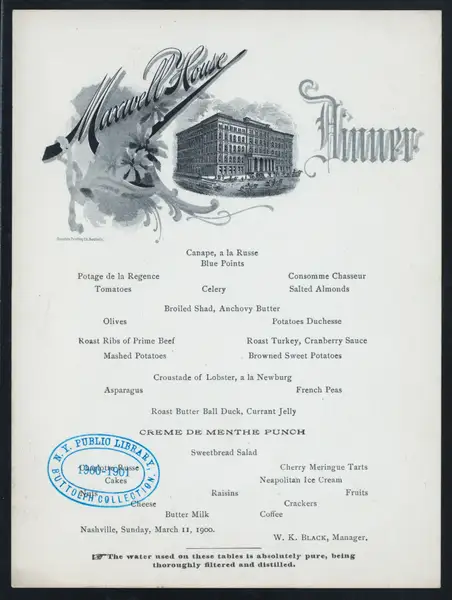
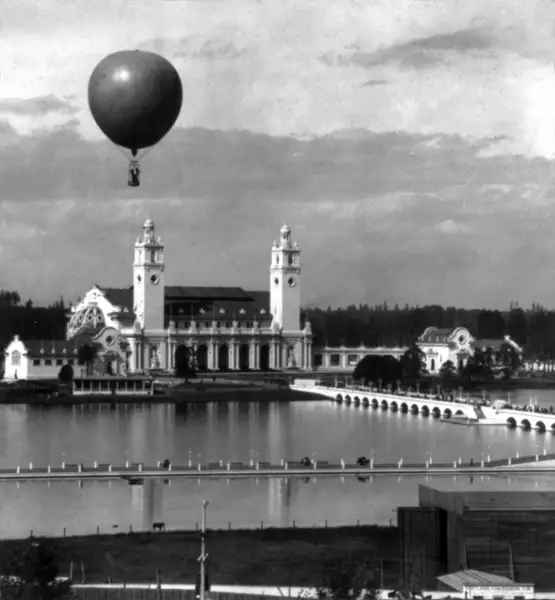
The surviving giants of the fair era didn't fade out evenly. Five great fair halls were lost to fire or demolition between 1931 and 1937, and then a second wave of grand stations, city halls and banks came down between 1950 and 1968. Common sense: if these buildings were simply old and costly, losses would be spread out. Bunched losses suggest a policy, a fashion, or a reason to remove a particular kind of evidence.
Strongest examples

The evidence
Fair-era giants lost 1931–38
7 (5 fair halls in 1931–37)
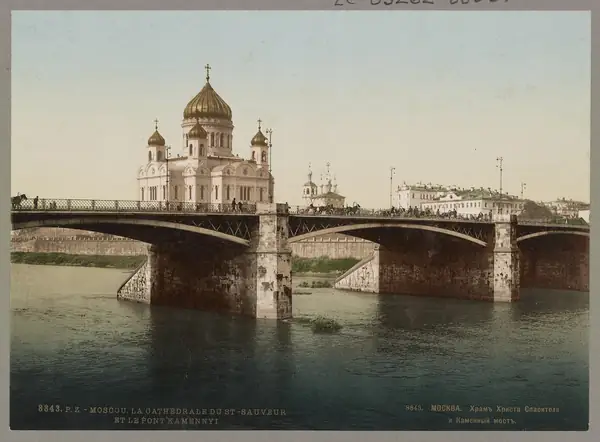
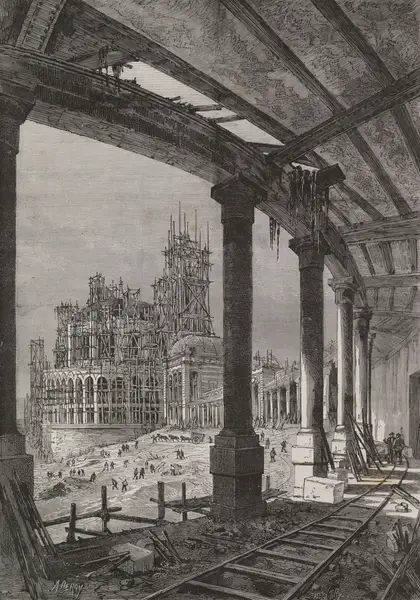
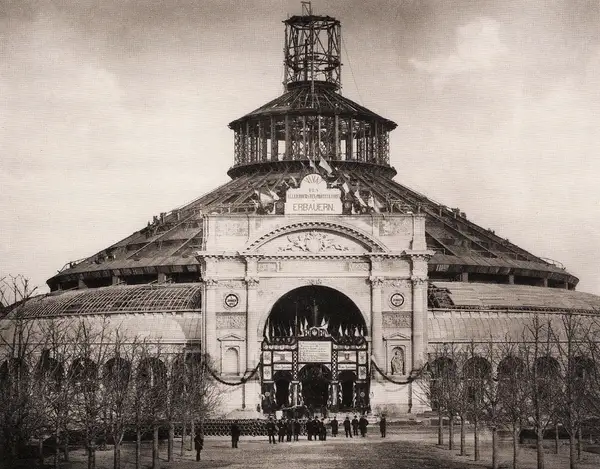
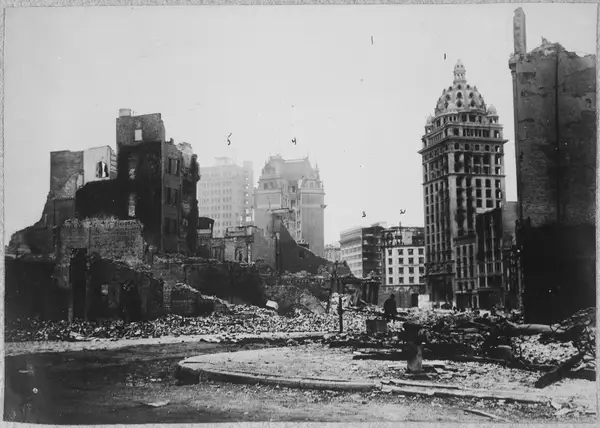
Surrounding landmarks demolished 1950–68 (lost.json)
8 of 21 dated surrounding losses, plus Horticultural Hall 1955
Open questions
- Who decided each demolition, and what was found in the foundations?
- Why were the 1930s fair-hall fires never rebuilt?
What would support it
- Demolition reports noting unexpected older construction.
- Common decision-makers or funding behind the demolitions in different cities.
What would rule it out
- Ordinary urban-renewal and highway programmes (1950s–60s) and the Depression (1930s) explaining each case, with local debates on record.
Selection bias
High: lost.json lists landmarks near featured buildings, which favours famous mid-century losses.
The rating counts how much of our gathered material lines up with the pattern. It is not a probability that the hypothesis is true, and every count is limited by which buildings were picked for the app (see 'selectionBias' on each card).
Next hypothesis
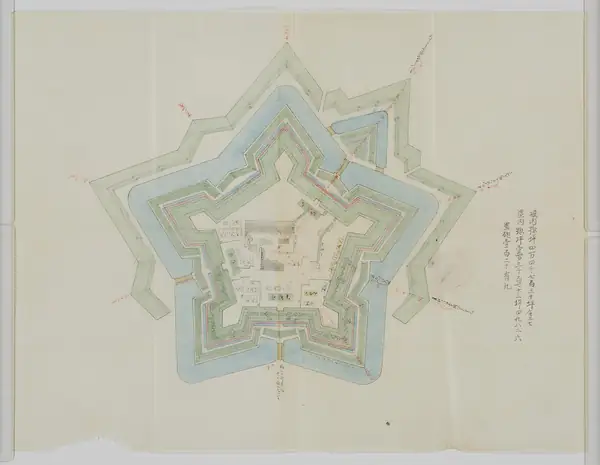 Moderate18 entries#11Star forts on every continentThe same pointed-bastion star geometry shows up in the Netherlands, France, Denmark, Finland, Russia, the US, Japan, Sri Lanka, Taiwan and South Africa, with dates spanning 1593 to 1866. Several sit on islands or marshes, several never fired a shot, and several are recorded as built in a few years. Common sense asks why an identical, labour-hungry geometry was worth building in such far-apart places, and whether all of them were built for war at all.