Hypotheses
20 patterns that run across the fairs, the Old World buildings and the records, each with the entries behind it, what would support it and what would rule it out.
About the strength rating. Strength is how much of our gathered material lines up with the pattern. It is not the odds that the idea is true. Strong: 30 or more distinct supporting entries in the dataset, from at least 3 sections or regions. Moderate: 15 to 29 distinct supporting entries. Emerging: 7 to 14 distinct supporting entries. Thin: fewer than 7 supporting entries.
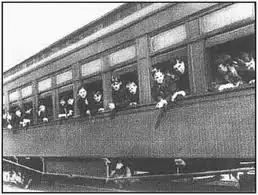 Strong205 entries#1The children were moved in the same windowIn the same decades as the fairs, the asylum boom and the great fires, hundreds of thousands of children were moved on trains and ships, placed with strangers, renamed or put to work, and whole institutions were founded to take them. Common sense asks where so many parentless children came from in peacetime, and why moving them far away was the answer so often. The possibility researchers raise is a repopulation or restaffing of places after something disrupted families on a large scale.
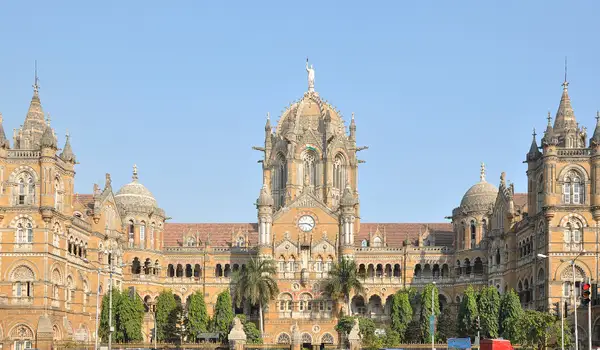 Strong124 entries#2The Great Completion Window, 1865–1915Most of the grand stone buildings in our collection are put on the record as finished inside one 50-year window, on every continent at the same time. Common sense says a world that had never built like this before doesn't suddenly finish capitols, opera houses, stations and city halls from Texas to Kuala Lumpur in the same few decades. One possibility is that much of this was older building stock that got new paperwork, new names and new 'completion' dates in that window.
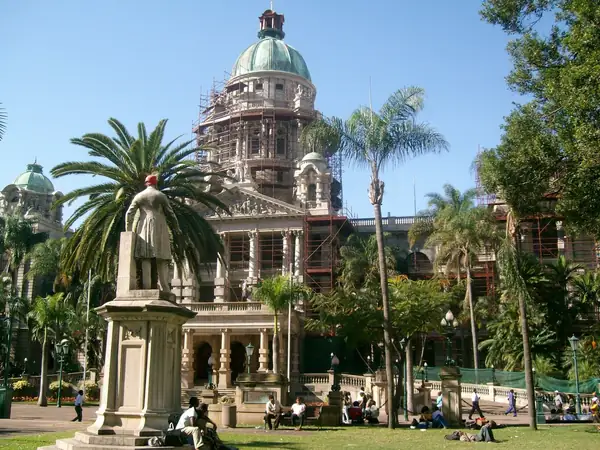 Strong111 entries#3One template, every continentThe same domes, the same Kirkbride layout, the same Garnier opera house and the same star-shaped fort turn up on every inhabited continent, often in the same decades and often openly called copies. Common sense says that in an age of letters and steamships, a style doesn't normally spread to Manaus, Hanoi, Durban and Winnipeg at once. One possibility is a shared source: a common building tradition or pattern-book much older than the names now attached to it.
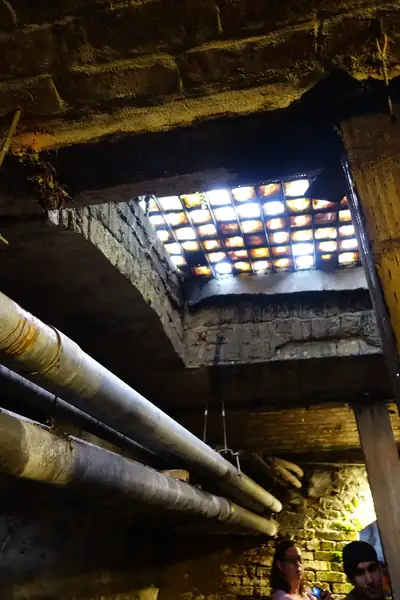 Strong110 entries#4The ground came up: buried floors are everywhereBuried ground floors, stairs that go down to a door, raised streets and dug-out temples appear in 35 countries in our collection, from Seattle to Rome to Edfu. Common sense says ground doesn't rise metres in a few centuries without something bringing it. The documented causes vary (river silt, drifting sand, volcanic ash, rubble, deliberate street raising), but the result is the same: older cities sit under newer ones far more often than most people picture. The open possibility is that some of the raising on record was the cleanup of a deposit rather than a choice.
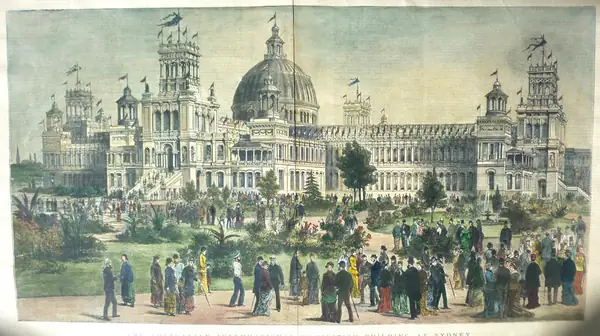
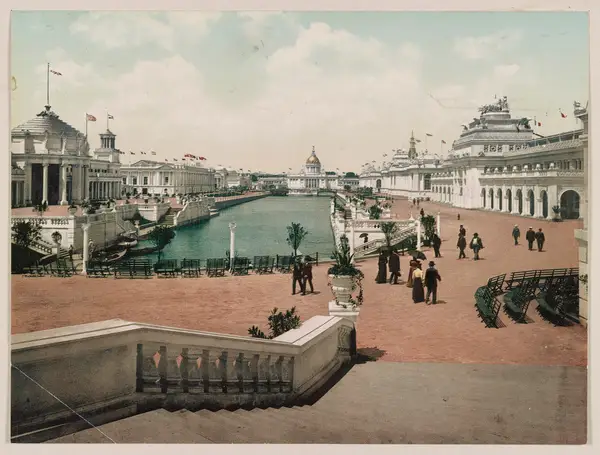
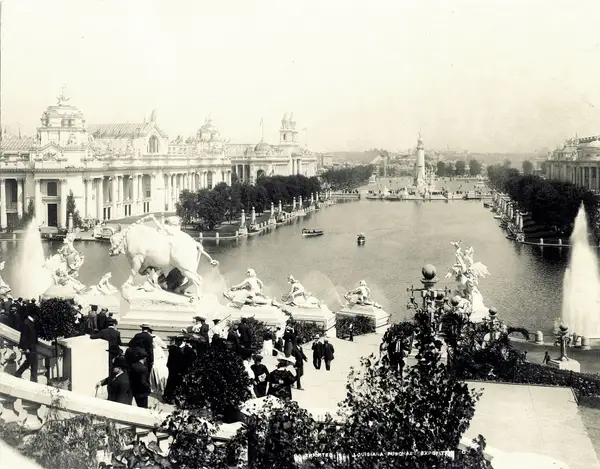 Strong57 entries#5Built in two years, gone in one: the 'temporary' palacesEvery fair palace in our records is said to have gone up in three years or less, while permanent capitols and cathedrals of the same era took 8 to 24 years. Then most of the palaces were taken down or burned within months or a few years of closing. Common sense asks why anyone would spend that much effort on buildings meant to last one season, and why the 'temporary' ones went up so much faster than the permanent ones. One possibility is that some fair sites re-used or cleared existing structures, and the fair was the story that went with the clearance.
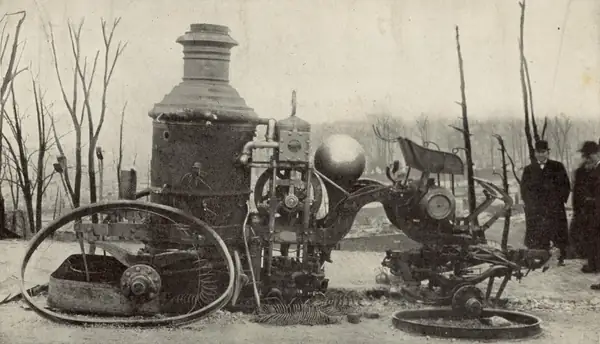 Strong53 entries#6Fire as the reset buttonCity after city loses its old centre to one big fire, usually blamed on something homely like a pipe, a glue pot or a cow, and within one to three years a grander stone and brick centre stands in its place, often on a brand-new street plan that was ready almost at once. Common sense says rebuilding a downtown in stone takes money, masons and quarries a city doesn't have the morning after a disaster. One possibility is that some of these fires cleared old fabric and old ownership, and the rebuild was planned or supplied from outside.
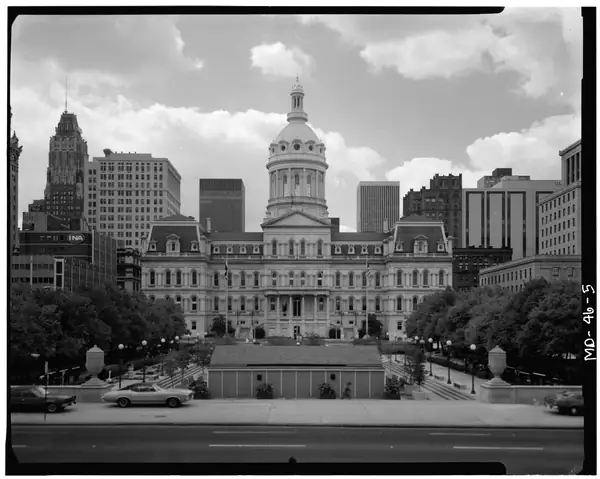 Strong36 entries#7The names on the plaqueThe credited architects include men in their early twenties handed city halls and parliaments, offices running several capitols at the same time, a Gothic genius who had to file his designs under other men's names, and competitions won by the fourth- or third-place entry. Common sense says the name on the plaque may not be the person who drew the building. One possibility is that some credited architects were administrators or certifiers of designs that came from somewhere else.Moderate65 entries#8Repopulation after the Mud Flood? Testing the timelineThe idea Chris asked us to test: if something buried or emptied cities, you'd expect the evidence of burial and dig-out to come first, then a rush to fill the buildings and the land with people: orphan trains, new orphanages and asylums, child workers, incubator babies on show at the fairs, and big immigration waves. We lined up every dated item we've gathered, decade by decade (the 'overlay' block in this file). The repopulation signals really do bunch together in 1850–1920, alongside the fires and the fairs. The weak spot is the order: in our data the mud-flood evidence (street raisings) starts in the same decade as the orphan trains, not before them.
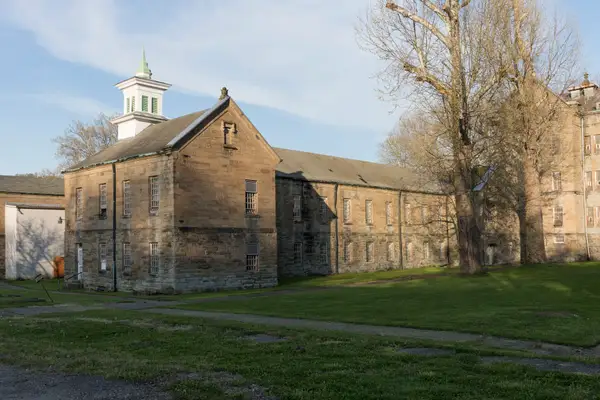 Moderate31 entries#9Too big for the townSet the recorded census next to the building and the mismatch is plain: asylums designed for a third of the town's whole population, a 37-year capitol begun in a prairie town of under 6,000, domed capitols in state capitals of 6,000 to 12,000 people. Common sense says a town of a few thousand doesn't have the money, the stone, the masons or the reason for a palace. One possibility is that some of these buildings were already standing and the town grew around them, or that they were paid for and supplied from far outside the town.
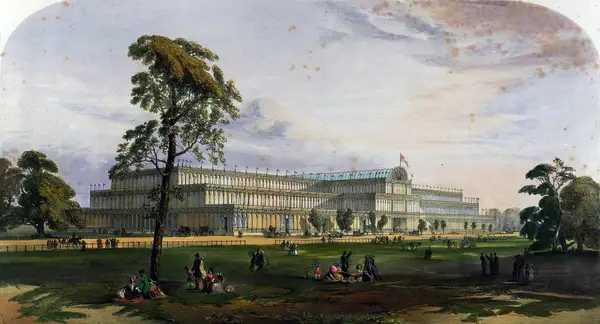 Moderate19 entries#10A second clearance: the 1930s and the 1950s–60sThe surviving giants of the fair era didn't fade out evenly. Five great fair halls were lost to fire or demolition between 1931 and 1937, and then a second wave of grand stations, city halls and banks came down between 1950 and 1968. Common sense: if these buildings were simply old and costly, losses would be spread out. Bunched losses suggest a policy, a fashion, or a reason to remove a particular kind of evidence.
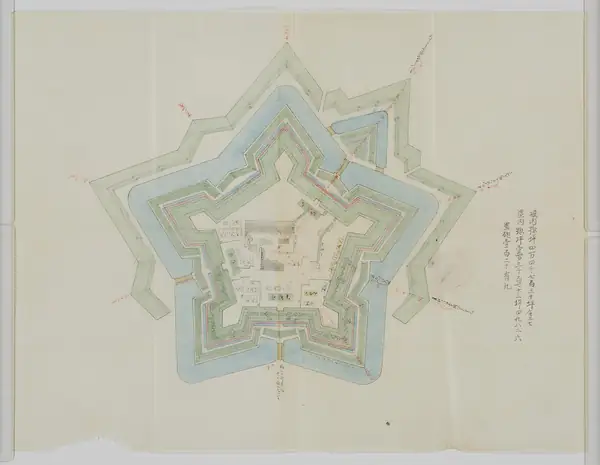 Moderate18 entries#11Star forts on every continentThe same pointed-bastion star geometry shows up in the Netherlands, France, Denmark, Finland, Russia, the US, Japan, Sri Lanka, Taiwan and South Africa, with dates spanning 1593 to 1866. Several sit on islands or marshes, several never fired a shot, and several are recorded as built in a few years. Common sense asks why an identical, labour-hungry geometry was worth building in such far-apart places, and whether all of them were built for war at all.
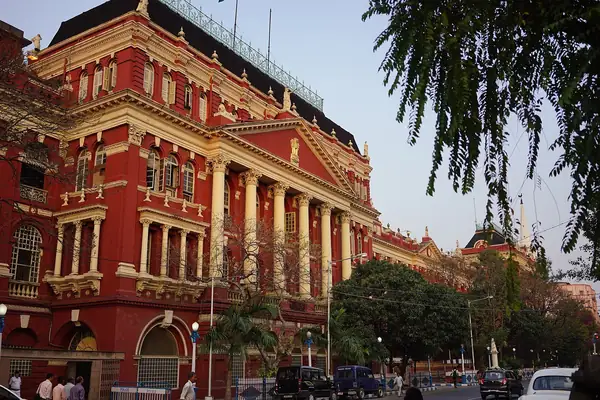 Moderate18 entries#12Older cores behind newer facesOver and over the record itself says a 'new' building sits on, around or inside something older: a surviving medieval hall, a re-used palace core, a refaced 18th-century block, an old fort, prison or citadel site, a temple under a church. Common sense: if this is admitted in these cases, the same thing may have happened in others where nobody wrote it down, and the 'built' date may really be a 'refaced' date.
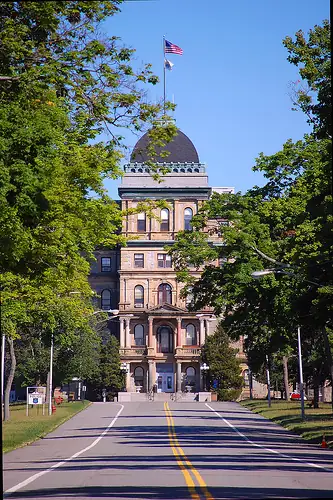 Moderate17 entries#13Built for people who hadn't arrived yetSeveral asylums open almost empty in huge buildings, then fill to many times their design size within a few decades. Common sense says you build for the need you have. Building first and filling later suggests either the buildings were there before the need, or someone planned for a large incoming population ahead of time.
 Moderate15 entries#14Seats of government burn, and come back bigger and fasterA striking number of capitols, parliaments, city halls and palaces in the collection follow the same script: the old seat burns, and a larger, domed replacement is up within about 2 to 11 years. Common sense says the replacement for a building you could barely afford should take longer and be more modest, not bigger and quicker. One possibility is that the fire marks the moment an older building was swapped out or rebranded.
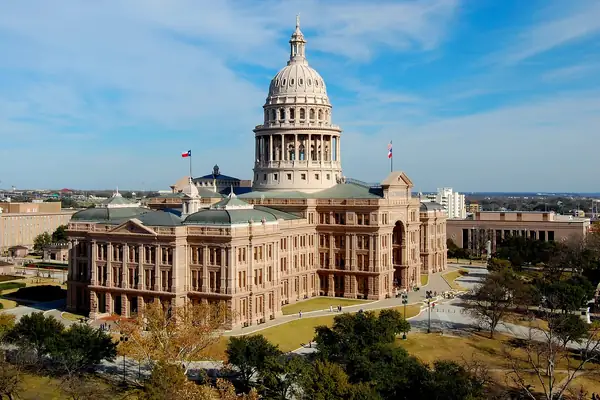 Emerging14 entries#15Where were the skilled hands?Where the record does name the workforce, it keeps saying the same thing: the skills had to be imported (Scottish granite cutters, German and Irish masons) or forced (convicts). Yet the same decades are credited with thousands of carved stone buildings across small towns. Common sense: if Texas had to send to Scotland for 86 stonecutters, who was cutting stone for every county courthouse and capitol at the same time? One possibility is that far fewer buildings were cut new than the record implies, and many crews were finishing, repairing or refacing existing stonework.
 Emerging13 entries#16The records go with the fireAgain and again, the fire that takes a building also takes the papers: city archives, land records, a state library, a nation's record office, the census for the fair years. Common sense says if you wanted to know who held the land, who lived there and who built what, these are exactly the records you'd need, and they're exactly the ones that are gone. The possibility is that the gaps in the record are not random.
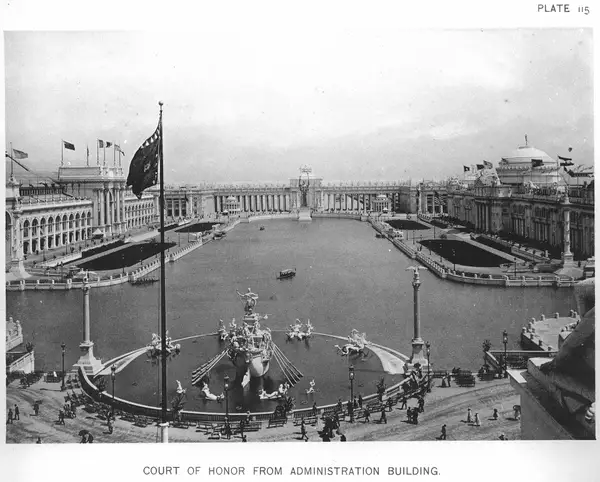 Emerging12 entries#17What was kept was stone, and the loved ones were recastOf the fair buildings that survived, the ones the record calls permanent are stone, marble or brick-cored. Three of the best-loved 'plaster' palaces were later rebuilt in concrete or stone, which means the building you see today carries a later date than the one in the photos. Common sense: if a 'temporary' palace looked good enough for a city to fight for it, maybe it was more solid than the record says, or maybe the rebuild date covers what was really there.
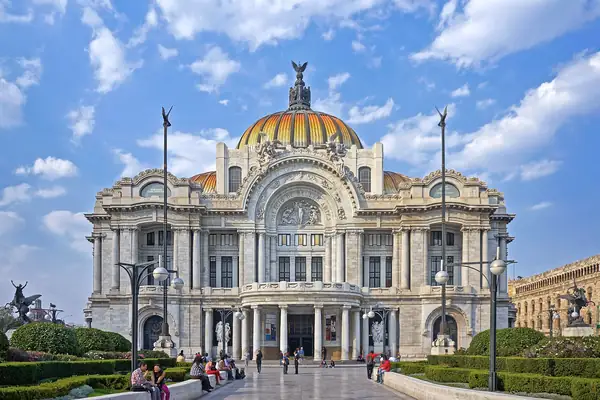 Emerging11 entries#18Some buried floors may be sunk floorsNext to the 'something covered it' reading, our own records show a second route to a buried ground floor: heavy masonry on soft ground going down. Mexico City's marble Palacio de Bellas Artes has sunk about four metres in about a century. Common sense: if a 1904 palace can lose a storey, then older stone buildings on river silt or lakebeds could have lost one or two without anyone burying them. This is a possibility to test alongside the mud flood idea, not against it.
 Emerging11 entries#19The 1890 gap: jumps, drops and a missing censusIn the town census figures we pulled, 8 of 46 towns more than tripled between 1880 and 1890, and 4 of those 8 then shrank by 1900. The 1890 census is also the one whose schedules were mostly destroyed (1921 fire). Common sense says a city doesn't quadruple and then lose a quarter of its people in a decade without leaving a mark. One possibility is that the 1890 numbers, or the people they counted, were not what they seem, and we can't check because the forms are gone.
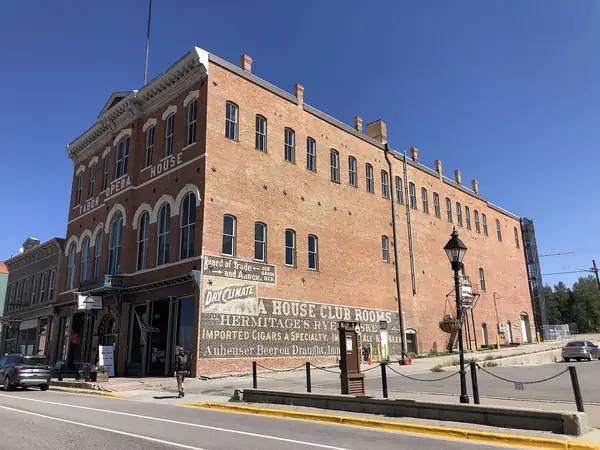 Thin54 entries#20Words that paper over the gapThe vocabulary in the records is soft at exactly the points where the question is hardest: buildings are 'dated', 'said to' be built in 100 days, 'rebuilt', 'restored', or 'founded'. Common sense: those words can describe building from nothing, or taking over, refacing or re-papering something already there. This is a reading guide, not proof.