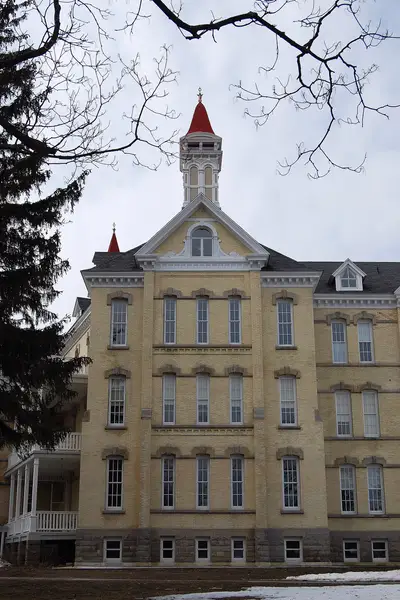
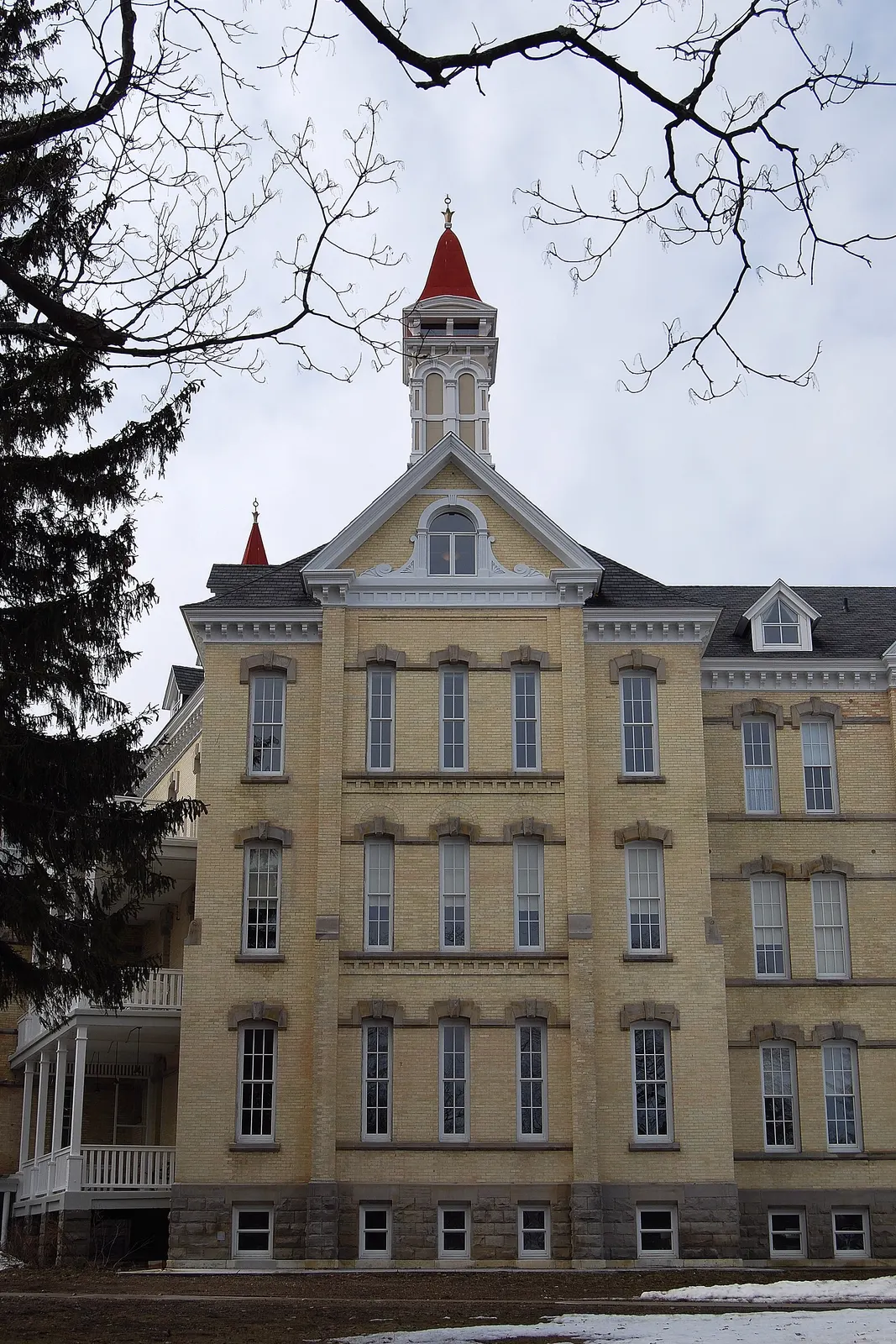
Photo: J.J. Pease after J.X. Mason · Public domain · via Wikimedia Commons
Research
Asylums
Kirkbride palaces and why admissions soared
Hidden history
What the record shows
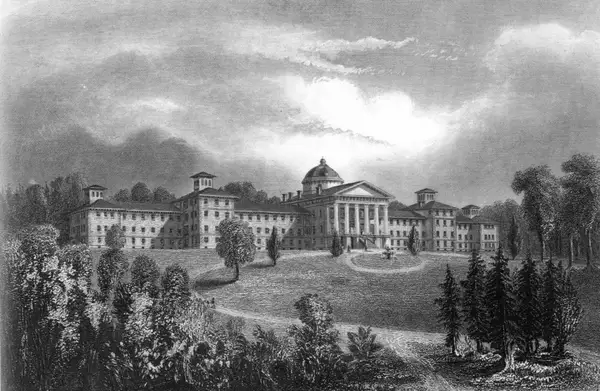
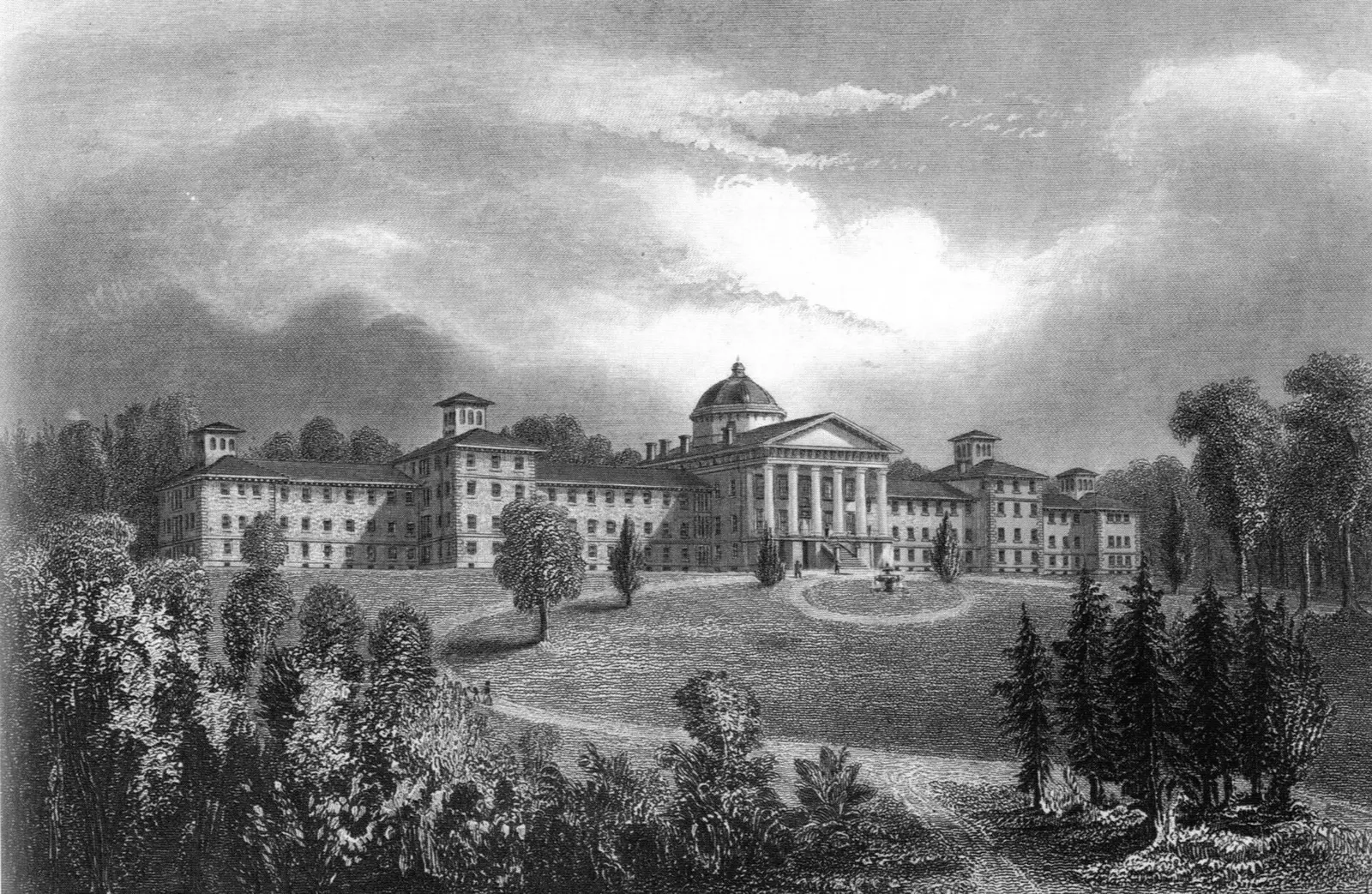
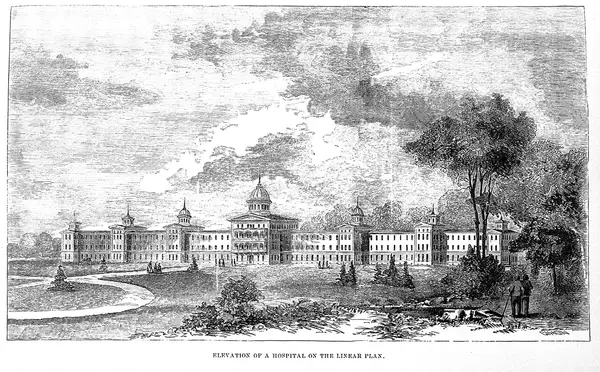
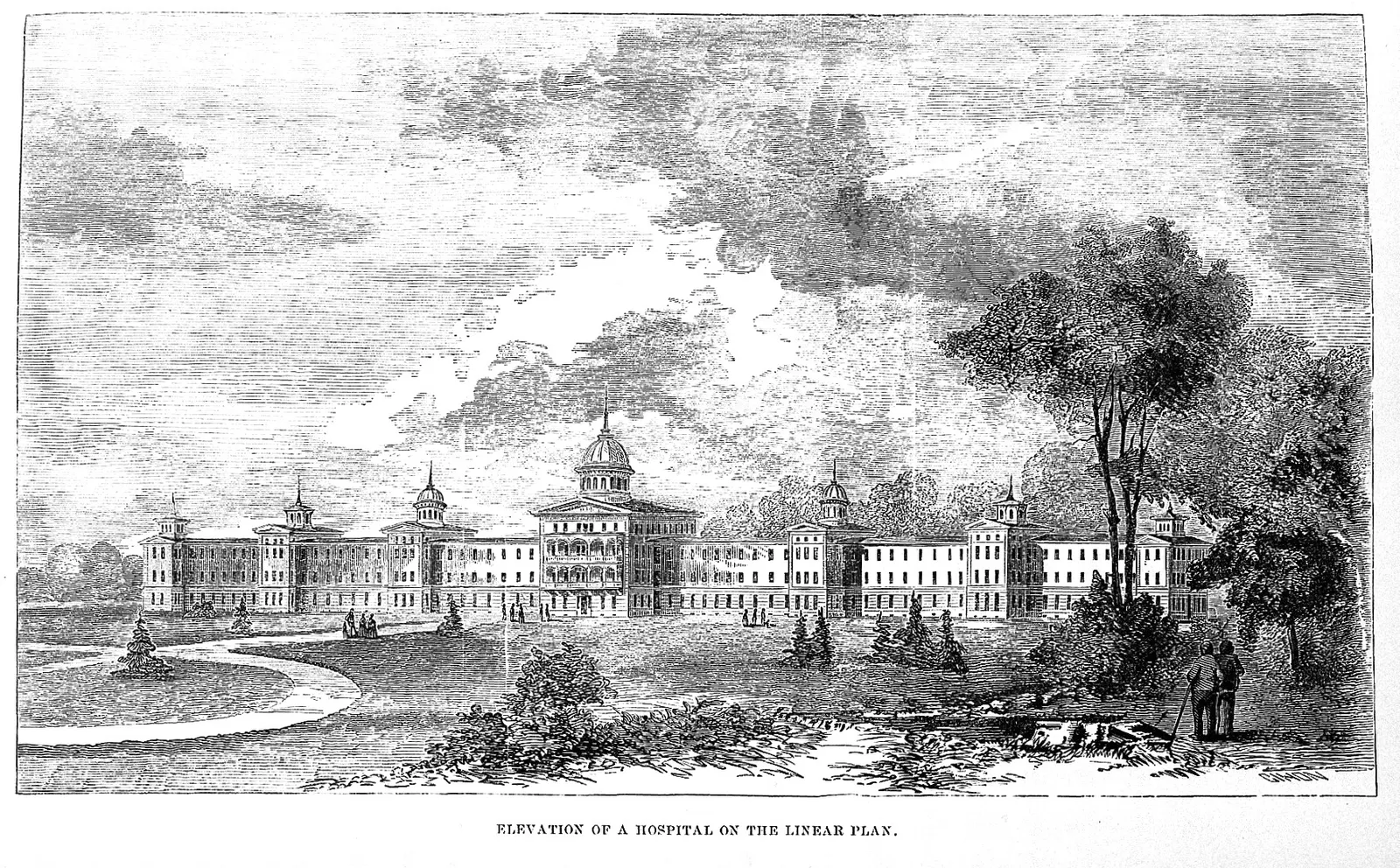
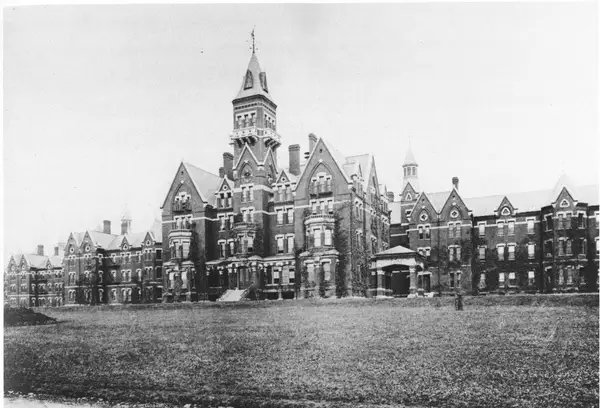
In the second half of the 1800s, nearly every state put up a huge asylum, many on Dr. Thomas Kirkbride's plan: a towered center with wings stepping back on each side. They are some of the biggest buildings of their time. Who filled them, and why did it happen so fast?
Built for hundreds, filled with thousands
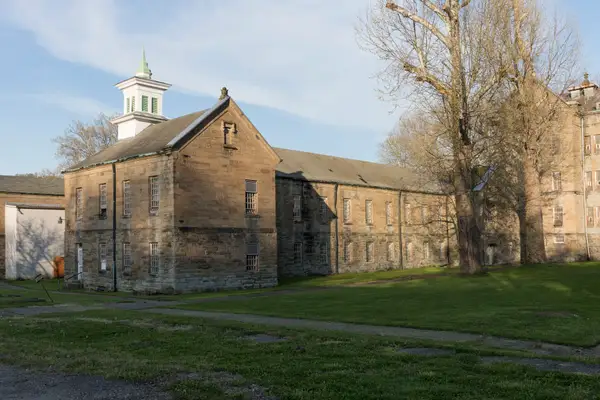
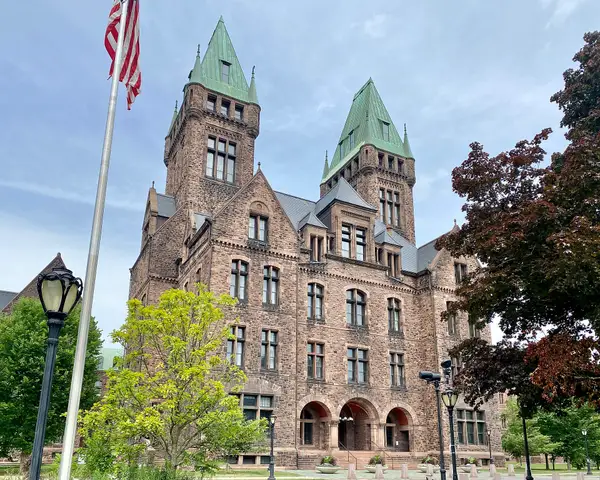
Trans-Allegheny was designed for 250 people and held more than 2,400. Hudson River, Danvers and Buffalo tell a similar story.
One plan, everywhere
The same staggered layout went up from Massachusetts to Michigan to West Virginia, in stone and brick, with towers and tunnels.
Taking the parents
Research episodes ask how easily adults could be committed, and whether the asylums and the orphanages were two parts of one system.
Questions worth asking
- Why build palaces for patients?
- How were so many adults committed with so few records?
- What were the tunnels for?
What the photos show


Related buildings
Further viewing
Episodes from My Lunch Break (Michael Kruse), the main lens for this app. They open on YouTube.


