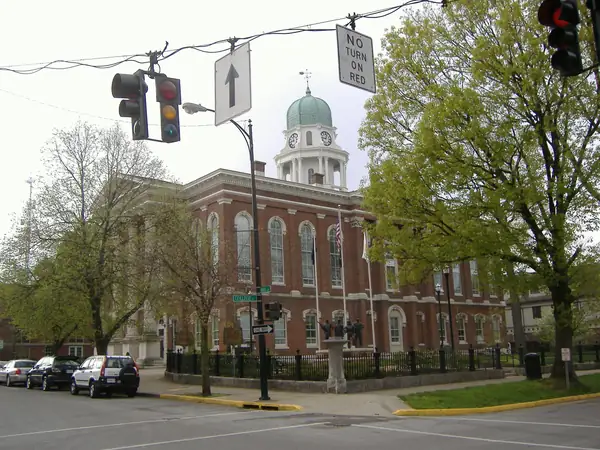
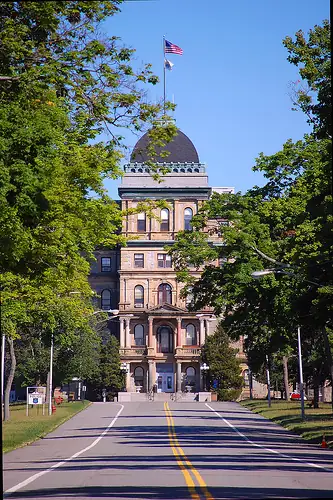
 Morris Plains, New JerseyGreystone ParkAlmost 2,000 square feet per patient. Who was it really built for?673,700 sq ft built for 350 patients; it later held more than 7,700.
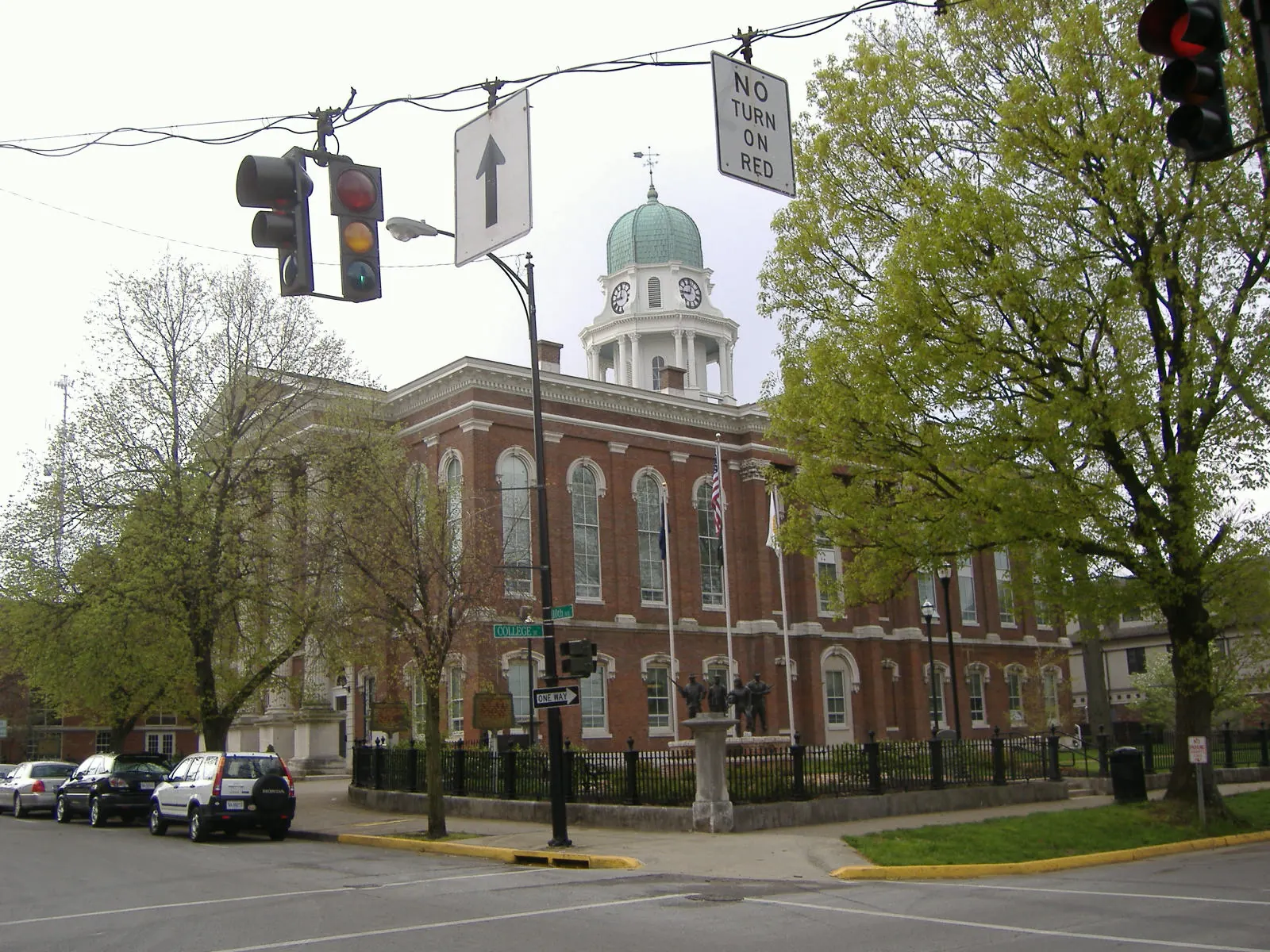
Photo: Bedford at English Wikipedia · Public domain · via Wikimedia Commons
Does It Add Up? · Bowling Green, United States
Warren County Courthouse (Kentucky)
The open question
A town of 4,574 (1870 census) and a $125,000 building. Where did the money, the stone and the skilled hands come from?
On the record
An 1874 description rightly stated that the city had, 'next to that at Louisville, the most elegant courthouse in Kentucky, built in 1868-69, at a cost of $125,000.'
- Year
- 1868
- Kind
- courthouse
Sources
More from Does It Add Up?
Morris Plains, New JerseyGreystone ParkAlmost 2,000 square feet per patient. Who was it really built for?673,700 sq ft built for 350 patients; it later held more than 7,700.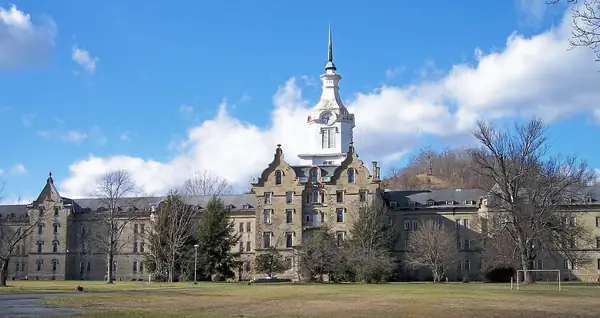 Weston, West VirginiaTrans-Allegheny Lunatic AsylumHand-cut stone on this scale, in a rural county. Where did the masons come from?One of the largest hand-cut stone buildings in the US, designed for 250.
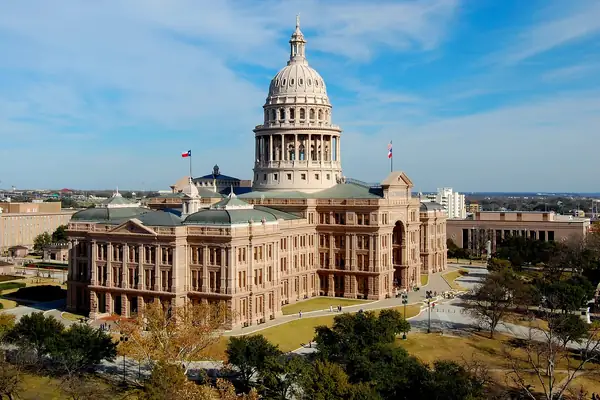 AustinTexas State CapitolThey had to bring stonecutters from Scotland and use convicts. If the skills weren't here, how were so many stone buildings going up across the country?Built 1882–88 of donated Granite Mountain red granite, by up to a thousand convicts and migrant workers at a time, including 86 granite cutters from Scotland. The builders were paid with over three million acres of land.
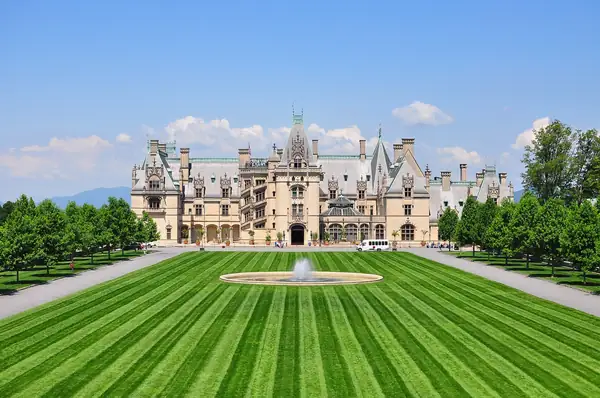 Asheville, North CarolinaBiltmore HouseSixty stonemasons for the largest house in America in six years. Does that add up?178,926 sq ft of Indiana limestone built 1889–95 by about 1,000 workers and 60 stonemasons; a 3-mile rail spur, a brick kiln and a woodworking factory were built on site.