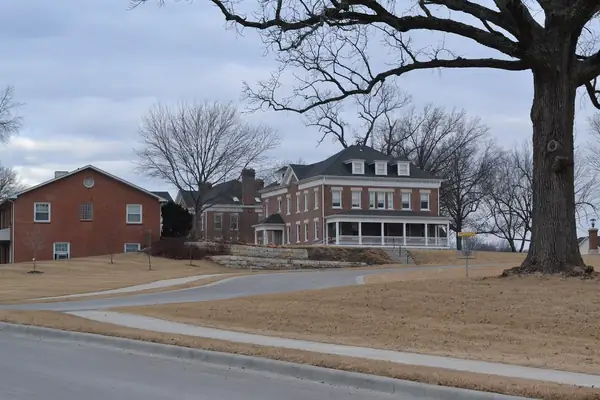
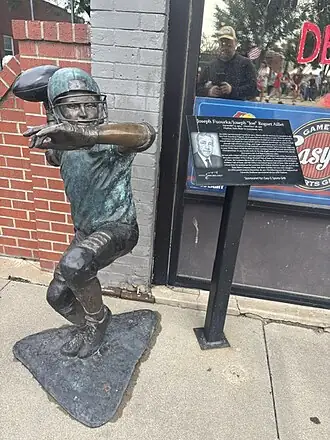
 New York CityOrphan train movementUp to 30,000 homeless children in one city, in peacetime. Where were their parents?From 1854 to 1929 the trains moved about 200,000 children. In 1850 there were an estimated 10,000 to 30,000 homeless children in New York City alone.
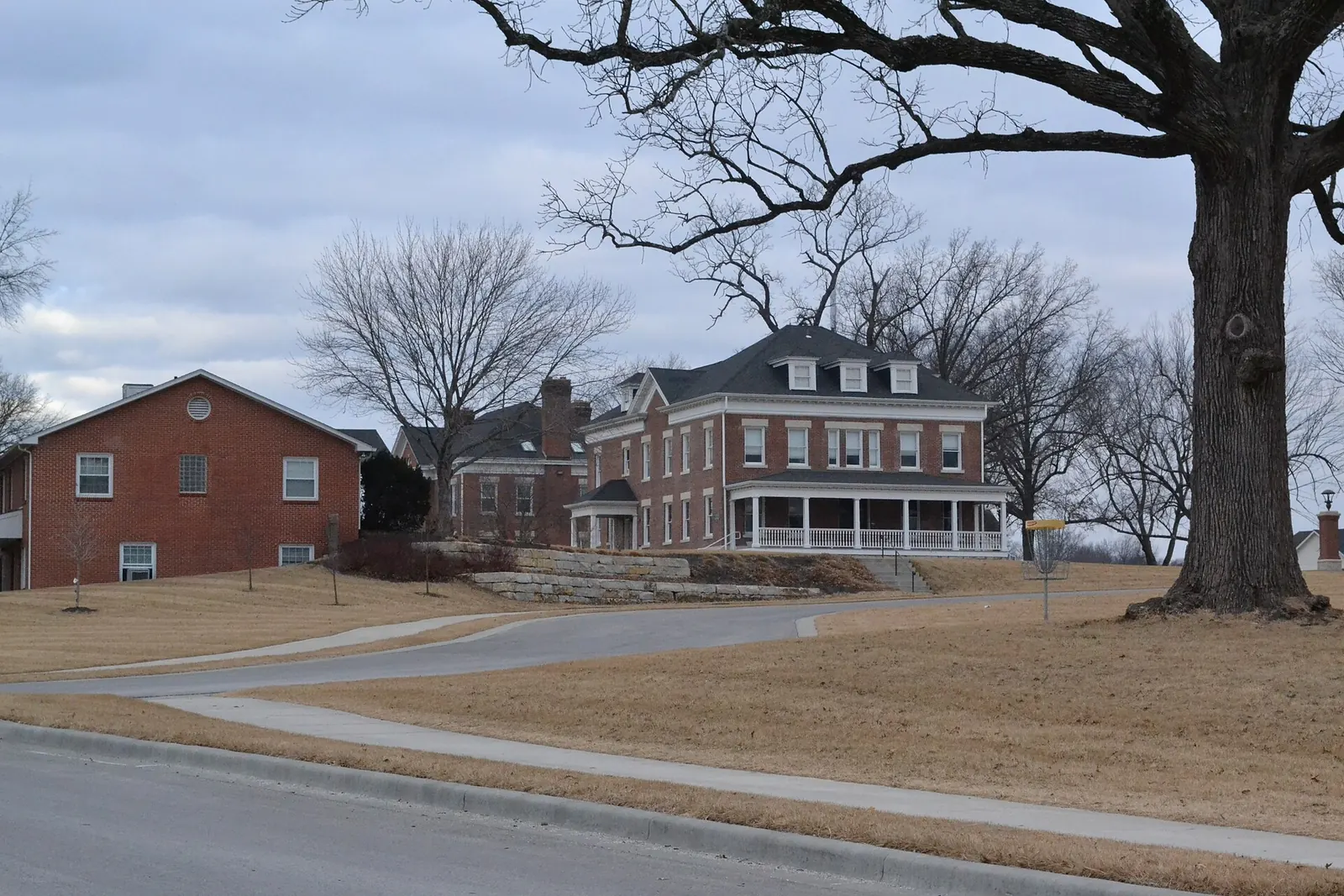
Photo: 25or6to4 · CC BY-SA 4.0 · via Wikimedia Commons
Orphan Trains · Jackson County, United States
Andrew Drumm Institute
The open question
Who paid for this, and who decided which children went in?
On the record
Built on a 370-acre working farm, it provided a means of support and education for disadvantaged boys starting in 1929. The institute hosted about 20 boys per year until 1944, when expanded facilities allowed an average of 35 per year, with another expansion in the 1960s leading to a peak of nearly 54 boys in 1970.
Sources
More from Orphan Trains
New York CityOrphan train movementUp to 30,000 homeless children in one city, in peacetime. Where were their parents?From 1854 to 1929 the trains moved about 200,000 children. In 1850 there were an estimated 10,000 to 30,000 homeless children in New York City alone.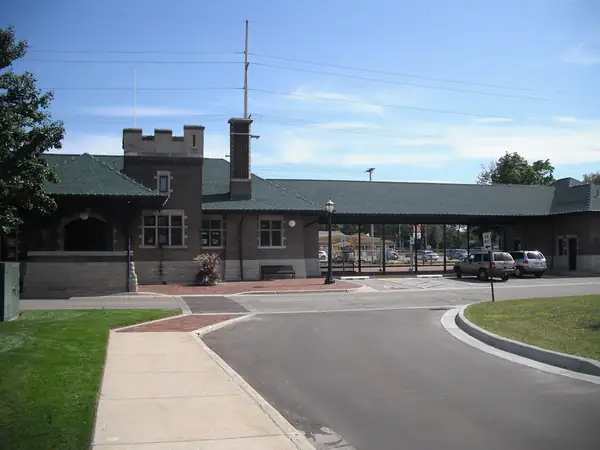 Dowagiac, MichiganFirst orphan train stop, DowagiacA train of children shows up and families pick them at the station. Who checked where they went?In 1854 Dowagiac was the final stop for the first group of orphans brought west from New York; children were dropped off and taken in at the depot.
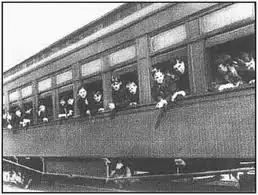 Concordia, KansasNational Orphan Train ComplexChildren stood on a stage and said their names. How many lost those names afterwards?A museum in the restored Union Pacific depot. Some children were walked from the depot into a playhouse and put on stage, said by the museum to be the origin of 'up for adoption'.
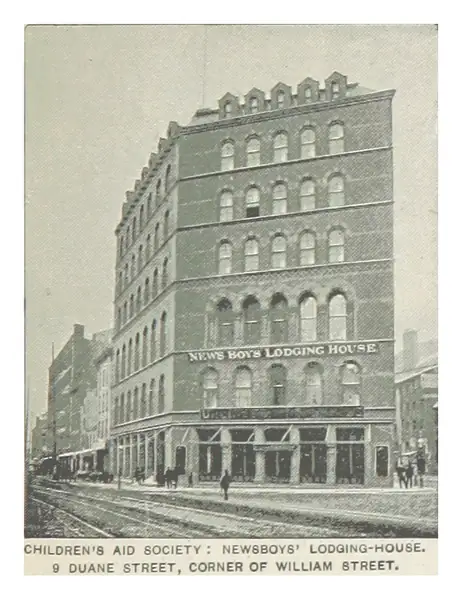 New York CityChildren's Aid SocietyBusinessmen paid to send city children to farms. Who needed the labour, and who gained?Founded in 1853 by Charles Loring Brace with money from New York businessmen; one of the three charities behind the orphan trains.