 New York CityOrphan train movementUp to 30,000 homeless children in one city, in peacetime. Where were their parents?From 1854 to 1929 the trains moved about 200,000 children. In 1850 there were an estimated 10,000 to 30,000 homeless children in New York City alone.
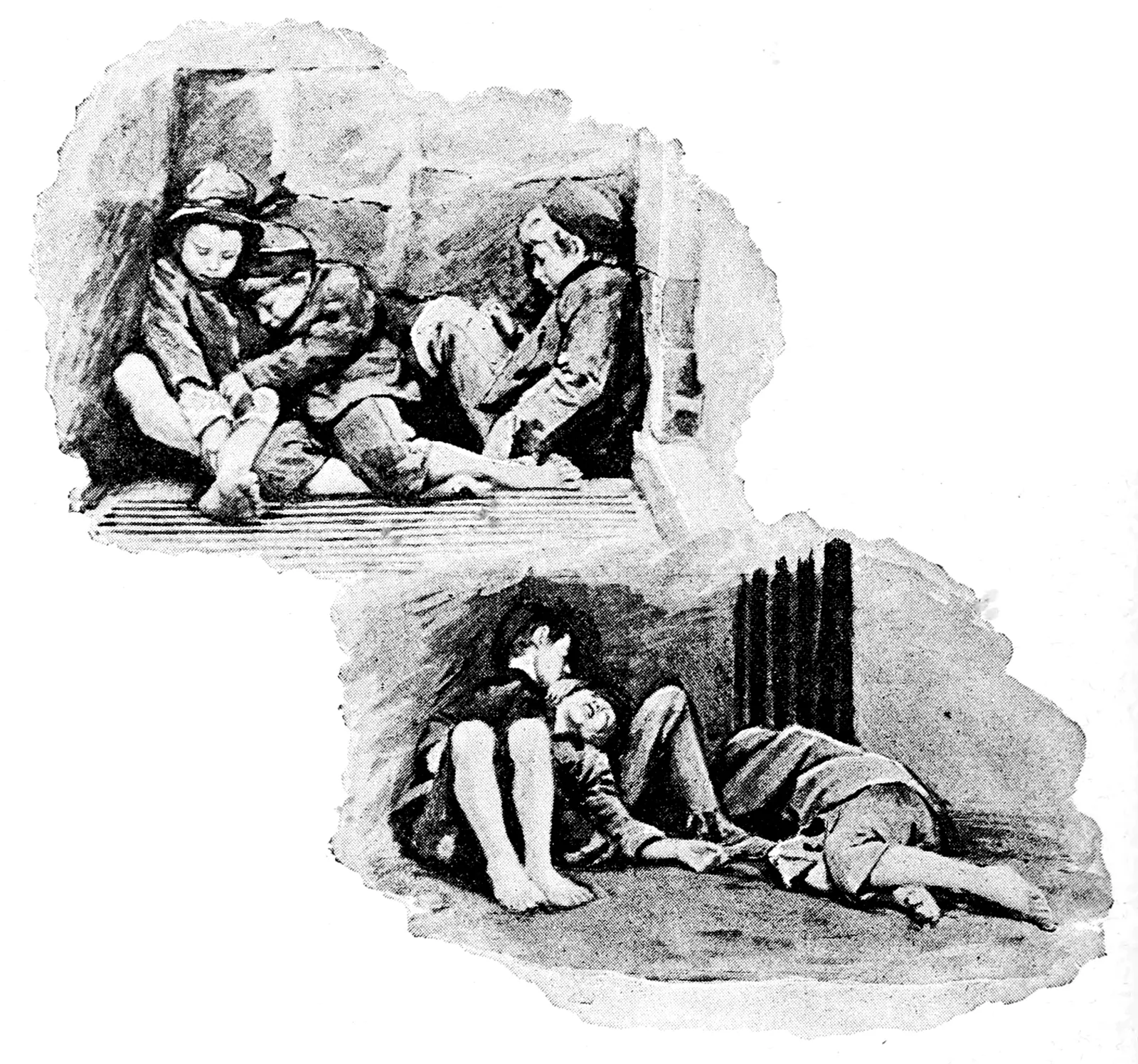
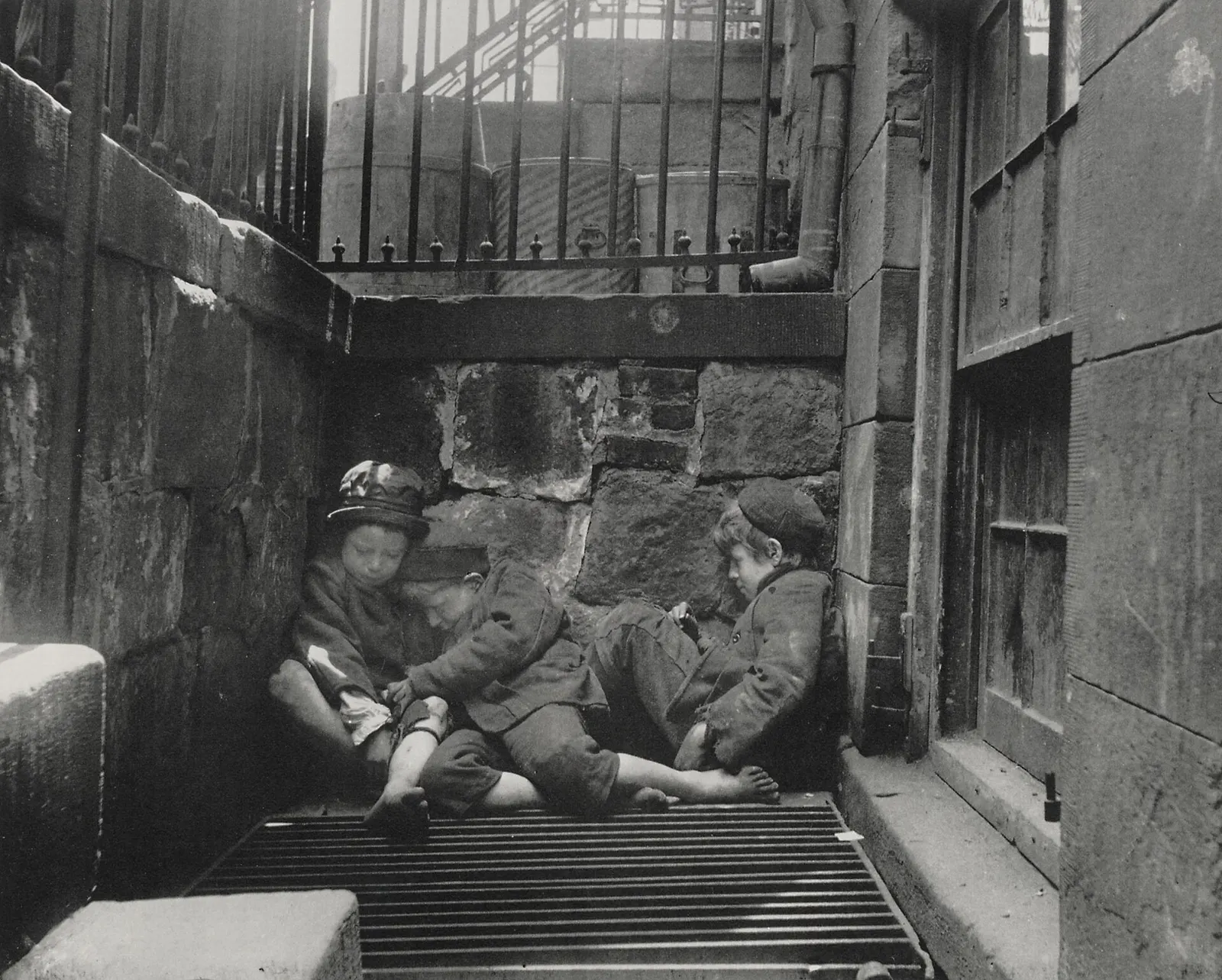
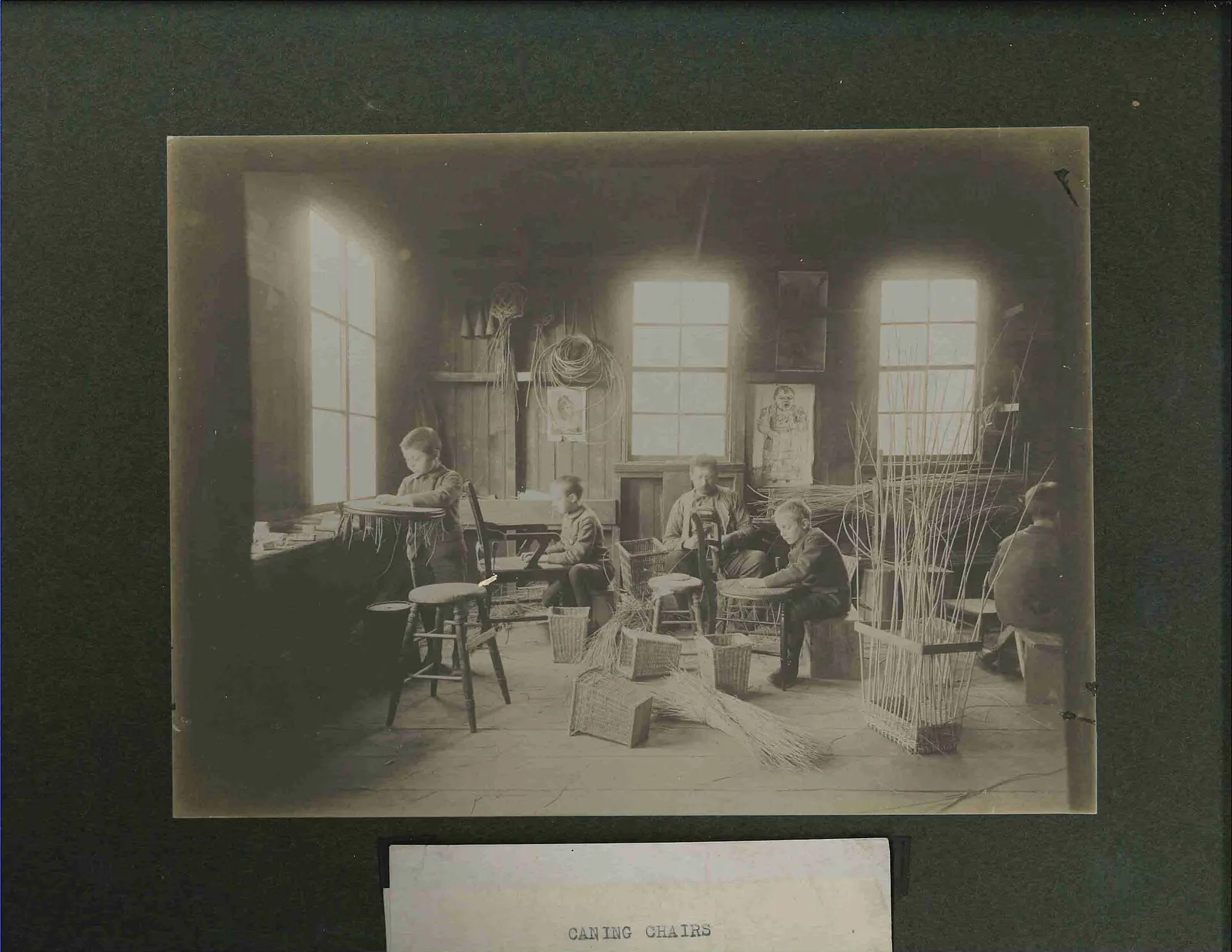
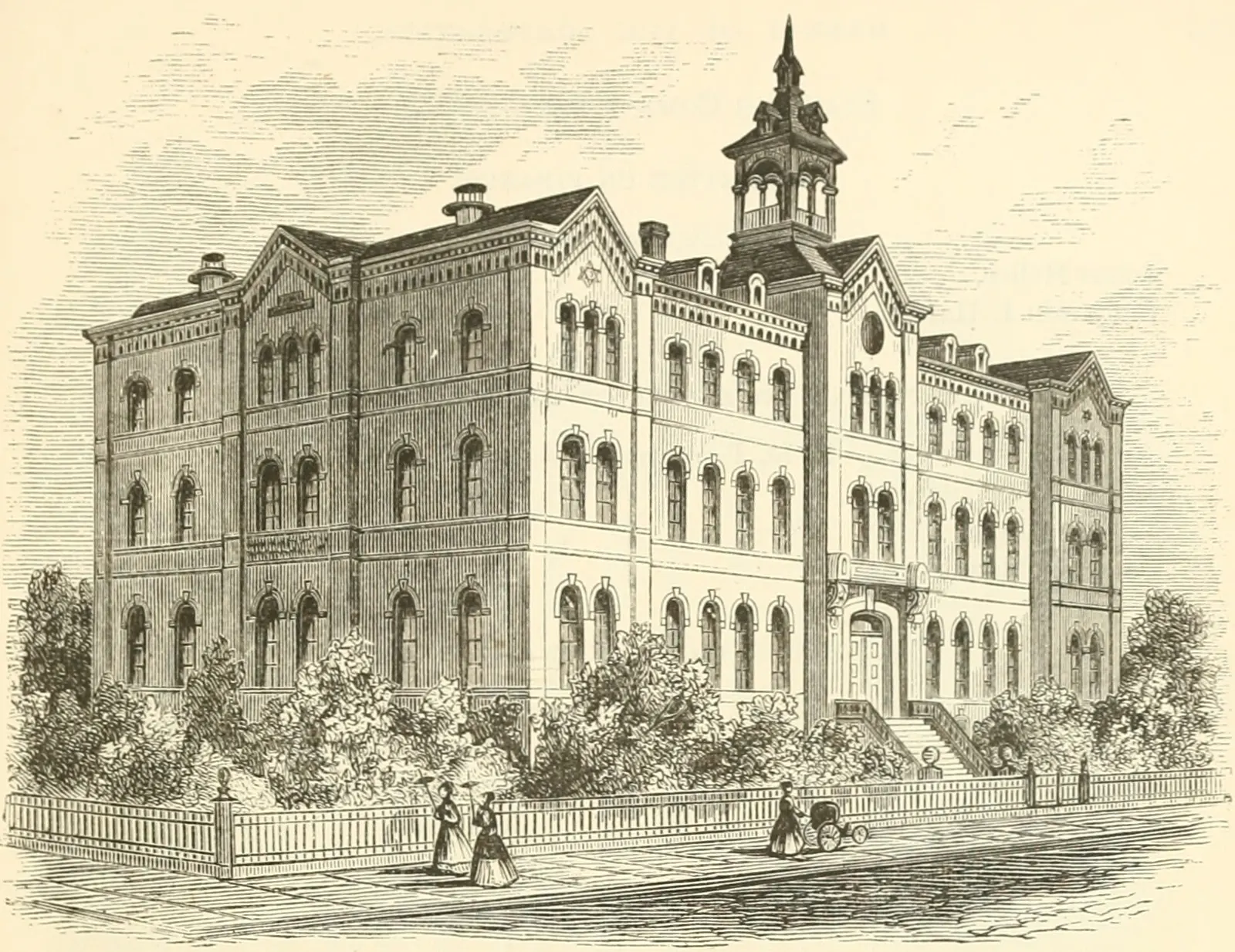
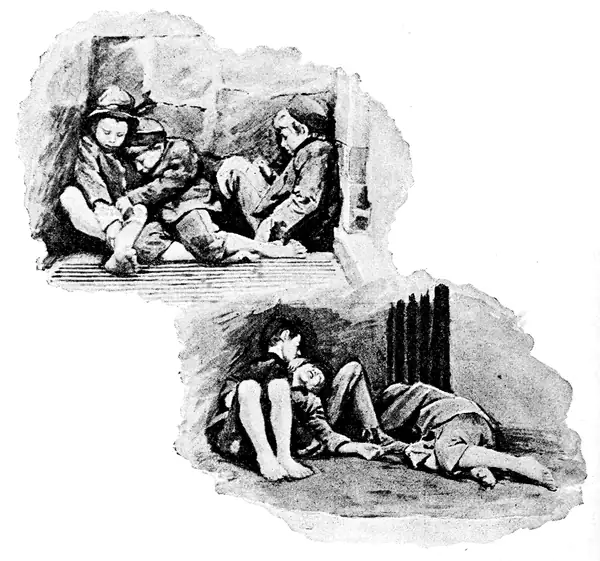
Photo: Jacob Riis (1849-1914) · Public domain · via Wikimedia Commons
Research
Orphan Trains
About 200,000 children sent west, 1854–1929
The hypothesis
The children were moved in the same window Strong
In the same decades as the fairs, the asylum boom and the great fires, hundreds of thousands of children were moved on trains and ships, placed with strangers, renamed or put to work, and whole institutions were founded to take them. Common sense asks where so many parentless children came from in peacetime, and why moving them far away was the answer so often. The possibility researchers raise is a repopulation or restaffing of places after something disrupted families on a large scale.
- How many orphan-train children had living parents on record?
- Do the child-moving schemes start in the same years in Britain, the US and Australia, and who coordinated them?
Hidden history
What the record shows
From 1854 to 1929, charities like the Children's Aid Society put children from eastern cities on trains west, where they were placed with farm families. The usual figure is about 200,000 children. Researchers ask where so many orphans came from, and what happened to their family histories.
Streets full of children
Jacob Riis photographed children sleeping in alleys and doorways in 1890s New York. Orphan asylums were some of the biggest buildings in every city.
Platform selection
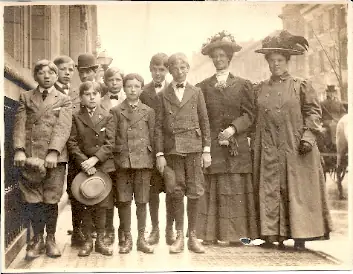
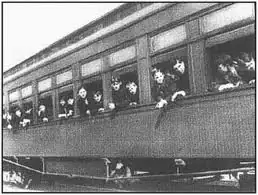
Children were shown at stops along the line, and families picked them. Many lost their names and records.
The same window
The trains run across the same years as the fairs, the asylums and the great fires: about 1850 to 1920.
Questions worth asking
- Why were there so many orphans in a time of peace and growth?
- Where are the records of the parents?
- Why send the children so far from home?
More examples 133
More orphan train places, orphanages and child migration schemes.
133 of 133
New York CityOrphan train movementUp to 30,000 homeless children in one city, in peacetime. Where were their parents?From 1854 to 1929 the trains moved about 200,000 children. In 1850 there were an estimated 10,000 to 30,000 homeless children in New York City alone.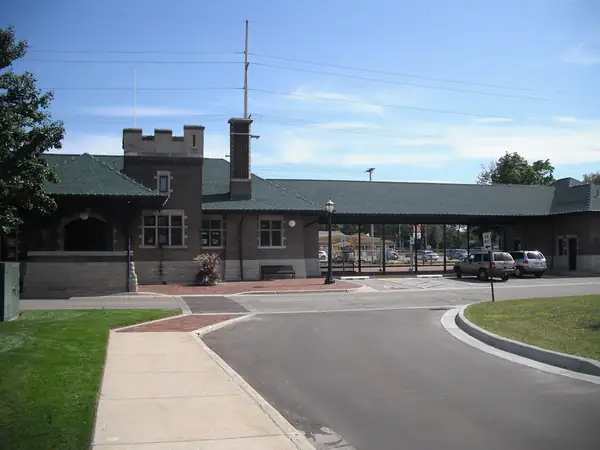 Dowagiac, MichiganFirst orphan train stop, DowagiacA train of children shows up and families pick them at the station. Who checked where they went?In 1854 Dowagiac was the final stop for the first group of orphans brought west from New York; children were dropped off and taken in at the depot.
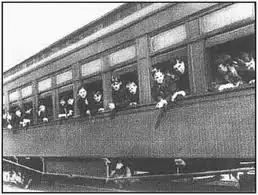 Concordia, KansasNational Orphan Train ComplexChildren stood on a stage and said their names. How many lost those names afterwards?A museum in the restored Union Pacific depot. Some children were walked from the depot into a playhouse and put on stage, said by the museum to be the origin of 'up for adoption'.
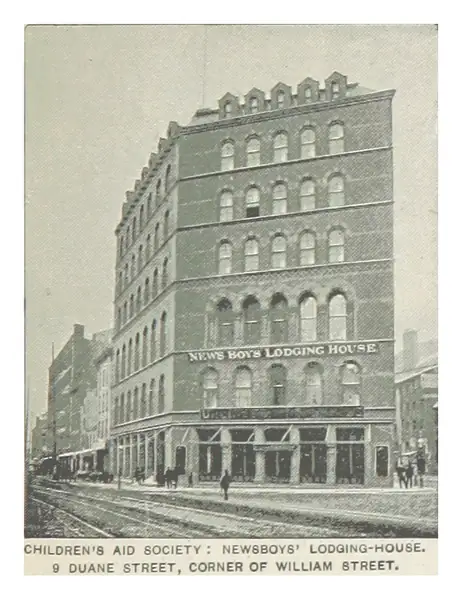 New York CityChildren's Aid SocietyBusinessmen paid to send city children to farms. Who needed the labour, and who gained?Founded in 1853 by Charles Loring Brace with money from New York businessmen; one of the three charities behind the orphan trains.
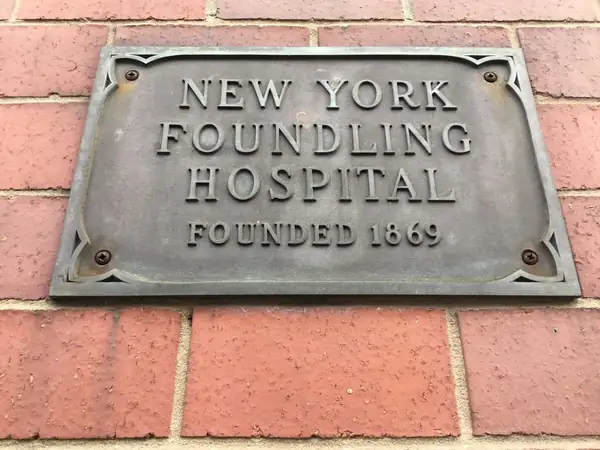 New York CityNew York FoundlingSo many babies left on doorsteps that a whole hospital was needed. Why then?Founded in 1869 by the Sisters of Charity for abandoned infants; it sent children west on its own trains.
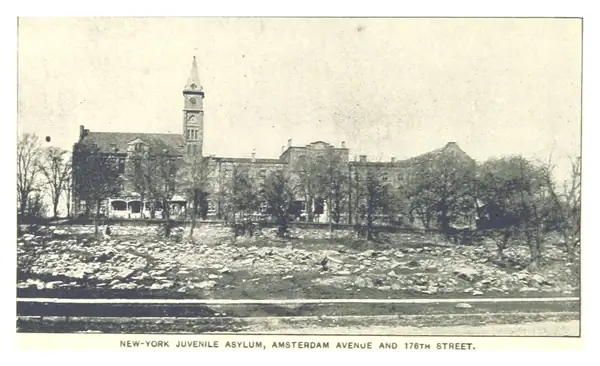 Dobbs Ferry, New YorkNew York Juvenile Asylum (Children's Village)Six thousand children from one institution sent a thousand miles away. Why so far from home?Founded 1851 by the State Legislature and 24 citizens. Between 1855 and 1903 it placed 6,323 children with families across the Midwest, mainly Illinois.
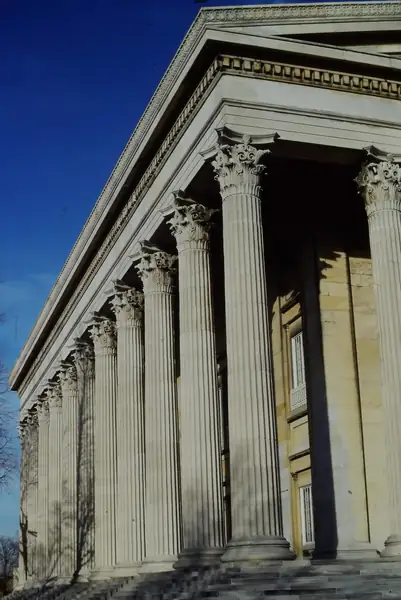 PhiladelphiaGirard CollegeA marble temple for orphans, fifteen years in the making. Why build a temple for poor boys?Founded 1833 for poor orphan boys under Stephen Girard's will; its Greek Revival stone buildings with monolithic columns took until 1 January 1848 to open.
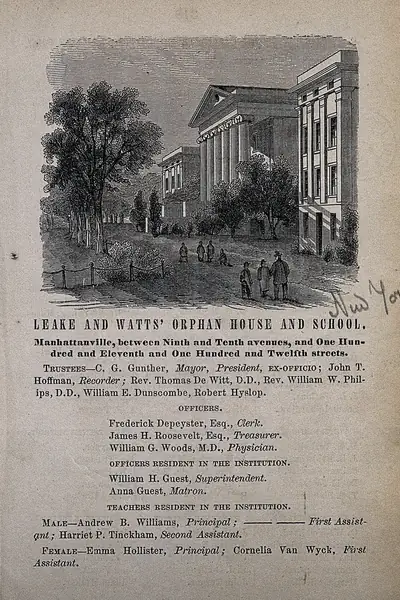 New York CityLeake and Watts Orphan AsylumColumns and a portico for an orphanage. Where did all these orphans and grand buildings come from at once?A Greek Revival orphanage on West 112th Street completed in 1843, designed by Ithiel Town. John Leake's real estate was kept by the state after a court decision.
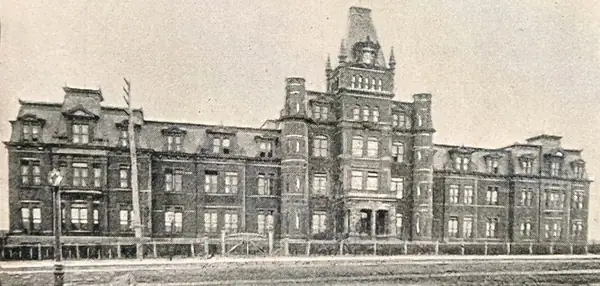 New York CityHebrew Orphan AsylumA block-long orphanage in Harlem. How many children had no family in 1884?Founded 1860. In 1884 a huge building went up on Amsterdam Avenue between 136th and 138th Streets; it closed in 1941.
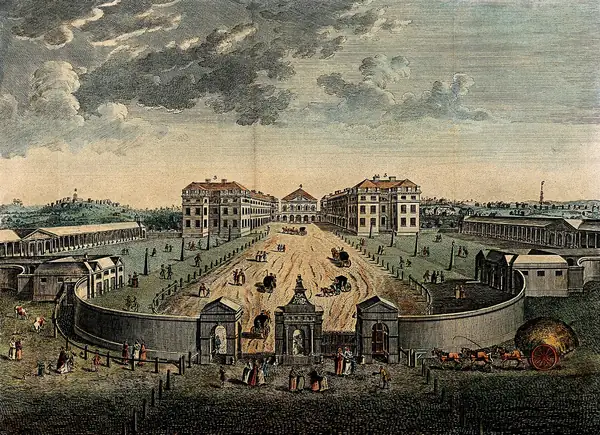 London, EnglandFoundling HospitalAbandoned babies on the streets of London needed a royal charter. Why were there so many?Founded in 1739 by Captain Thomas Coram under a royal charter from George II, to take in abandoned babies.
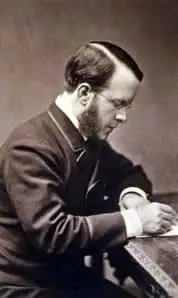 London, EnglandBarnardo's homesSixty thousand children through one man's homes. Where were the families?From the first home in 1867 to Barnardo's death in 1905, nearly 60,000 children were taken in; the Girls' Village Home at Barkingside held 1,300 girls by 1905.
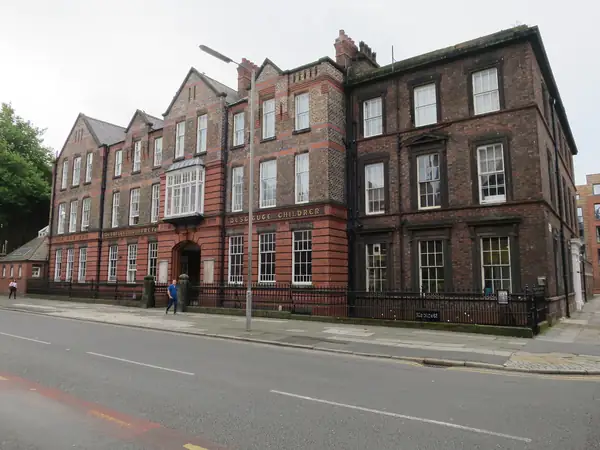 Liverpool, EnglandBritish Home ChildrenShipping children across an ocean to work on farms. Who decided they wouldn't be missed?More than 150,000 children were sent from the UK to Canada, Australia, New Zealand, Rhodesia and South Africa. Annie MacPherson took 100 boys to Canada in May 1870.
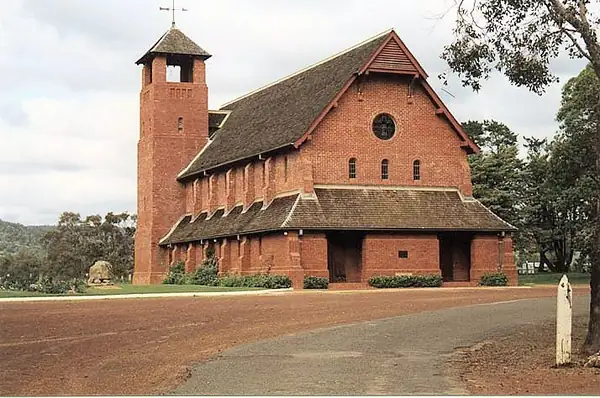 Fremantle, AustraliaChild migrants to AustraliaAn apology came 2009. What were the children told about their parents?About 130,000 children were sent to Australia under assisted child migration schemes from Britain; Australia formally apologised in November 2009.
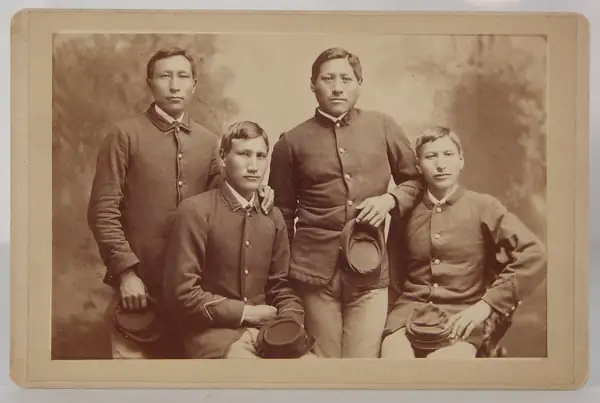 Carlisle, PennsylvaniaCarlisle Indian Industrial SchoolChildren taken far from their nations and renamed. Same years as the orphan trains. Coincidence?Founded 1879 by Richard Henry Pratt. Over 7,800 children from 140 tribes were enrolled before it closed in 1918.
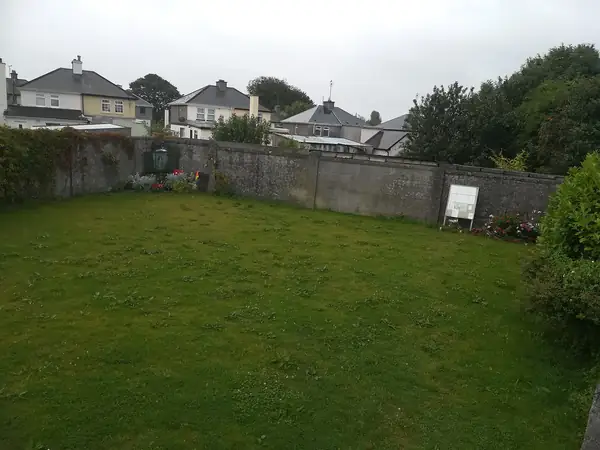 Tuam, IrelandTuam Mother and Baby HomeSeven hundred and ninety-six children with no graves on record. How did no one notice for decades?Run by the Bon Secours Sisters in the old Tuam Workhouse from 1925 to 1961. Historian Catherine Corless found records of 796 infants and children who died there.
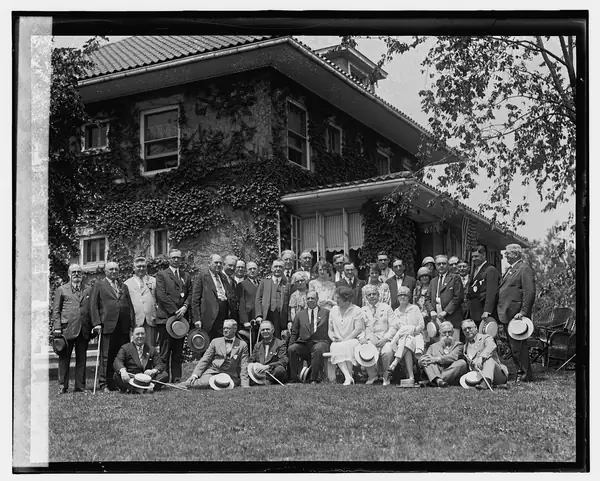 Mooseheart, IllinoisMooseheartA whole town built just for children. Why build towns for orphans?A home for the widows and children of Loyal Order of Moose members, set up as its own community in Kane County.
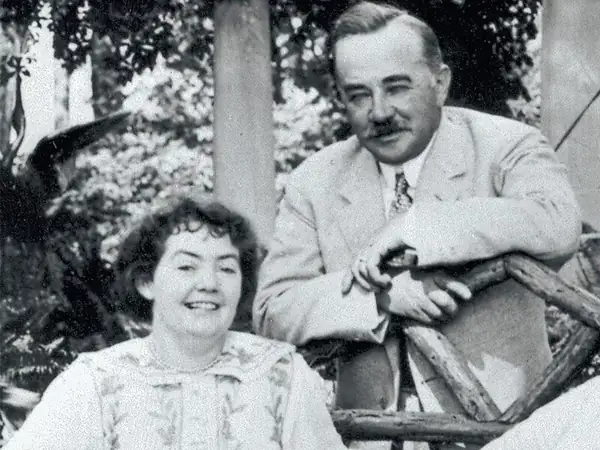 Hershey, PennsylvaniaMilton Hershey SchoolAn orphan school in a company town. Who were the workers of the future?Founded 1909 by Milton and Catherine Hershey on 486 acres, originally for orphan boys aged four to eight.
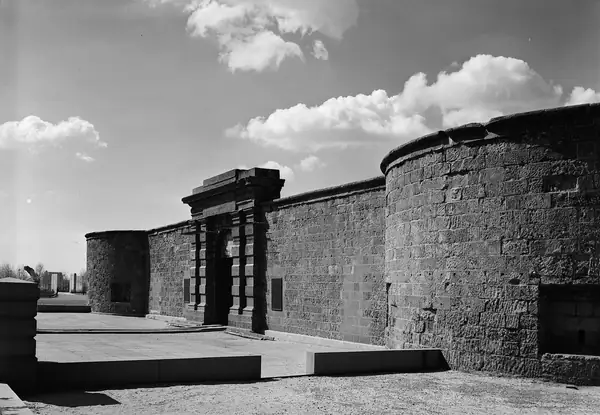 New York CityCastle Garden immigrant depotSeven and a half million arrivals in 35 years. Was the country being filled up?An old fort turned theatre, then the immigrant depot for 35 years: more than 7.5 million people arrived through it between 1855 and 1890.
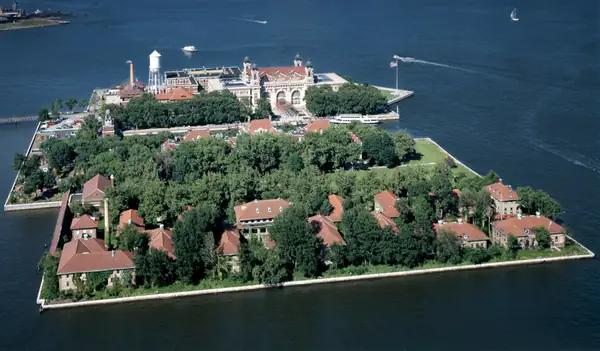 New York CityEllis IslandThe first station burns in 1897, five years in. Another fire in the story?About 12 million immigrants were processed here from 1892 to 1954. The first station burned in 1897.
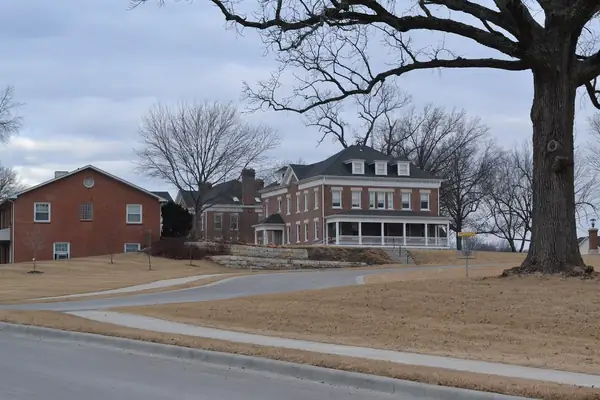 Jackson CountyAndrew Drumm InstituteWho paid for this, and who decided which children went in?Built on a 370-acre working farm, it provided a means of support and education for disadvantaged boys starting in 1929. The institute hosted about 20 boys per year until 1944, when expanded facilities allowed an average of 35 per year, with another expansion in the 1960s leading to a peak of nearly 54 boys in 1970.
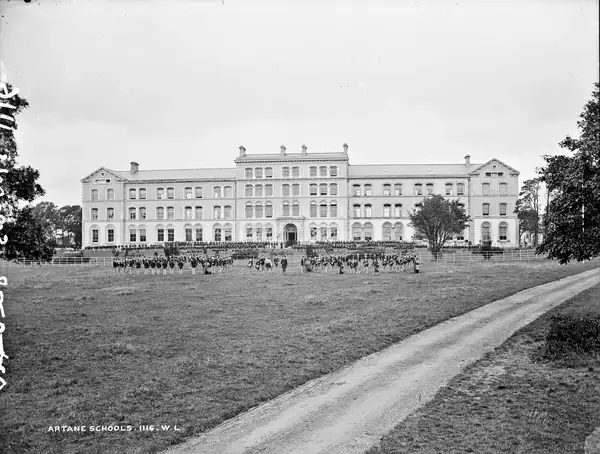 Artane, Dublin, IrelandArtane Industrial SchoolHow does one town end up with 150 boys to house?The school was set up in Artane House and buildings were constructed to designs by Charles Geoghan from 1871 to 1879 at a cost of £20,000. Dormitories accommodated up to 150 boys.
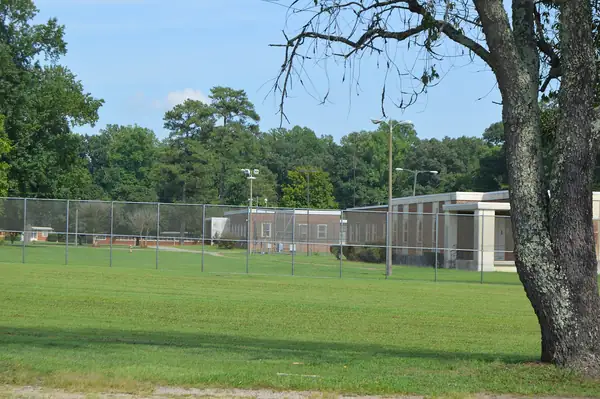 Hanover CountyBarrett Juvenile Correctional CenterWho paid for this, and who decided which children went in?The facility was founded in 1915 as a facility for African-American girls who otherwise faced prison. The campus has a collection of mid-20th century buildings designed by Richmond architect Merrill C.
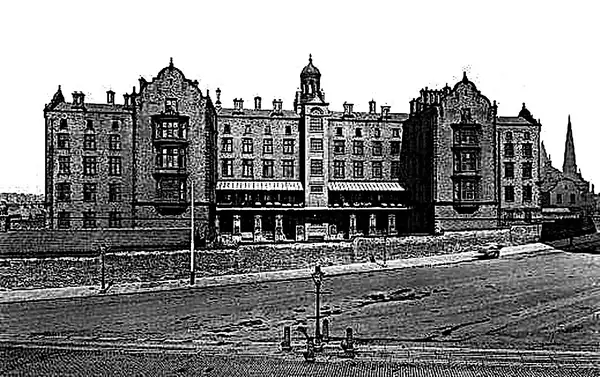 Merseyside, United KingdomBrownlow Hill infirmaryWhy did so many counties need a poor farm in the same decades?Initial construction of the workhouse was completed in May 1772. A report in 1805 by churchwarden Henderson revealed that of 1600 paupers housed in the workhouse and nearby almshouses, only 20 were able-bodied men, with 437 unable to work due to sickness or infirmity.
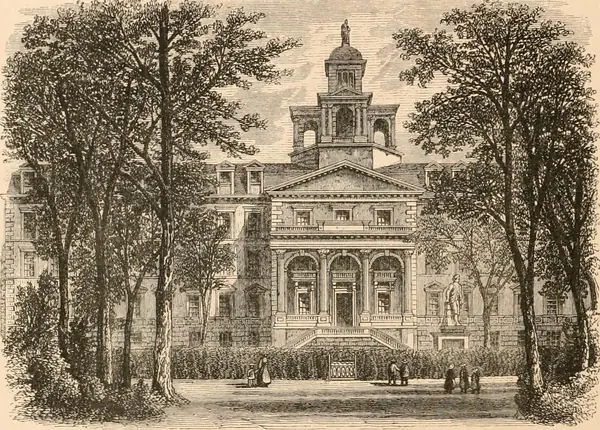 CharlestonCharleston Orphan House360 children in one place. Where were their parents?The Charleston Orphan House was established on October 18, 1790, by the City Council as the first municipal orphanage in the United States. By 1861, the Orphan House was staffed by 39 employees who cared for 360 children. Gentleman architect Gabriel Manigault designed the orphan house's chapel in 1802.
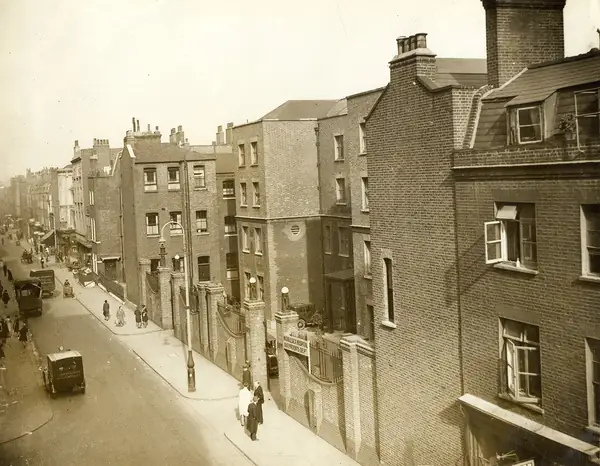 London Borough of Camden, United KingdomCleveland Street WorkhouseWhy did so many counties need a poor farm in the same decades?The Cleveland Street Workhouse is a Georgian property in Cleveland Street, Marylebone, built between 1775 and 1778 for the care of the sick and poor of the parish of St Paul Covent Garden under the Old Poor Law. The building was initially designed to accommodate 200 paupers, but the plan was modified prior to construction to accommodate a greater number.
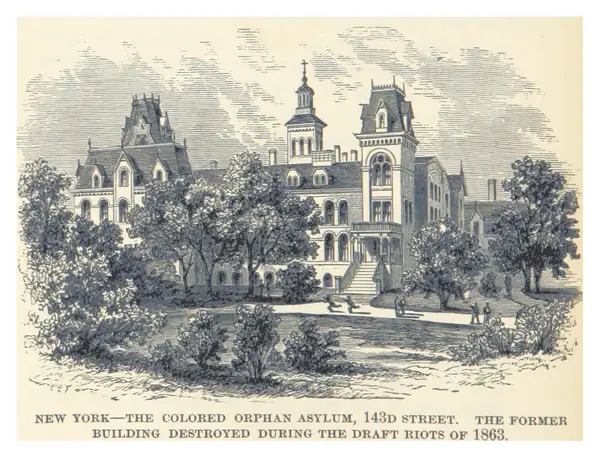 ManhattanColored Orphan AsylumWhere are the records of the parents?The Association for the Benefit of Colored Orphans (renamed the Colored Orphan Asylum in 1844) was founded by a group of New York-based Quakers in 1836. At the new site, the orphanage adopted a new plan to house its wards in cottages, with 25 children and a housemother in each cottage. The 1890 building was designed by T.
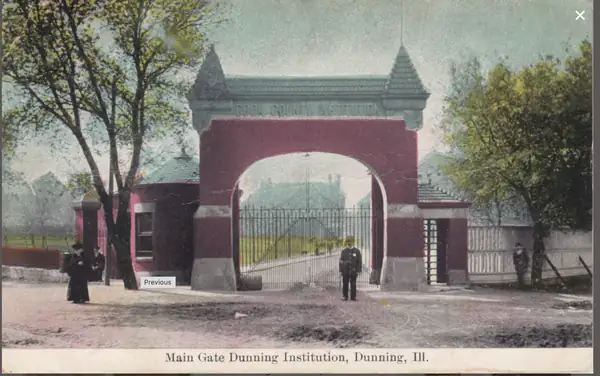 Cook CountyCook County Poor Farm, IllinoisPaupers worked the land and lived in the house. Who were they, and where did their families go?The Cook County Poor Farm (also known as the Dunning Poorhouse and Insane Asylum) was a public almshouse and institutional complex operated by Cook County, Illinois, established in 1851 to house the indigent, infirm, and mentally ill. In 1854, the first 76 residents were transferred from the Lake Township almshouse to the new facility.
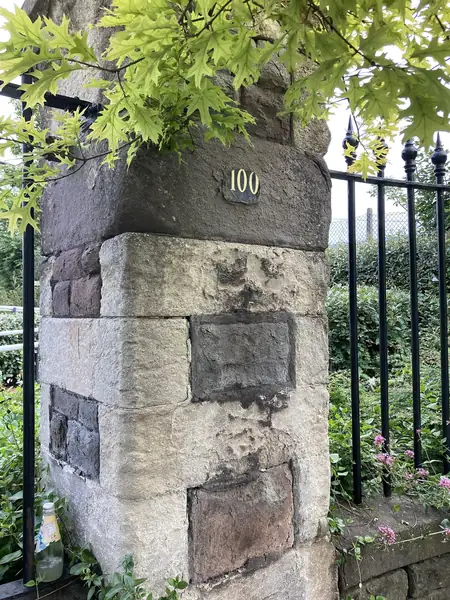 Eastville WorkhouseA whole farm for the county's poor. Who ended up here, and how did they lose everything?The workhouse was built in 1847 to a design by Samuel T. Bristol Radical History Group established that more than 3500 inmates of the workhouse had been buried there between 1855 and 1895, before being crudely disinterred when the workhouse was demolished.
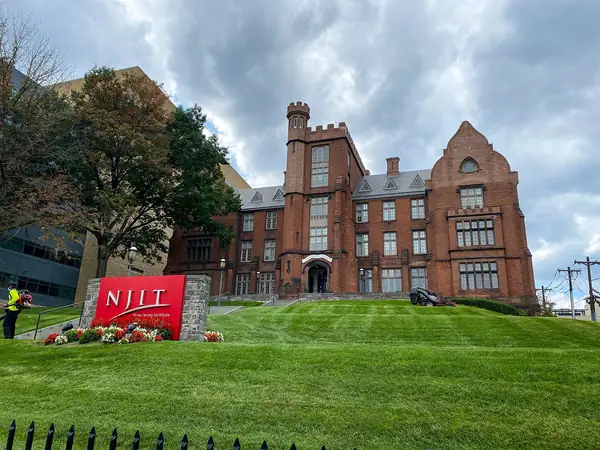 New JerseyEberhardt Hall, New Jersey Institute of TechnologyWho paid for this, and who decided which children went in?Built in 1856-57 its original purpose was to serve as a home for Newark's orphans. The castle-like building was designed by John Welch, an experienced church architect and one of the founders of American Institute of Architects.
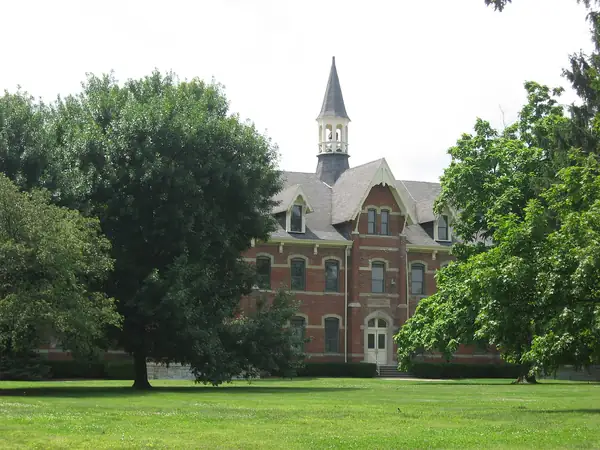 IndianaGeneral German Protestant Orphans HomeWhere are the records of the parents?Bohlen (1827–1890) and built in 1871–1872. It was designed by architect Diedrich A.
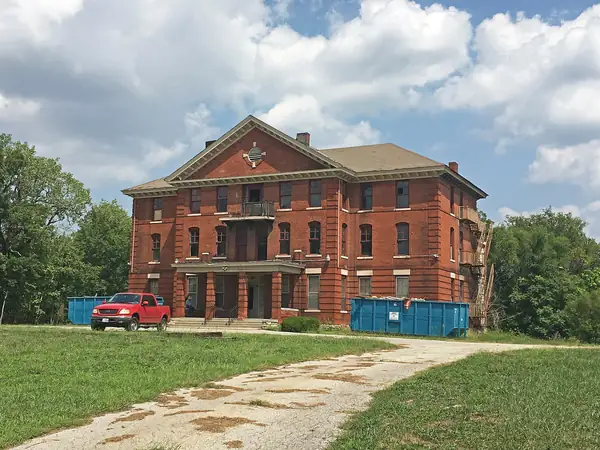 Kansas CityGillis Orphans' HomeWho paid for this, and who decided which children went in?It was built by members of the YWCA in 1900, on a 3.5 acres (0.014 km2) property, donated by Thomas H. Armour also donated $25,000 for the construction.
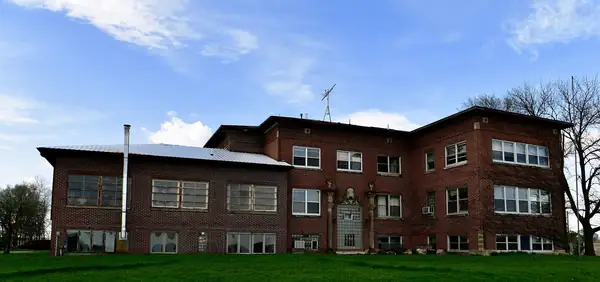 Hardin CountyHardin County Home Historic DistrictPaupers worked the land and lived in the house. Who were they, and where did their families go?The T-plan structure was completed in 1927 when the funds became available to complete it. Des Moines architect Willfred Holtzman, Jr. designed a three-story, brick, Neoclassical building to replace it.
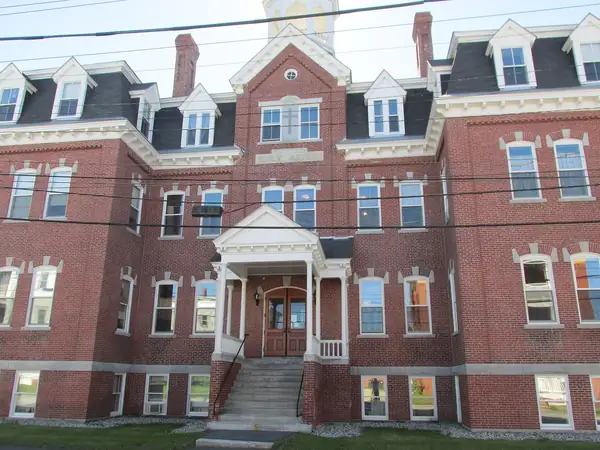 LewistonHealy AsylumA big building for children with no family. Why were there so many orphans in peacetime?It was built in 1893 as an orphanage for boys, a role it served until about 1970. The building was designed by Jefferson L.
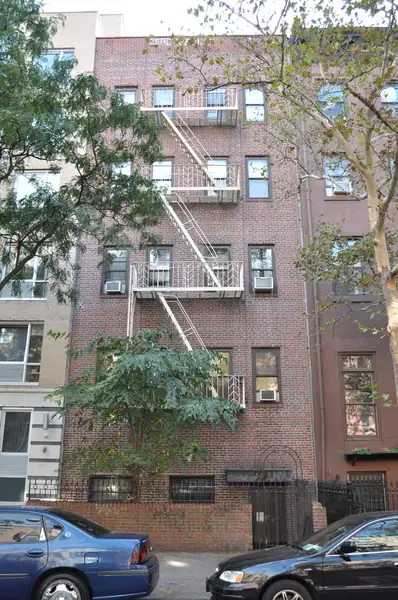 New YorkHebrew National Orphan HomeWhere are the records of the parents?It was founded on December 5, 1912, when a group raised $64 toward establishing a Jewish orthodox home for the care of orphaned and destitute Jewish boys. On June 7, 1914 HNOH House officially opened with accommodations for 50 boys.
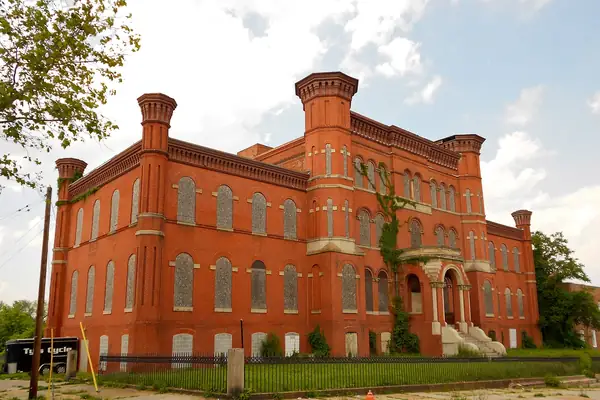 MarylandHebrew Orphan Asylum (Baltimore, Maryland)A big building for children with no family. Why were there so many orphans in peacetime?Built in 1875, the Hebrew Orphan Asylum in Baltimore, Maryland replaced the old Calverton Mansion (built in 1815) when a fire destroyed the mansion in 1874. The Hebrew Orphan Asylum was designed by Lupus & Roby, the partnership of Edward Lupus (1834–1877) and Henry Albert Roby (1844–1905), and constructed by Edward Brady (1830–1900).
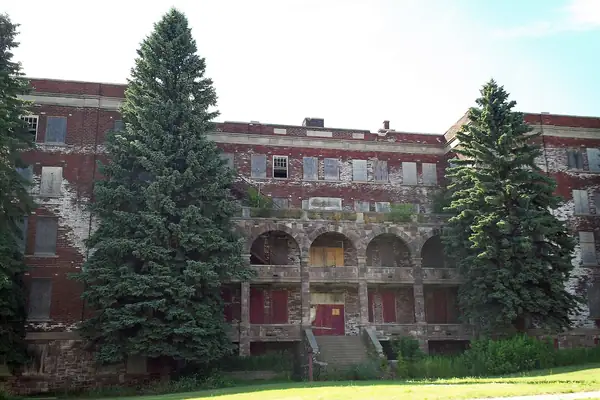 MarquetteHoly Family Orphanage200 orphans in one place. Where were their parents?The building originally opened in 1915, served its last orphan in 1967, and was abandoned in 1982. At its peak, Holy Family Orphanage housed approximately 200 orphans from the Upper Peninsula of Michigan and nearby areas.
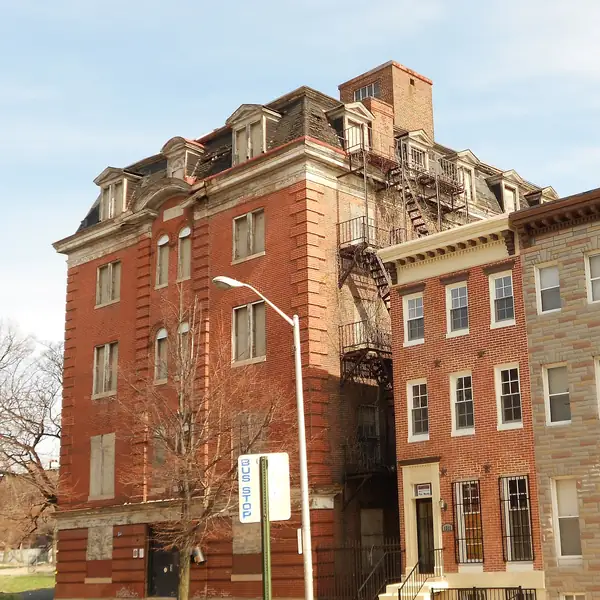 MarylandHome of the Friendless (Baltimore, Maryland)How does one town end up with 200 children to house?It is a three bay wide, five story high Second Empire style brick building constructed in 1870 as an orphanage. The building provided a home for orphaned and deserted children for six decades and was part of a three-building complex that housed from 100 to 200 children each year.
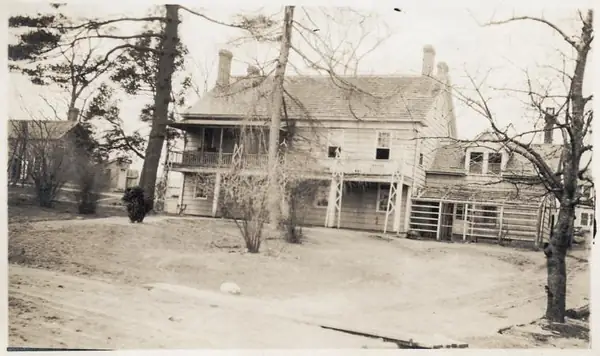 Howard Colored Orphan Asylum250 children in one place. Where were their parents?The Home for Freed Children and Others was founded in 1866 by black Presbyterian minister Henry M. Billed as the "Tuskegee of the North", the orphanage moved 250 children from the Brooklyn location to a 572-acre (231 ha) farm in Kings Park, Long Island, to teach practical skills in 1911.
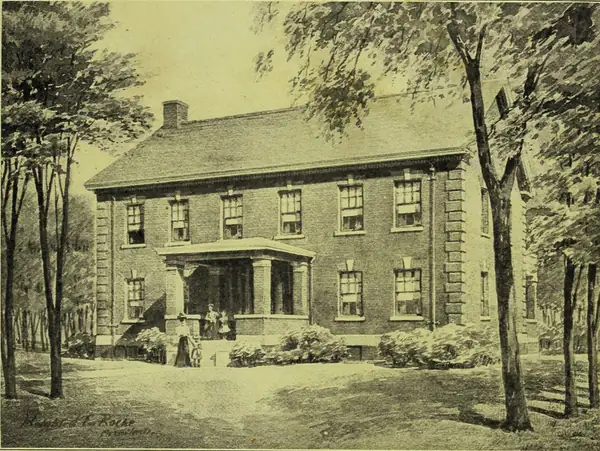 EvanstonIllinois Industrial School for GirlsHow does one town end up with 105 girls to house?The Record and Appeal, the organ of the school, was established in 1884. After some complaints of mismanagement in 1894 and 1895, Illinois governor John Peter Altgeld attempted to discharge all 105 girls, but they refused to leave.
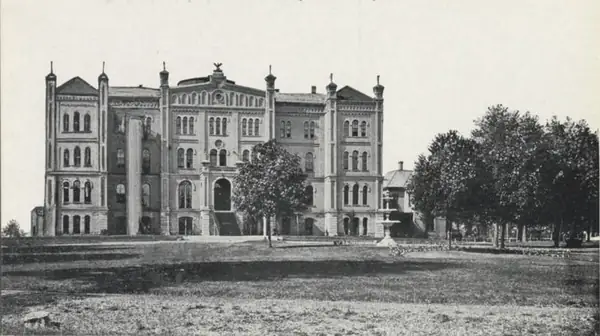 NormalIllinois Soldiers' and Sailors' Children's SchoolHow does one town end up with 180 children to house?Originally known as the Civil War Orphans' Home, ISSCS was established in 1865 by an act of the Illinois State legislature as a home for the indigent children of Civil War veterans. The Illinois Soldiers' Orphans' Home (ISOH) opened its doors on June 17, 1869 with 180 children in residence and one main building.
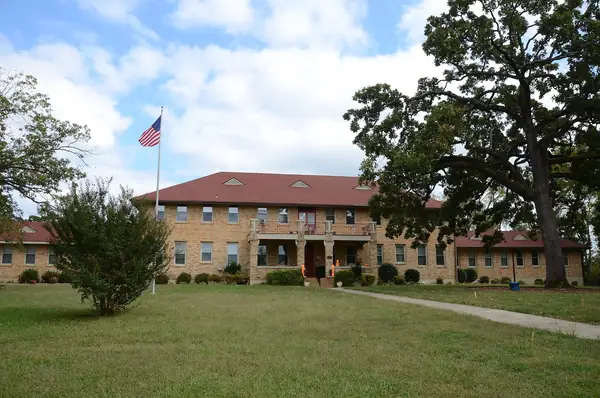 ArkansasInterstate OrphanageWhere are the records of the parents?Thompson and built in 1928. The building was designed by Charles L.
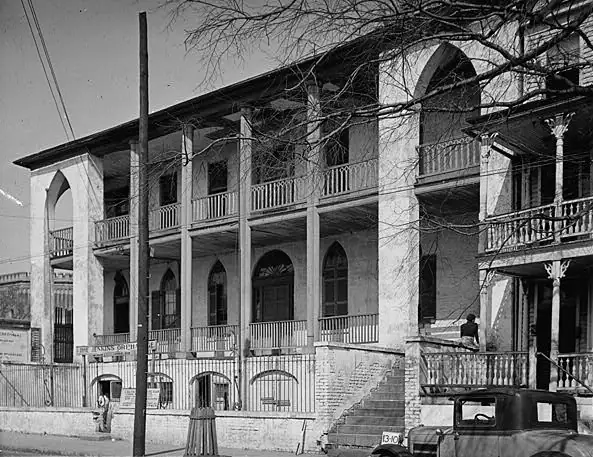 CharlestonJenkins OrphanageWho paid for this, and who decided which children went in?The Jenkins Orphanage was established in 1891 by Rev. Daniel Joseph Jenkins in Charleston, South Carolina. This National Historic Landmark, designed by Robert Mills, served as home of the orphanage until 1937.
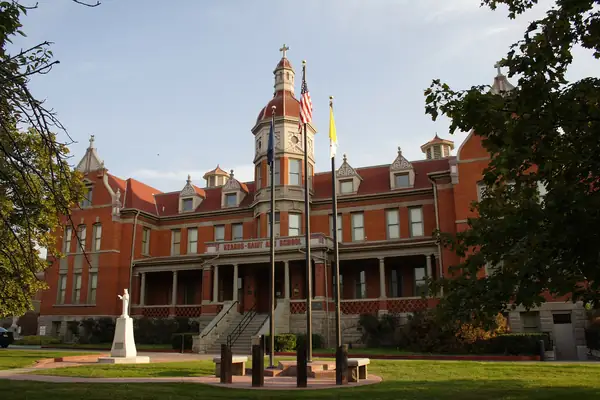 South Salt LakeKearns-Saint Ann Catholic SchoolA big building for children with no family. Why were there so many orphans in peacetime?The historical school building, completed in 1899, was gifted by Jennie Judge Kearns, wife of mining magnate Thomas Kearns, for whom it is named. Ann's Orphanage was dedicated on October 7, 1900, and quickly became home to 92 children and the Sisters of the Holy Cross who cared for them. The building was designed and built by noted architect Carl M.
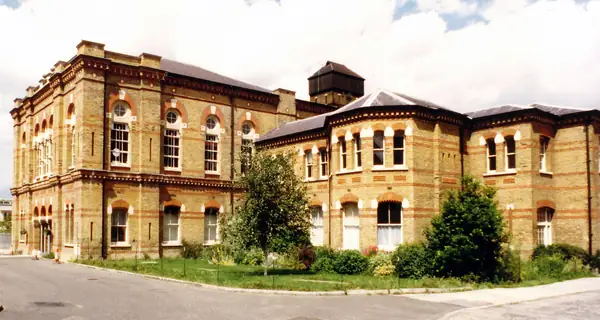 London, United KingdomLambeth WorkhouseWhy did so many counties need a poor farm in the same decades?The original workhouse opened in 1726 in Princes Road (later, Black Prince Road). The 19th-century workhouse was built for 820 inmates, divided by sex into two groups. The new interior was designed by Sue Timney and the development was featured on the television show Grand Designs.
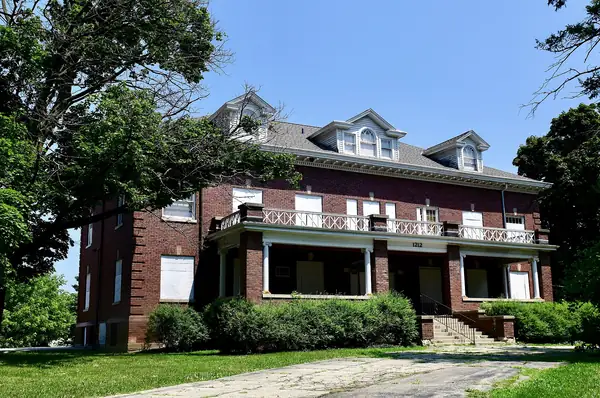 ElginLarkin Home for ChildrenA big building for children with no family. Why were there so many orphans in peacetime?The Larkin Home originated from the Elgin Children's Home Society, which was founded in 1898; it operated from a donated building until 1912, when it built its own orphanage due to space concerns. Architect George Morris designed the 1912 building in the Georgian Revival style.
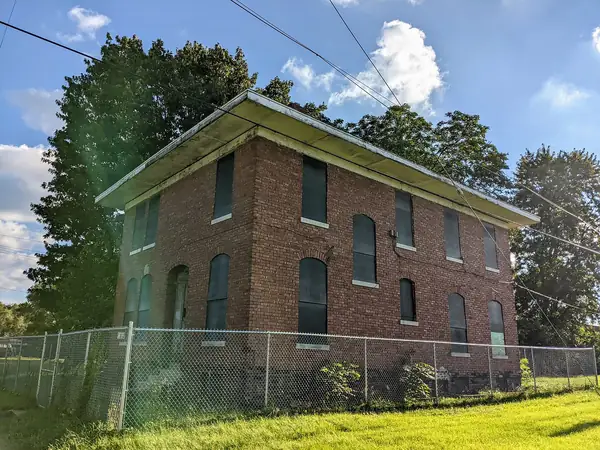 IllinoisLincoln Colored HomeWho paid for this, and who decided which children went in?The Lincoln Colored Home, also known as the Lincoln Colored Old Folks and Orphans Home, was opened March 8, 1898 and remained in operation in Springfield, Illinois until 1933. At that time Monroe was caring for 29 children and eight elderly women.
 WatervilleMaine Children's Home for Little WanderersWho paid for this, and who decided which children went in?Founded as an orphanage in 1899 and incorporated as the Maine Children's Home Society in 1901, it began dealing solely with adoptions in 1915. Funded by donations from local residents, the institution provided food, clothing, and shelter for 28 children in its inaugural year.
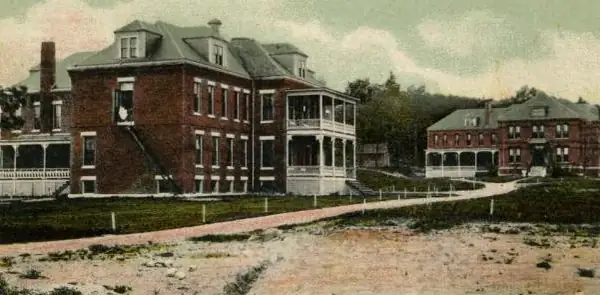 HallowellMaine Industrial School for GirlsWhere are the records of the parents?The school was established by an act of the state legislature in 1874, as a place where "wayward girls" could be given a proper moral education, in a facility similar to one that had previously been established for boys. The 1905-06 Administration was designed by Lewiston architect William R.
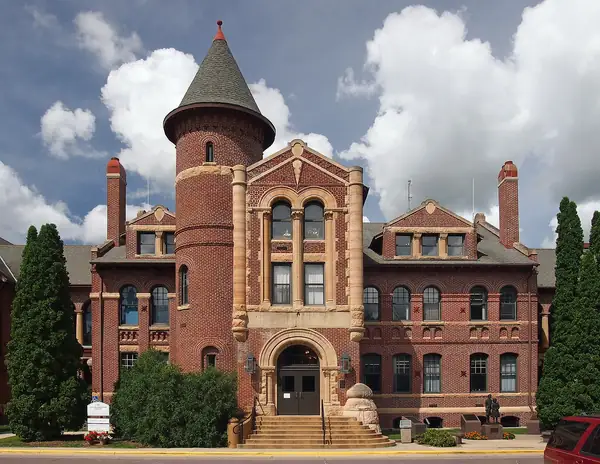 OwatonnaMinnesota State Public School for Dependent and Neglected ChildrenHow does one town end up with 10,635 children to house?It was built in five phases, beginning in 1886 at a cost of $50,000 appropriated by the Minnesota legislature. Over 60 years of operation, the State School was home to a total of 10,635 children. Architect Warren Barnes Dunnell designed the first three sections.
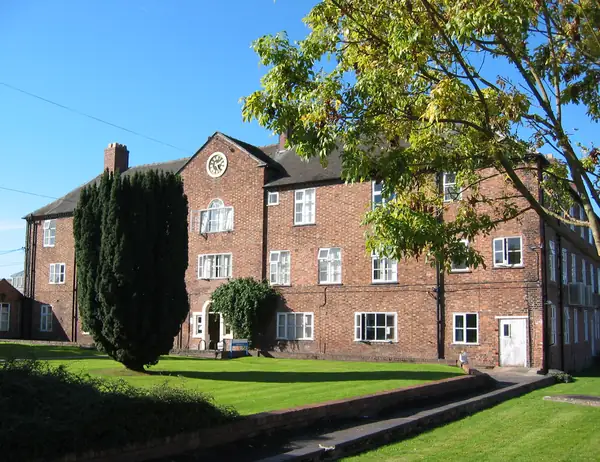 Nantwich, United KingdomNantwich WorkhousePaupers worked the land and lived in the house. Who were they, and where did their families go?Built in 1779–80 to accommodate up to 350 people, the institution remained in use as a workhouse until 1930. A children's home and school was built in 1879–80 for £3,300, which accommodated 60 children. A total of £450 towards the cost was raised from several existing charities; the remainder was funded by shares taken out by 31 local men, including Sir Robert Salusbury Cotton and George Wilbraham of Delamere.
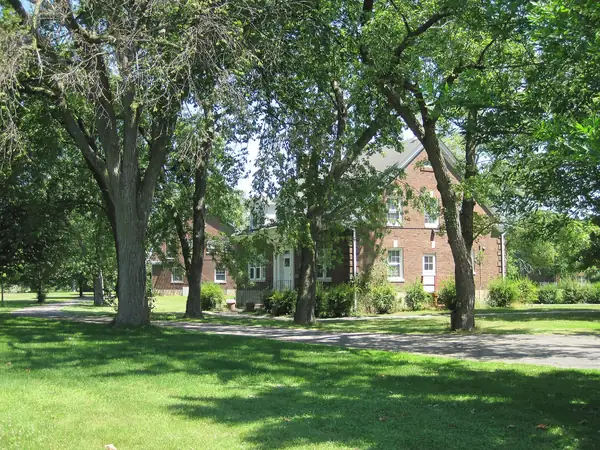 Park RidgePark Ridge Youth CampusA big building for children with no family. Why were there so many orphans in peacetime?The Solomon Cottage, built in 1908, was leased on a long-term basis to the Park Ridge Historical Society in 2016, and renovated in 2017 to become the historical society's Park Ridge History Center. Several of the buildings were funded by Julius Rosenwald, and were designed by Holabird & Roche, the same firm which designed the Chicago Board of Trade Building and Soldier Field.
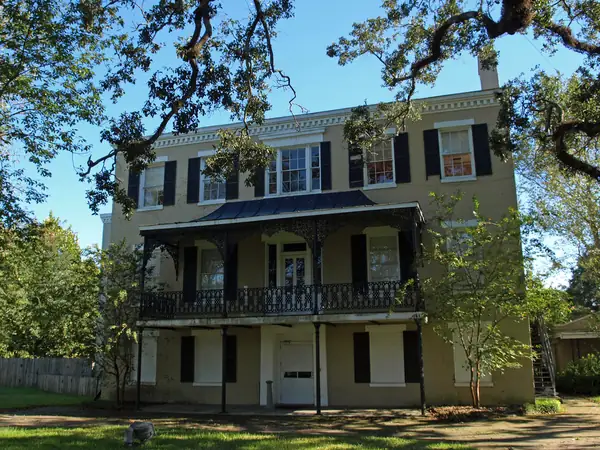 AlabamaProtestant Children's HomeA big building for children with no family. Why were there so many orphans in peacetime?The Protestant Children's Home was built for the Protestant Orphan Asylum Society, established on December 2, 1839, by women of various Protestant denominations for the care of Protestant children without parents. Designed by Henry Moffatt, a Philadelphia architect, the cornerstone for the orphanage was laid on July 4, 1845.
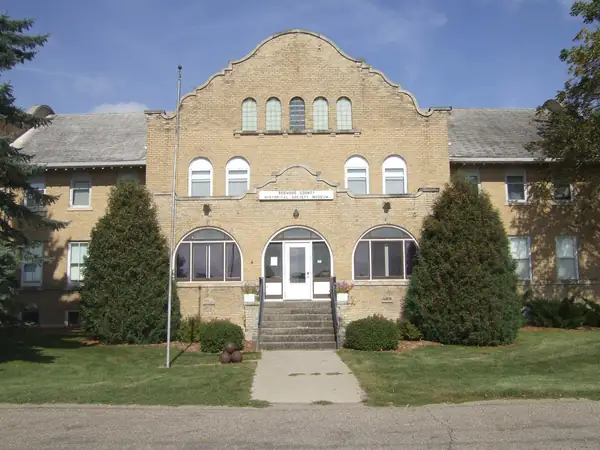 Redwood County Poor FarmWhy did so many counties need a poor farm in the same decades?The Redwood County Poor Farm was constructed at its current location in 1907; prior to this there had been another poor farm. The proposition stated that the village was willing to provide either “$1,000 for creation and construction of a building within one mile of town” or a “deed for forty acres.” The board passed a motion to accept the deed.
 Wanstead, London, United KingdomRoyal National Children's Foundation600 children in one place. Where were their parents?The organisation dates back to 1827, when it was founded by Dr Andrew Reed as the Infant Orphan Asylum. The establishment housed 600 children.
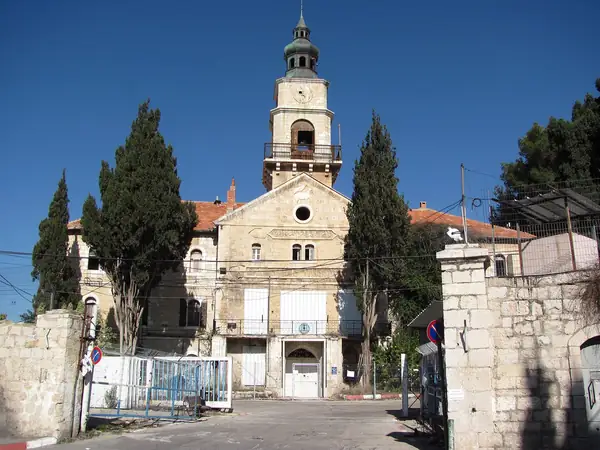 Jerusalem District, IsraelSchneller OrphanageWhere are the records of the parents?The house was constructed from 1855 to 1856. He decided to open an orphanage for them in his home, and by the end of 1861 had enrolled 41 boys in what became known as the Syrian Orphanage (German: Syrisches Waisenhaus).
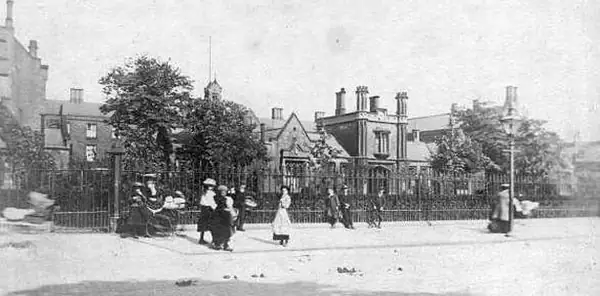 East Riding of Yorkshire, United KingdomSculcoates Union WorkhouseWhy did so many counties need a poor farm in the same decades?The Sculcoates Union Workhouse was built for the Poor law union of Sculcoates in 1844. The building was mostly influenced by the Tudor architectural style in red brick with stone dressings, and had accommodation for 500 paupers. The architect was Henry Francis Lockwood.
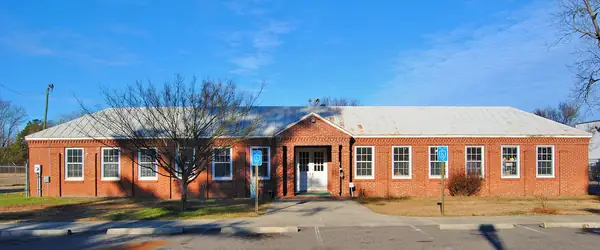 AugustaShiloh OrphanageWhere are the records of the parents?The orphanage was established in 1902 by the Shiloh Baptist Association. Strong Academy, a one-room school for young children, was built in 1910; the girls' dormitory was designed by Scroggs and Ewing and completed in 1927; and the Edward Lynn Drummond-designed boys' dormitory was constructed in 1936.
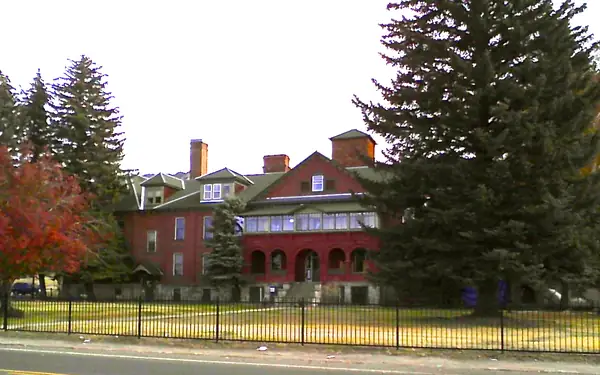 ButteSilver Bow County Poor Farm HospitalA whole farm for the county's poor. Who ended up here, and how did they lose everything?The Silver Bow County Poor Farm Hospital at 3040 Continental Dr. in Butte, Montana was built in 1902. It includes design by architect Charles S.
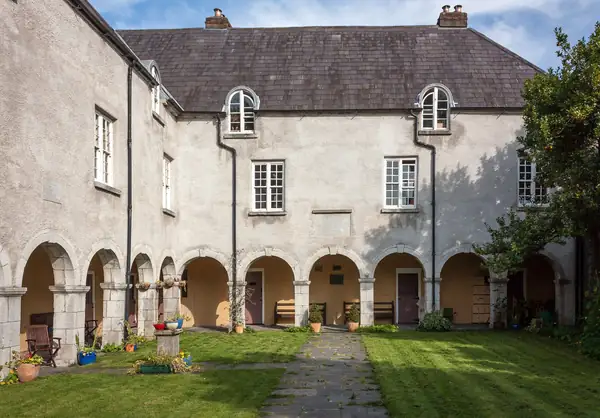 Cork, IrelandSkiddy's AlmshouseWhy did so many counties need a poor farm in the same decades?It was built in 1718 and finished in 1719. The Almshouse was saved from demolition by the Cork Preservation Society in the 1960s with an award-winning restoration completed in 1975 by the architect Frank Murphy.
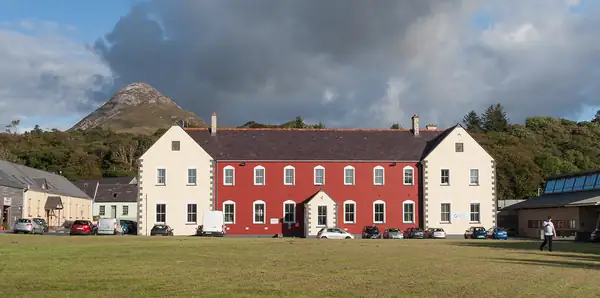 Letterfrack, IrelandSt Joseph's Industrial School, Letterfrack2,819 boys in one place. Where were their parents?The school was built in 1886/7 after the designs of the architect William Hague, opened in 1887, and run by the Congregation of Christian Brothers. In total 2,819 boys went through Letterfrack between 1887 and 1974.
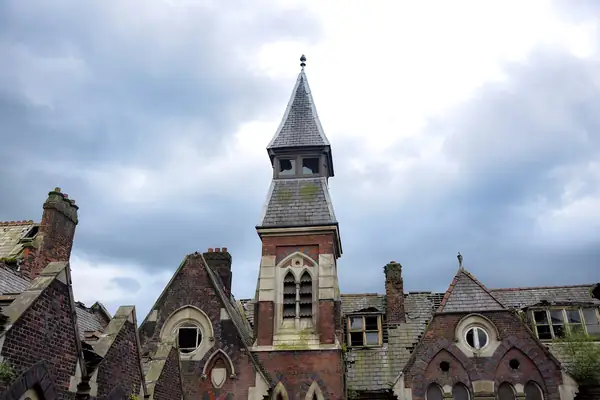 Preston, United KingdomSt Joseph's Orphanage971 children in one place. Where were their parents?The orphanage was constructed and opened in 1872 and a hospital extension was opened in 1877. The orphanage cared for 971 children and could hold 60 children in two dormitories at any one time, despite the fact that the building was only designed to hold 30 children. The building was designed by R.W Hughes in a gothic style.
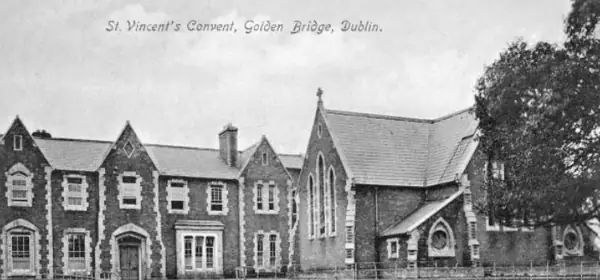 Inchicore, Dublin, IrelandSt Vincent's Industrial School, GoldenbridgeA big building for children with no family. Why were there so many orphans in peacetime?The Sisters of Mercy order was founded by Catherine McAuley in Dublin in 1831. It opened with an initial intake of 30 girls.
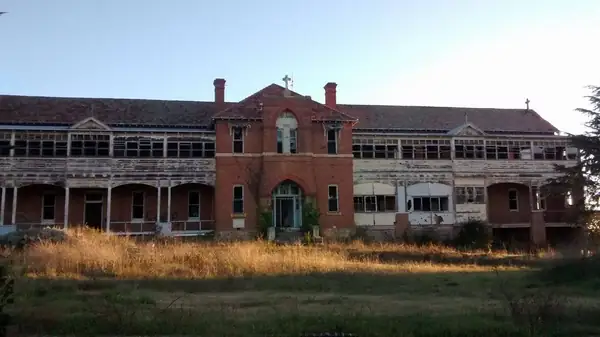 New South Wales, AustraliaSt. John's Orphanage100 children in one place. Where were their parents?However, the orphanage was not opened officially until December 1913, when the opening ceremony was held on a Sunday afternoon, and the building was opened and blessed by Bishop Gallagher. Its capacity was intended to be 100 children, but this peaked to more than 200 during the Second World War. The architect of the building was EC Manfred.
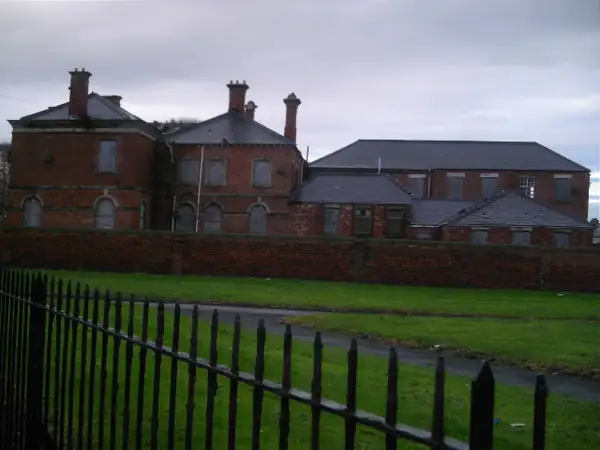 Sunderland, United KingdomSunderland Orphan AsylumWho paid for this, and who decided which children went in?Sunderland Orphan Asylum was opened in 1861 following the Sunderland Orphan Asylum Act 1853 (16 & 17 Vict. c. 21 Pr.) and stands on the edge of Town Moor in Sunderland, Tyne and Wear, England. The construction was supervised by a local architect, Thomas Moore.
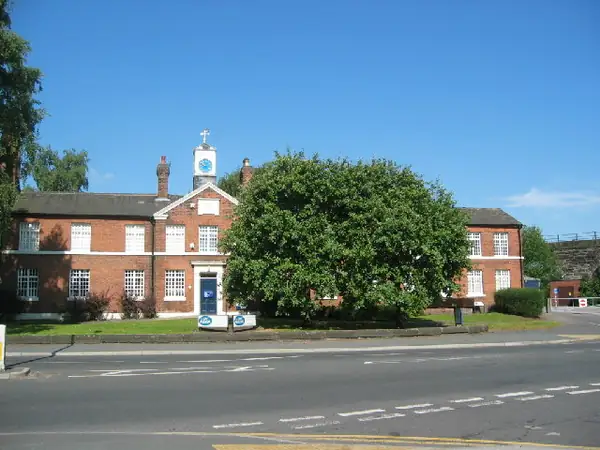 Northwich, United KingdomWeaver Hall Museum and WorkhouseWhy did so many counties need a poor farm in the same decades?The building which was eventually to become known as Weaver Hall was opened in 1839 in response to the Poor Law Amendment Act 1834, which standardized the system of poor relief throughout England and Wales. The building was designed by architect George Latham to a standard model.
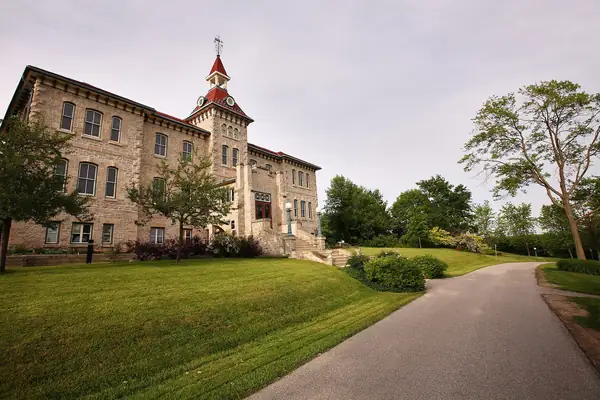 Centre Wellington, CanadaWellington County House of Industry and RefugeA whole farm for the county's poor. Who ended up here, and how did they lose everything?Constructed in 1877, the site operated as a poorhouse and farm until 1947, and as an old age home until 1971. The House of Industry was initially designed to accommodate 65 residents, offering admission to the "virtuous and respectable poor". The main feature of the site is the residential building, a two-storey stone masonry building designed in an Italianate style by Guelph architect Victor Stewart in 1876.
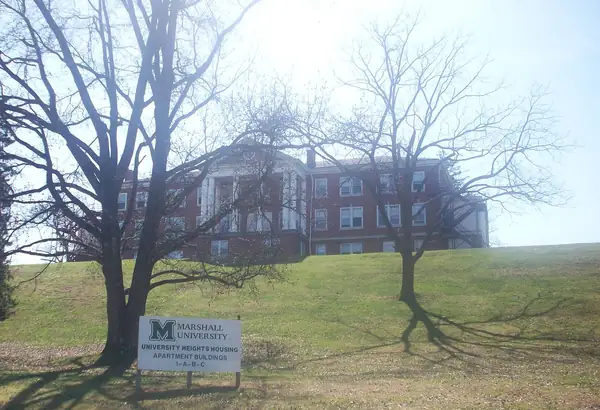 West VirginiaWest Virginia Colored Children's HomeWhere are the records of the parents?The main structure, built in 1922–1923, was a three-story red brick building in the Classical Revival style. By 1951, residents of the Children's Home were no longer educated on site, but were bused to segregated public schools.
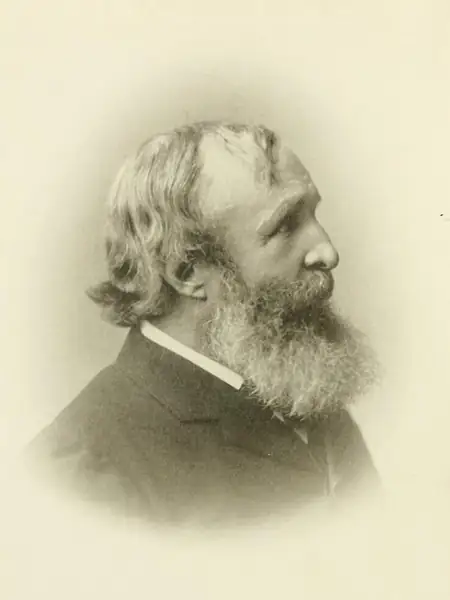 Manhattan · 1853Charles Loring Brace, founder of the orphan trainsOne man's charity moved tens of thousands of children. Where did that many children without parents come from?In 1853, Brace established the Children's Aid Society. Such was the severity of child poverty in 1854 that the number of homeless children in New York City was estimated as high as 34,000. After a suitably fitting child was found, the child was sent via train to their new family for adoption.
 Manhattan · 1929How many rode: 200,000 or 250,000?Wikipedia's Orphan Train page says about 200,000; the Children's Aid page says more than 250,000. Why can't anyone pin down the count? Why are the records on these children so thin, sealed or lost?From 1854 to the last train in 1929, more than 250,000 children rode the "Orphan Train" to new lives. The Orphan Train Heritage Society maintains an archive of riders' stories.
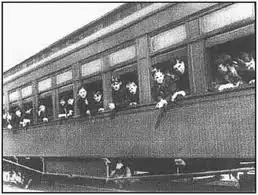 Manhattan · 1854Fewer than half were orphansAs many as one in four had two living parents. So why call them orphans, and who decided they could be sent away?One reason the term was not used by placement agencies was that less than half of the children who rode the trains were in fact orphans, and as many as 25 percent had two living parents. Children with both parents living ended up on the trains—or in orphanages—because their families did not have the money or desire to raise them or because they had been abused or abandoned or had run away.
 Manhattan · 1850The 1850s street-children estimateUp to 30,000 homeless children in a city of 500,000. That's about one in twenty people. Where did so many children without parents come from in that era, in a time of peace and growth?In 1850, there were an estimated 10,000 to 30,000 homeless children in New York City. At the time, New York City's population was only 500,000. Some children were orphaned when their parents died in epidemics of typhoid, yellow fever, or the flu.
 Manhattan · 1855Children's Aid Society, 3,000 a yearThree thousand a year for twenty years, to 45 states plus Canada and Mexico. Where did the supply of children keep coming from?The Children's Aid Society's sent an average of 3,000 children via train each year from 1855 to 1875. Orphan trains were sent to 45 states, as well as Canada and Mexico. During the early years, Indiana received the largest number of children.
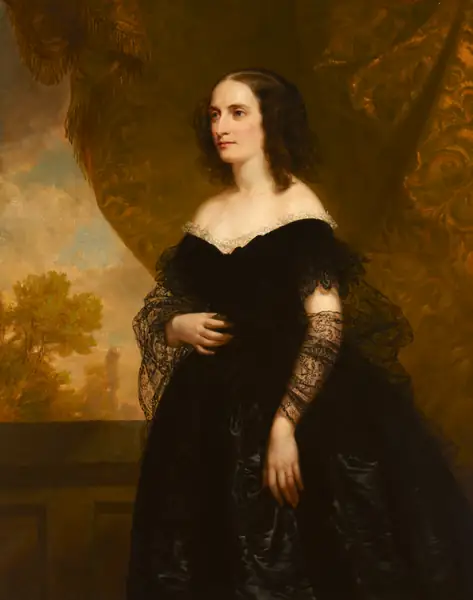 Manhattan · 1884Charlotte Astor's 1,113 childrenOne donor paid to send more than a thousand children west by 1884. Who kept track of where each one went?Charlotte Augusta Gibbs, wife of John Jacob Astor III, had sent 1,113 children west on the trains by 1884.
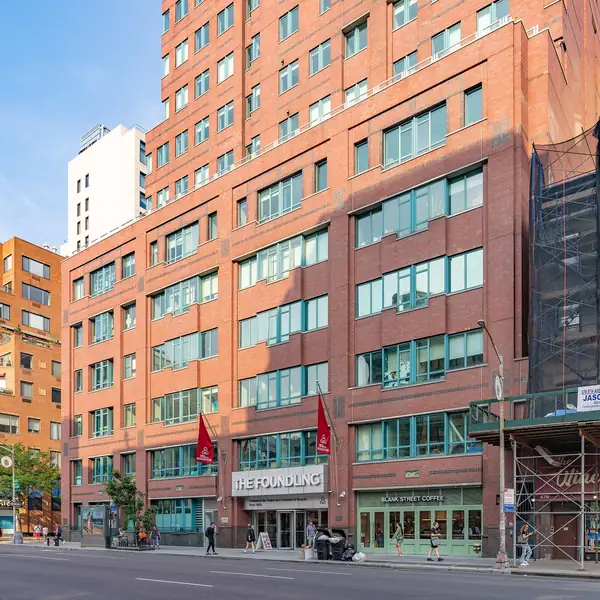 Upper East Side · 1875New York Foundling 'Mercy Trains'123 babies left in under three months, 2,500 in two years. Where were all these babies coming from? Why are the records on these children so thin, sealed or lost?The need for this type of service was confirmed by the 123 babies that were left by January 1, 1870. After two years, The Foundling had accepted 2,500 babies. Between 1875 and 1919, the New York Foundling Asylum sent infants and toddlers to pre-arranged Roman Catholic homes. By the 1910s, 1,000 children a year were placed with new families.
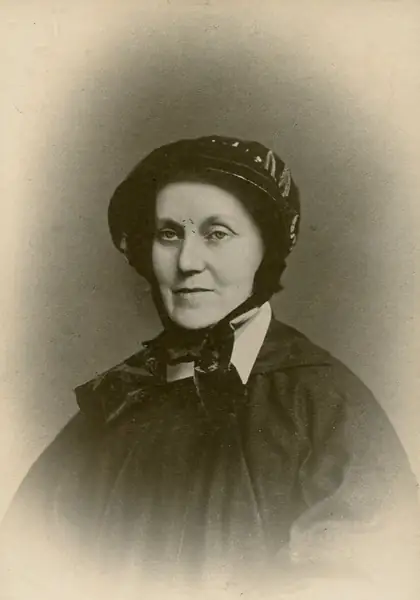 Upper East Side · 1869Sister Irene FitzGibbon, Foundling founderA full city block for abandoned babies. Who was leaving them?Sister Mary Irene FitzGibbon (born Catherine Rosamund FitzGibbon; May 12, 1823 – August 14, 1896), commonly known as Sister Irene, was an American nun who founded the New York Foundling Hospital in 1869, at a time when abandoned infants were usually sent to almshouses with the sick and insane. As the number of infants in care grew, the Foundling Hospital came to occupy a full city block between 68th and 69th Streets.
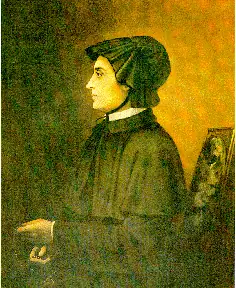 Riverdale · 1869Sisters of Charity of New YorkWhy are the records on these children so thin, sealed or lost?The Sisters of Charity of Saint Vincent de Paul of New York, best known as the Sisters of Charity of New York, is a religious congregation of sisters in the Catholic Church whose primary missions are education and nursing, and who are dedicated in particular to service of the poor. Beginning as a summer retreat for orphans from the Foundling Hospital and as a place for the sisters to obtain degrees under the auspices of Mount St.
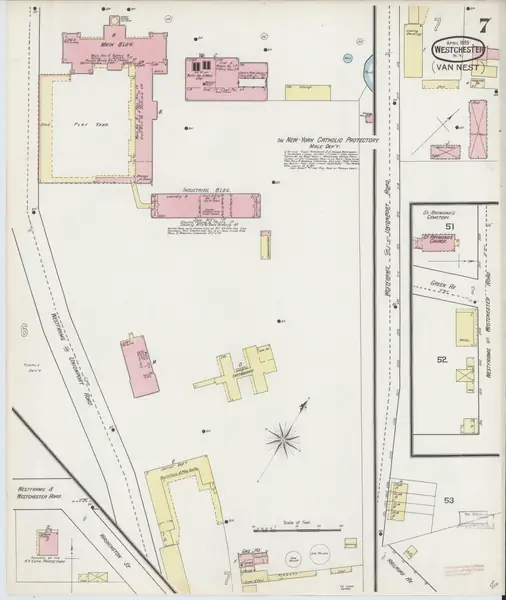 Parkchester · 1863New York Catholic ProtectoryBuilt because Catholic parents didn't want their children shipped to Protestant farms. How many families lost track of children that way?The New York Catholic Protectory was a Catholic orphanage in the Bronx, New York City, founded in 1863 by the Society for the Protection of Destitute Roman Catholic Children in the City of New York ("The Society"). Ives and his supporters supporters established the Protectory after an unsuccessful attempt to create a Catholic placing out agency to rival Charles Loring Brace's Protestant-run Children's Aid Society (CAS). By 1878, the Protectory was serving over 3,000 children annually.
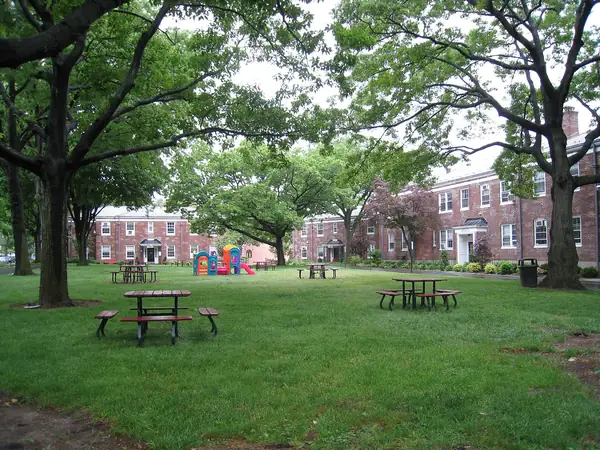 Forest Hills · 1851Brooklyn Home for ChildrenWhere did so many children without parents come from in that era, in a time of peace and growth?Forestdale is the descendant of the Brooklyn Industrial School Association and Home for Destitute Children, which was founded in 1854. The Brooklyn Home for Children was one of many New York City orphanages to participate in the Orphan Train movement, in which orphaned children were sent to the Western United States, usually to live with rural families.
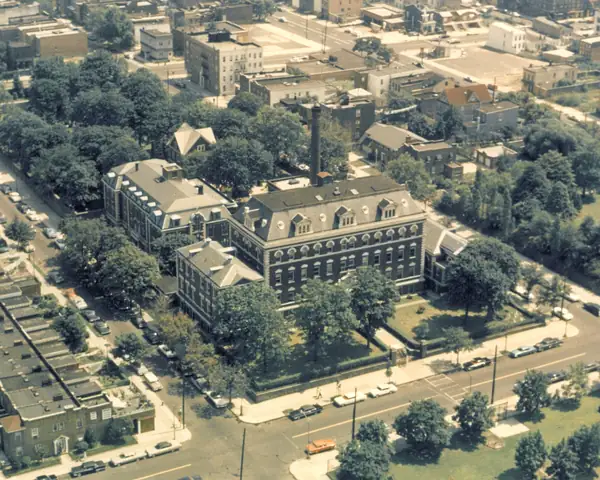 Dyker Heights · 1899Angel Guardian Home, BrooklynWhere did so many children without parents come from in that era, in a time of peace and growth?The Angel Guardian Home, formerly the Angel Guardian Home for Little Children is a Catholic orphanage in the Dyker Heights area of Brooklyn, New York. The Angel Guardian Home for Little Children was founded in 1899 by the Sisters of Mercy as a sister facility to the order's other New York orphanage, St.
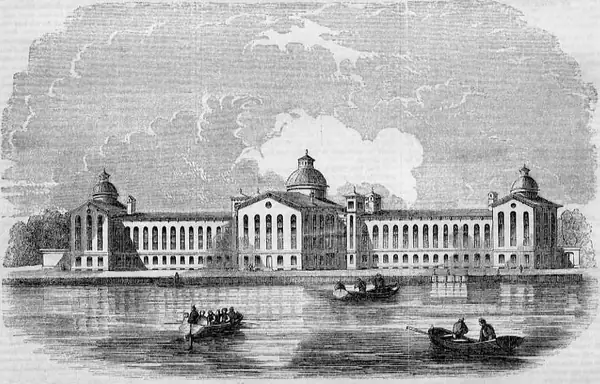 Randalls and Wards Islands · 1824New York House of RefugeFirst built on the Bowery, burned in 1839, rebuilt on an island. Why do so many of these homes have a fire in their story?The New York House of Refuge was the first juvenile reformatory established in the United States. It opened in 1824 on the Bowery in Manhattan, New York City and was destroyed by a fire in 1839, before being relocated first to Twenty-Third Street and then, in 1854, to Randalls Island.
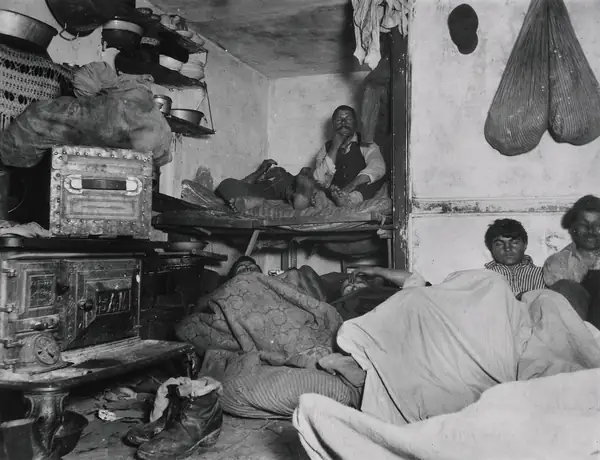 Five Points · 1854Five Points, where many riders startedThe most crowded neighborhood in America sent its children west. Where did the families in Five Points come from so fast?[Charles Loring Brace] organized the Orphan Train movement to relocate poor and homeless children from New York City to farm families in the Midwest. Five Points (or The Five Points) was a 19th-century neighborhood in Lower Manhattan, New York City.
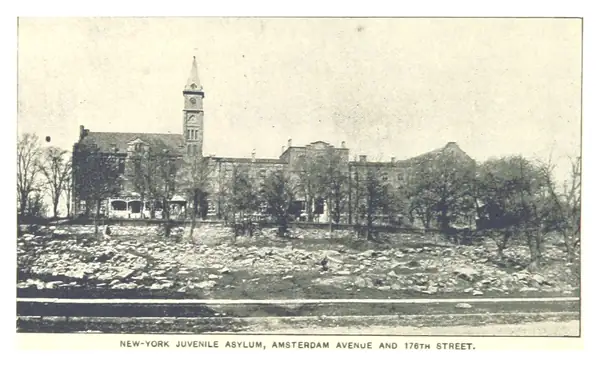 Dobbs Ferry · 1855Children's Village placings, 6,3236,323 children from one school, mostly to Illinois. Who kept those records, and where are they now?The school also joined two other charities and founded the orphan train program between 1855 and 1903, placing 6,323 children with families throughout the Midwest, notably Illinois.
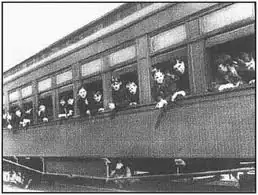 Iowa City · 1854Iowa City, the leftovers of the first trainEight children sent on alone by train to a stranger. Would anyone notice if they never arrived?Smith and the remaining eight children traveled to Chicago where Smith put them on a train to Iowa City by themselves where a Reverend C.
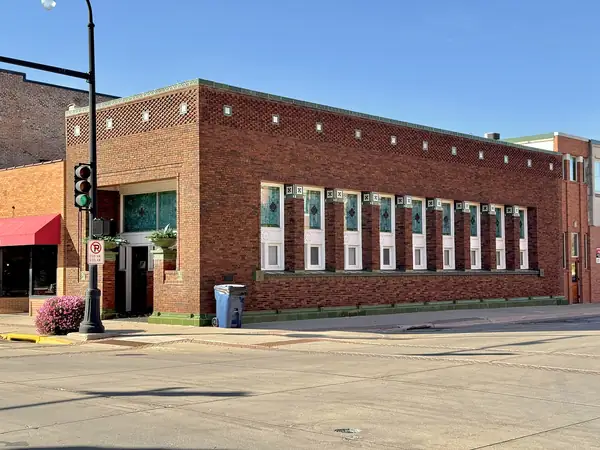 Algona · 1894Algona, Dysart and Wesley, IowaWhere did so many children without parents come from in that era, in a time of peace and growth?In 1894, Algona, along with other Iowa communities such as Dysart and Wesley, became part of the project known as the "Orphan Trains".
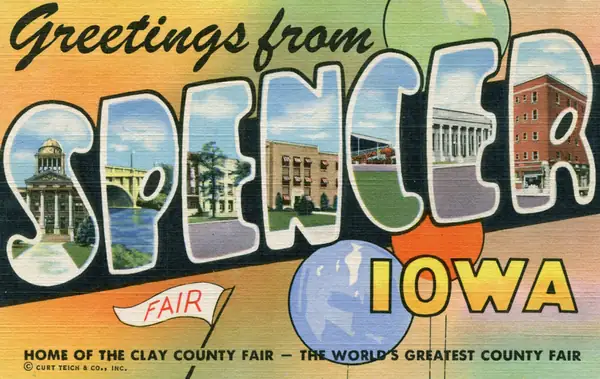 Spencer · 1917Spencer, Iowa, playhouse for train childrenA whole family adopted off a passing train. How common was that in small towns?In 1917 the playhouse was built for the Higgins children, who adopted off the Orphan Train when it passed through Spencer.
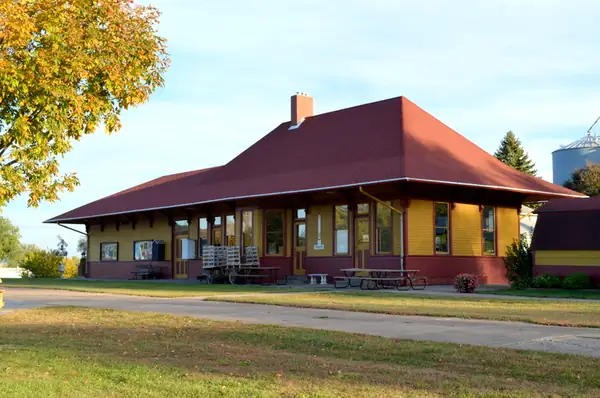 Delmar · 1900Delmar depot mural, IowaLittle depots like this were where children were lined up and chosen. Why are so few of these stops written down by name?It is listed on the National Register of Historic Places. The site also includes an old caboose named "Elizabeth" and a mural on the old viaduct wall that commemorates the Orphan Train.
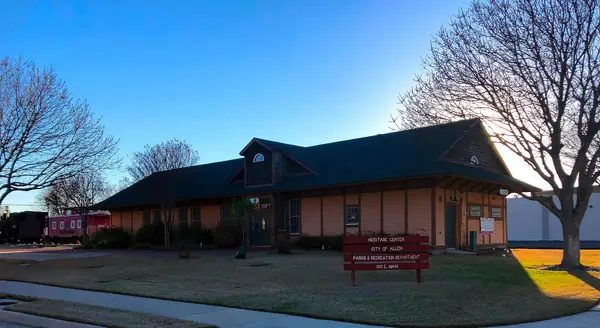 Allen · 1876Allen Depot, TexasWhere did so many children without parents come from in that era, in a time of peace and growth?Allen Depot was established in 1876 in the central ward of Allen, Texas. The Eastern United States instituted the guardianship of an Orphan Train movement for youth dependants determined as abandoned, homeless, orphaned, and street children in an American census-designated place.
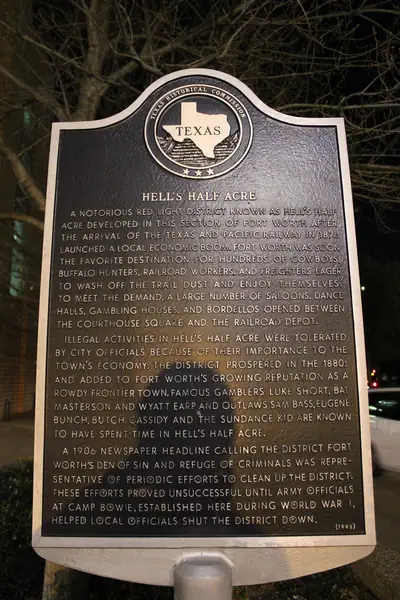 Fort Worth · 1887Fort Worth's first orphan train, 1887The first train reached Fort Worth in 1887 and a children's home was chartered within ten years. Why were so many towns suddenly needing these homes?The trains brought migrants from the southeast and, in 1887, the first "Orphan Train" from the northeast. It was formally chartered in 1896 and incorporated in 1904 as The Texas Children's Home and Aid Society.
 Opelousas · 1854Opelousas, Louisiana Orphan Train MuseumMost riders here were legally adopted, but many never knew their birth names. Why are the records on these children so thin, sealed or lost?The Louisiana Orphan Train Museum was founded in 2009 in a restored Union Pacific freight depot housed within Le Vieux Village Heritage Park in Opelousas, Louisiana. It focuses particularly on how the riders assimilated into the South Louisiana community, as the majority were legally adopted into their foster families.
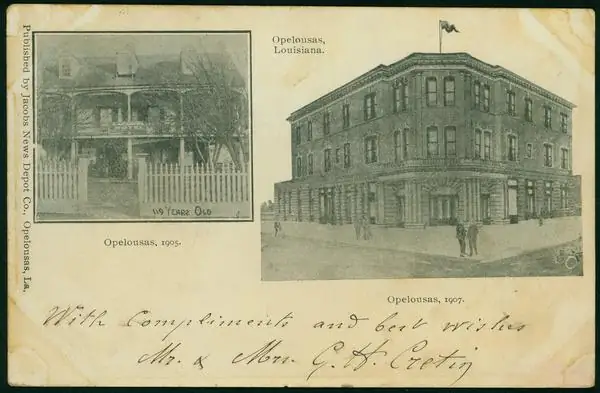 Opelousas · 1854Opelousas trains, 'at least three'Where did so many children without parents come from in that era, in a time of peace and growth?Opelousas was a destination for at least three of the Orphan Trains which carried white orphan children out of New York from 1854 to 1929.
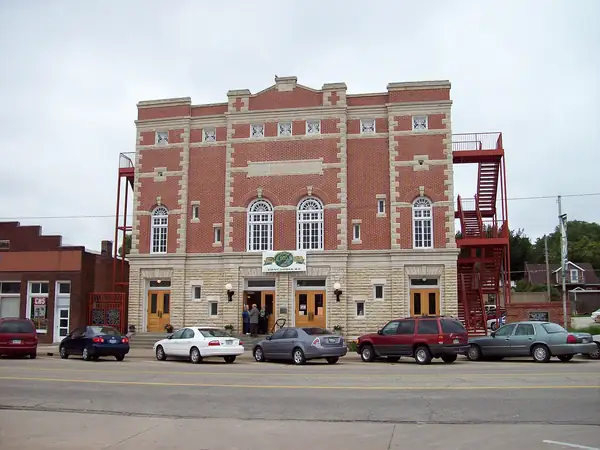 Concordia · 2007Concordia's Brown Grand and the orphan museumWhy are the records on these children so thin, sealed or lost?The event coincided with the opening of the National Orphan Train Museum also in Concordia.
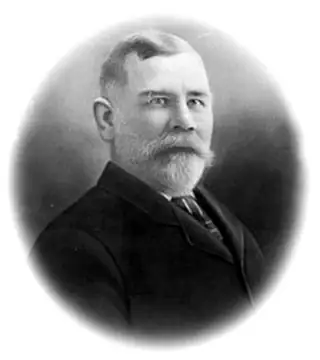 Noblesville · 1859John Green Brady, rider to NoblesvilleA boy said he was an orphan and nobody checked. He later became Governor of Alaska. How many others were never checked?The eleven-year-old Brady declared himself to be an orphan and, on August 2, 1859, boarded a train bound for Indiana. The boys got off the train at Noblesville, Indiana, where they were taken to "Aunt" Jenny Fergusson's hotel, fed and, in turn, put on display for prospective adopters.
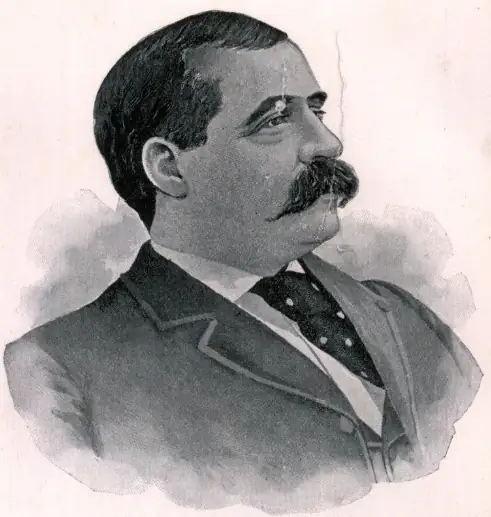 Noblesville · 1858Andrew H. Burke, newsboy to governorTwo future governors placed near the same Indiana town. What do the records from that stop actually show?Burke was born in New York City in 1850. He then became a ward of the Children's Aid Society. As a boy, Burke sold newspapers in the city before he was adopted in 1858 by a family of farmers near Noblesville, Indiana.
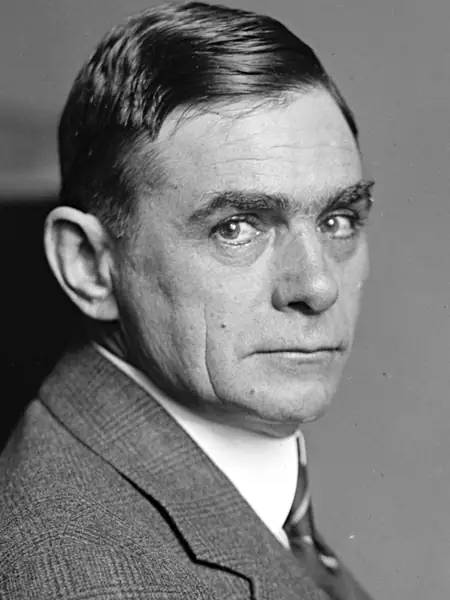 Hopkins · 1881Henry L. Jost, Five Points to MissouriHis parents were alive and missed a payment. That's all it took to send him away. How many 'orphans' were like that?As a child, he lived in an orphanage in Five Points, Manhattan, as his mother had died and his father was ill. In 1881, he moved to Nodaway County, Missouri as part of the Orphan Train after his parents missed a payment to keep him in the orphanage. At age 22, Jost moved to Hopkins.
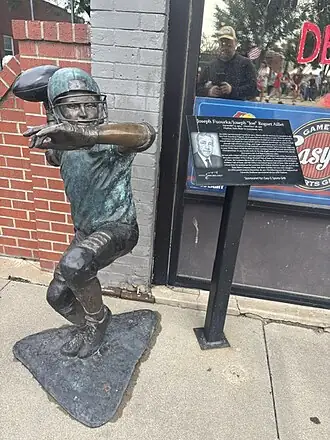
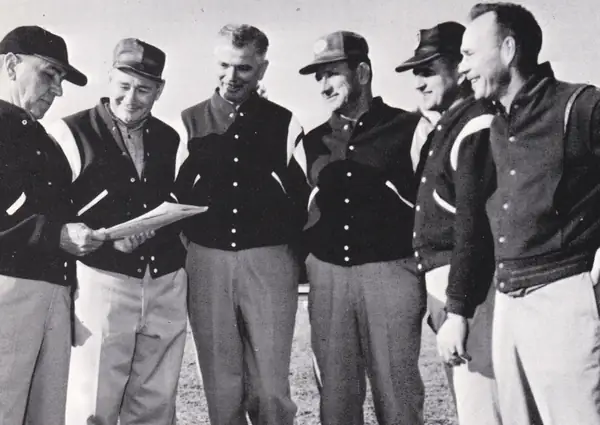 Youngsville · 1905Joe Aillet, Foundling to YoungsvilleBorn Joseph Fuourka, raised under a new name. Why are the records on these children so thin, sealed or lost?Aillet was brought in 1905 from the New York Foundling in New York City to Opelousas in St. Landry Parish, Louisiana, on an Orphan Train. Upon arriving at Youngsville on the orphan train, Father Johanni Roguet, the priest at St.
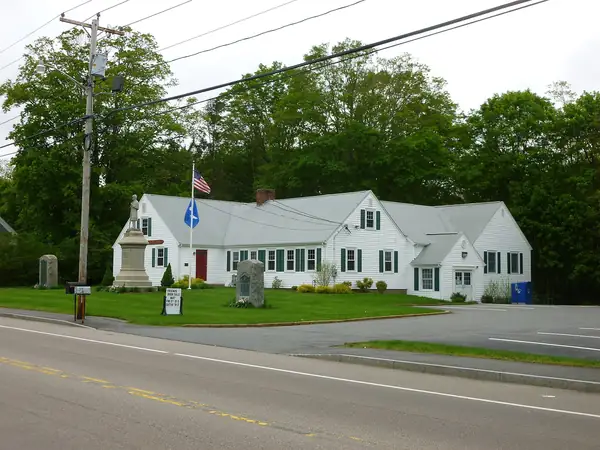 Raynham · 1856Frederick C. Anderson, rider to RaynhamPicked off the train by a farmer at 14, then a Medal of Honor soldier. Children picked for work, not family?At age 14, Anderson was sent on the Orphan Train, which transported orphaned, abandoned, and homeless children from large East Coast cities to rural areas, where they were taken in by families and put to work. When the train reached Raynham, Massachusetts, Anderson was selected by Stilman Wilber, a local farmer.
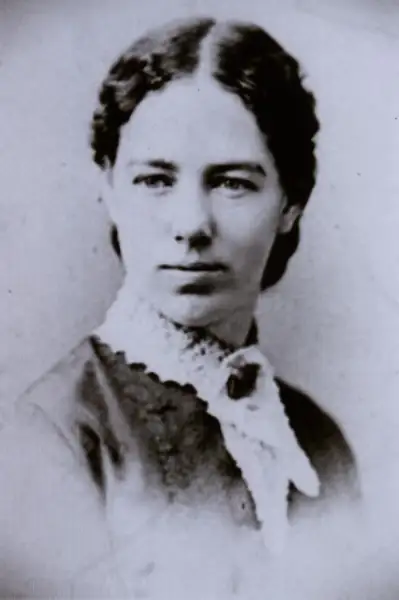 Beatrice · 1885Clarence Colby, rider to BeatriceWhere did so many children without parents come from in that era, in a time of peace and growth?Although they never had children of their own, they adopted a boy, Clarence (born ca. 1882), in 1885 from an Orphan Train.
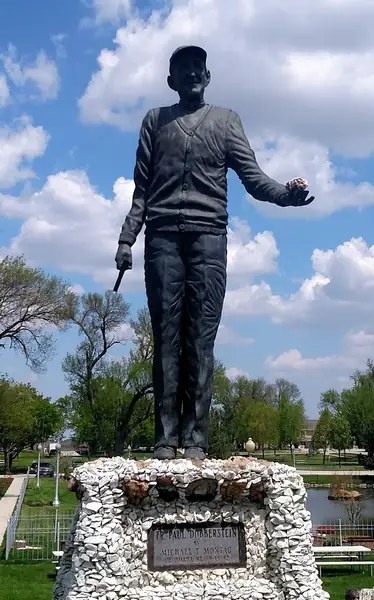 West Bend · 1900Father Dobberstein's train daughter, West BendA priest who spent decades building a stone grotto took in a child off a train. Where did that child come from?He raised a daughter who travelled to his parish on an orphan train. Father Dobberstein is most known for designing and building The Shrine of the Grotto of the Redemption, in West Bend, Iowa, in the Roman Catholic Diocese of Sioux City.
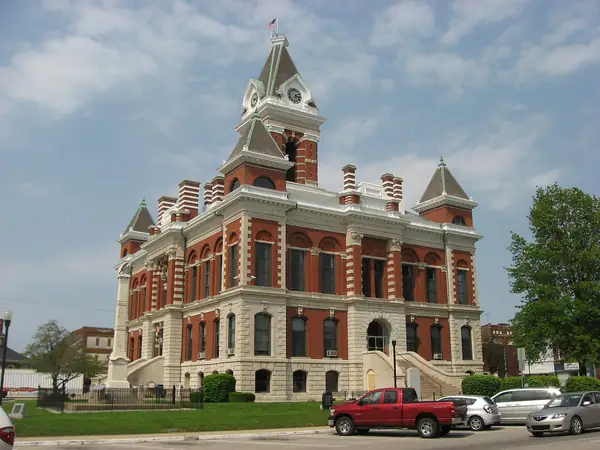 Princeton · 1861Drummer boy Butler, rider to Princeton, IndianaWhere did so many children without parents come from in that era, in a time of peace and growth?Butler, one of the veterans, had traveled on an orphan train to Princeton, Indiana, where he was a drummer boy with the 17th Indiana Brigade.
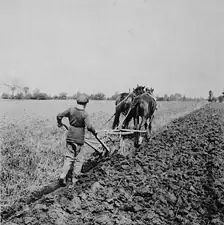 London, United Kingdom · 1870Annie MacPherson's Home ChildrenWhere did so many children without parents come from in that era, in a time of peace and growth?MacPherson began relocating children in 1870, departing for Canada on the twelfth of May with one hundred boys. It opened in 1868 and could hold up to two hundred children.
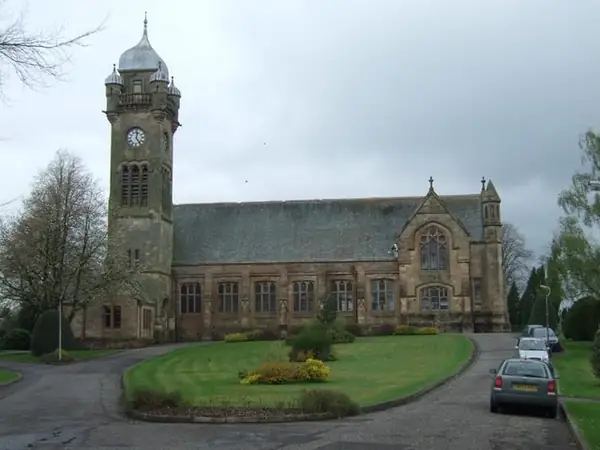 Bridge of Weir, United Kingdom · 1876Quarriers, Quarrier's VillageWhere did so many children without parents come from in that era, in a time of peace and growth?Quarriers is a Scottish social care charity based in Quarrier's Village, Inverclyde.
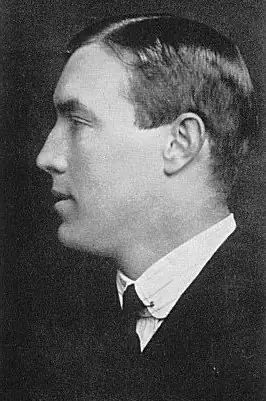 Pinjarra, Australia · 1912Kingsley Fairbridge farm schoolsWhere did so many children without parents come from in that era, in a time of peace and growth?Kingsley Ogilvie Fairbridge (5 May 1885 – 19 July 1924) was the founder of a child emigration scheme from Britain to its colonies as well as the Fairbridge Schools. Fairbridge's plan was to provide children training in agriculture (for boys) and domestic service (for girls) before putting them out to service.
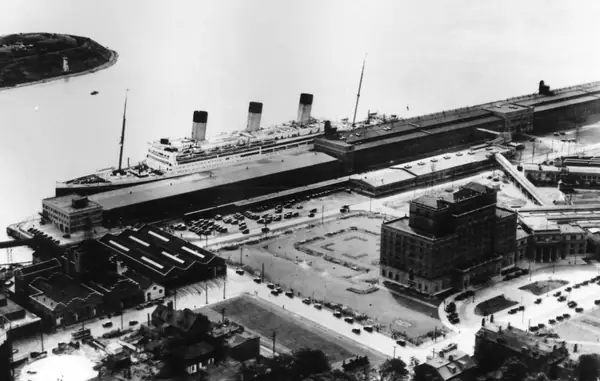 Halifax, Canada · 1928Pier 21, HalifaxA million people through one shed, put straight on trains inland. Where were they all being sent to, and why then?Nearly one million immigrants came to Canada through Pier 21, and it is the last surviving seaport immigration facility in Canada. Special immigrant passenger trains, made up of dozens of colonist cars, would take passengers from Halifax to their new homes across Canada.
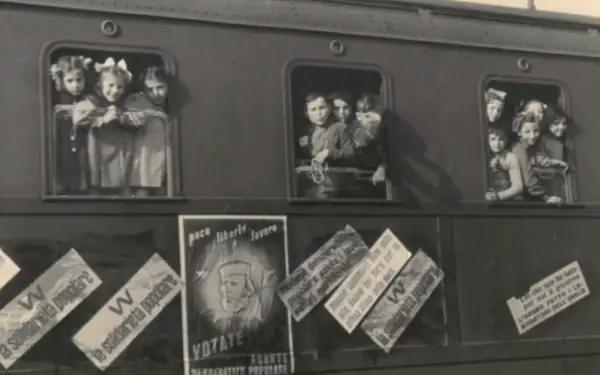 Reggio Emilia, Italy · 1945Treni della felicità, Italy70,000 children moved by train after a war. Big events and child trains seem to go together. Does that pattern hold in the 1800s too?The treni della felicità ('trains of happiness') was a post-war initiative by the Italian Communist Party (PCI) and the Unione donne italiane (UDI), whereby 70,000 impoverished children from southern Italy were transported to northern Italy between 1945 and 1952 to be hosted by families that could support them. == History == The initiative was conceived by Teresa Noce and the Unione donne italiane (Italian Women's Union, UDI), and was promoted by the Italian Communist Party (PCI). On 16 December 1945, the first train departed from Milan and travelled to Reggio Emilia, carrying 1,800 children.
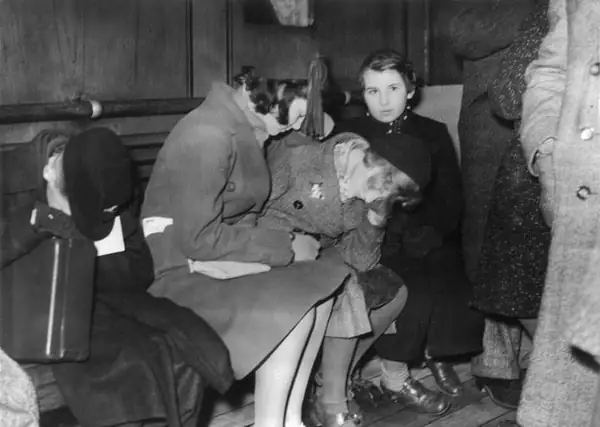 Harwich, United Kingdom · 1938KindertransportWhy are the records on these children so thin, sealed or lost?The Kindertransport (German for "children's transport") was an organised rescue effort of children from Nazi-controlled territory that took place in 1938–39 during the nine months prior to the Second World War. From the port, a train took some of the children to Liverpool Street station in London, where they were met by their volunteer foster parents.
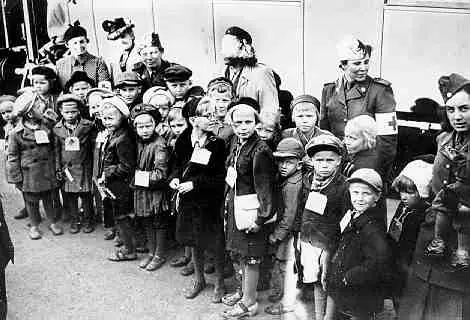 Haparanda, Sweden · 1939Finnish war children80,000 children sent abroad in a war. What would a bigger disaster do to a country's children?During World War II, some 80,000 Finnish children (Finnish: sotalapset, the 'war children' Swedish: krigsbarn) were evacuated from Finland to Scandinavia, chiefly to Sweden, but also to Norway and Denmark.
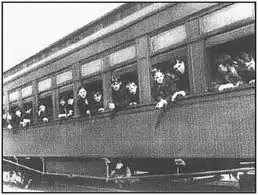 Grand Island · 1912Grand Island 'orders filled'Children ordered by hair and eye color in 1912. Who were these children's real families?''Some ordered boys, others girls, some preferred light babies, others dark, and the orders were filled out properly and every new parent was delighted,'' reported The Daily Independent of Grand Island, NE in May 1912.
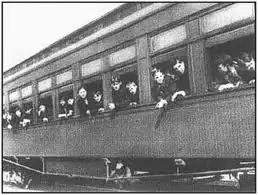 Clifton · 1904Clifton–Morenci, Arizona, 1904Forty toddlers shipped across the country, then taken by a mob. Papers called it 'sold like cattle'. Who were their parents?A complicated lawsuit arose from a 1904 Arizona Territory orphan train placement in which the New York Foundling Hospital sent 40 white children between the ages of 18 months and 5 years to be indentured to Catholic families in an Arizona Territory parish. At the time, these events were well-documented in published newspaper stories which were titled "Babies Sold Like Sheep," telling readers that the New York Foundling Hospital "has for years been shipping children in car-loads all over the country, and they are given away and sold like cattle." == Decline == As the West was settled, the demand for adoptable children declined.
By the numbers
- about 200,000Children moved, 1854–1929Source ↗
- more than 250,000Children moved, 1854–1929 (other figure)Source ↗
- average of 3,000Children's Aid Society, per year 1855–1875Source ↗
- over 120,000Brace, 1853–1890Source ↗
- 1,000New York Foundling, per year by the 1910sSource ↗
- 6,323Children's Village (New York Juvenile Asylum), 1855–1903Source ↗
- 1,113Sent by Charlotte Augusta Gibbs Astor by 1884Source ↗
- less than half; as many as 25 percent had two living parentsShare who were actually orphansSource ↗
- estimated 10,000 to 30,000 (city population about 500,000)Homeless children in New York City, 1850Source ↗
- 45 states, plus Canada and MexicoStates receiving childrenSource ↗
- New York (nearly one-third of the total)Largest receiving stateSource ↗
- 1854–1929Years activeSource ↗
Where it happened 61 places
Open the globe ›The routes 12 with a named start
Open the globe ›Each line runs from the town named as the start to the town where the children arrived, as the cited source gives it. 9 more arrivals have no start named, so they show as a dot only.
Land: Natural Earth (public domain).
What the photos show
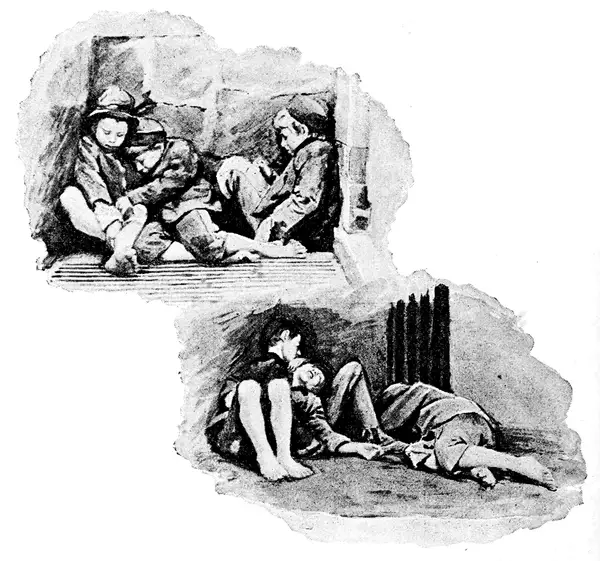 Jacob Riis - Street arabs in sleeping quarters1890sdate QS:P,+1890-00- · Public domain
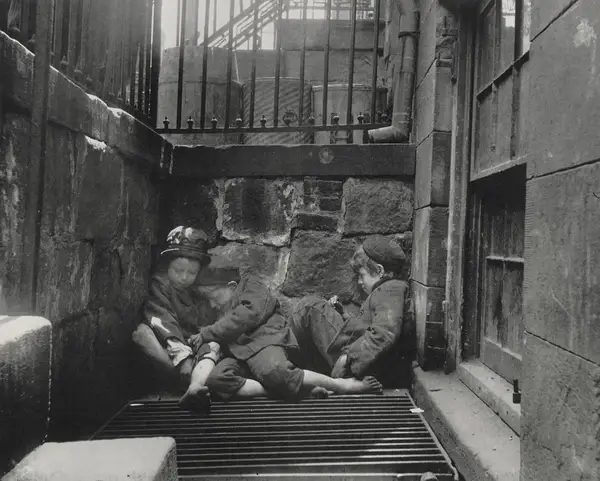 Sleeping, homeless children - Jacob Riis1890sdate QS:P,+1890-00- · Public domain
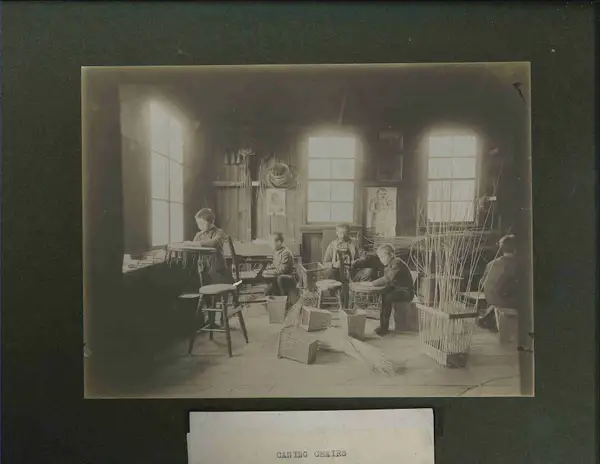 SW0121 Orphan Asylum Society of the City of Brooklyn, Boys Caning Chairs1890-01-01 · Public domain
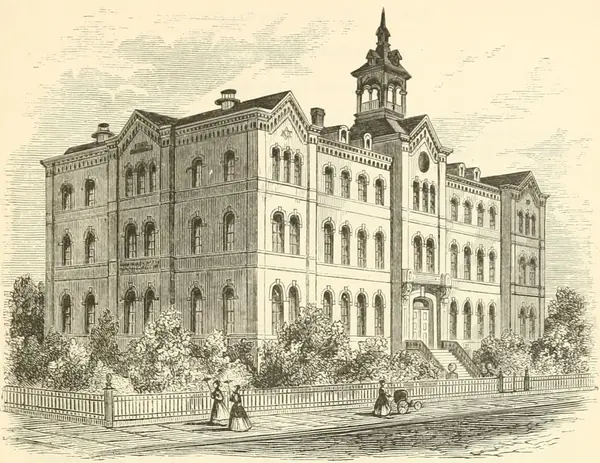 Hebrew Orphan Asylum of New York, Valentine's Manual (cropped)1870 · Public domain


Further viewing
Episodes from My Lunch Break (Michael Kruse), the main lens for this app. They open on YouTube.


Patterns
The same story turns up in other threads.
Hypotheses20 patterns across all the threads Clues Others Missed110 details in the photos
 Mud FloodBuried first floors, raised streets and what lies under the cities
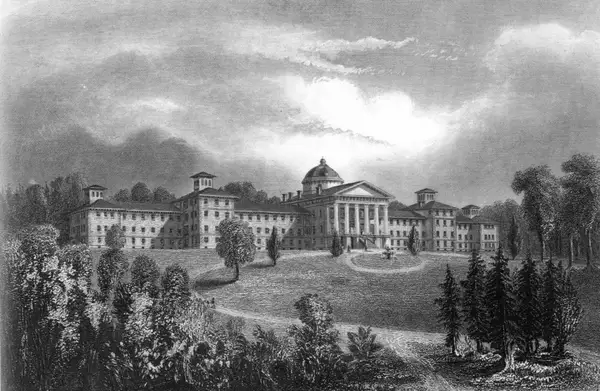 AsylumsKirkbride palaces and why admissions soared
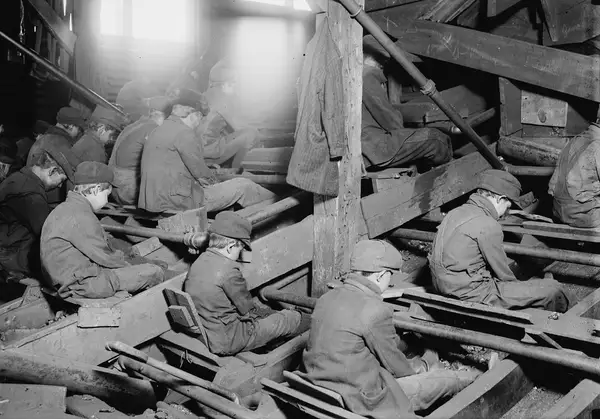 Child Labor & RepopulationBreaker boys, mill girls and the 1850–1920 window
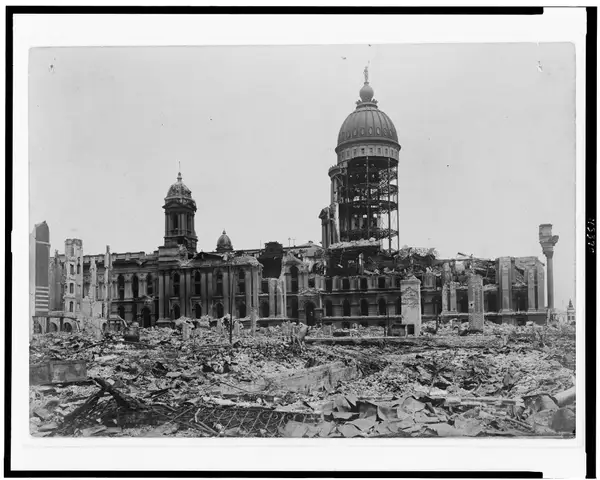 Burned and Rebuilt?Ruins, then palaces: swipe between the two photos
 Same Story, Different CityFire, temporary, rebuilt: the same beats in city after city
 Architects of RecordWho got the credit, how old they were, and how long it took
 Does It Add Up?Buildings set against the towns, workforces and timelines the record gives them, scored from sourced facts only.