Hypothesis #16 of 20
The records go with the fire
Strength is how much of our gathered material lines up with the pattern. It is not the odds that the idea is true.
The working idea
Again and again, the fire that takes a building also takes the papers: city archives, land records, a state library, a nation's record office, the census for the fair years. Common sense says if you wanted to know who held the land, who lived there and who built what, these are exactly the records you'd need, and they're exactly the ones that are gone. The possibility is that the gaps in the record are not random.
Strongest examples
The evidence
Fires in the dataset that destroyed records, archives or land papers
10 events
Bergen 1916 is left out: the record says medieval buildings burned, not archives.
10 entries
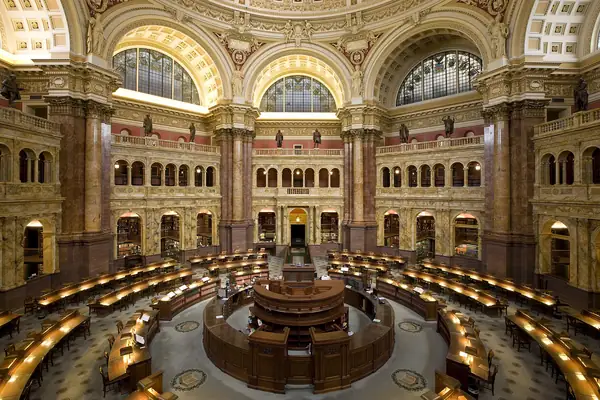 Library of Congress fire1851, two-thirds of Jefferson's books
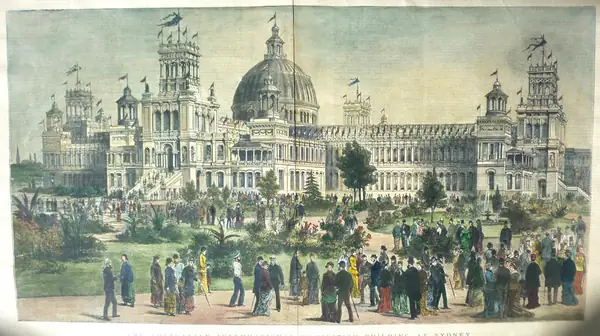
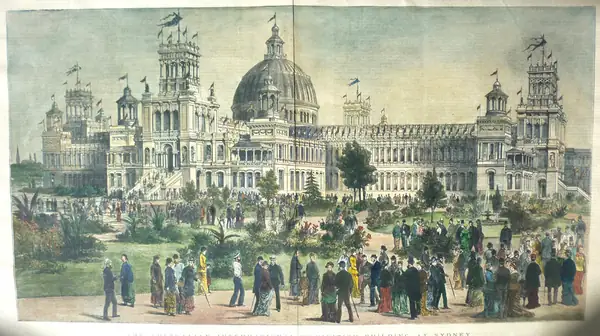 Garden Palace, Sydney1882, squatting-occupation land records
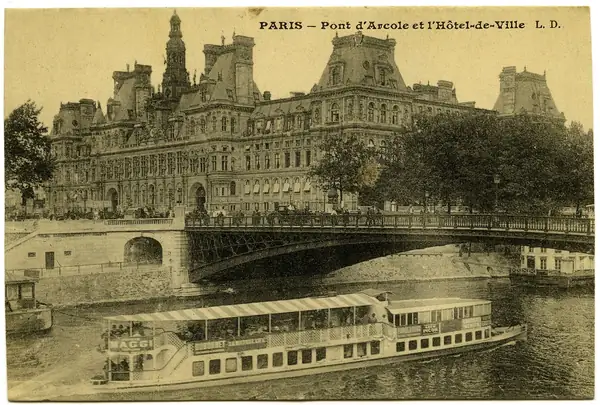 Hôtel de Ville1871, city archives
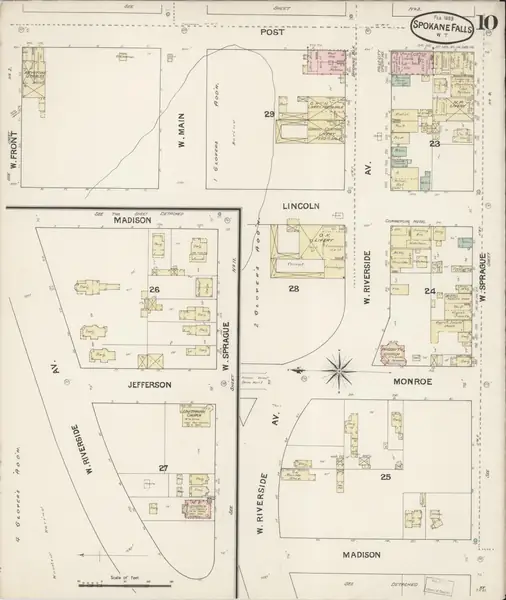 Great Spokane Fire1889, land office
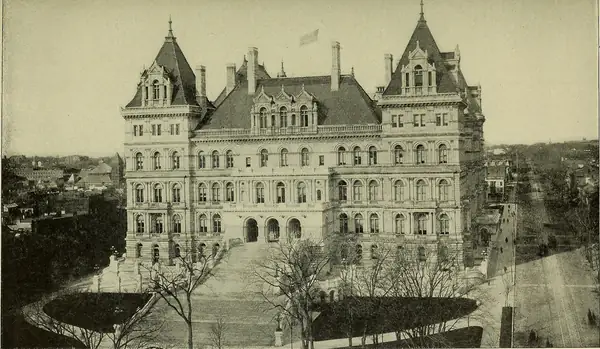 New York State Capitol1911, State Library
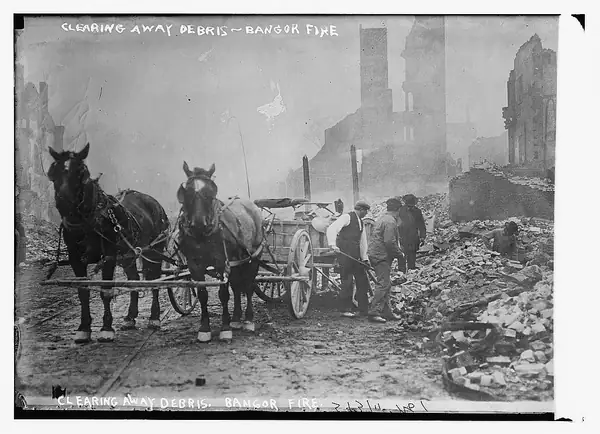 Great Fire of Bangor1911, custom house, library
- 1890 census fire1921, most of the 1890 census
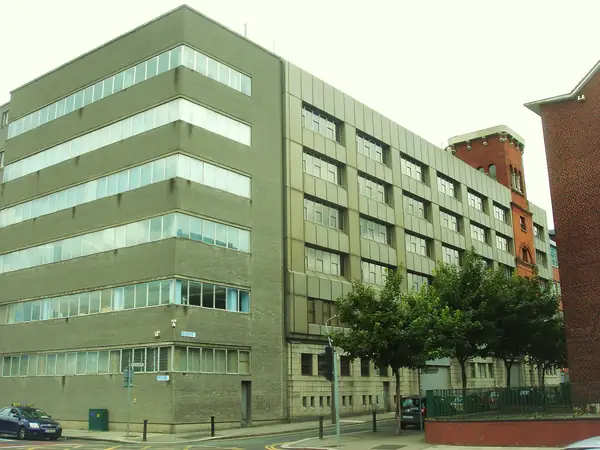 Public Record Office of Ireland1922
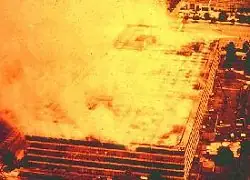 National Personnel Records Center fire1973, 16–18 million files
 Paper sons: the records that burned in 19061906, San Francisco birth records
The lost census covers the peak fair and building years
1890 schedules mostly destroyed (1921)
A record that isn't there
1

Open questions
- What share of each lost archive had been copied, and who held the copies?
- Why were land and population records stored in exhibition halls and basements?
What would support it
- Evidence that copies existed and were not used to restore the record.
- Lost series that cluster on land title and population rather than routine paperwork.
What would rule it out
- Surviving duplicate series (county deeds, state censuses) that fill the gaps and show nothing unusual.
- Evidence the lost series were random in content.
Selection bias
High: records fires were specifically searched for.
The rating counts how much of our gathered material lines up with the pattern. It is not a probability that the hypothesis is true, and every count is limited by which buildings were picked for the app (see 'selectionBias' on each card).
Next hypothesis
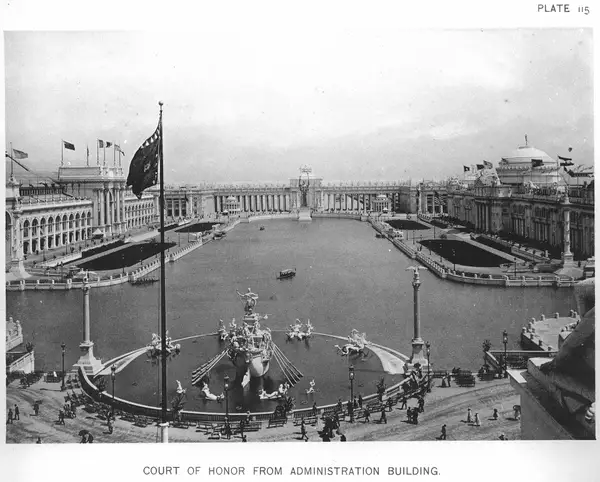 Emerging12 entries#17What was kept was stone, and the loved ones were recastOf the fair buildings that survived, the ones the record calls permanent are stone, marble or brick-cored. Three of the best-loved 'plaster' palaces were later rebuilt in concrete or stone, which means the building you see today carries a later date than the one in the photos. Common sense: if a 'temporary' palace looked good enough for a city to fight for it, maybe it was more solid than the record says, or maybe the rebuild date covers what was really there.