Hypothesis #17 of 20
What was kept was stone, and the loved ones were recast
Strength is how much of our gathered material lines up with the pattern. It is not the odds that the idea is true.
The working idea
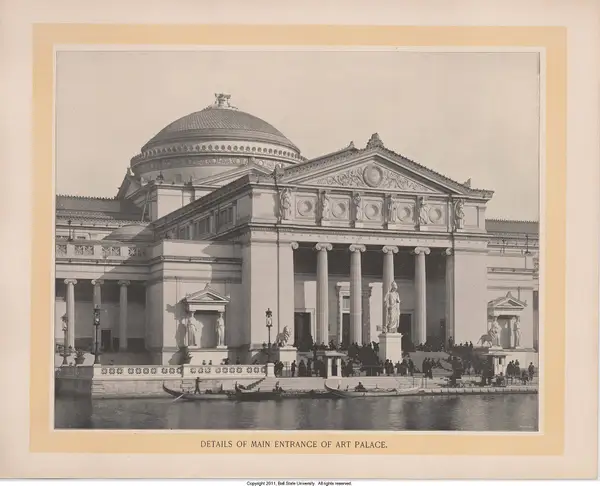
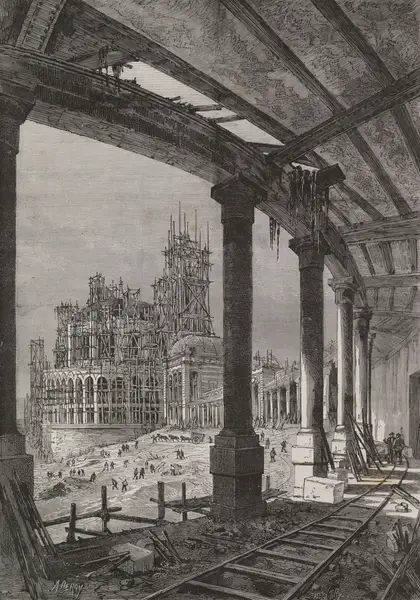
Of the fair buildings that survived, the ones the record calls permanent are stone, marble or brick-cored. Three of the best-loved 'plaster' palaces were later rebuilt in concrete or stone, which means the building you see today carries a later date than the one in the photos. Common sense: if a 'temporary' palace looked good enough for a city to fight for it, maybe it was more solid than the record says, or maybe the rebuild date covers what was really there.
Strongest examples
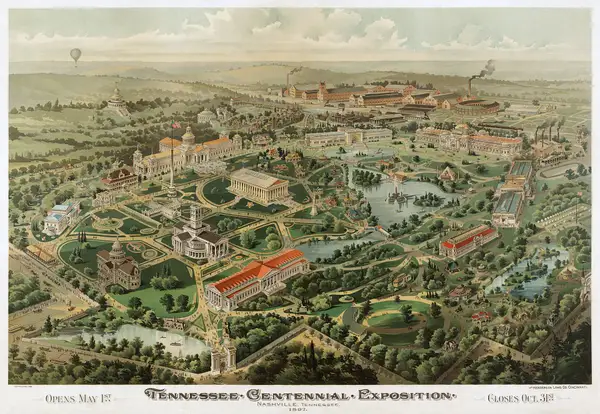
The evidence
Fair survivors described as stone, marble, granite or brick-cored
8
8 entries
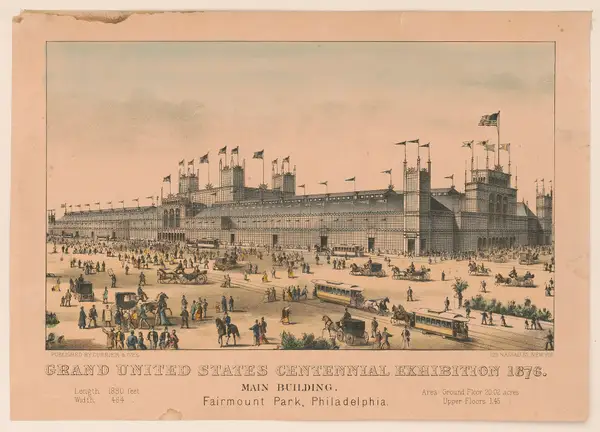 Centennial ExpositionMemorial Hall, granite
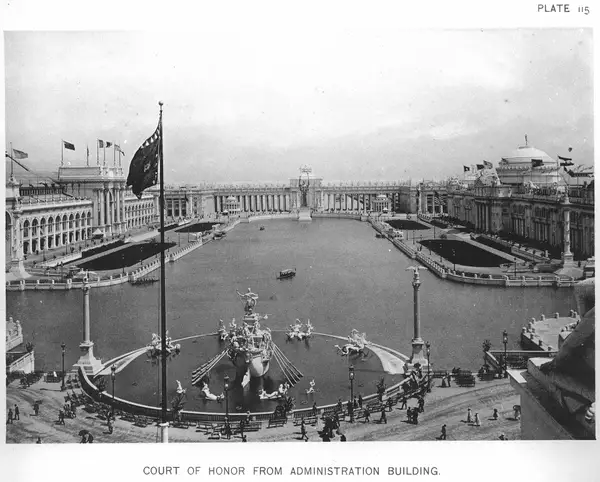 World's Columbian ExpositionPalace of Fine Arts, 'fireproof' brick core
- World's Columbian ExpositionWorld's Congress building, now Art Institute
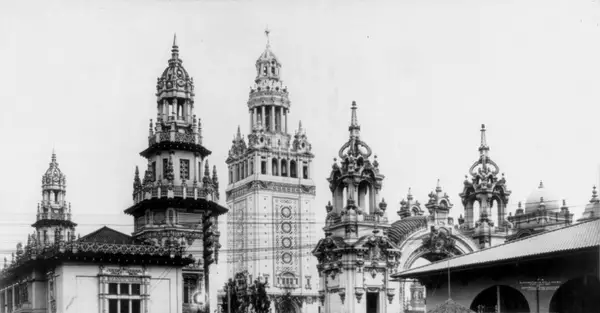 Pan-American ExpositionNew York State Building, marble
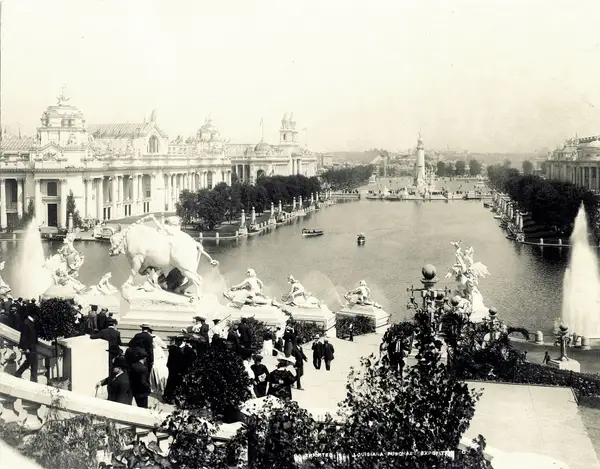 Louisiana Purchase ExpositionPalace of Fine Arts, stone ashlar
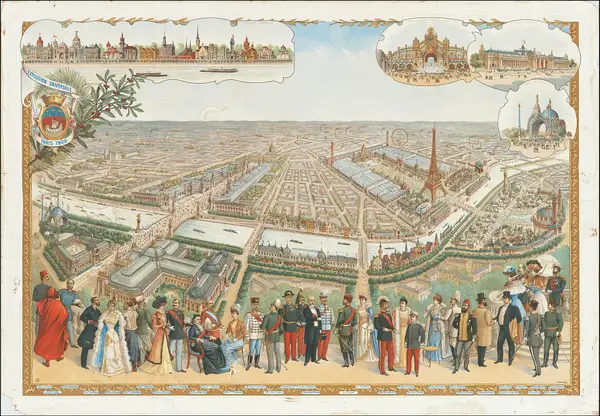 Exposition Universelle of 1900Grand Palais, stone colonnade
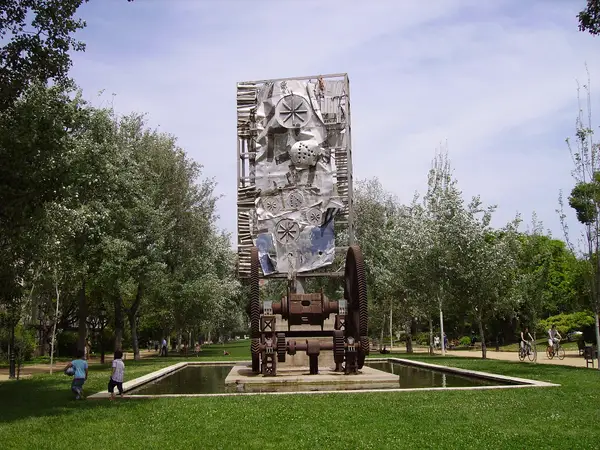 Barcelona Universal ExpositionArc de Triomf, brick
- Barcelona Universal ExpositionCastle of the Three Dragons, brick
Fair palaces later rebuilt in permanent materials
3, plus one core re-used
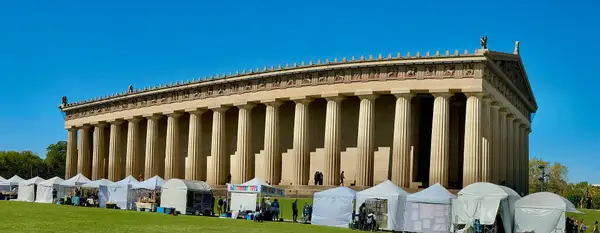

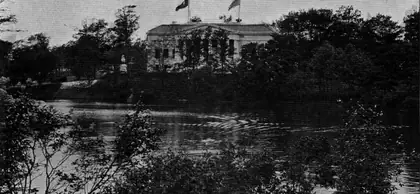
Survivor that was 'the only one planned to stay'
1
Open questions
- How did surveyors decide which palace had a 'fireproof' core, and what was under the others' plaster?
- Were the concrete rebuilds cast from the old surfaces, and what did the demolition of the originals show?
What would support it
- Demolition photos of a 'plaster' palace showing brick or stone underneath.
- Rebuild reports noting older masonry kept inside.
What would rule it out
- Rebuild reports that document only timber-and-staff originals removed to the ground.
- Original specifications showing the survivors were singled out as permanent before the fair, as the record says for Buffalo.
Selection bias
Low to medium: survivors are few and well known.
The rating counts how much of our gathered material lines up with the pattern. It is not a probability that the hypothesis is true, and every count is limited by which buildings were picked for the app (see 'selectionBias' on each card).
Next hypothesis
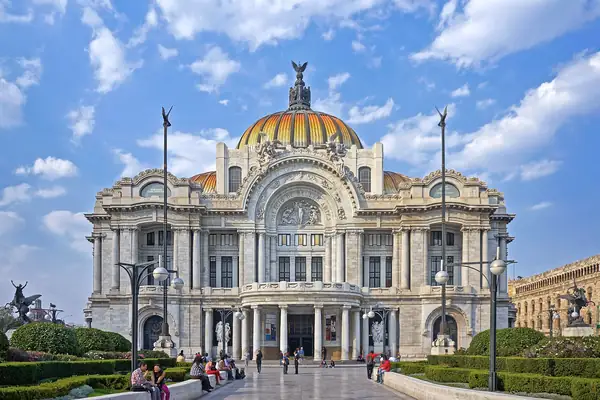 Emerging11 entries#18Some buried floors may be sunk floorsNext to the 'something covered it' reading, our own records show a second route to a buried ground floor: heavy masonry on soft ground going down. Mexico City's marble Palacio de Bellas Artes has sunk about four metres in about a century. Common sense: if a 1904 palace can lose a storey, then older stone buildings on river silt or lakebeds could have lost one or two without anyone burying them. This is a possibility to test alongside the mud flood idea, not against it.