Hypothesis #13 of 20
Built for people who hadn't arrived yet
Strength is how much of our gathered material lines up with the pattern. It is not the odds that the idea is true.
The working idea
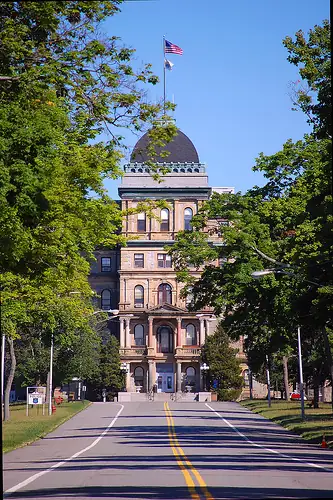
Several asylums open almost empty in huge buildings, then fill to many times their design size within a few decades. Common sense says you build for the need you have. Building first and filling later suggests either the buildings were there before the need, or someone planned for a large incoming population ahead of time.
Strongest examples
The evidence
Tiny opening numbers in very large buildings
4
Later peaks far above design
Greystone 350 → 7,700+ (22×); Trans-Allegheny 250 → 717 (1880) → about 2,600 (1950s), about 10×; Oregon State nearly 3,600; St. Elizabeths over 8,000; Central State nearly 12,000; Colney Hatch 2,500
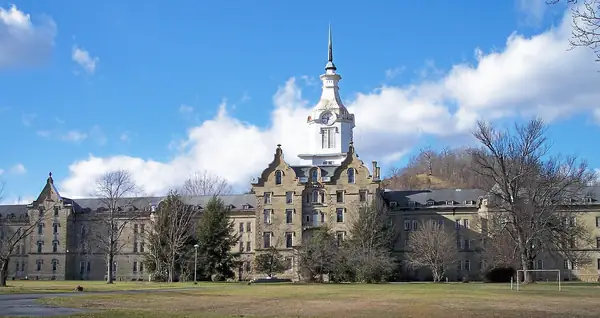
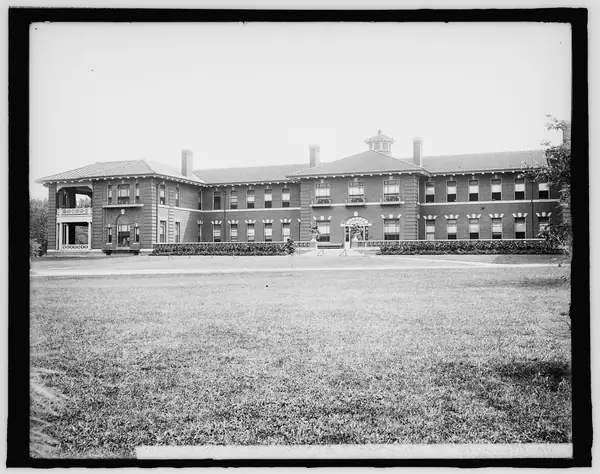
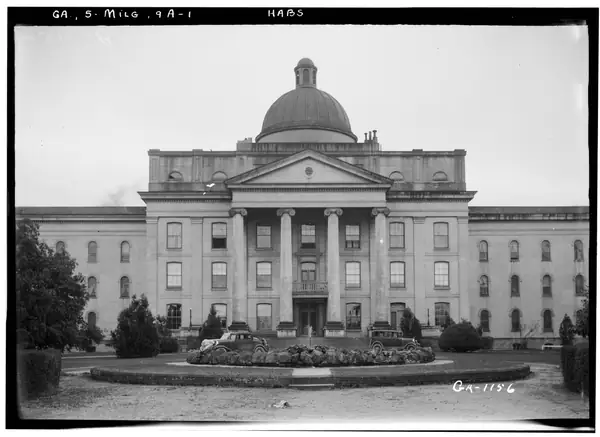
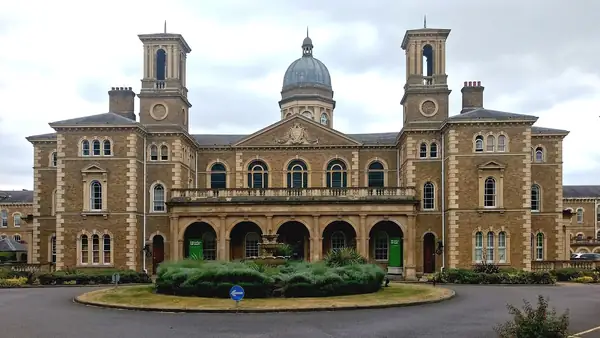
Asylums opened or begun 1868–1890 among the 20 dated institutions
12 of 20
12 entries
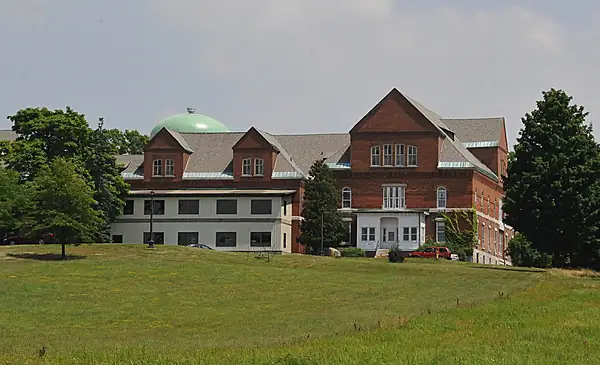 Willard AsylumWillard, New York
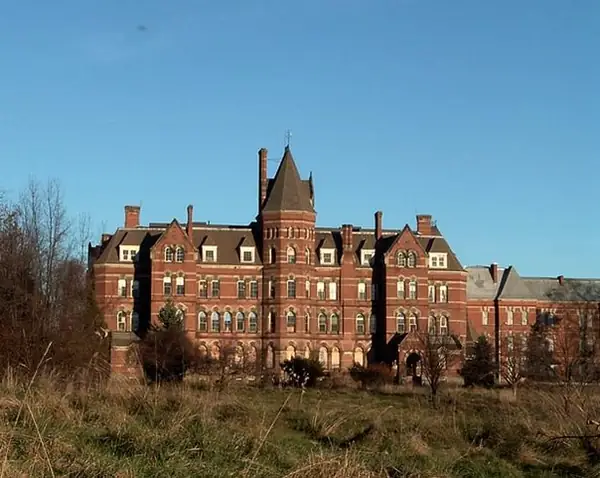 Hudson River State HospitalPoughkeepsie, New York
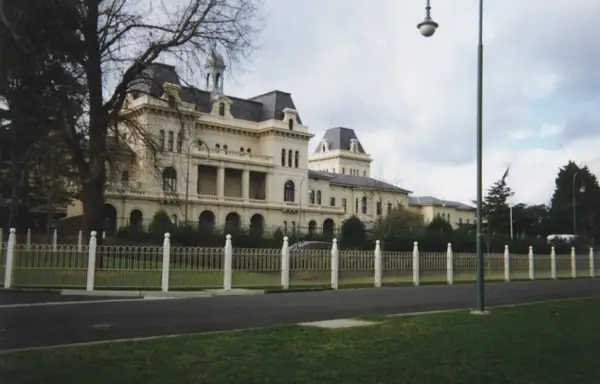 Kew AsylumMelbourne
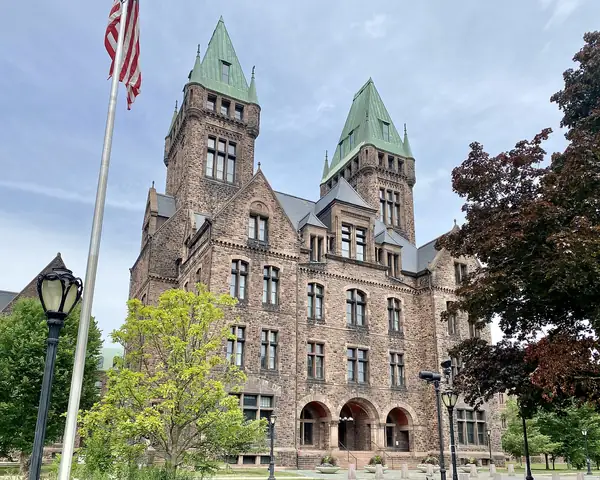 Buffalo State Asylum (Richardson Olmsted Campus)Buffalo, New York
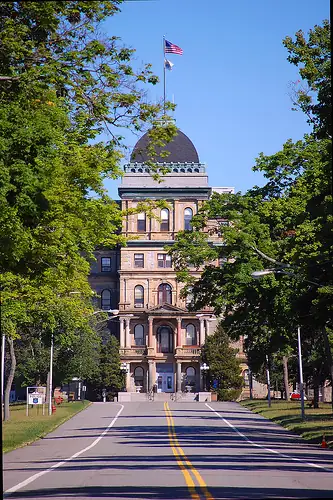 Greystone ParkMorris Plains, New Jersey
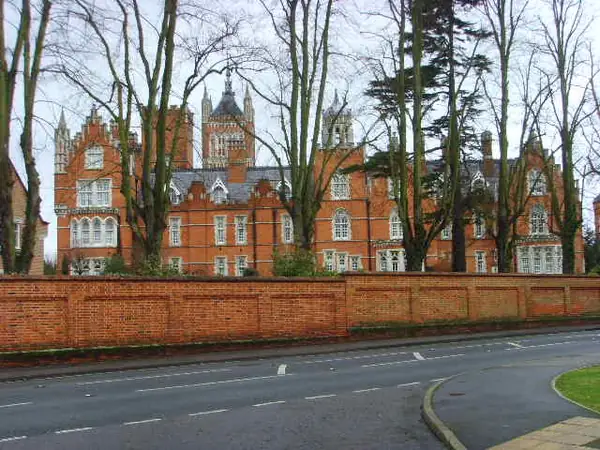 Holloway SanatoriumVirginia Water, Surrey
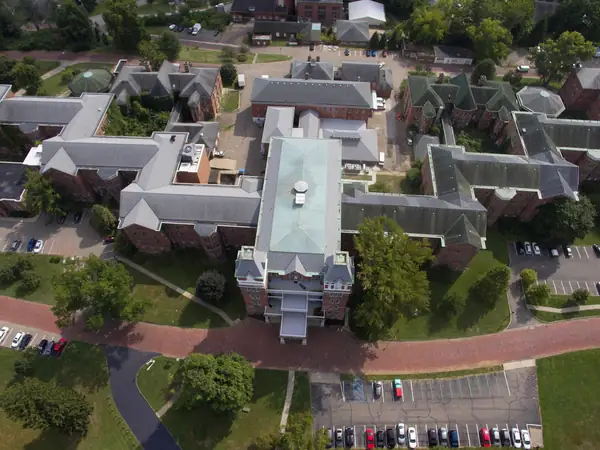 Athens Lunatic Asylum (The Ridges)Athens, Ohio
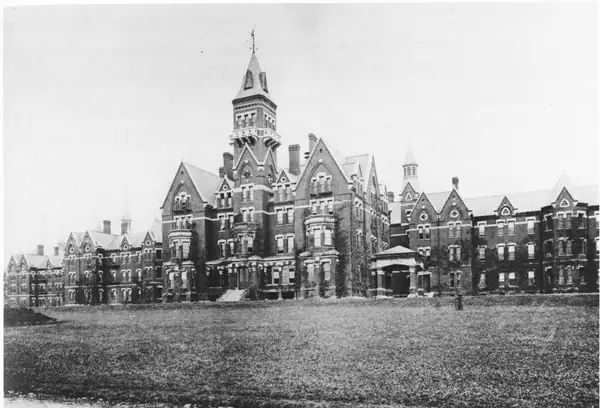 Danvers State HospitalDanvers, Massachusetts
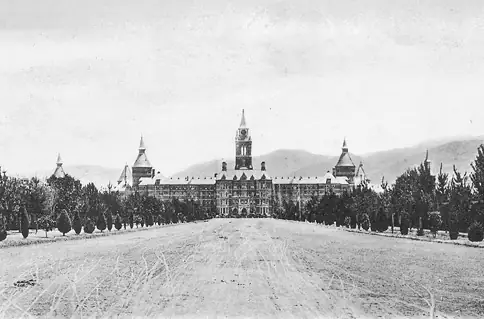 Napa State Hospital ('the Castle')Napa, California
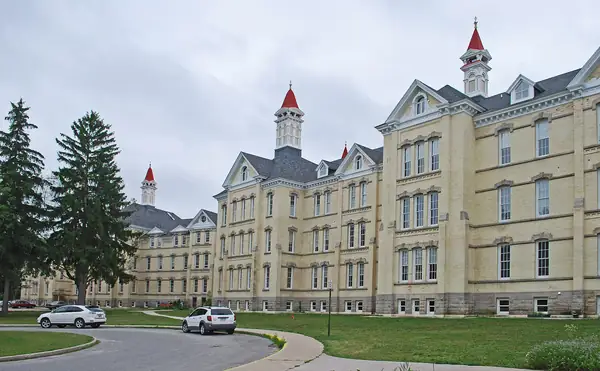 Northern Michigan AsylumTraverse City, Michigan
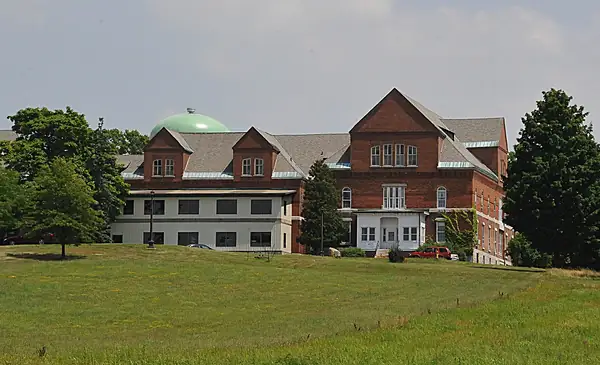
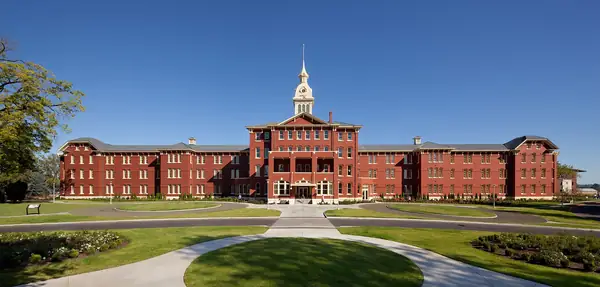
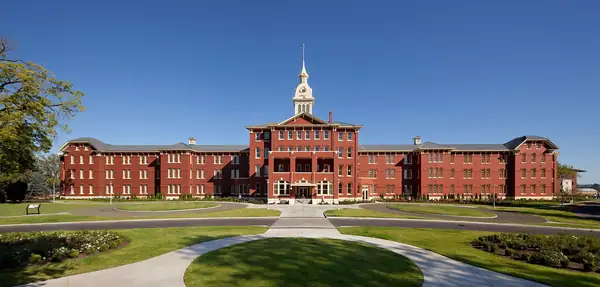 Oregon State HospitalSalem, Oregon
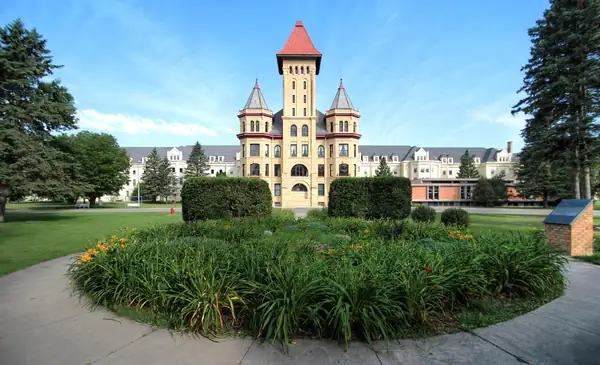 Fergus Falls State HospitalFergus Falls, Minnesota
Unclaimed people
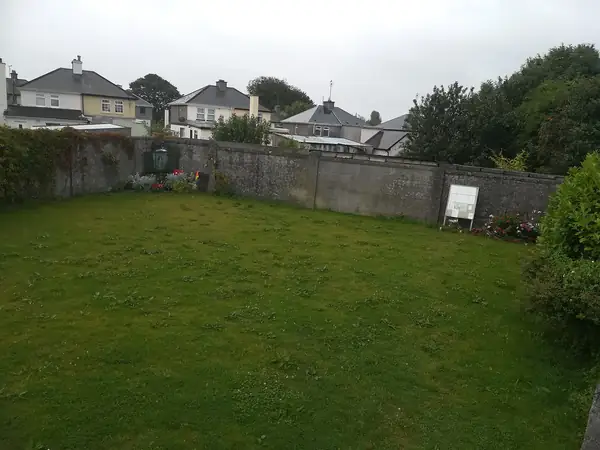
about 400 suitcases (Willard), about 5,000 unclaimed urns (Oregon), 796 children's deaths on record (Tuam)
Open questions
- Where did the thousands of later patients come from, and how many were committed without family?
- Why build for 350 at 1,925 sq ft each if the need was not yet there?
What would support it
- Admission ledgers showing large transfers of people with no recorded families or origins.
- Planning documents projecting large future intakes before any local need.
What would rule it out
- Admission records showing ordinary local commitments that grew with state population.
- Design documents showing the size was chosen for a whole state's expected need (the Athens record says its 572 beds were 'almost double Kirkbride's own recommendation').
Selection bias
Medium.
The rating counts how much of our gathered material lines up with the pattern. It is not a probability that the hypothesis is true, and every count is limited by which buildings were picked for the app (see 'selectionBias' on each card).
Next hypothesis
 Moderate15 entries#14Seats of government burn, and come back bigger and fasterA striking number of capitols, parliaments, city halls and palaces in the collection follow the same script: the old seat burns, and a larger, domed replacement is up within about 2 to 11 years. Common sense says the replacement for a building you could barely afford should take longer and be more modest, not bigger and quicker. One possibility is that the fire marks the moment an older building was swapped out or rebranded.