Hypothesis #14 of 20
Seats of government burn, and come back bigger and faster
Strength is how much of our gathered material lines up with the pattern. It is not the odds that the idea is true.
The working idea
A striking number of capitols, parliaments, city halls and palaces in the collection follow the same script: the old seat burns, and a larger, domed replacement is up within about 2 to 11 years. Common sense says the replacement for a building you could barely afford should take longer and be more modest, not bigger and quicker. One possibility is that the fire marks the moment an older building was swapped out or rebranded.
Strongest examples
 Pennsylvania State CapitolDome modelled on St. Peter's, about four years, after an 1897 fire; architect convicted of graft in 1910 (architects/joseph-miller-huston-pennsylvania-state-capitol).
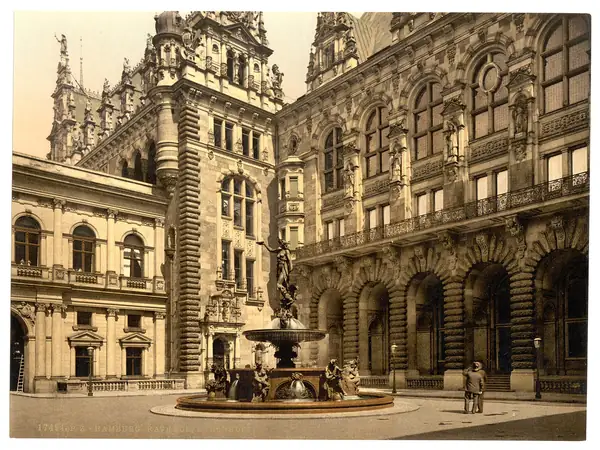
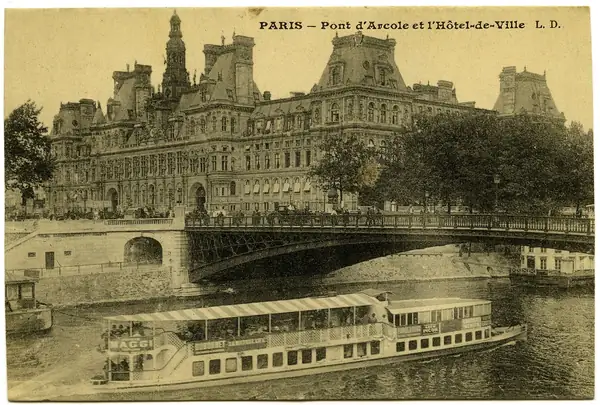 Hôtel de VilleBurned with the city archives in 1871, rebuilt larger to the old design.
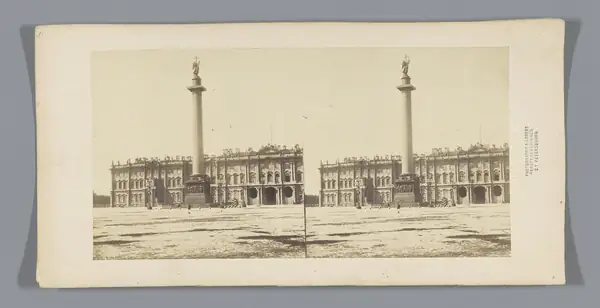 Winter PalaceImperial interiors rebuilt in about two years.
The evidence
Capitols and parliaments whose story includes a fire
10 of 36
10 entries
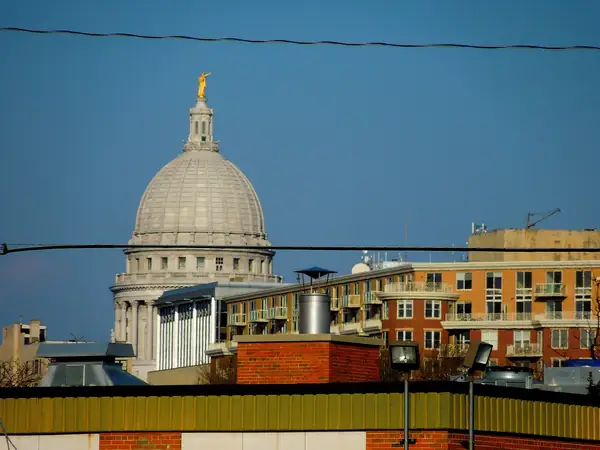 Wisconsin State Capitolold capitol burned 1904; new 1906–17
- Pennsylvania State Capitolburned 1897; new in about 4 years, 1902–06
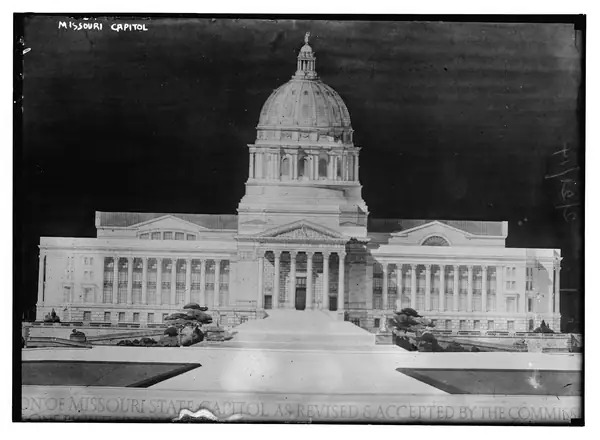 Missouri State Capitollightning fire 1911; larger dome 1913–17
 West Virginia State Capitolburned 1921; 1924–32
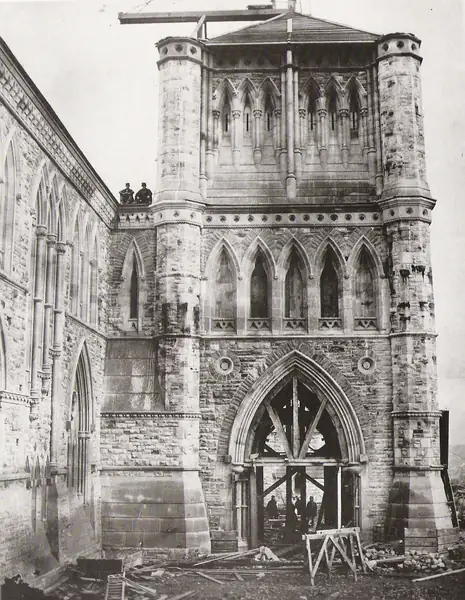 Centre Blockburned 1916; 1916–27
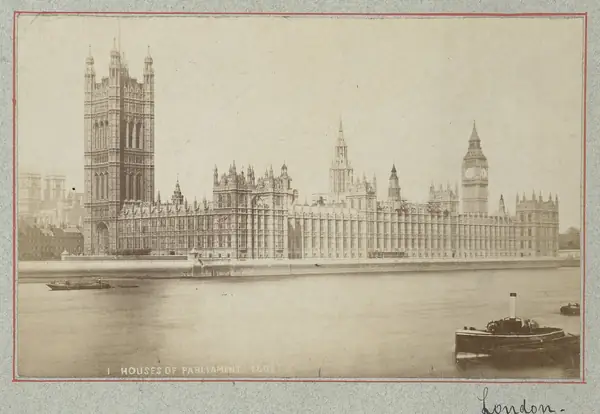 Palace of Westminsterburned 1834; 1840–70
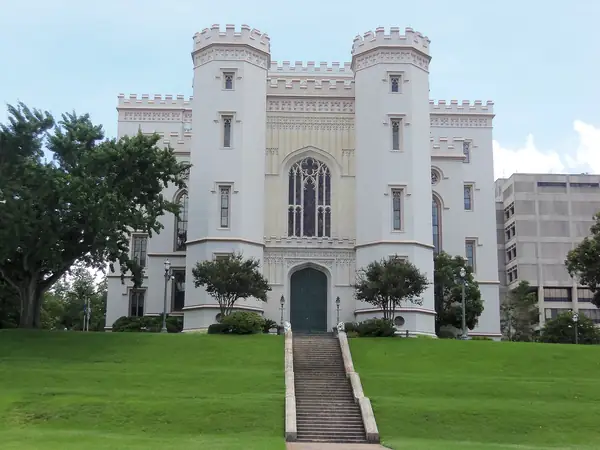 Old Louisiana State Capitolgutted 1862; rebuilt 1880s
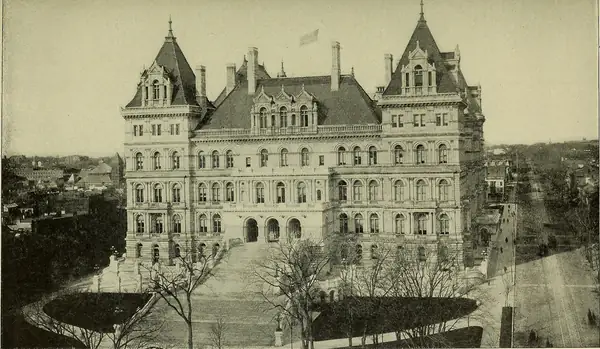 New York State CapitolState Library fire 1911
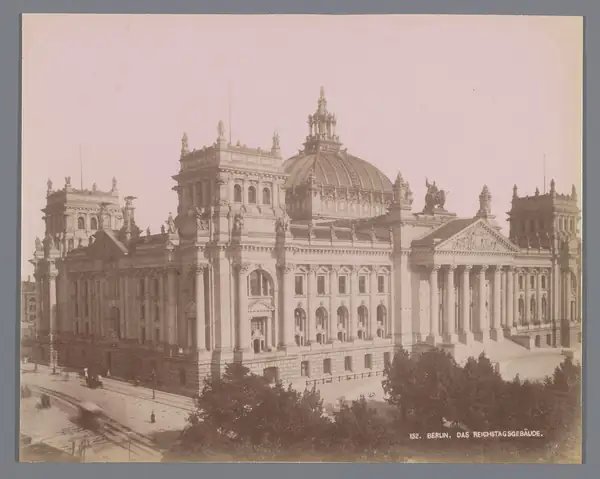 Reichstag Buildinggutted 1933
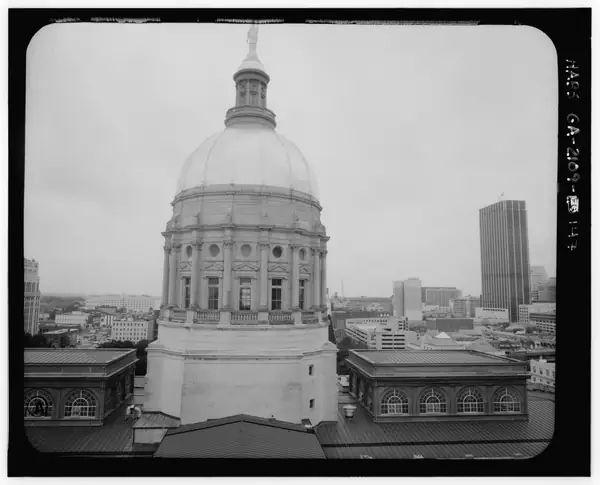 Georgia State Capitolcity burned 1864
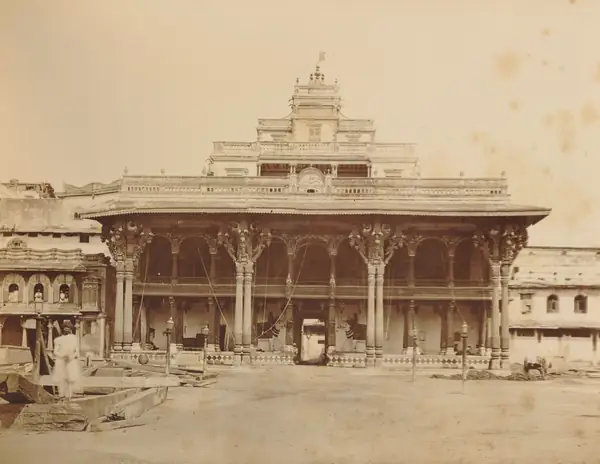
Other civic palaces rebuilt larger after fire
5
Open questions
- Where are the photos of each burned predecessor, and how big was it really?
- Who designed the replacement so quickly, and was the design already in a drawer?
What would support it
- Replacement designs dated before the fire.
- Fires with unclear causes that cluster on the buildings that were then enlarged.
What would rule it out
- Photos and plans of each predecessor matching the record.
- Normal design competitions dated after each fire, with long contested budgets.
Selection bias
Medium.
The rating counts how much of our gathered material lines up with the pattern. It is not a probability that the hypothesis is true, and every count is limited by which buildings were picked for the app (see 'selectionBias' on each card).
Next hypothesis
 Emerging14 entries#15Where were the skilled hands?Where the record does name the workforce, it keeps saying the same thing: the skills had to be imported (Scottish granite cutters, German and Irish masons) or forced (convicts). Yet the same decades are credited with thousands of carved stone buildings across small towns. Common sense: if Texas had to send to Scotland for 86 stonecutters, who was cutting stone for every county courthouse and capitol at the same time? One possibility is that far fewer buildings were cut new than the record implies, and many crews were finishing, repairing or refacing existing stonework.