Hypothesis #7 of 20
The names on the plaque
Strength is how much of our gathered material lines up with the pattern. It is not the odds that the idea is true.
The working idea
The credited architects include men in their early twenties handed city halls and parliaments, offices running several capitols at the same time, a Gothic genius who had to file his designs under other men's names, and competitions won by the fourth- or third-place entry. Common sense says the name on the plaque may not be the person who drew the building. One possibility is that some credited architects were administrators or certifiers of designs that came from somewhere else.
Strongest examples
The evidence
Credited under age 30 (credited year minus Wikidata birth year)
14 of 171 rows with ages; 70 of 171 (41%) under 40; median 41
14 entries
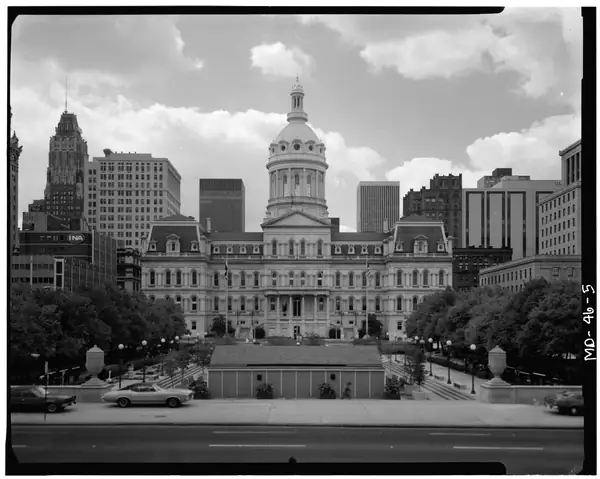
- George A. Frederick 22 (Baltimore City Hall)
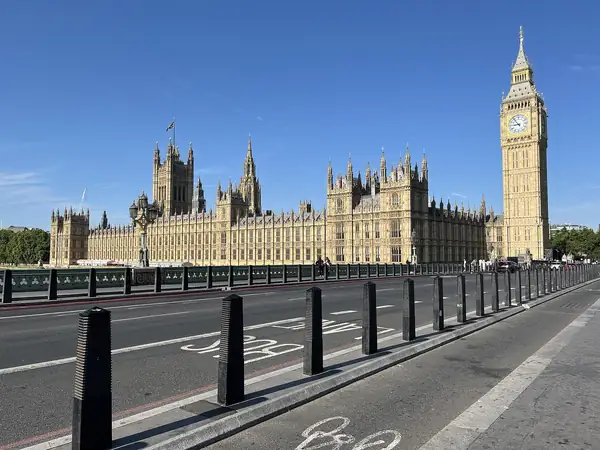
- Augustus Pugin 24 (Palace of Westminster)
- Francis Rattenbury 25 (BC Parliament)
- Harvey Lonsdale Elmes 25 (St George's Hall)
- Levi T. Scofield 26 (Athens Asylum)
- Georg von Hauberrisser 26 (Munich New Town Hall)
- James H. Windrim 27 (Masonic Temple, Philadelphia)
- Hermann J. Schwarzmann 28 (Memorial Hall)
- Maurice Koechlin 28 (Eiffel Tower sketch)
- Richard Snowden Andrews 28 (Trans-Allegheny)
- James Riely Gordon 28 (Bexar County Courthouse)
- James Renwick Jr. 28 (Smithsonian Castle)
- Regent Alfred John Bidwell 28 (Raffles Hotel)
- John Haviland 29 (Eastern State Penitentiary)
Same name on overlapping megaprojects
7 people or firms
7 entries
- Cass Gilbert: Minnesota Capitol 1896–1905, NY Custom House 1902–07 and St. Louis Palace of Fine Arts 1902–04 all at once (3 concurrent)
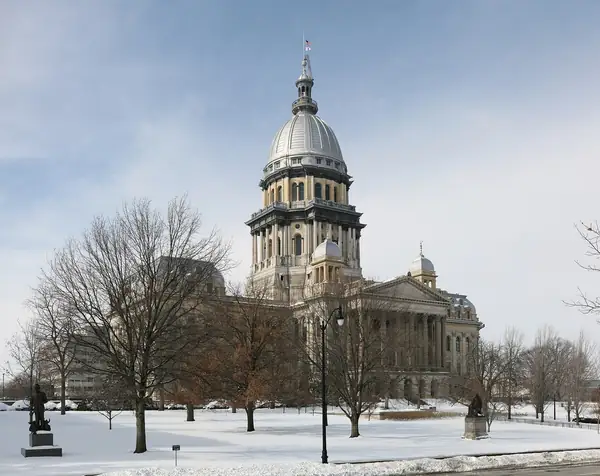
- John C. Cochrane + Alfred H. Piquenard: Illinois Capitol 1868–88 and Iowa Capitol 1871–86 at the same time (15 years of overlap)
- Elijah E. Myers: Texas 1882–88 and Colorado 1886–94 overlap; Michigan 1872–79 just before
- Daniel Burnham: Chicago fair, Pittsburgh station 1898–1903, DC Union Station 1903–08
- Thomas U. Walter: Girard College, St. Elizabeths 1852–55 and the Capitol dome from 1855; 'more than 400 projects'
- Samuel Sloan: about 20 Kirkbride hospitals
- Smithmeyer & Pelz: Library of Congress and Healy Hall
Competition outcomes that don't follow the jury
7
7 entries
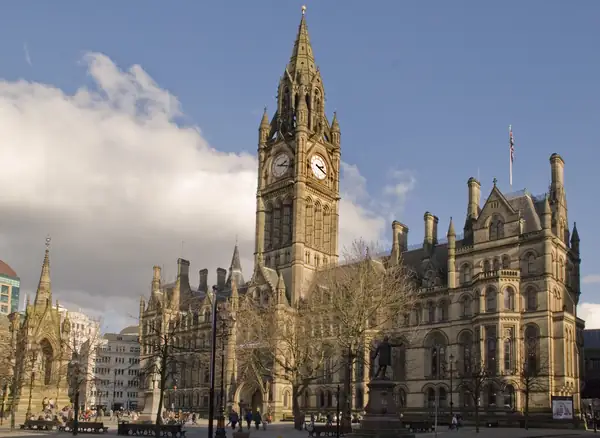 Placed fourth, got the jobWaterhouse 4th of 137, appointed
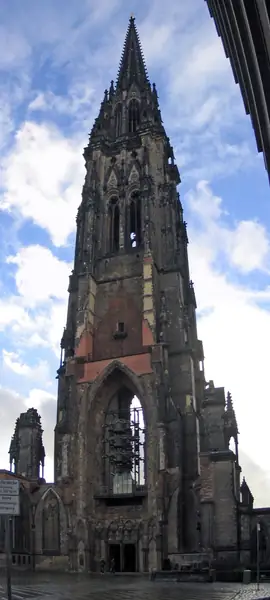 George Gilbert Scott: Nikolaikirche, Hamburgthird place, given the job
- Joseph Paxton245 entries, none used; late design adopted
- Joseph Poelaertcompetition produced no winner; appointed
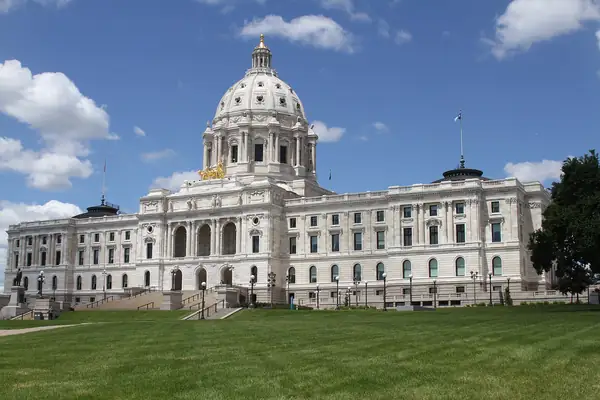 Cass Gilbert: Minnesota State Capitol42 finished designs
- Charles Garnier171 entries
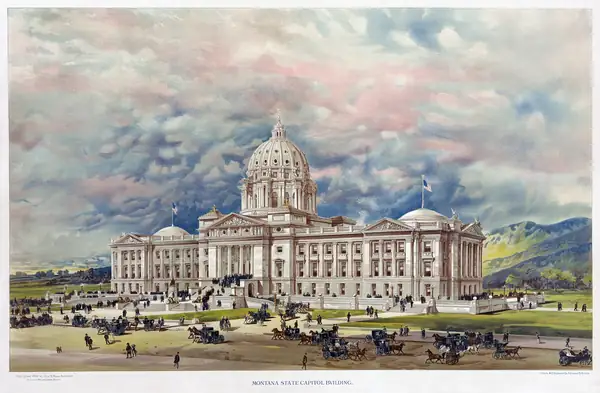 Montana State Capitolfirst competition cancelled amid fraud charges
Credit disputed, shared or handed on
8
8 entries
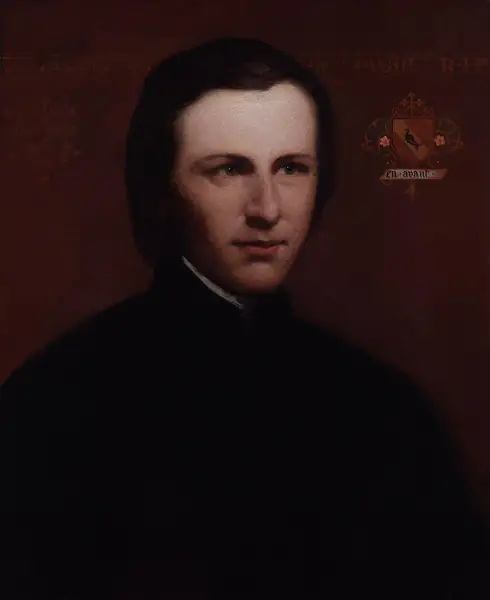 Designs under someone else's namePugin
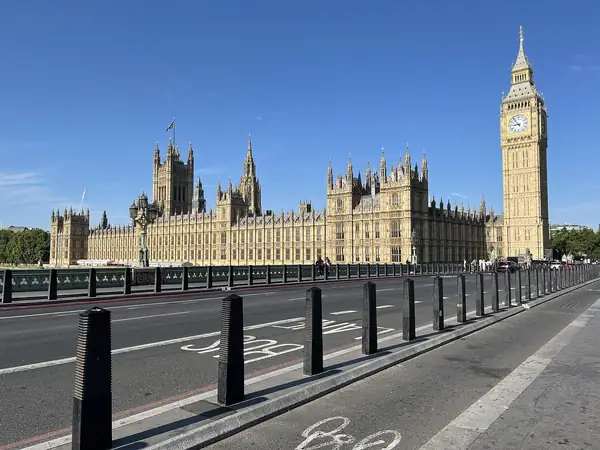 Charles Barry: Palace of Westminsterinexperienced with Gothic
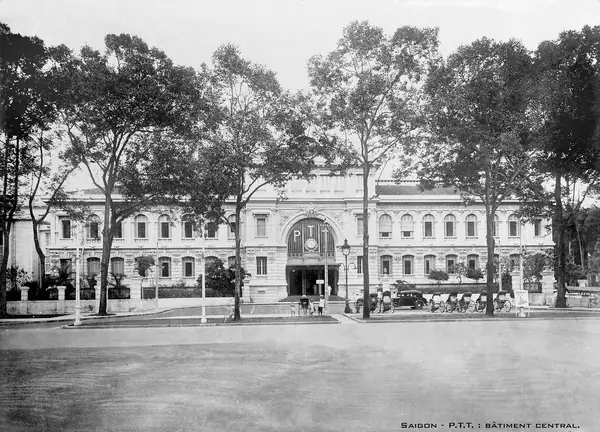 Saigon Central Post Officeattributed to Eiffel's firm, credited to Foulhoux
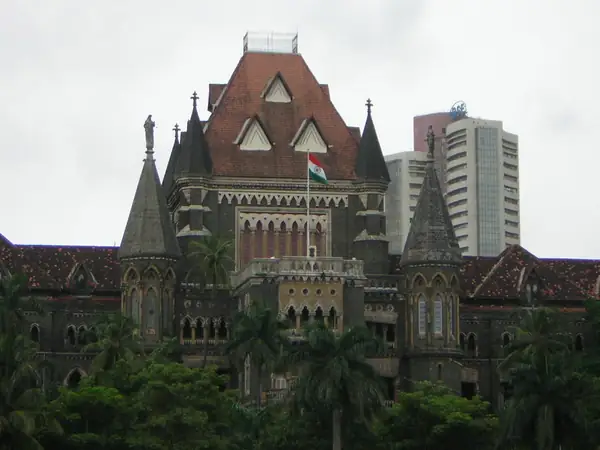 Bombay High CourtGothic court credited to a military engineer
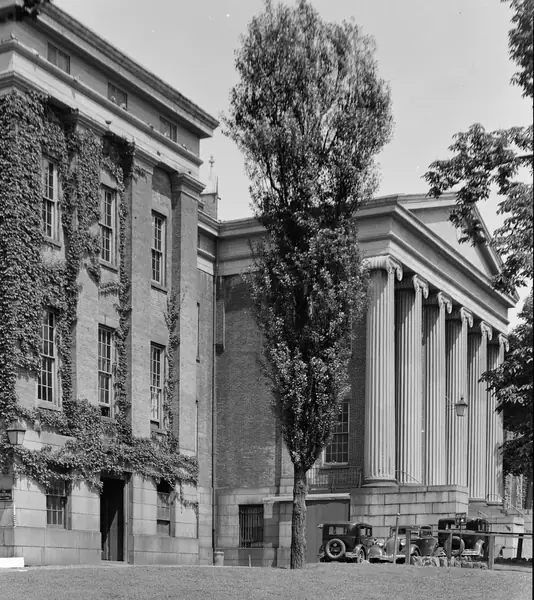 Ithiel Town: Leake and Watts Orphan Housebridge patent holder
 Neuschwanstein Castleparts designed by a stage painter
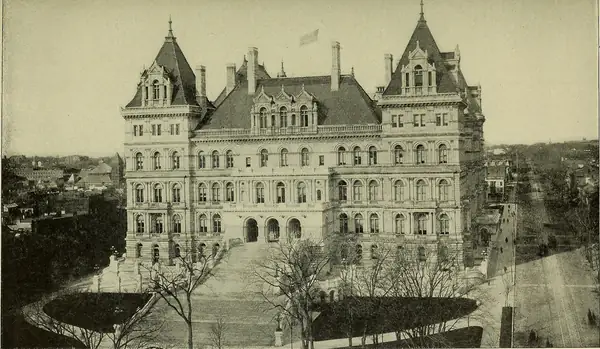 New York State Capitolfive architects in 32 years
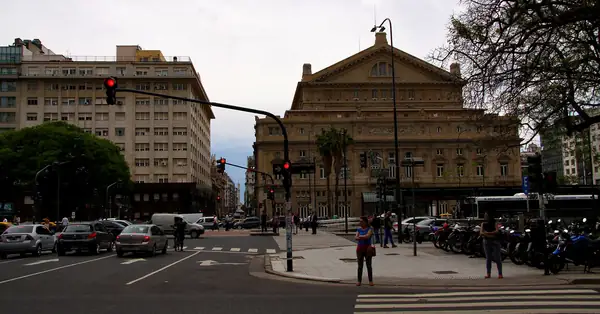 Teatro Colónthree architects
Buildings with no named architect in our sources
16 of 158 new Old World entries; plus 30 architect rows with no birth year
16 entries
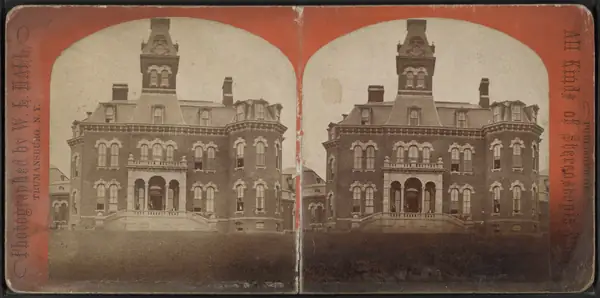 Willard Asylum for the Chronically InsaneOvid, New York
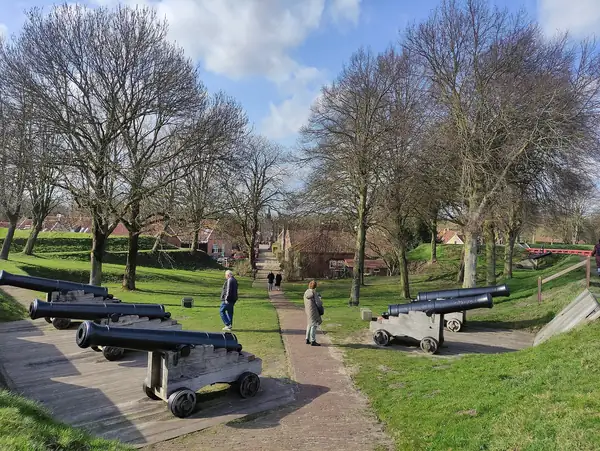 Fort BourtangeBourtange
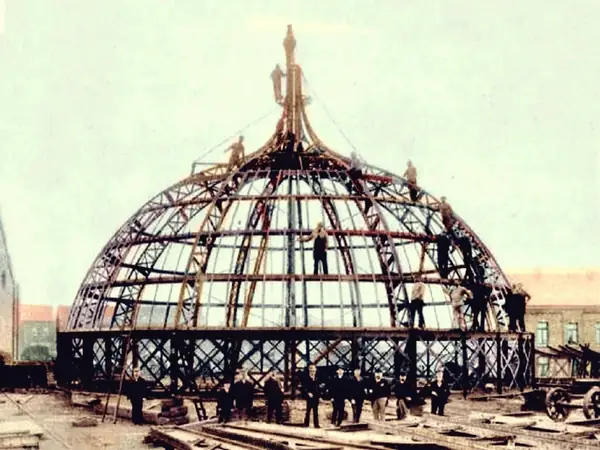 Teatro AmazonasManaus
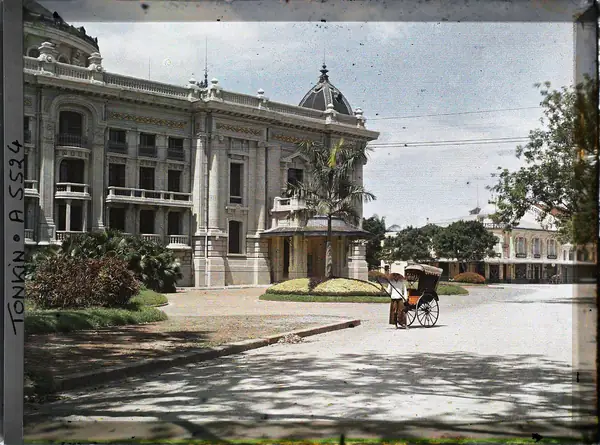 Hanoi Opera HouseHanoi
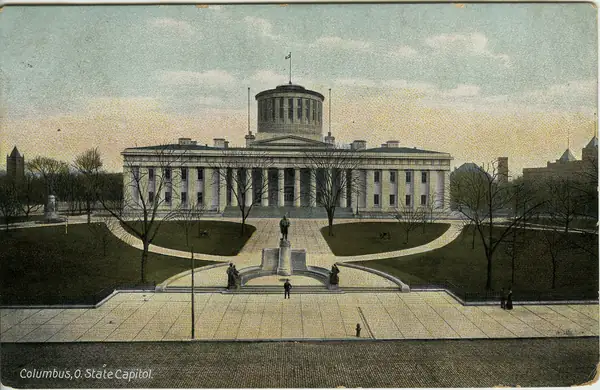 Ohio StatehouseColumbus
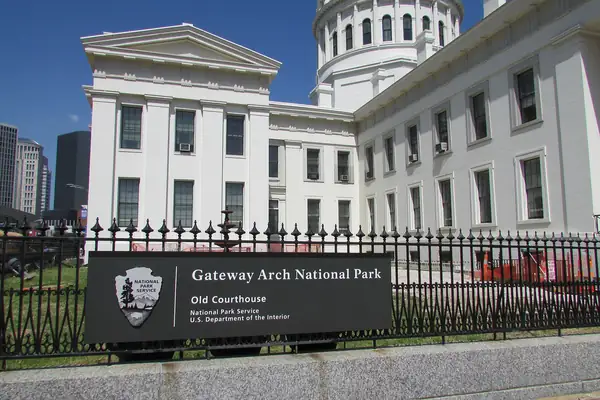 Old CourthouseSt. Louis
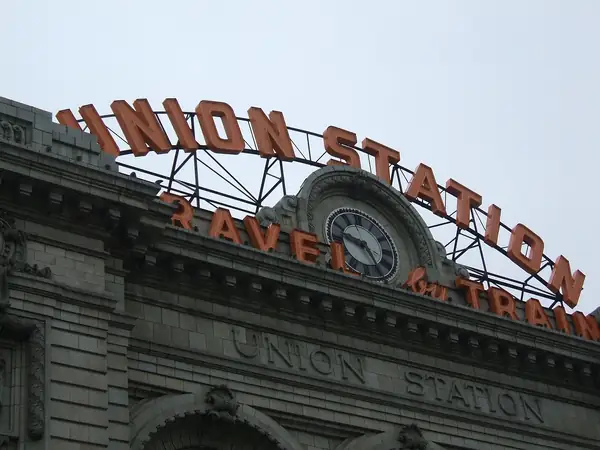 Union StationDenver
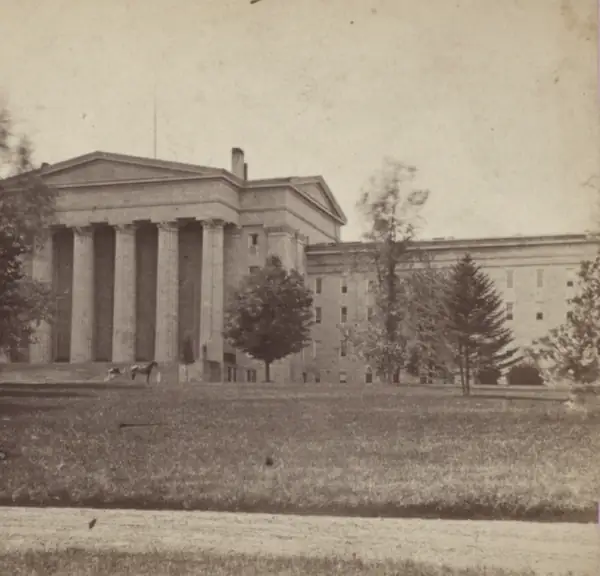 Utica Psychiatric CenterUtica, New York
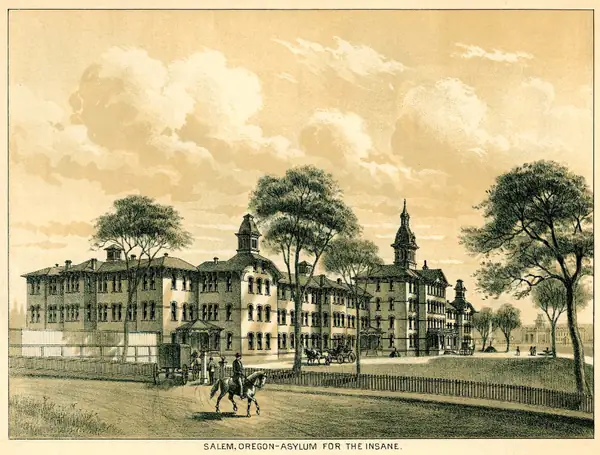 Oregon State HospitalSalem
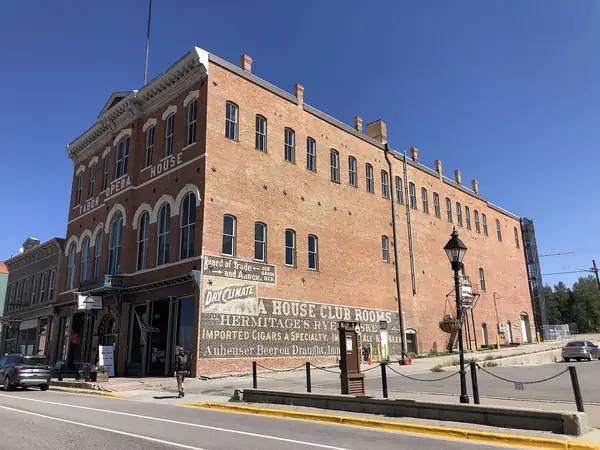 Tabor Opera HouseLeadville, Colorado
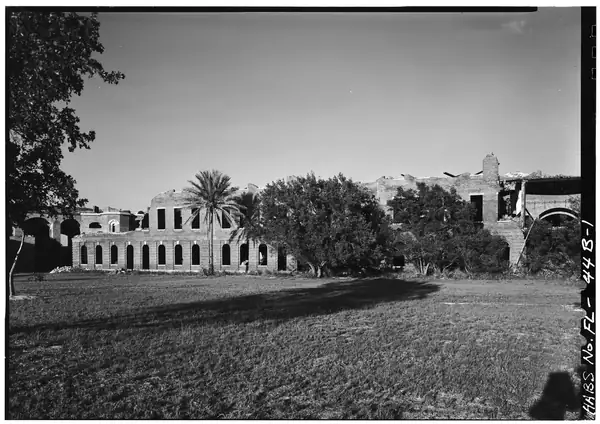 Fort JeffersonDry Tortugas, Florida
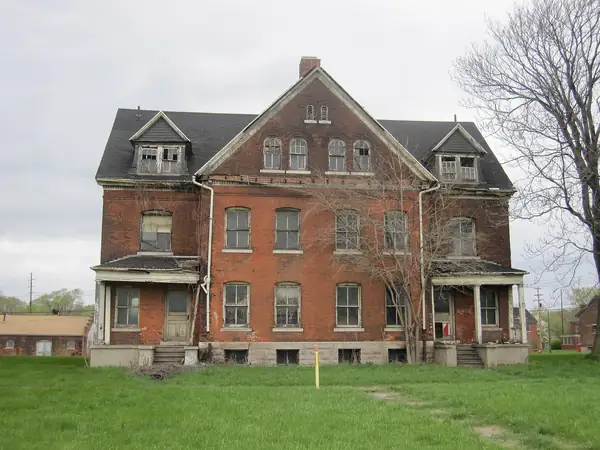 Fort WayneDetroit
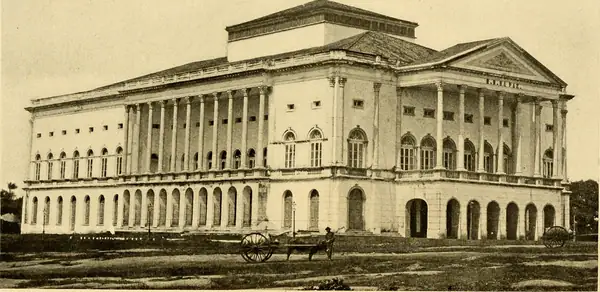 Theatro da PazBelém
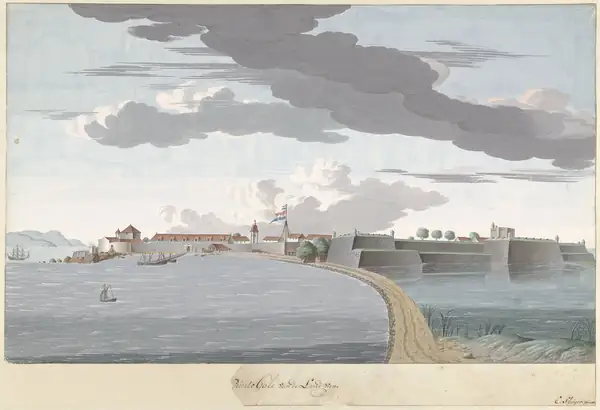 Galle FortGalle
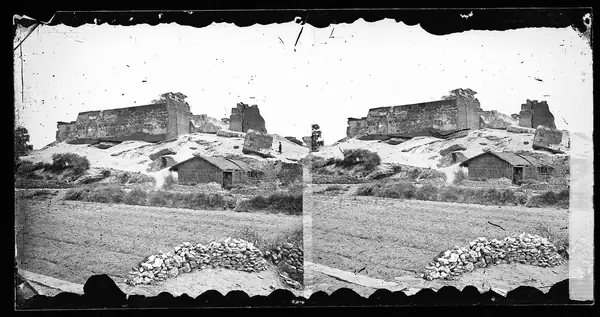 Fort ZeelandiaTainan
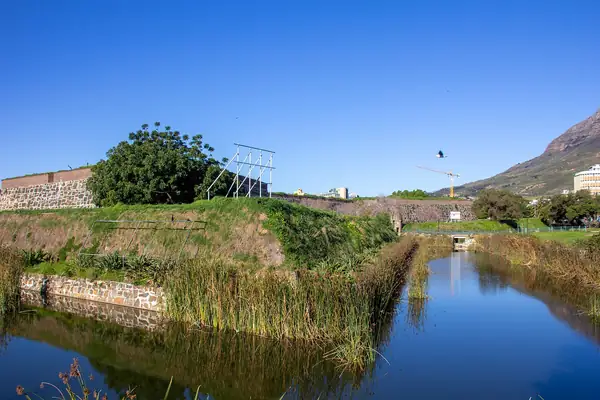 Castle of Good HopeCape Town
Open questions
- Who were the draughtsmen in these offices, and do their names appear anywhere?
- Where did hundreds of finished competition entries come from in a few months?
What would support it
- Drawings in the credited architect's hand being rare or missing for their biggest jobs.
- Matching drawings for different credited buildings coming from the same unnamed office.
What would rule it out
- Office records showing large named staffs (normal for firms like McKim, Mead & White and Burnham) and dated sketches by the credited architect.
- Age arithmetic: credited year minus birth year can be off by one, and the overall median of 41 is ordinary.
Selection bias
Medium: the 'young' and 'repeat' names were partly chosen because they stood out.
The rating counts how much of our gathered material lines up with the pattern. It is not a probability that the hypothesis is true, and every count is limited by which buildings were picked for the app (see 'selectionBias' on each card).
Next hypothesis
 Moderate65 entries#8Repopulation after the Mud Flood? Testing the timelineThe idea Chris asked us to test: if something buried or emptied cities, you'd expect the evidence of burial and dig-out to come first, then a rush to fill the buildings and the land with people: orphan trains, new orphanages and asylums, child workers, incubator babies on show at the fairs, and big immigration waves. We lined up every dated item we've gathered, decade by decade (the 'overlay' block in this file). The repopulation signals really do bunch together in 1850–1920, alongside the fires and the fairs. The weak spot is the order: in our data the mud-flood evidence (street raisings) starts in the same decade as the orphan trains, not before them.