Hypothesis #18 of 20
Some buried floors may be sunk floors
Strength is how much of our gathered material lines up with the pattern. It is not the odds that the idea is true.
The working idea
Next to the 'something covered it' reading, our own records show a second route to a buried ground floor: heavy masonry on soft ground going down. Mexico City's marble Palacio de Bellas Artes has sunk about four metres in about a century. Common sense: if a 1904 palace can lose a storey, then older stone buildings on river silt or lakebeds could have lost one or two without anyone burying them. This is a possibility to test alongside the mud flood idea, not against it.
Strongest examples
The evidence
Sinking or soft-ground entries
11
11 entries
 Palacio de Bellas Artesabout 4 m since 1904
 Mexico City Metropolitan Cathedralsinking since built
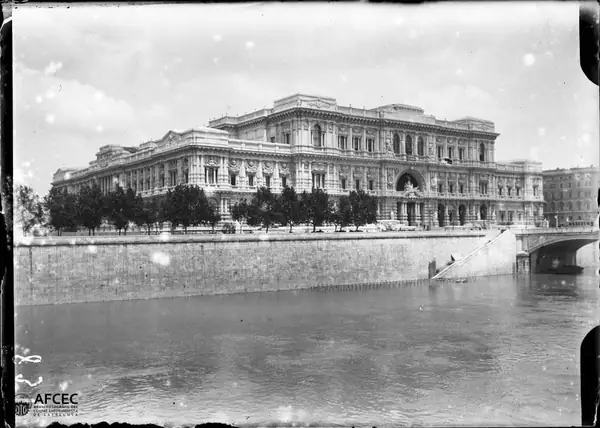 Palace of Justicesank into soft ground by the Tiber
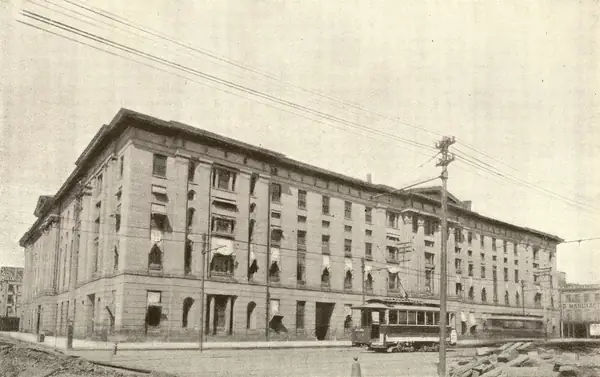 U.S. Custom Housegranite block on soft ground below river level
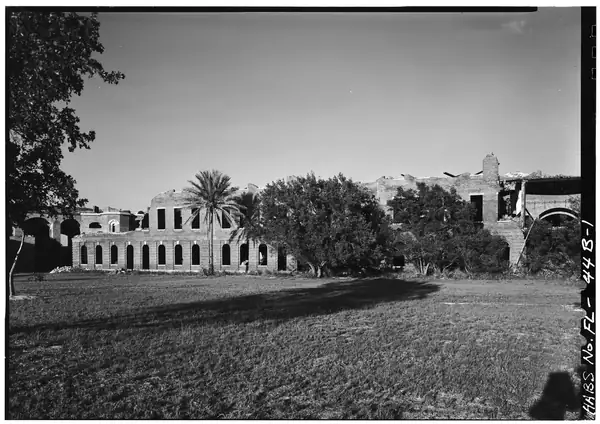 Fort Jeffersonwalls sink and crack
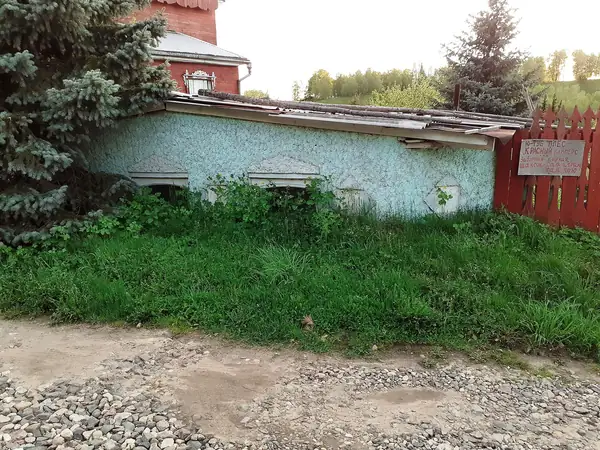 House sunk into the ground, PlyosSuspectedhouse dated 1904, 'completely sunk'
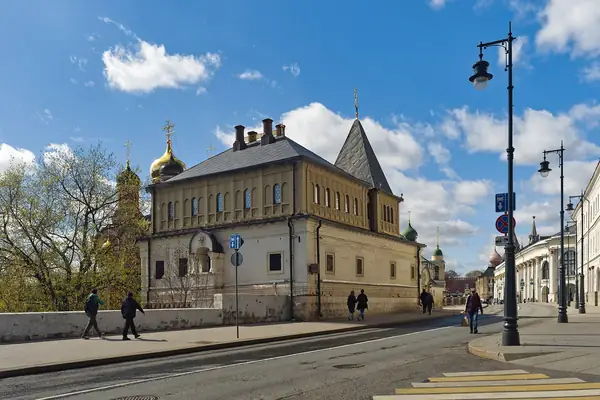 Chambers of the Romanov Boyarshalf-sunken lower storey
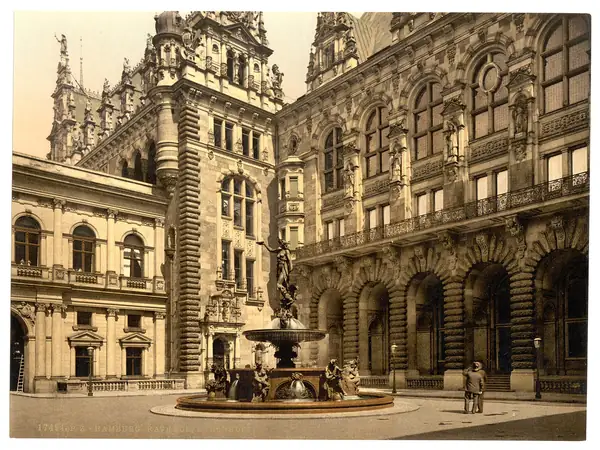 Hamburg City Hallabout 4,000 oak piles
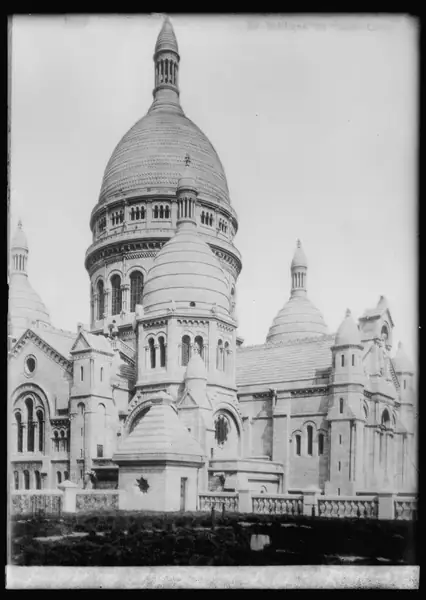 Sacré-Cœurpiers through old quarries
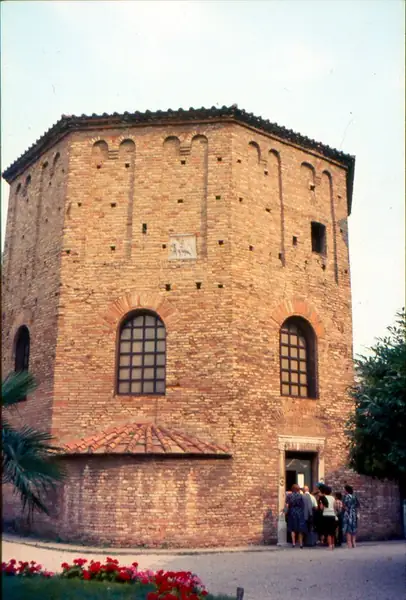 Baptistery of Neonfloor 3 m under
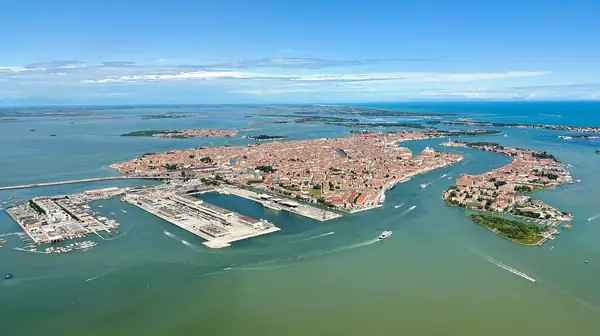 Venicebegan to subside after 20th-century wells were sunk round the lagoon
Round-2 rows tagged 'sunk' that are really burial under later layers
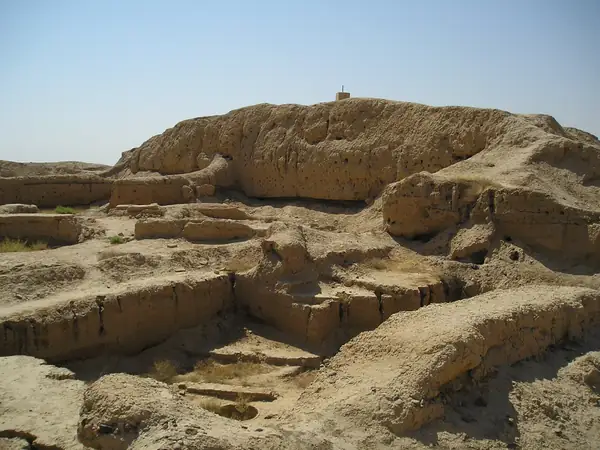
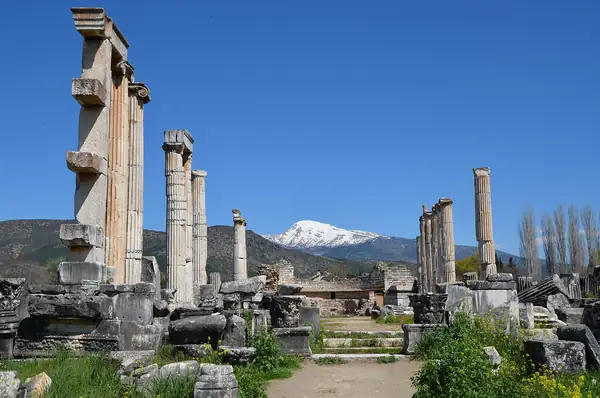
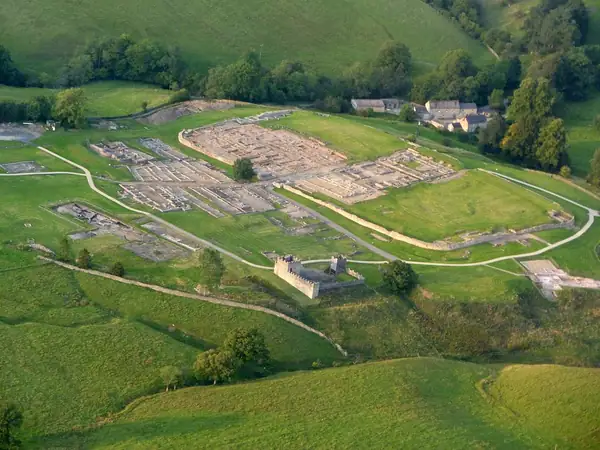
13 of 14 (e.g. Lecce 'half-buried because ... other monuments were built above it'; Mainz 'ground level has risen by 2.60 metres'; Vindolanda 4 m down in waterlogged soil). Only Venice describes the building going down.
Listed for transparency; not counted as support.

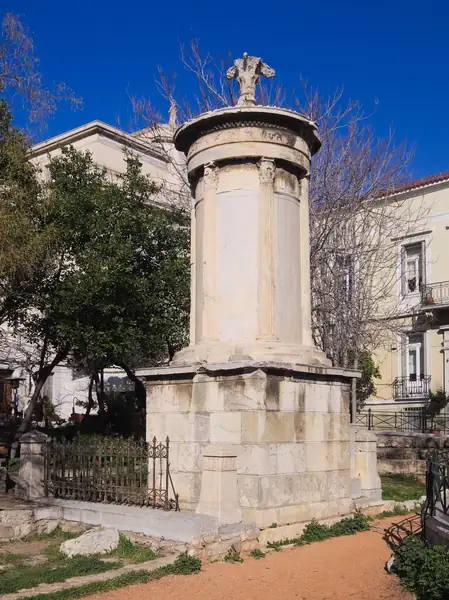

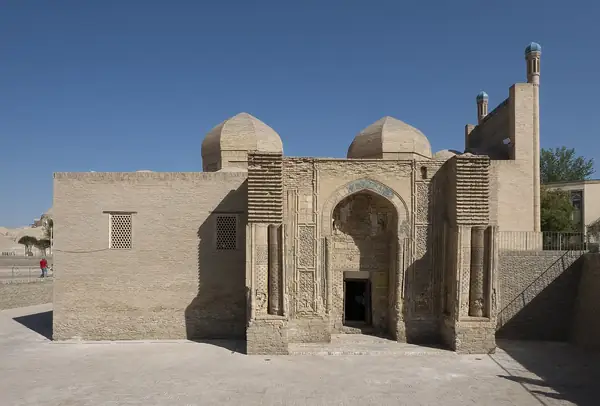
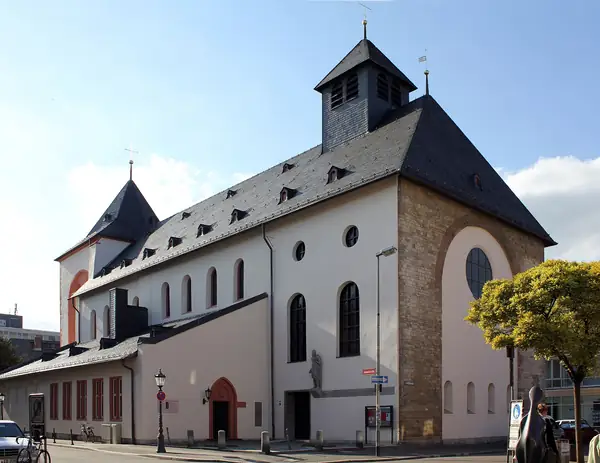
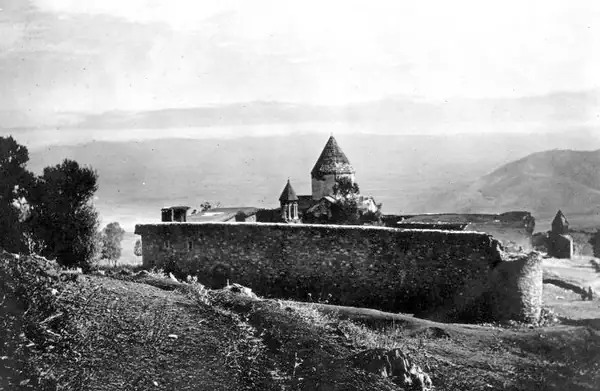
Open questions
- Do buried floors line up with soft soils (river silt, lakebeds, fill) or appear on rock too?
- Is the street around a buried floor level with older streets nearby, or raised?
What would support it
- Buried floors mostly on soft ground with tilted or cracked walls.
- Surveys showing the building dropped while the street stayed.
What would rule it out
- Buried floors on bedrock with level, uncracked walls and a street that rose around them (that would point back to deposit or raising).
Selection bias
Low.
The rating counts how much of our gathered material lines up with the pattern. It is not a probability that the hypothesis is true, and every count is limited by which buildings were picked for the app (see 'selectionBias' on each card).
Next hypothesis
 Emerging11 entries#19The 1890 gap: jumps, drops and a missing censusIn the town census figures we pulled, 8 of 46 towns more than tripled between 1880 and 1890, and 4 of those 8 then shrank by 1900. The 1890 census is also the one whose schedules were mostly destroyed (1921 fire). Common sense says a city doesn't quadruple and then lose a quarter of its people in a decade without leaving a mark. One possibility is that the 1890 numbers, or the people they counted, were not what they seem, and we can't check because the forms are gone.