Hypothesis #19 of 20
The 1890 gap: jumps, drops and a missing census
Strength is how much of our gathered material lines up with the pattern. It is not the odds that the idea is true.
The working idea
In the town census figures we pulled, 8 of 46 towns more than tripled between 1880 and 1890, and 4 of those 8 then shrank by 1900. The 1890 census is also the one whose schedules were mostly destroyed (1921 fire). Common sense says a city doesn't quadruple and then lose a quarter of its people in a decade without leaving a mark. One possibility is that the 1890 numbers, or the people they counted, were not what they seem, and we can't check because the forms are gone.
Strongest examples
The evidence
Towns that more than tripled 1880→1890
8 of 46
8 entries
- Seattle: 3,533 → 42,837 (12.1×)US Census↗
- Omaha: 30,518 → 140,452 (4.6×)US Census↗
- Lincoln: 13,003 → 55,164 (4.2×)US Census↗
- Asheville: 2,616 → 10,235 (3.9×)US Census↗
- Helena: 3,624 → 13,834 (3.8×)US Census↗
- Olympia: 1,232 → 4,698 (3.8×)US Census↗
- Fortworth: 6,663 → 23,076 (3.5×)US Census↗
- Stpaul: 41,473 → 133,156 (3.2×)US Census↗
Towns that fell 1890→1900
5 of 46, including 4 of the 8 jumpers
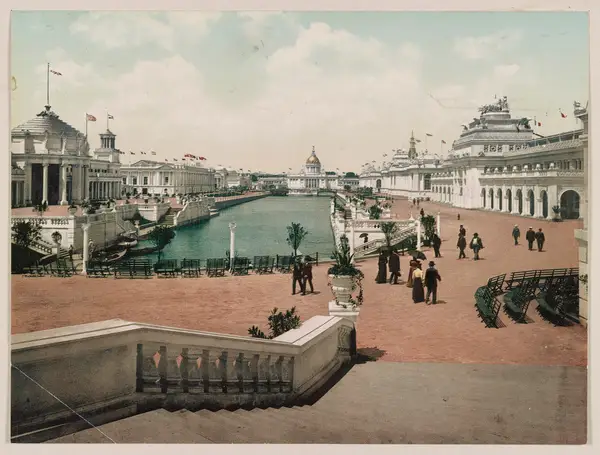
Omaha held its world's fair between those counts
1898, about 2.6 million admissions
Open questions
- Were the 1890 counts in boom towns inflated, and who checked them?
- Do surviving 1890 fragments for these towns show unusual households?
What would support it
- City directories or school counts that disagree sharply with the 1890 figures.
What would rule it out
- Boom-and-bust explanations on record (the 1893 panic, mining and railroad busts in Helena and Leadville) and known 1890 recount disputes.
- Only 46 towns were pulled; a full list of US cities may show these are outliers.
Selection bias
High: the 46 towns were chosen because they have a featured building.
The rating counts how much of our gathered material lines up with the pattern. It is not a probability that the hypothesis is true, and every count is limited by which buildings were picked for the app (see 'selectionBias' on each card).
Next hypothesis
 Thin54 entries#20Words that paper over the gapThe vocabulary in the records is soft at exactly the points where the question is hardest: buildings are 'dated', 'said to' be built in 100 days, 'rebuilt', 'restored', or 'founded'. Common sense: those words can describe building from nothing, or taking over, refacing or re-papering something already there. This is a reading guide, not proof.