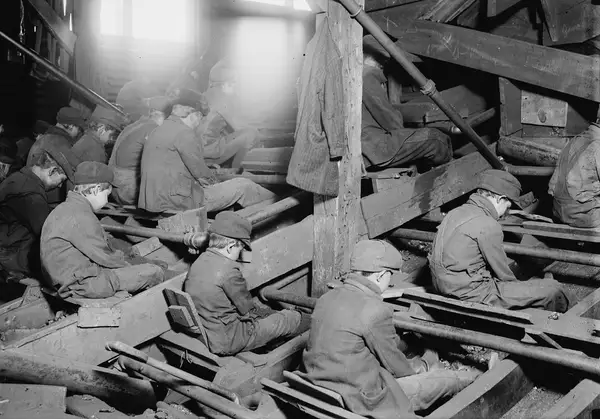
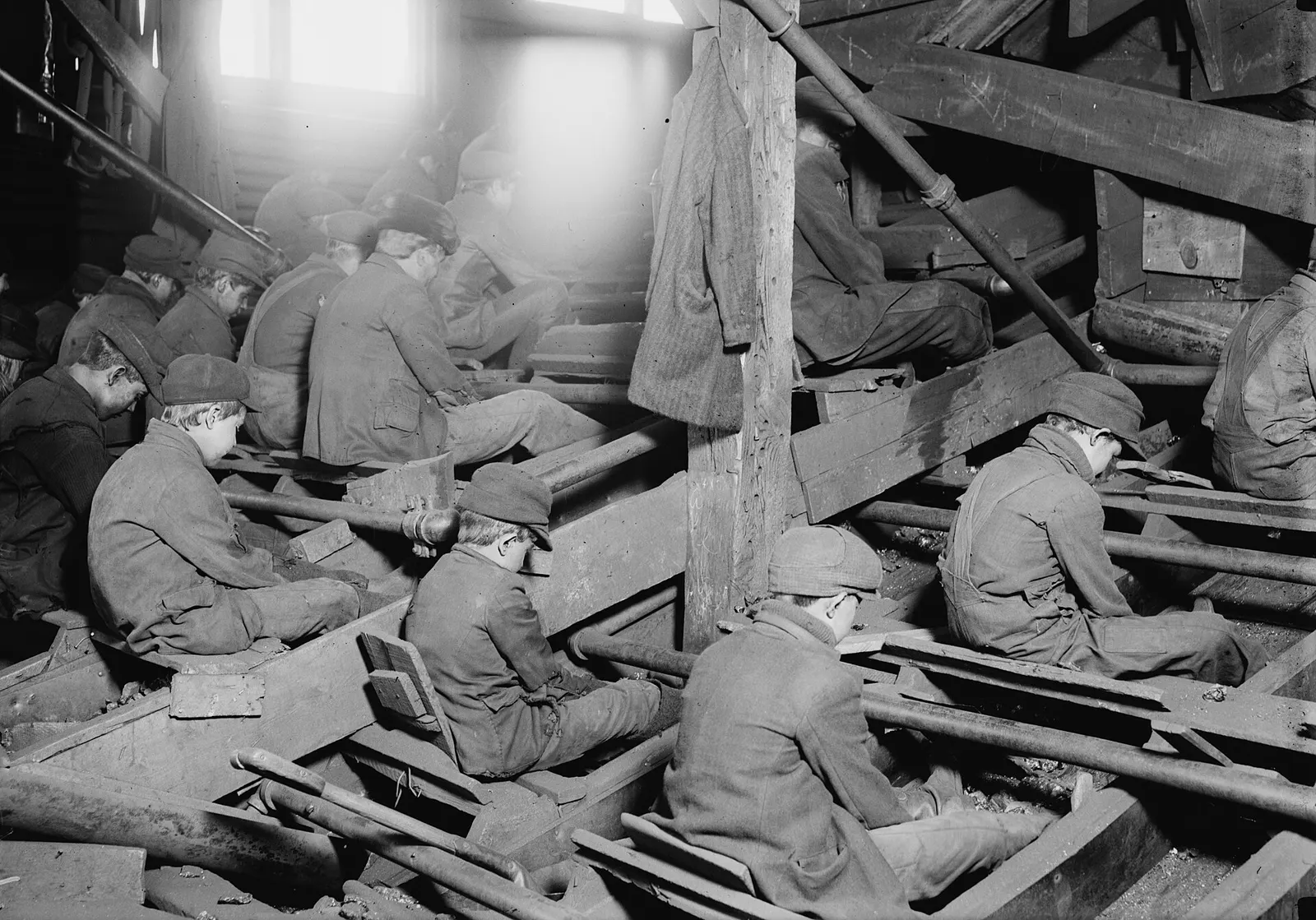
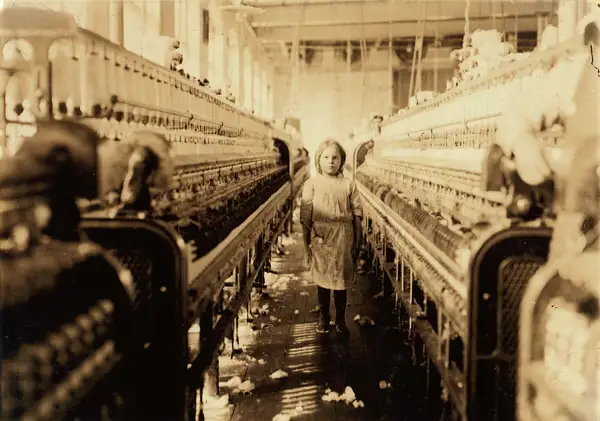
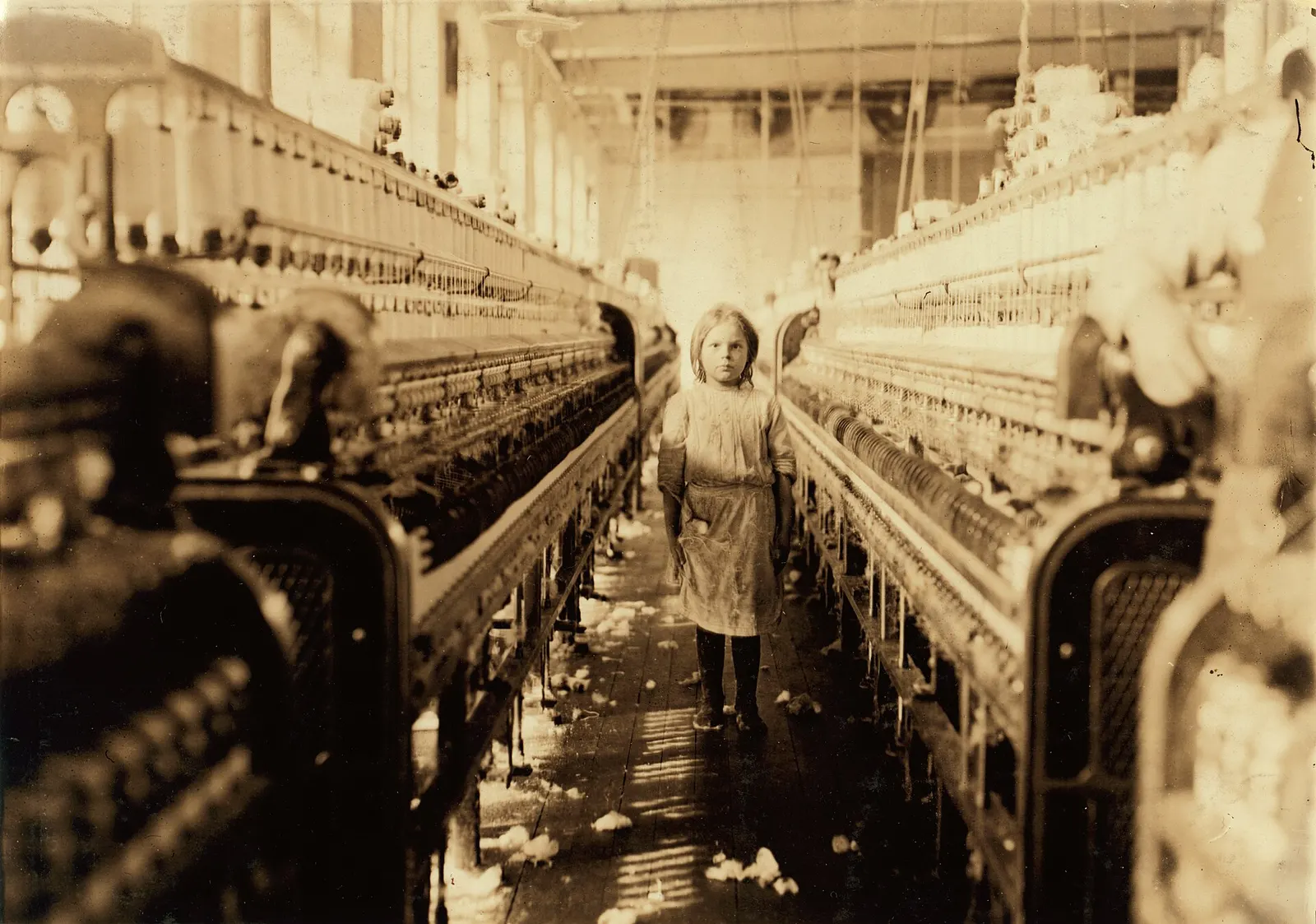
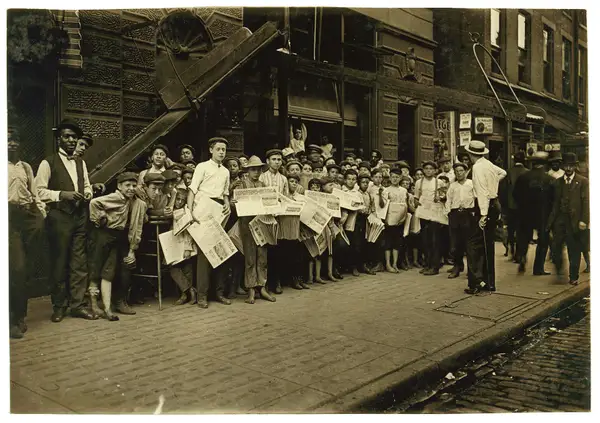
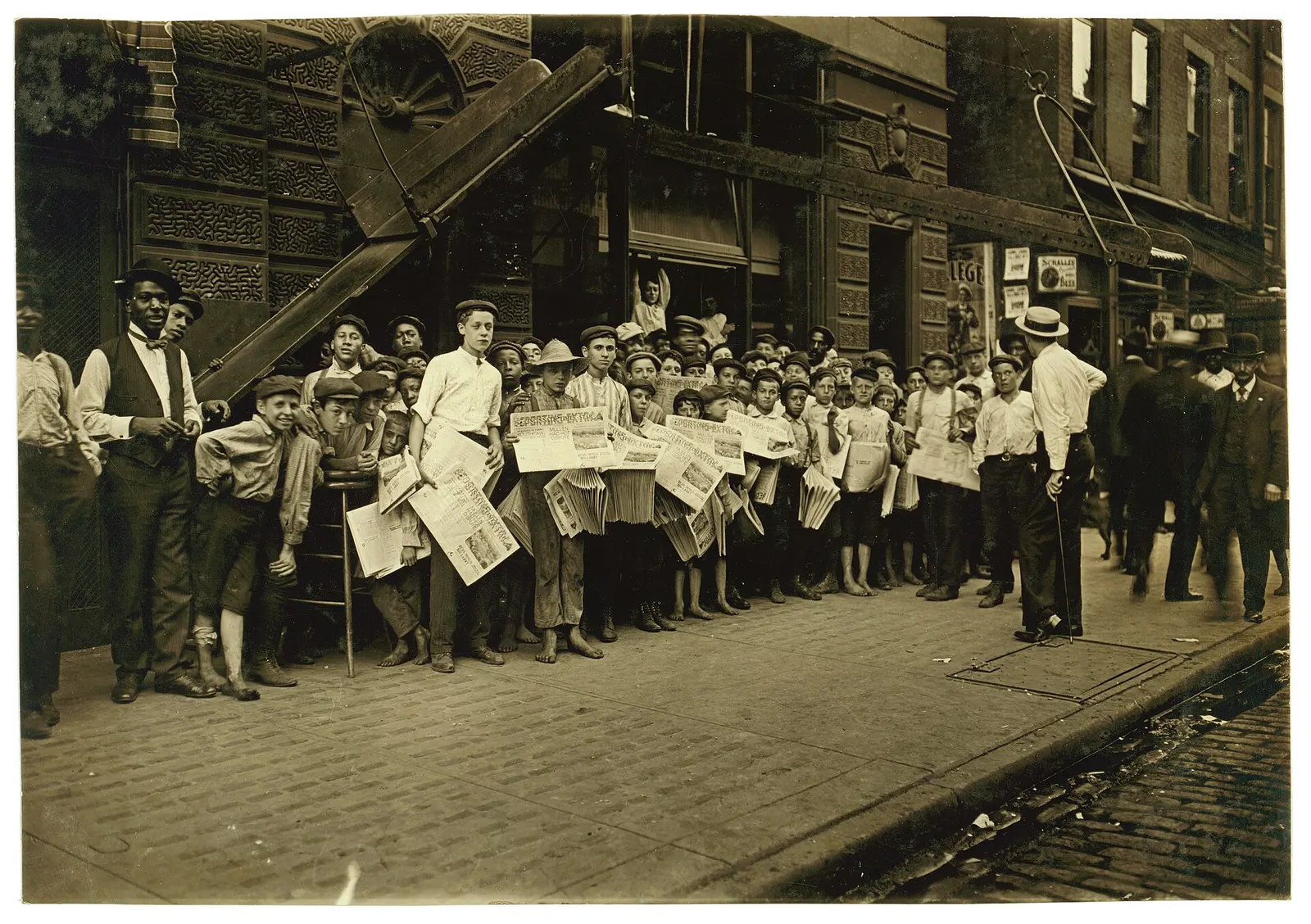
Photo: Lewis Hine · Public domain · via Library of Congress via Wikimedia Commons
Research
Child Labor & Repopulation
Breaker boys, mill girls and the 1850–1920 window
Hidden history
What the record shows
Lewis Hine's photos for the National Child Labor Committee show children in coal breakers, cotton mills and city streets. Put next to the orphan trains and the asylums, they raise a bigger question: was the world's population being rebuilt in that window, and is that why family trees often stop in the 1800s?
What the photos show
Children sorting coal, working spinning frames and selling papers, all photographed between about 1908 and 1924.
The population jump
The record shows a steep population climb after 1800. Repopulation research asks whether the climb was natural growth or a restart.
The 70-year window
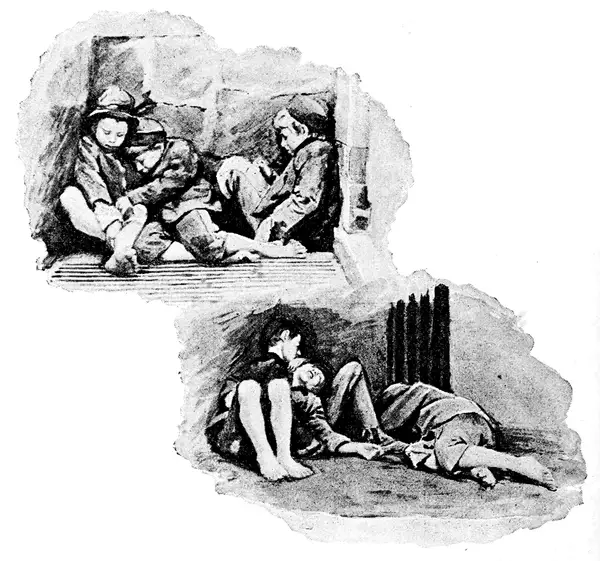
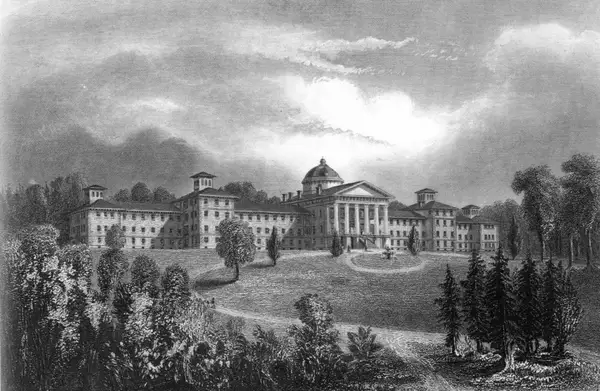
Fairs, fires, asylums, orphan trains, wars and demolitions all fall between about 1850 and 1920.
Questions worth asking
- Why do so many family trees go cold before about 1850?
- Who were the children on the trains and in the mills?
- What was lost in the records fires of the era?
What the photos show


Related research
Further viewing
Episodes from My Lunch Break (Michael Kruse), the main lens for this app. They open on YouTube.