1900 · Paris, France
Investigate this fair
6 clues in 6 photos, strongest first. Tap a photo to zoom in on each clue.
- 3 Scale
- 2 Masonry, not plaster
- 1 Repeated motif
Case file
The Hypothesis
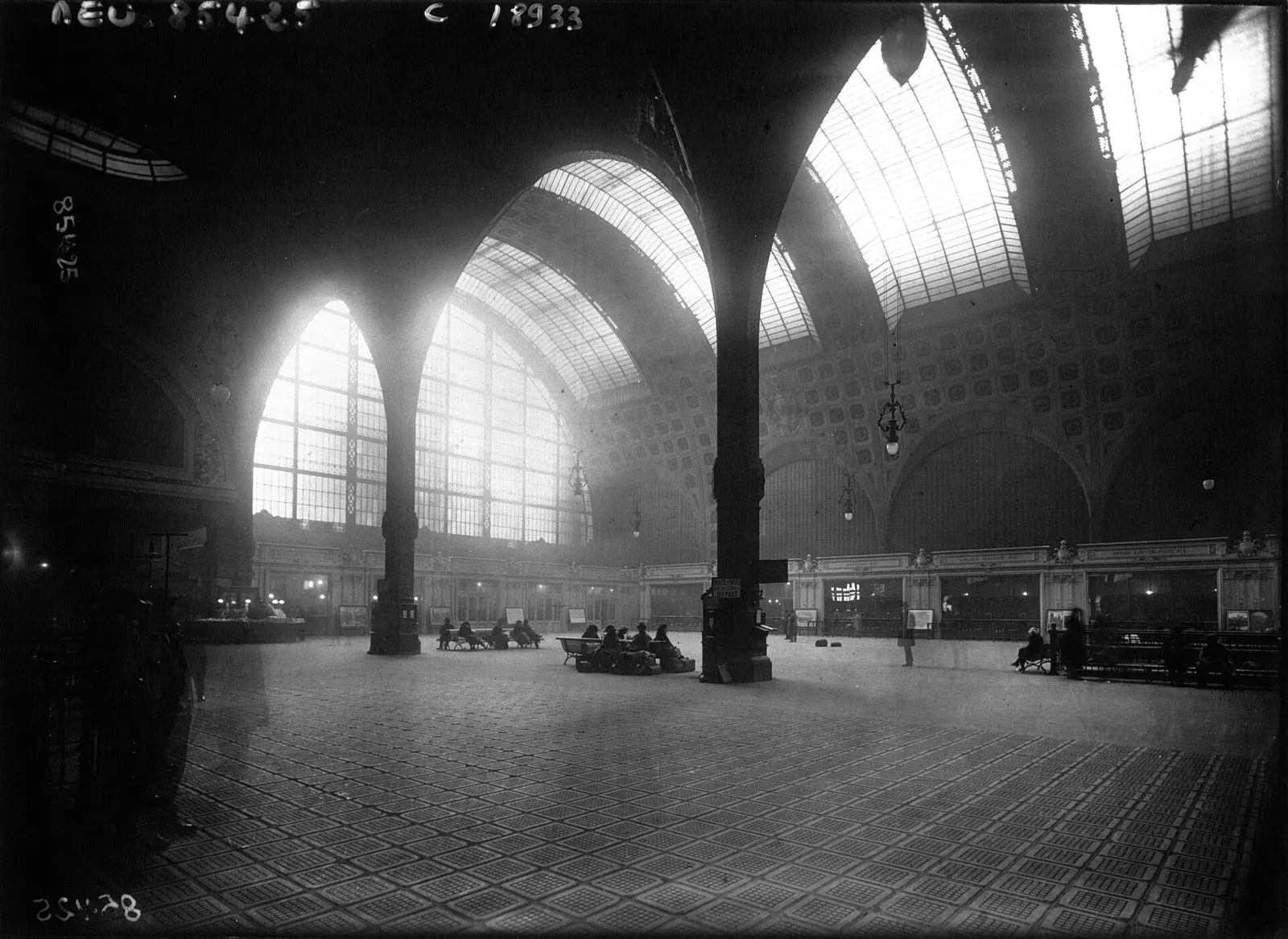
The 1900 palaces and bridge may represent reuse and re-dressing of an already monumental district, given the stone construction, the 200 m nave in three years and the survivors that were kept.
Paris 1900 left behind the Grand Palais, the Petit Palais, the Pont Alexandre III and the Gare d'Orsay. The photos show stone colonnades and ornament on a scale that the three-year timeline struggles to explain.
What the photos and records show
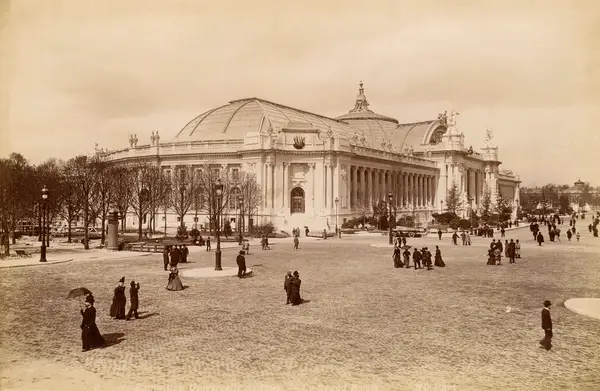
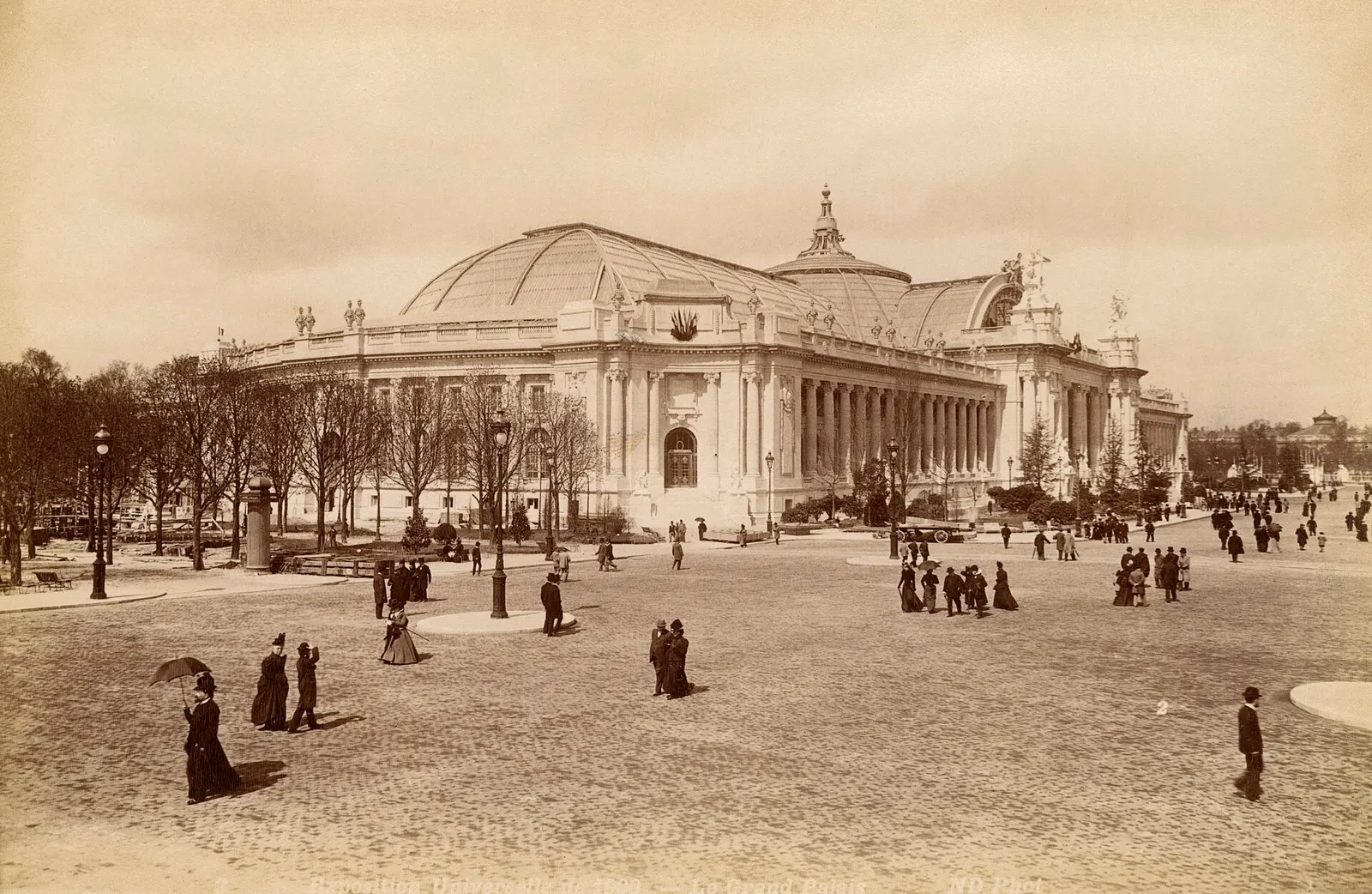
- The Grand Palais has a stone colonnade under a 200 m glass vault built in about three years.
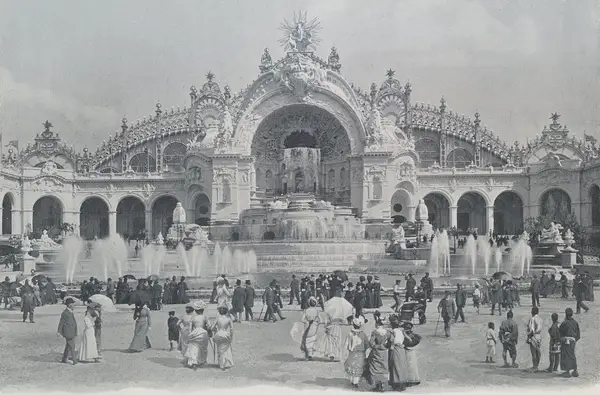
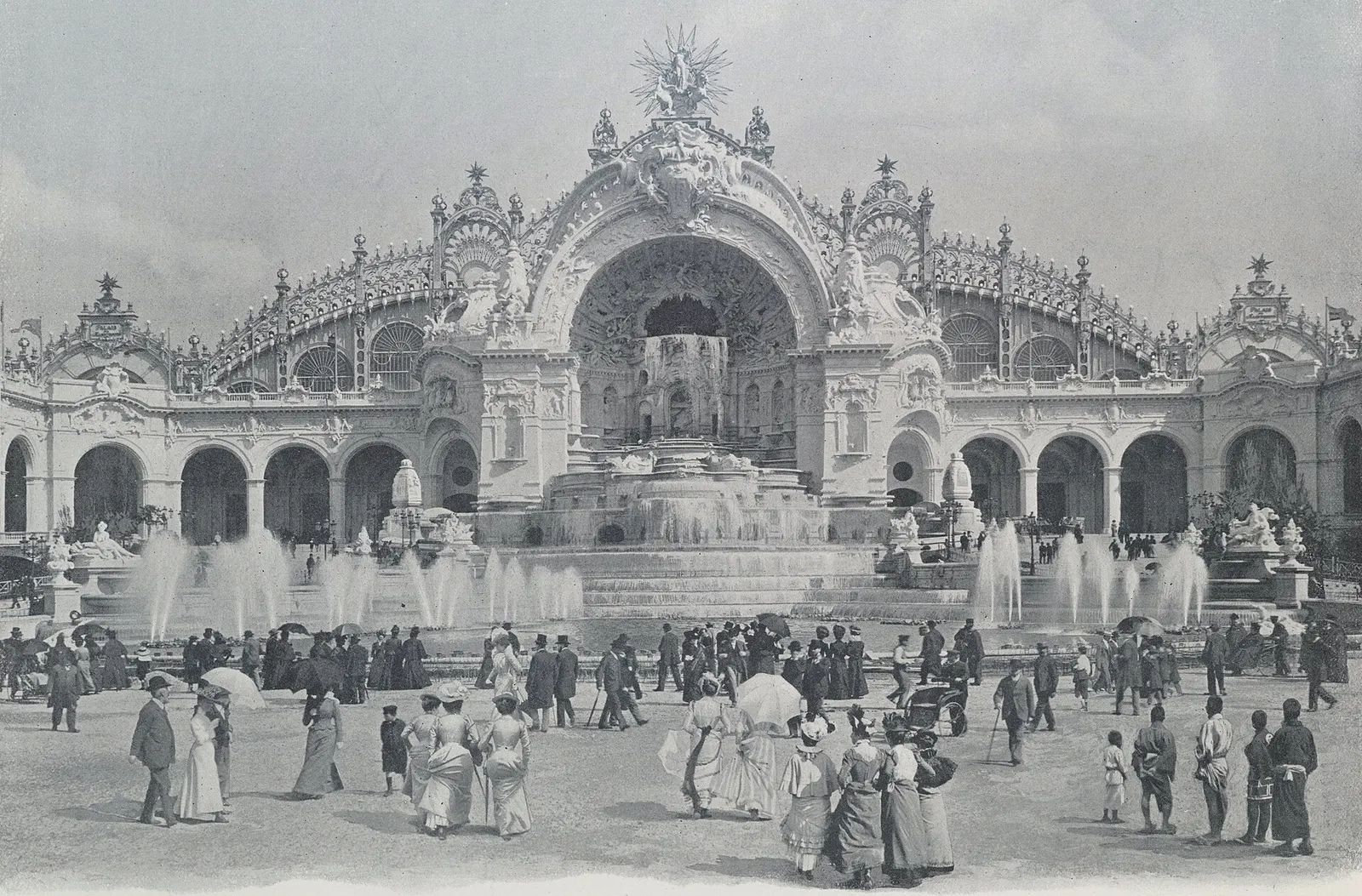
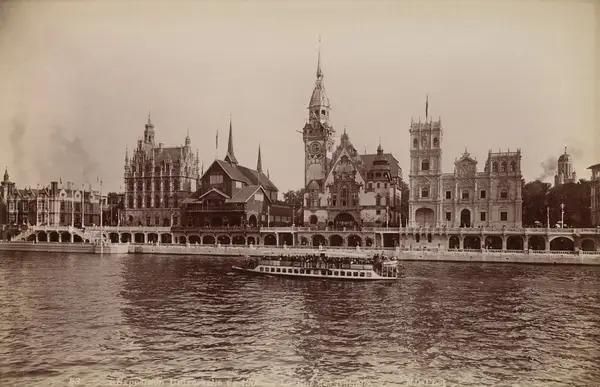
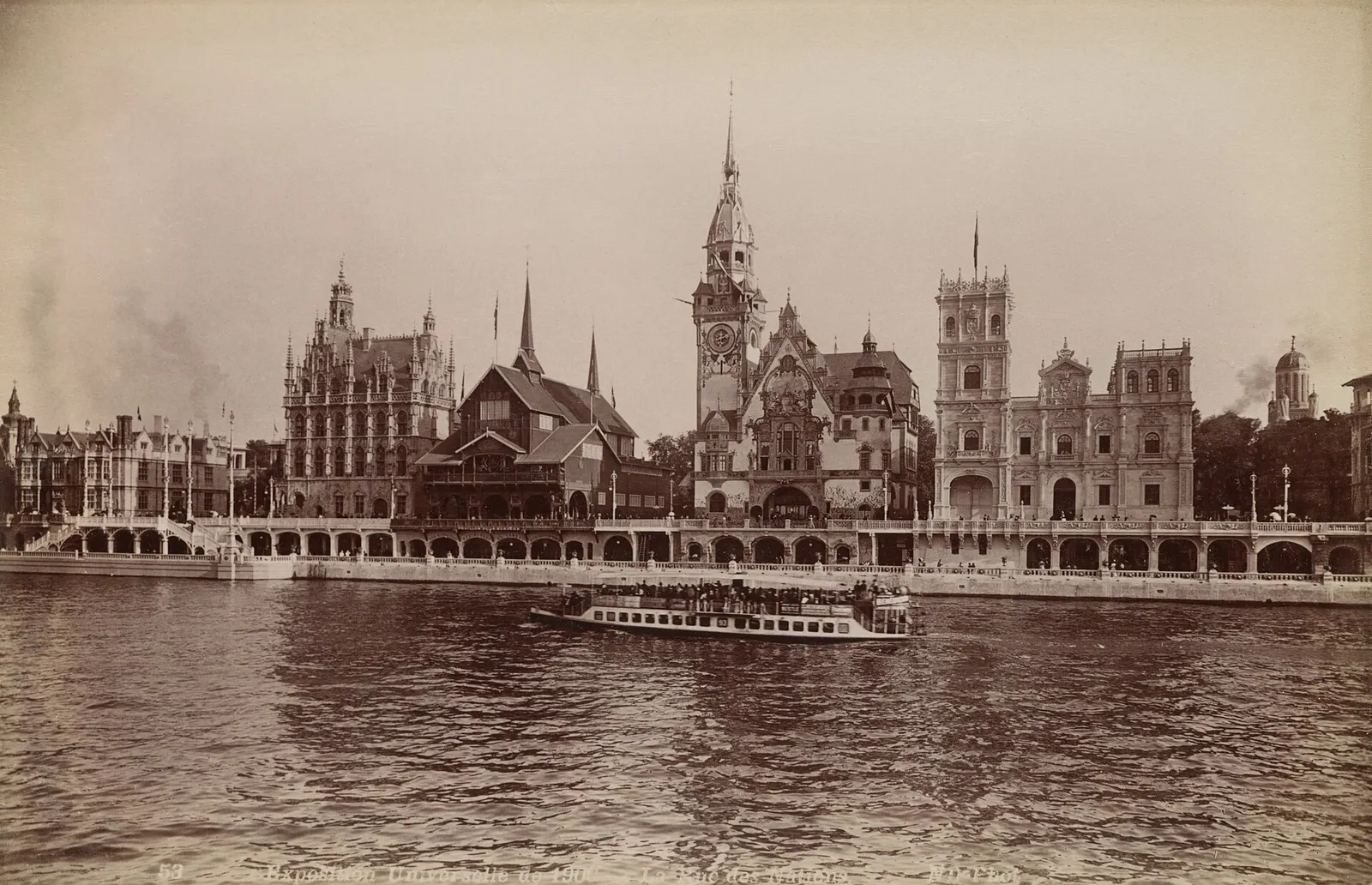
- The Palace of Electricity and Rue des Nations show extreme ornament.
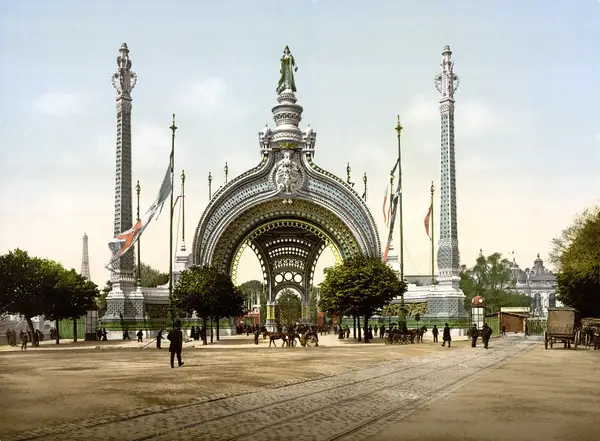
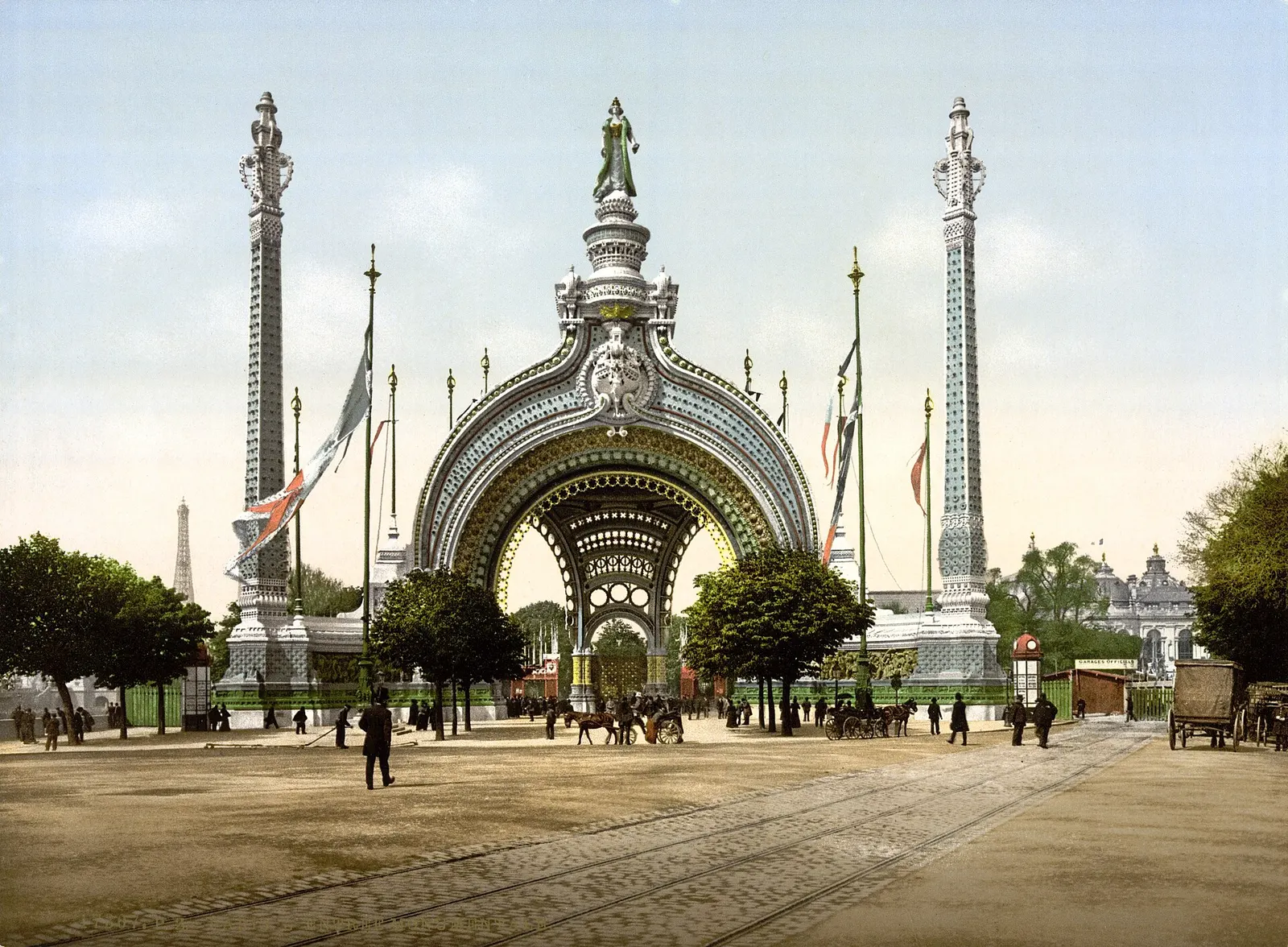
- The grand entrance is a huge latticed arch with pylons.
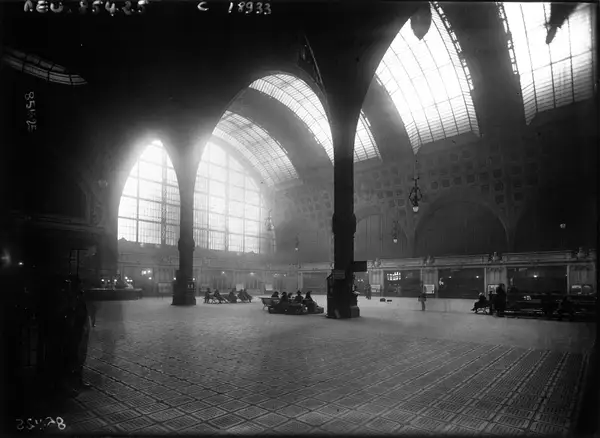
- The Gare d'Orsay and Pont Alexandre III survive.
Open questions
- How was a 200 m nave built in three years?
- Which pavilions were stone?
- Why keep some and not others?
What would settle it
- Quarry records for the Grand Palais.
- Material tests of surviving pavilions.
- Pre-1897 site plans.
Photo 1
Le Grand Palais, Exposition universelle de 1900
 Zoom in
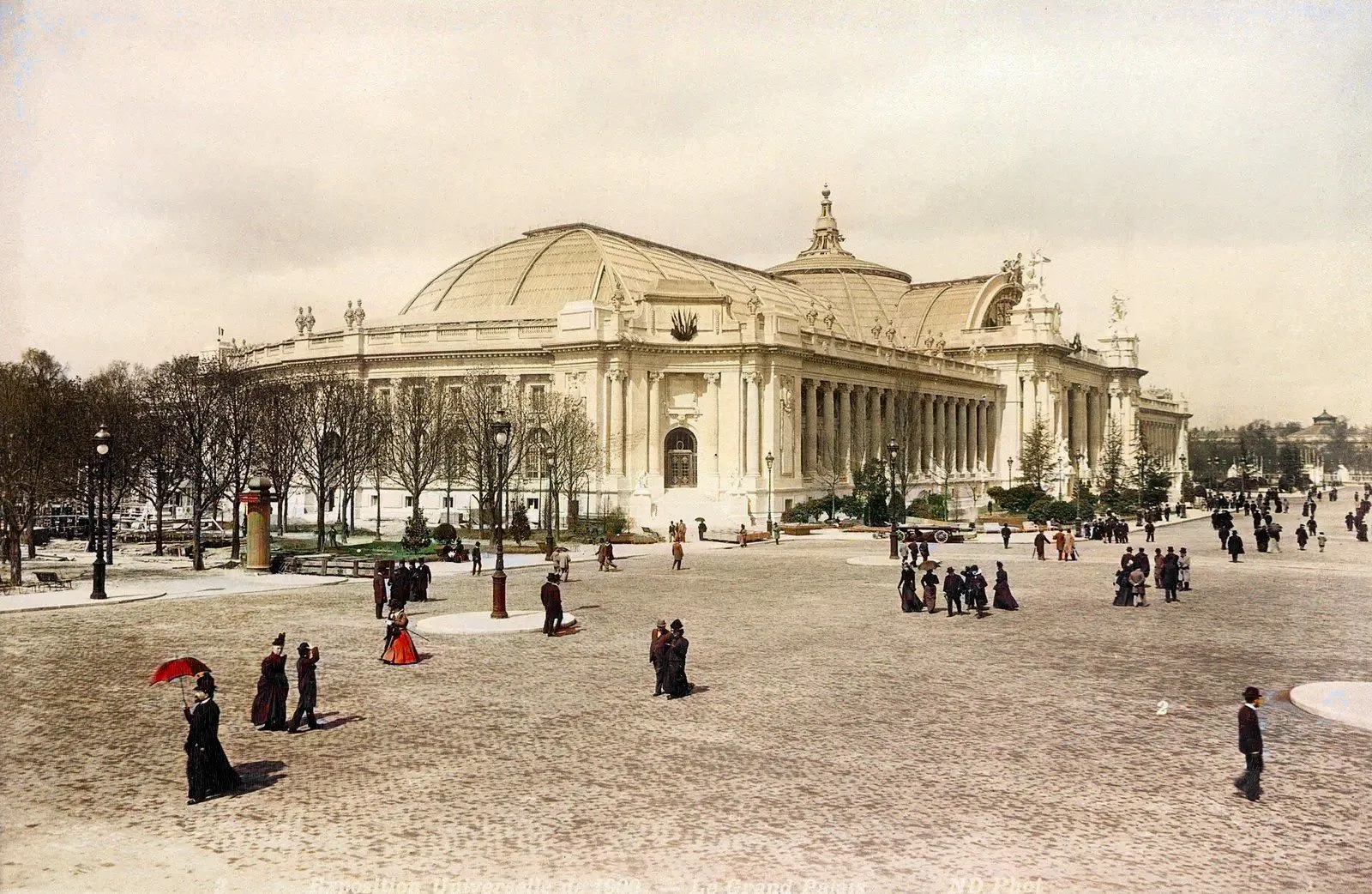
Photo: Unknown photographer · Public domain · via Wikimedia Commons
Photo 2
Le palais de l'électricité et le Château d'eau, Exposition universelle 1900 02
 Zoom in
Photo: Unknown photographer · Public domain · via Wikimedia Commons
Photo 3
La Rue des nations, Exposition Universelle 1900
 Zoom in
Photo: Unknown photographer · Public domain · via Wikimedia Commons
Photo 4
Gare d'Orsay vue générale du hall
 Zoom in
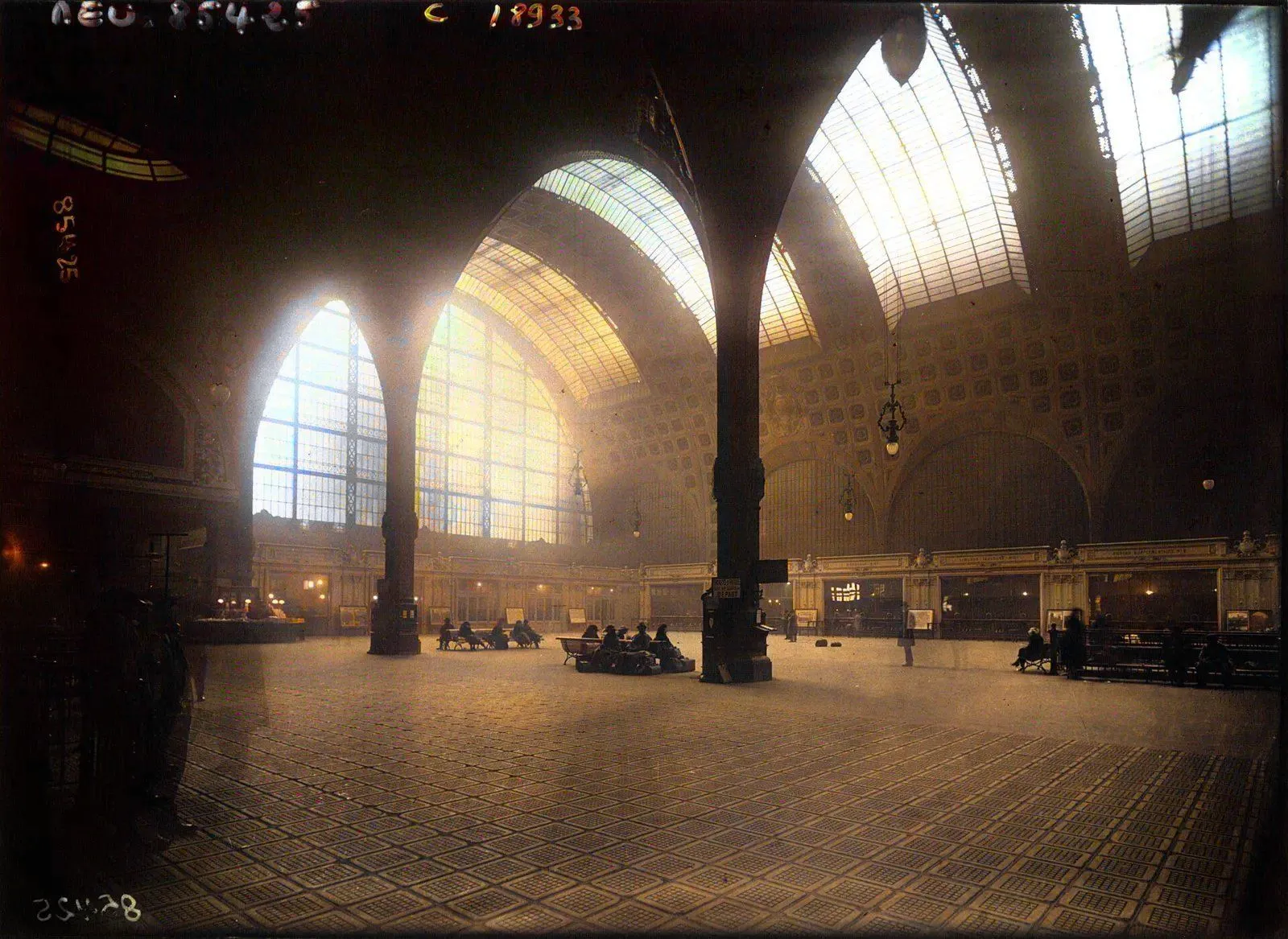
Photo: Agence de presse Meurisse. Agence photographique (commanditaire) · Public domain · via Wikimedia Commons
Photo 5
Grand entrance, Exposition Universal, 1900, Paris, France
 Zoom in
Photo: Detroit Publishing Company · Public domain · via Library of Congress via Wikimedia Commons
Photo 6
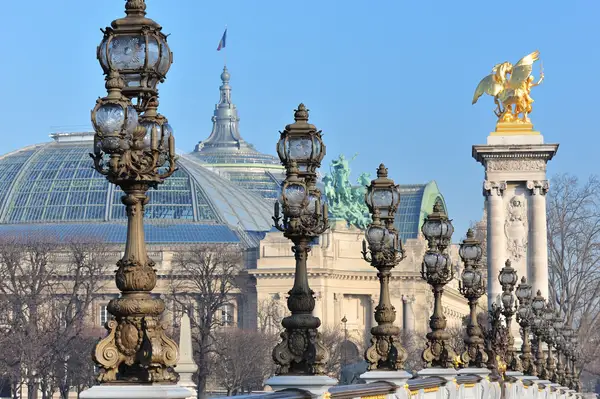
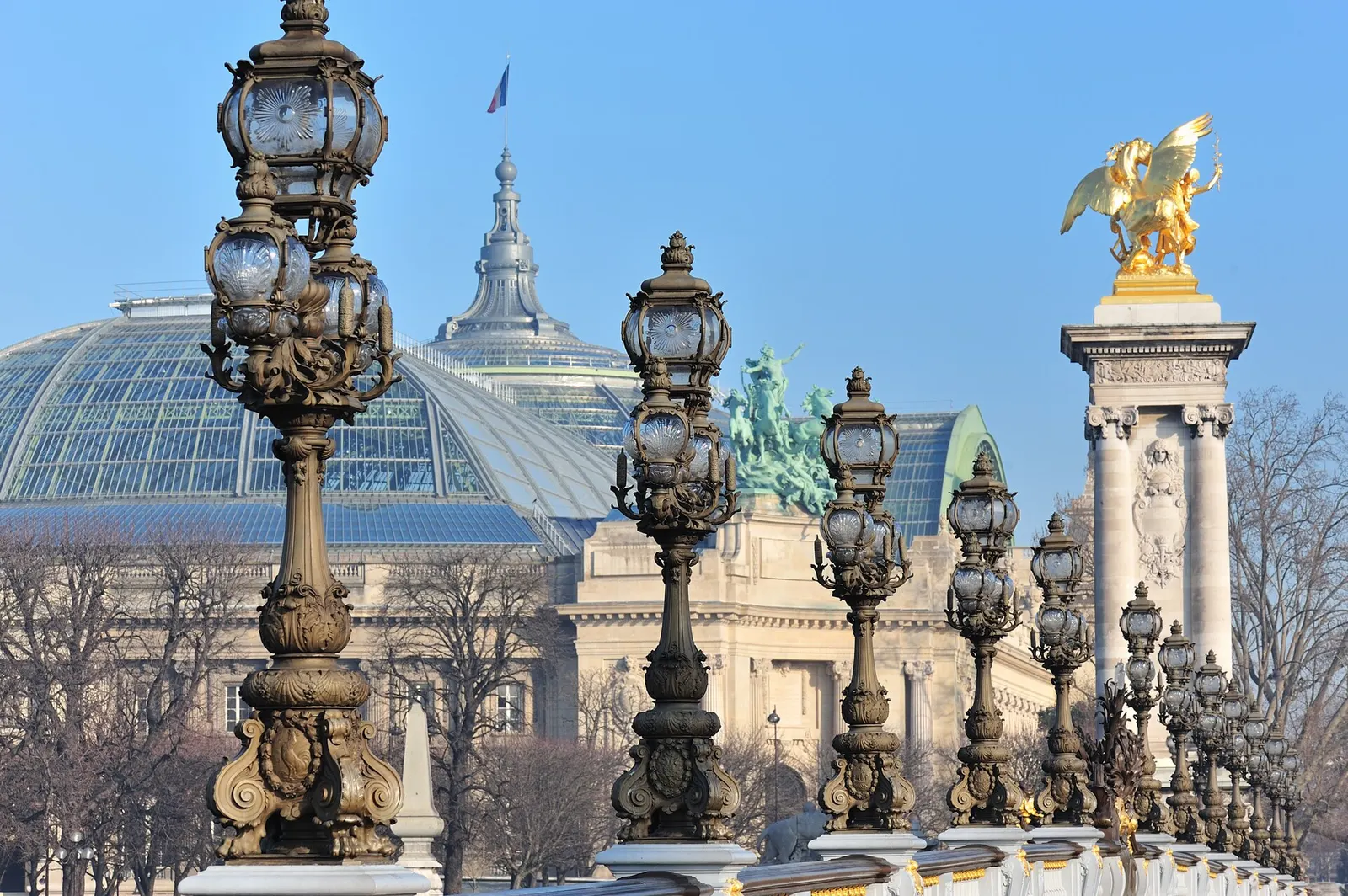
Le Grand Palais depuis le pont Alexandre III à Paris
 Zoom in
Photo: Eric Pouhier · CC BY-SA 4.0 · via Wikimedia Commons
Hypotheses this fair feeds
Patterns where this fair, its buildings or its photo clues are part of the evidence.
Related clues at other fairs
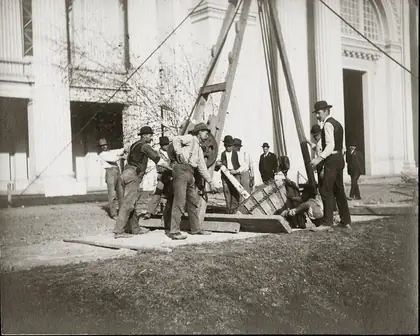 #10Twelve men and a tripod to plant one treeIf one tree took this much effort, what did the palaces take?
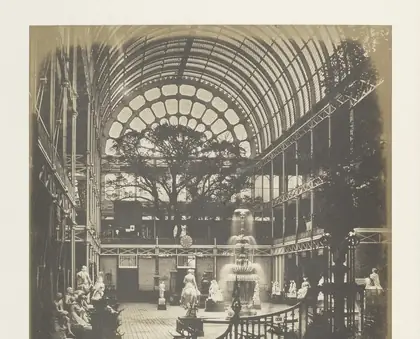 Solid wall at the lower levelWhat is that masonry base, when was it laid, and did it carry an earlier structure?
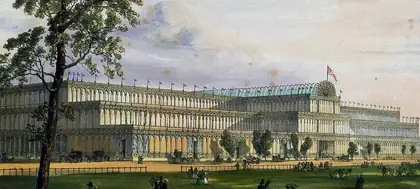 Carriages for scale along the north-east frontAt that scale, what did the hauling and erection really require from a horse-powered city?
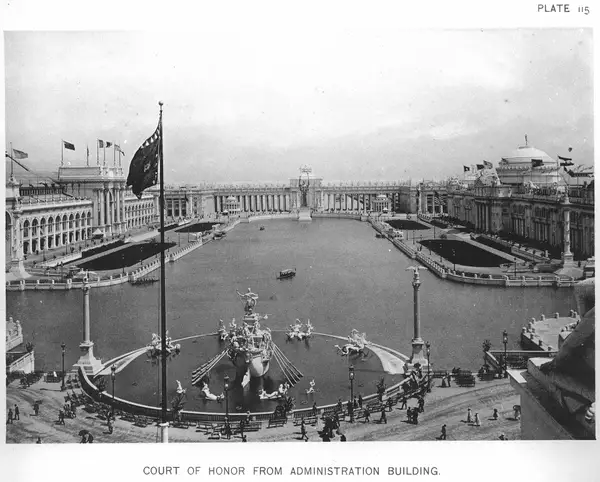
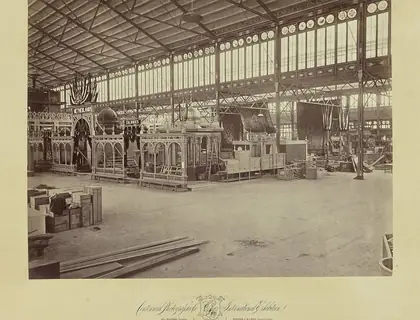 Medallions and arcades repeated down the naveWere these ornaments cast for 1876, or are they a standard pattern found in other halls of the era?
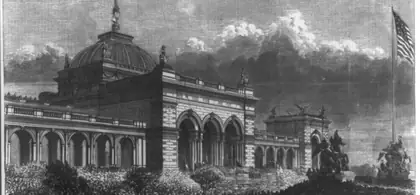
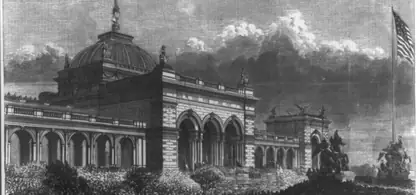 Memorial Hall: stone at the openingMemorial Hall was always meant to stay, but what does that say about the 'temporary' halls standing beside it?
 Crowds give the scaleHow many stone-setters and teams would a hall like this need on the timeline recorded?