1909 · Seattle, United States
Investigate this fair
5 clues in 5 photos, strongest first. Tap a photo to zoom in on each clue.
- 2 Scale
- 2 Weathering
- 1 Below-grade windows
Case file
The Hypothesis
Seattle's fair was laid out on a campus among very old trees, twenty years after a fire and street raising that buried lower floors, so some halls may have been older than 1909.
Seattle's fair sat on a university campus among very tall firs, twenty years after the 1889 fire and the raised streets. The photos show whole-trunk colonnades and domed palaces among old conifers.
What the photos and records show
- Very tall, mature firs and conifers stand among the pavilions.
- The Forestry Building has whole bark-covered trunks; the record says it was demolished in 1931.
- The record says some halls survive as campus buildings.
- After the 1889 fire, arched openings sit near the debris line and the streets were raised.
Open questions
- Which campus buildings predate the fair?
- What did the grounds look like before 1909?
- What is under the raised streets?
What would settle it
- Pre-1909 campus maps.
- Construction dates of the surviving halls.
- Survey of the underground.
Photo 1
Forestry Building at the Alaska-Yukon-Pacific-Exposition, ca.1910 - DPLA - 050b5e9addc36f6f9185e620a054d6b3
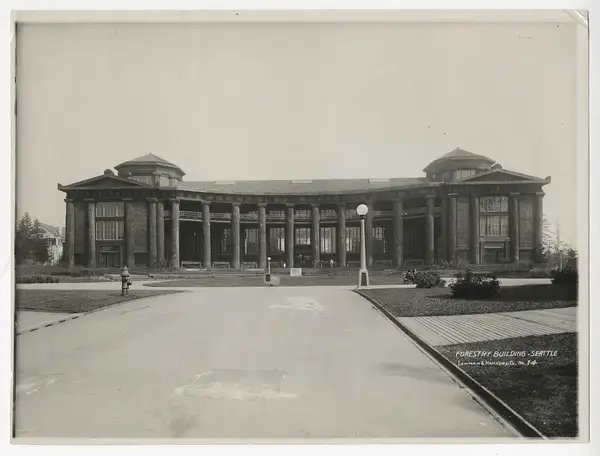
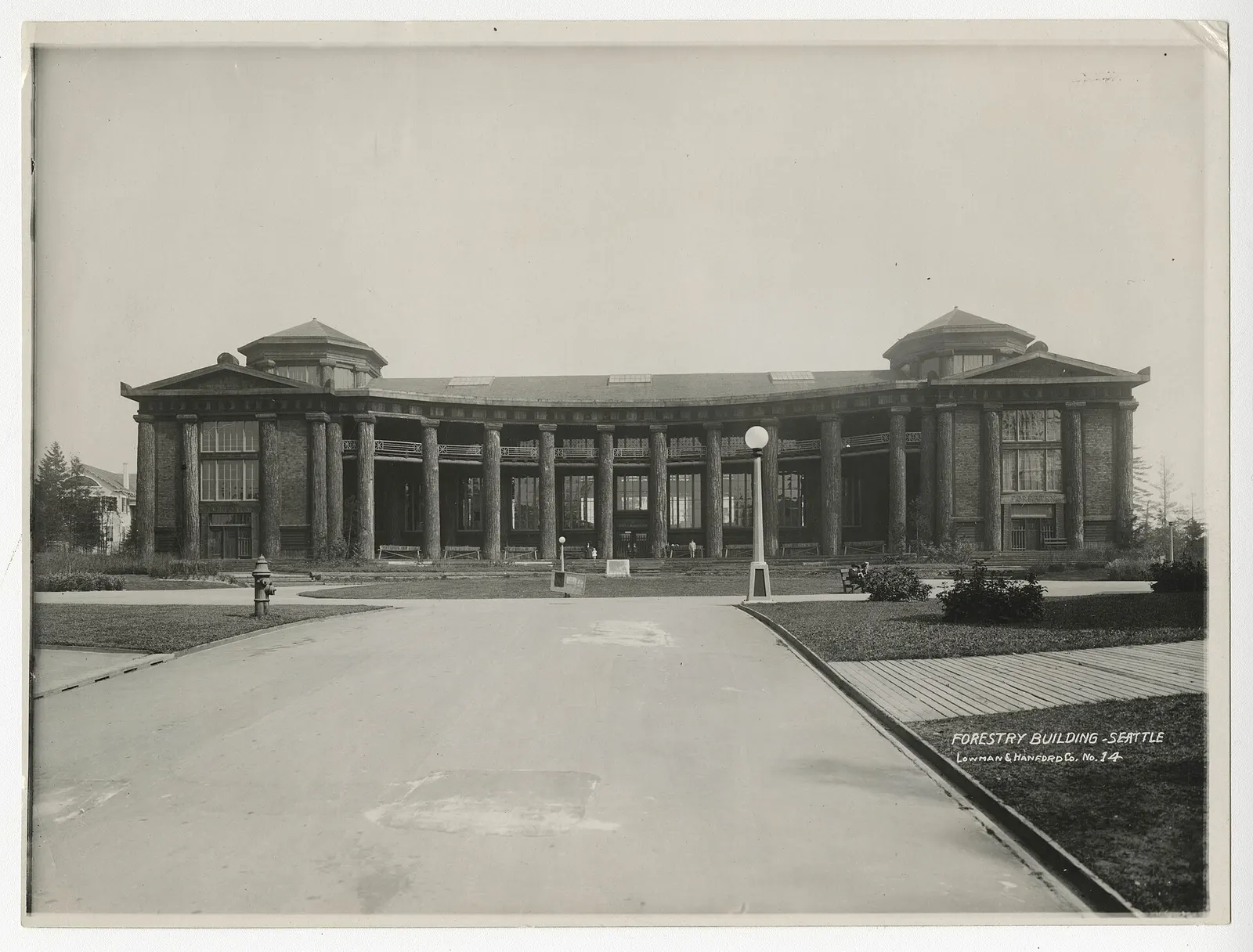 Zoom in
Photo: Lowman & Hanford · Public domain · via Wikimedia Commons
Photo 2
AYPE view to Agricultural Building and north
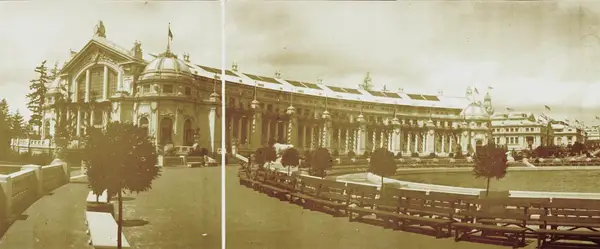
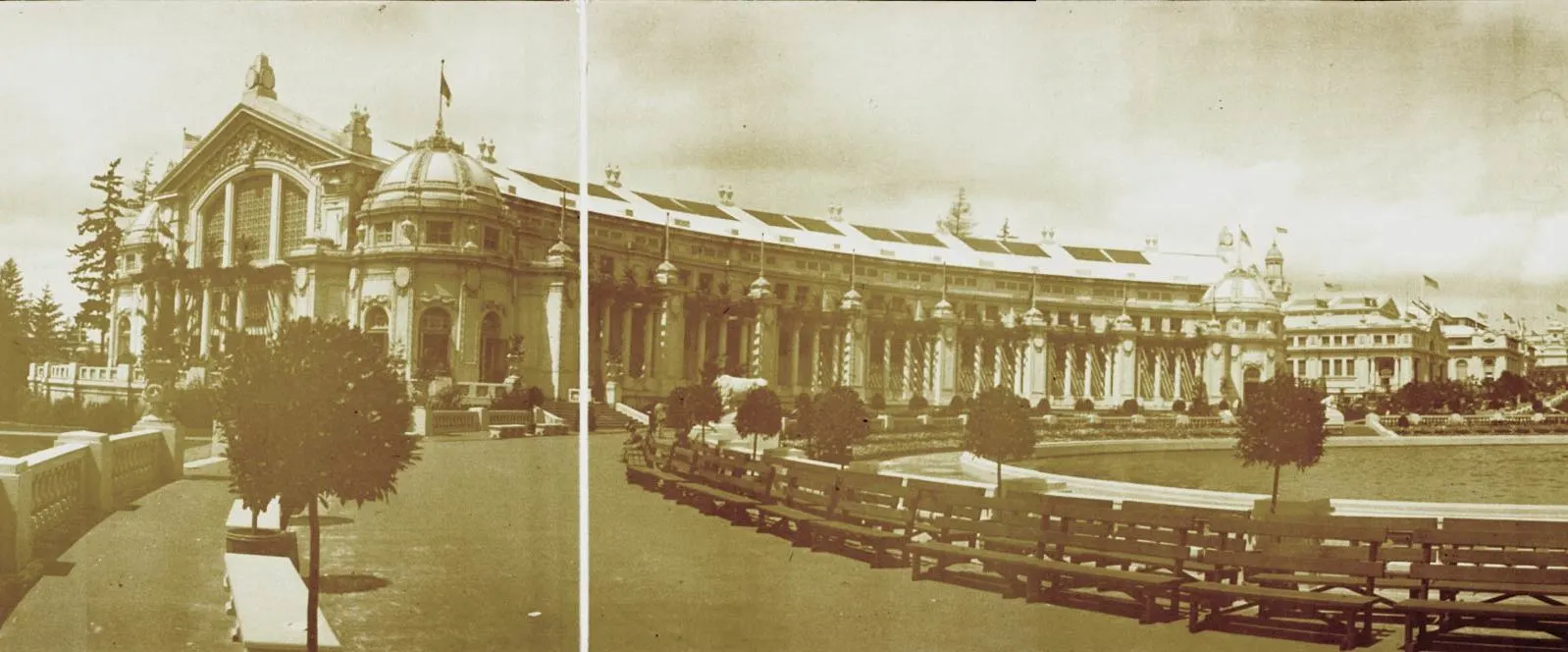 Zoom in
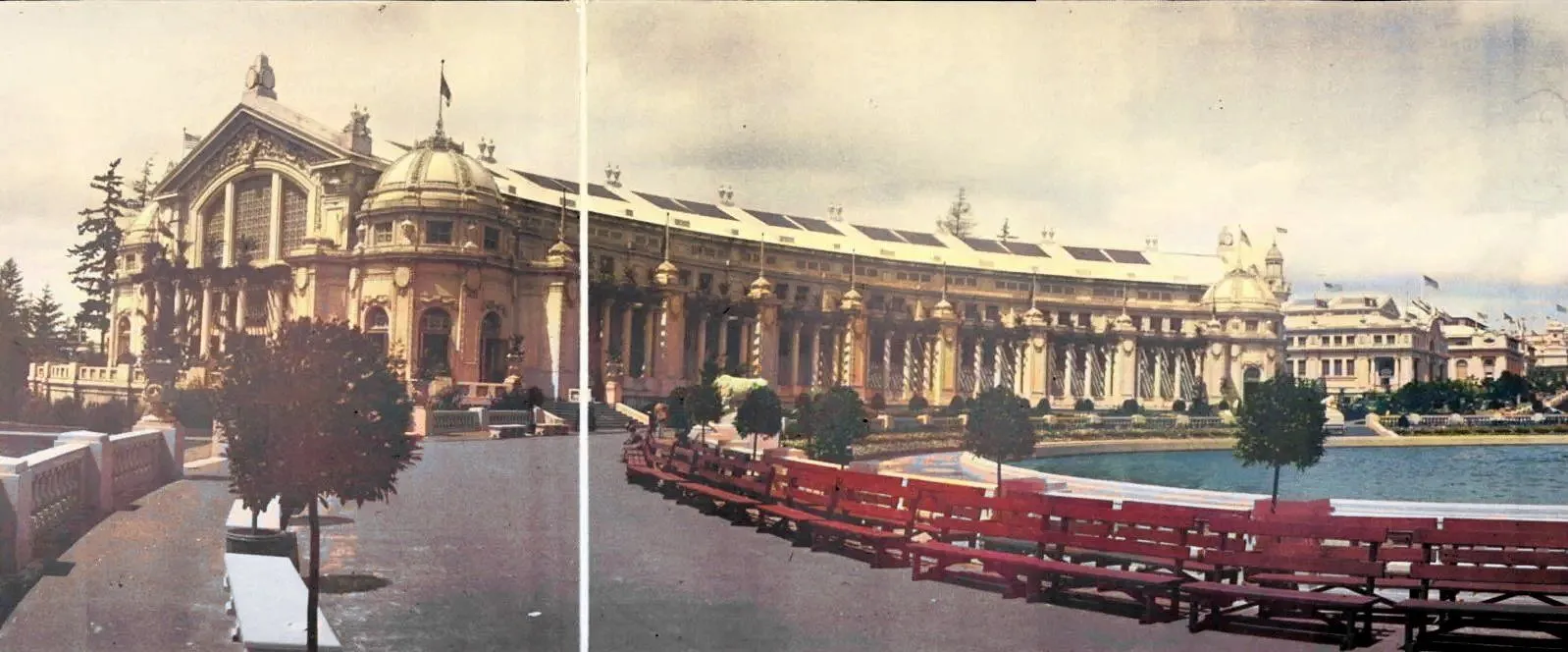
Photo: AJ Park · Public domain · via Wikimedia Commons
Photo 3
Alaska-Yukon-Pacific Exposition Idaho State Building
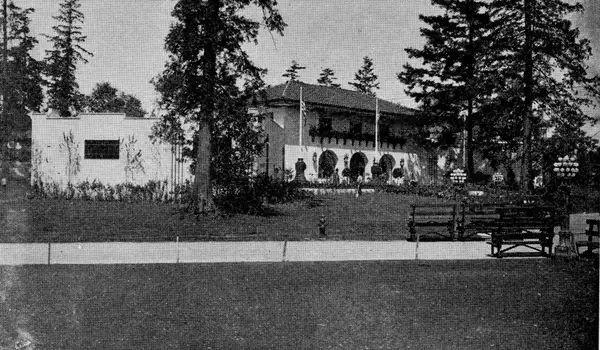
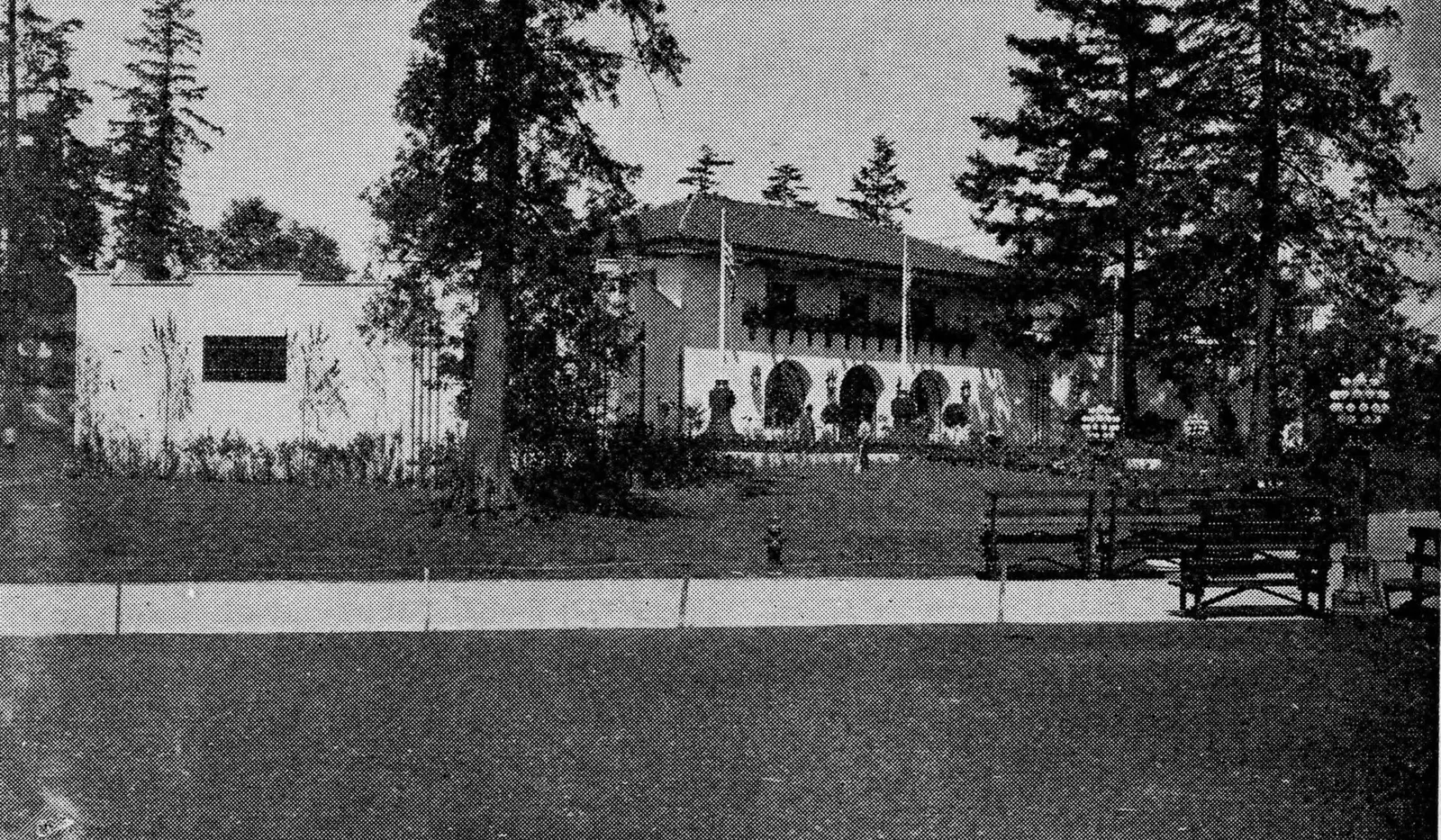 Zoom in
Photo: Could not be extracted automatically; most are anonymous or pseudonymous. Scanned by the Seattle Public Library. · Public domain · via Wikimedia Commons
Photo 4
China-day-parade-chinese-village-at-the-alaska-yukon-pacific-exposition-seattle-september-13-1909
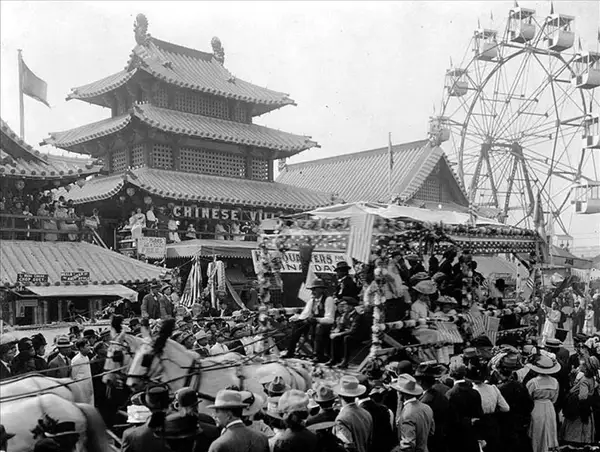
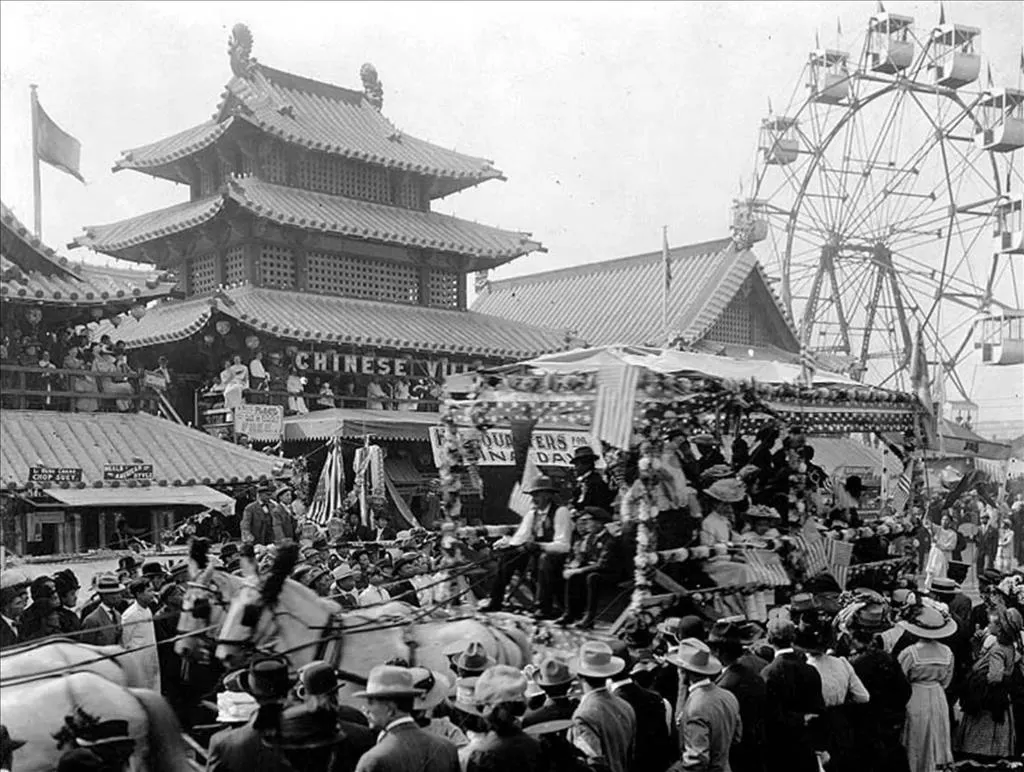 Zoom in
Photo: Unknown author circa 1909 · Public domain · via Wikimedia Commons
Photo 5
Ruins of Dexter Horton Bank after Seattle fire of June 6, 1889 (CURTIS 2103)
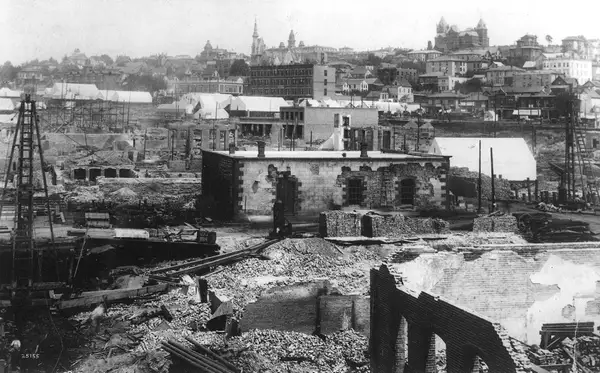
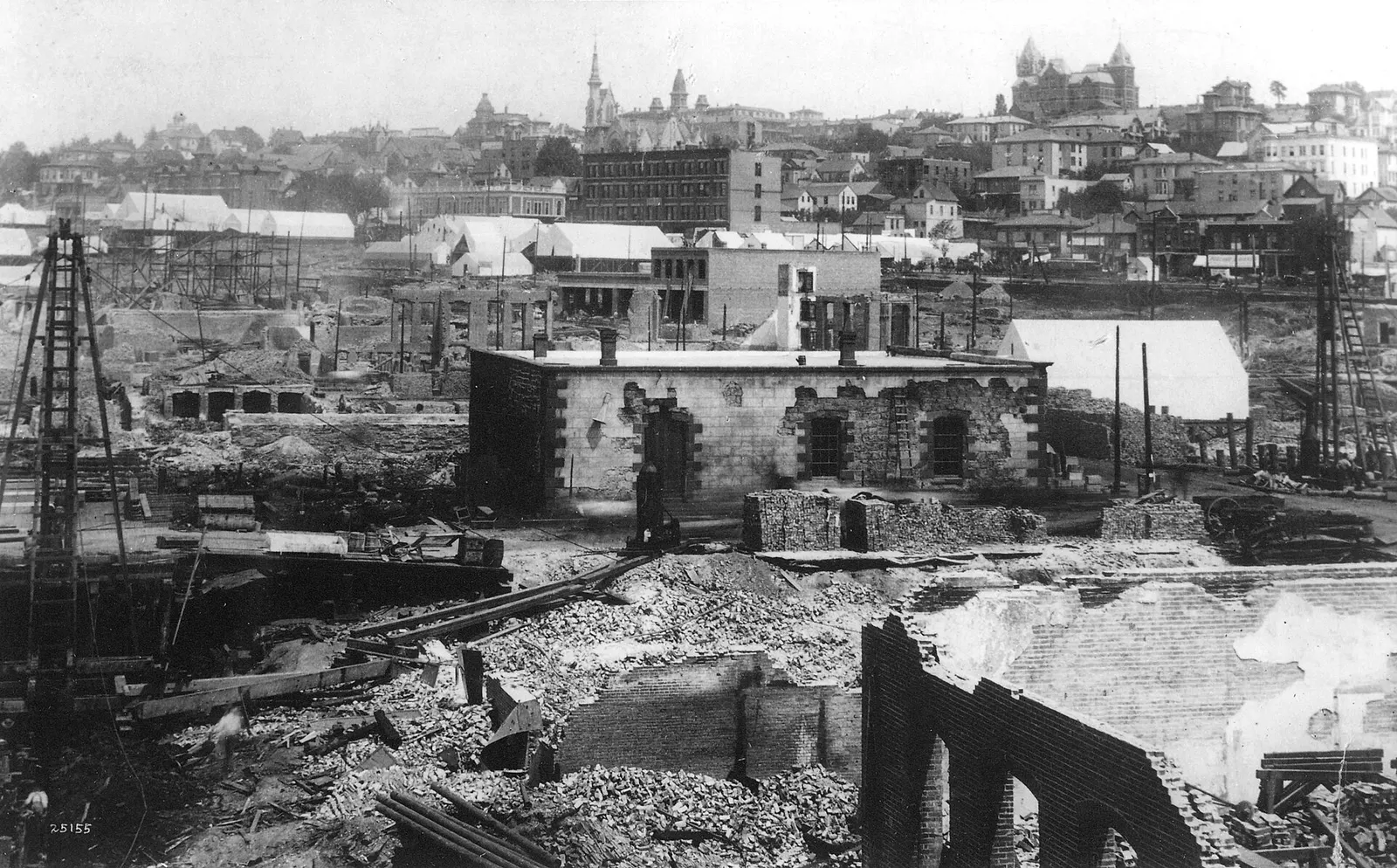 Zoom in
Photo: Unknown photographer · Public domain · via Wikimedia Commons
Hypotheses this fair feeds
Patterns where this fair, its buildings or its photo clues are part of the evidence.
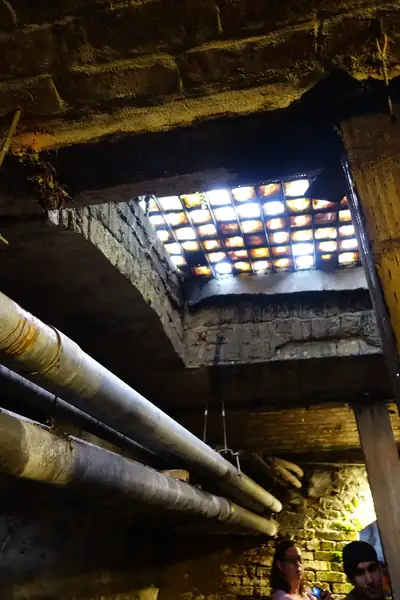 Strong110 entriesThe ground came up: buried floors are everywhereBuried ground floors, stairs that go down to a door, raised streets and dug-out temples appear in 35 countries in our collection, from Seattle to Rome to Edfu. Common sense says ground doesn't rise metres in a few centuries without something bringing it. The documented causes vary (river silt, drifting sand, volcanic ash, rubble, deliberate street raising), but the result is the same: older cities sit under newer ones far more often than most people picture. The open possibility is that some of the raising on record was the cleanup of a deposit rather than a choice.
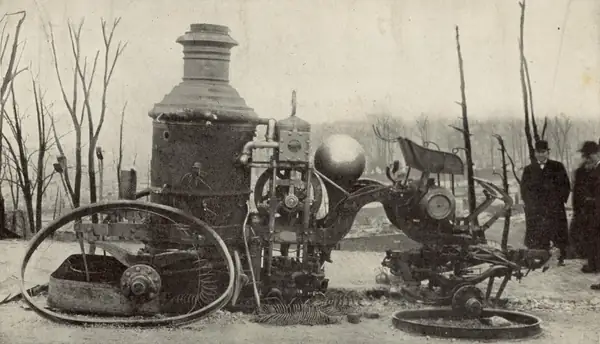 Strong53 entriesFire as the reset buttonCity after city loses its old centre to one big fire, usually blamed on something homely like a pipe, a glue pot or a cow, and within one to three years a grander stone and brick centre stands in its place, often on a brand-new street plan that was ready almost at once. Common sense says rebuilding a downtown in stone takes money, masons and quarries a city doesn't have the morning after a disaster. One possibility is that some of these fires cleared old fabric and old ownership, and the rebuild was planned or supplied from outside.
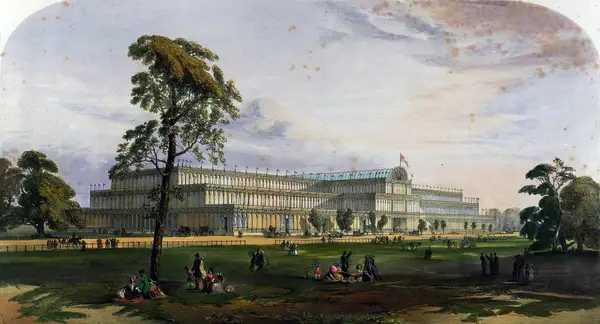 Moderate19 entriesA second clearance: the 1930s and the 1950s–60sThe surviving giants of the fair era didn't fade out evenly. Five great fair halls were lost to fire or demolition between 1931 and 1937, and then a second wave of grand stations, city halls and banks came down between 1950 and 1968. Common sense: if these buildings were simply old and costly, losses would be spread out. Bunched losses suggest a policy, a fashion, or a reason to remove a particular kind of evidence.
Related clues at other fairs
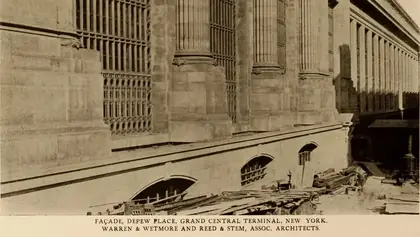 #4Grand Central: arched windows at the debris lineWhy does a brand-new terminal have arched openings at or below the working grade?
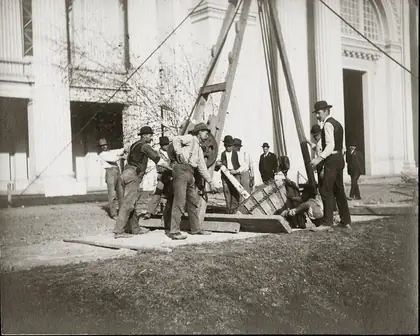 #10Twelve men and a tripod to plant one treeIf one tree took this much effort, what did the palaces take?
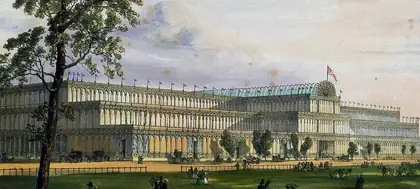 Carriages for scale along the north-east frontAt that scale, what did the hauling and erection really require from a horse-powered city?
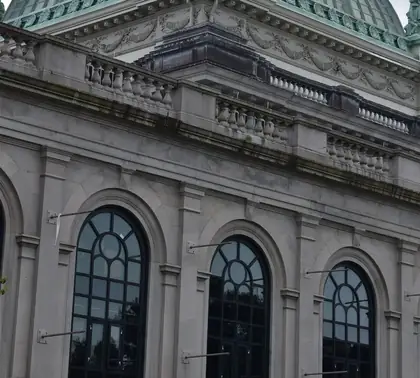 Dark streaks on the surviving corniceHow long does weathering like this take, and does any of it predate 1876?
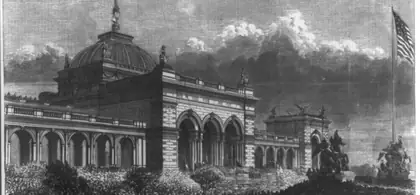 Crowds give the scaleHow many stone-setters and teams would a hall like this need on the timeline recorded?
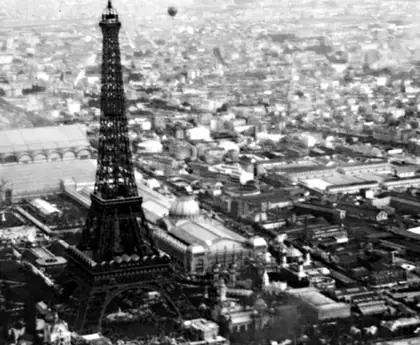 The Galerie des Machines at true scaleHow was a span that size raised for a single season?