Hypothesis #6 of 20
Fire as the reset button
Strength is how much of our gathered material lines up with the pattern. It is not the odds that the idea is true.
The working idea
City after city loses its old centre to one big fire, usually blamed on something homely like a pipe, a glue pot or a cow, and within one to three years a grander stone and brick centre stands in its place, often on a brand-new street plan that was ready almost at once. Common sense says rebuilding a downtown in stone takes money, masons and quarries a city doesn't have the morning after a disaster. One possibility is that some of these fires cleared old fabric and old ownership, and the rebuild was planned or supplied from outside.
Strongest examples
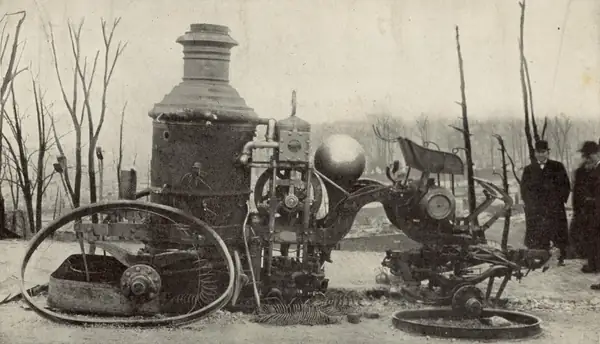 Great Chelsea FireReports say buildings of solid granite crumbled in a town fire.
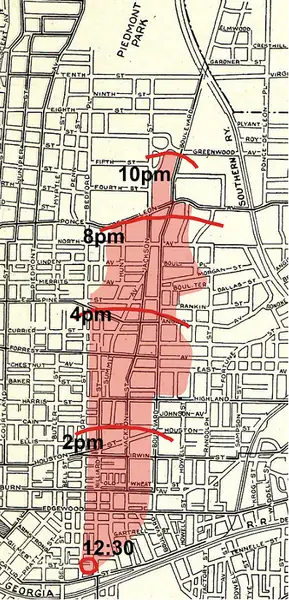 Four fires in one hourAtlanta 1917: the big fire was the fourth call in about an hour.
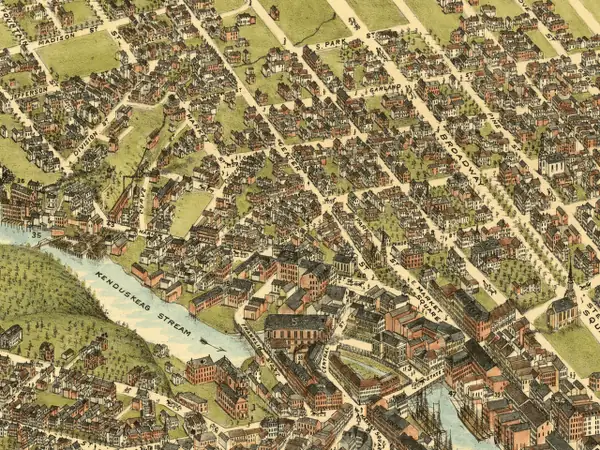 Insurers saw it comingUnderwriters mapped Bangor's fire path in 1907; it burned that way in 1911.
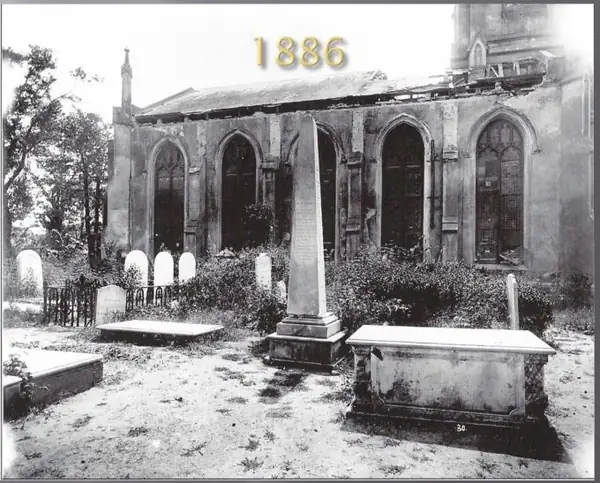 Charleston earthquake81% of the 1886 damage was to brick buildings: brick failed where wood stood.
The evidence
Distinct city fire, quake-fire and records-fire events in the dataset (now including the second research batch)
74 events; 53 of them fall between 1835 and 1922 (the 36 before plus 17 new). 1906 San Francisco is now counted here too.
53 entries
- 1835 New YorkSame story
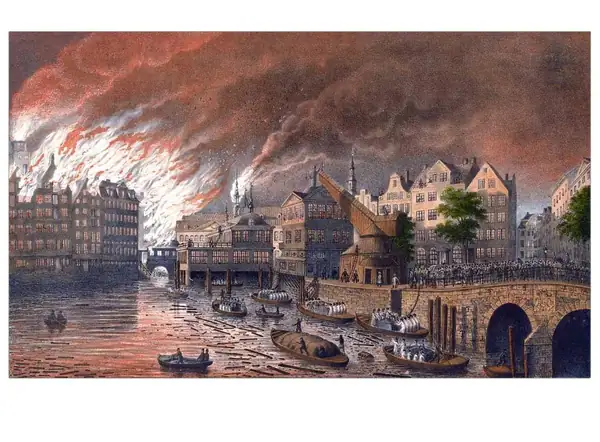 Great Fire of HamburgHamburg
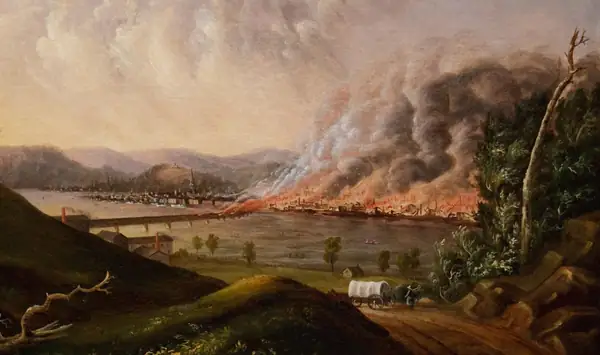 Great Fire of PittsburghPittsburgh
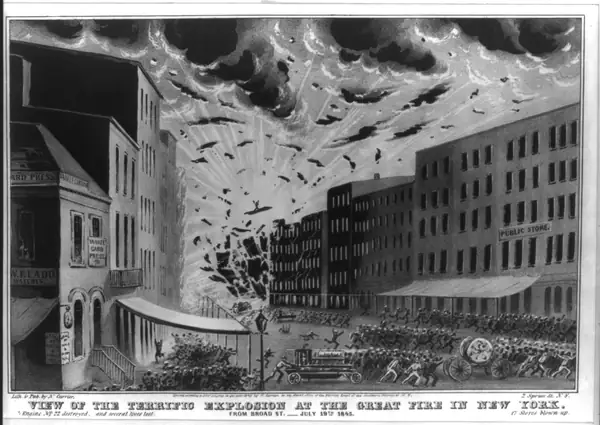 Great Fire of New York (1845)New York City
- 1849 St. LouisSame story
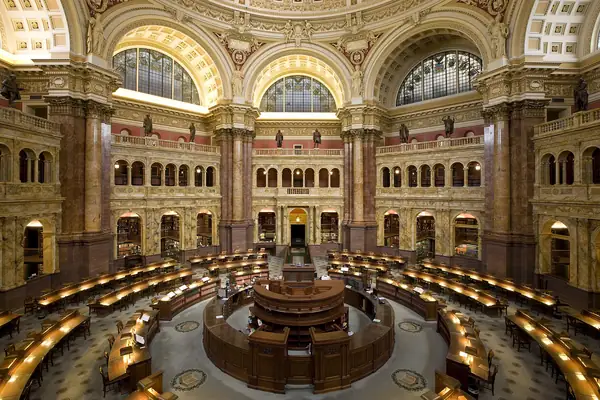 Library of Congress fireWashington, D.C.
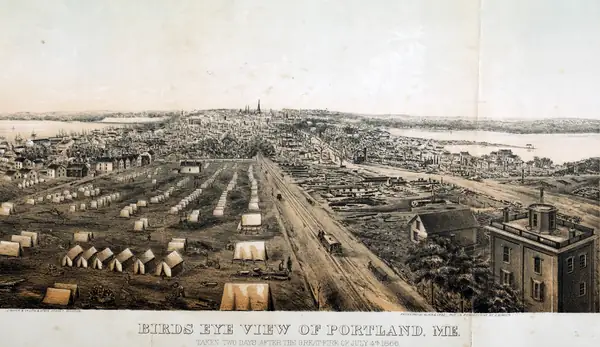 Great Fire of PortlandPortland, Maine
- 1871 ChicagoSame story
- 1871 ParisSame story
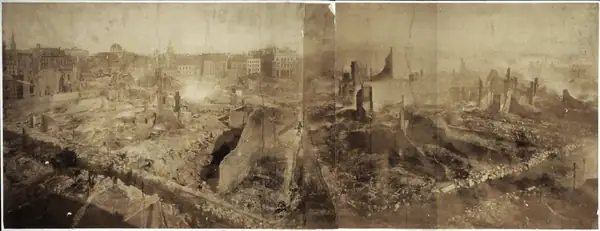 Great Boston FireBoston
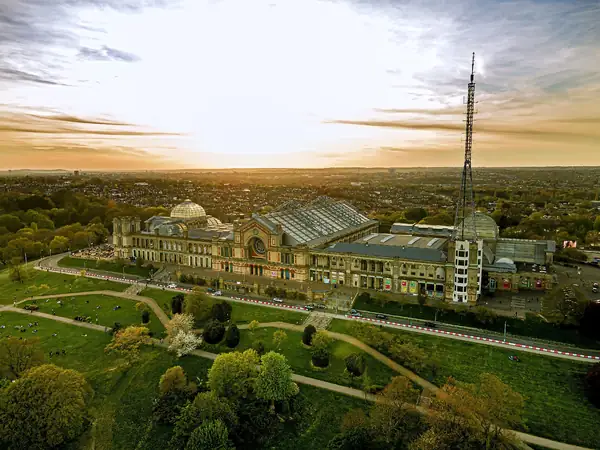 Alexandra Palace fireLondon
- 1873 ParisSame story
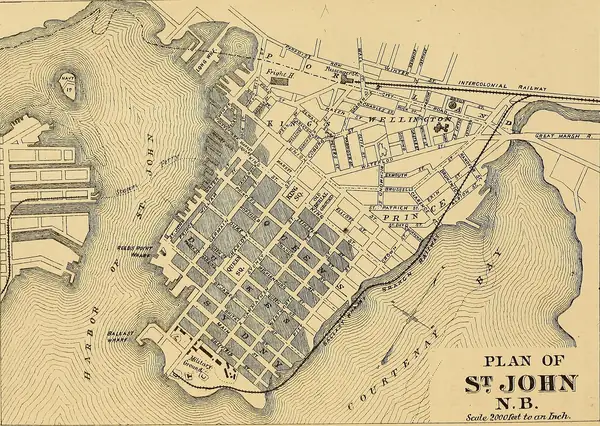 Great Fire of Saint JohnSaint John
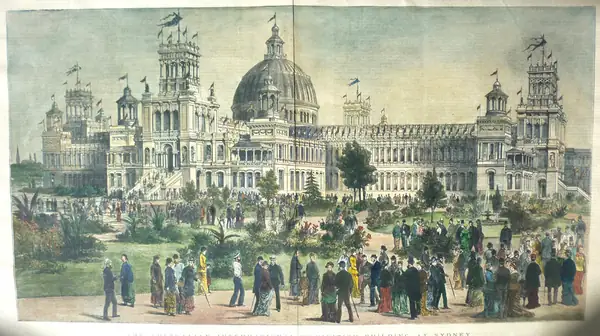 Garden Palace, SydneySydney
- 1882 PittsburghSame story
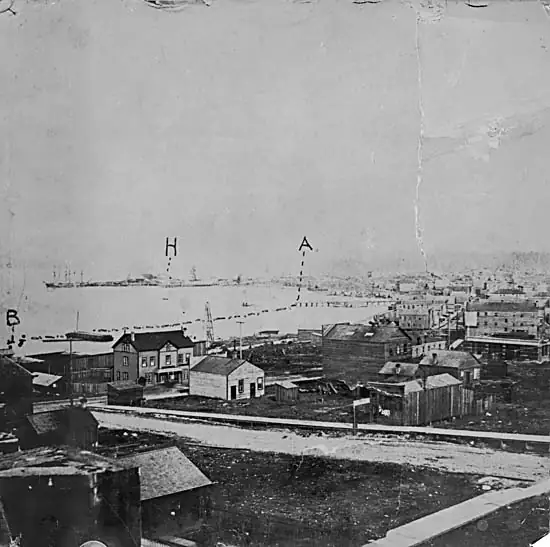 Great Vancouver FireVancouver
- Charleston earthquakeCharleston
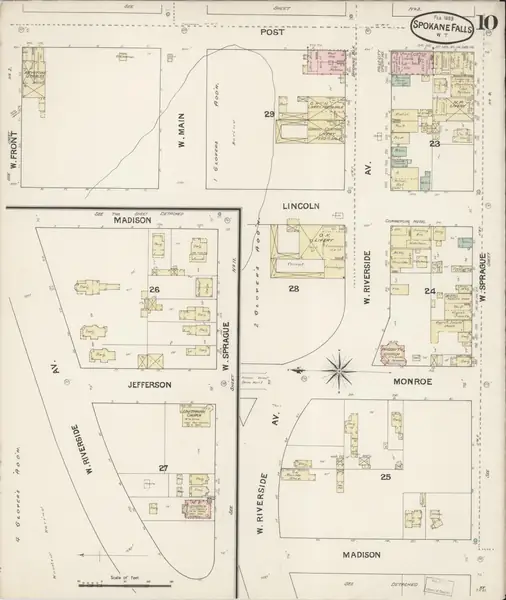 Great Spokane FireSpokane
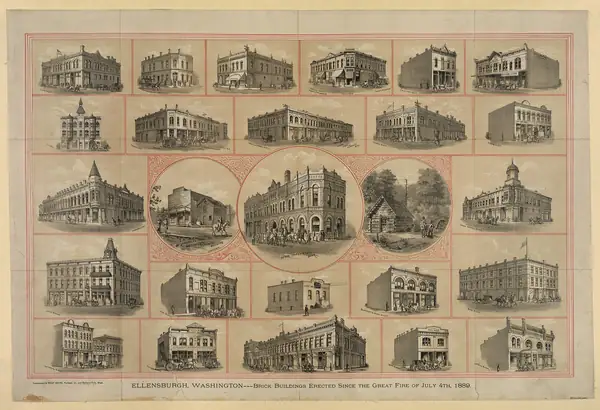 Ellensburg fireEllensburg
- 1889 SeattleSame story
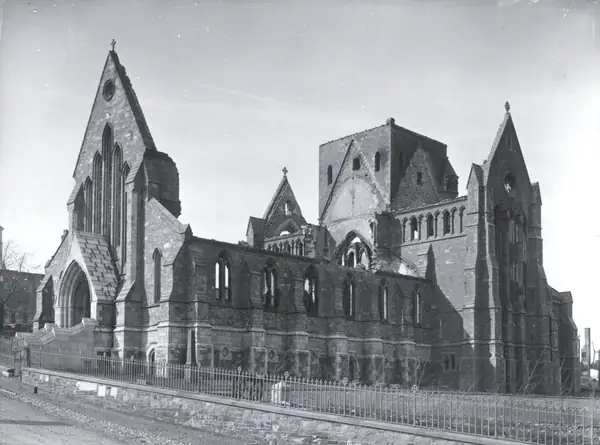 Great Fire of St. John'sSt. John's
- 1901 JacksonvilleSame story
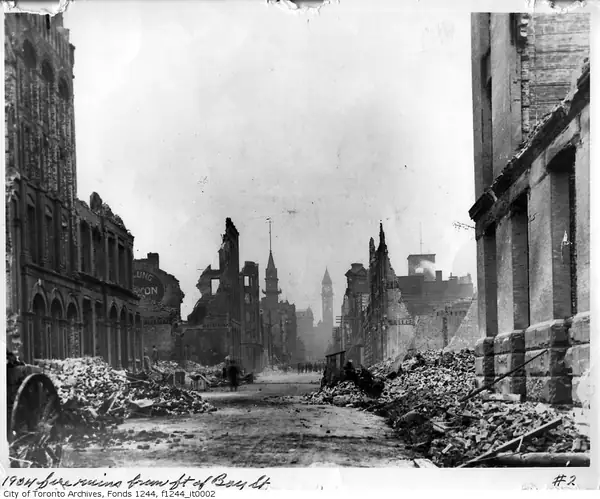 Great Toronto FireToronto
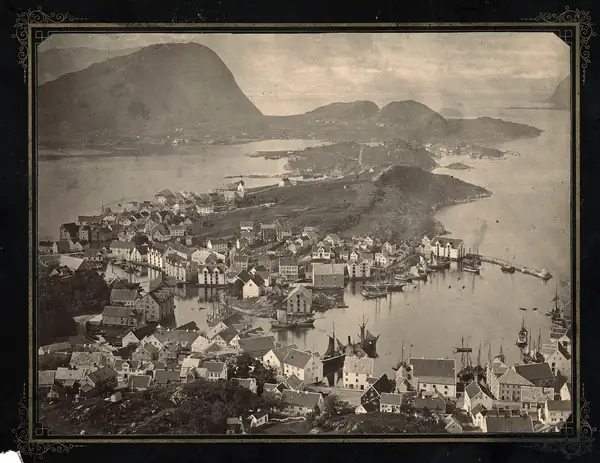 Ålesund fireÅlesund
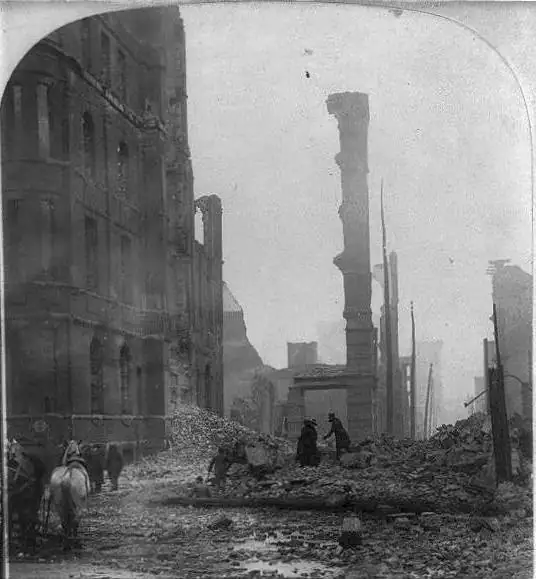 Great Baltimore FireBaltimore
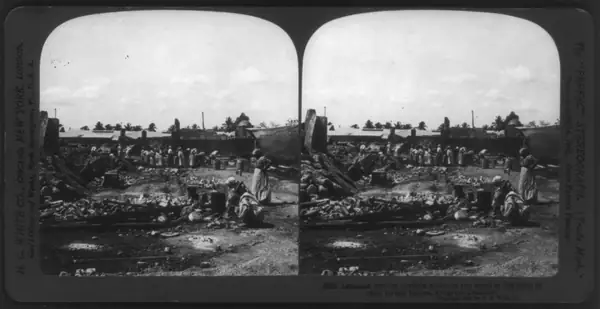 Kingston earthquake and fireKingston
- Great Chelsea FireChelsea, Massachusetts
 Brussels fair fireBrussels
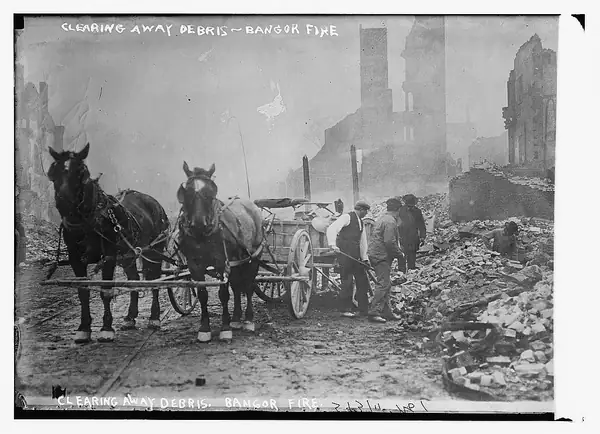 Great Fire of BangorBangor, Maine
- 1913 DetroitSame story
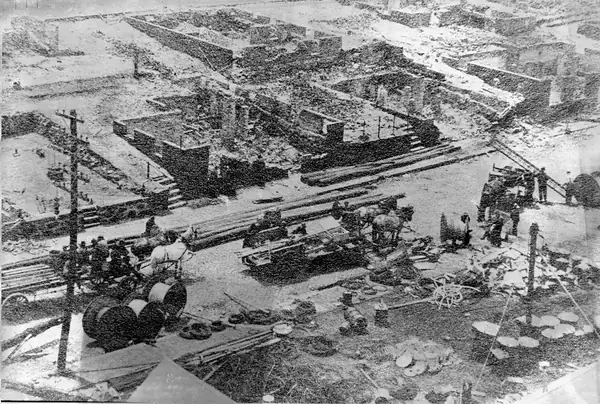 Great Salem FireSalem, Massachusetts
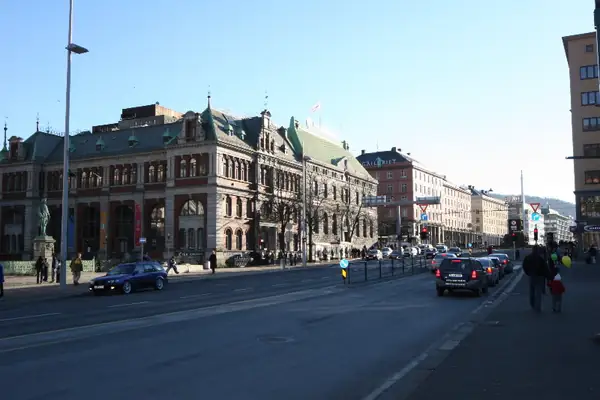 Bergen fireBergen
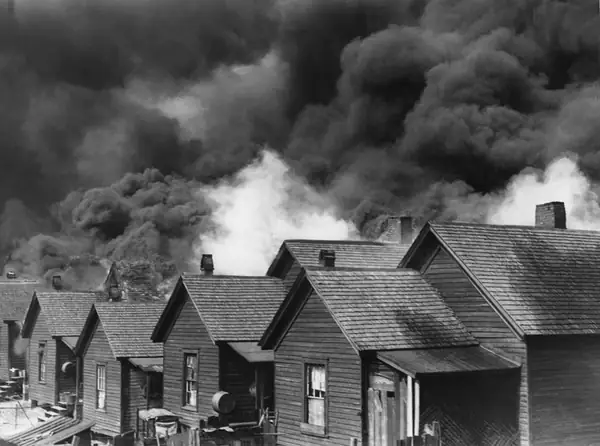 Great Atlanta FireAtlanta
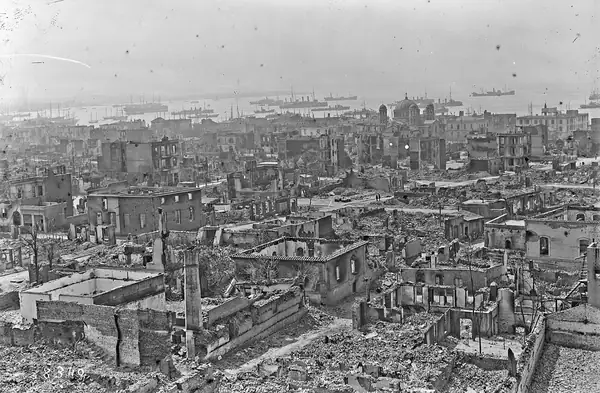 Great Thessaloniki FireThessaloniki
- 1890 census fireWashington, D.C.
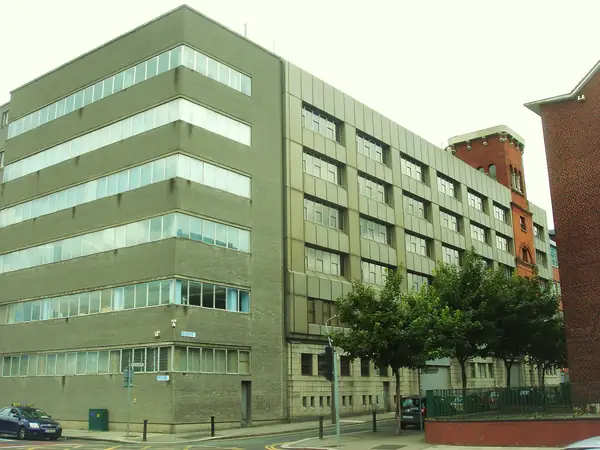 Public Record Office of IrelandDublin
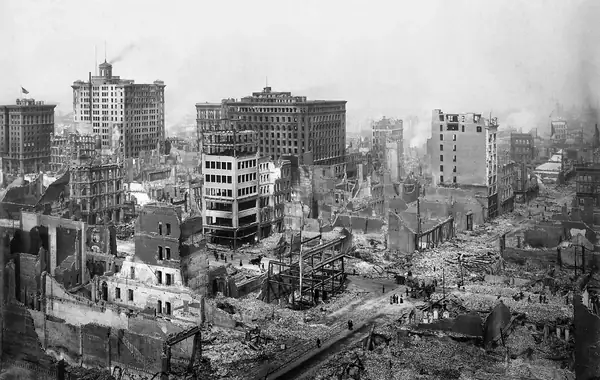 1906 San Francisco earthquakeSan Francisco
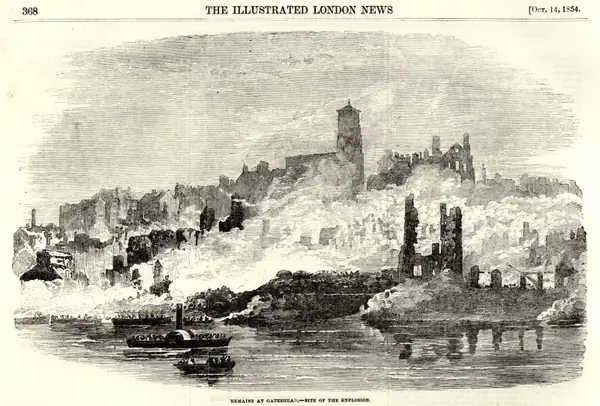 Great fire of Newcastle and GatesheadNewcastle upon Tyne
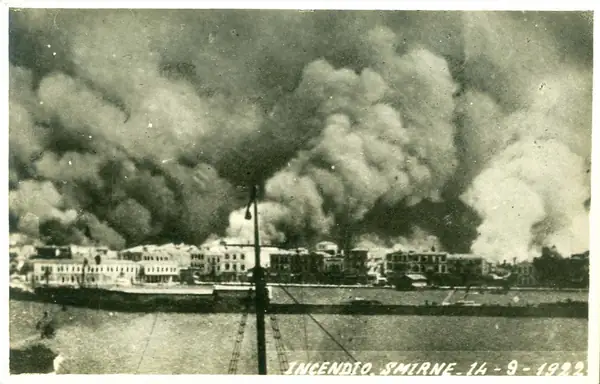 Burning of Smyrnaİzmir
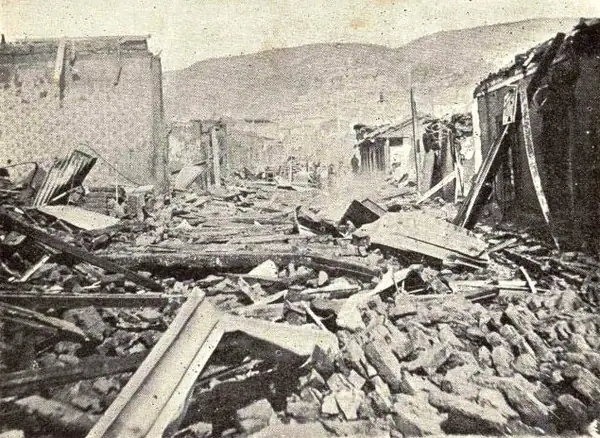 1906 Valparaíso earthquakeValparaíso
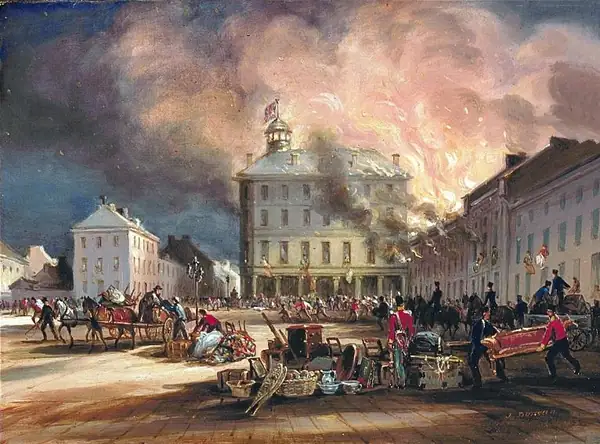 Great Fire of 1852Montreal
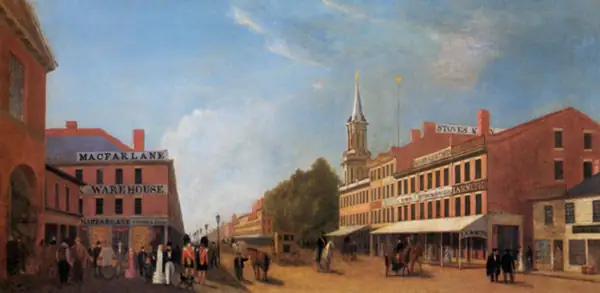 Great Fire of Toronto (1849)Toronto
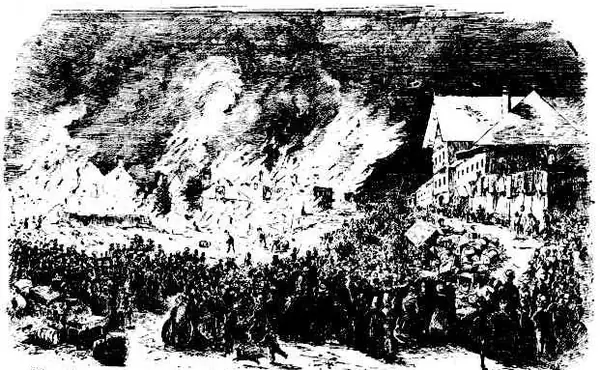 Great fire of BrisbaneBrisbane
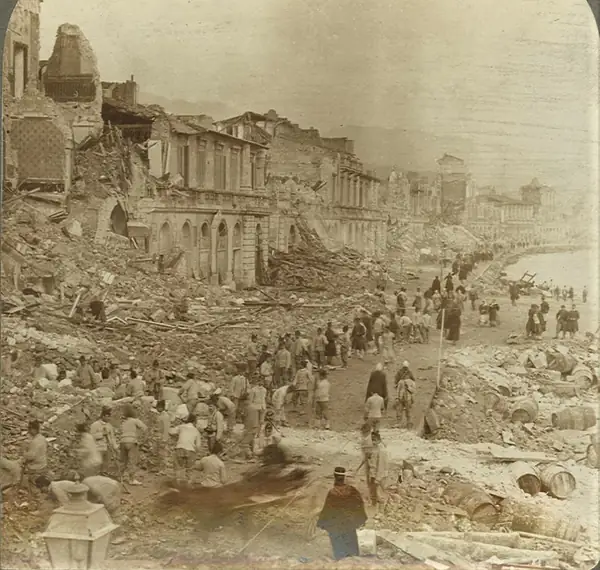 1908 Messina earthquakeMessina
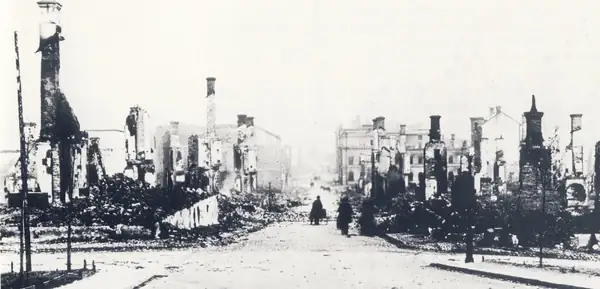 1888 Sundsvall fireSundsvall
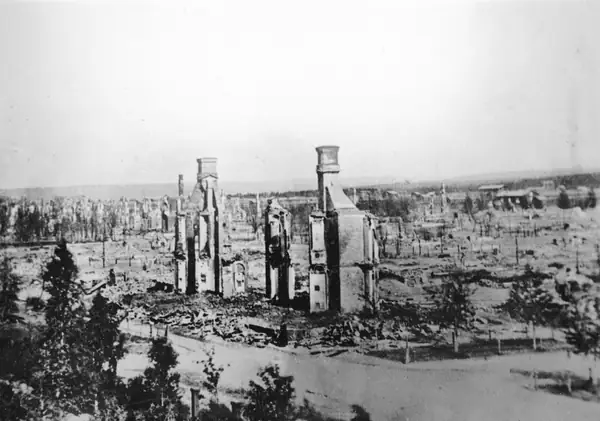 Umeå city fireUmeå
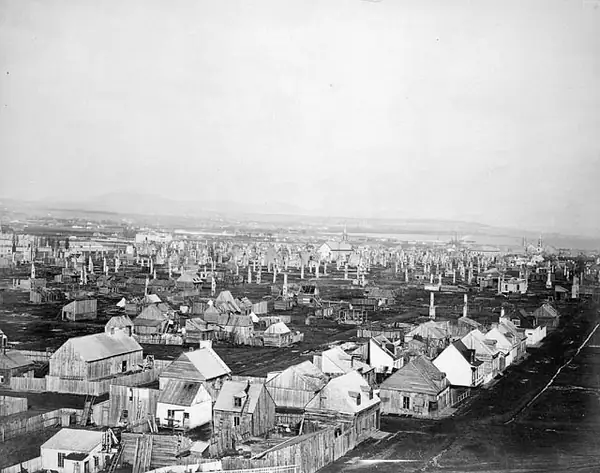 Great Fire of Quebec CityQuebec City
 1900 Hull–Ottawa fireGatineau
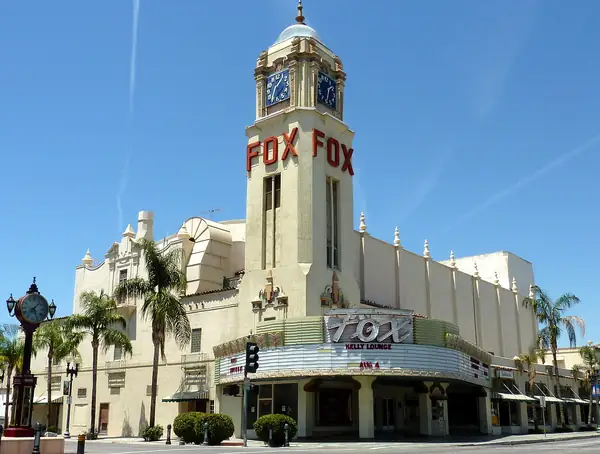 Great Bakersfield Fire of 1889Bakersfield
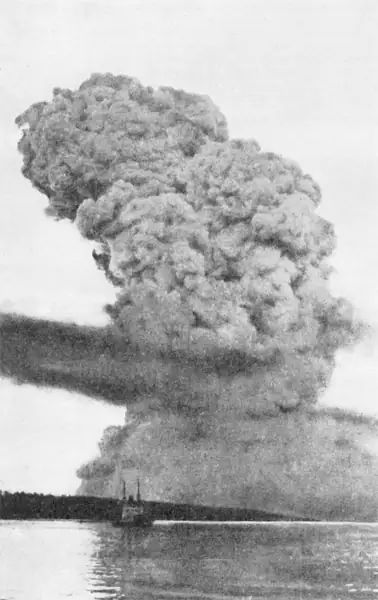 Halifax ExplosionHalifax
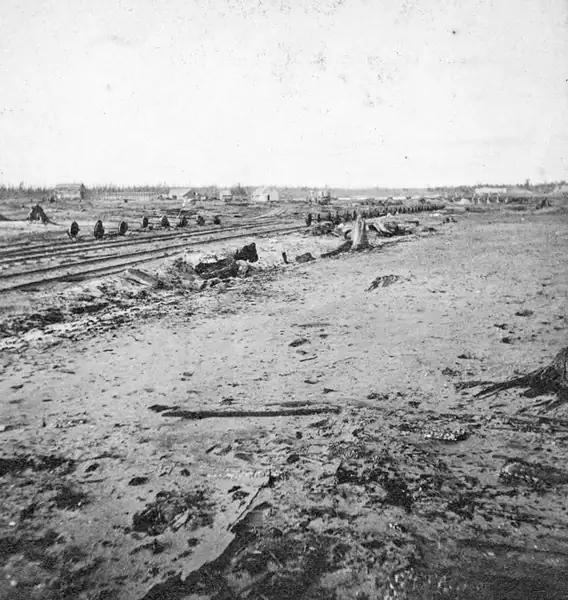 Peshtigo firePeshtigo
- Burned and Rebuilt?
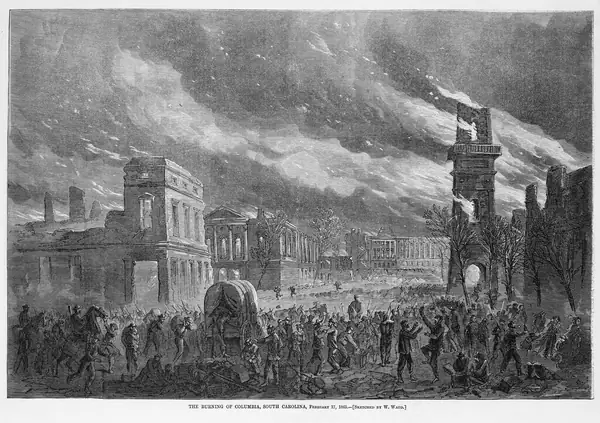 Capture of ColumbiaColumbia
Events per decade (overlay 'fires' series)
1840s 5, 1860s 4, 1870s 8, 1880s 10, 1900s 10, 1910s 8, 1920s 4; every other decade 0–3
Same-season clusters
Washington 1889: Seattle 6 Jun, Ellensburg 4 Jul, Spokane 4 Aug (three fires in two months). 1904: Toronto 19 Apr, Ålesund 23 Jan, Baltimore 7–8 Feb. 1917: Atlanta 21 May, Thessaloniki. 1871: Chicago Oct, Paris May.
Rebuild or new plan on record within about 2 years
9
9 entries
- Great Boston Firefinancial district in under 2 years
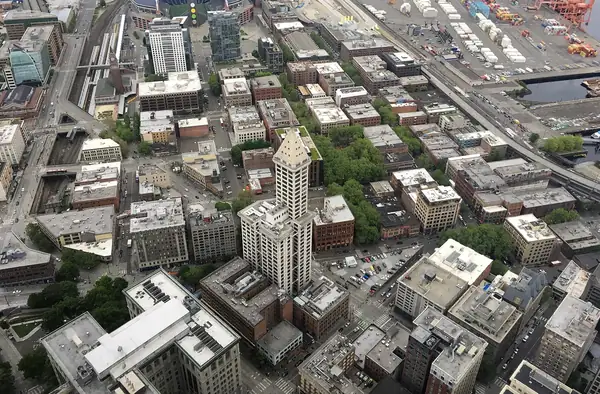 Seattle's Pioneer Squaredozens of stone buildings by end of 1890
- Great Vancouver Firewithin the year
- Ålesund fireArt Nouveau town 1904–07
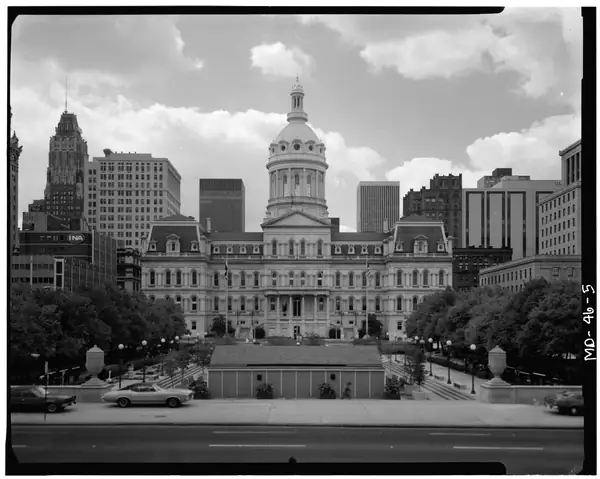
- Great Baltimore Fireabout 2 years
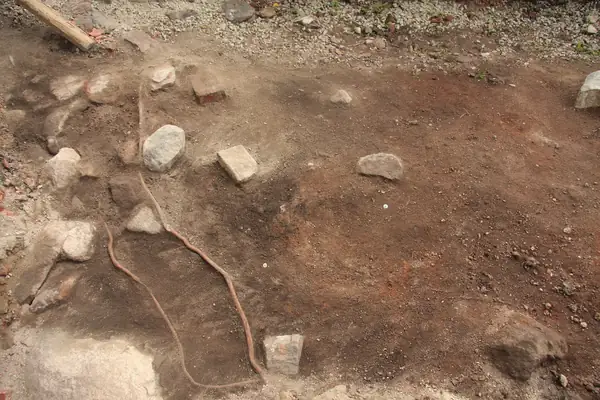 Great Fire of Turkunew grid approved 15 months later
- 1873 ParisPalais Garnier opened 14 months later
- 1913 Detroitnew station opened ahead of schedule
- Alexandra Palace firereopened 1875
Homely causes on record
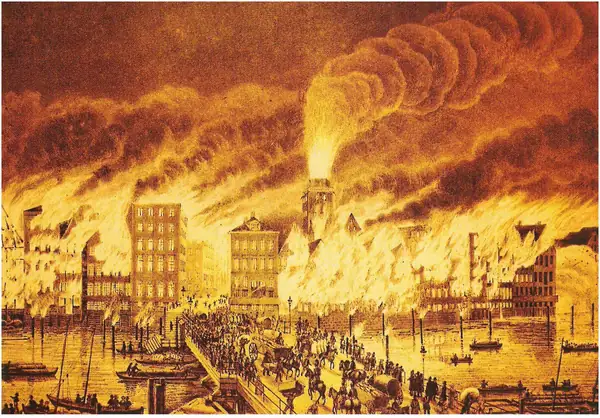
stable pipe (St. John's), glue pot (Seattle), cow and lantern (Chicago), cigar factory (Hamburg), mattress factory (Jacksonville), fireworks (Portland, Maine)
Fires followed by a world's fair in the same city
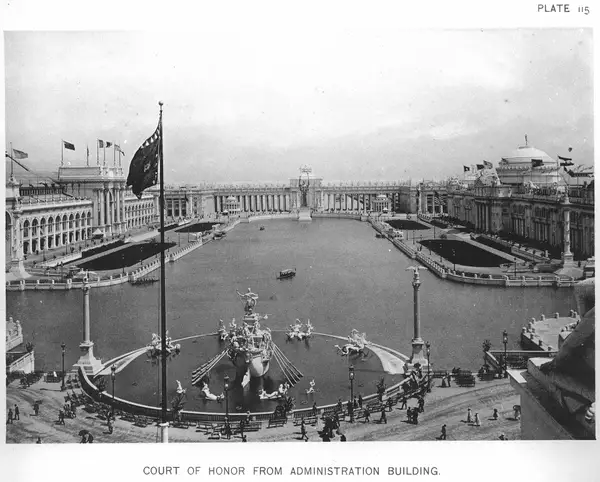
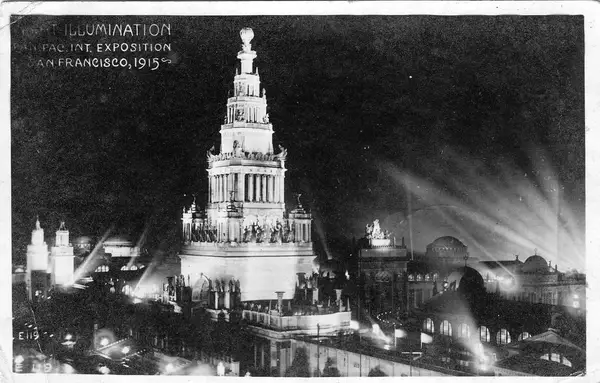
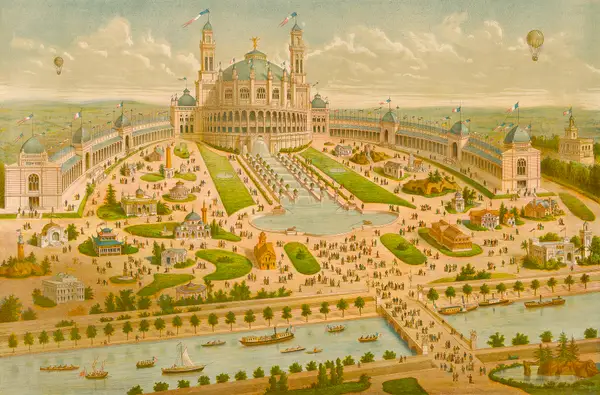
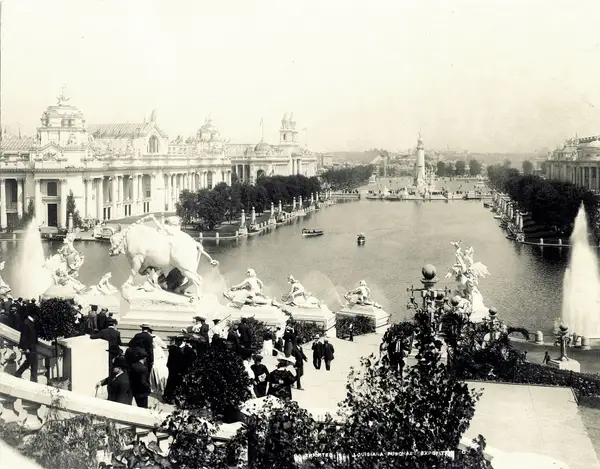
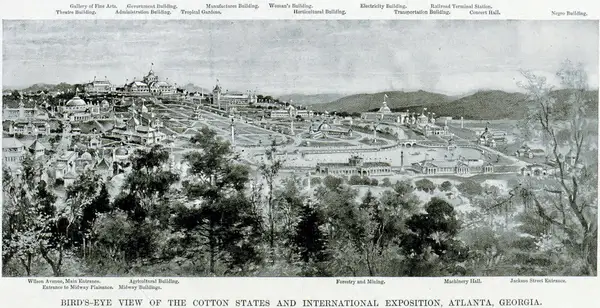
Chicago 1871→1893 (22 yrs), San Francisco 1906→1915 (9), Seattle 1889→1909 (20), Paris 1871→1878 (7), St. Louis 1849→1904 (55), Atlanta burned 1864→1895 (31)
New in the second batch: same-year clusters
1871: Chicago (8–10 Oct per its row), Peshtigo and the Great Michigan Fire (both dated 1871 in their rows), plus Paris in May. 1888: Sundsvall and Umeå (Sweden). 1889: Seattle, Spokane, Ellensburg, Bakersfield. 1906: San Francisco and Valparaíso.
Open questions
- Who owned the burned land before and after each fire?
- How were new grid plans (Turku, Lisbon, Thessaloniki) ready within months?
- Where did the brick, stone and masons for dozens of buildings in 18 months (Seattle) come from?
What would support it
- Land-title records showing large ownership changes right after the fires.
- Rebuild plans dated before the fire.
- Quarry and brickyard output that can't cover the rebuild.
What would rule it out
- Ordinary insurance payouts, bank loans and local brickyard records that fully cover each rebuild.
- Fire-science reconstructions matching each spread (dense timber, wind, broken mains).
- A full list of all city fires 1600–2000. Round 2 adds six fires dated 1600–1694 (Edo about 1600, Stockholm 1625, Meireki 1657, Northampton 1675, Trondheim 1681, Warwick 1694) and six from 1700–1834 (Tiverton 1731, Stockholm 1759, New Orleans 1788, 1805, Savannah 1820, Edinburgh 1824), so big city fires are not confined to 1835–1922; the cluster may simply be the era of dense wooden downtowns.
Selection bias
Medium: fires were gathered for the 'Burned and Rebuilt' and 'Same Story' sections, so 1835–1922 was searched hardest. Round 2 widened the search, and 22 of its 39 rows fall outside 1835–1922, have no year, or repeat events already counted.
The rating counts how much of our gathered material lines up with the pattern. It is not a probability that the hypothesis is true, and every count is limited by which buildings were picked for the app (see 'selectionBias' on each card).
Next hypothesis
 Strong36 entries#7The names on the plaqueThe credited architects include men in their early twenties handed city halls and parliaments, offices running several capitols at the same time, a Gothic genius who had to file his designs under other men's names, and competitions won by the fourth- or third-place entry. Common sense says the name on the plaque may not be the person who drew the building. One possibility is that some credited architects were administrators or certifiers of designs that came from somewhere else.