Hypothesis #2 of 20
The Great Completion Window, 1865–1915
Strength is how much of our gathered material lines up with the pattern. It is not the odds that the idea is true.
The working idea
Most of the grand stone buildings in our collection are put on the record as finished inside one 50-year window, on every continent at the same time. Common sense says a world that had never built like this before doesn't suddenly finish capitols, opera houses, stations and city halls from Texas to Kuala Lumpur in the same few decades. One possibility is that much of this was older building stock that got new paperwork, new names and new 'completion' dates in that window.
Strongest examples
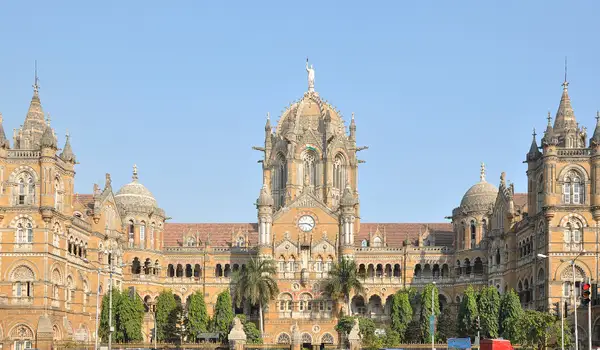 Chhatrapati Shivaji Maharaj TerminusA Gothic stone palace in Mumbai dated 1878–88, the same decade as Gothic courts in London and Brussels.
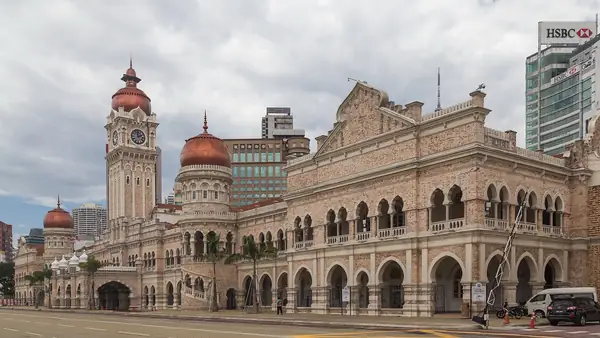 Sultan Abdul Samad BuildingDomed block in Kuala Lumpur dated 1894–97, about three years.
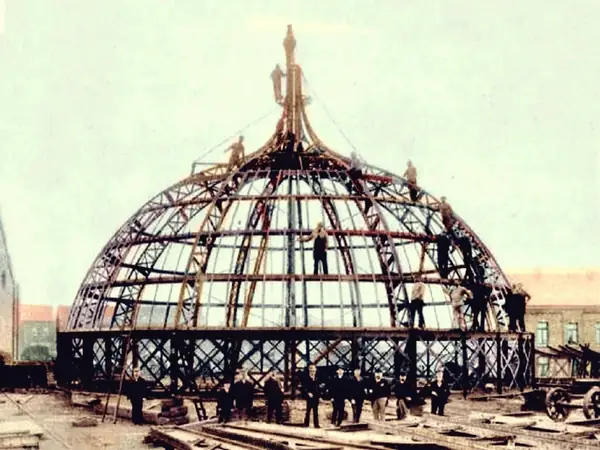 Teatro AmazonasOpera house deep in the Amazon dated 1884–96, of imported European materials.
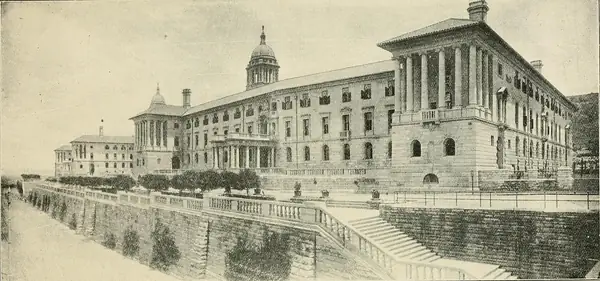 Union BuildingsLong sandstone wings in Pretoria dated 1910–13.
The evidence
Non-fort Old World buildings whose dated range ends 1865–1915
124 of 165 (75%)
124 entries
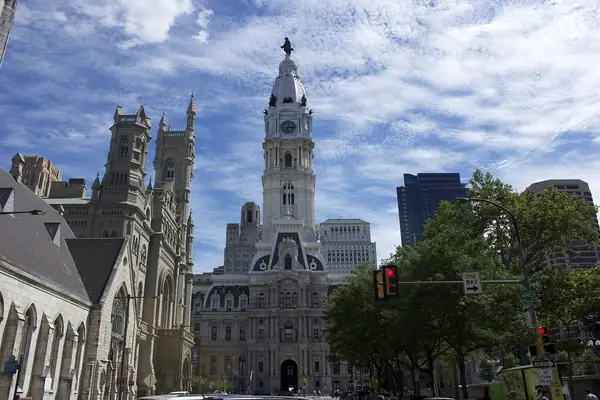
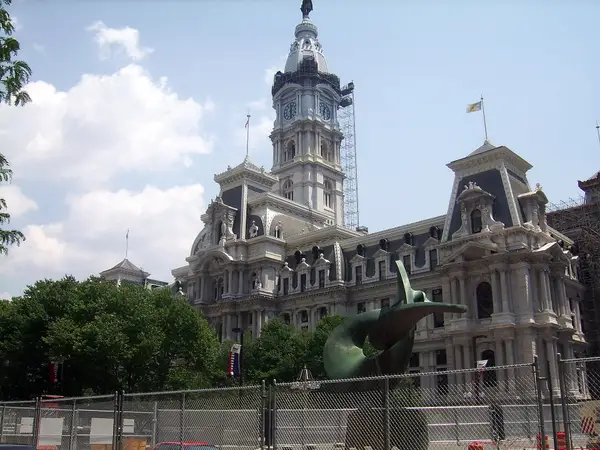 Philadelphia City HallPhiladelphia
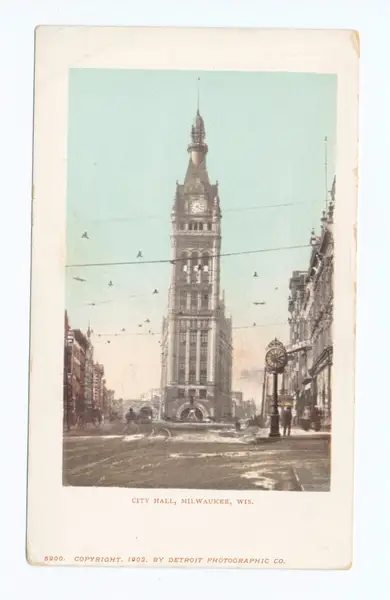 Milwaukee City HallMilwaukee
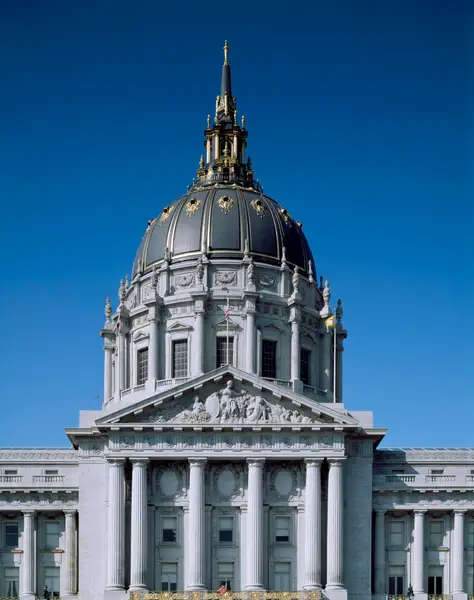 San Francisco City HallSan Francisco
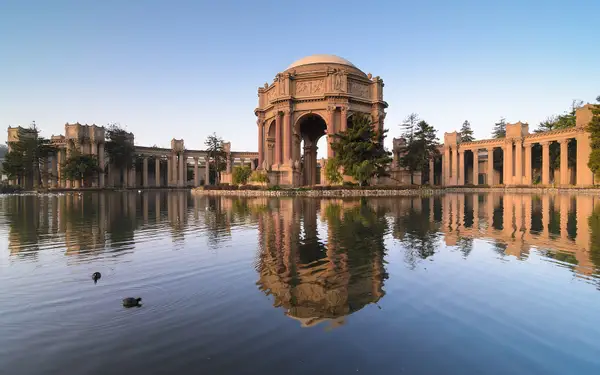 Palace of Fine ArtsSan Francisco
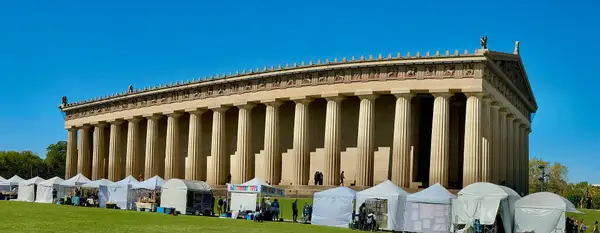 The ParthenonNashville
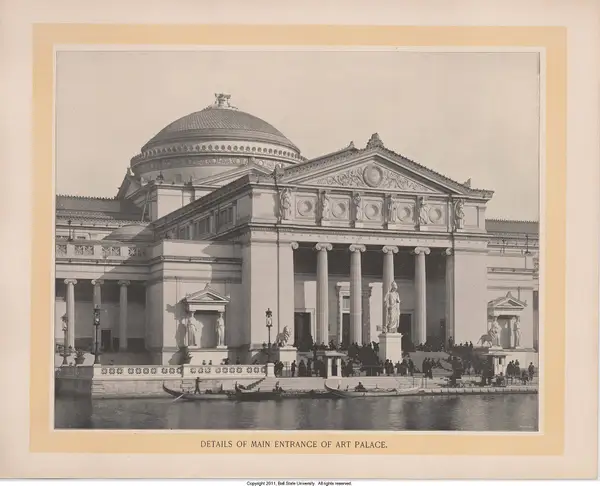 Museum of Science and IndustryChicago
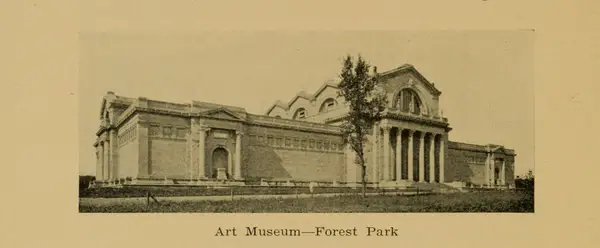 Saint Louis Art MuseumSt. Louis
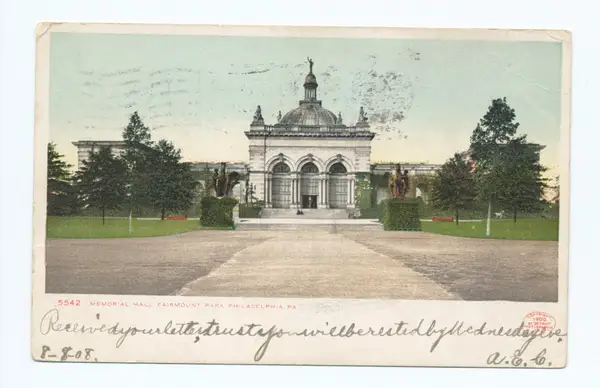 Memorial HallPhiladelphia
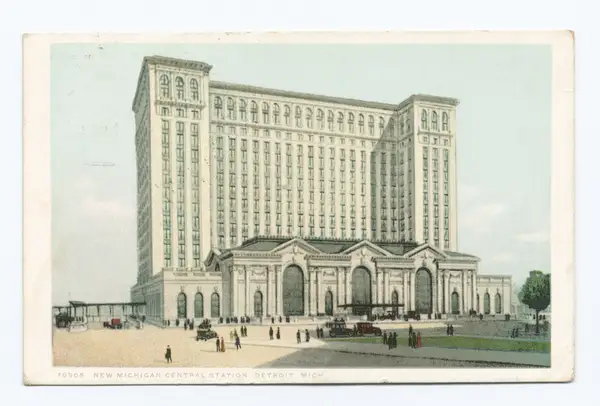 Michigan Central StationDetroit
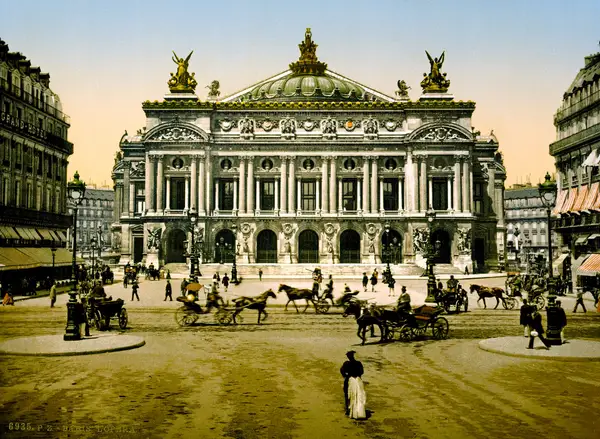 Palais GarnierParis
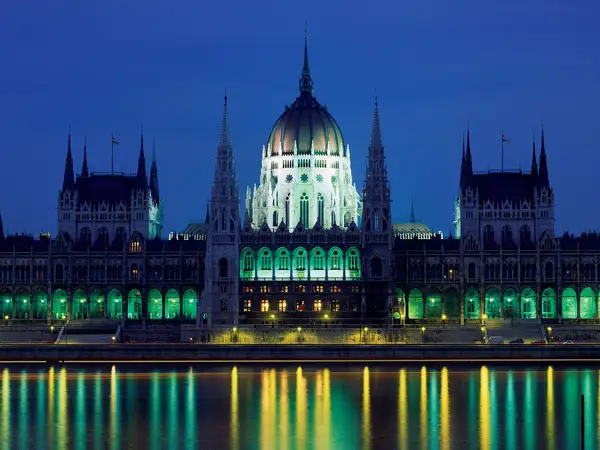 Hungarian Parliament BuildingBudapest
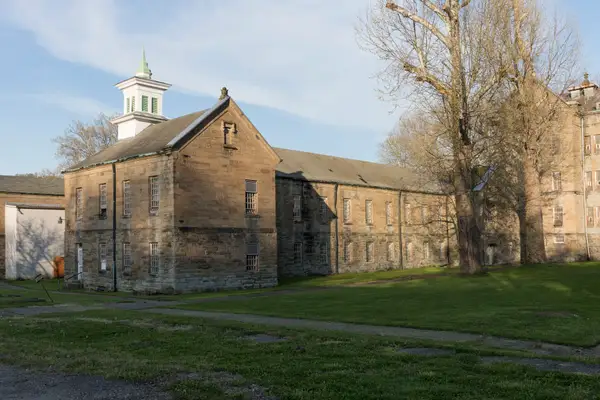 Trans-Allegheny Lunatic AsylumWeston, West Virginia
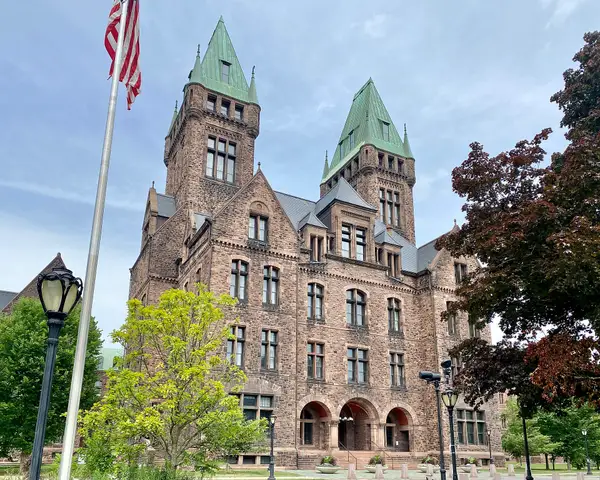 Buffalo State Asylum (Richardson Olmsted Campus)Buffalo
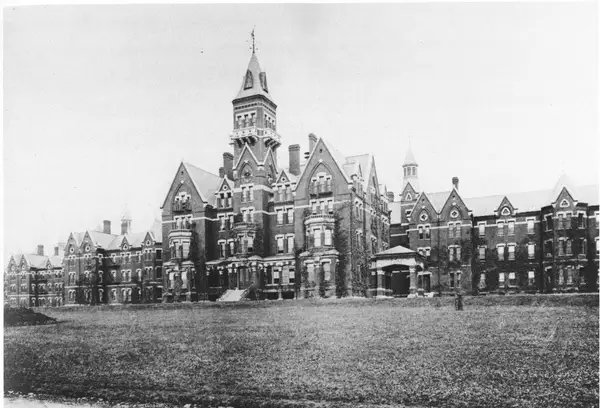 Danvers State HospitalDanvers, Massachusetts
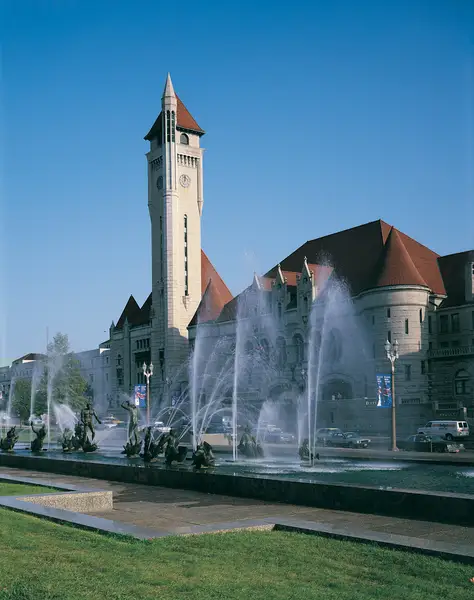 St. Louis Union StationSt. Louis
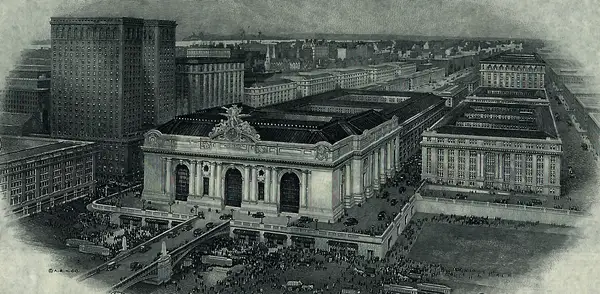 Grand Central TerminalNew York
- Chhatrapati Shivaji Maharaj TerminusMumbai
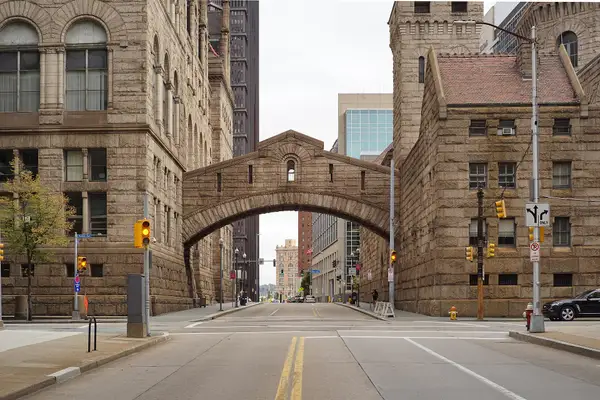 Allegheny County CourthousePittsburgh
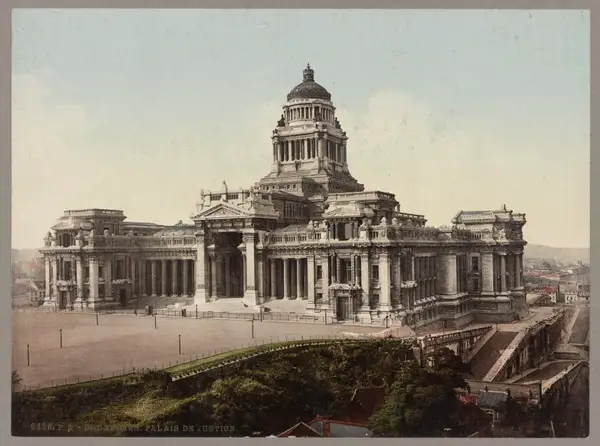 Palais de JusticeBrussels
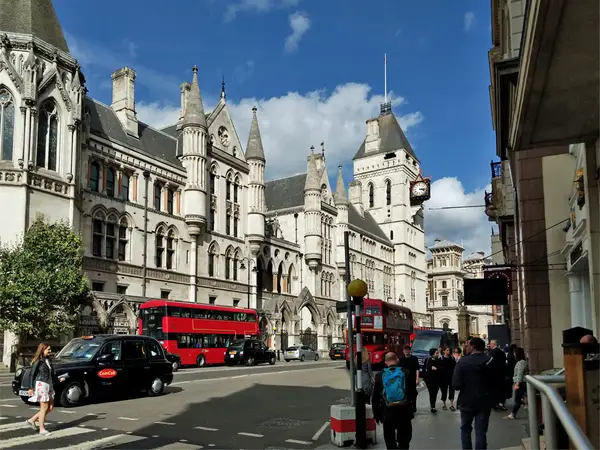 Royal Courts of JusticeLondon
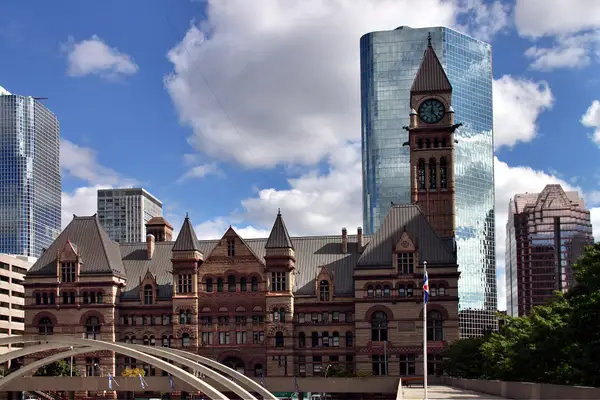 Old City HallToronto
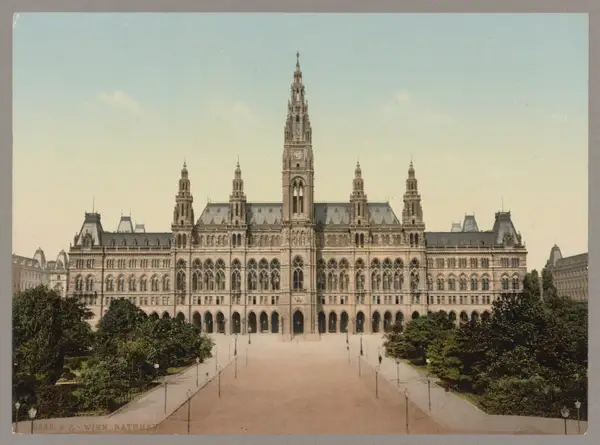 Vienna City Hall (Rathaus)Vienna
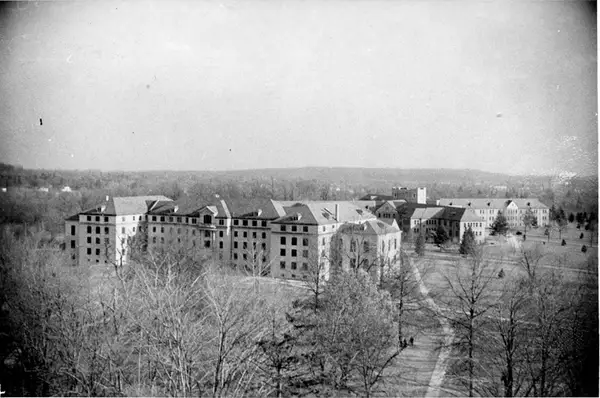 Greystone Park Psychiatric HospitalMorris Plains, New Jersey
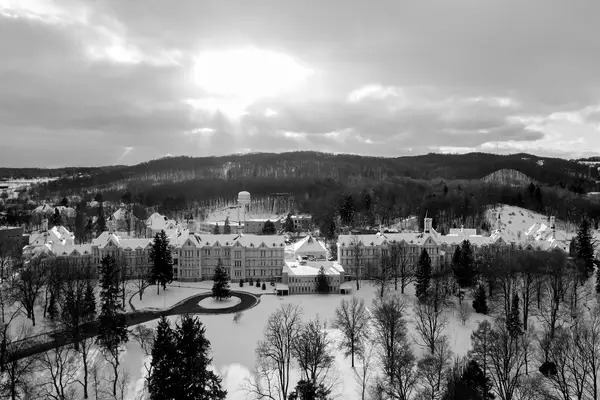 Northern Michigan AsylumTraverse City
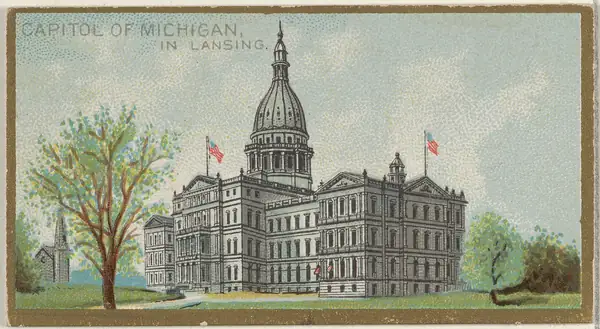 Michigan State CapitolLansing
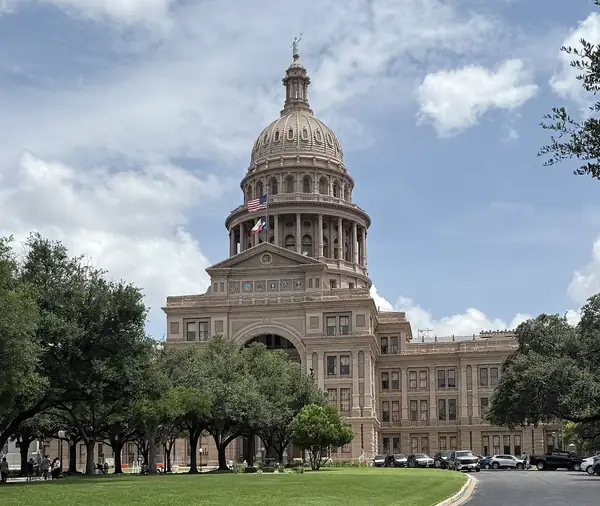 Texas State CapitolAustin
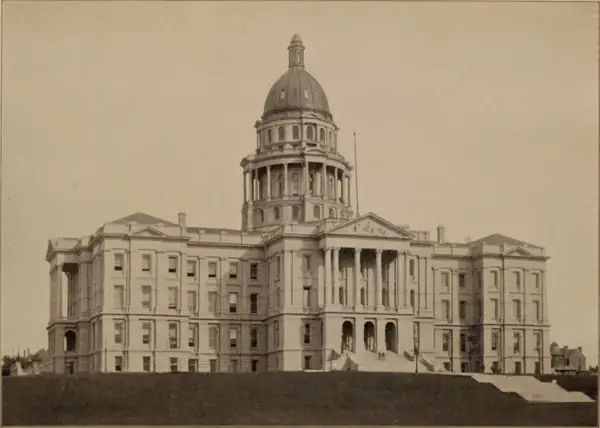 Colorado State CapitolDenver
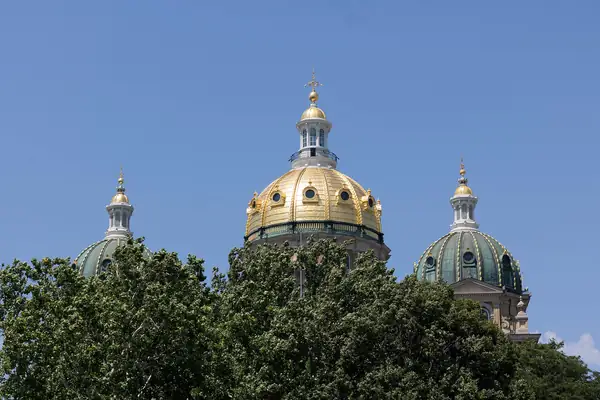 Iowa State CapitolDes Moines
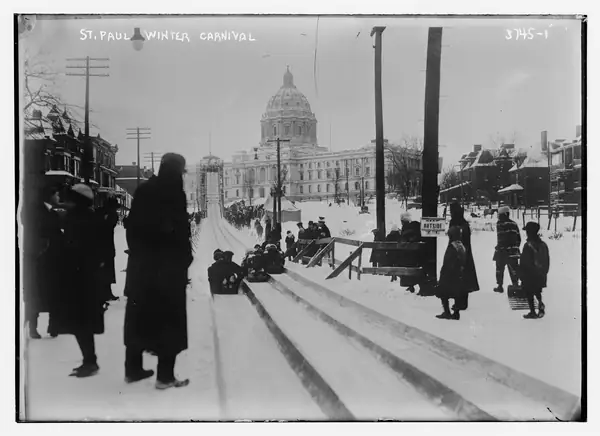 Minnesota State CapitolSaint Paul
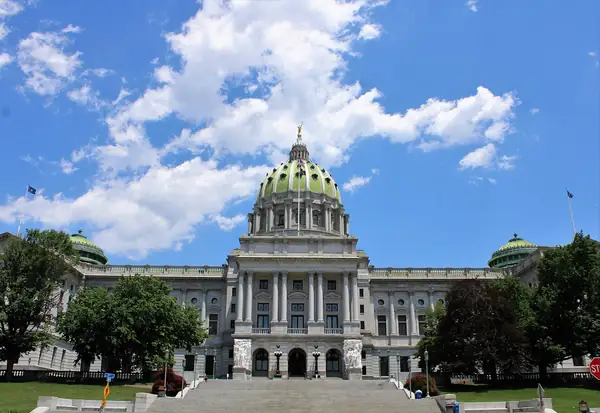 Pennsylvania State CapitolHarrisburg
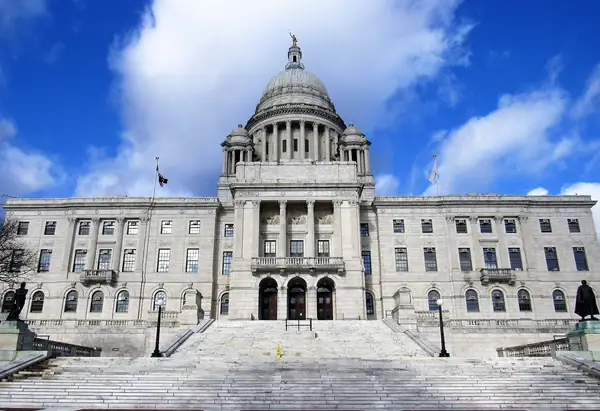 Rhode Island State HouseProvidence
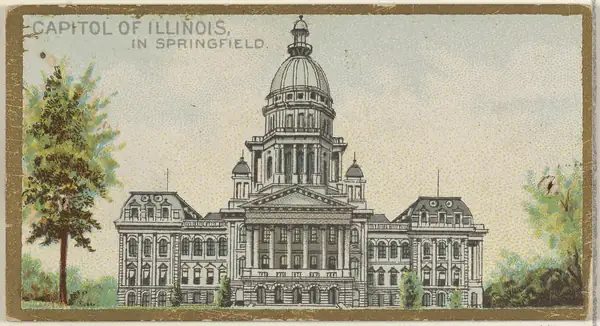 Illinois State CapitolSpringfield
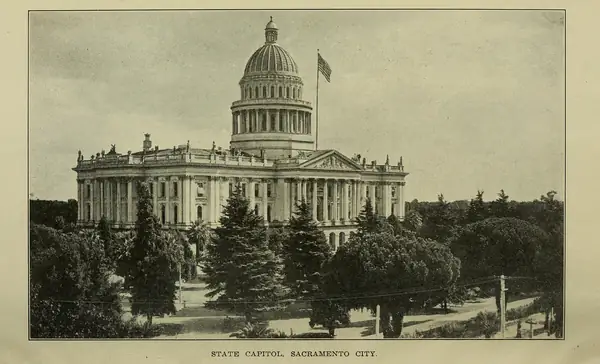 California State CapitolSacramento
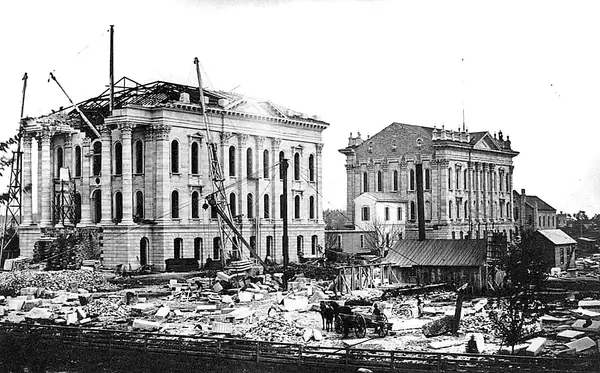 Kansas State CapitolTopeka
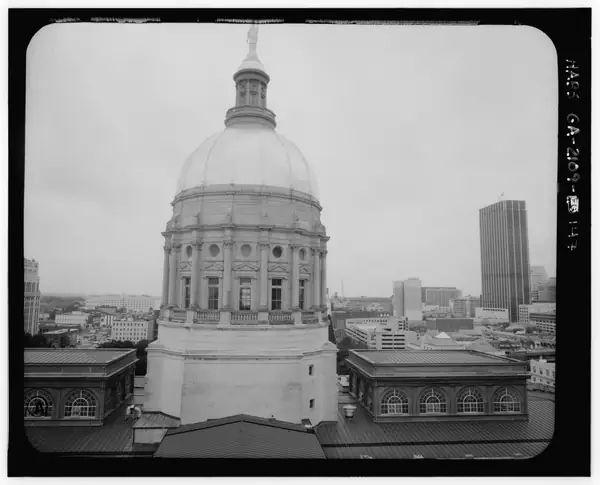 Georgia State CapitolAtlanta
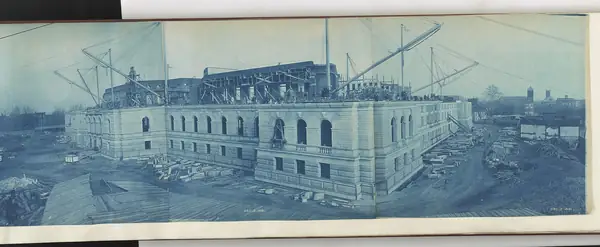 Library of Congress (Thomas Jefferson Building)Washington, D.C.
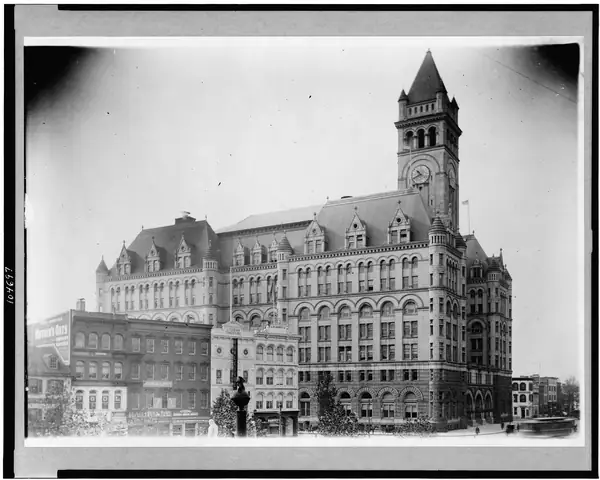 Old Post OfficeWashington, D.C.
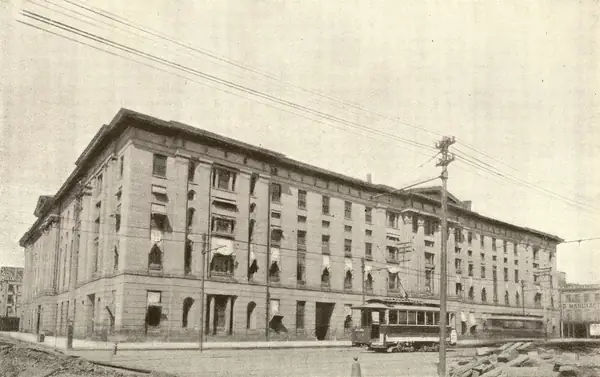 U.S. Custom HouseNew Orleans
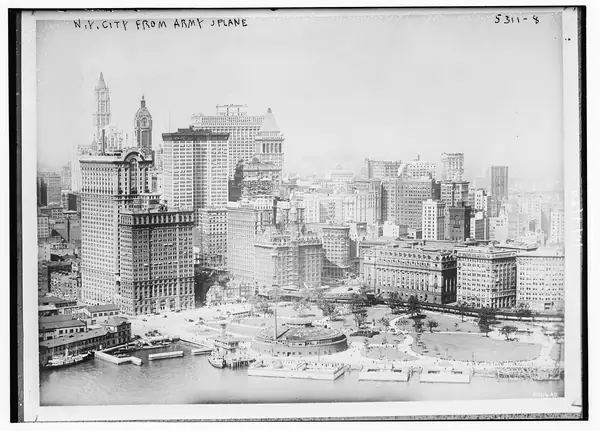 Alexander Hamilton U.S. Custom HouseNew York City
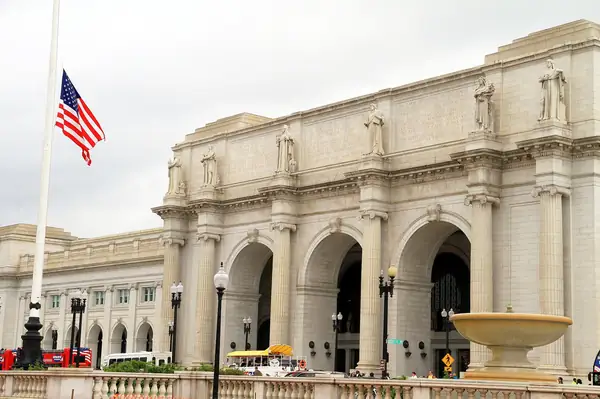 Union StationWashington, D.C.
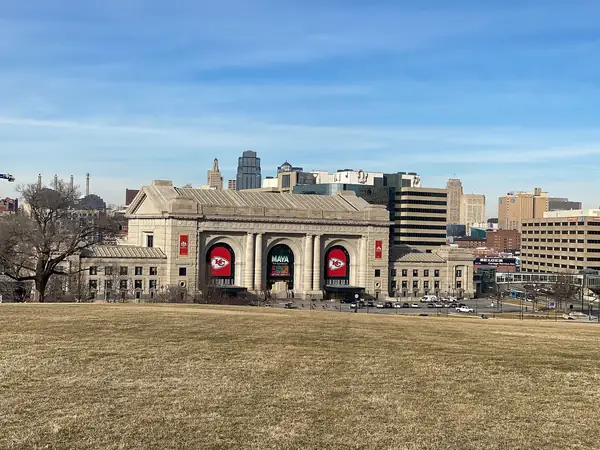 Union StationKansas City, Missouri
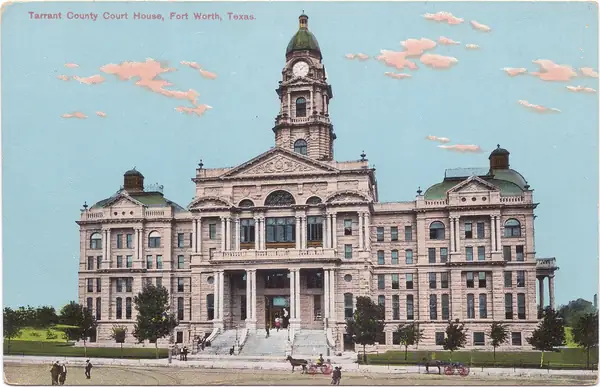 Tarrant County CourthouseFort Worth
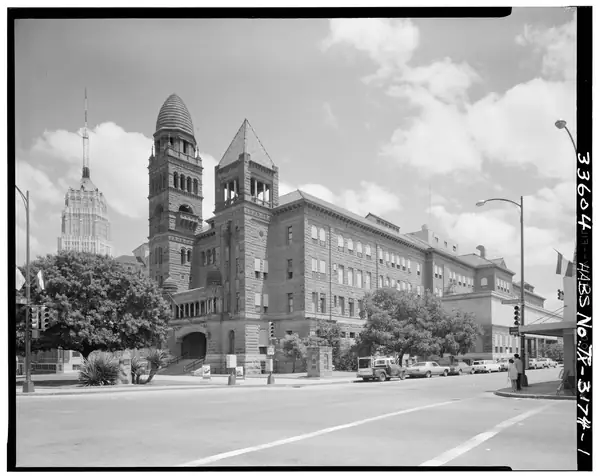 Bexar County CourthouseSan Antonio
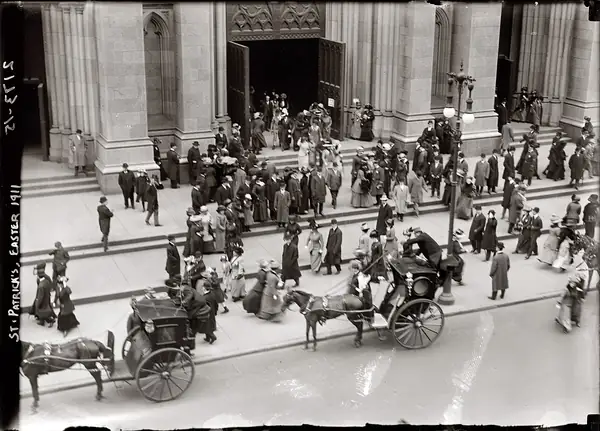 St. Patrick's CathedralNew York City
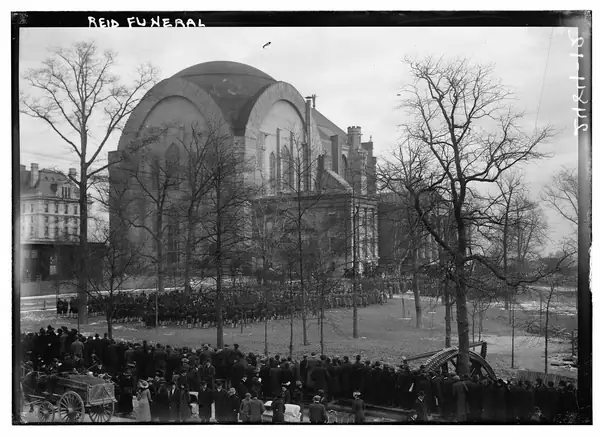 Cathedral of St. John the DivineNew York City
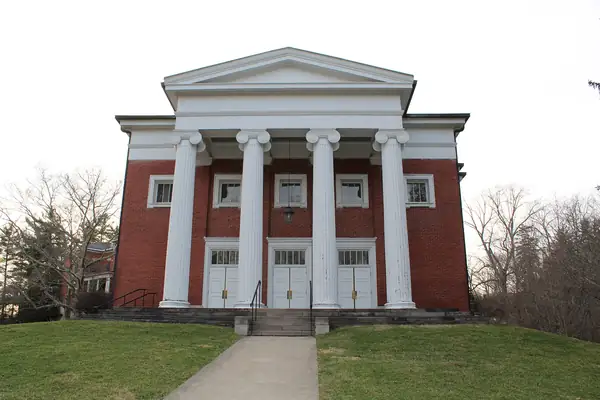 Athens Lunatic Asylum (The Ridges)Athens, Ohio
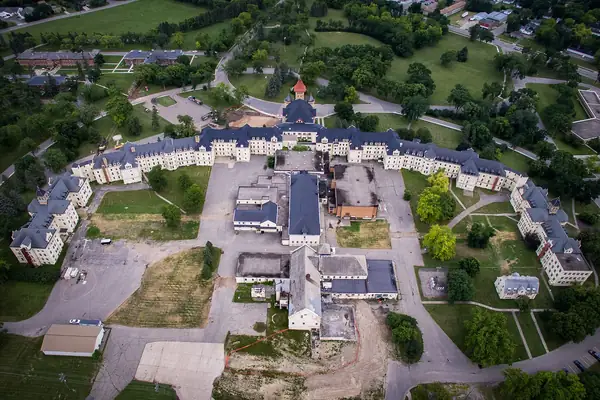 Fergus Falls State HospitalFergus Falls, Minnesota
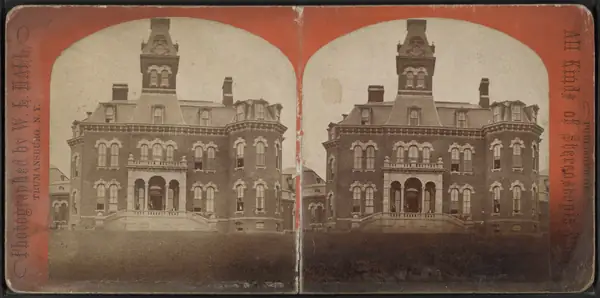 Willard Asylum for the Chronically InsaneOvid, New York
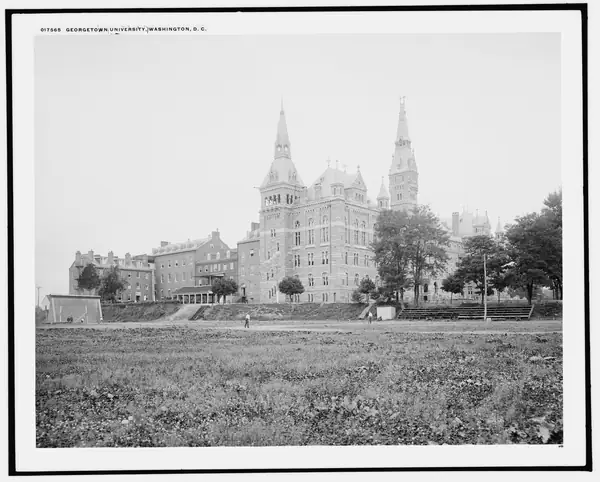 Healy HallWashington, D.C.
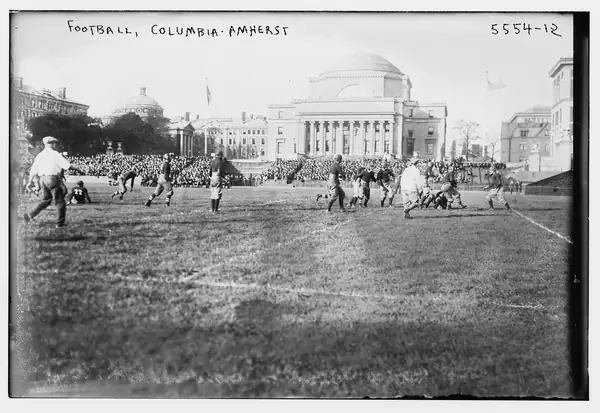 Low Memorial LibraryNew York City
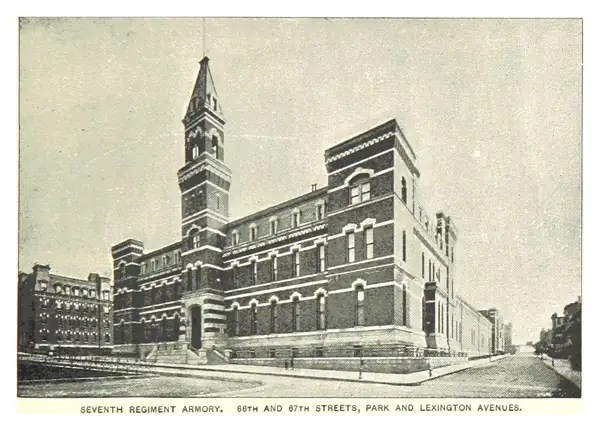 Park Avenue ArmoryNew York City
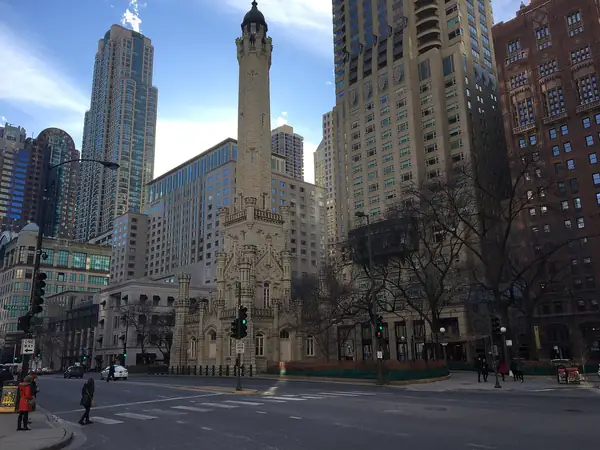 Chicago Water TowerChicago
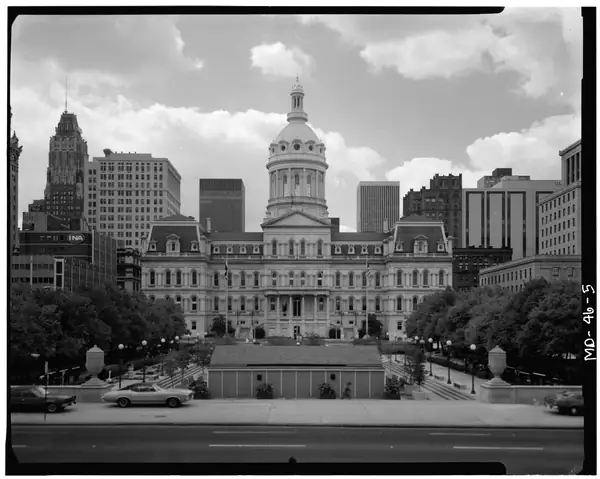 Baltimore City HallBaltimore
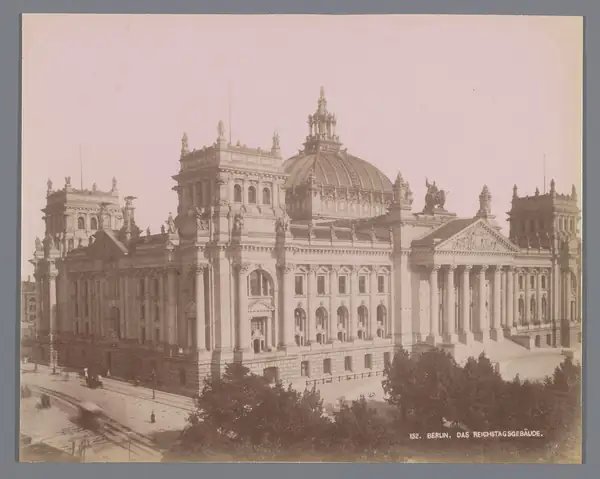 Reichstag BuildingBerlin
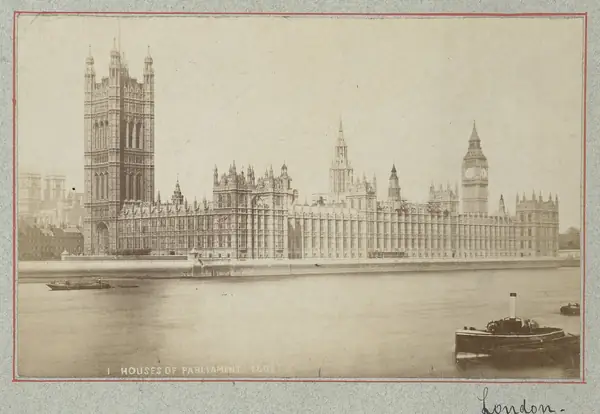 Palace of WestminsterLondon
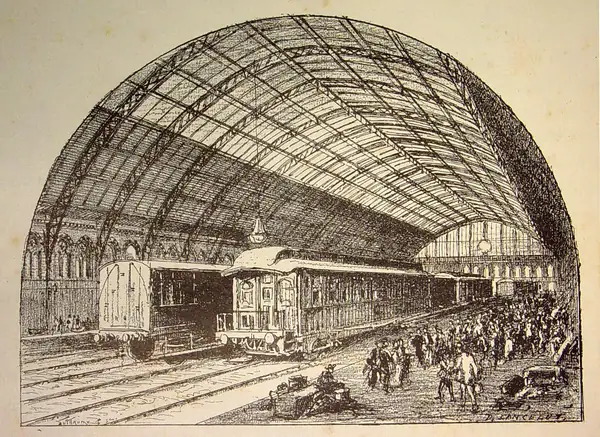 St Pancras StationLondon
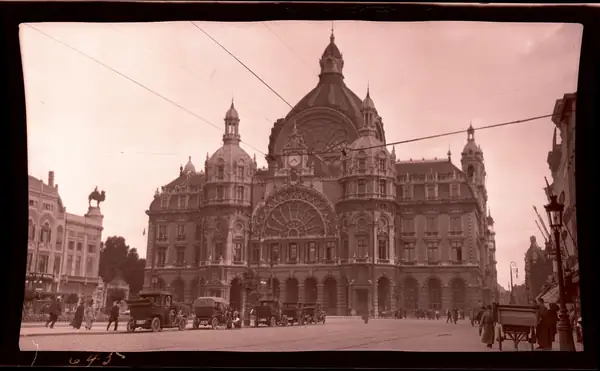 Antwerp Central StationAntwerp
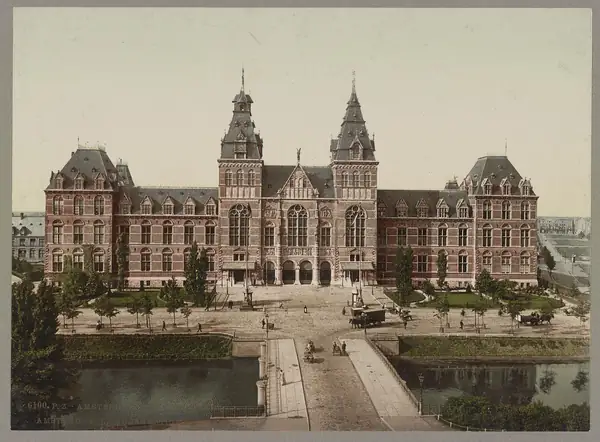 RijksmuseumAmsterdam
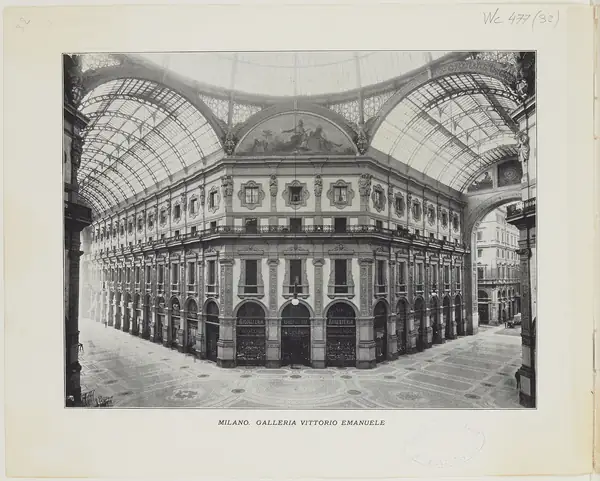 Galleria Vittorio Emanuele IIMilan
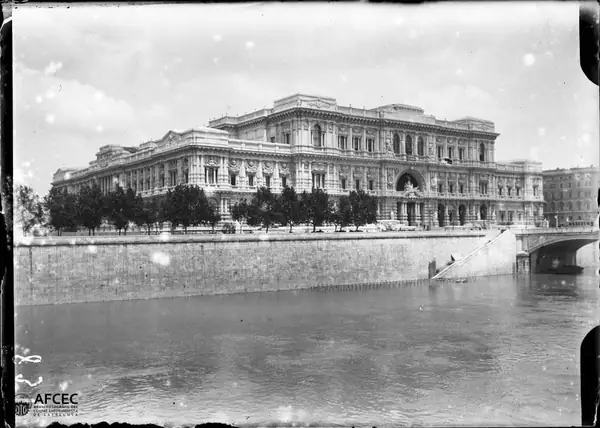 Palace of JusticeRome
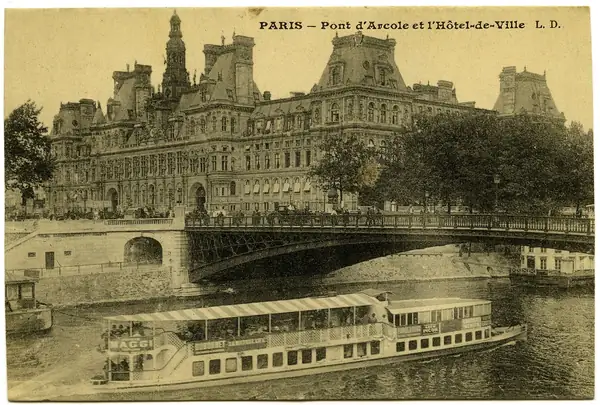 Hôtel de VilleParis
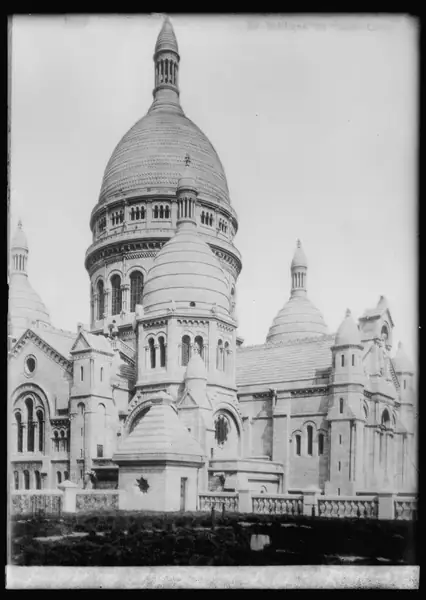 Sacré-CœurParis
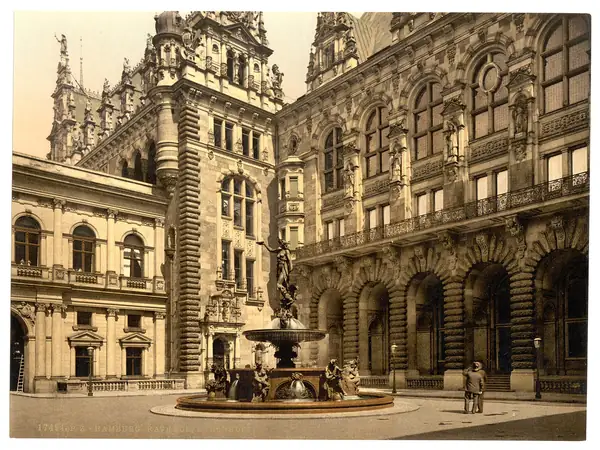 Hamburg City HallHamburg
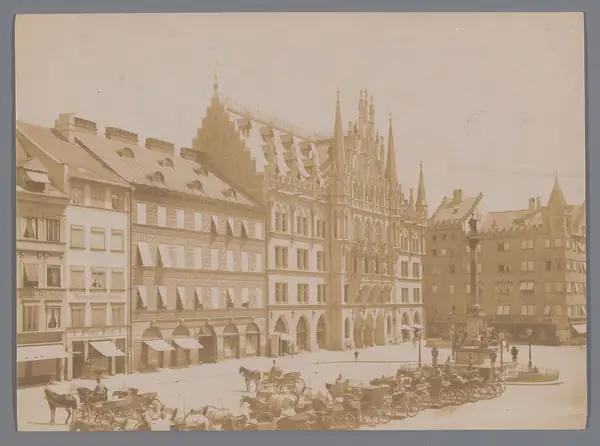 New Town HallMunich
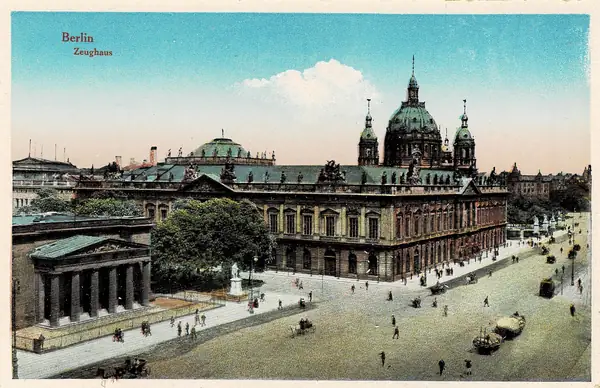 Berlin CathedralBerlin
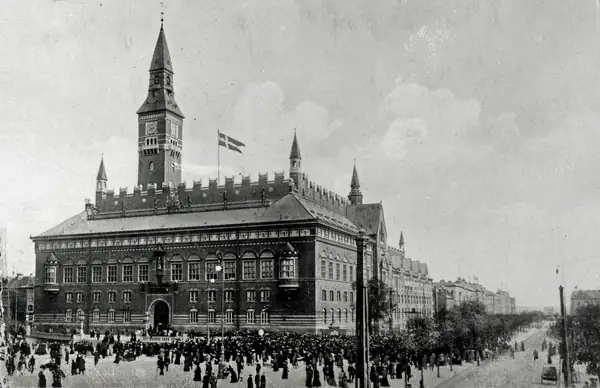 Copenhagen City HallCopenhagen
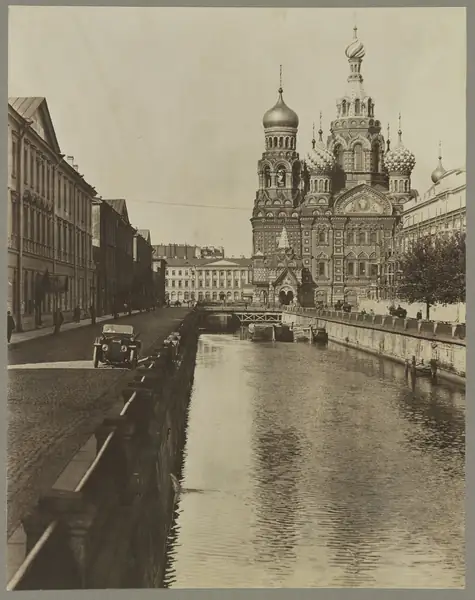 Church of the Savior on Spilled BloodSaint Petersburg
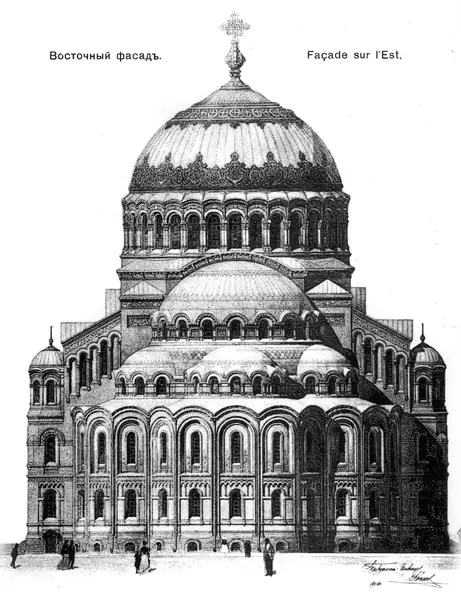 Kronstadt Naval CathedralKronstadt
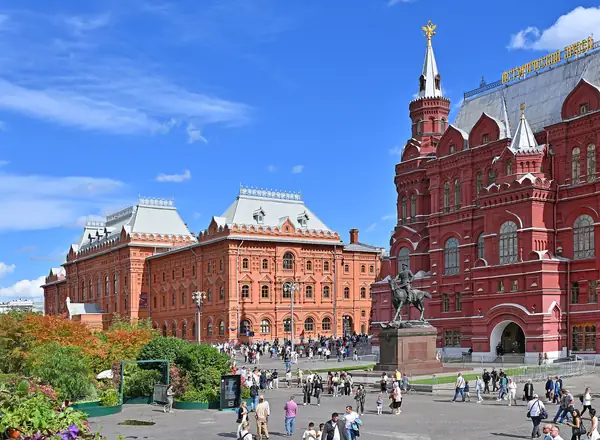 State Historical MuseumMoscow
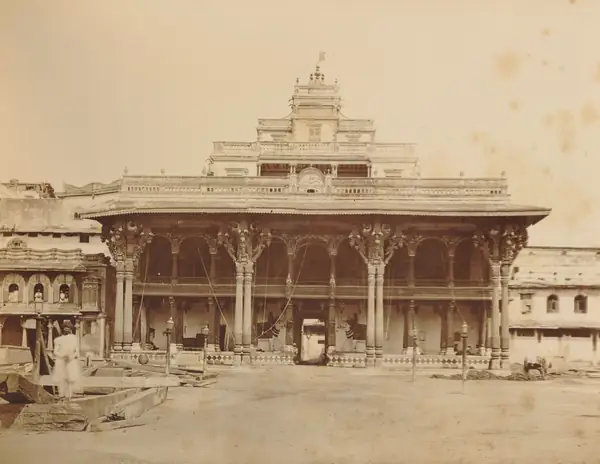 Mysore PalaceMysore
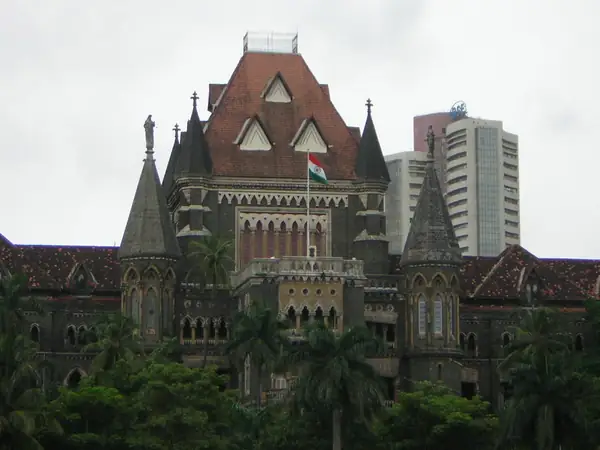 Bombay High CourtMumbai
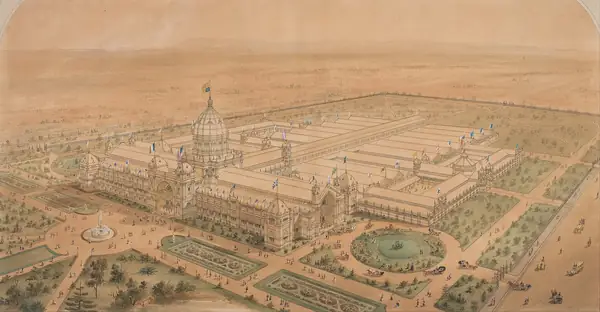 Royal Exhibition BuildingMelbourne
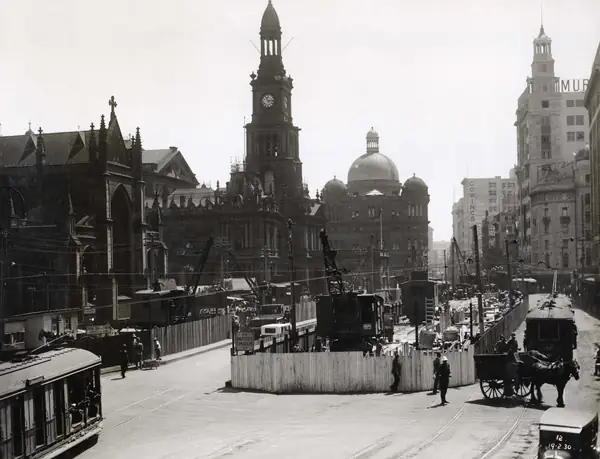 Queen Victoria BuildingSydney
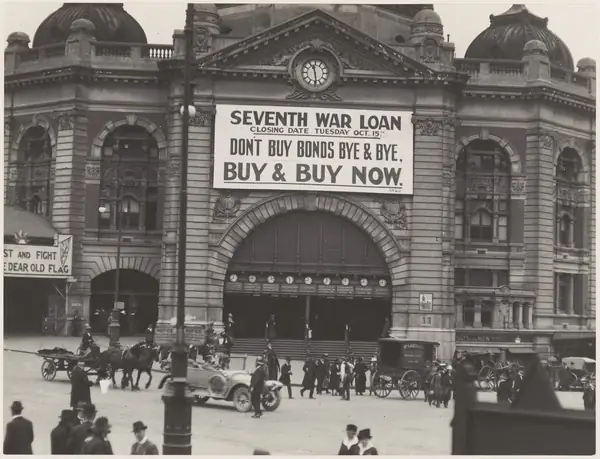 Flinders Street StationMelbourne
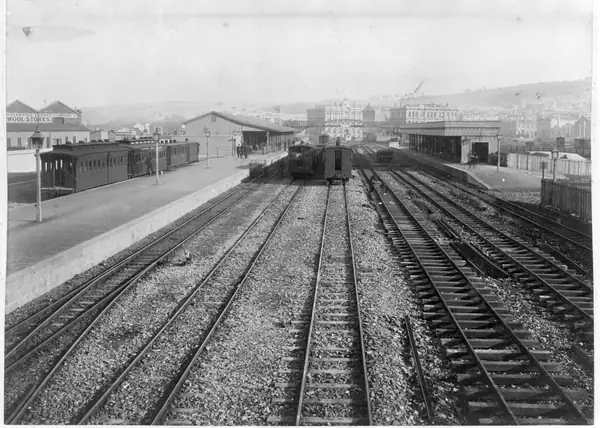 Dunedin Railway StationDunedin
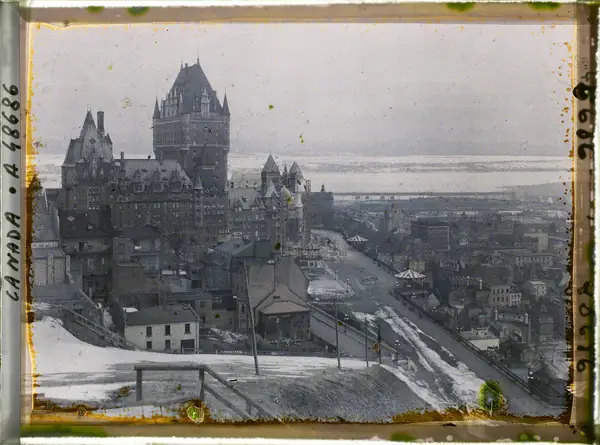 Château FrontenacQuebec City
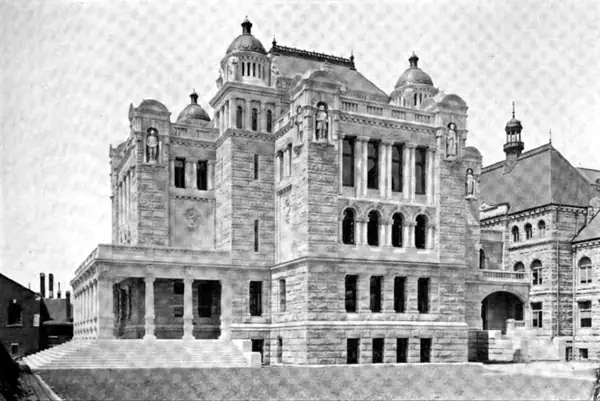 British Columbia Parliament BuildingsVictoria
- Teatro AmazonasManaus
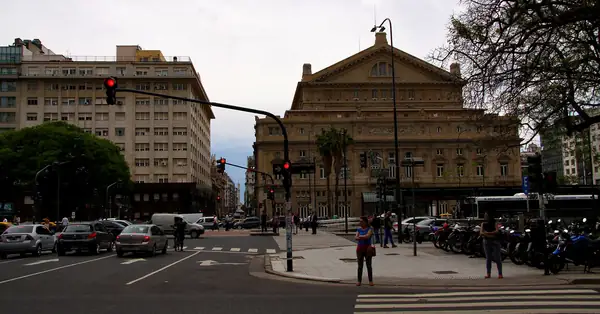 Teatro ColónBuenos Aires
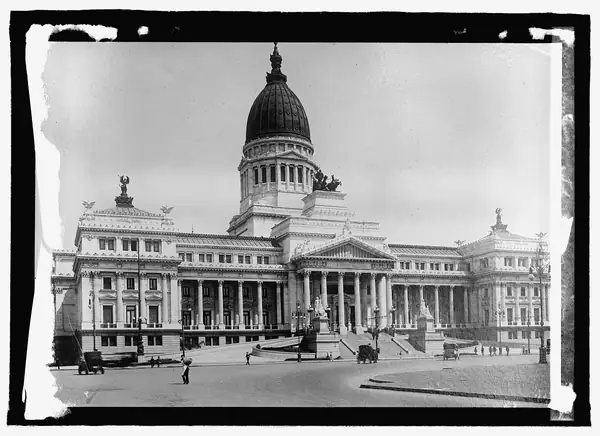 Palace of the Argentine National CongressBuenos Aires
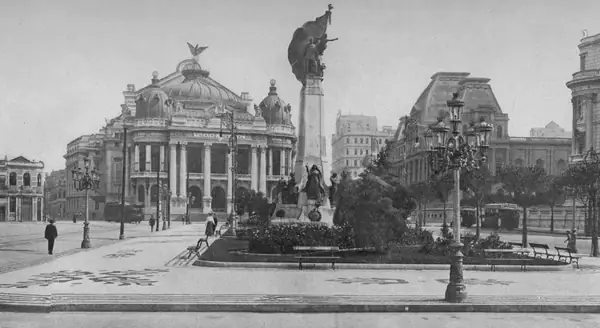 Theatro MunicipalRio de Janeiro
- Union BuildingsPretoria
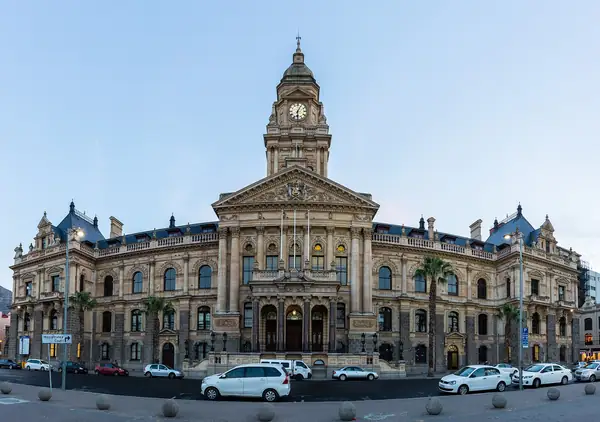 Cape Town City HallCape Town
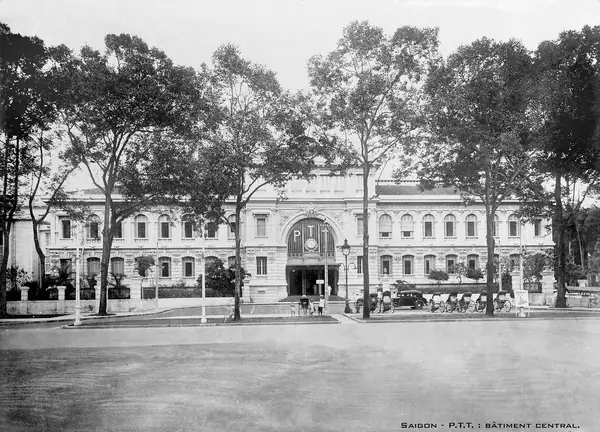 Saigon Central Post OfficeHo Chi Minh City
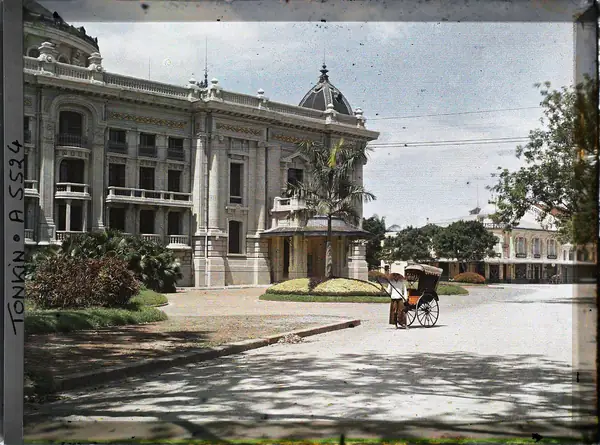 Hanoi Opera HouseHanoi
- Sultan Abdul Samad BuildingKuala Lumpur
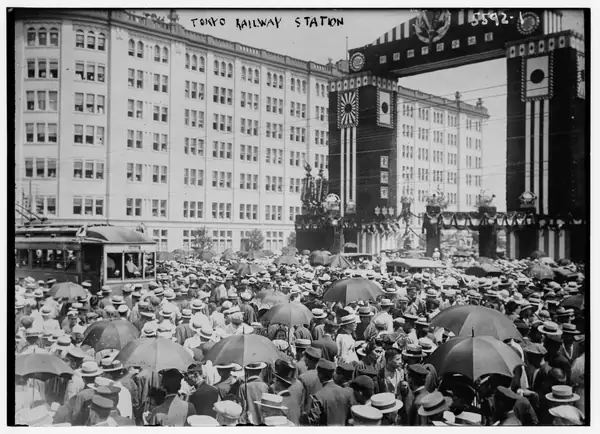 Tokyo StationTokyo
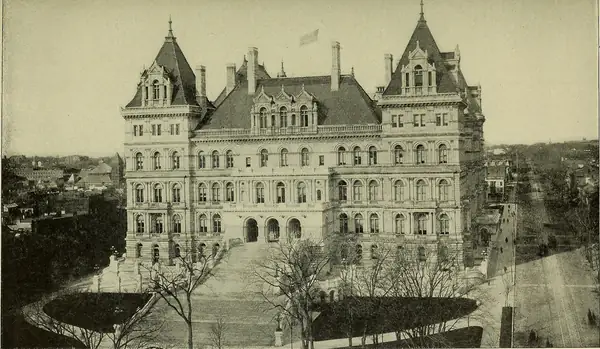 New York State CapitolAlbany
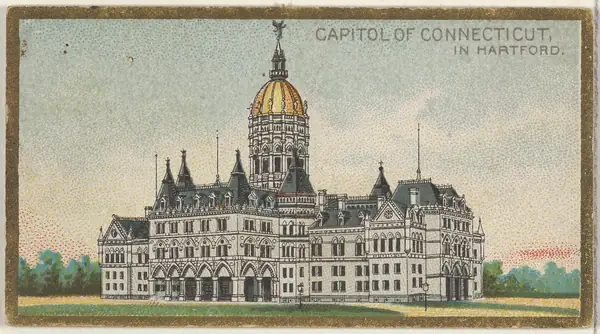 Connecticut State CapitolHartford
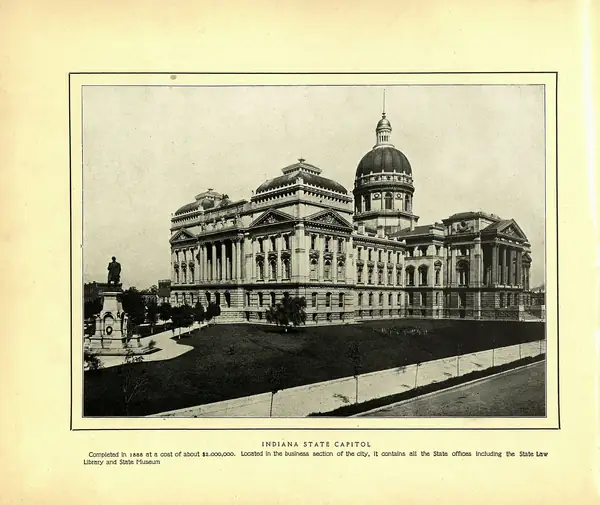 Indiana StatehouseIndianapolis
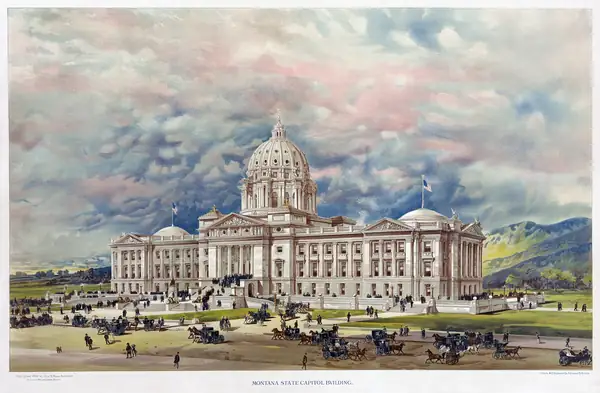 Montana State CapitolHelena
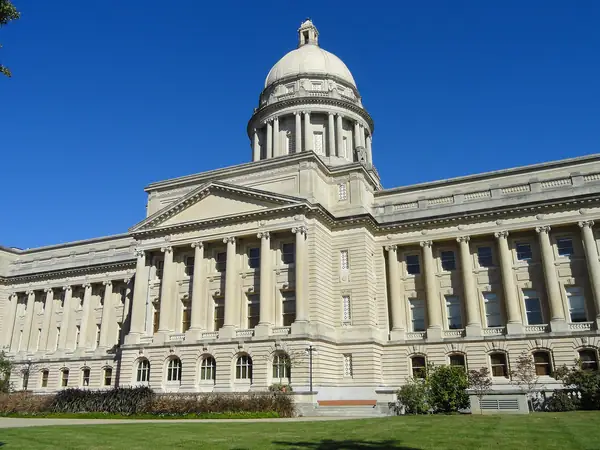 Kentucky State CapitolFrankfort
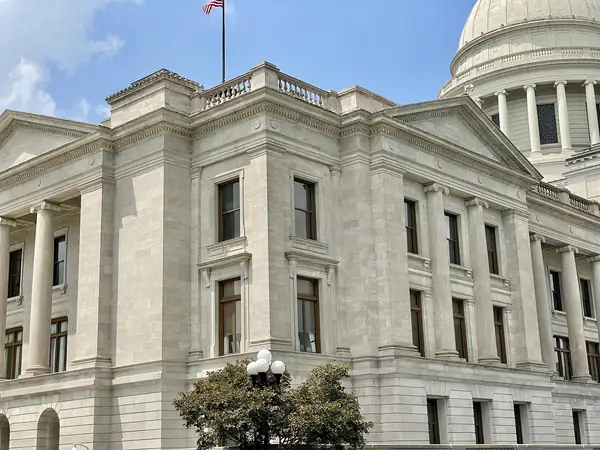 Arkansas State CapitolLittle Rock
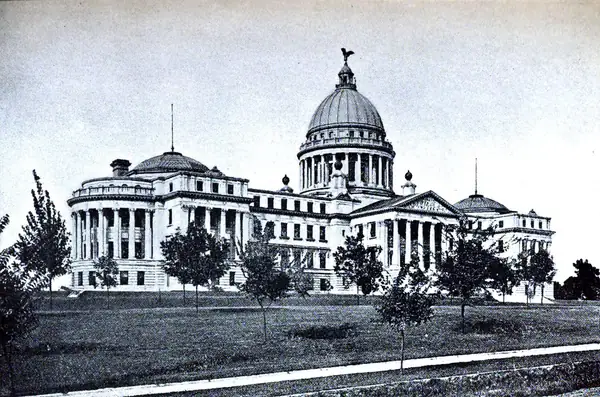 Mississippi State CapitolJackson
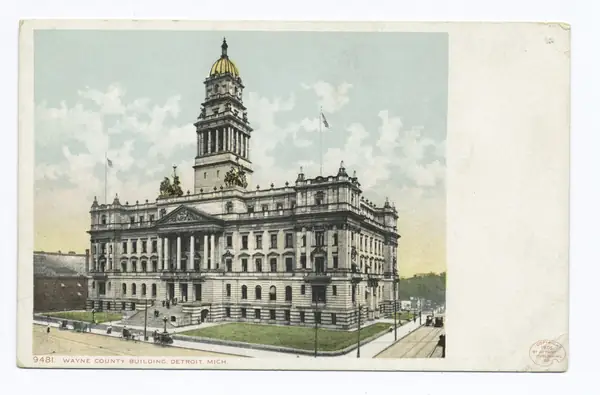 Wayne County BuildingDetroit
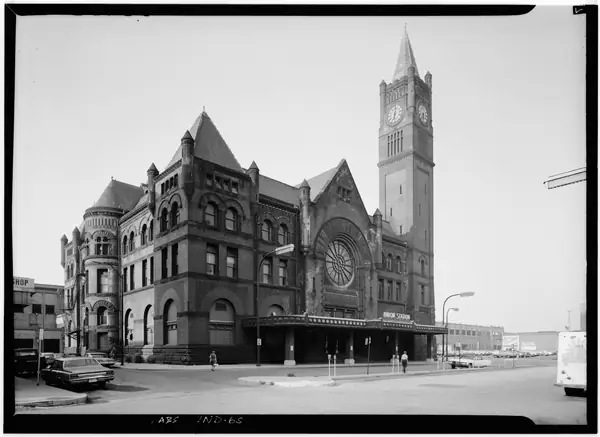 Union StationIndianapolis
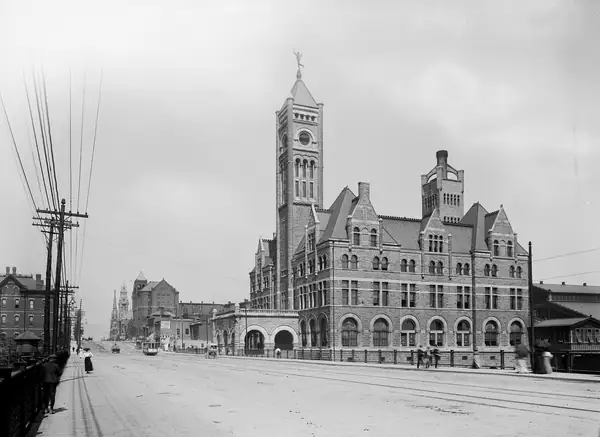 Union StationNashville
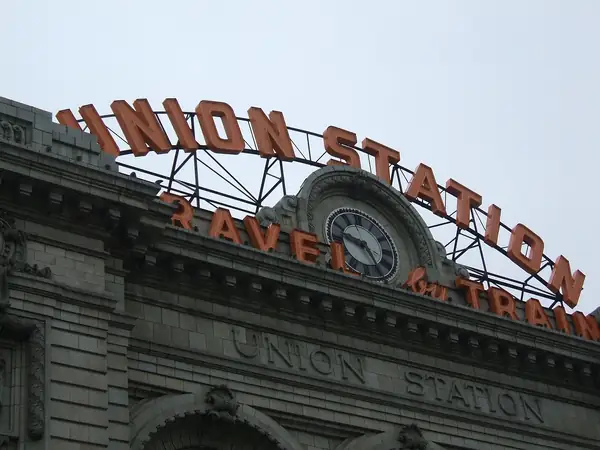 Union StationDenver
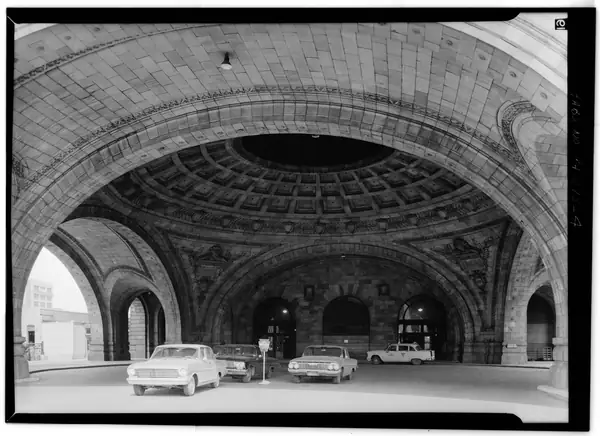 Pennsylvania StationPittsburgh
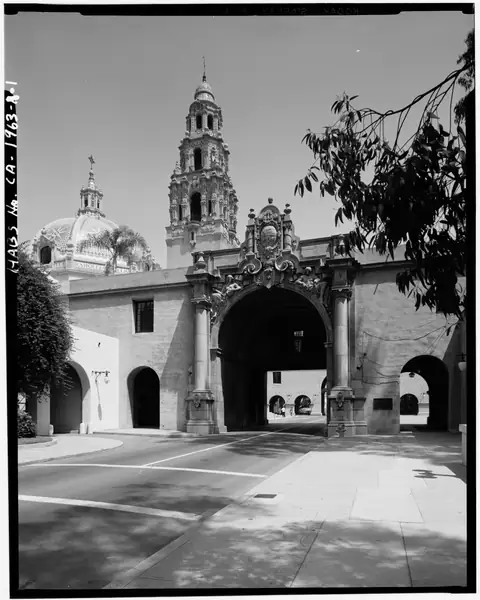 California BuildingSan Diego
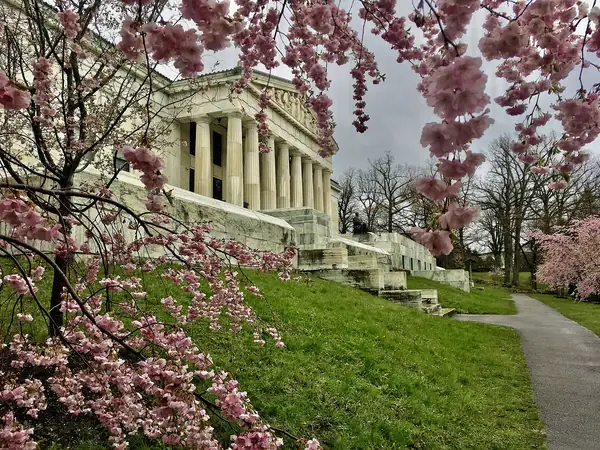 Buffalo History Museum (New York State Building)Buffalo
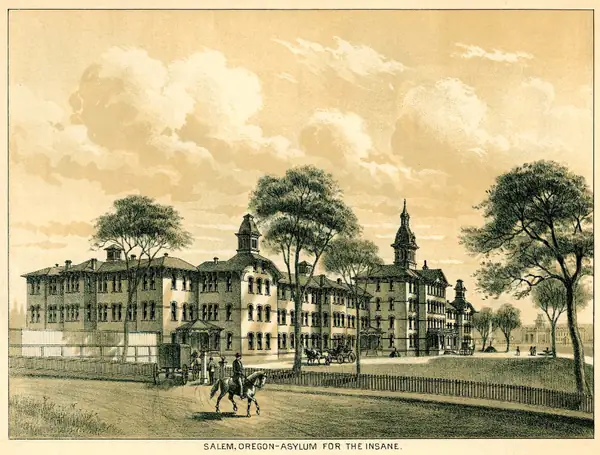 Oregon State HospitalSalem
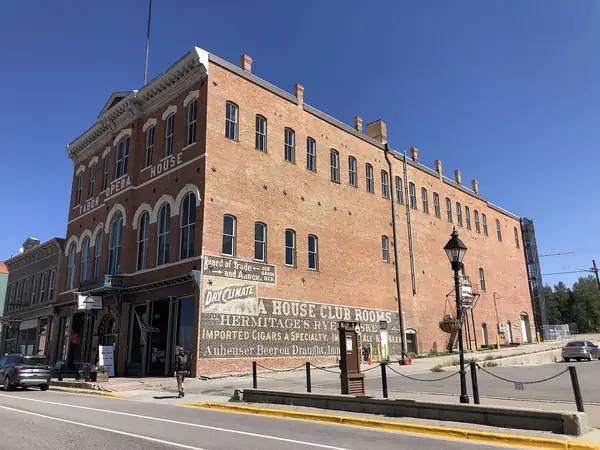 Tabor Opera HouseLeadville, Colorado
 Masonic TemplePhiladelphia
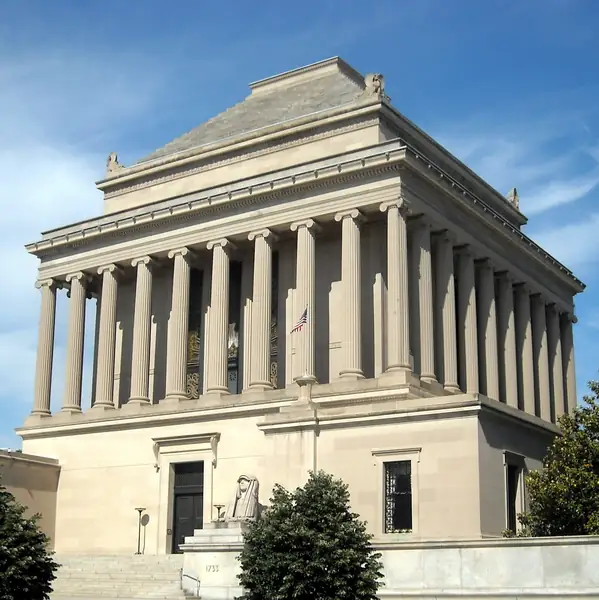 House of the TempleWashington, D.C.
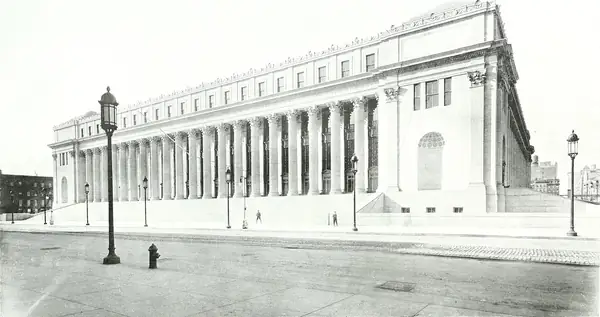 James A. Farley BuildingNew York City
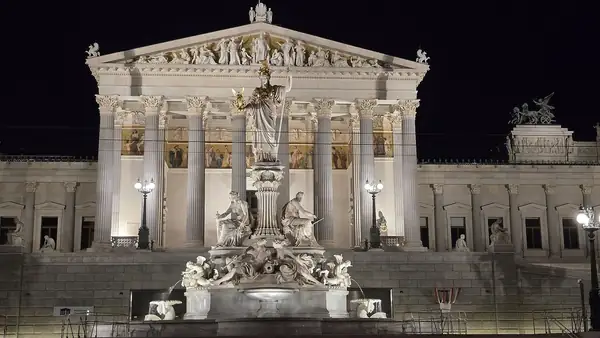 Austrian Parliament BuildingVienna
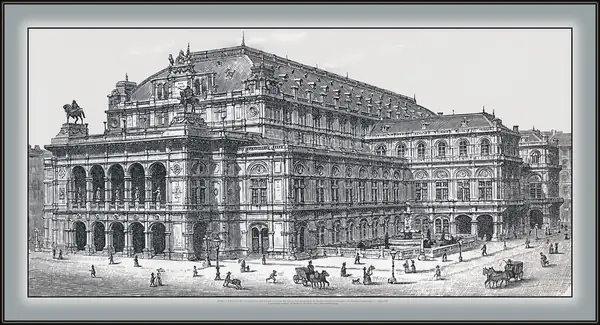 Vienna State OperaVienna
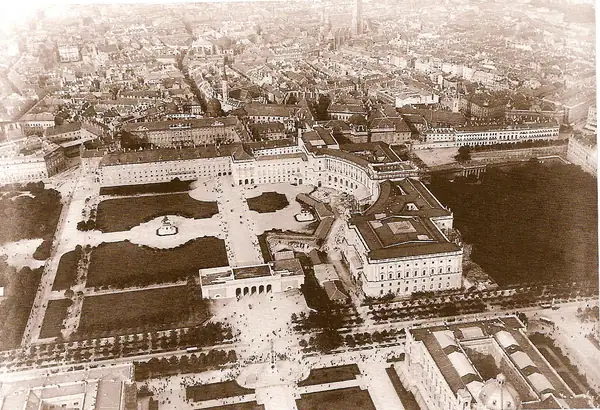 Kunsthistorisches MuseumVienna
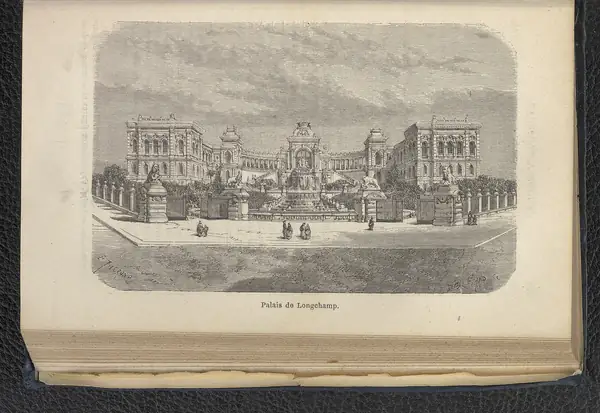 Palais LongchampMarseille
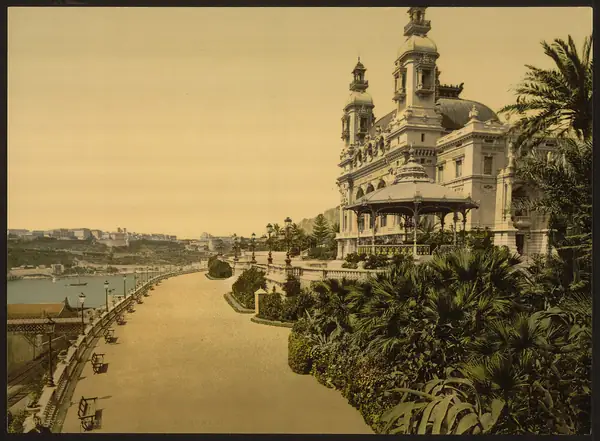 Opéra de Monte-CarloMonaco
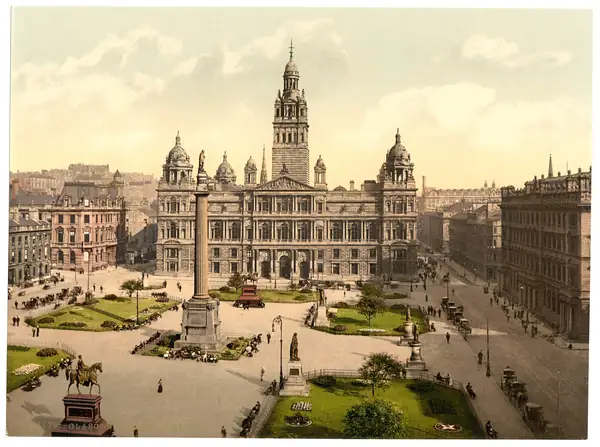 Glasgow City ChambersGlasgow
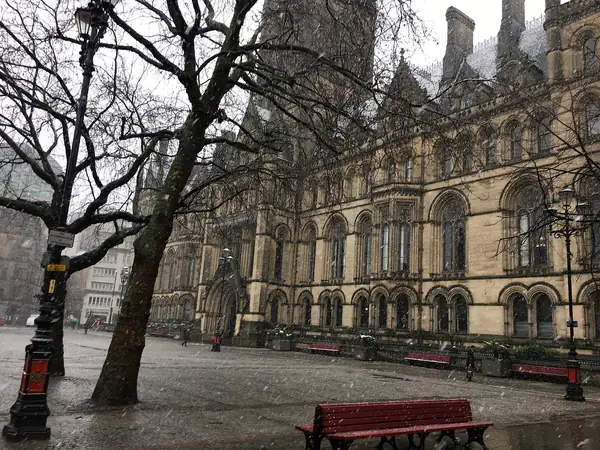 Manchester Town HallManchester
 Neuschwanstein CastleSchwangau
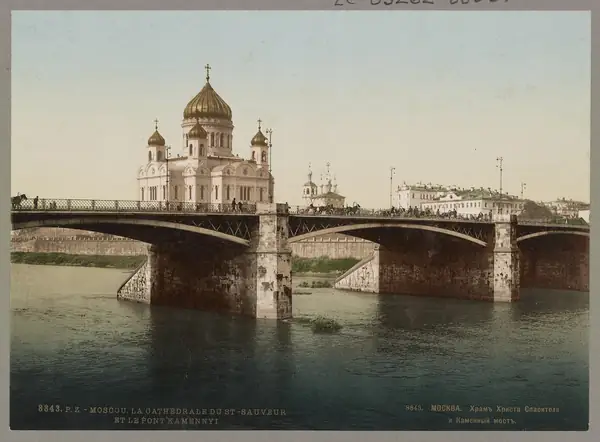 Cathedral of Christ the SaviourMoscow
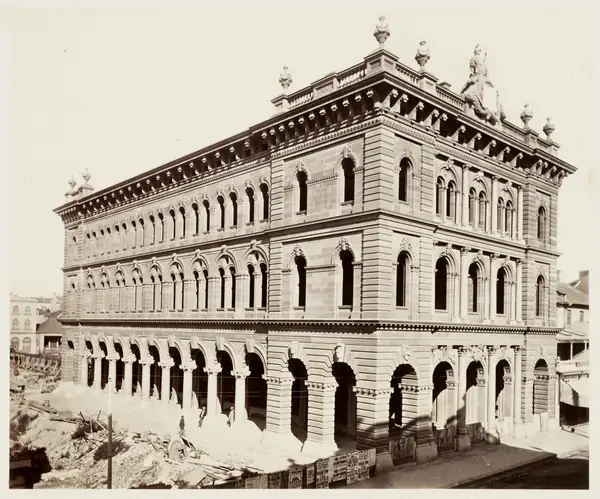 General Post OfficeSydney
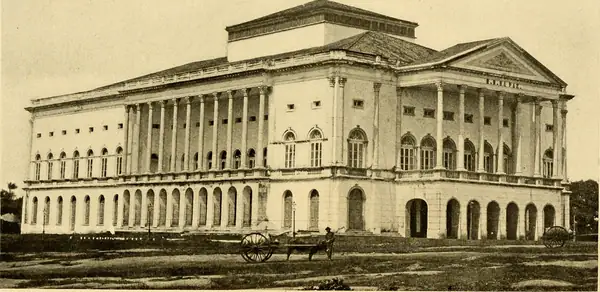 Theatro da PazBelém
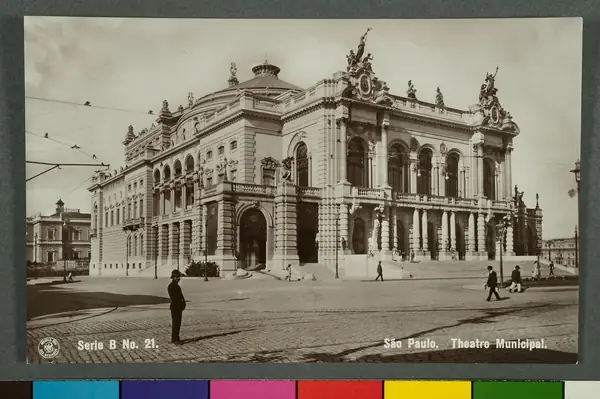 Theatro MunicipalSão Paulo
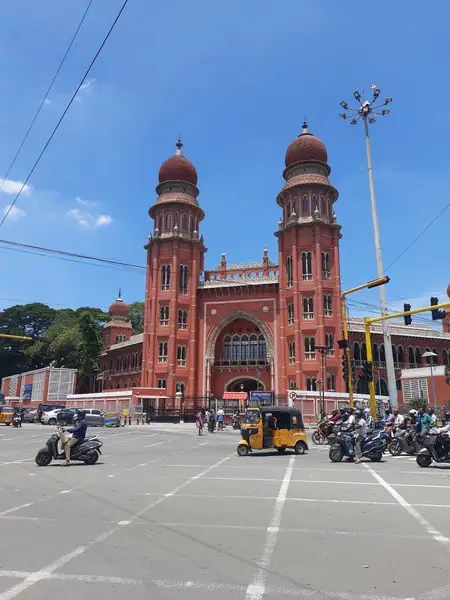 Madras High CourtChennai
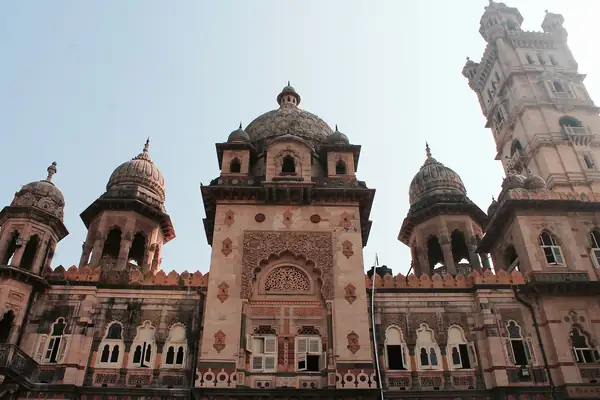 Laxmi Vilas PalaceVadodara
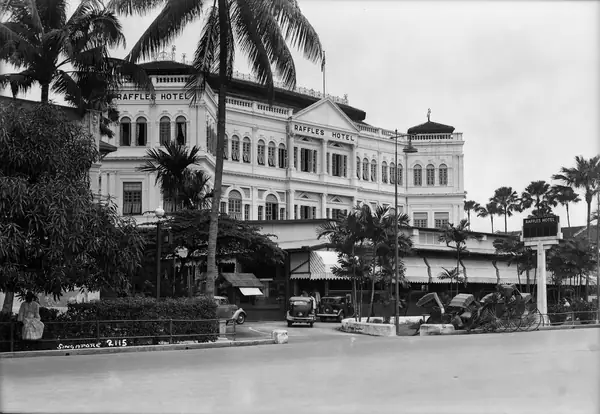 Raffles HotelSingapore
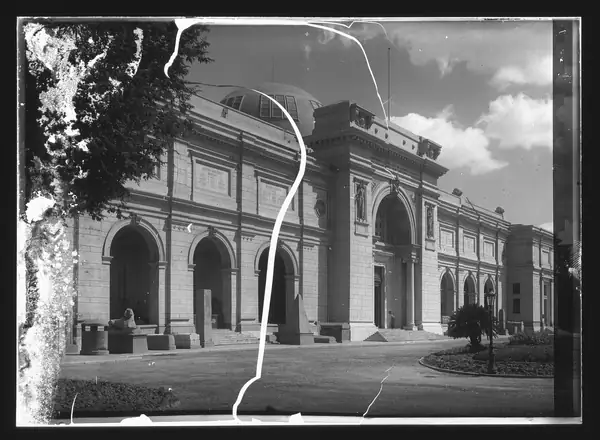 Egyptian MuseumCairo
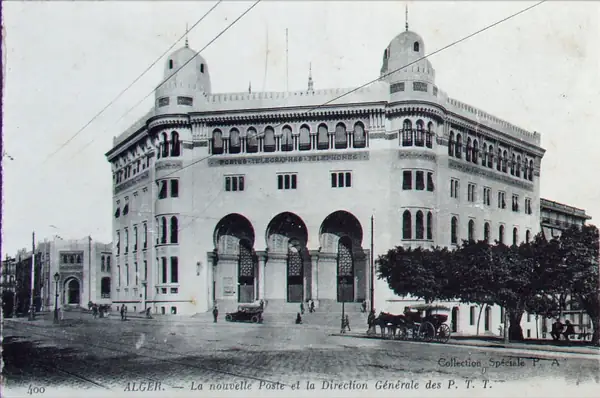 Grande PosteAlgiers
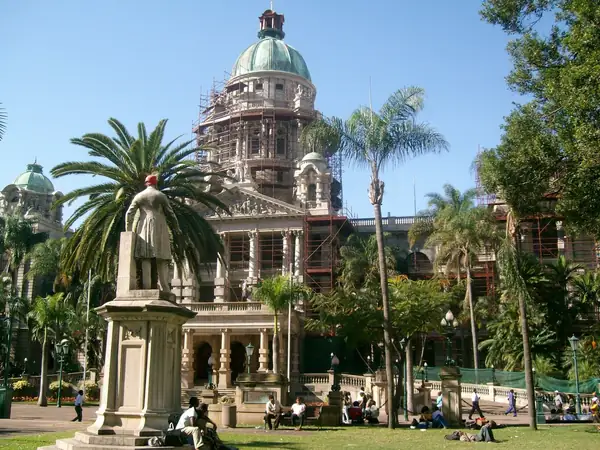 Durban City HallDurban
Regions represented in that window
9 regions: US 65, Europe 26, Latin America 6, India 5, Australia/NZ 5, Africa 5, Asia 5, Russia 4, Canada 3
Completions per 5-year bin (non-fort)
1760–1764: 1, 1775–1779: 1, 1795–1799: 1, 1810–1814: 1, 1815–1819: 1, 1825–1829: 1, 1840–1844: 1, 1850–1854: 2, 1855–1859: 6, 1860–1864: 3, 1865–1869: 6, 1870–1874: 4, 1875–1879: 15, 1880–1884: 13, 1885–1889: 12, 1890–1894: 12, 1895–1899: 15, 1900–1904: 12, 1905–1909: 14, 1910–1914: 16, 1915–1919: 11, 1920–1924: 4, 1925–1929: 7, 1930–1934: 5, 1935–1939: 1
Every bin from 1875 to 1919 has 11–16 completions; no bin before 1855 or after 1934 has more than 7.
Buildings 'completed' 1880–1910 by region
81 total: US 42, Europe 15, Australia/NZ 5, Latin America 4, India 3, Canada 3, Russia 3, Africa 3, Asia 3
Open questions
- Why do almost no buildings of this size get 'completed' in the 1820s–40s, then dozens per decade from the 1870s?
- Do original drawings and quarry contracts exist for the earliest years of each range, or only for the finishing years?
- How many of these were 'completed' within ten years of a fire, war or occupation in the same city?
What would support it
- Older photos, maps or paintings showing any of these buildings before their recorded start year.
- Records that describe 'completion' as refitting, re-roofing or refacing rather than building from the ground.
- Foundation or mortar dating that comes out older than the recorded start.
What would rule it out
- Dated construction photos for a large share of these from foundations upward.
- Full sets of contracts, payrolls and quarry ledgers covering the start years.
- A wider, unbiased sample (all public buildings over a set size) that shows a smooth rise instead of a burst. Our collection was picked for grandeur, which on its own makes the 1865–1915 bump look bigger.
Selection bias
High: buildings were chosen because they are grand, famous, and featured by Old World researchers, which favours the Victorian/Beaux-Arts era.
The rating counts how much of our gathered material lines up with the pattern. It is not a probability that the hypothesis is true, and every count is limited by which buildings were picked for the app (see 'selectionBias' on each card).
Next hypothesis
Strong111 entries#3One template, every continentThe same domes, the same Kirkbride layout, the same Garnier opera house and the same star-shaped fort turn up on every inhabited continent, often in the same decades and often openly called copies. Common sense says that in an age of letters and steamships, a style doesn't normally spread to Manaus, Hanoi, Durban and Winnipeg at once. One possibility is a shared source: a common building tradition or pattern-book much older than the names now attached to it.