Hypothesis #3 of 20
One template, every continent
Strength is how much of our gathered material lines up with the pattern. It is not the odds that the idea is true.
The working idea
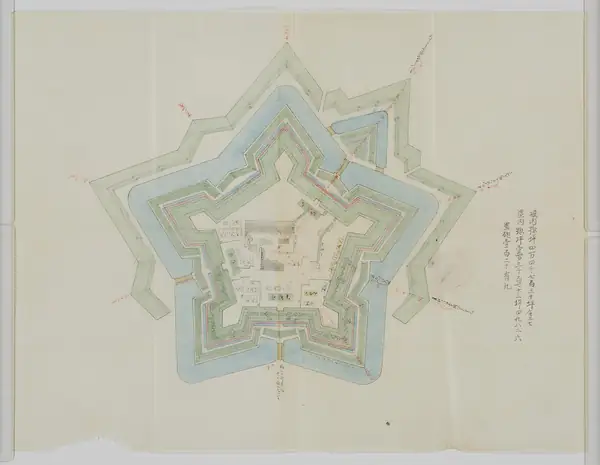
The same domes, the same Kirkbride layout, the same Garnier opera house and the same star-shaped fort turn up on every inhabited continent, often in the same decades and often openly called copies. Common sense says that in an age of letters and steamships, a style doesn't normally spread to Manaus, Hanoi, Durban and Winnipeg at once. One possibility is a shared source: a common building tradition or pattern-book much older than the names now attached to it.
Strongest examples
The evidence
Old World buildings tagged domes or towers
111 of 183, in all 9 regions (US 53 of 94, Europe 19 of 35, Latin America 7 of 9, India 6 of 8, Russia 6 of 8, Australia/NZ 6 of 8, Canada 5 of 5, Asia 5 of 10, Africa 4 of 6)
111 entries
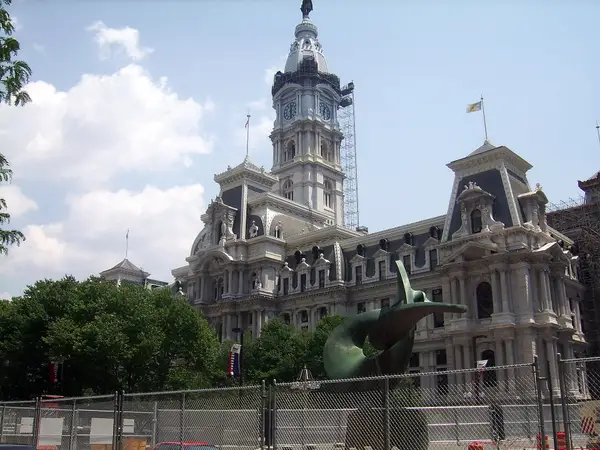 Philadelphia City HallPhiladelphia
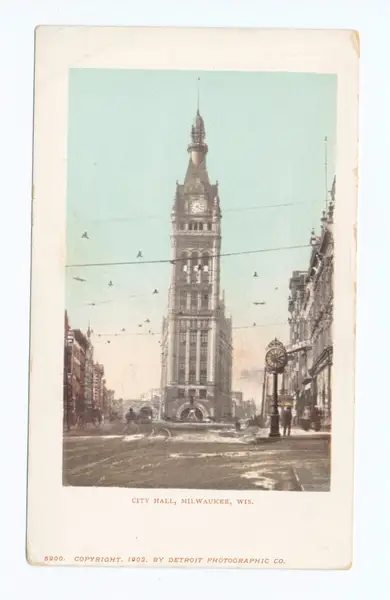 Milwaukee City HallMilwaukee
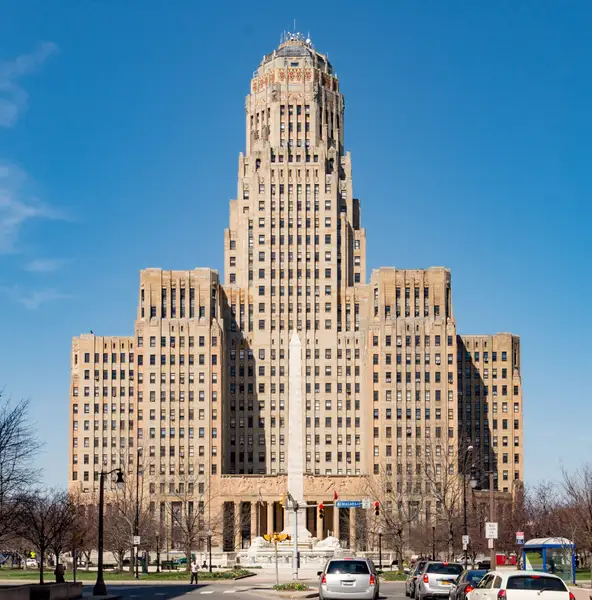 Buffalo City HallBuffalo
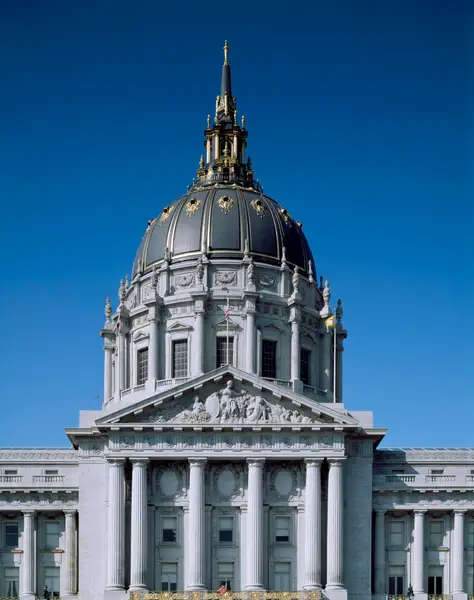 San Francisco City HallSan Francisco
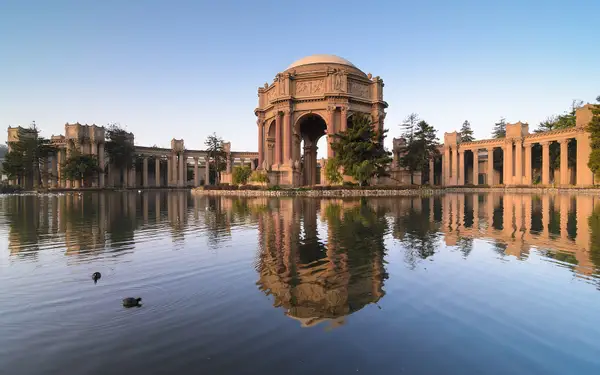 Palace of Fine ArtsSan Francisco
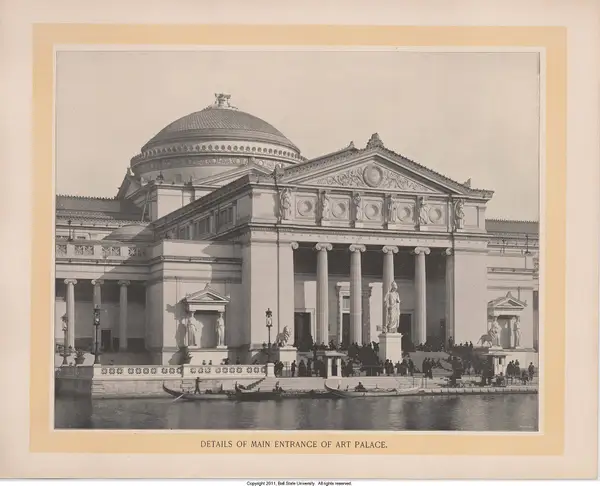 Museum of Science and IndustryChicago
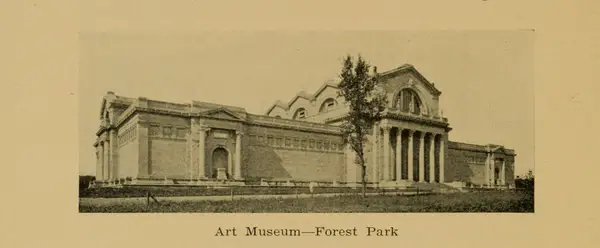 Saint Louis Art MuseumSt. Louis
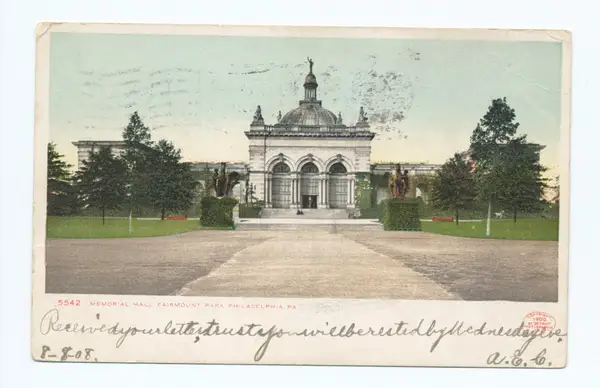 Memorial HallPhiladelphia
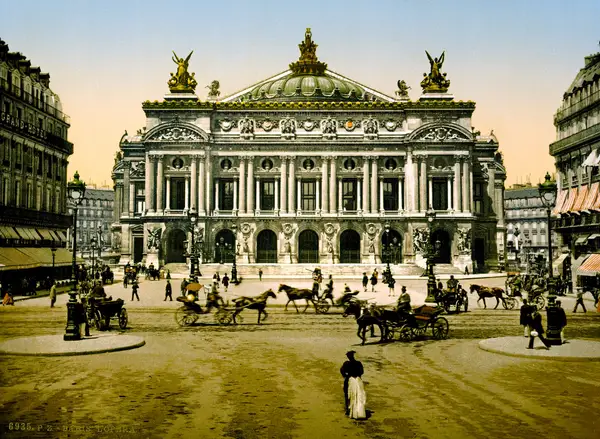 Palais GarnierParis
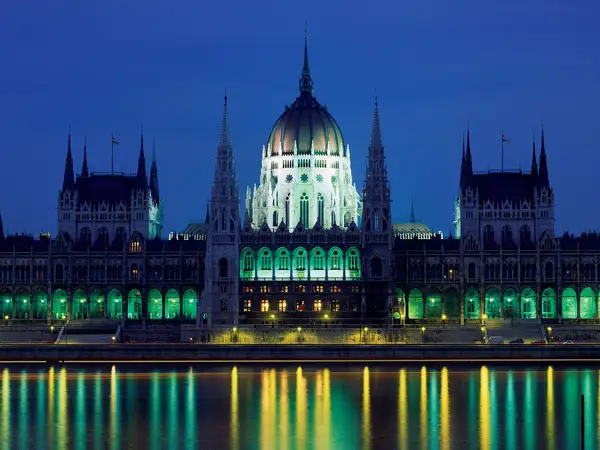 Hungarian Parliament BuildingBudapest
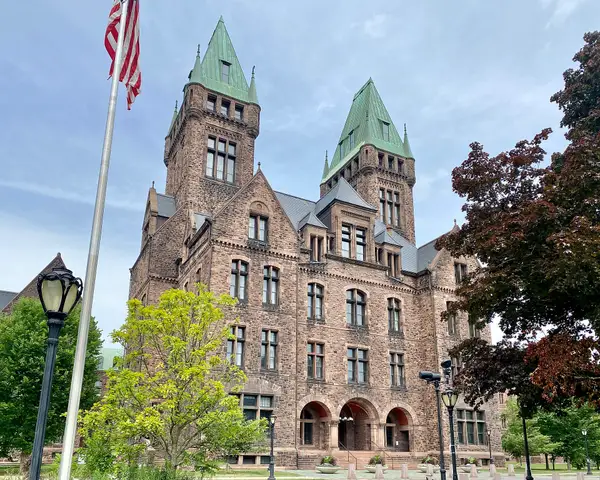 Buffalo State Asylum (Richardson Olmsted Campus)Buffalo
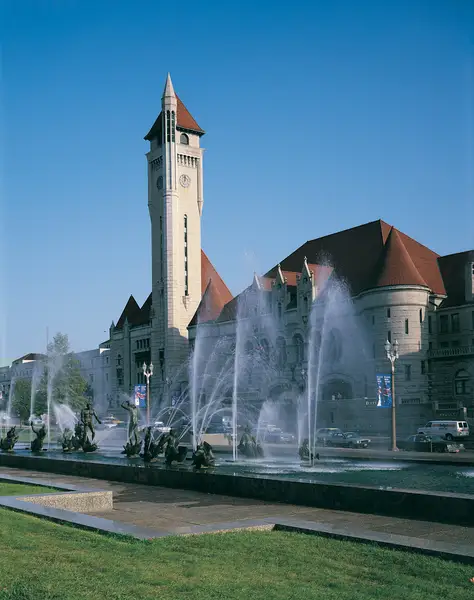 St. Louis Union StationSt. Louis
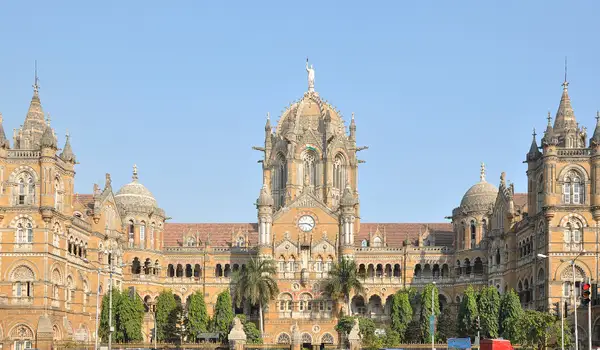 Chhatrapati Shivaji Maharaj TerminusMumbai
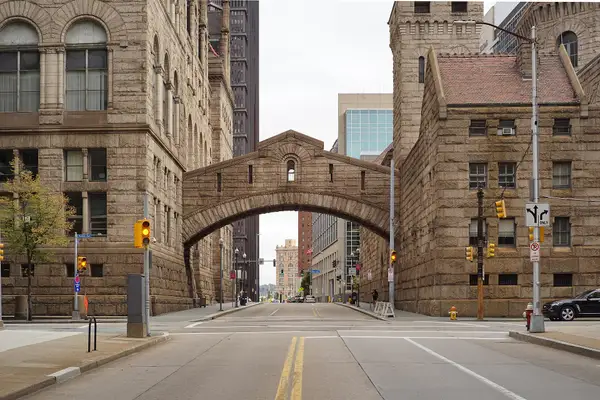 Allegheny County CourthousePittsburgh
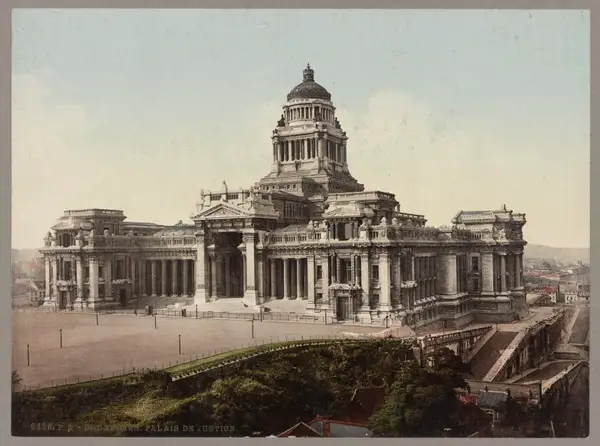 Palais de JusticeBrussels
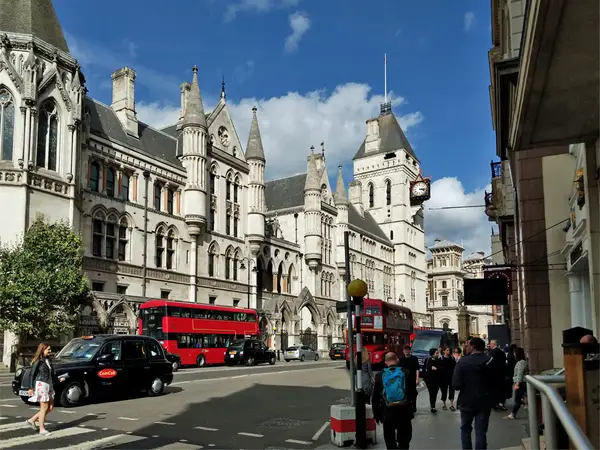 Royal Courts of JusticeLondon
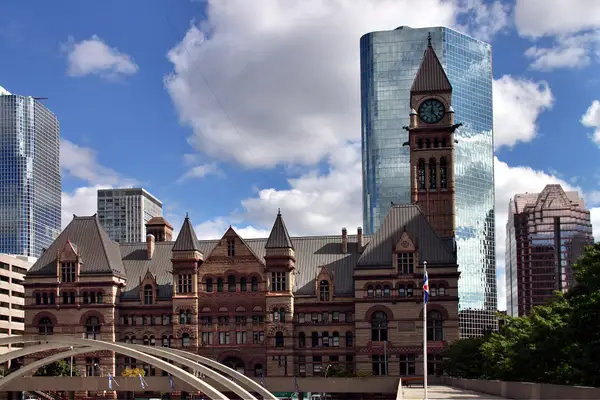 Old City HallToronto
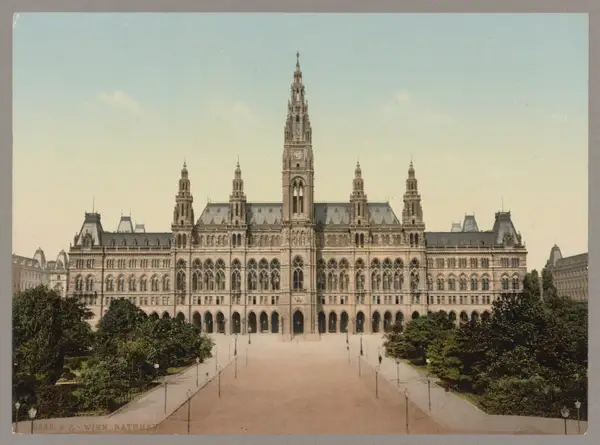 Vienna City Hall (Rathaus)Vienna
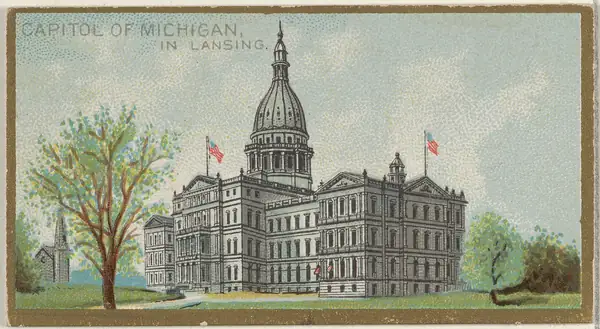 Michigan State CapitolLansing
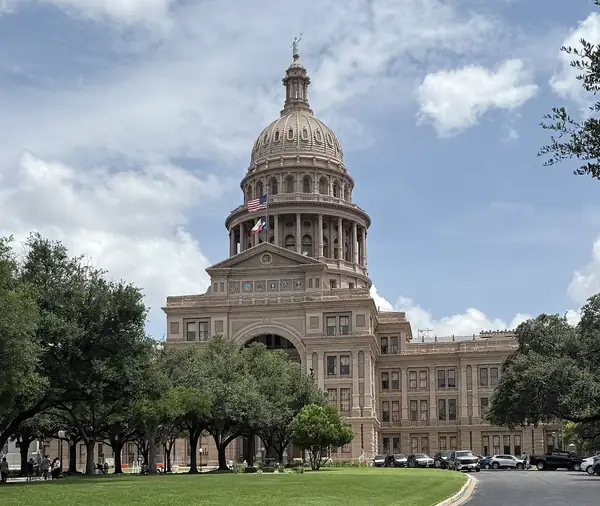 Texas State CapitolAustin
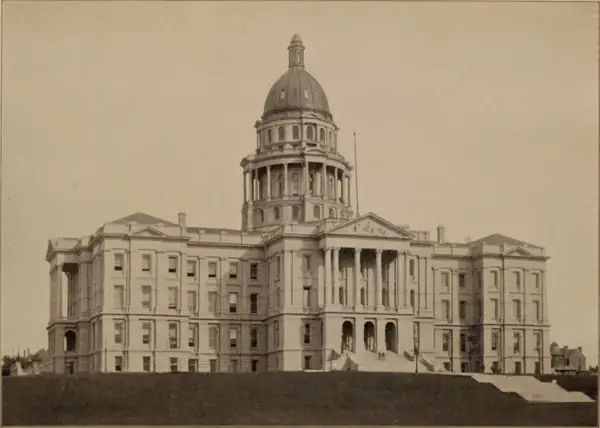 Colorado State CapitolDenver
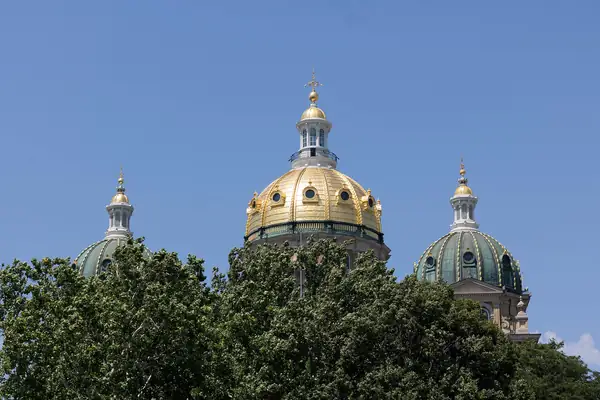 Iowa State CapitolDes Moines
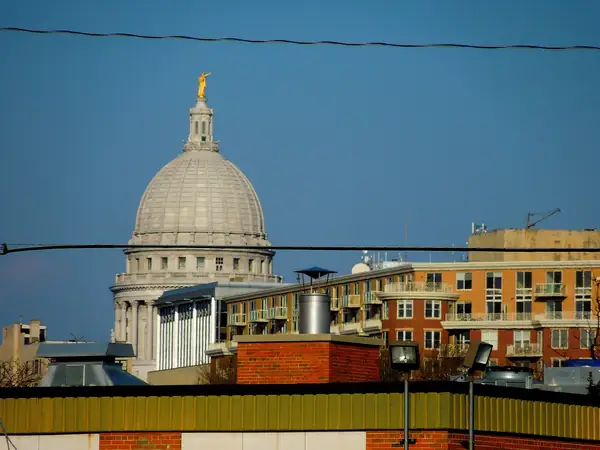 Wisconsin State CapitolMadison
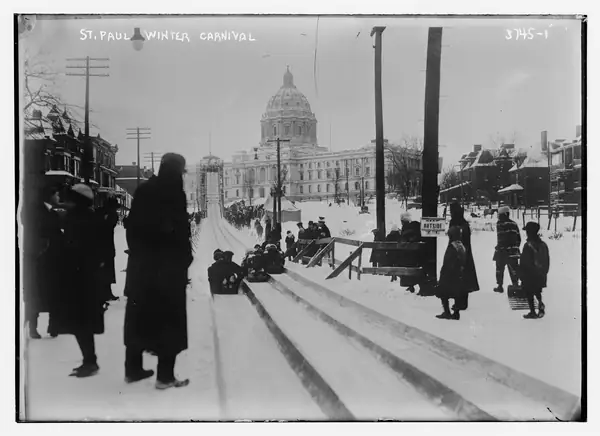 Minnesota State CapitolSaint Paul
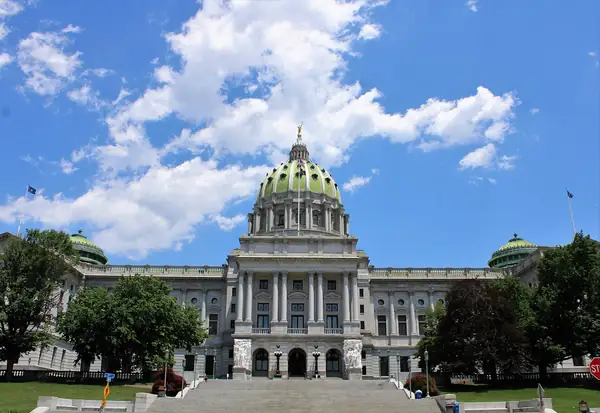 Pennsylvania State CapitolHarrisburg
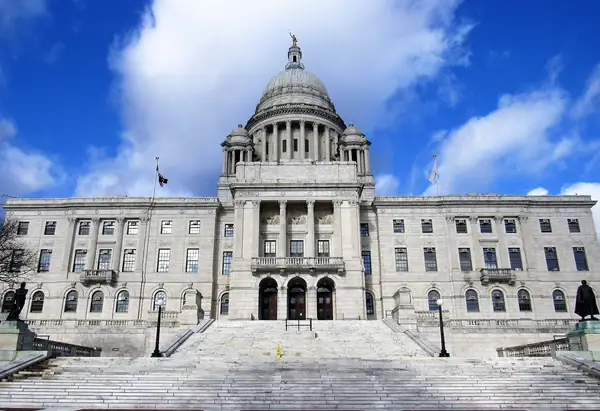 Rhode Island State HouseProvidence
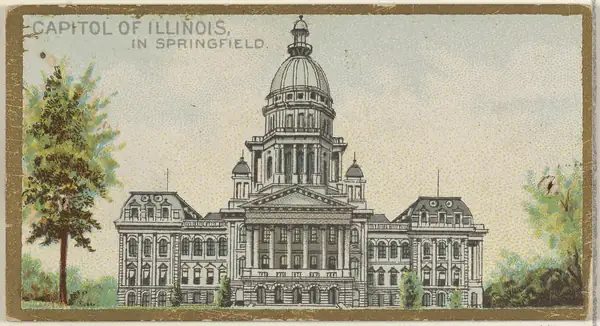 Illinois State CapitolSpringfield
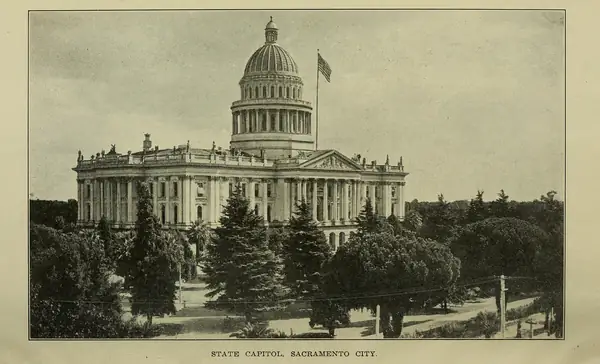 California State CapitolSacramento
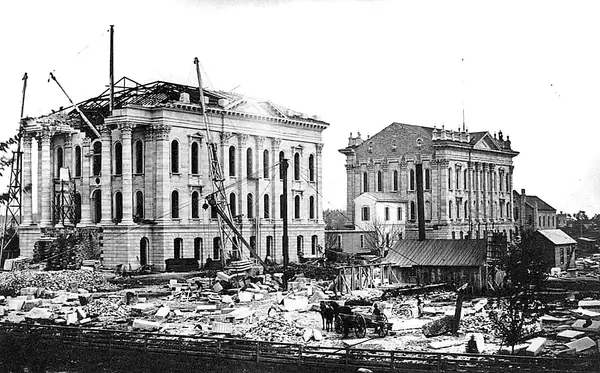 Kansas State CapitolTopeka
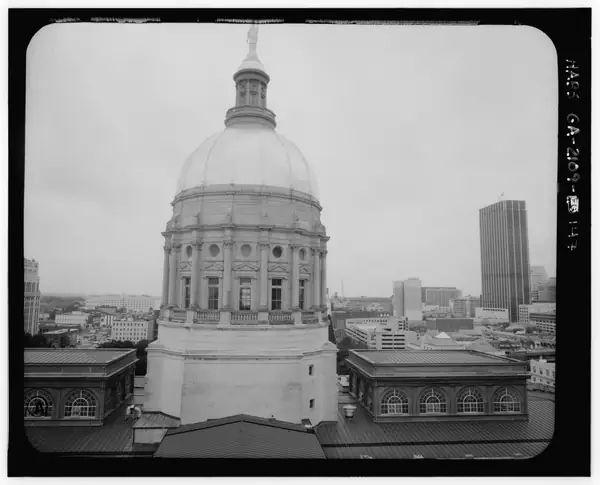 Georgia State CapitolAtlanta
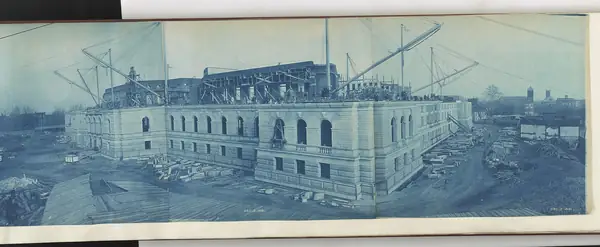 Library of Congress (Thomas Jefferson Building)Washington, D.C.
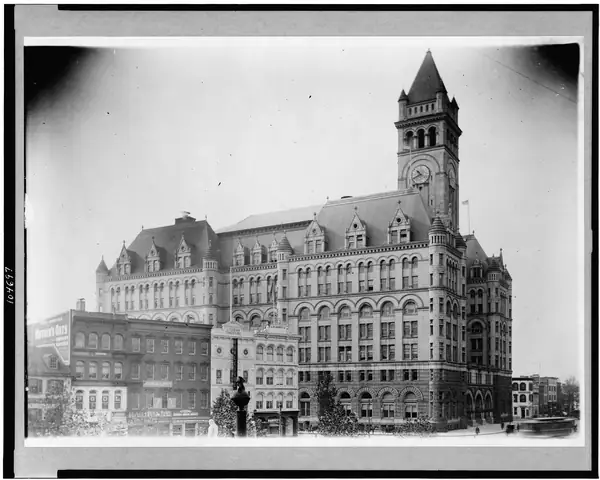 Old Post OfficeWashington, D.C.
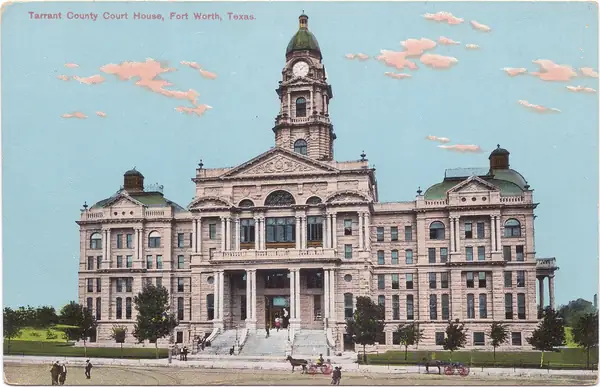 Tarrant County CourthouseFort Worth
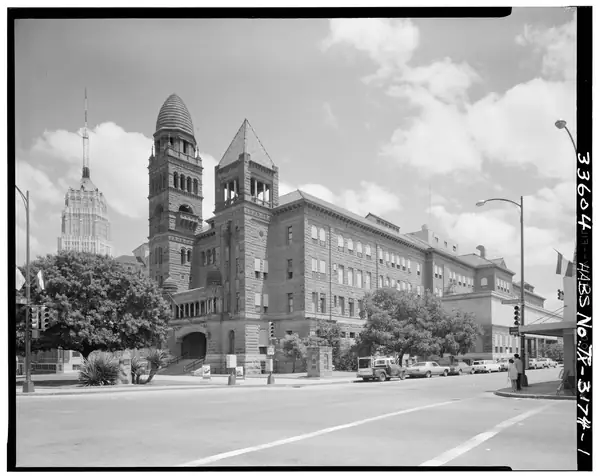 Bexar County CourthouseSan Antonio
 St. Patrick's CathedralNew York City
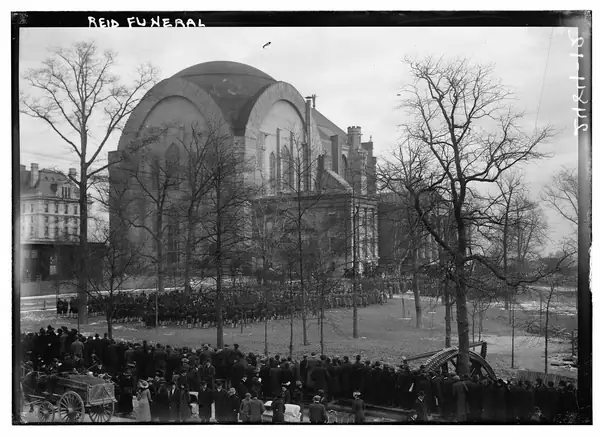 Cathedral of St. John the DivineNew York City
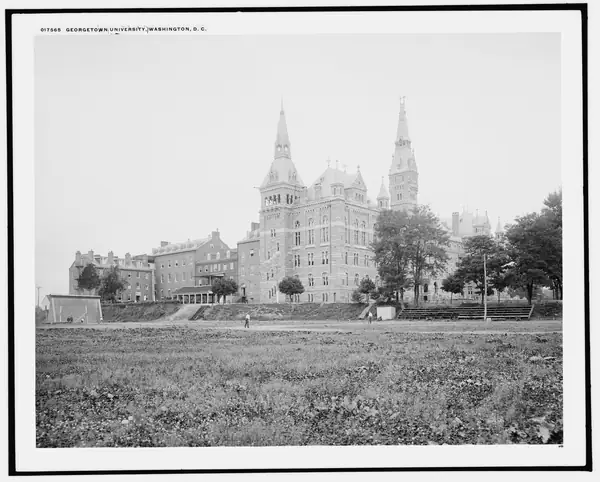 Healy HallWashington, D.C.
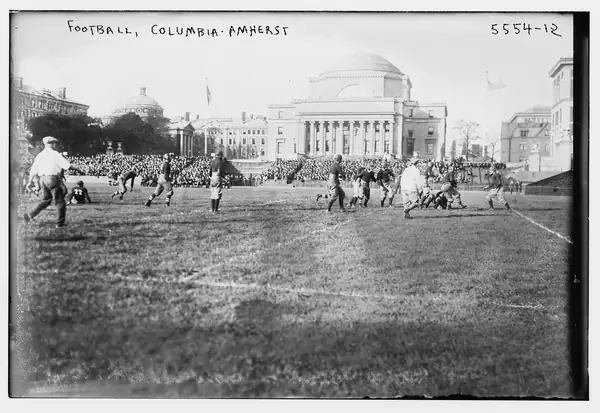 Low Memorial LibraryNew York City
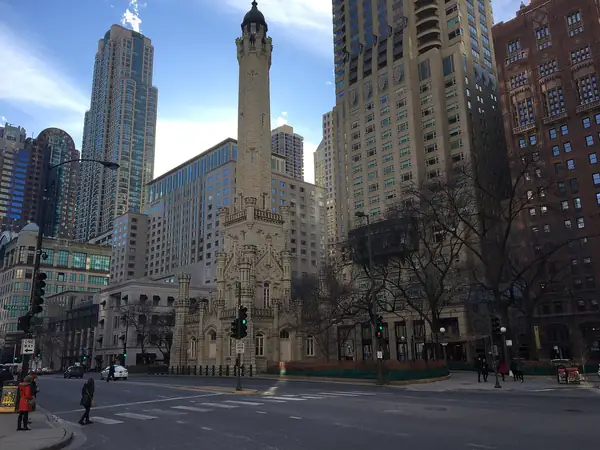 Chicago Water TowerChicago
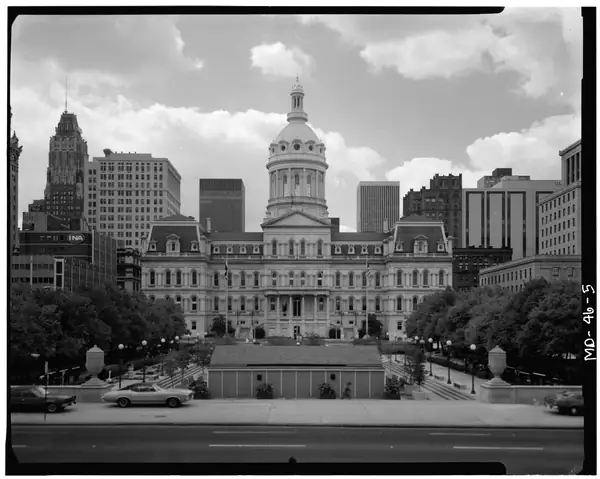 Baltimore City HallBaltimore
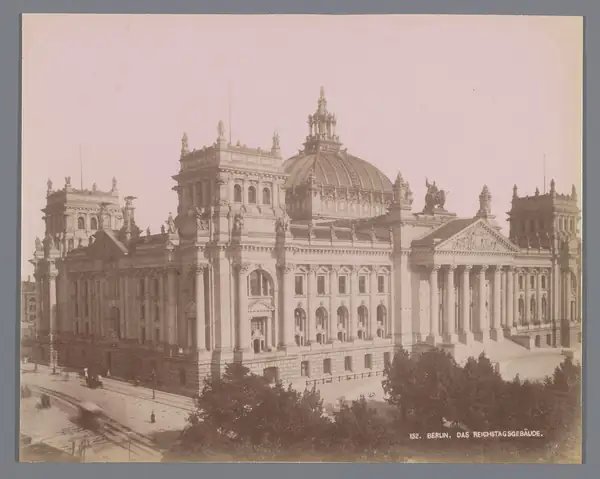 Reichstag BuildingBerlin
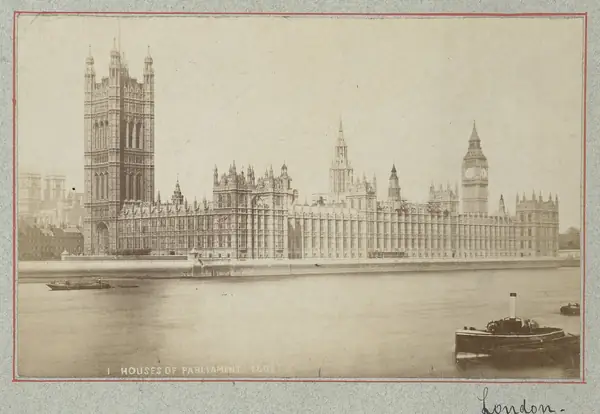 Palace of WestminsterLondon
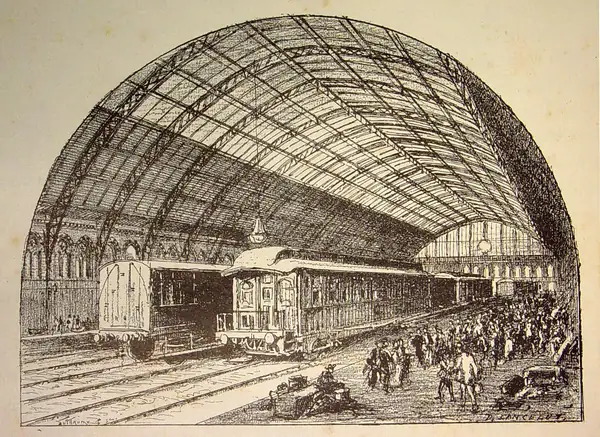 St Pancras StationLondon
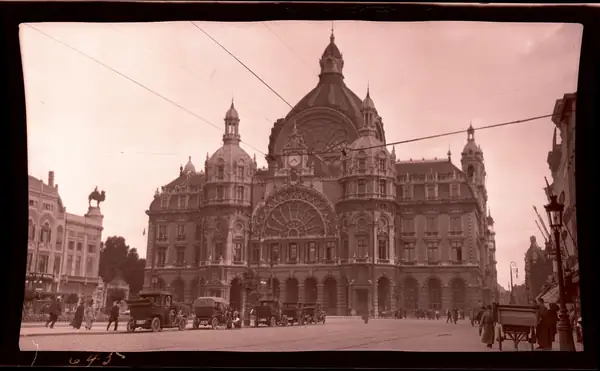 Antwerp Central StationAntwerp
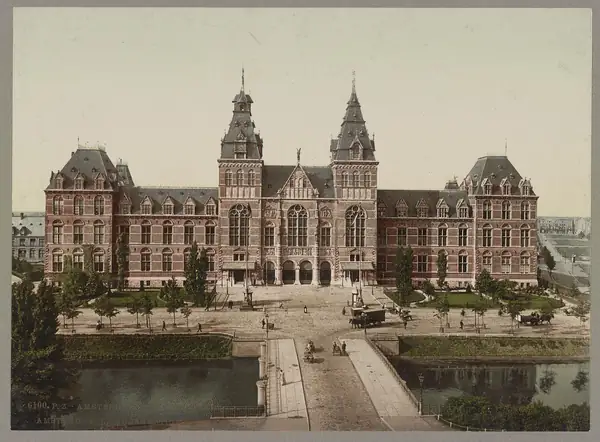 RijksmuseumAmsterdam
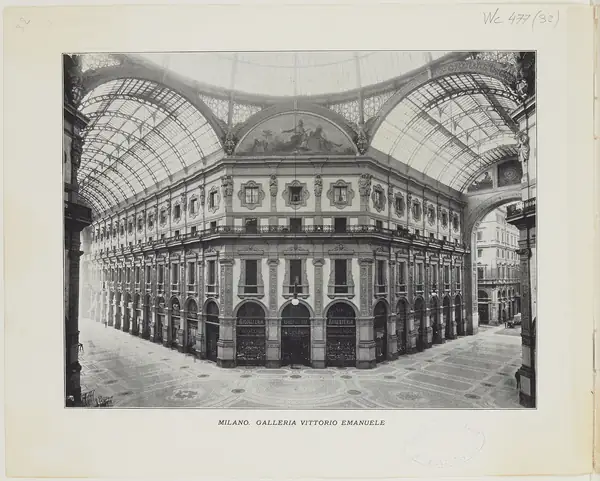 Galleria Vittorio Emanuele IIMilan
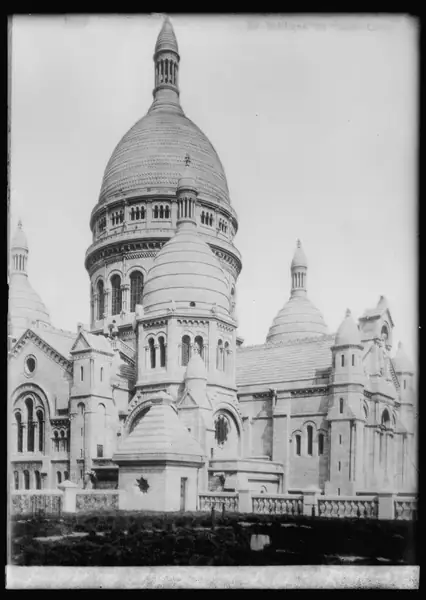 Sacré-CœurParis
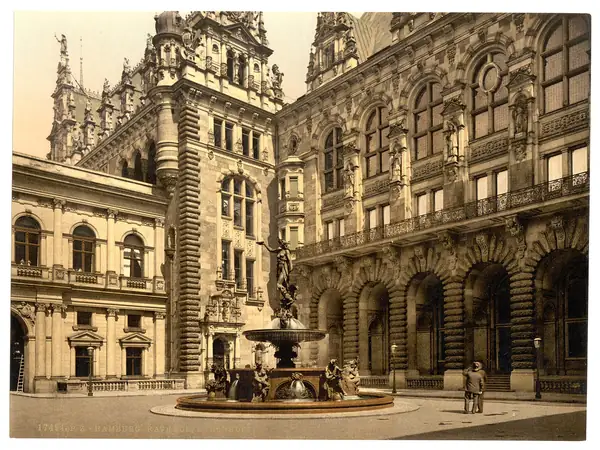 Hamburg City HallHamburg
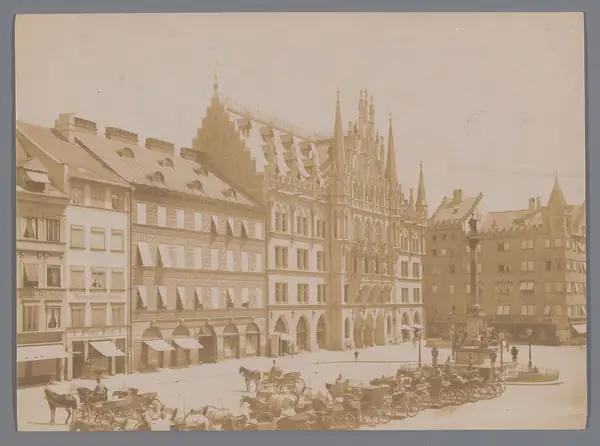 New Town HallMunich
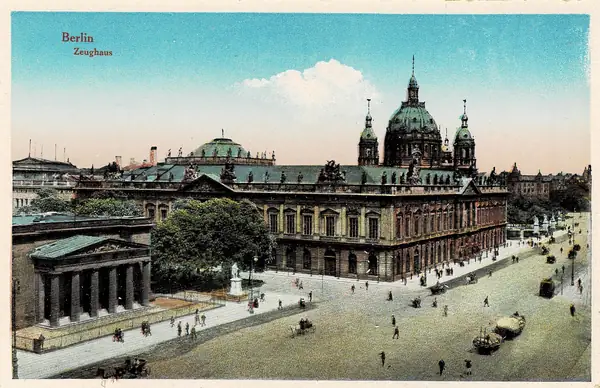 Berlin CathedralBerlin
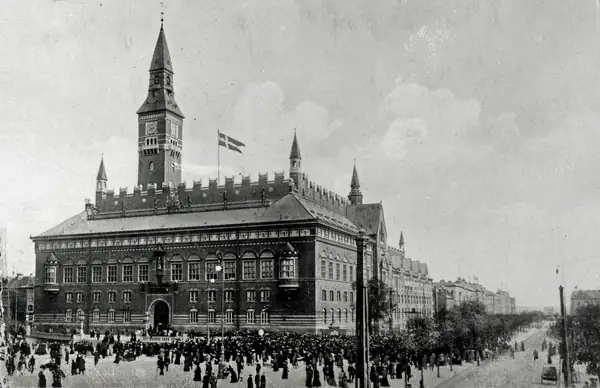 Copenhagen City HallCopenhagen
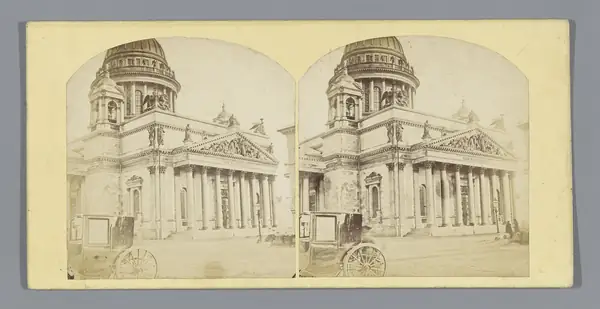 Saint Isaac's CathedralSaint Petersburg
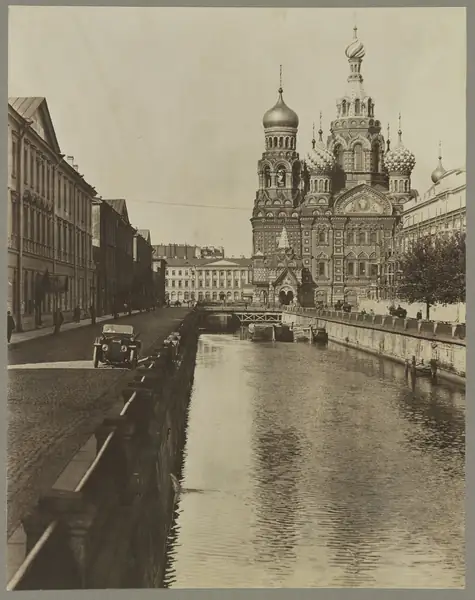 Church of the Savior on Spilled BloodSaint Petersburg
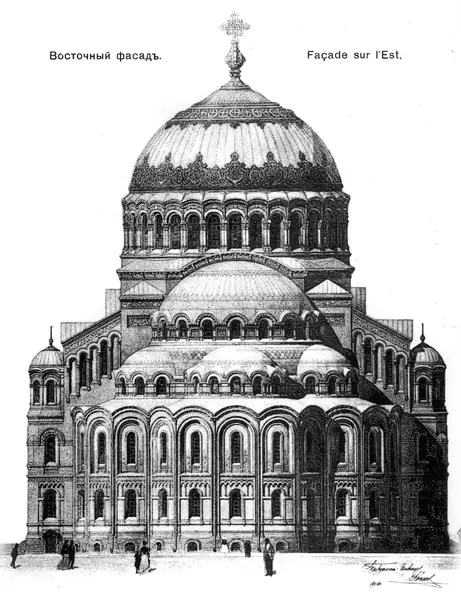 Kronstadt Naval CathedralKronstadt
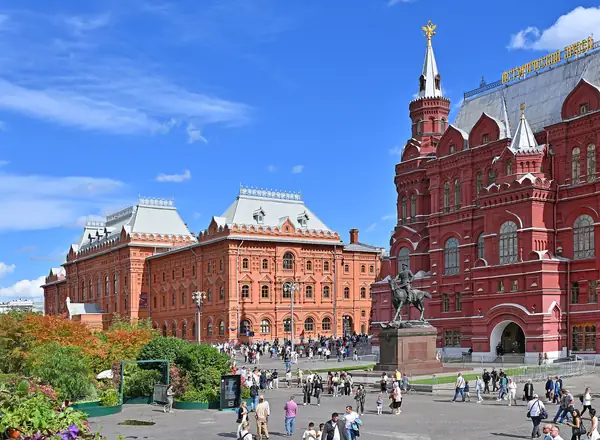 State Historical MuseumMoscow
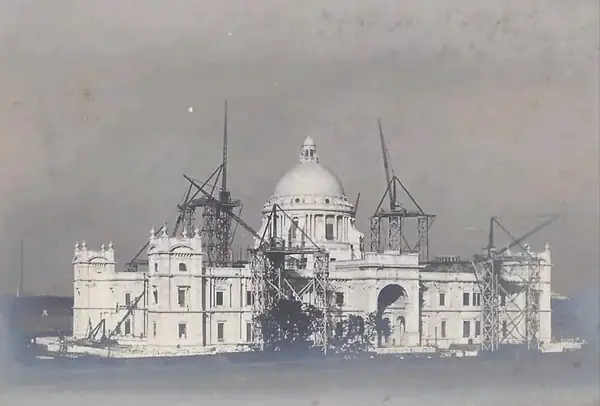 Victoria MemorialKolkata
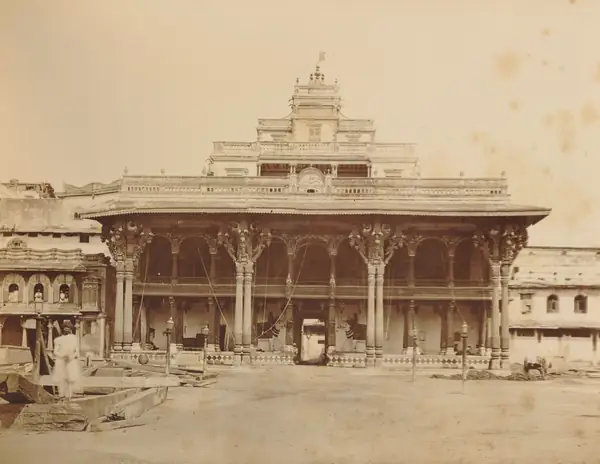 Mysore PalaceMysore
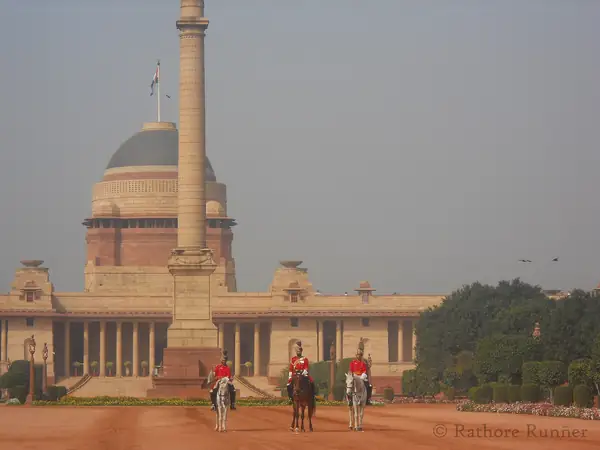 Rashtrapati BhavanNew Delhi
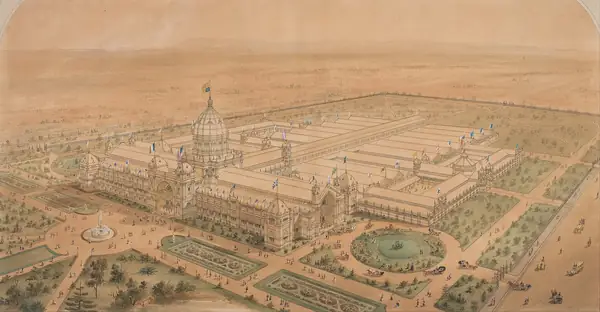 Royal Exhibition BuildingMelbourne
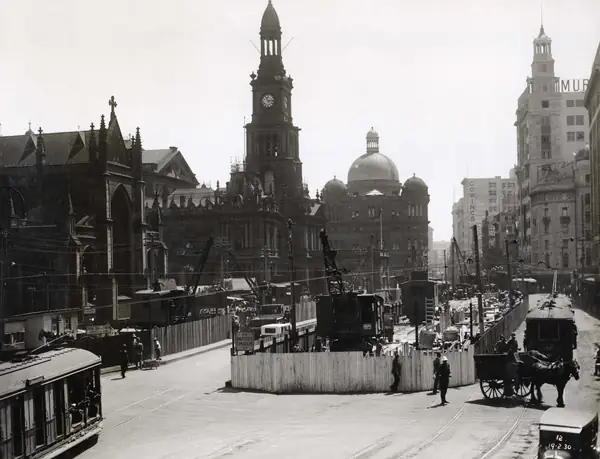 Queen Victoria BuildingSydney
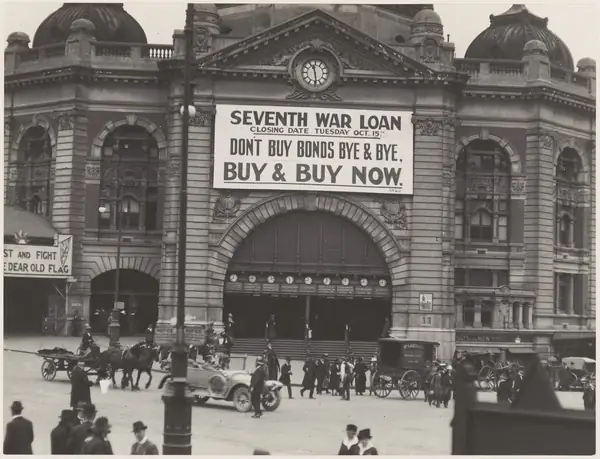 Flinders Street StationMelbourne
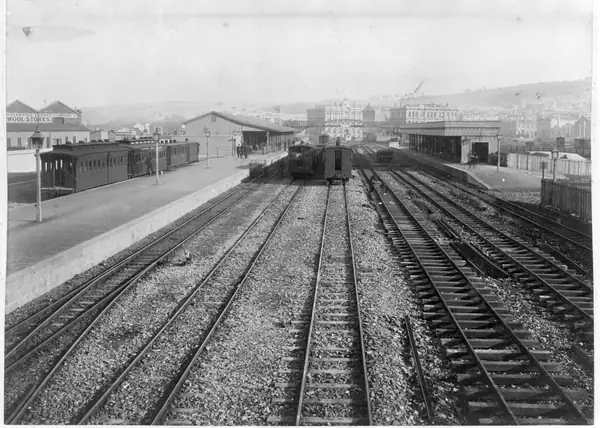 Dunedin Railway StationDunedin
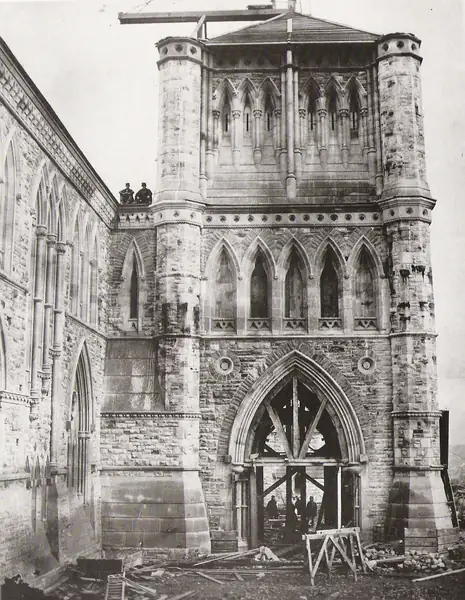 Centre BlockOttawa
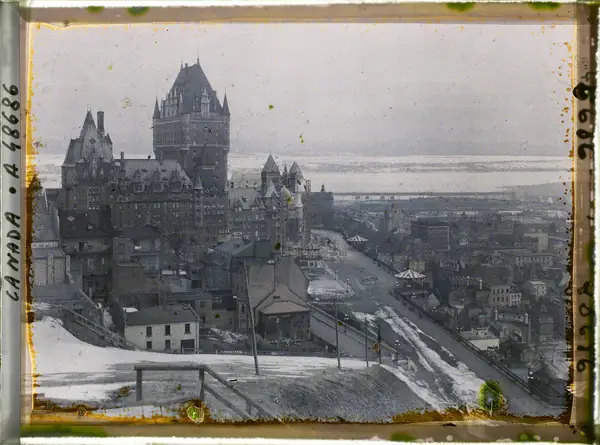 Château FrontenacQuebec City
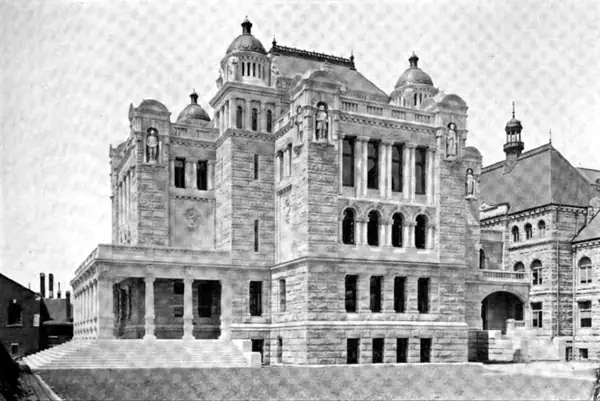 British Columbia Parliament BuildingsVictoria
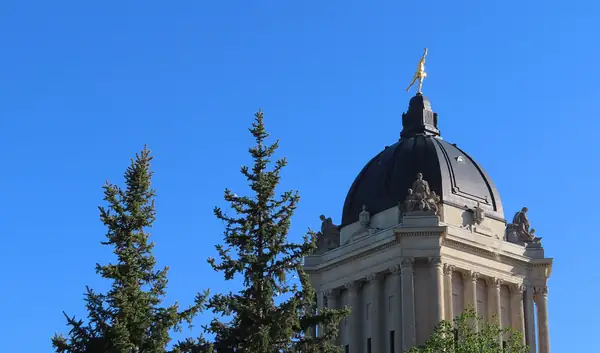 Manitoba Legislative BuildingWinnipeg
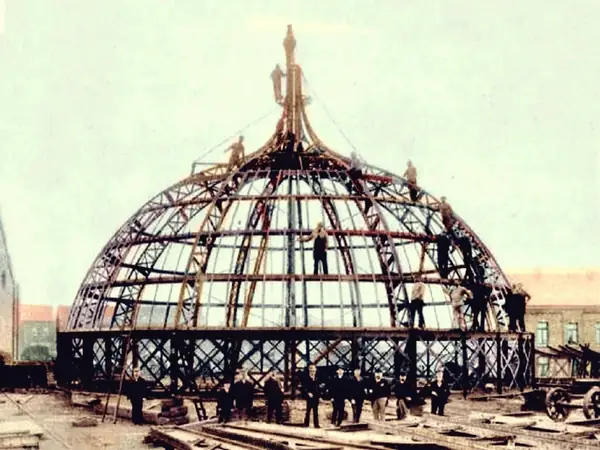 Teatro AmazonasManaus
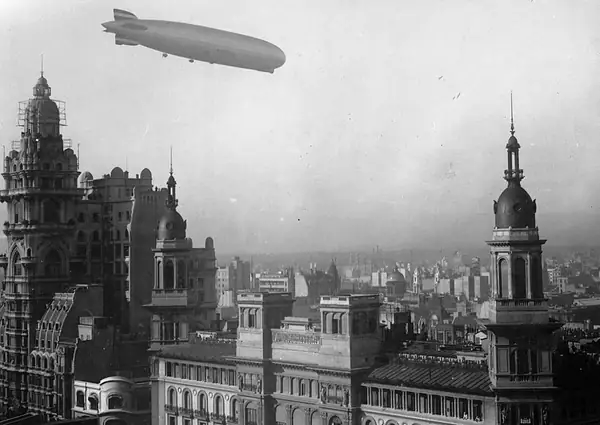 Palacio BaroloBuenos Aires
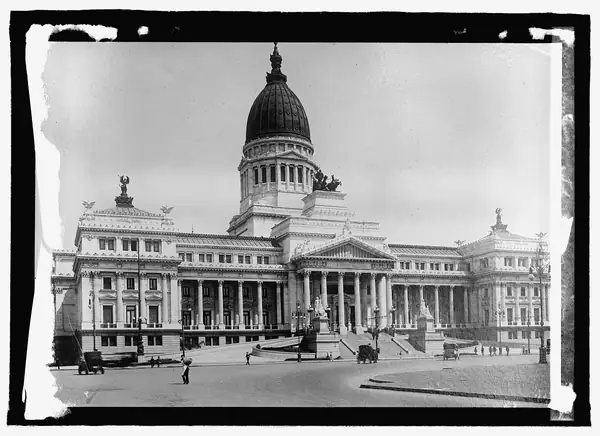 Palace of the Argentine National CongressBuenos Aires
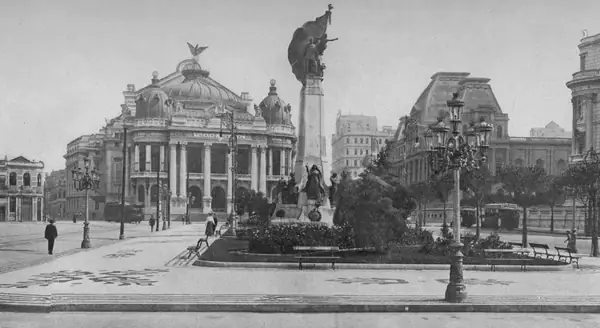 Theatro MunicipalRio de Janeiro
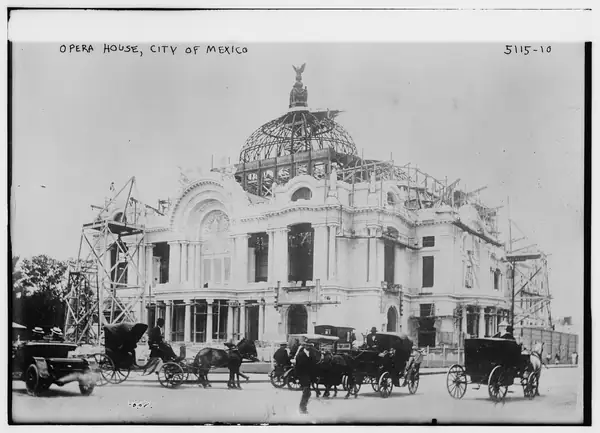 Palacio de Bellas ArtesMexico City
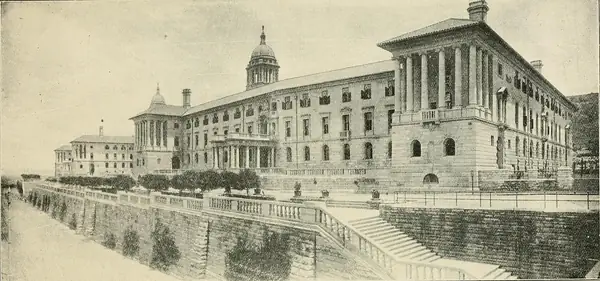 Union BuildingsPretoria
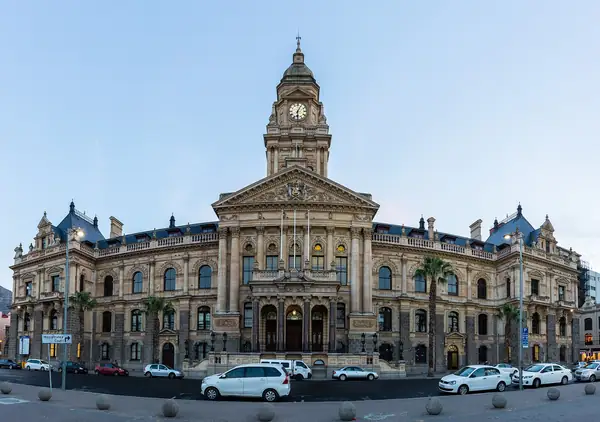 Cape Town City HallCape Town
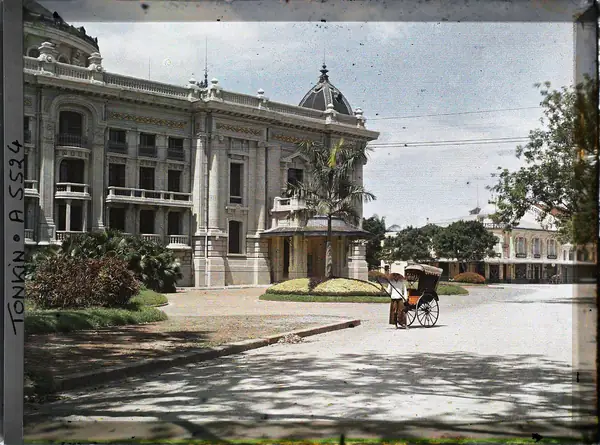 Hanoi Opera HouseHanoi
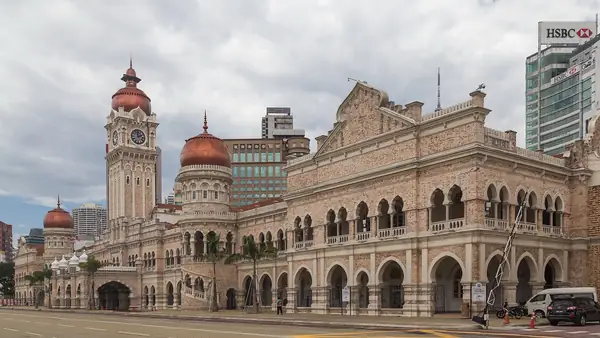 Sultan Abdul Samad BuildingKuala Lumpur
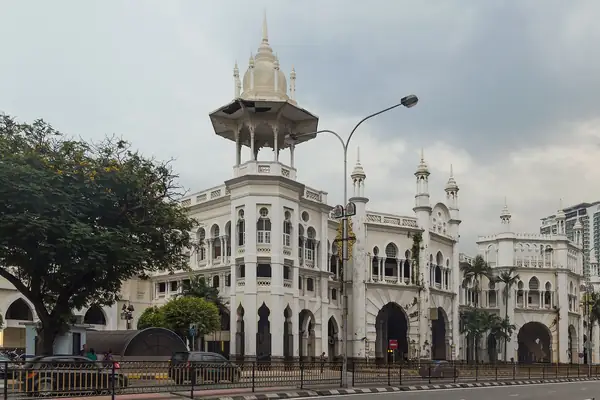 Kuala Lumpur Railway StationKuala Lumpur
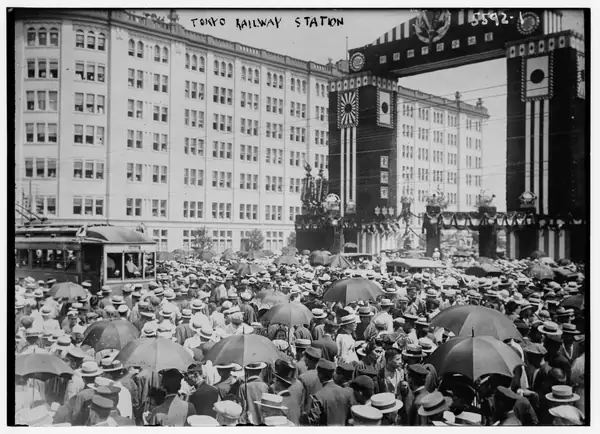 Tokyo StationTokyo
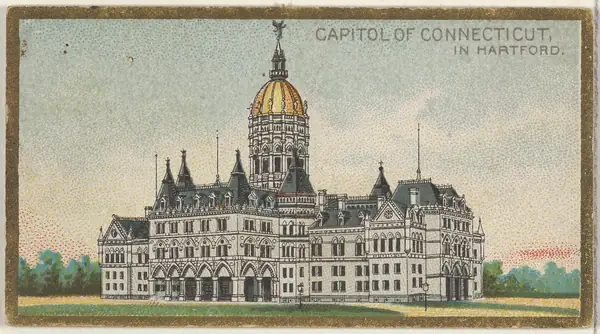 Connecticut State CapitolHartford
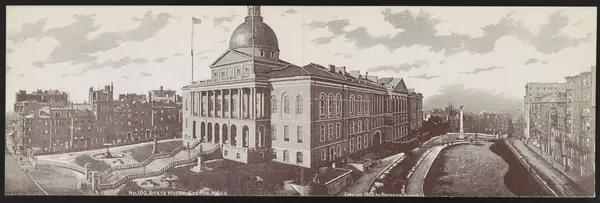 Massachusetts State HouseBoston
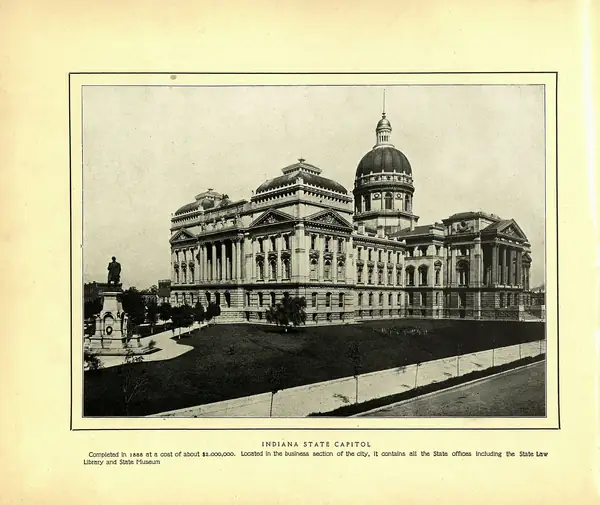 Indiana StatehouseIndianapolis
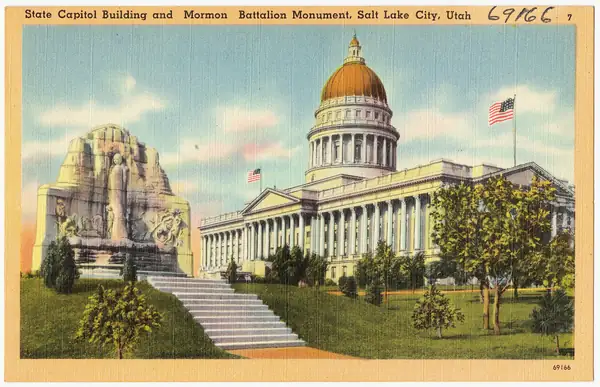 Utah State CapitolSalt Lake City
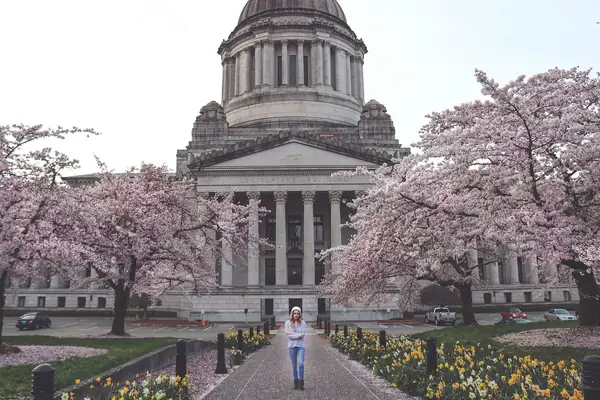 Washington State CapitolOlympia
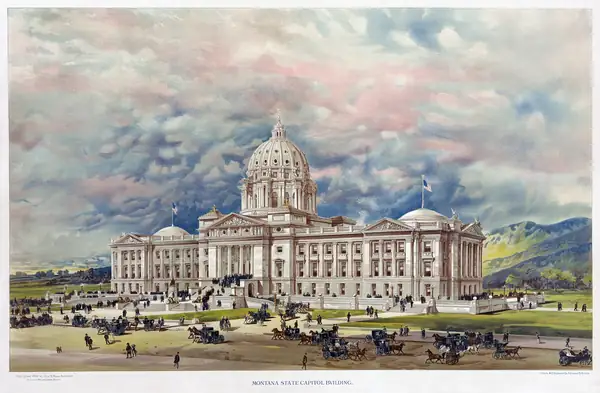 Montana State CapitolHelena
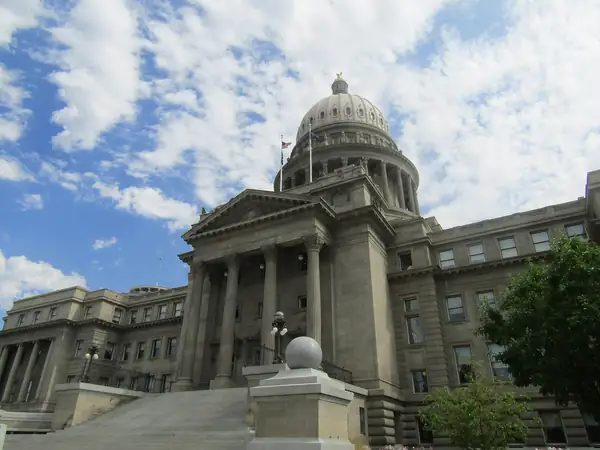 Idaho State CapitolBoise
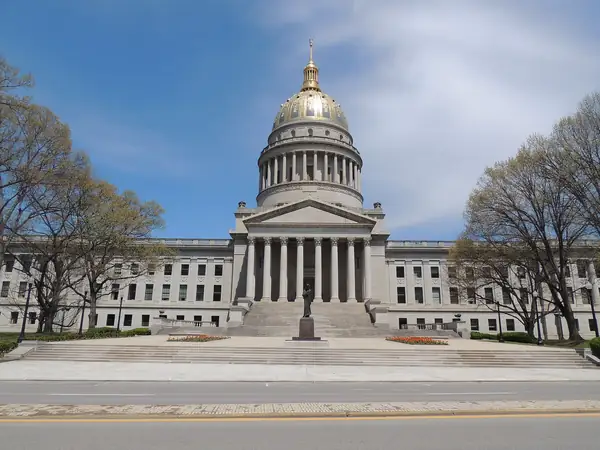 West Virginia State CapitolCharleston
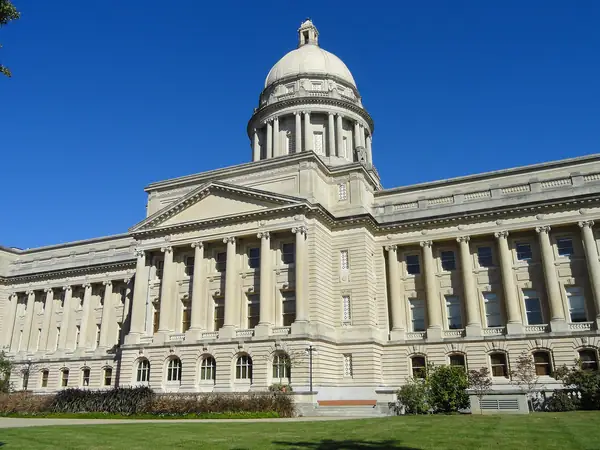 Kentucky State CapitolFrankfort
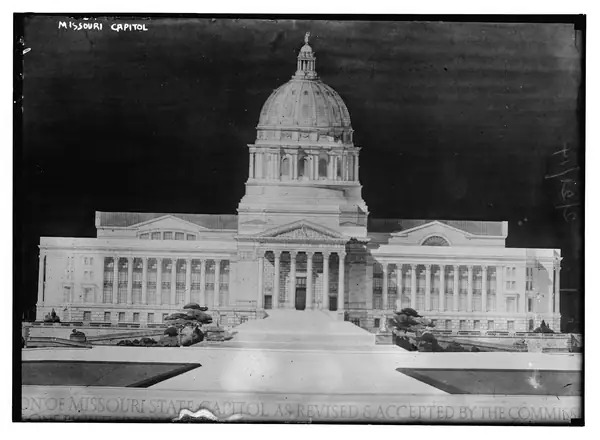 Missouri State CapitolJefferson City
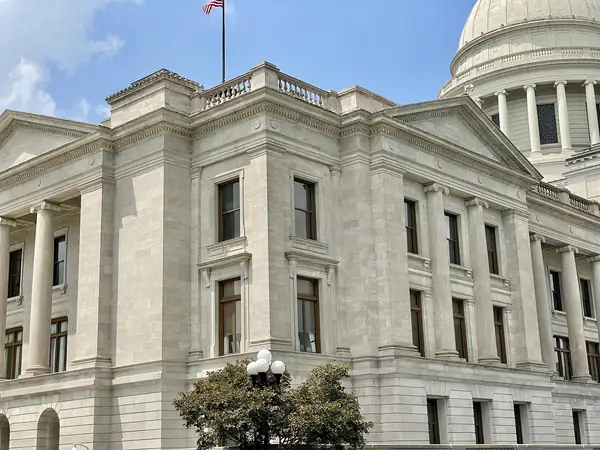 Arkansas State CapitolLittle Rock
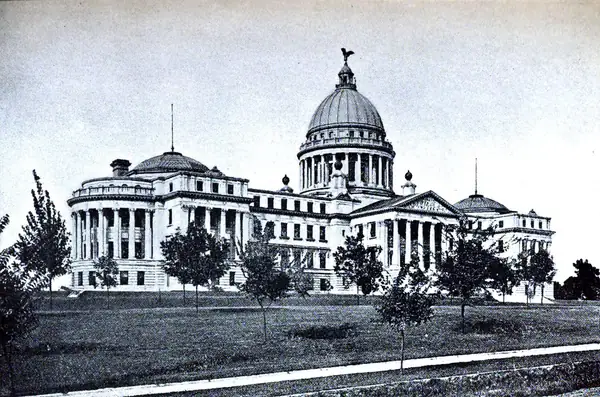 Mississippi State CapitolJackson
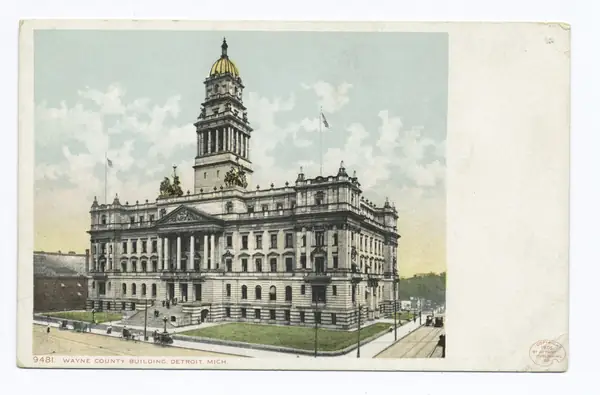 Wayne County BuildingDetroit
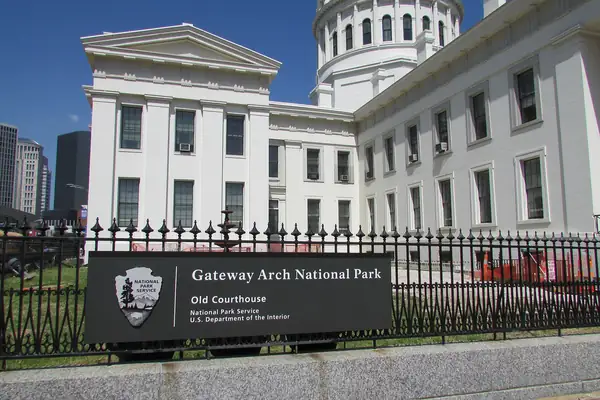 Old CourthouseSt. Louis
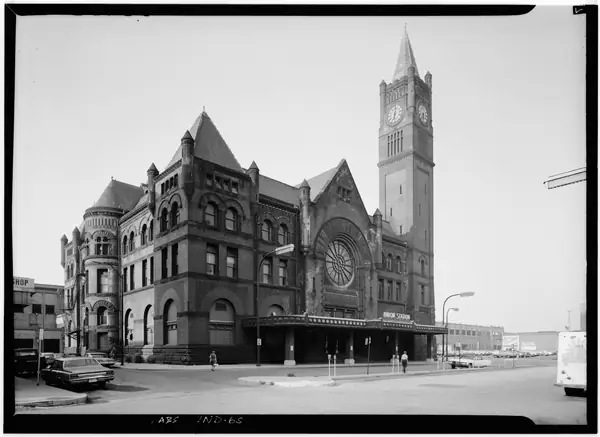 Union StationIndianapolis
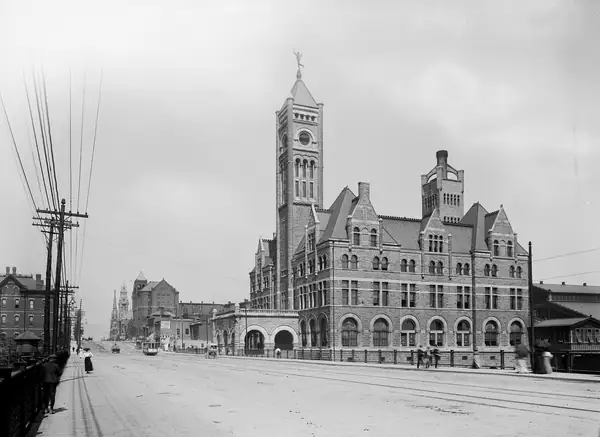 Union StationNashville
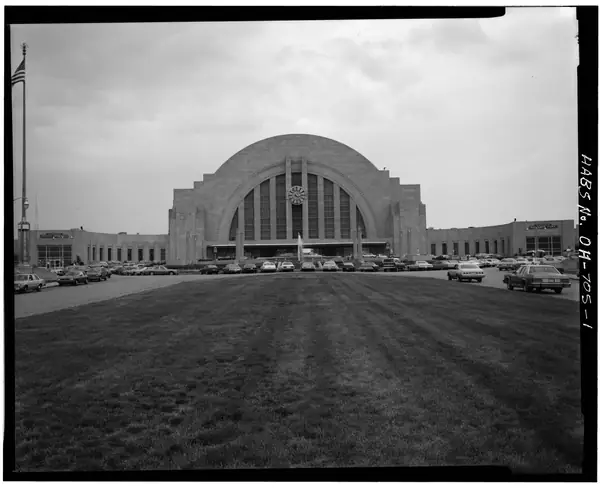 Union TerminalCincinnati
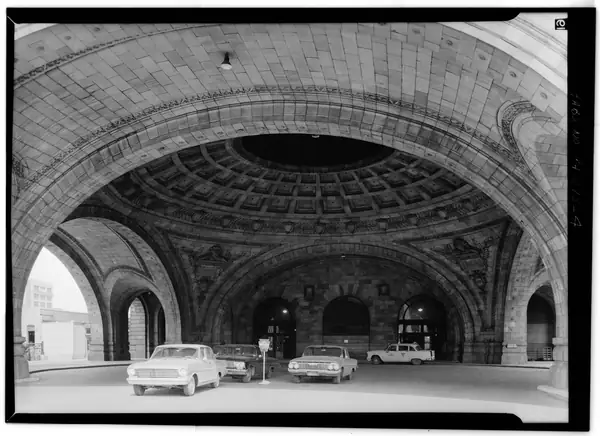 Pennsylvania StationPittsburgh
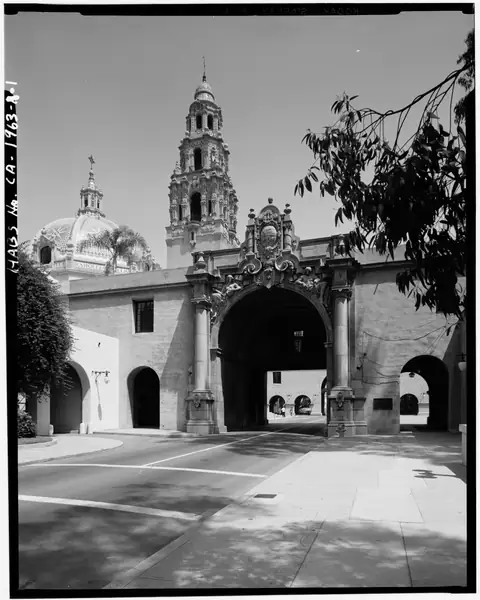 California BuildingSan Diego
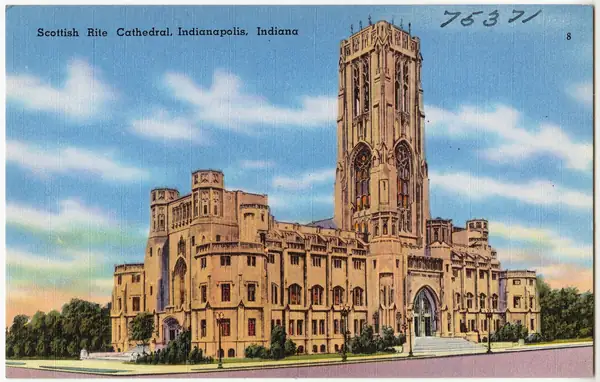 Scottish Rite CathedralIndianapolis
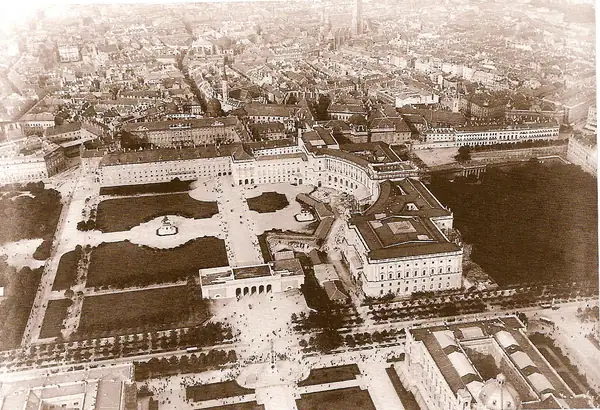 Kunsthistorisches MuseumVienna
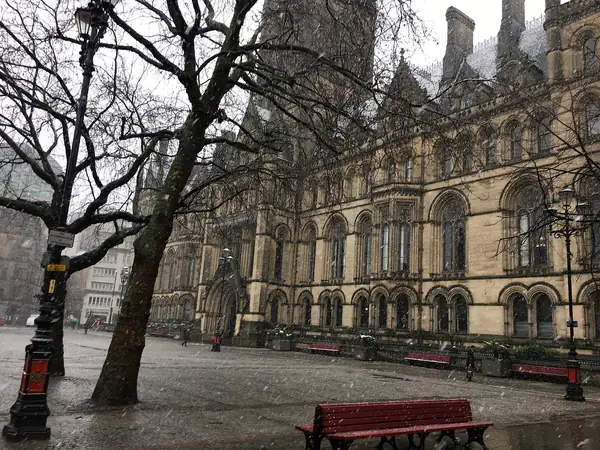 Manchester Town HallManchester
 Neuschwanstein CastleSchwangau
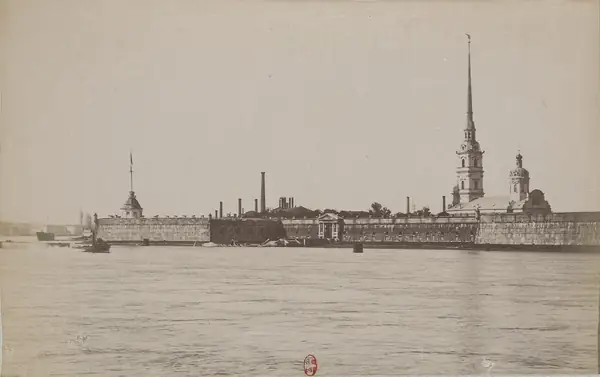 Peter and Paul FortressSaint Petersburg
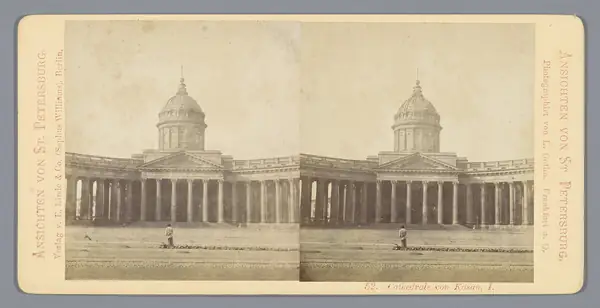 Kazan CathedralSaint Petersburg
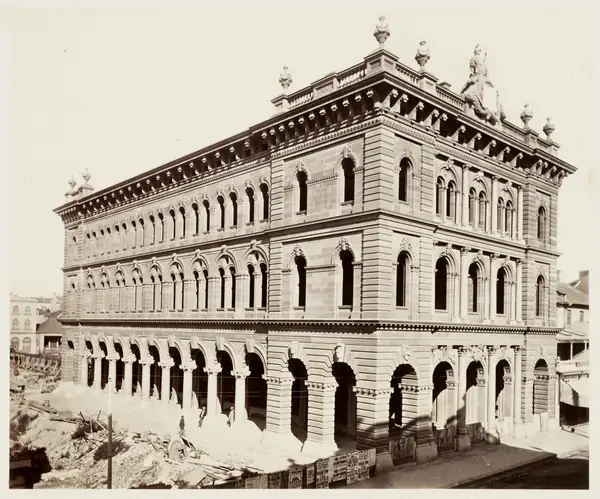 General Post OfficeSydney
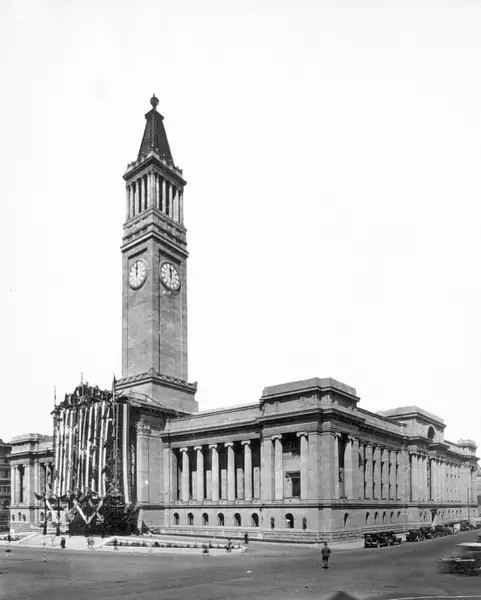 Brisbane City HallBrisbane
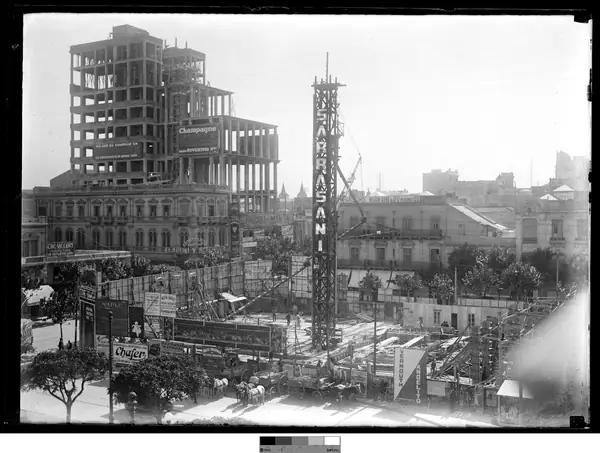 Palacio SalvoMontevideo
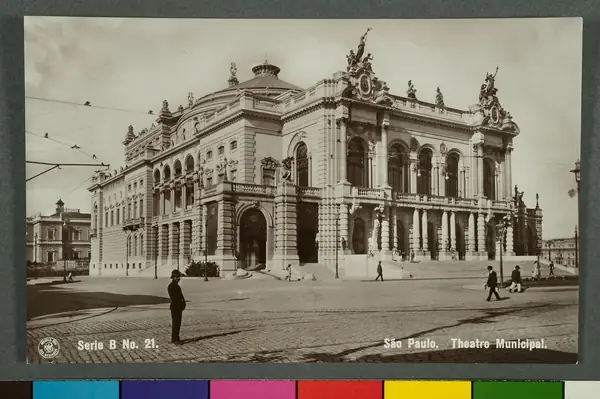 Theatro MunicipalSão Paulo
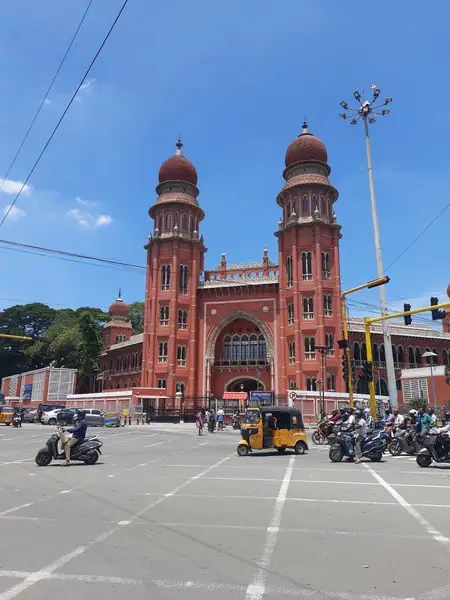 Madras High CourtChennai
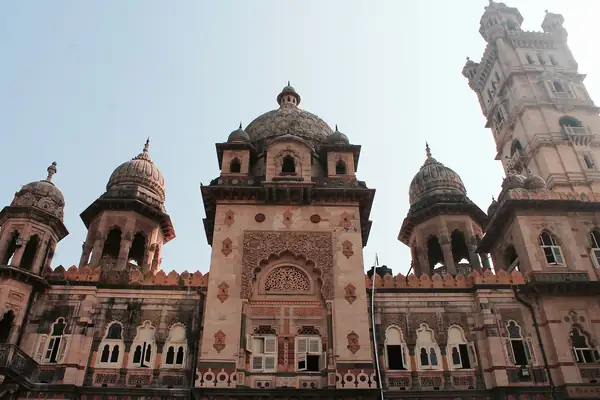 Laxmi Vilas PalaceVadodara
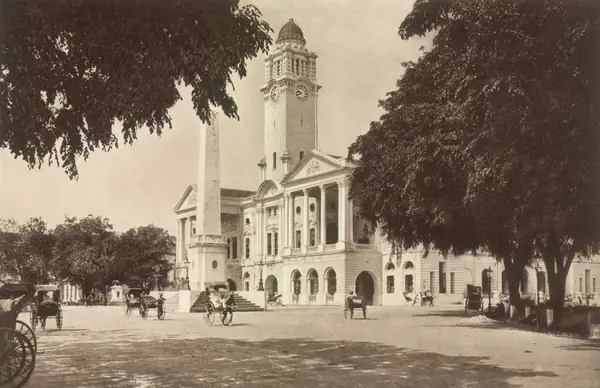 Victoria Theatre and Concert HallSingapore
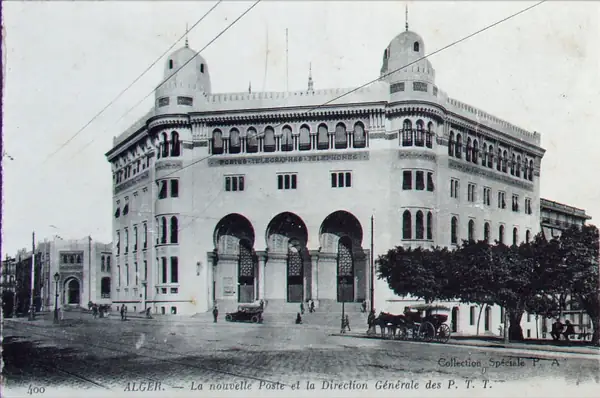 Grande PosteAlgiers
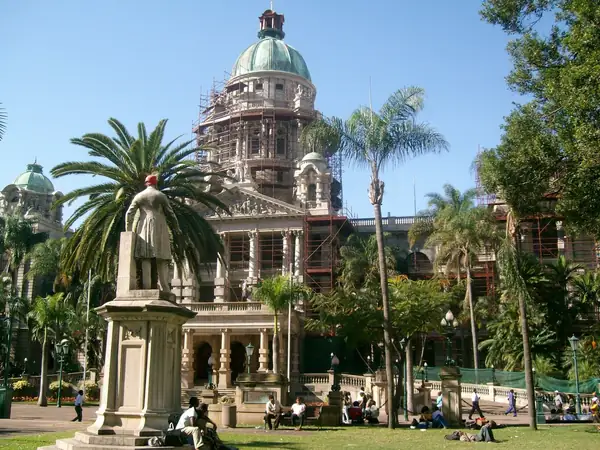 Durban City HallDurban
Buildings the record itself calls a copy, twin or 'modelled on'
17
17 entries
- Theatro MunicipalGarnier
- Theatro MunicipalGarnier
- Hanoi Opera HouseGarnier
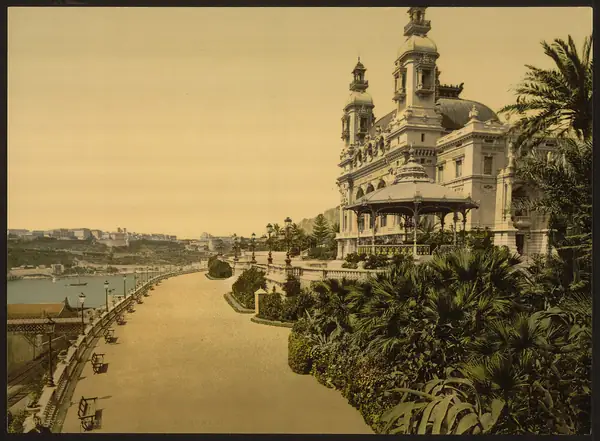 Opéra de Monte-CarloGarnier himself
- Pennsylvania State CapitolSt. Peter's dome
- Kazan CathedralSt. Peter's colonnade
- Kentucky State CapitolLes Invalides dome
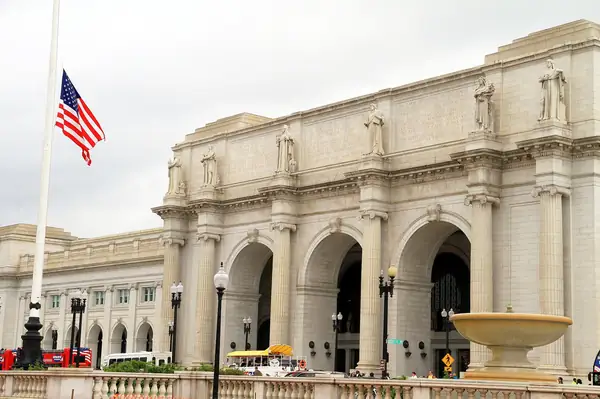 Union StationBaths of Diocletian, Arch of Constantine
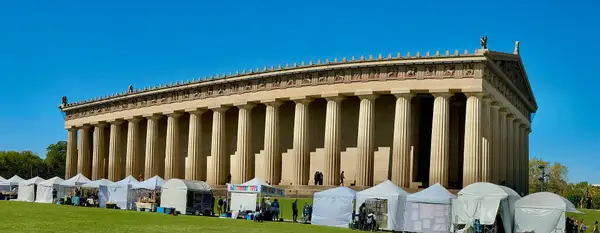 The ParthenonAthens Parthenon
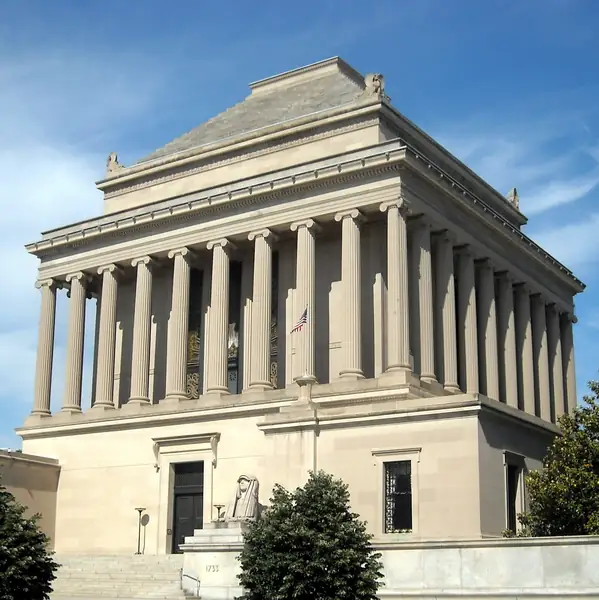 House of the TempleMausoleum at Halicarnassus
- Durban City Hallnear copy of Belfast City Hall
- Palacio Salvotwin of Palacio Barolo
- Tarrant County Courthouseresembles Texas State Capitol
- Kunsthistorisches Museumfaces its twin
- Minnesota State Capitoldrew on the 1893 fair
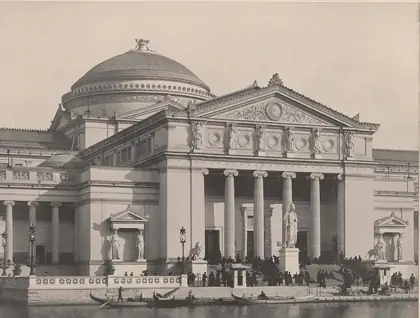 Erechtheion-style caryatid porchesErechtheion caryatids
- The long-hall formula againlong-hall formula of 1851/1876
Kirkbride-plan asylums in oldworld.json, plus one architect with about 20
11 + architects/samuel-sloan-greystone-park-kirkbride-building ('built about 20 hospitals on the Kirkbride Plan')
12 entries
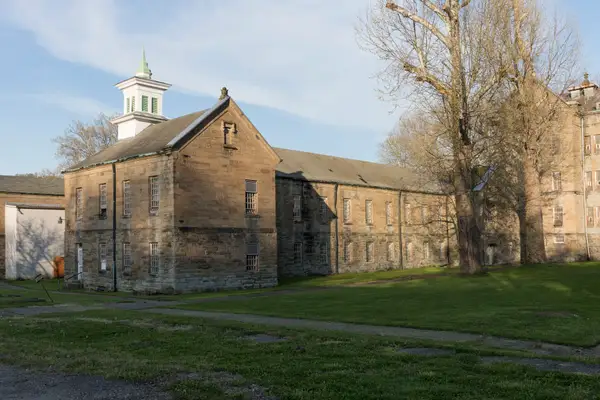 Trans-Allegheny Lunatic AsylumWeston, West Virginia
- Buffalo State Asylum (Richardson Olmsted Campus)Buffalo
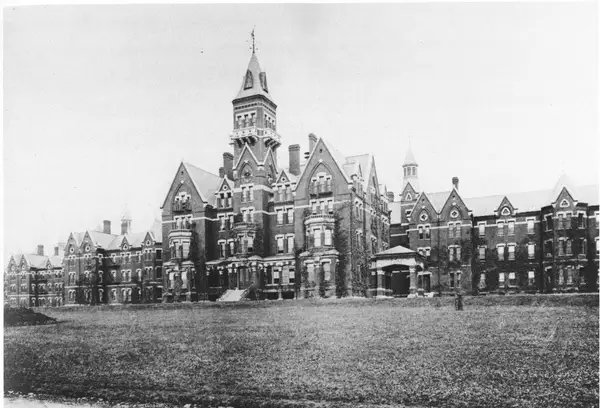 Danvers State HospitalDanvers, Massachusetts
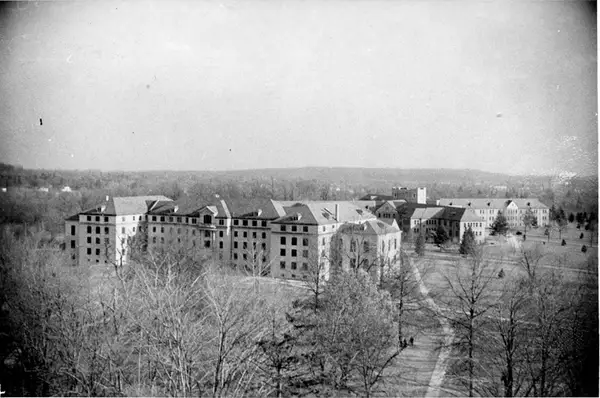 Greystone Park Psychiatric HospitalMorris Plains, New Jersey
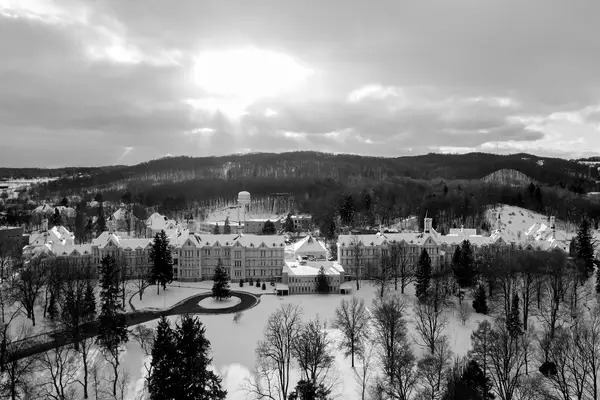 Northern Michigan AsylumTraverse City
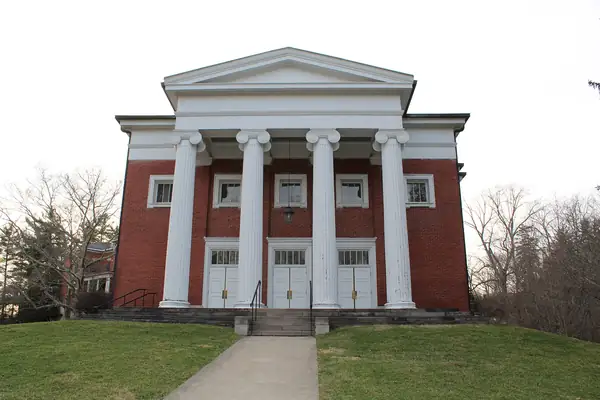 Athens Lunatic Asylum (The Ridges)Athens, Ohio
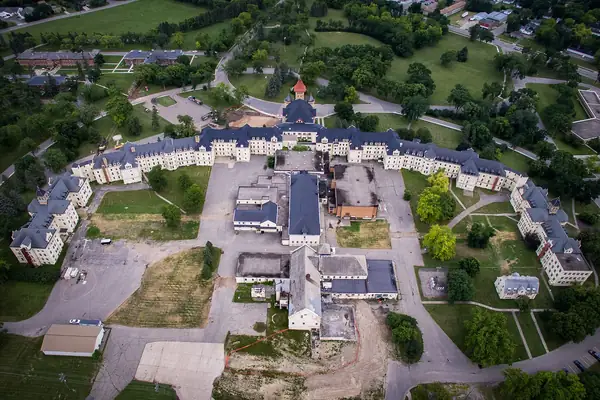 Fergus Falls State HospitalFergus Falls, Minnesota
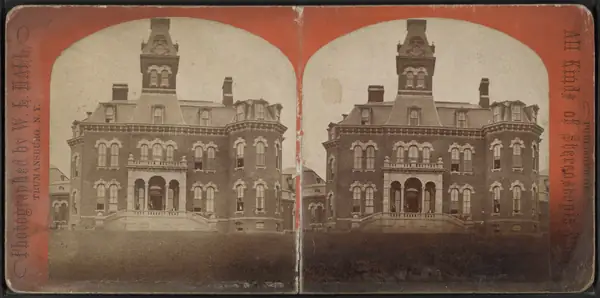 Willard Asylum for the Chronically InsaneOvid, New York
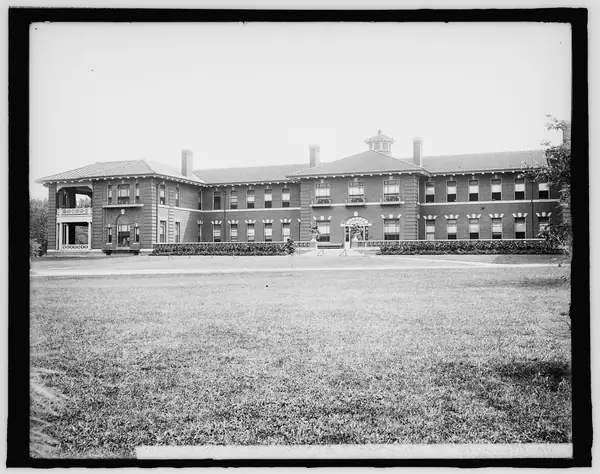 St. Elizabeths HospitalWashington, D.C.
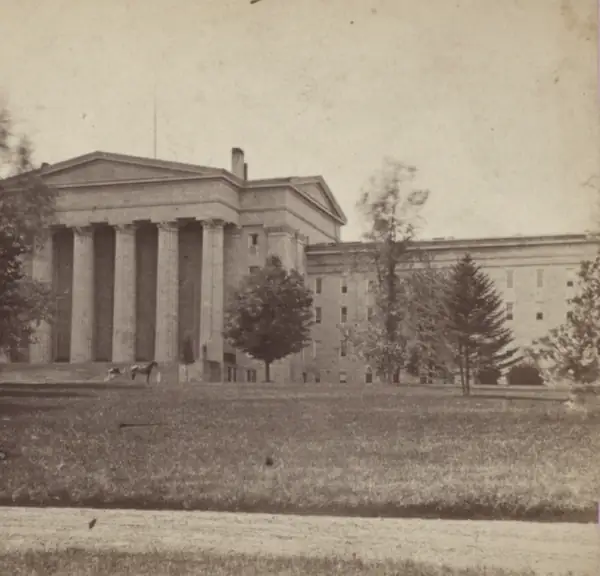 Utica Psychiatric CenterUtica, New York
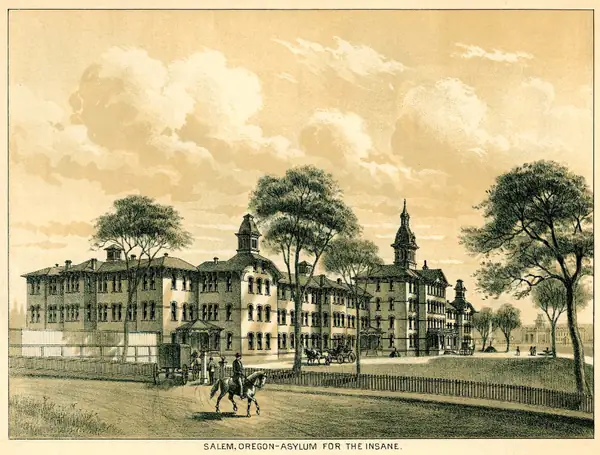 Oregon State HospitalSalem
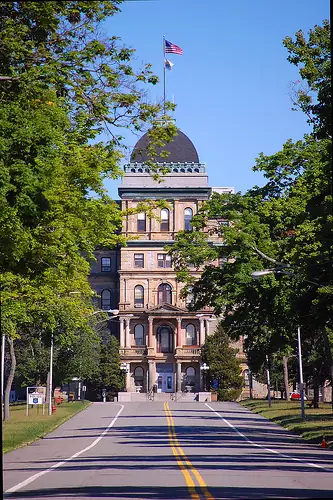 Samuel Sloan: Greystone Park (Kirkbride building)Morris Plains, New Jersey
Open questions
- Who drew the shared plans, and where were they kept?
- Why do colonial and non-colonial places alike (Russia, Japan, Argentina) produce the same forms?
What would support it
- Earlier drawings of the 'copies' that predate their supposed models.
- Identical measurements or modules across buildings on different continents.
What would rule it out
- Clear paper trails of architects travelling, publishing and copying (Beaux-Arts schooling, published competition books, colonial public-works offices).
- Many of the copies are openly named as copies by their own records, which fits ordinary imitation.
Selection bias
High: domed, ornate buildings were what the collection looked for.
The rating counts how much of our gathered material lines up with the pattern. It is not a probability that the hypothesis is true, and every count is limited by which buildings were picked for the app (see 'selectionBias' on each card).
Next hypothesis
 Strong110 entries#4The ground came up: buried floors are everywhereBuried ground floors, stairs that go down to a door, raised streets and dug-out temples appear in 35 countries in our collection, from Seattle to Rome to Edfu. Common sense says ground doesn't rise metres in a few centuries without something bringing it. The documented causes vary (river silt, drifting sand, volcanic ash, rubble, deliberate street raising), but the result is the same: older cities sit under newer ones far more often than most people picture. The open possibility is that some of the raising on record was the cleanup of a deposit rather than a choice.