1878 · Paris, France
Investigate this fair
5 clues in 4 photos, strongest first. Tap a photo to zoom in on each clue.
- 2 Scale
- 2 Repeated motif
- 1 Repair scaffold
Case file
The Hypothesis
The Trocadéro 'works' show repair of a damaged structure as much as new building, and its core survives inside the Palais de Chaillot, which suggests the hill held an older building that each era re-dressed.
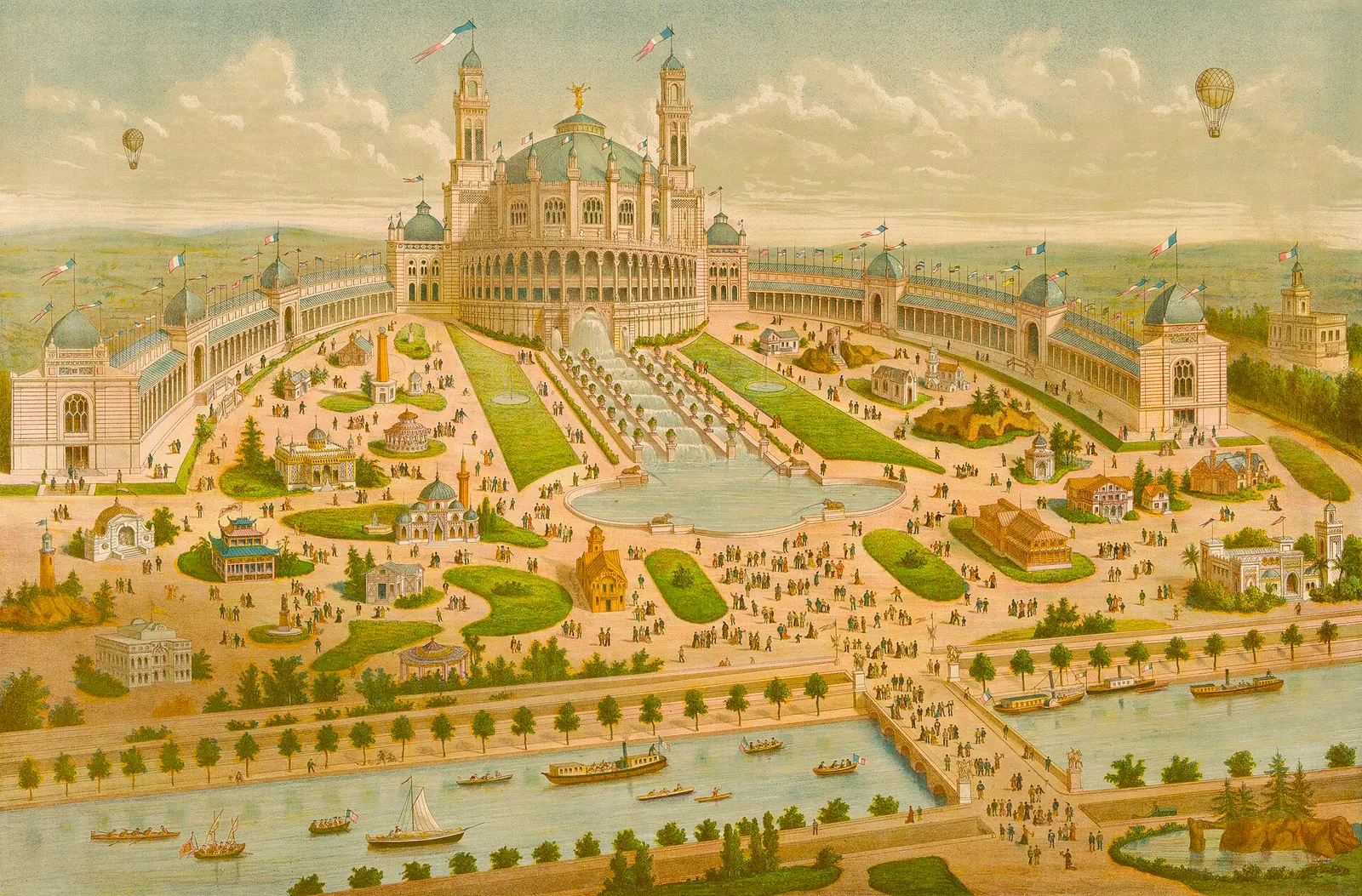
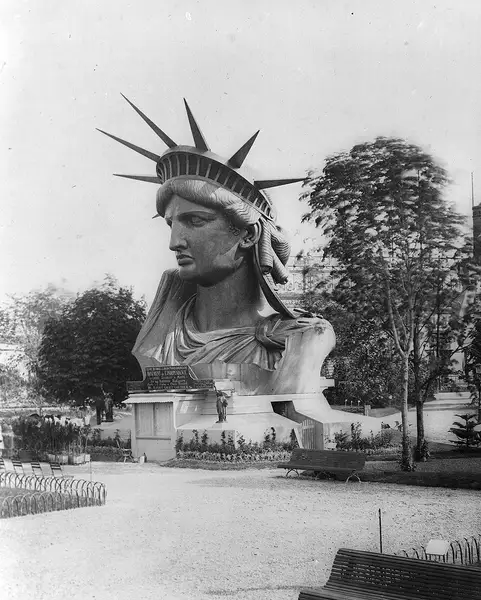
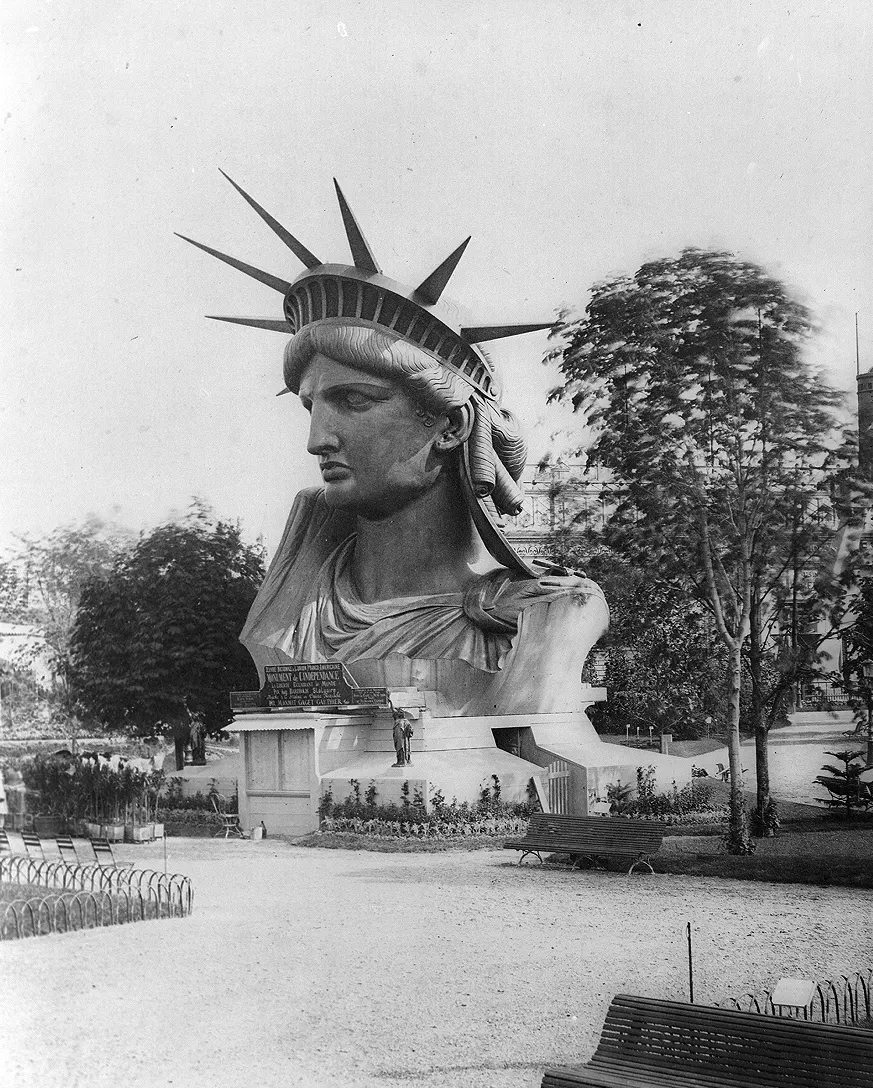
Paris 1878's Trocadéro engraving shows scaffold and a damaged-looking colonnade, and the record says its core is still inside the Palais de Chaillot. Liberty's head sat in the park with people for scale.
What the photos and records show
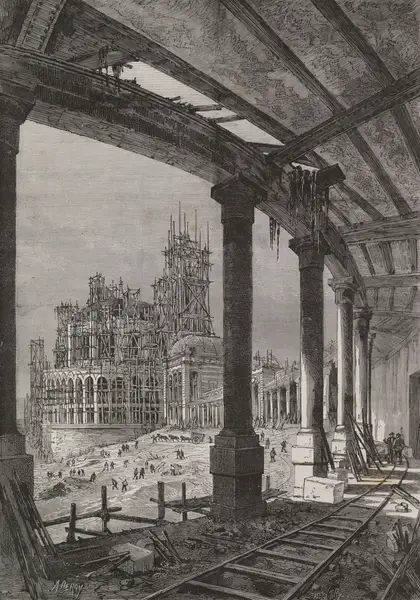
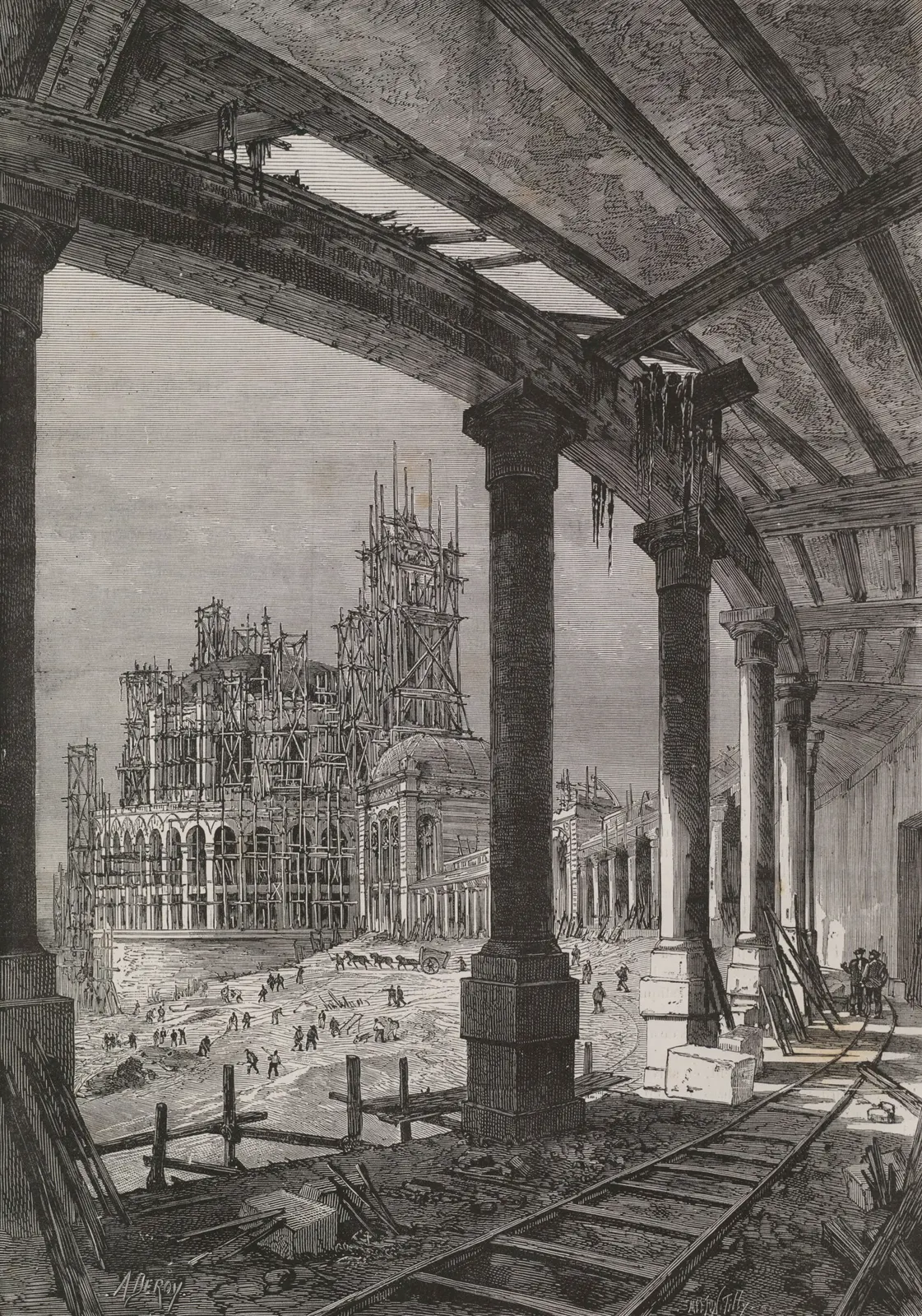
- The engraving shows a colonnade with a damaged or unfinished ceiling and hanging fragments, and towers wrapped in scaffold.
- The visible crew is horse teams and about 30 workers.
- The record says the Trocadéro's core was reused inside the Palais de Chaillot.
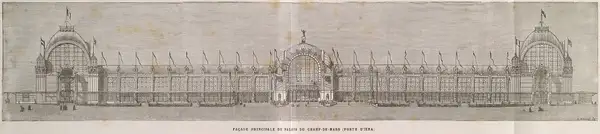
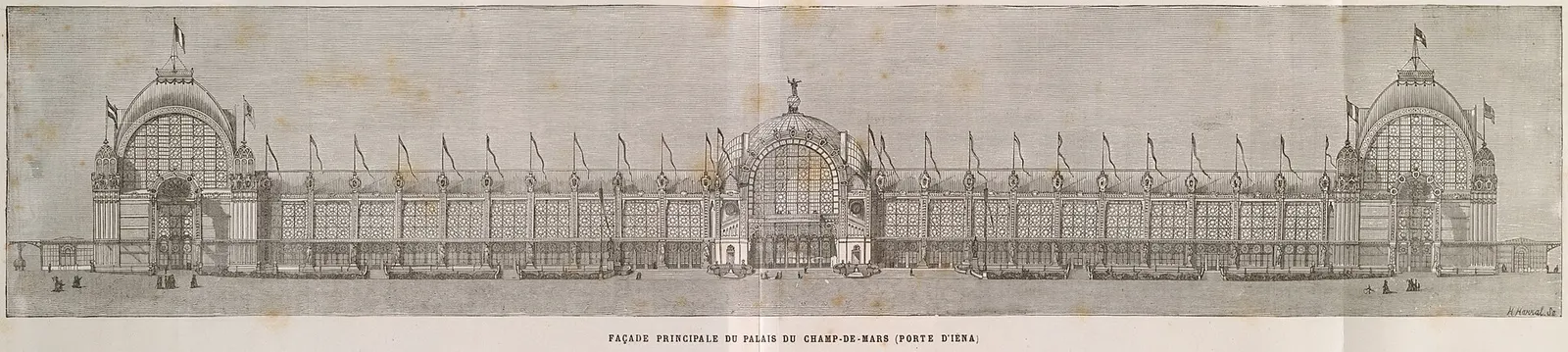
- The Champ-de-Mars palace repeats the long-hall formula of London and Philadelphia.
Open questions
- Is the Trocadéro new construction or repair?
- What is inside the Palais de Chaillot?
- Who held the long-hall pattern?
What would settle it
- Surveys of the Palais de Chaillot's core.
- Pre-1876 plans of the Chaillot hill.
- Dated construction photos of the Trocadéro.
Photo 1
Travaux du Palais du Trocadéro, 1878
 Zoom in
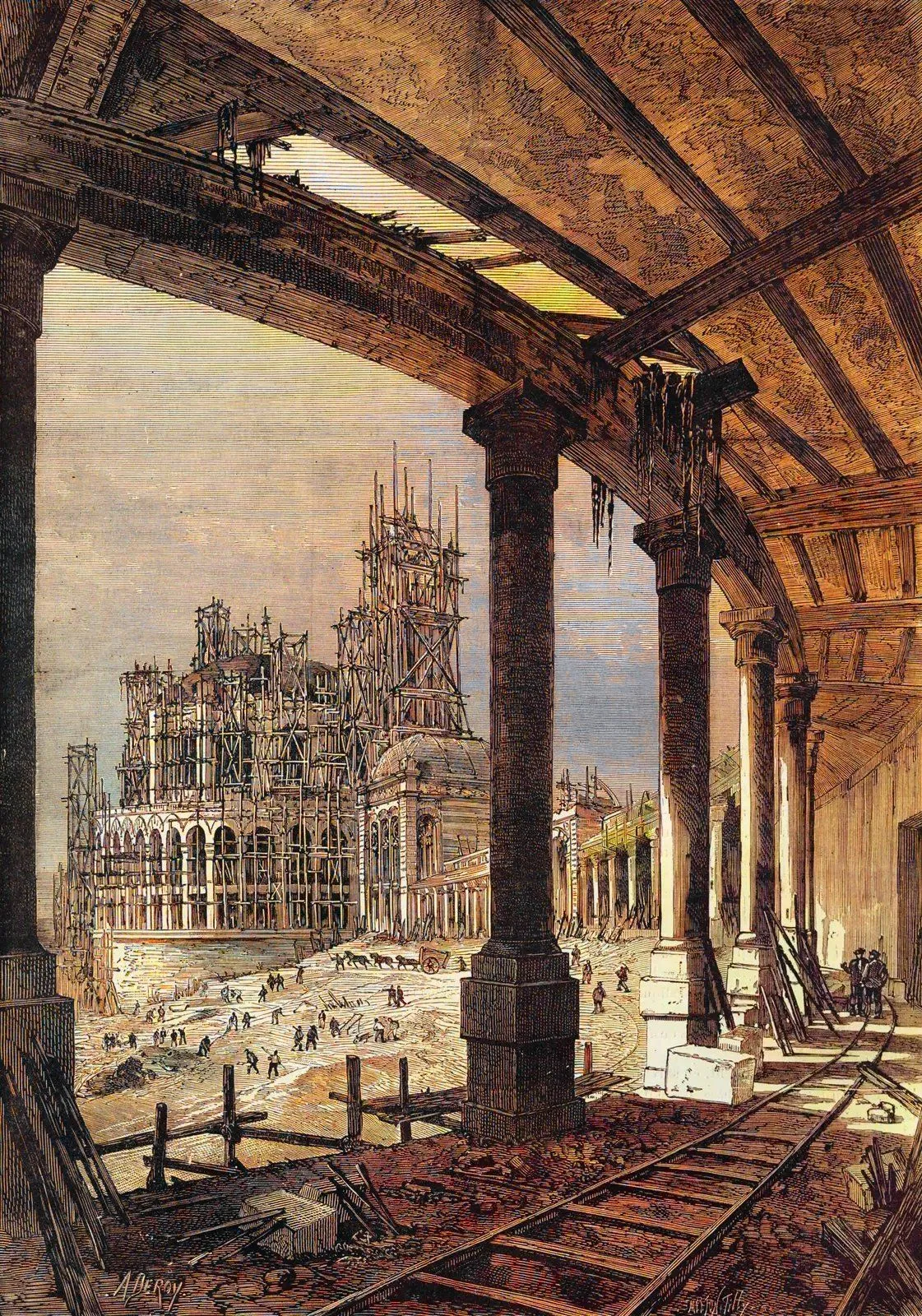
Photo: Smeeton-Tilly and A. Deroy · Public domain · via Wikimedia Commons
- 1The Trocadéro wrapped in scaffoldThe engraving of the Trocadéro works shows a foreground colonnade with a damaged or unfinished ceiling and hanging fragments, stone columns and a rail track. Behind it the towers are wrapped in scaffold, with horse teams and about 30 workers.The questionIs this new construction, or repair and refitting of an existing structure?
- 2Horse teams and about 30 workersThe visible crew is a few horse teams and about 30 workers in front of a palace-scale building.The questionHow did crews of this kind finish a palace this size in time for opening day?
Photo 2
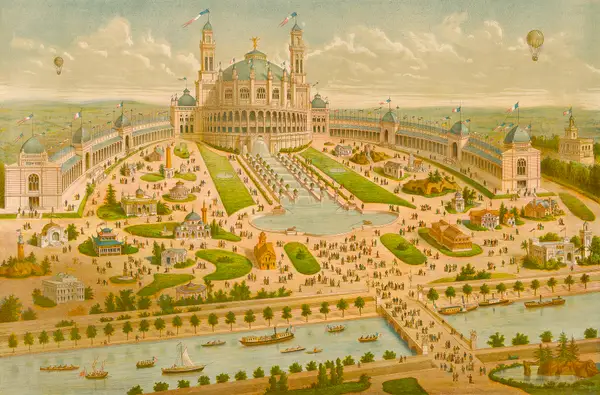
Exposition universelle - Paris, 1878 by Isidore Laurent Deroy - Gallica
 Zoom in
Photo: Isidore Laurent Deroy · Public domain · via Wikimedia Commons
Photo 3
Head Statue of Liberty, Paris 1878
 Zoom in
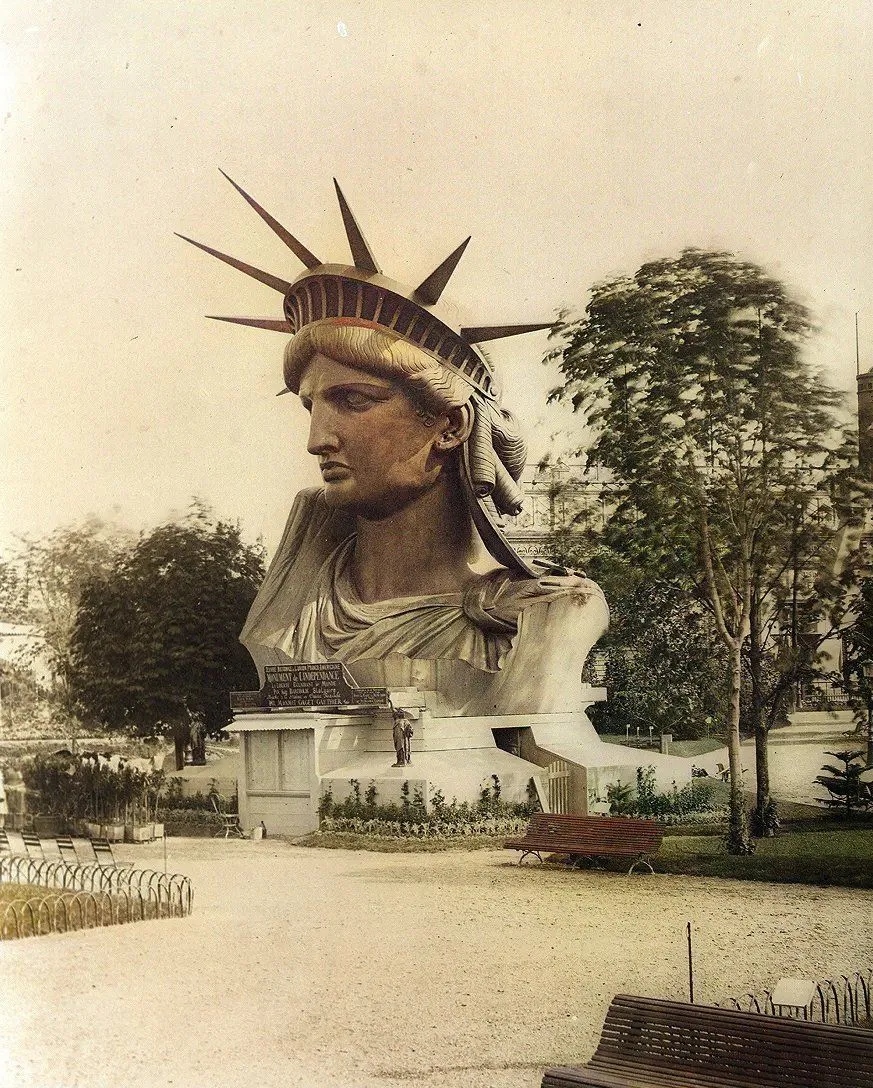
Photo: Albert Fernique · Public domain · via Library of Congress via Wikimedia Commons
Photo 4
Façade principale du Palais du Champ-de-Mars, Exposition Universelle 1878
 Zoom in
Photo: Unknown photographer · Public domain · via Wikimedia Commons
Hypotheses this fair feeds
Patterns where this fair, its buildings or its photo clues are part of the evidence.
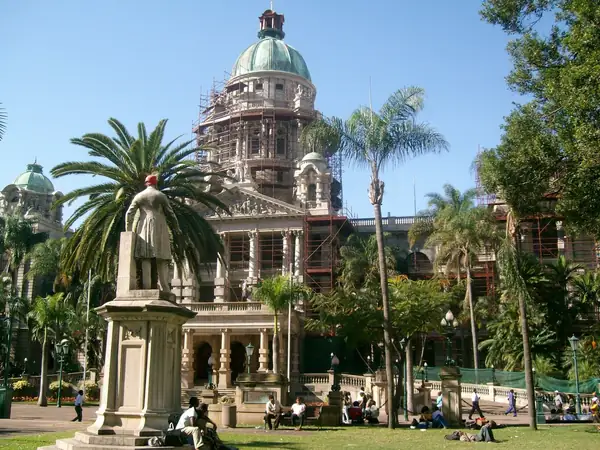 Strong111 entriesOne template, every continentThe same domes, the same Kirkbride layout, the same Garnier opera house and the same star-shaped fort turn up on every inhabited continent, often in the same decades and often openly called copies. Common sense says that in an age of letters and steamships, a style doesn't normally spread to Manaus, Hanoi, Durban and Winnipeg at once. One possibility is a shared source: a common building tradition or pattern-book much older than the names now attached to it.
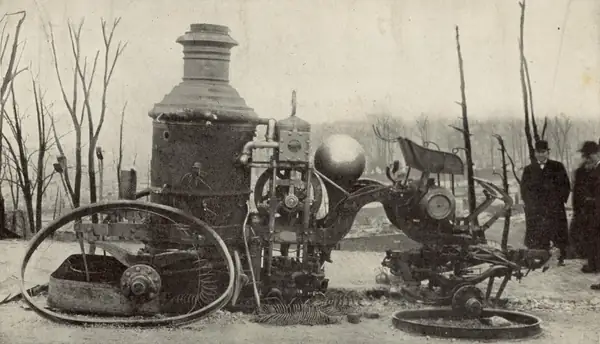 Strong53 entriesFire as the reset buttonCity after city loses its old centre to one big fire, usually blamed on something homely like a pipe, a glue pot or a cow, and within one to three years a grander stone and brick centre stands in its place, often on a brand-new street plan that was ready almost at once. Common sense says rebuilding a downtown in stone takes money, masons and quarries a city doesn't have the morning after a disaster. One possibility is that some of these fires cleared old fabric and old ownership, and the rebuild was planned or supplied from outside.
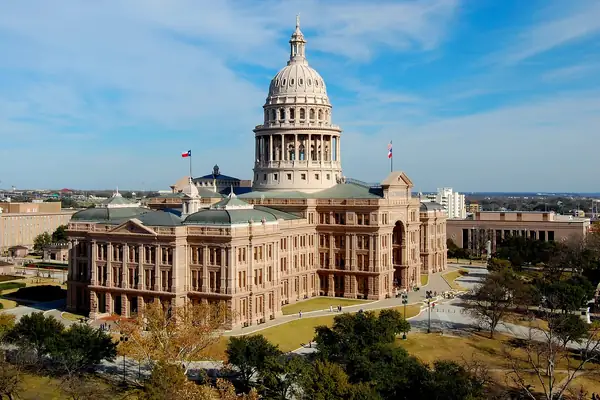 Emerging14 entriesWhere were the skilled hands?Where the record does name the workforce, it keeps saying the same thing: the skills had to be imported (Scottish granite cutters, German and Irish masons) or forced (convicts). Yet the same decades are credited with thousands of carved stone buildings across small towns. Common sense: if Texas had to send to Scotland for 86 stonecutters, who was cutting stone for every county courthouse and capitol at the same time? One possibility is that far fewer buildings were cut new than the record implies, and many crews were finishing, repairing or refacing existing stonework.
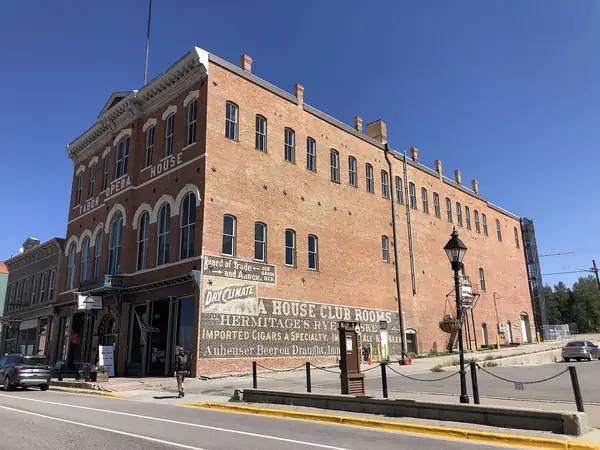 Thin54 entriesWords that paper over the gapThe vocabulary in the records is soft at exactly the points where the question is hardest: buildings are 'dated', 'said to' be built in 100 days, 'rebuilt', 'restored', or 'founded'. Common sense: those words can describe building from nothing, or taking over, refacing or re-papering something already there. This is a reading guide, not proof.
Related clues at other fairs
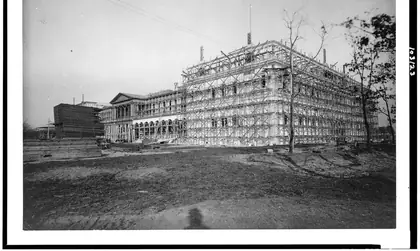 #2Scaffolding on a facade that already looks finishedIs this scaffold building the facade, or refinishing one that was already there?
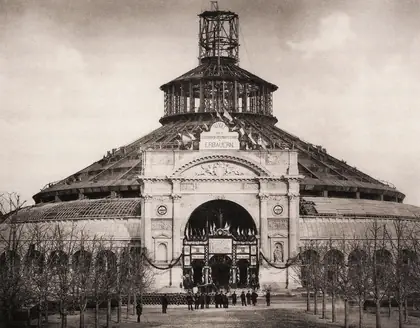 #8An open roof and a bare iron lanternIs the roof being closed for the first time, or reroofed?
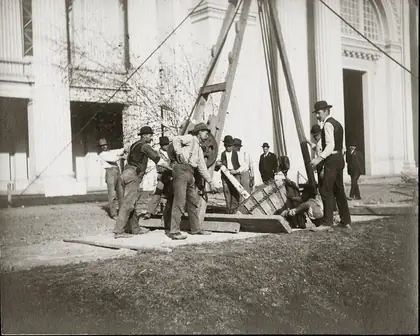 #10Twelve men and a tripod to plant one treeIf one tree took this much effort, what did the palaces take?
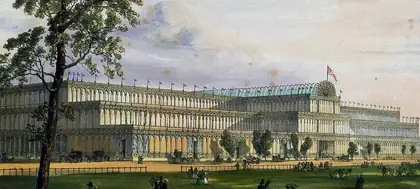 Carriages for scale along the north-east frontAt that scale, what did the hauling and erection really require from a horse-powered city?
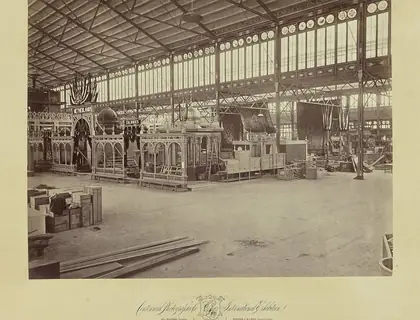 Medallions and arcades repeated down the naveWere these ornaments cast for 1876, or are they a standard pattern found in other halls of the era?
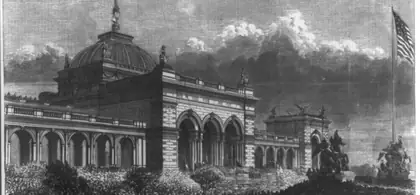 Crowds give the scaleHow many stone-setters and teams would a hall like this need on the timeline recorded?