Hypothesis #12 of 20
Older cores behind newer faces
Strength is how much of our gathered material lines up with the pattern. It is not the odds that the idea is true.
The working idea
Over and over the record itself says a 'new' building sits on, around or inside something older: a surviving medieval hall, a re-used palace core, a refaced 18th-century block, an old fort, prison or citadel site, a temple under a church. Common sense: if this is admitted in these cases, the same thing may have happened in others where nobody wrote it down, and the 'built' date may really be a 'refaced' date.
Strongest examples
The evidence
Entries where the record says the building sits on, around or inside an older structure
18
18 entries
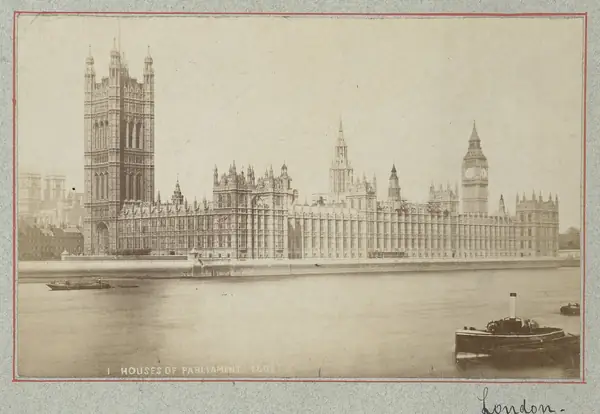 Palace of Westminsternew palace around the surviving 11th-century hall
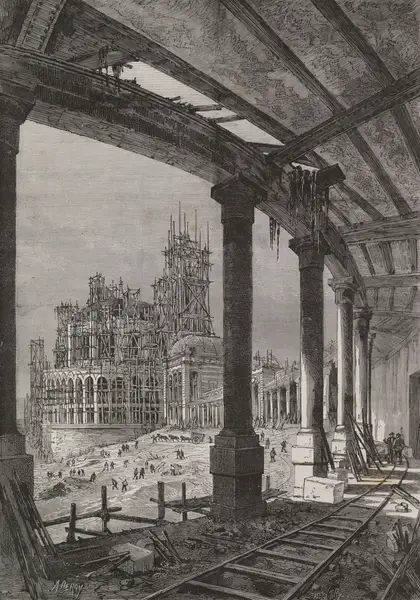 Palais du Trocadérocore re-used inside Chaillot
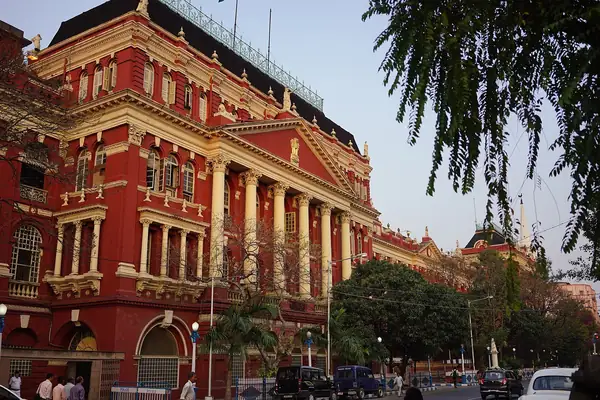 Writers' Building1777 block refaced in the 1880s
 Museum of Science and Industrykept for its brick core
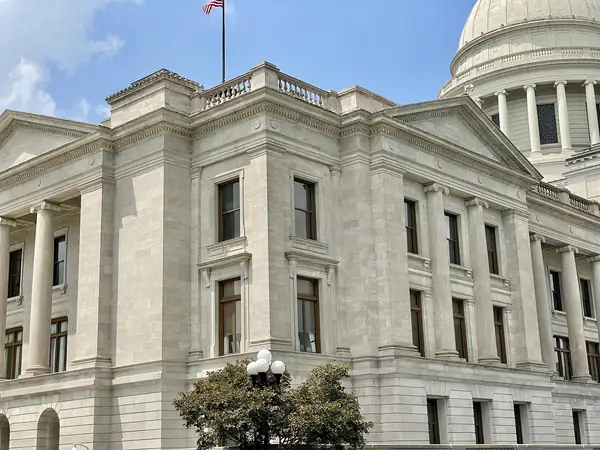 Arkansas State Capitolon the old penitentiary site
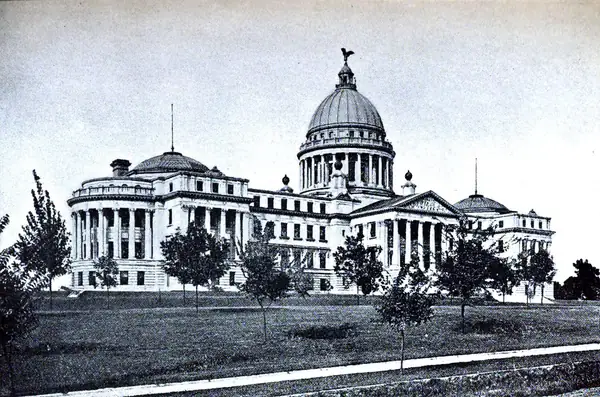 Mississippi State Capitolon the old penitentiary site
 Barcelona Universal Expositionfair on a demolished citadel
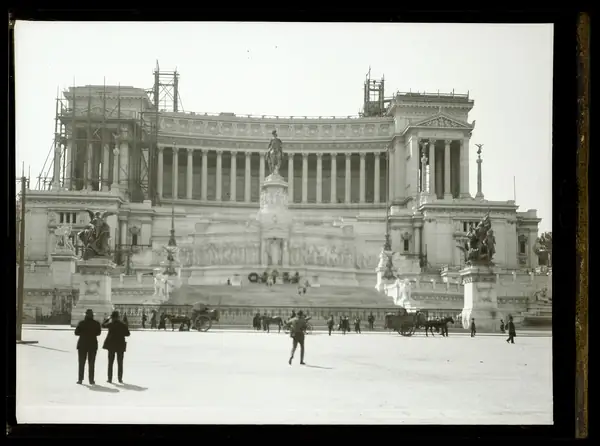 Vittorianomedieval quarter cleared
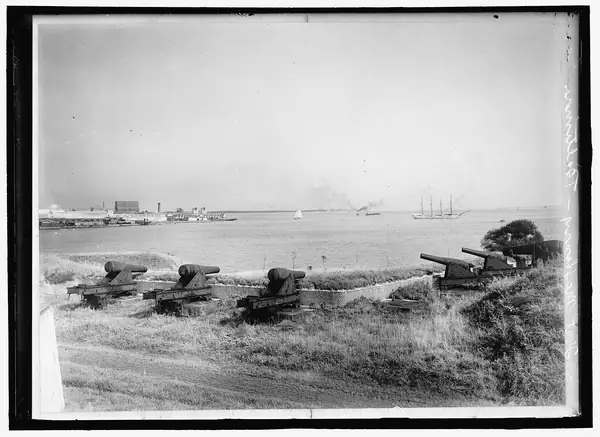 Fort McHenrywhere an earlier earthwork fort stood
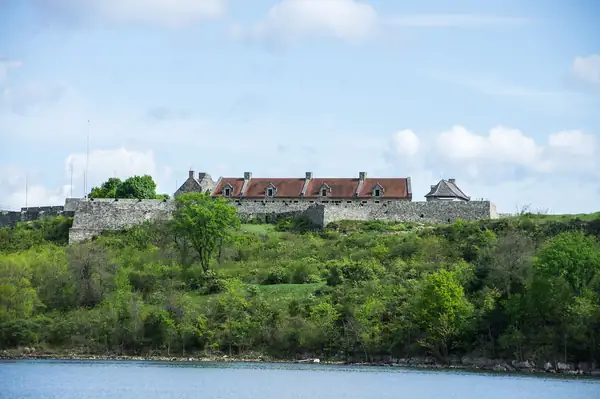 Fort Ticonderogarebuilt from ruins after 1909
 Hôtel de Villerebuilt to the old design, larger
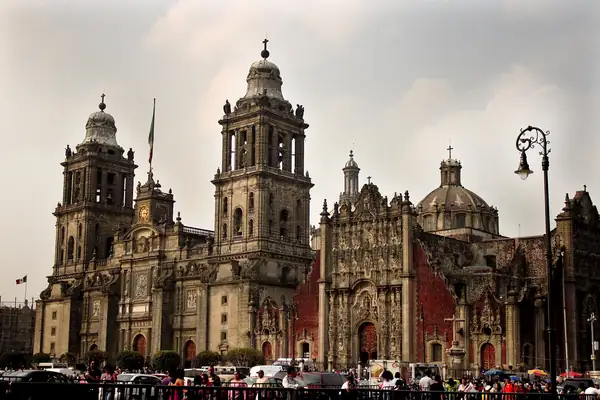 Mexico City Metropolitan Cathedralon the Aztec sacred precinct
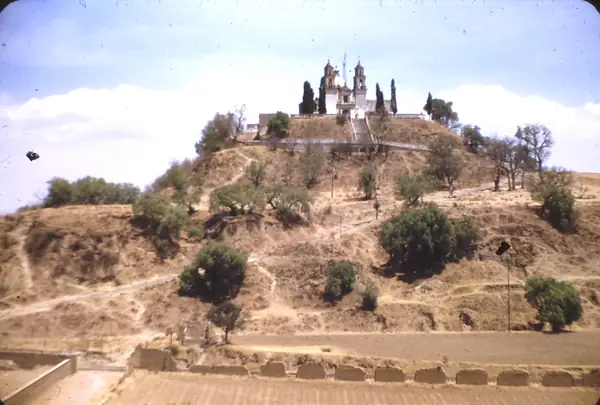 Great Pyramid of Cholulachurch on the pyramid, 1594
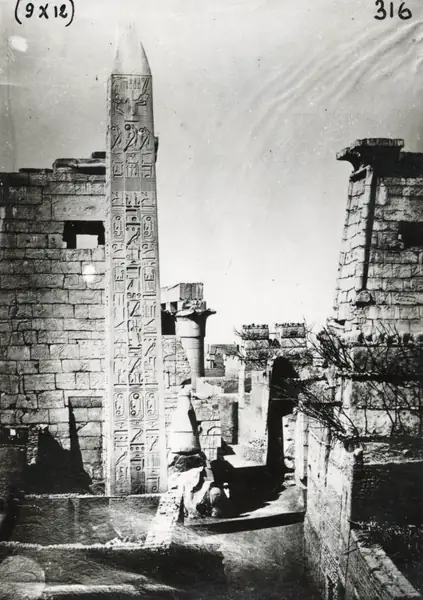 Luxor Temple and the mosque on topLuxor
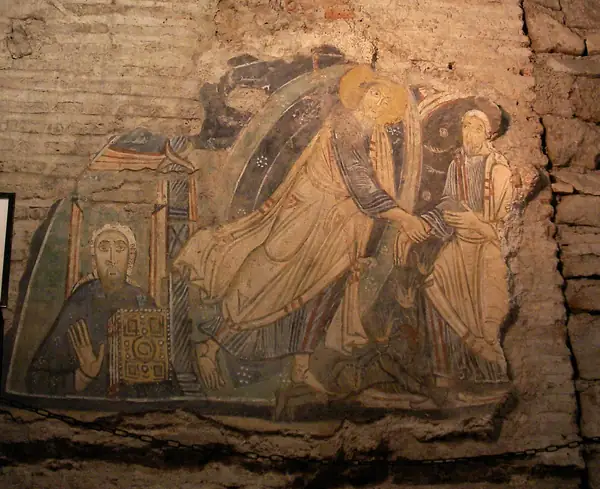 Basilica of San Clementethree layers
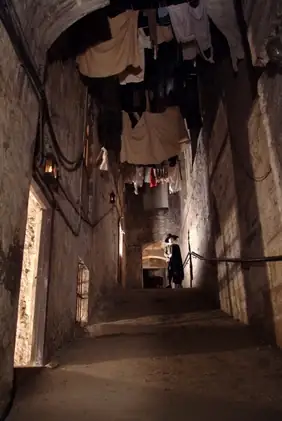 Mary King's CloseRoyal Exchange built over a street
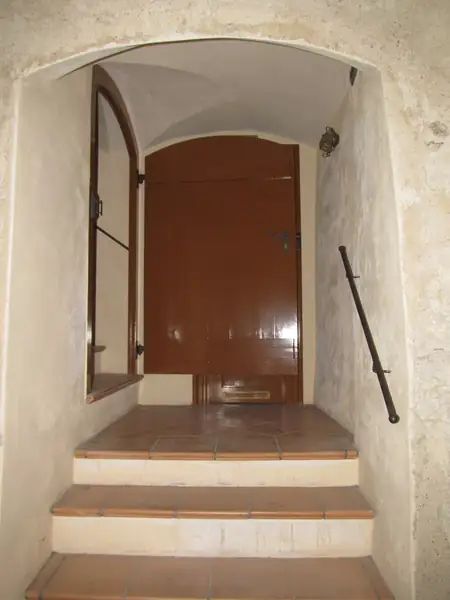 Romanesque palace, Prague Old Townold ground floor now the cellar
 Cathedral of Christ the Saviourrebuilt to the same design
Open questions
- How many 'completed' dates in the 1865–1915 window are really refacing dates?
- What do wall cores look like where restorers have opened them?
What would support it
- Restoration reports finding older masonry inside walls dated to the 1800s.
- Mortar or brick dating older than the recorded build.
What would rule it out
- Restoration reports showing uniform construction matching the recorded dates throughout.
Selection bias
Low to medium.
The rating counts how much of our gathered material lines up with the pattern. It is not a probability that the hypothesis is true, and every count is limited by which buildings were picked for the app (see 'selectionBias' on each card).
Next hypothesis
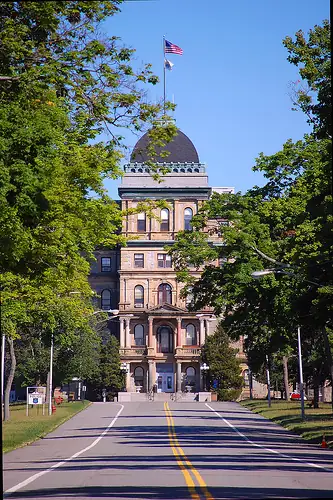 Moderate17 entries#13Built for people who hadn't arrived yetSeveral asylums open almost empty in huge buildings, then fill to many times their design size within a few decades. Common sense says you build for the need you have. Building first and filling later suggests either the buildings were there before the need, or someone planned for a large incoming population ahead of time.