1901 · Buffalo, United States
Investigate this fair
5 clues in 4 photos, strongest first. Tap a photo to zoom in on each clue.
- 1 Masonry, not plaster
- 1 Weathering
- 1 Other details
- 1 Scale
- 1 Repeated motif
Case file
The Hypothesis
Buffalo's tower and temple show ornament and power infrastructure beyond a one-season build, and the 'permanent' marble survivor in an already mature park suggests the line between temporary and permanent was drawn after the fact.
Buffalo's 'Rainbow City' ran on Niagara power around a towering Electric Tower, and only the marble building survived. Its photos show dense ornament and a survivor among mature trees.
What the photos and records show
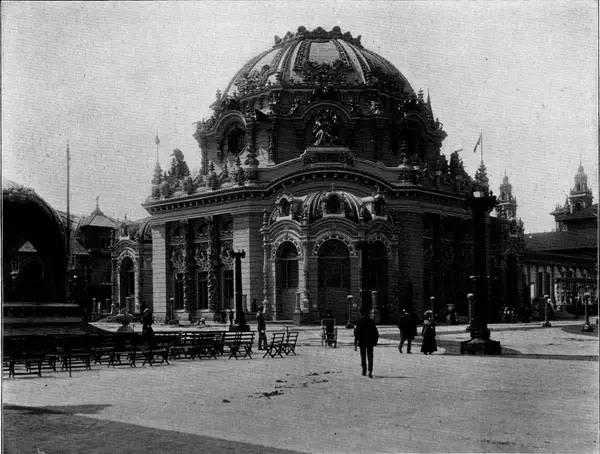
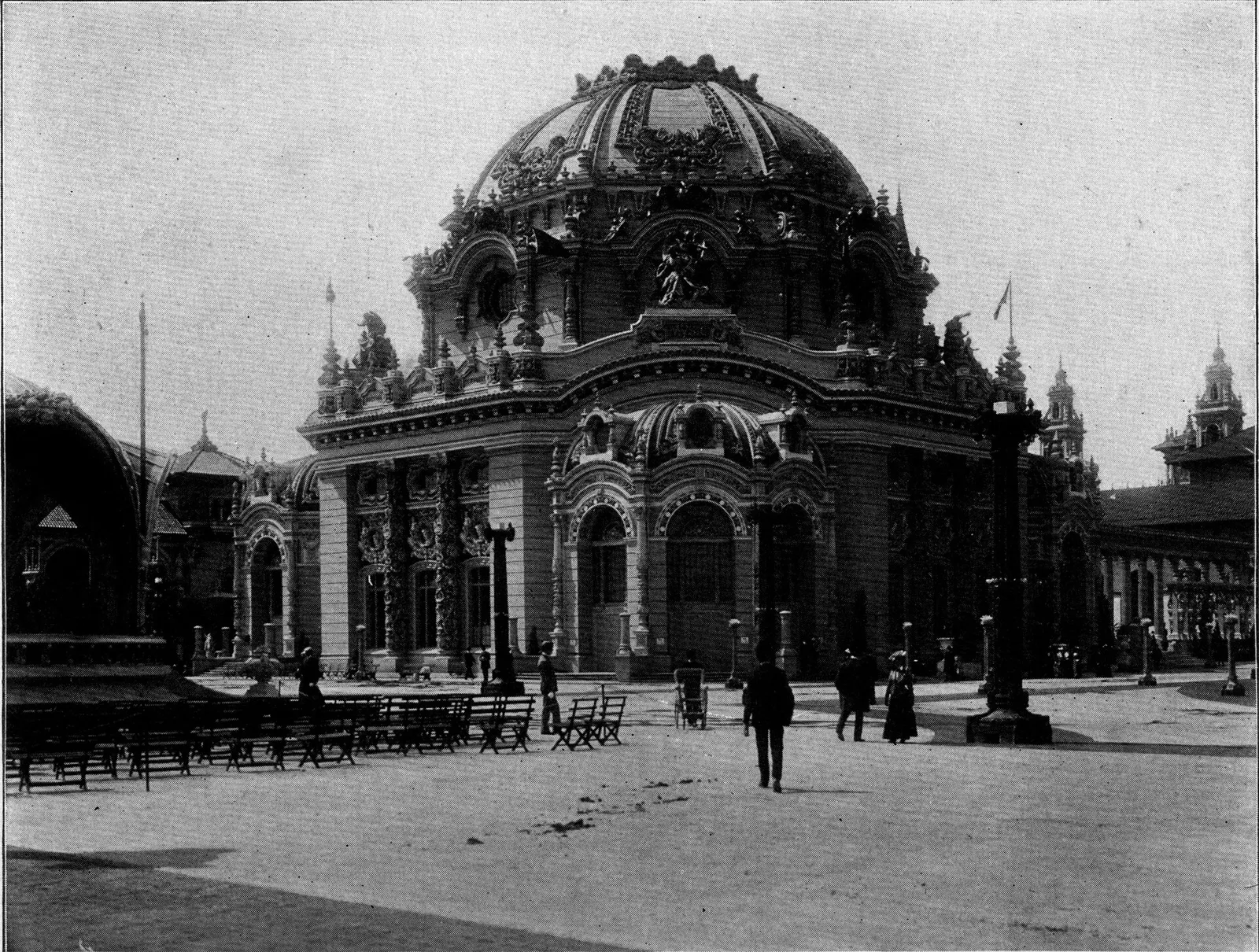
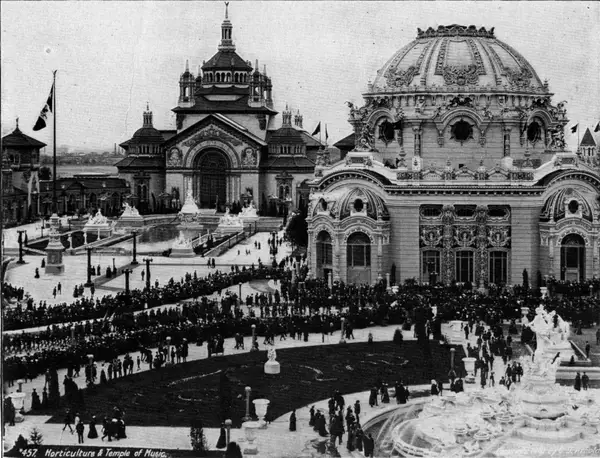
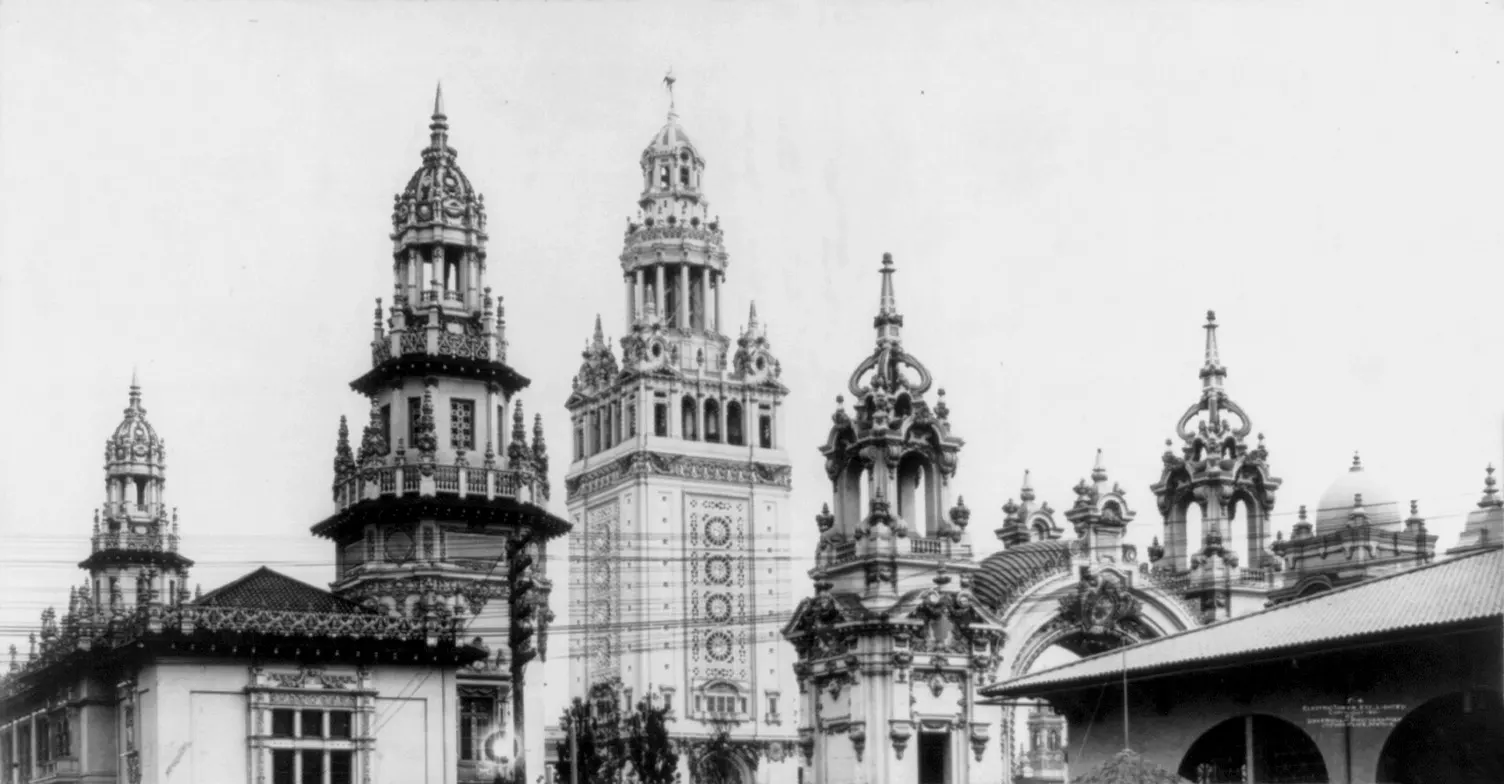
- The Temple of Music is covered in extremely dense sculpted ornament.
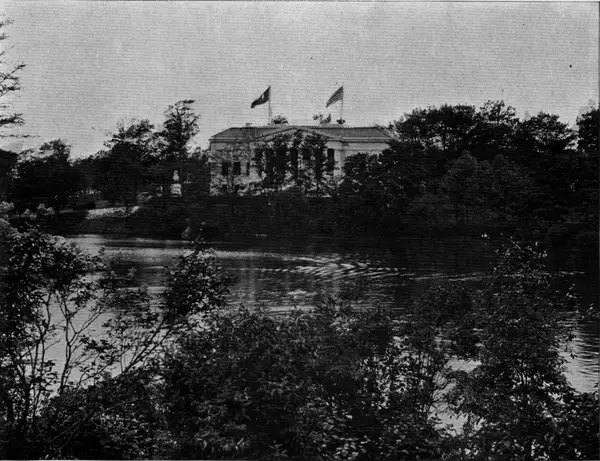
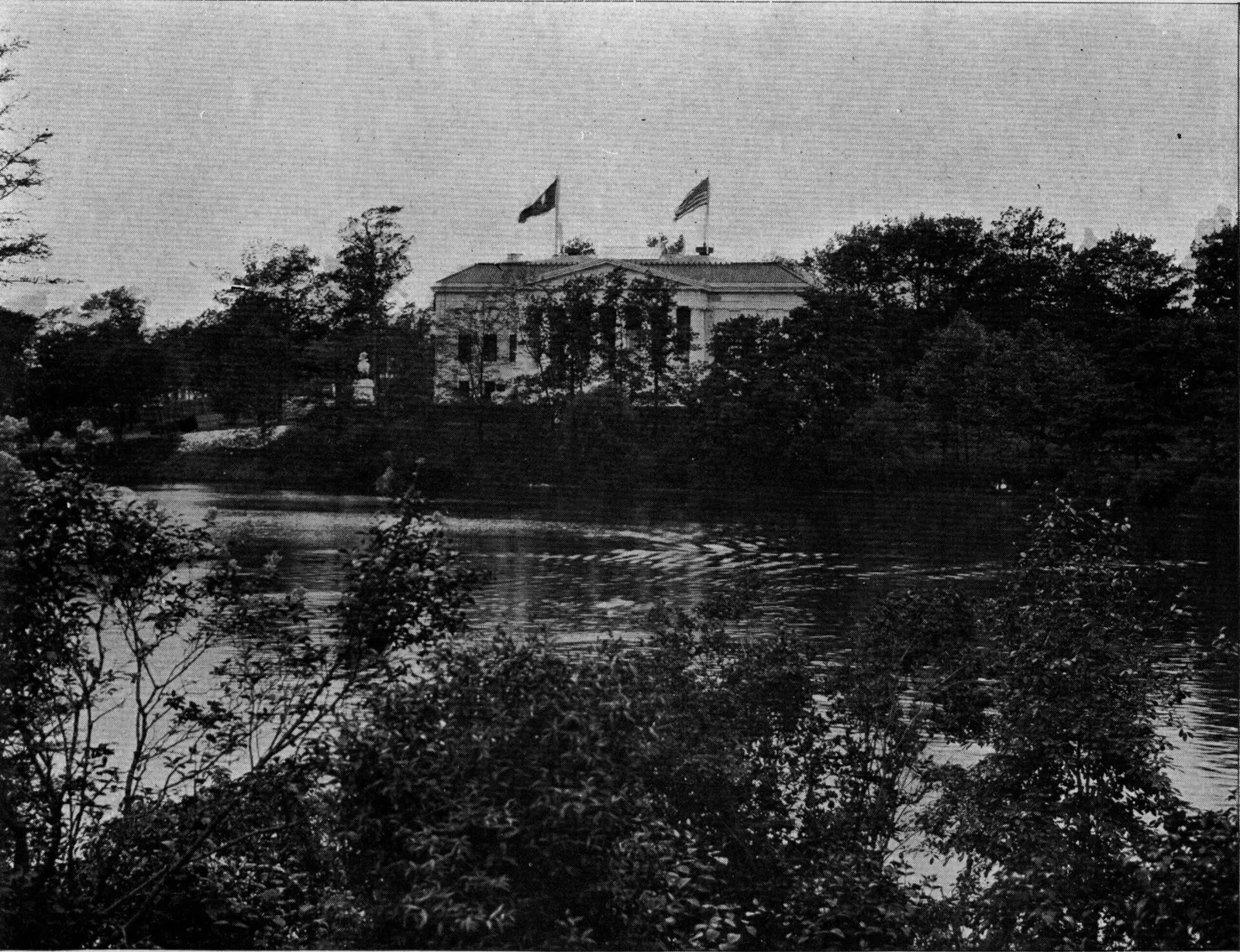
- The New York State Building sits among fully grown trees and survives.
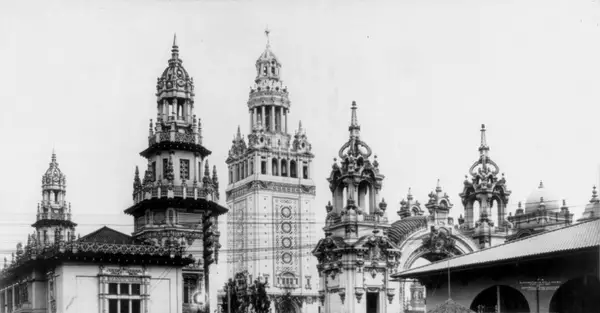
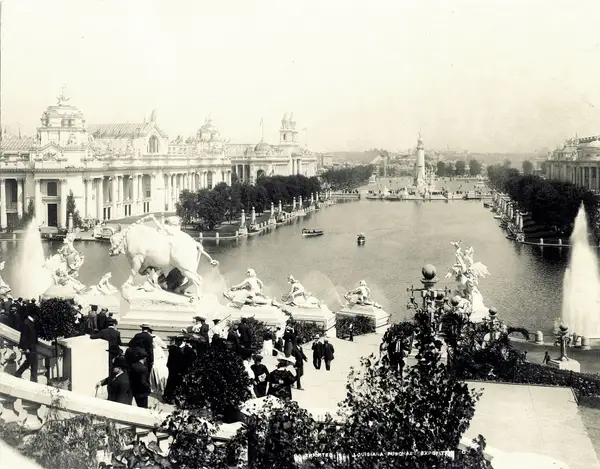
- The record says the Electric Tower was nearly 400 ft, lit by Niagara power.
- Crowds give the scale of the plaza and fountains.
Open questions
- How was ornament this dense made in time?
- Was the tower power infrastructure?
- What does Delaware Park look like on pre-1900 maps?
What would settle it
- Pre-1900 maps of Delaware Park.
- Records of the tower's electrical plant.
- Sculpture shop schedules.
Photo 1
Pan-American Exposition - Temple of Music
 Zoom in
Photo: C. D. Arnold · Public domain · via Wikimedia Commons
Photo 2
Pan-American Exposition - New York State Building
 Zoom in
Photo: C. D. Arnold · Public domain · via Wikimedia Commons
- 1Mature trees around the survivorThe New York State Building sits among fully grown trees across the lake. It survives today as the Buffalo History Museum.The questionWas the park landscape older than the fair, and was the building too?
- 2Permanent: what was built, or what was kept?The record says the marble building was the only one planned to stay, and it is the only one that did.The questionDoes the 'permanent vs. temporary' line track how things were built, or only what was kept?
Photo 3
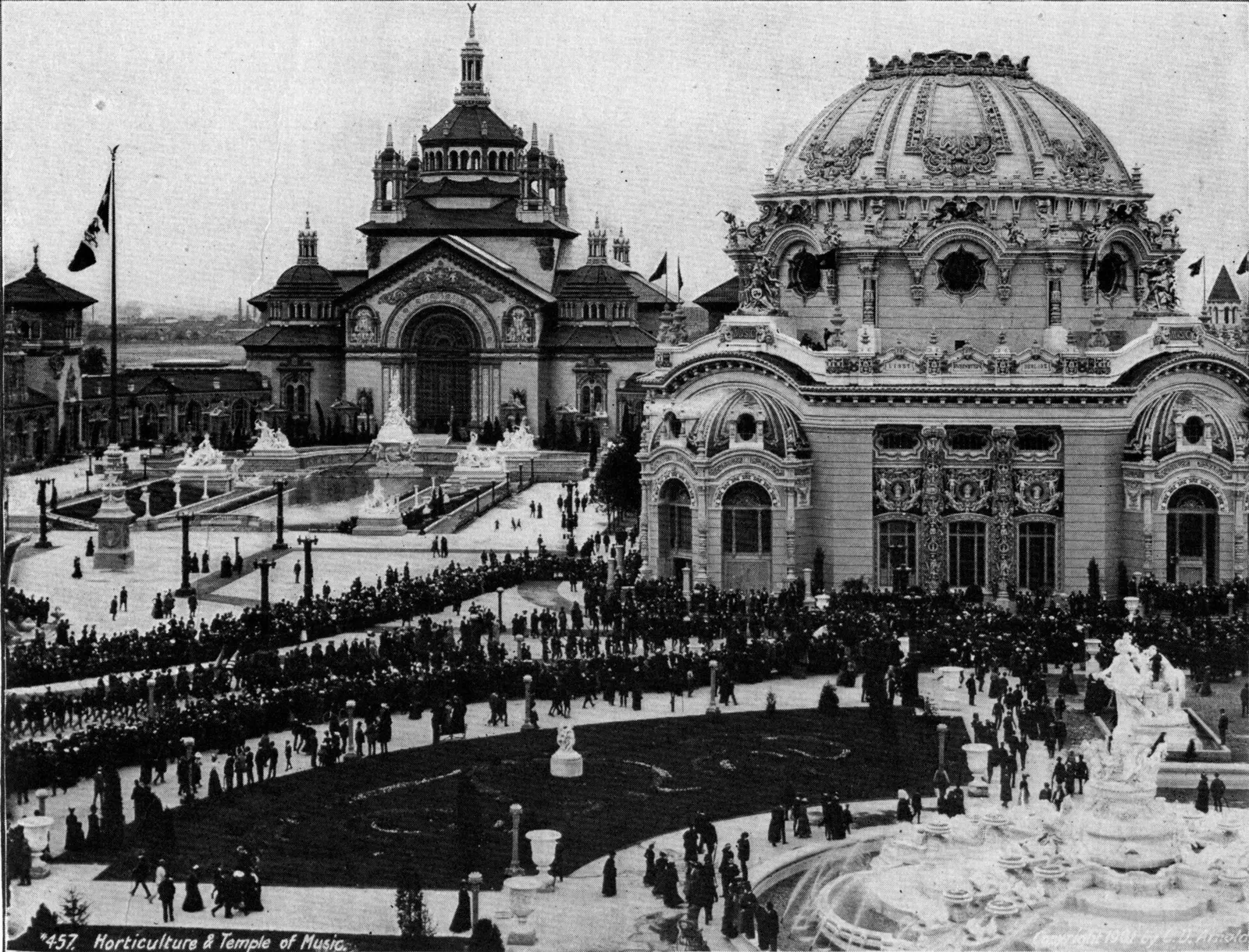
Pan-American Exposition - Horticulture Building and Temple of Music
 Zoom in
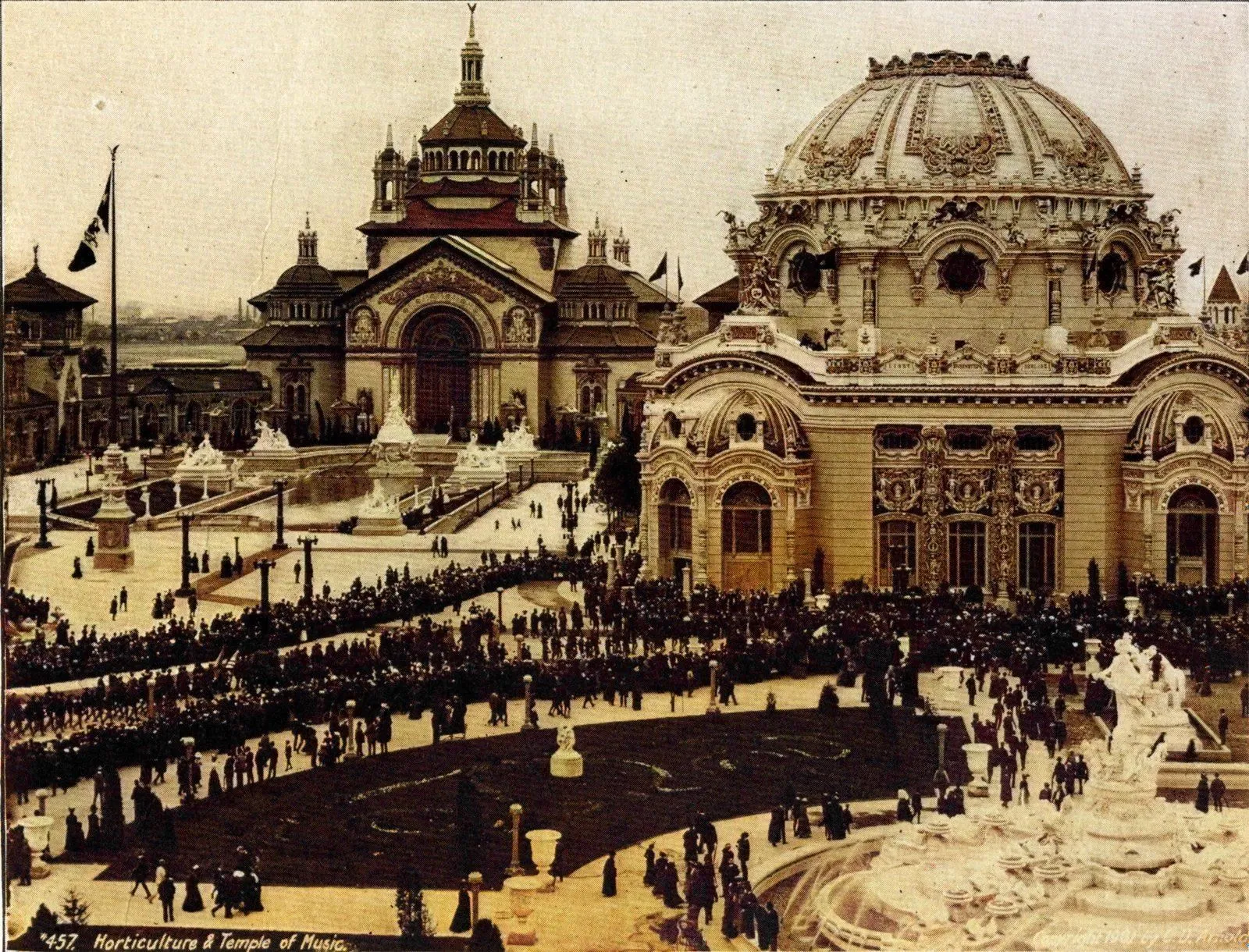
Photo: C. D. Arnold · Public domain · via Wikimedia Commons
Photo 4
Electric towers at Buffalo Pan-American Exposition, 1901
 Zoom in
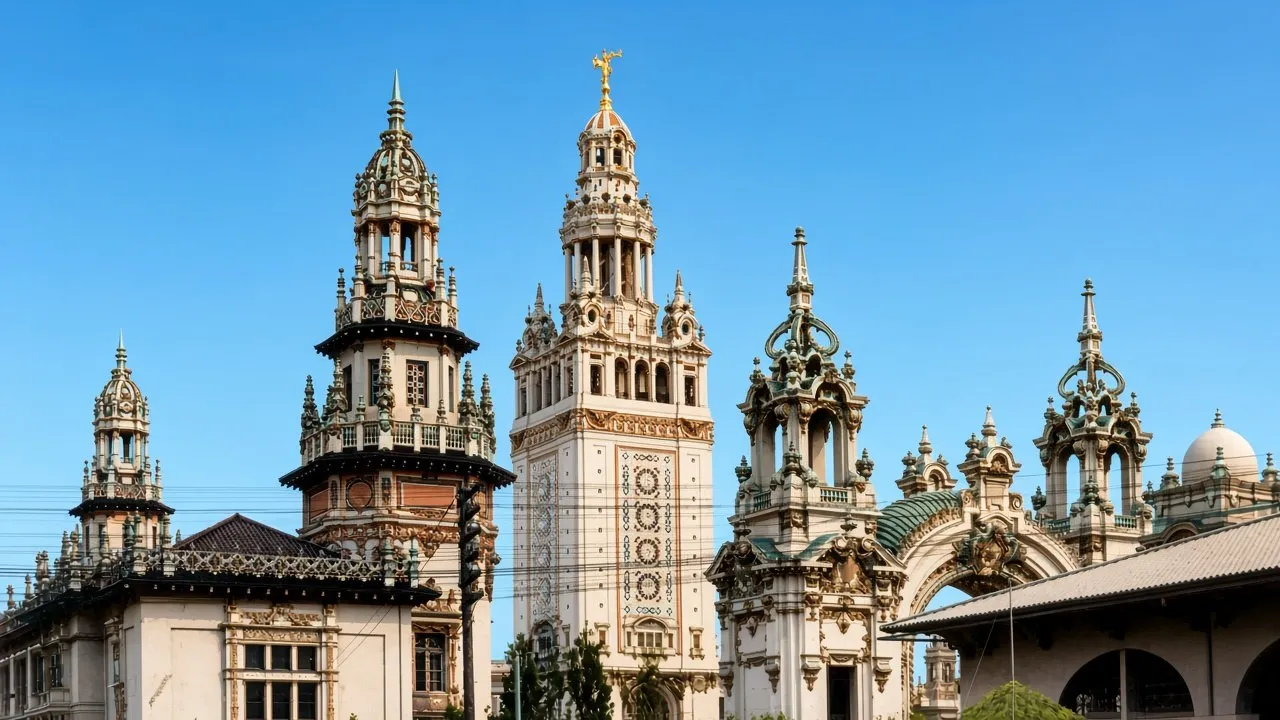
Photo: Underhill, New York City · Public domain · via Library of Congress via Wikimedia Commons
Hypotheses this fair feeds
Patterns where this fair, its buildings or its photo clues are part of the evidence.
 Strong124 entriesThe Great Completion Window, 1865–1915Most of the grand stone buildings in our collection are put on the record as finished inside one 50-year window, on every continent at the same time. Common sense says a world that had never built like this before doesn't suddenly finish capitols, opera houses, stations and city halls from Texas to Kuala Lumpur in the same few decades. One possibility is that much of this was older building stock that got new paperwork, new names and new 'completion' dates in that window.
 Strong57 entriesBuilt in two years, gone in one: the 'temporary' palacesEvery fair palace in our records is said to have gone up in three years or less, while permanent capitols and cathedrals of the same era took 8 to 24 years. Then most of the palaces were taken down or burned within months or a few years of closing. Common sense asks why anyone would spend that much effort on buildings meant to last one season, and why the 'temporary' ones went up so much faster than the permanent ones. One possibility is that some fair sites re-used or cleared existing structures, and the fair was the story that went with the clearance.
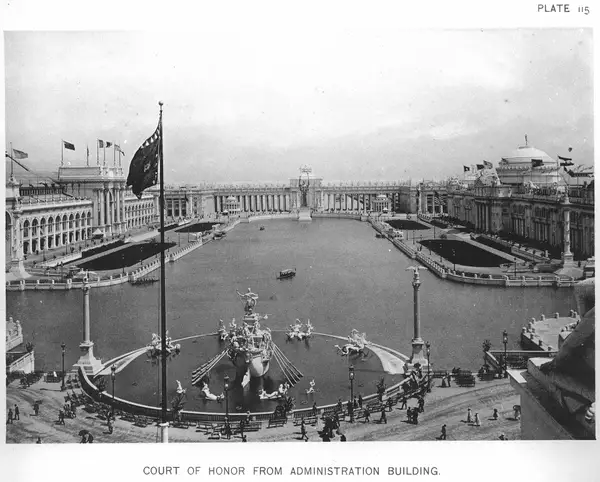 Emerging12 entriesWhat was kept was stone, and the loved ones were recastOf the fair buildings that survived, the ones the record calls permanent are stone, marble or brick-cored. Three of the best-loved 'plaster' palaces were later rebuilt in concrete or stone, which means the building you see today carries a later date than the one in the photos. Common sense: if a 'temporary' palace looked good enough for a city to fight for it, maybe it was more solid than the record says, or maybe the rebuild date covers what was really there.
Related clues at other fairs
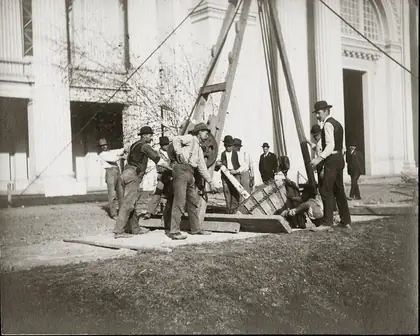 #10Twelve men and a tripod to plant one treeIf one tree took this much effort, what did the palaces take?
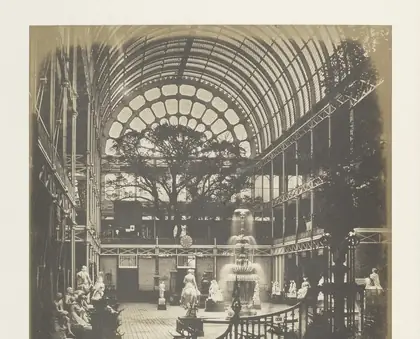 Solid wall at the lower levelWhat is that masonry base, when was it laid, and did it carry an earlier structure?
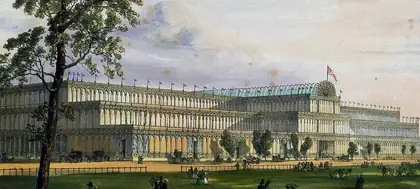 Carriages for scale along the north-east frontAt that scale, what did the hauling and erection really require from a horse-powered city?
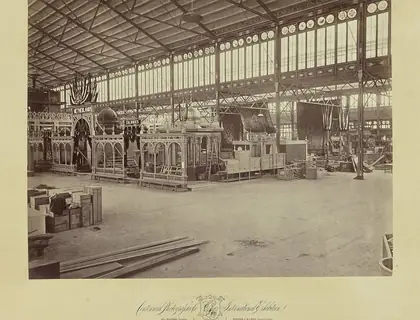 Medallions and arcades repeated down the naveWere these ornaments cast for 1876, or are they a standard pattern found in other halls of the era?
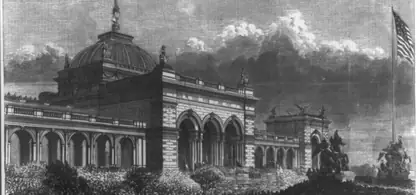 Memorial Hall: stone at the openingMemorial Hall was always meant to stay, but what does that say about the 'temporary' halls standing beside it?
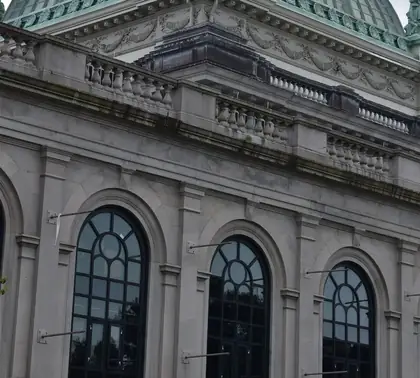 Dark streaks on the surviving corniceHow long does weathering like this take, and does any of it predate 1876?