Hypothesis #5 of 20
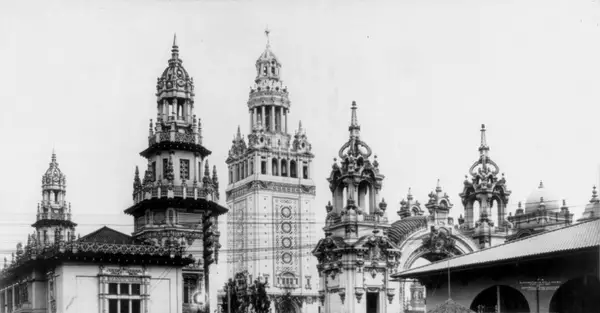
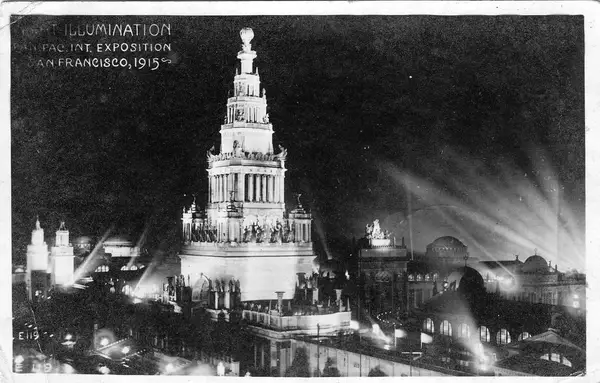
Built in two years, gone in one: the 'temporary' palaces
Strength is how much of our gathered material lines up with the pattern. It is not the odds that the idea is true.
The working idea
Every fair palace in our records is said to have gone up in three years or less, while permanent capitols and cathedrals of the same era took 8 to 24 years. Then most of the palaces were taken down or burned within months or a few years of closing. Common sense asks why anyone would spend that much effort on buildings meant to last one season, and why the 'temporary' ones went up so much faster than the permanent ones. One possibility is that some fair sites re-used or cleared existing structures, and the fair was the story that went with the clearance.
Strongest examples
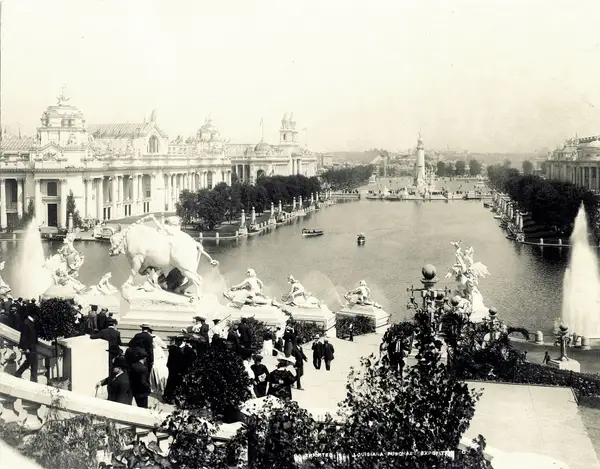 A trench dug beside a finished palace1903 photo: a raw trench and masonry wall dug against a palace whose colonnade already looks finished (ranked #1 find).
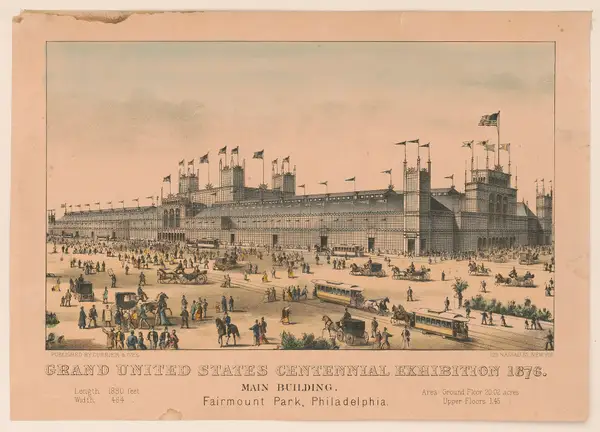 A 'construction' photo of a finished hallA 'construction' photo with the iron frame, glazing and ornament complete and no scaffold on the structure.
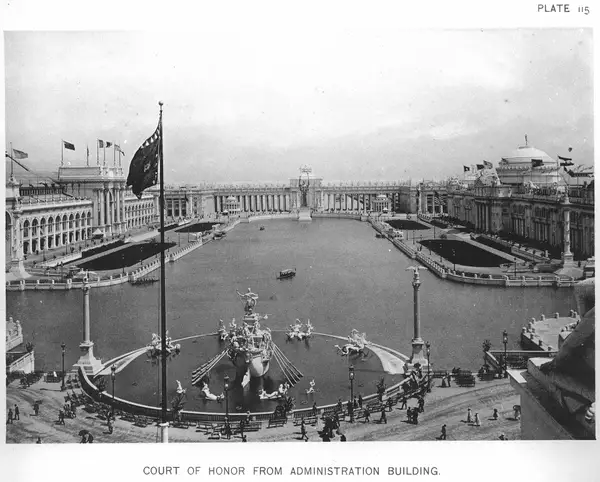 The iron arches, with three people in sightThe Manufactures building's trusses complete with about three people in sight.
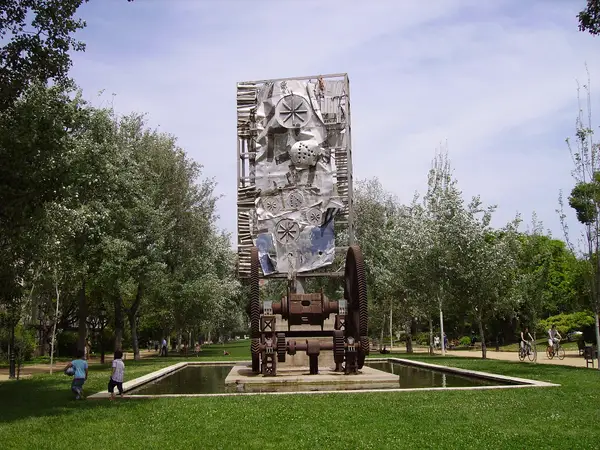 Barcelona Universal ExpositionA 2,000-guest hotel recorded as built in about 53 days, then demolished.
The evidence
Fair buildings with a recorded build time, all 3 years or less
18 of 18 (0.5–3 years, median 2)
18 entries
- Joseph PaxtonCrystal Palace, ~6 months
- Hermann J. SchwarzmannArchitect
- Ferdinand DutertArchitect
- Daniel BurnhamArchitect
- Charles B. AtwoodArchitect
- William Crawford SmithArchitect
- Thomas Rogers KimballArchitect
- John M. CarrèreArchitect
- John Galen HowardArchitect
- Isaac S. TaylorArchitect
- Bernard MaybeckArchitect
- Carl von HasenauerArchitect
- John Scott RussellArchitect
- Gabriel DavioudArchitect
- Charles GiraultArchitect
- Victor LalouxArchitect
- Josep Vilaseca i CasanovasArchitect
- John Charles OlmstedArchitect
Median recorded build time of permanent types in oldworld.json
Cathedrals 24 yrs (9), Parliaments 9.5 (8), City halls 9 (15), Capitols 8 (27), Stations 5 (17)
Headline fair buildings that are gone
39 of 57 (33 demolished, 4 burned, 2 moved); 18 survive
39 entries
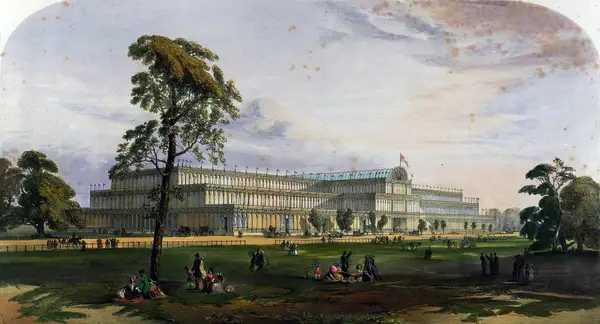 The Crystal PalaceMoved
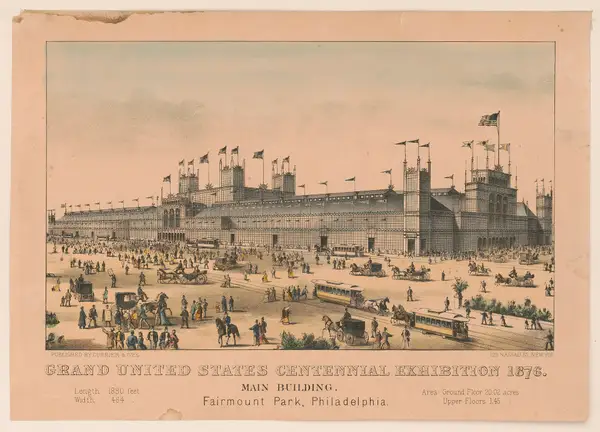 Main BuildingDemolished
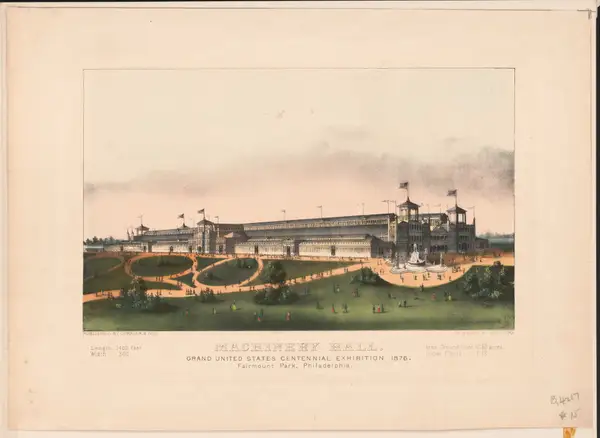 Machinery HallDemolished
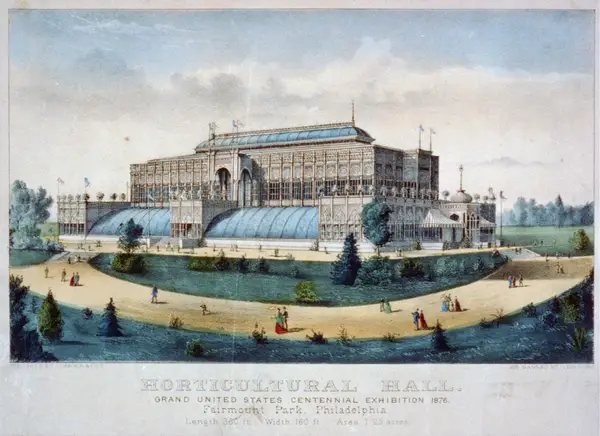 Horticultural HallDemolished
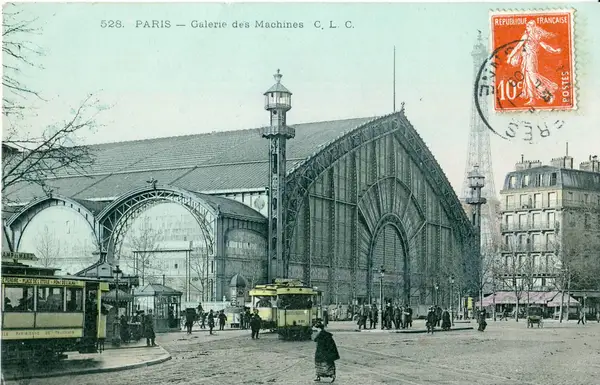 Galerie des MachinesDemolished
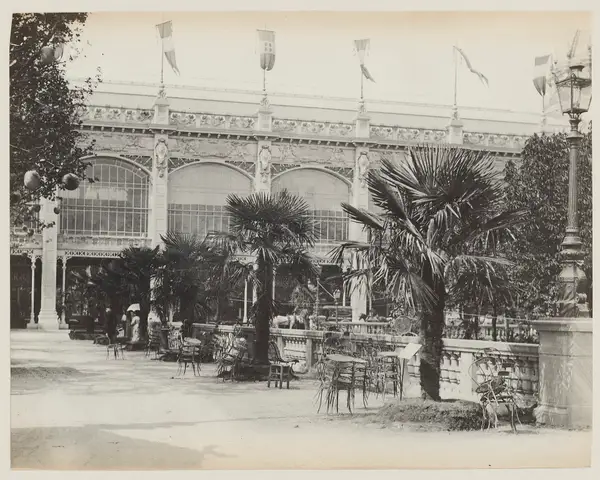 Palais des Beaux-Arts and Palais des Arts LibérauxDemolished
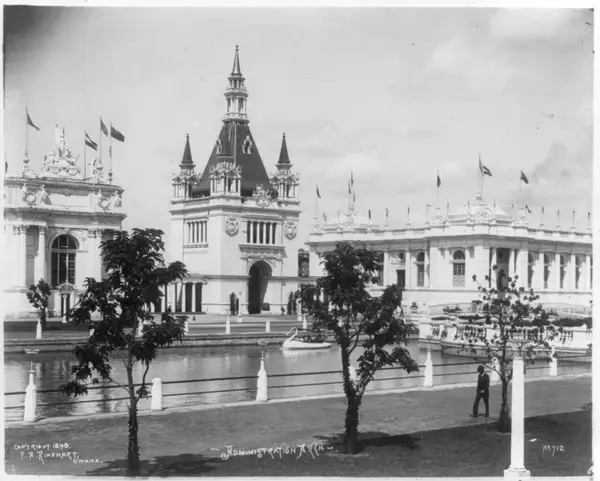
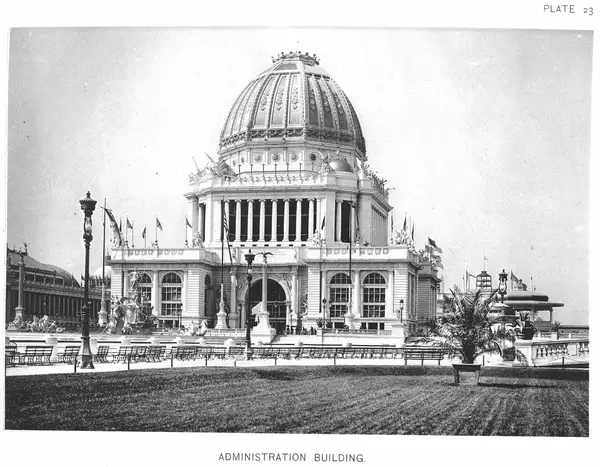 Administration BuildingDemolished
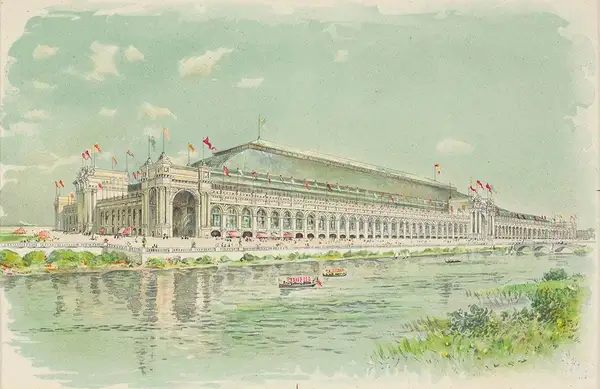 Manufactures and Liberal Arts BuildingBurned
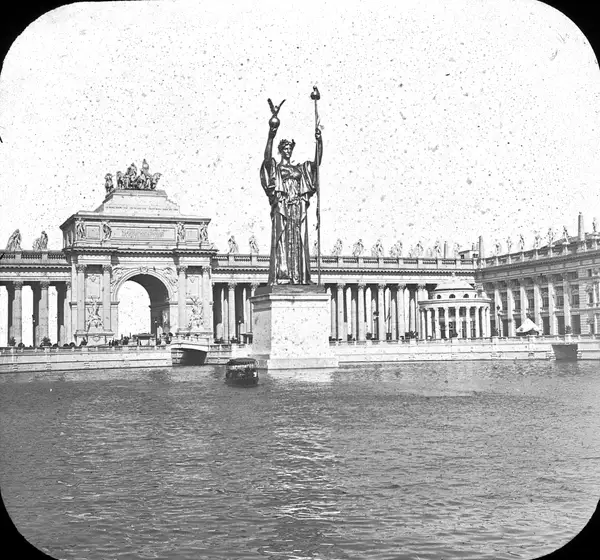 Statue of the RepublicBurned
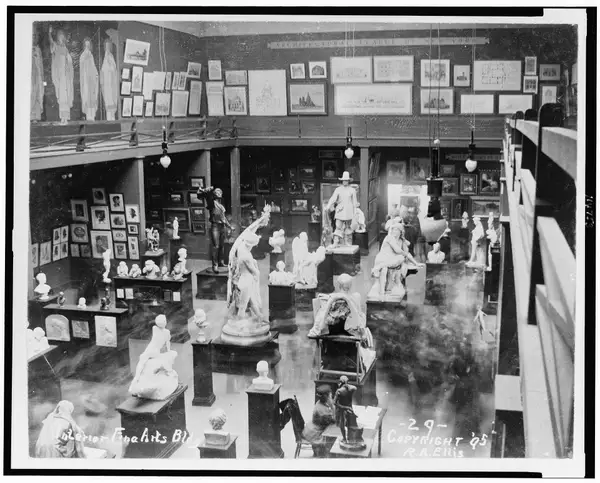 Fine Arts BuildingDemolished
- New York State BuildingDemolished
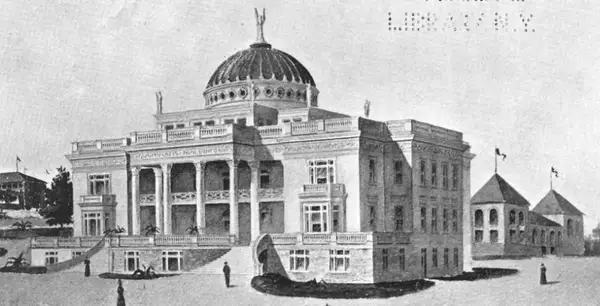 Woman's BuildingDemolished
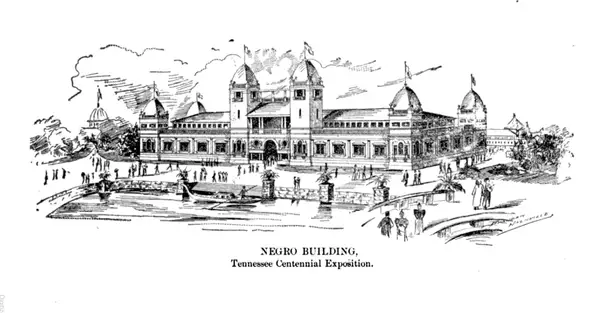 Negro BuildingDemolished
- Pyramid of MemphisDemolished
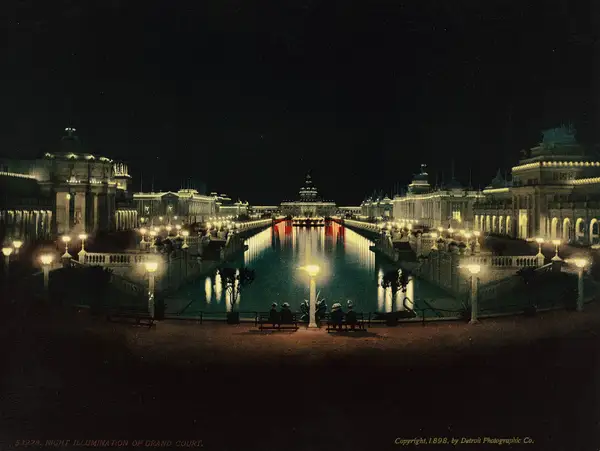 Grand Court and lagoonDemolished
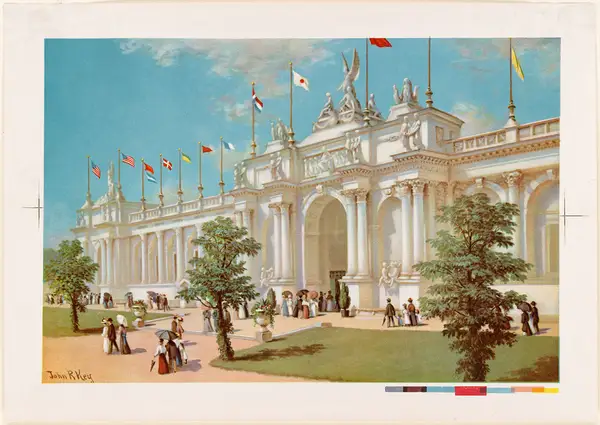 Agricultural BuildingDemolished
 Arch of StatesDemolished
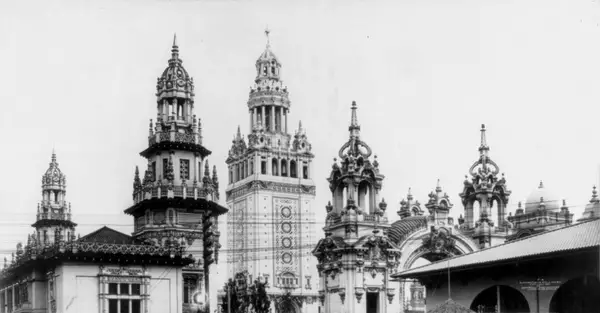 Electric TowerDemolished
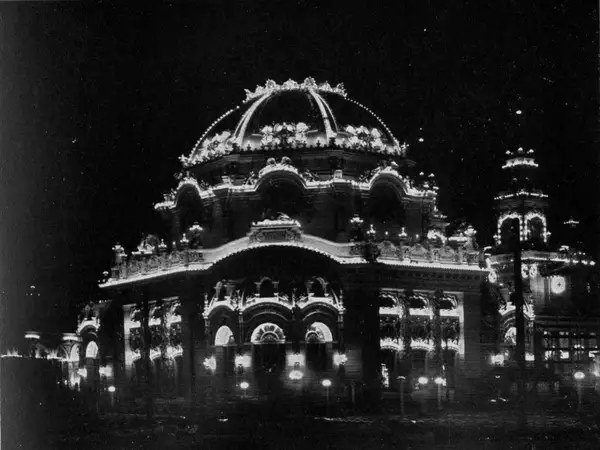 Temple of MusicDemolished
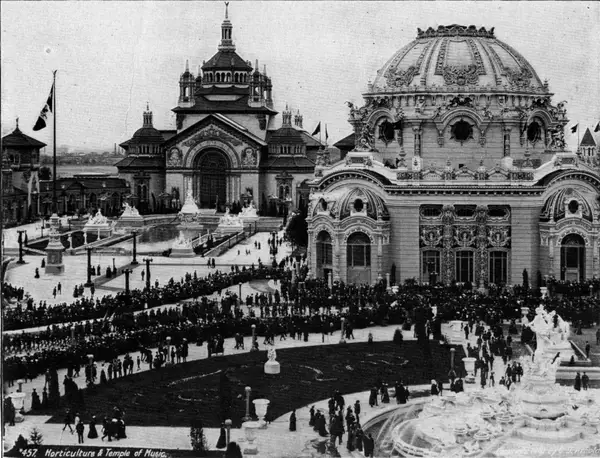 Horticulture, Mining and Graphic Arts buildingsDemolished
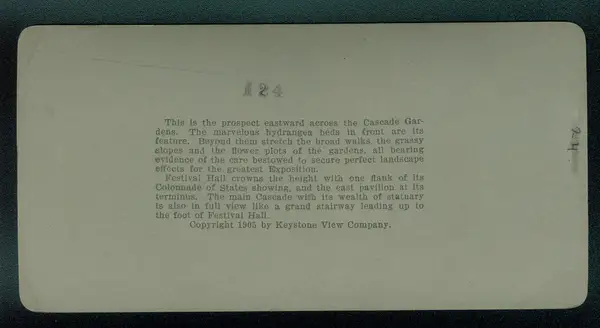 Festival HallDemolished
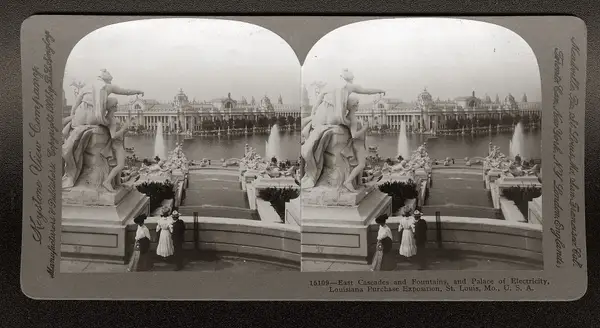 Palace of ElectricityDemolished
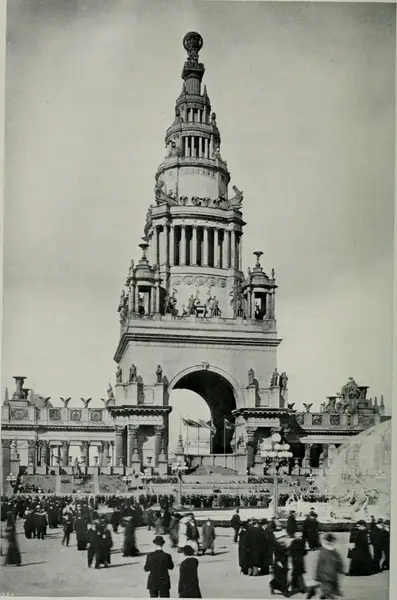 Tower of JewelsDemolished
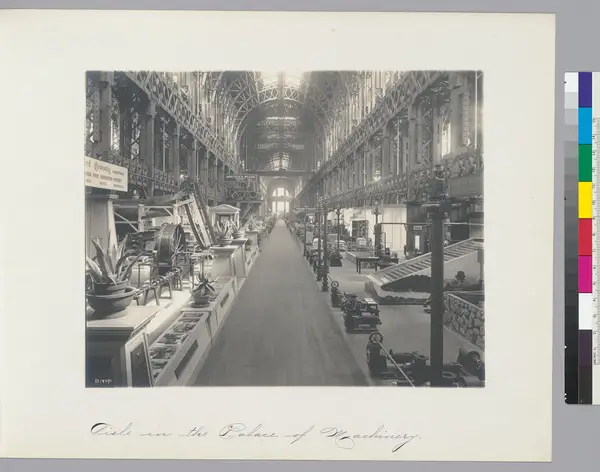 Palace of MachineryDemolished
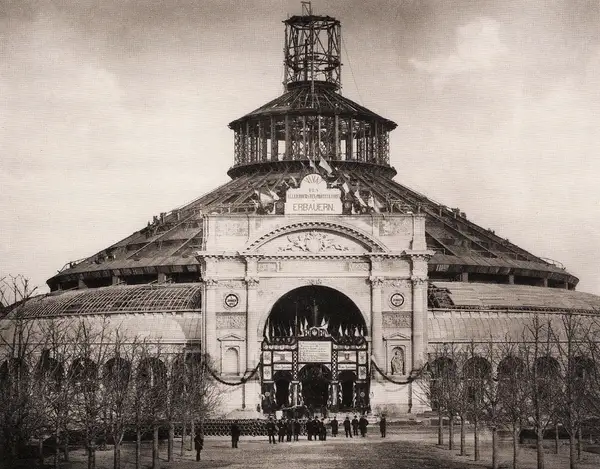 The RotundeBurned
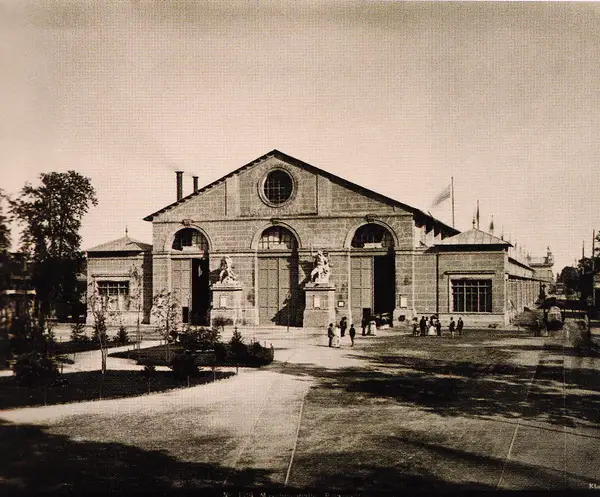 Machine HallDemolished
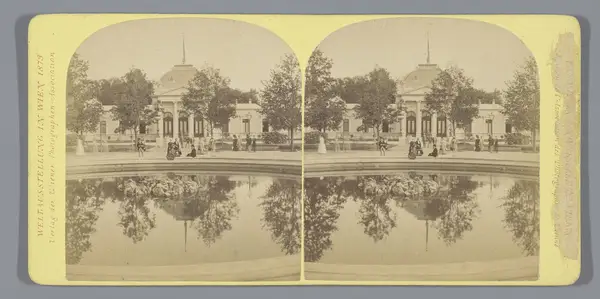 Imperial PavilionDemolished
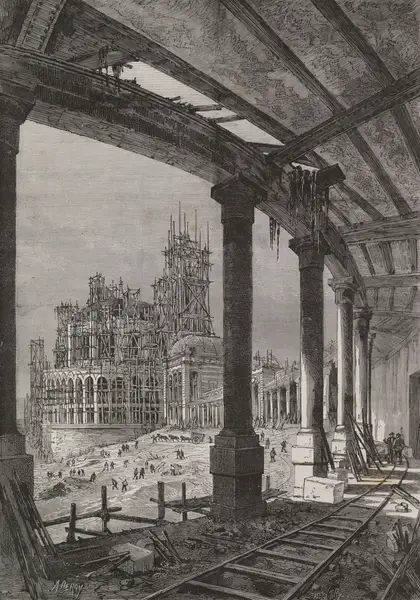 Palais du TrocadéroDemolished
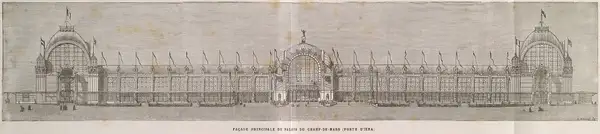 Palais du Champ-de-MarsDemolished
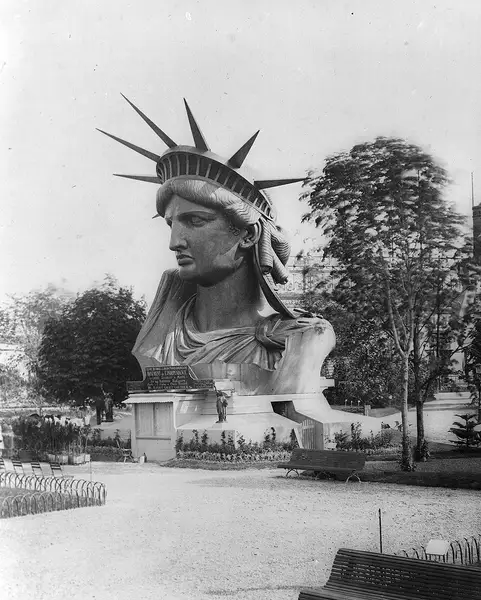 Head of the Statue of LibertyMoved
- Palace of IndustryDemolished
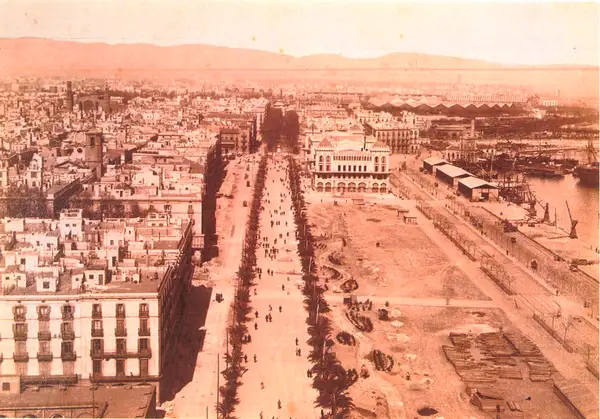 Grand Hotel InternacionalDemolished
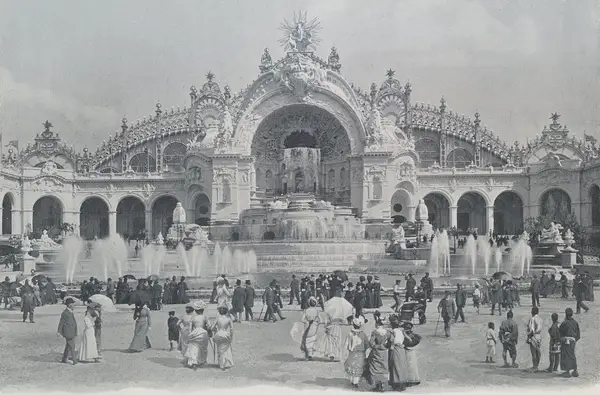 Palace of Electricity and Château d'EauDemolished
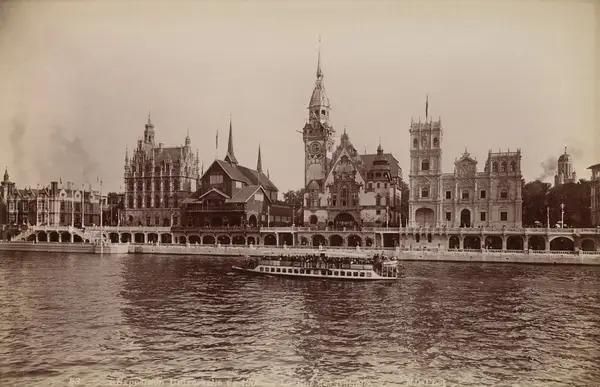 Rue des Nations pavilionsDemolished
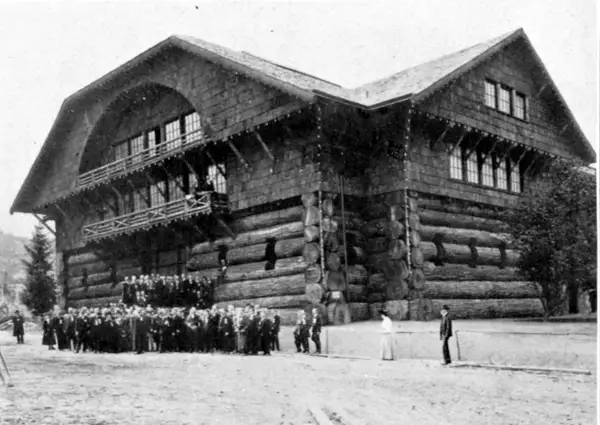 Forestry BuildingBurned
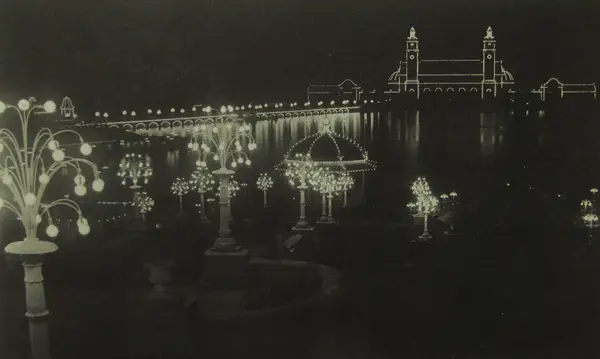 Government BuildingDemolished
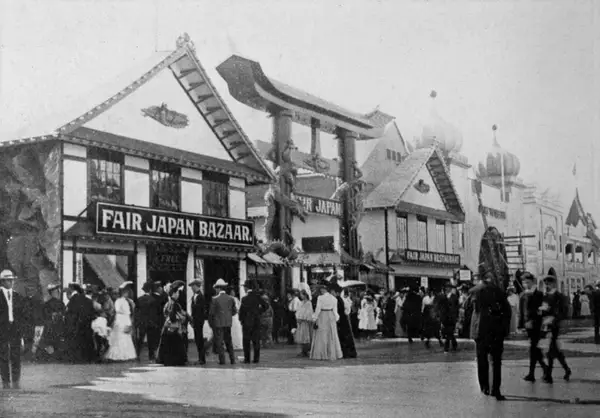 Main exhibit palacesDemolished
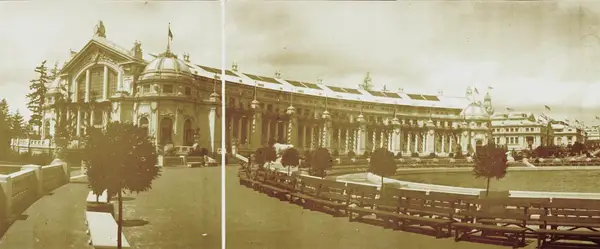 United States Government BuildingDemolished
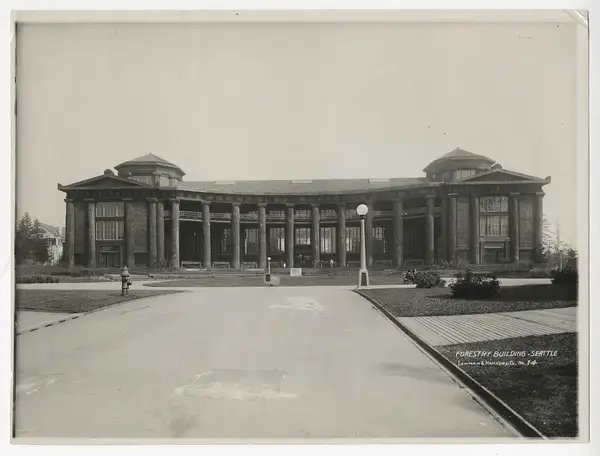 Forestry BuildingDemolished
Fair-ending fires and clearances on record
Chicago palaces burned Jan and Jul 1894; Buffalo demolished 1902; St. Louis demolished 1905; Tower of Jewels down 1916; Philadelphia Main Building sold and gone by 1881
Open questions
- Where did the materials of 1,200 acres of St. Louis palaces go?
- Why are 'construction' photos so often of finished frames with tiny crews?
- Why does a temporary hall get built faster than a permanent one of similar size?
What would support it
- Pre-fair maps or photos of the same sites showing standing structures.
- Salvage and demolition records that don't match the recorded tonnage of the palaces.
- More dig-out photos like St. Louis 1903.
What would rule it out
- Our own contrary clues: San Francisco's Palace of Machinery shows an exposed timber lattice frame (clue/sanfrancisco-1915-03); Omaha's court has very young, thin trees (clue/omaha-1898-02) and plain light pavilions (clue/omaha-1898-05).
- Complete foundation-to-roof photo series and staff (plaster-and-fibre) material orders for each palace.
- Demolition contracts and salvage sales that account for the material.
Selection bias
Medium: the fairs are the best-documented ones, so the 2-year figure is typical, but the 'permanent' comparison list was chosen separately.
The rating counts how much of our gathered material lines up with the pattern. It is not a probability that the hypothesis is true, and every count is limited by which buildings were picked for the app (see 'selectionBias' on each card).
Next hypothesis
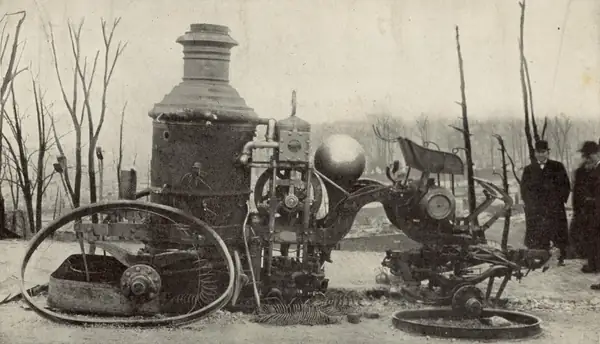 Strong53 entries#6Fire as the reset buttonCity after city loses its old centre to one big fire, usually blamed on something homely like a pipe, a glue pot or a cow, and within one to three years a grander stone and brick centre stands in its place, often on a brand-new street plan that was ready almost at once. Common sense says rebuilding a downtown in stone takes money, masons and quarries a city doesn't have the morning after a disaster. One possibility is that some of these fires cleared old fabric and old ownership, and the rebuild was planned or supplied from outside.