1893 · Chicago, United States
Investigate this fair
10 clues in 8 photos, strongest first. Tap a photo to zoom in on each clue.
- 2 Weathering
- 2 Other details
- 1 Repair scaffold
- 1 No work camp
- 1 Impossible timeline
- 1 Scale
- 1 Masonry, not plaster
- 1 Repeated motif
Case file
The Hypothesis
These halls stood before 1893 and were cleared, staged and reopened as a fair; the 'construction' photos show refinishing of standing structures, and the 1894 fires removed what didn't fit the story.
Chicago's 'White City' is the heart of the case. Its construction photos show scaffold on facades that look finished, mature woods on a two-year-old swamp, and no visible work camps, and then fires cleared it within a year. Its one survivor was kept for a brick core.
What the photos and records show
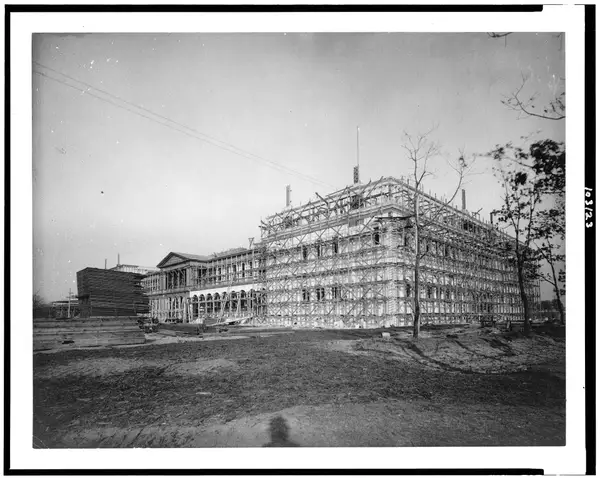
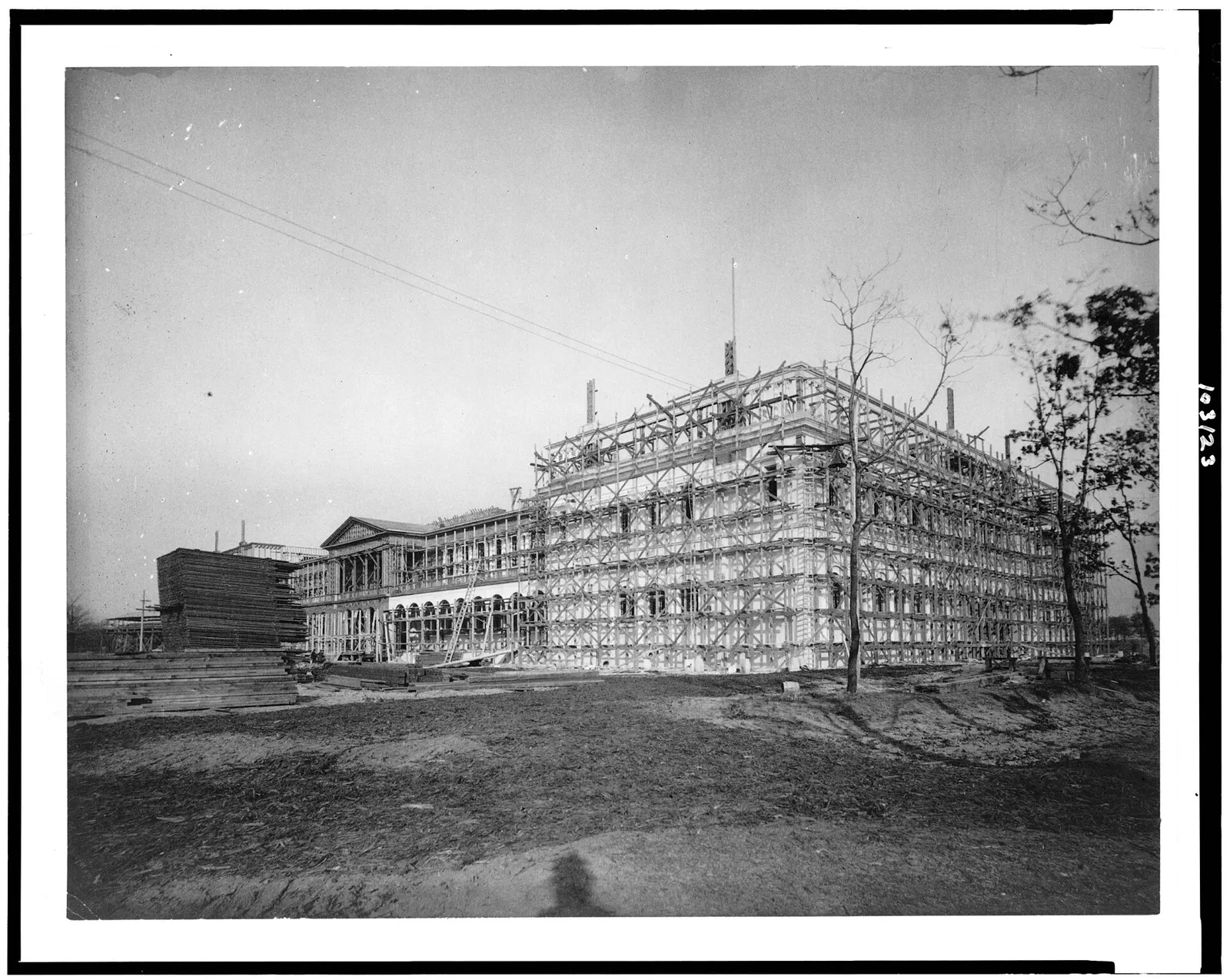
- The 1892 Woman's Building photo shows scaffolding on a facade whose arcades, pediment and openings already look complete.
- No cranes, derricks, worker camps or big material yards appear, only lumber stacks.
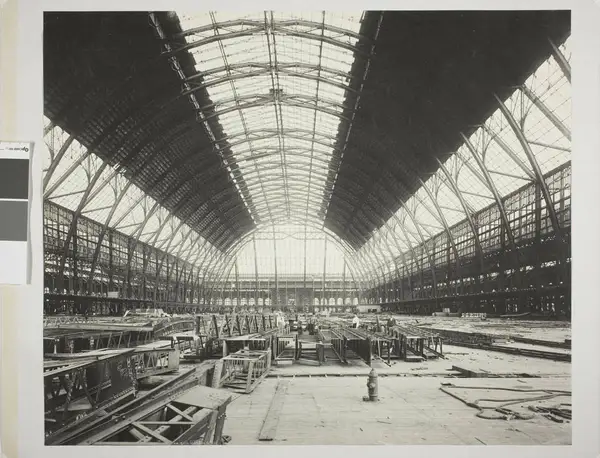
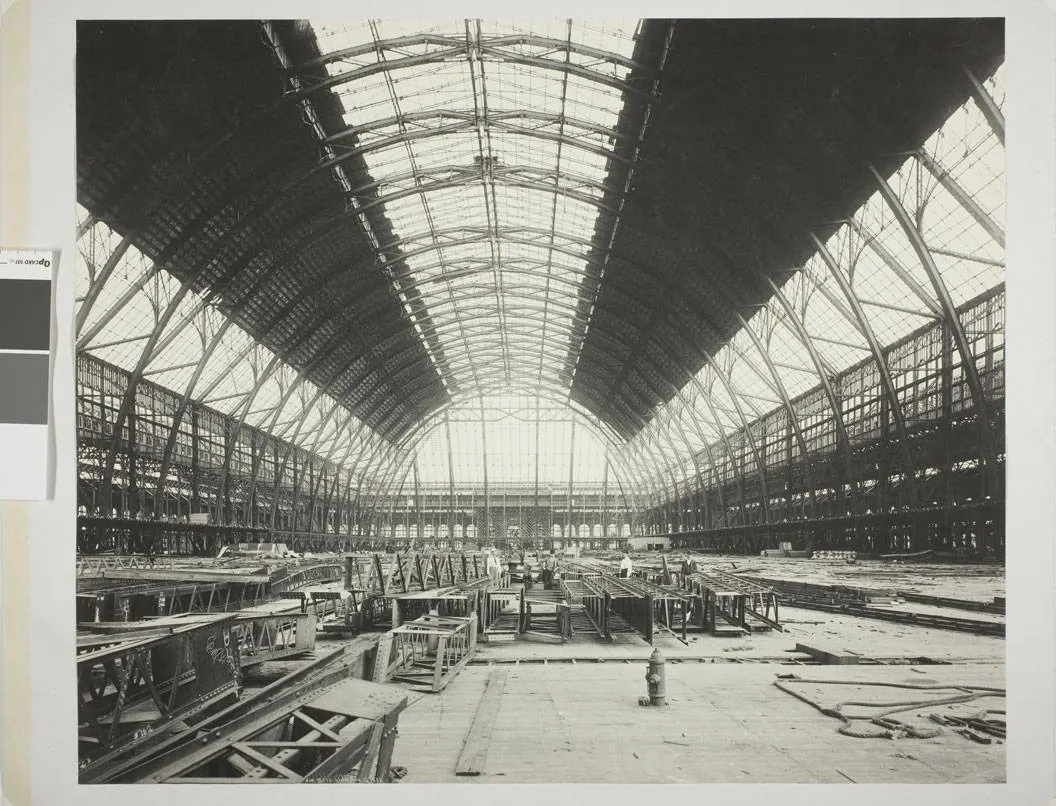
- A Manufactures 'construction photo' is dated 10 October 1893, during the fair, and shows the iron arches complete with about three people in view.
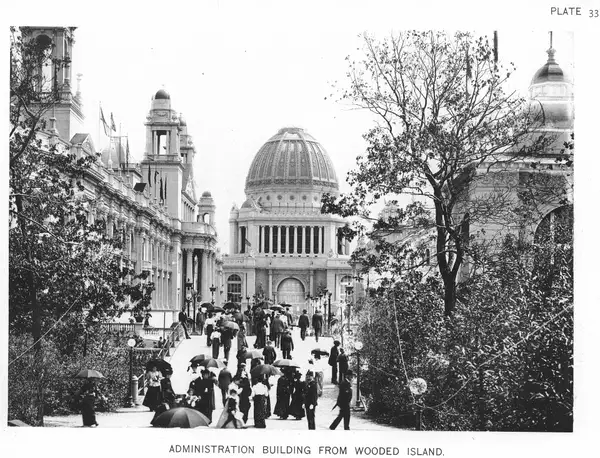
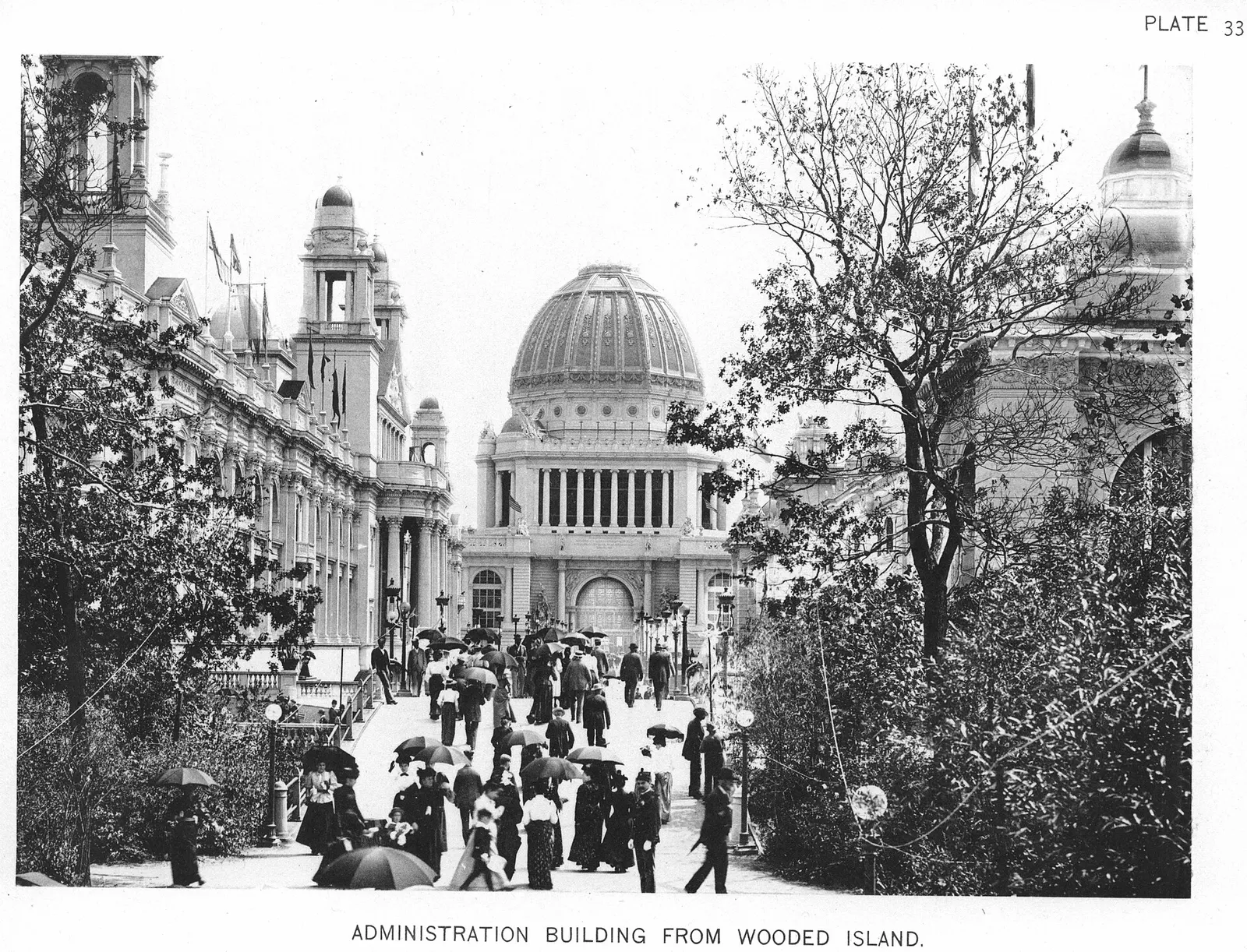
- The Wooded Island shows full mature trees on ground described as swamp two years earlier.
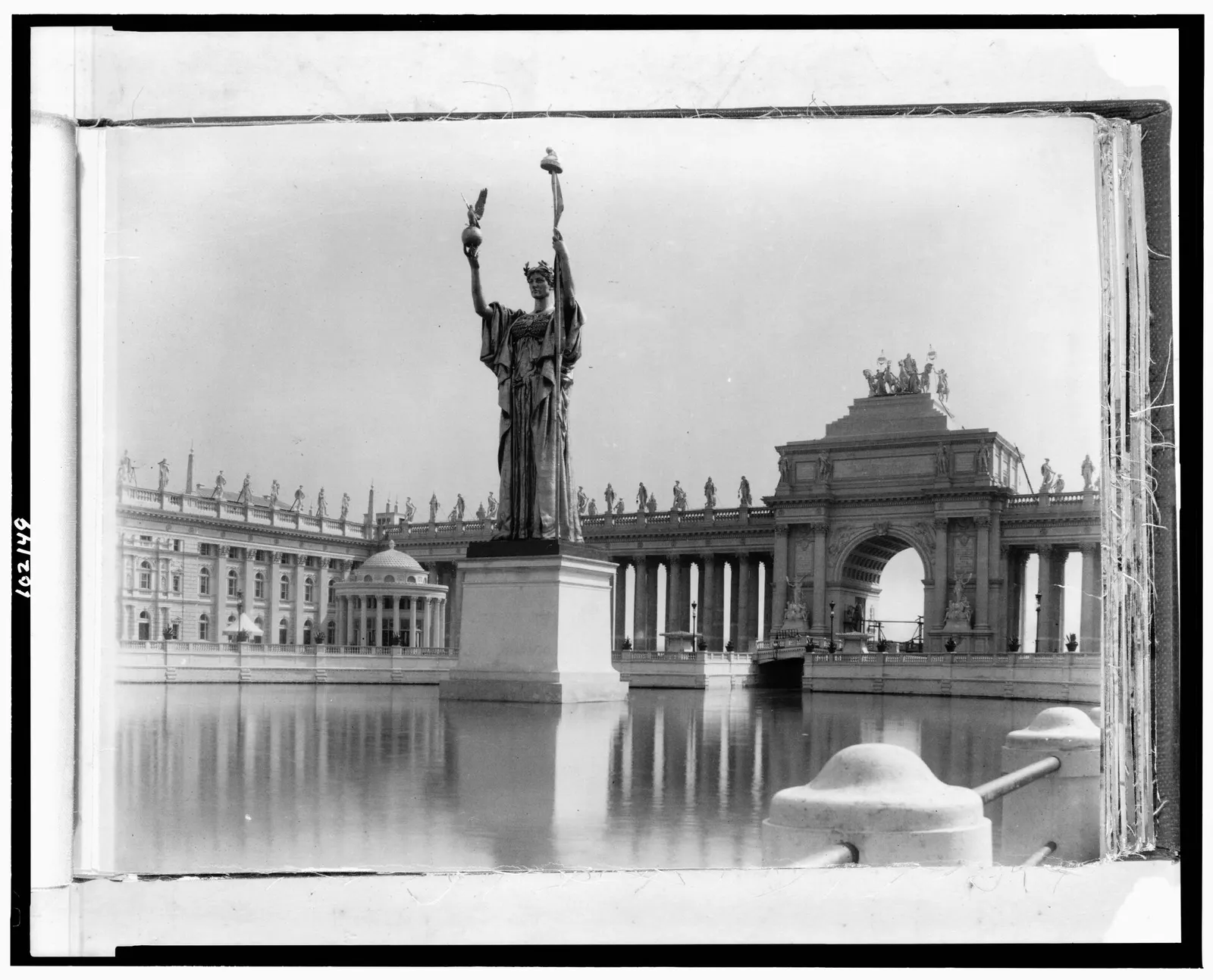
- The record gives about 200 buildings in about two years, fires in January and July 1894, and the Statue of the Republic burned in 1896.
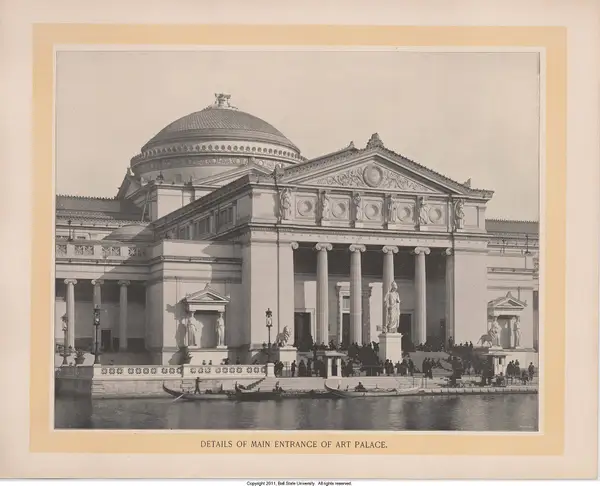
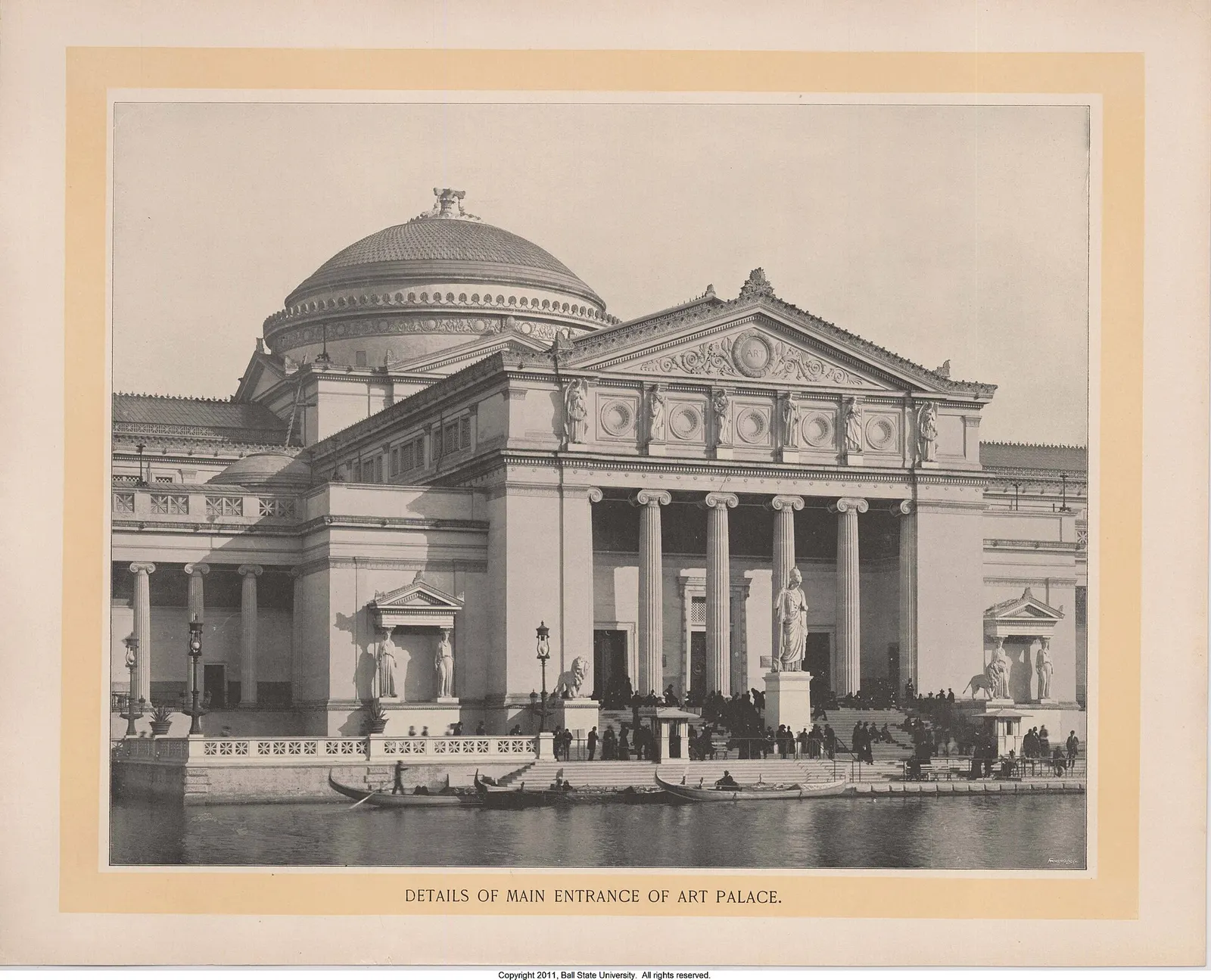
- The Palace of Fine Arts survives, kept for its 'fireproof' brick core, with Erechtheion-style caryatids.
Open questions
- How many workers, horses and wagons did 200 buildings in two years need, and where did they live?
- If one palace had a brick core, which others did?
- Why are 'construction' photos dated after the opening?
What would settle it
- Payroll, camp and haulage records matched to the building count.
- Fire-insurance and salvage records for the 1894 fires showing what the debris contained.
- Pre-1890 maps and photos of Jackson Park showing the Wooded Island's trees.
Photo 1
Exterior of Woman's Building, while under construction, at World's Fair, Chicago, Illinois LCCN91727847
 Zoom in
Photo: Johnston, Frances Benjamin, 1864-1952, photographer · Public domain · via Library of Congress via Wikimedia Commons
- 1Scaffolding on a facade that already looks finishedThe 1892 'construction' photo of the Woman's Building shows scaffolding wrapped around a facade whose arcades, pediment and window openings already appear complete. Stacks of lumber sit at the left, on bare ground among leafless trees.The questionIs this scaffold building the facade, or refinishing one that was already there?
- 2No cranes, no campApart from the lumber stacks, the frame shows no cranes, no derricks, no worker housing and no large material yards.The questionWhere did the thousands of workers live and where were the materials staged for about 200 buildings?
Photo 2
Mfg & liberal arts bldg construction photos 26
 Zoom in
Photo: C.D. Arnold, WCE official photographer. · Public domain · via Wikimedia Commons
Photo 3
Administration Building From Wooded Island — Official Views Of The World's Columbian Exposition — 33
 Zoom in
Photo: C. D. Arnold (1844-1927); H. D. Higinbotham · Public domain · via Wikimedia Commons
Photo 4
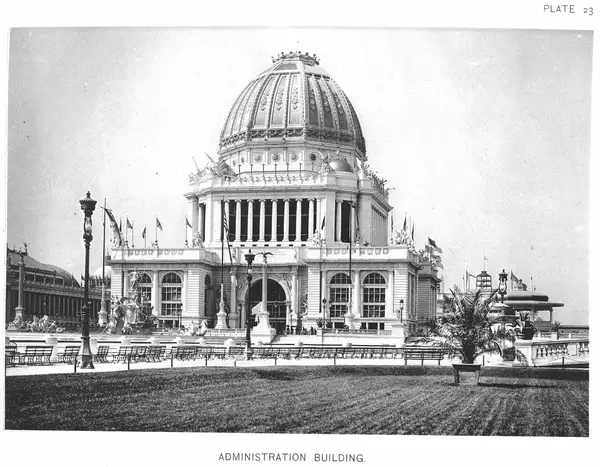
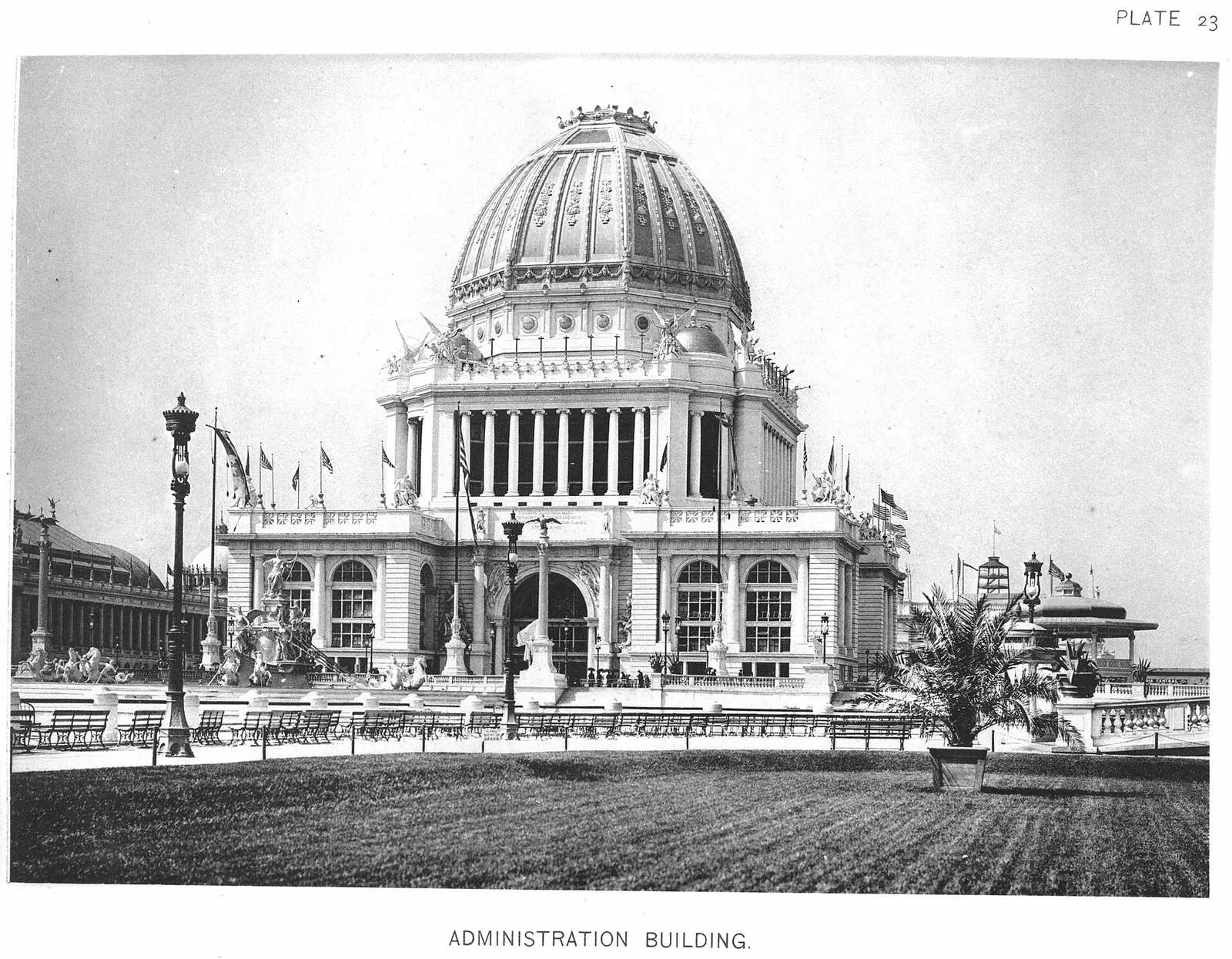
Administration Building — Official Views Of The World's Columbian Exposition — 23
 Zoom in
Photo: C. D. Arnold (1844-1927); H. D. Higinbotham · Public domain · via Wikimedia Commons
Photo 5
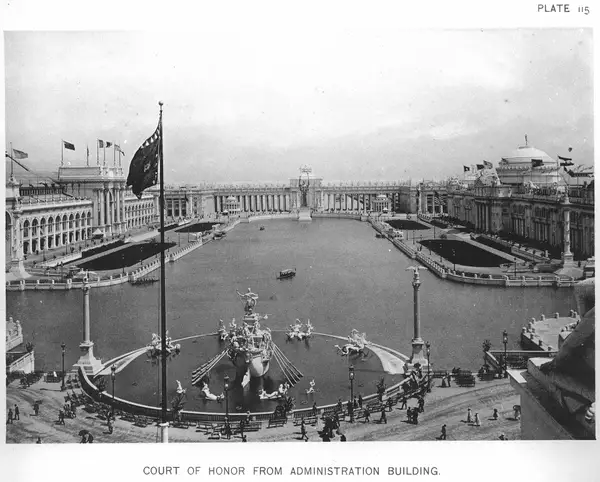
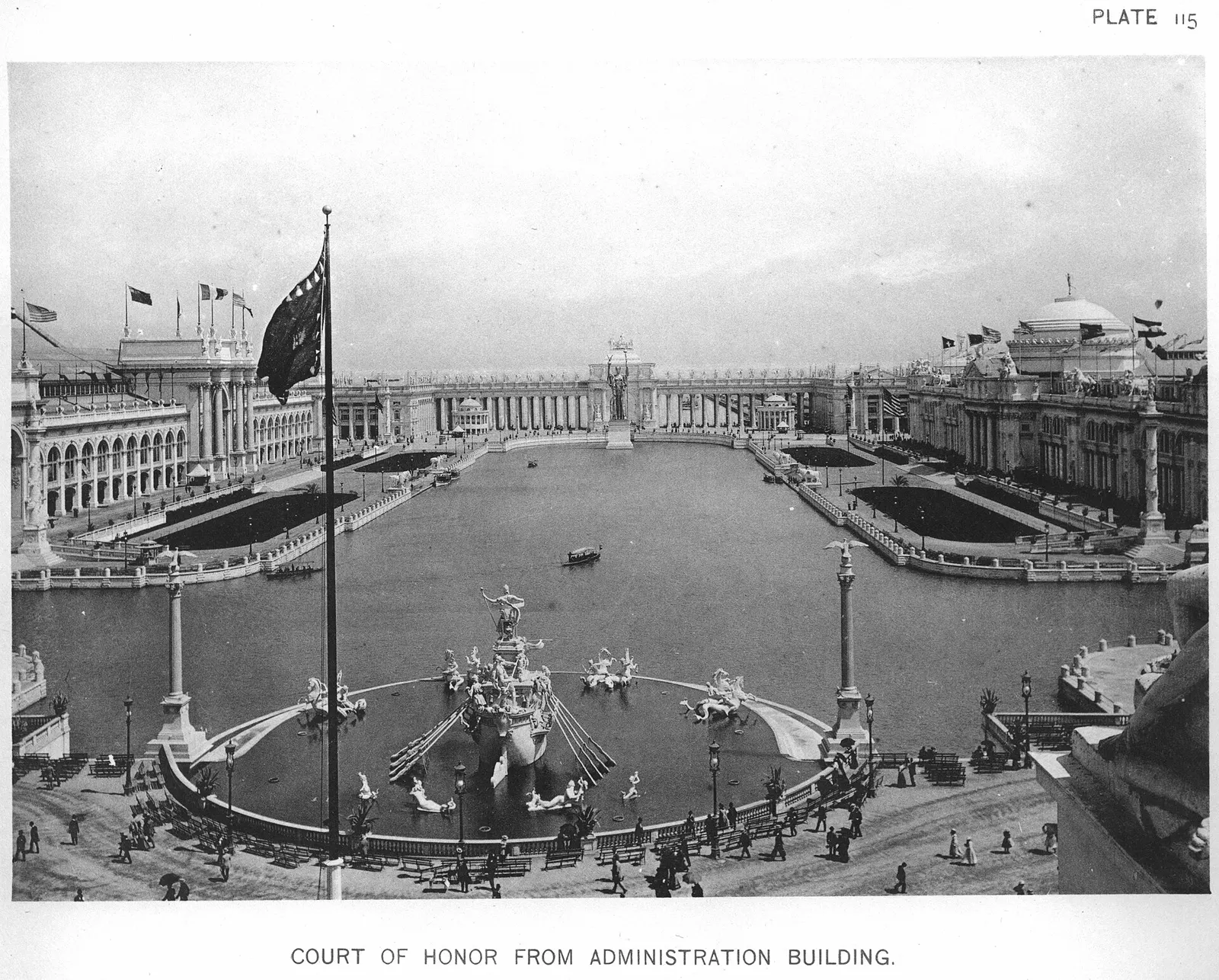
Court Of Honor From Administration Building — Official Views Of The World's Columbian Exposition — 115
 Zoom in
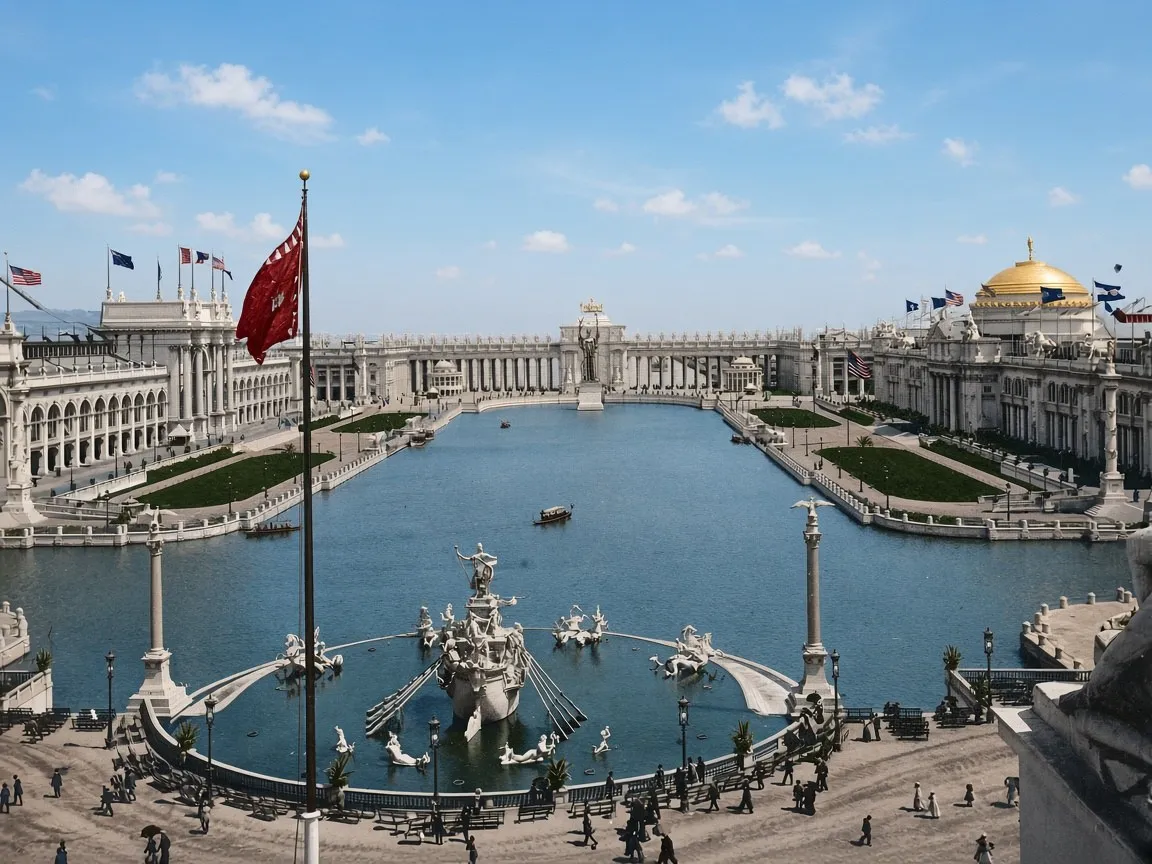
Photo: C. D. Arnold (1844-1927); H. D. Higinbotham · Public domain · via Wikimedia Commons
Photo 6
Art Palace, Details of Main Entrance, William Henry Jackson, 1893
 Zoom in
Photo: William Henry Jackson · Public domain · via Wikimedia Commons
- 1Caryatids on the Palace of Fine ArtsThe 1893 Palace of Fine Arts shows caryatid porches and sculpted pediments in heavy detail, with people for scale. The record says it survives today, kept because of its 'fireproof' brick core.The questionIf this palace had a brick core, how many of the others did too?
- 2Erechtheion-style caryatid porchesThe caryatid porches echo the Erechtheion in Athens. Nashville copied the Parthenon four years later.The questionWhy does the same classical vocabulary turn up fair after fair, city after city?
Photo 7
Statue of the Republic in basin at the World's Columbian Exposition, Chicago LCCN90716433
 Zoom in
Photo: Miscellaneous Items in High Demand, PPOC, Library of Congress · Public domain · via Library of Congress via Wikimedia Commons
Photo 8
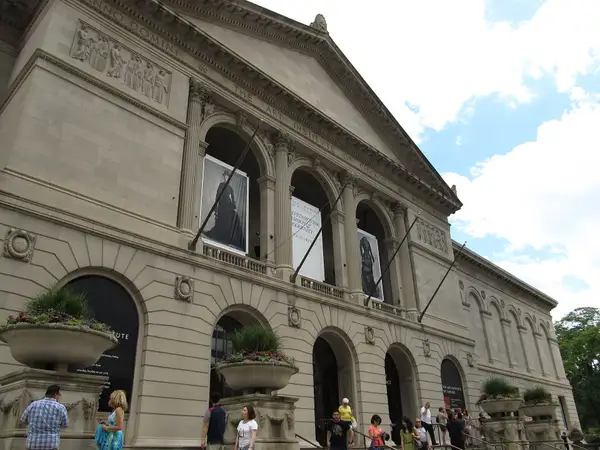
Art Institute of Chicago Building, Chicago, Illinois (9181723850)
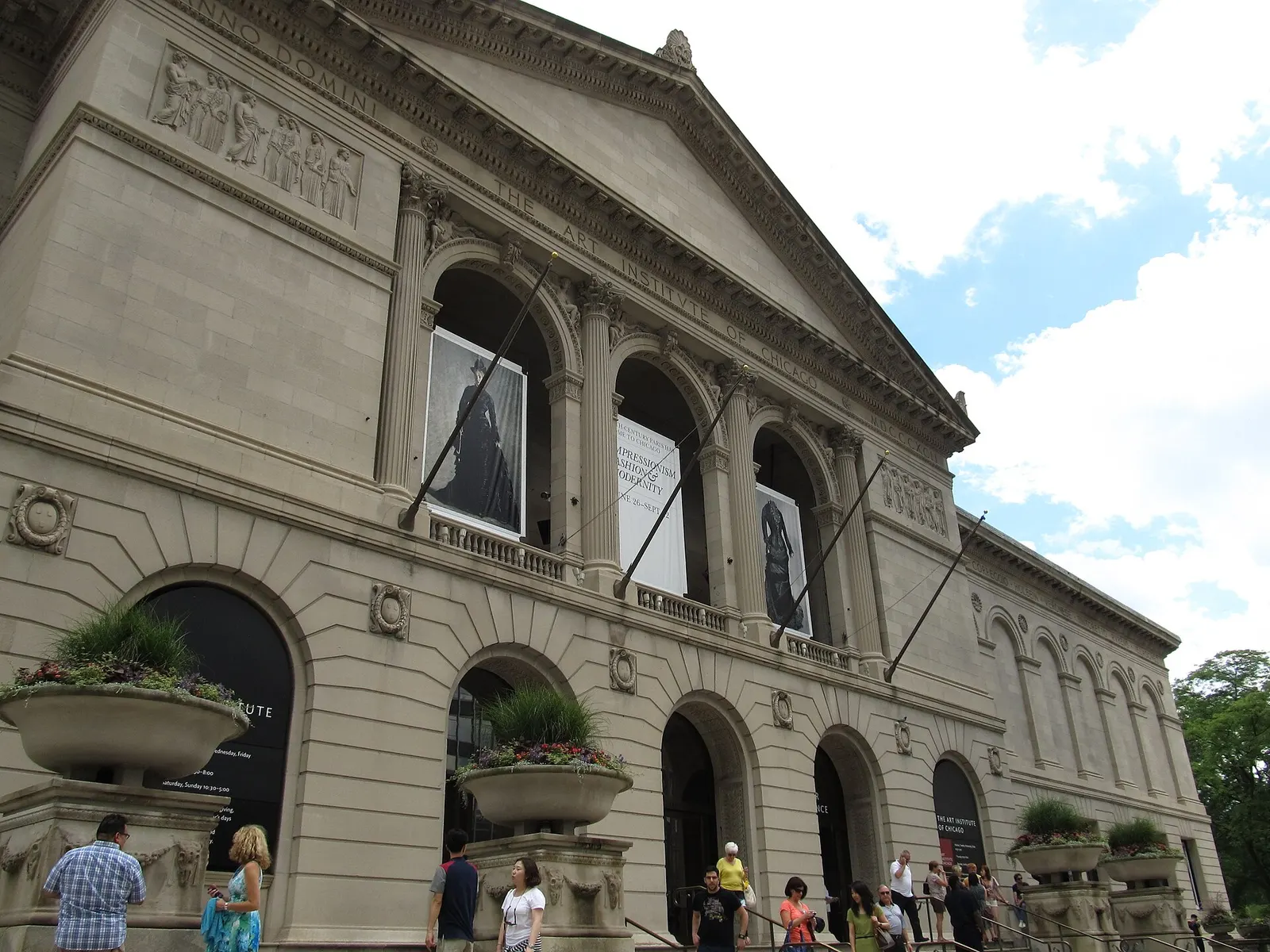 Zoom in
Photo: Ken Lund from Reno, Nevada, USA · CC BY-SA 2.0 · via Wikimedia Commons
Hypotheses this fair feeds
Patterns where this fair, its buildings or its photo clues are part of the evidence.
 Strong124 entriesThe Great Completion Window, 1865–1915Most of the grand stone buildings in our collection are put on the record as finished inside one 50-year window, on every continent at the same time. Common sense says a world that had never built like this before doesn't suddenly finish capitols, opera houses, stations and city halls from Texas to Kuala Lumpur in the same few decades. One possibility is that much of this was older building stock that got new paperwork, new names and new 'completion' dates in that window.
 Strong111 entriesOne template, every continentThe same domes, the same Kirkbride layout, the same Garnier opera house and the same star-shaped fort turn up on every inhabited continent, often in the same decades and often openly called copies. Common sense says that in an age of letters and steamships, a style doesn't normally spread to Manaus, Hanoi, Durban and Winnipeg at once. One possibility is a shared source: a common building tradition or pattern-book much older than the names now attached to it.
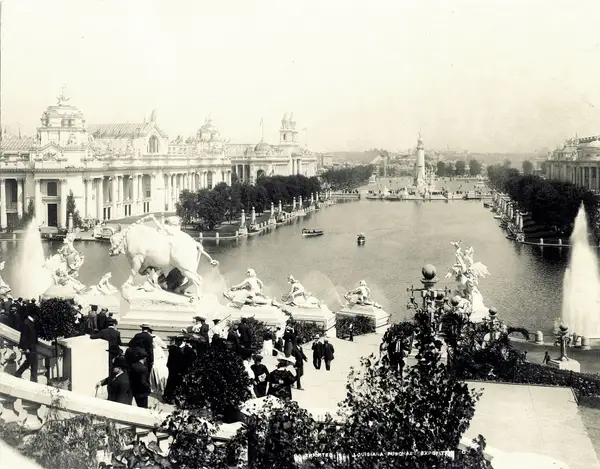 Strong57 entriesBuilt in two years, gone in one: the 'temporary' palacesEvery fair palace in our records is said to have gone up in three years or less, while permanent capitols and cathedrals of the same era took 8 to 24 years. Then most of the palaces were taken down or burned within months or a few years of closing. Common sense asks why anyone would spend that much effort on buildings meant to last one season, and why the 'temporary' ones went up so much faster than the permanent ones. One possibility is that some fair sites re-used or cleared existing structures, and the fair was the story that went with the clearance.
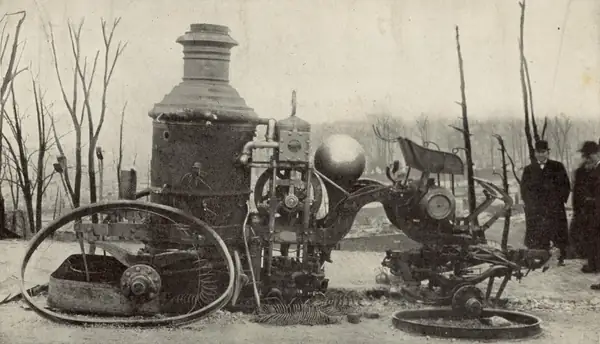 Strong53 entriesFire as the reset buttonCity after city loses its old centre to one big fire, usually blamed on something homely like a pipe, a glue pot or a cow, and within one to three years a grander stone and brick centre stands in its place, often on a brand-new street plan that was ready almost at once. Common sense says rebuilding a downtown in stone takes money, masons and quarries a city doesn't have the morning after a disaster. One possibility is that some of these fires cleared old fabric and old ownership, and the rebuild was planned or supplied from outside.
Related clues at other fairs
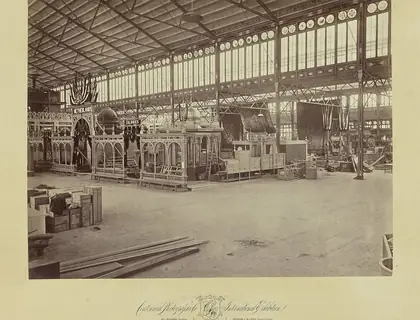 #3A 'construction' photo of a finished hallIf this is 'construction,' why is the building already finished and only the displays going in?
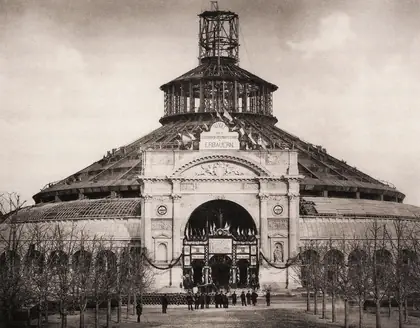 #8An open roof and a bare iron lanternIs the roof being closed for the first time, or reroofed?
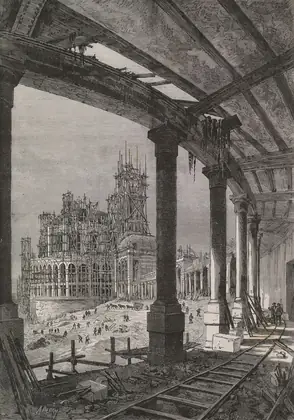 #9The Trocadéro wrapped in scaffoldIs this new construction, or repair and refitting of an existing structure?
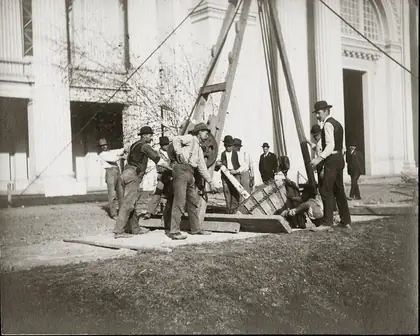 #10Twelve men and a tripod to plant one treeIf one tree took this much effort, what did the palaces take?
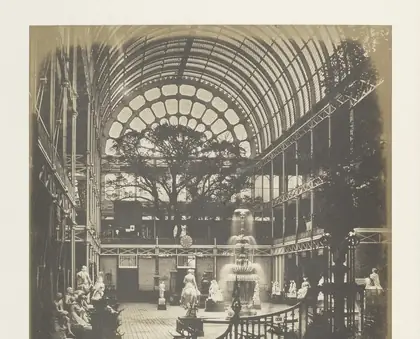 Solid wall at the lower levelWhat is that masonry base, when was it laid, and did it carry an earlier structure?
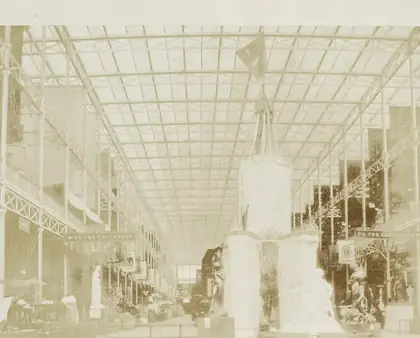 1,850 feet of iron and glass in about nine monthsHow many men, carts and horses would it take to cast, haul and raise thousands of matching iron parts that quickly, and where are the photos of that work?