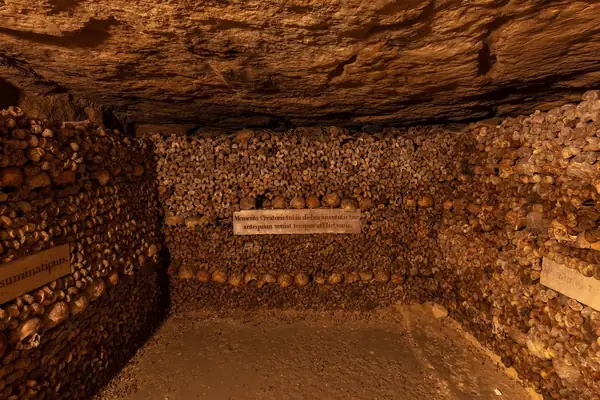
 France · 1789Catacombs of ParisA whole population, unnamed, arranged as decoration. Who decided that, and when?The Catacombs of Paris are underground ossuaries in Paris, France, which hold the remains of more than six million people. The ossuary was created as part of the effort to eliminate the effects of the city's overflowing cemeteries. In addition to directing the stacking of skulls, femurs and tibias into the patterns seen in the catacombs today he used the cemetery decorations he could find (formerly stored on the Tombe-Issoire property; many had disappeared after the 1789 Revolution) to complement the walls of bones.
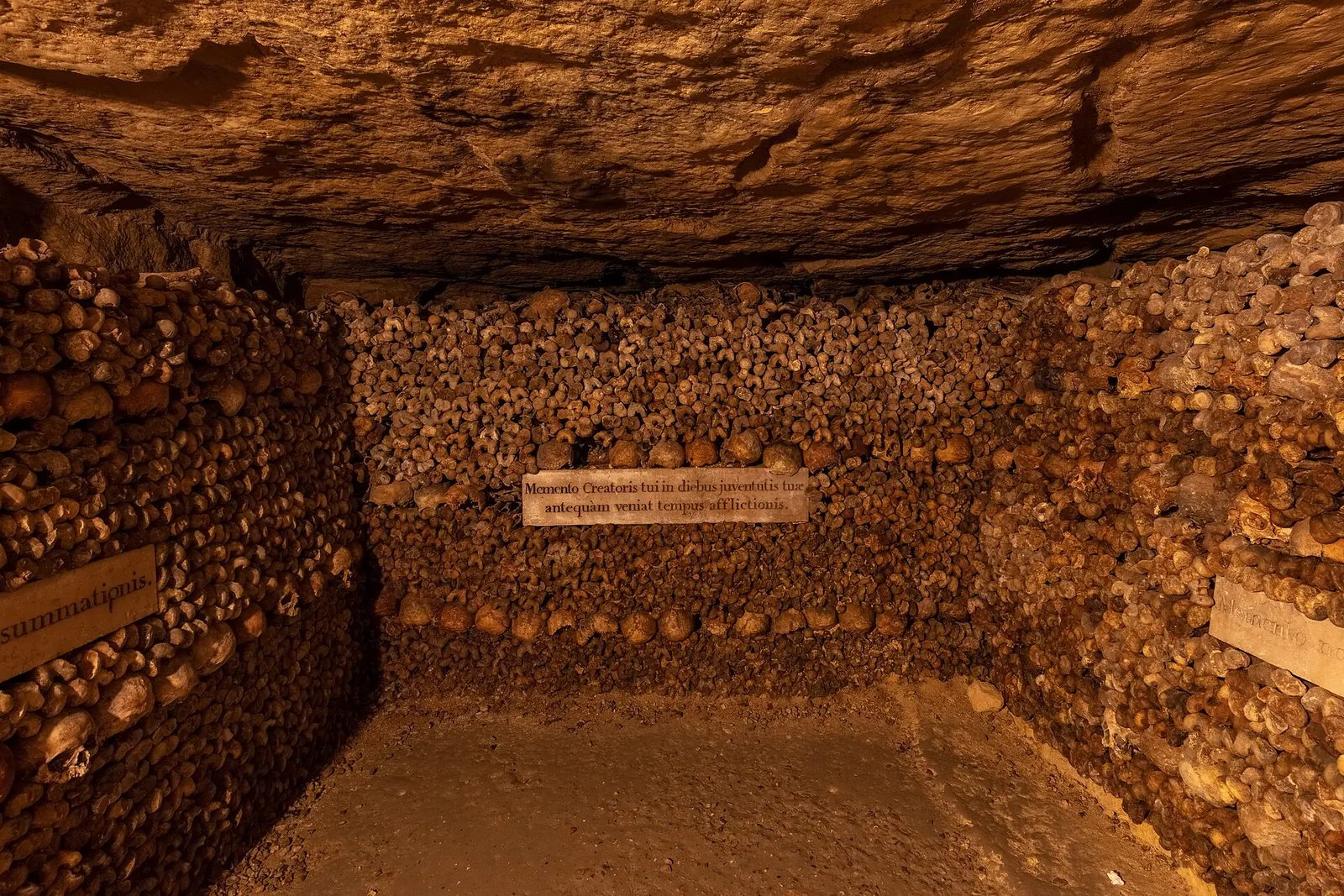
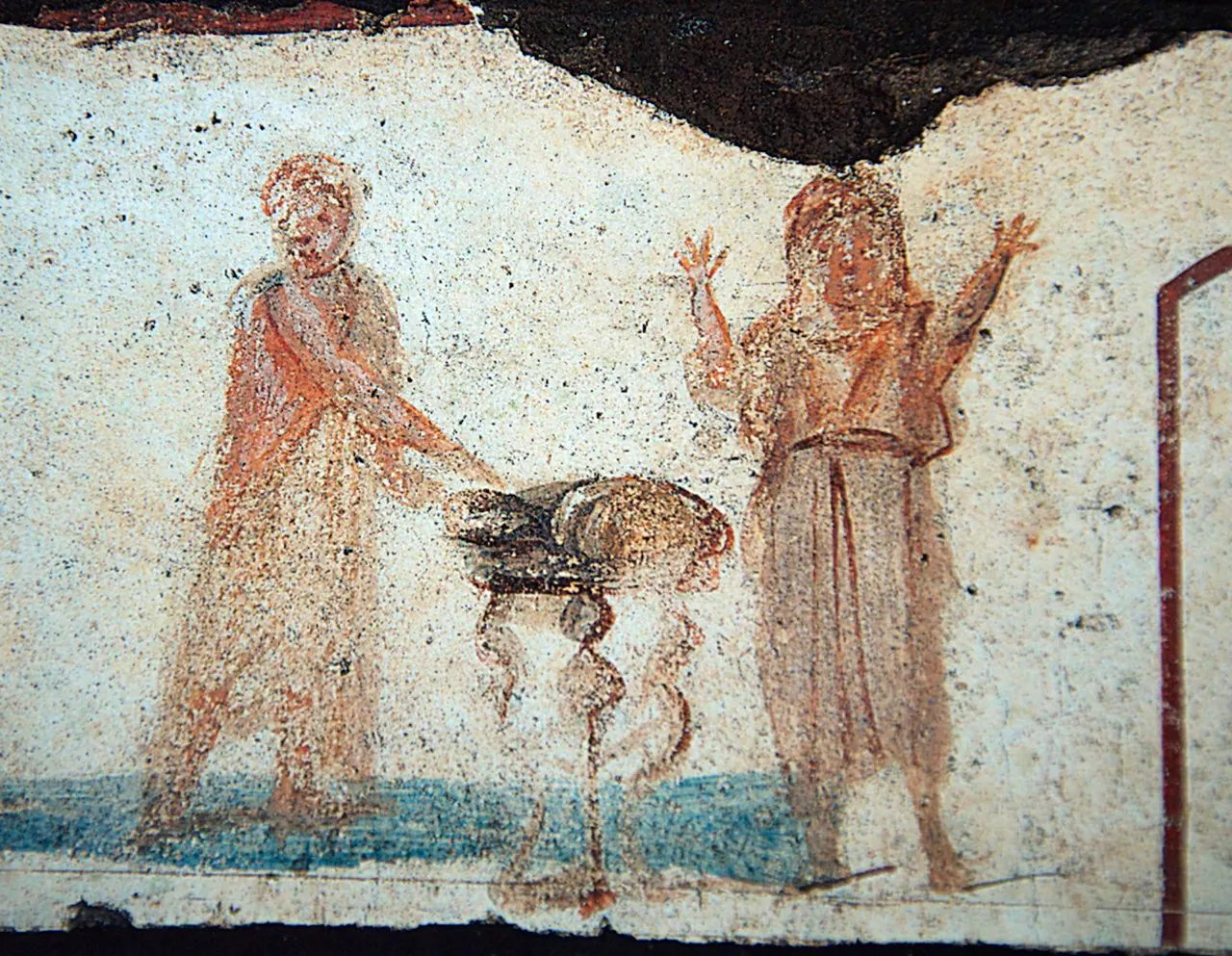
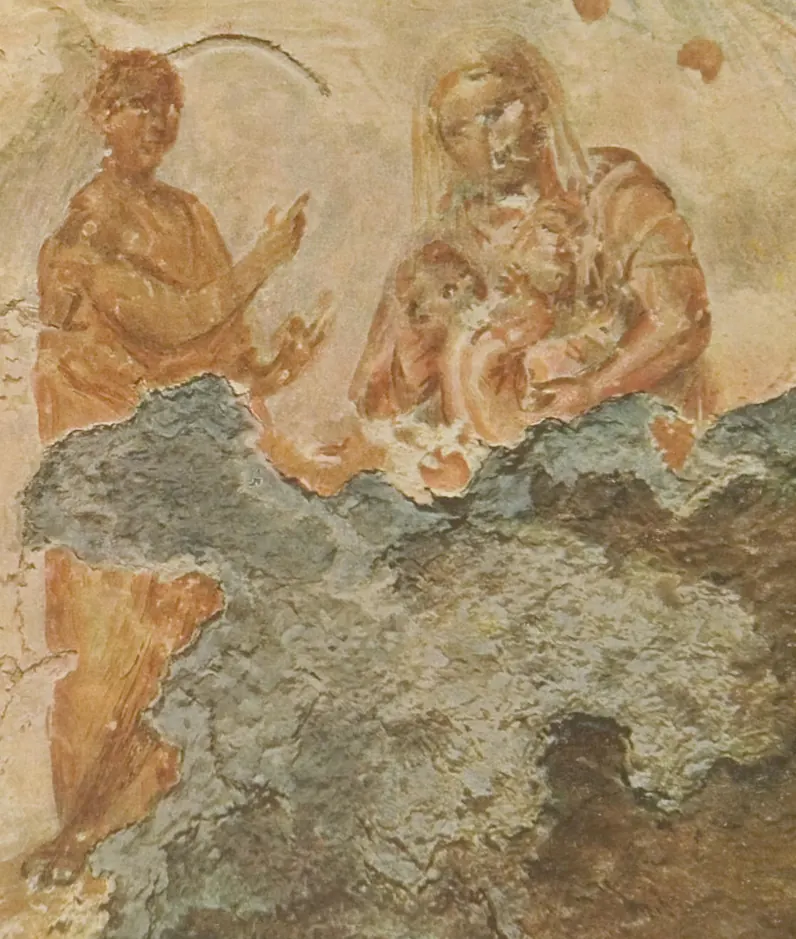
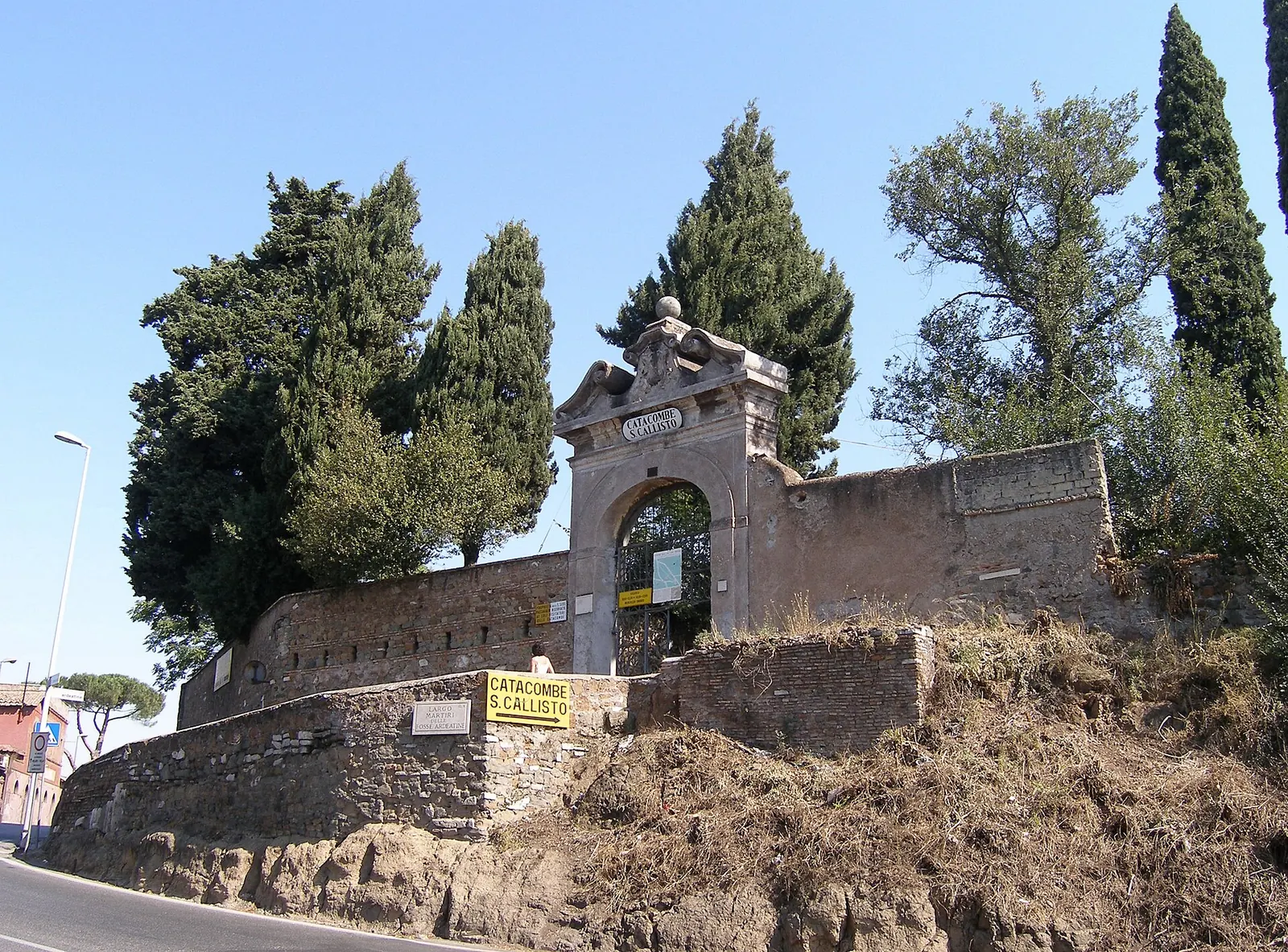
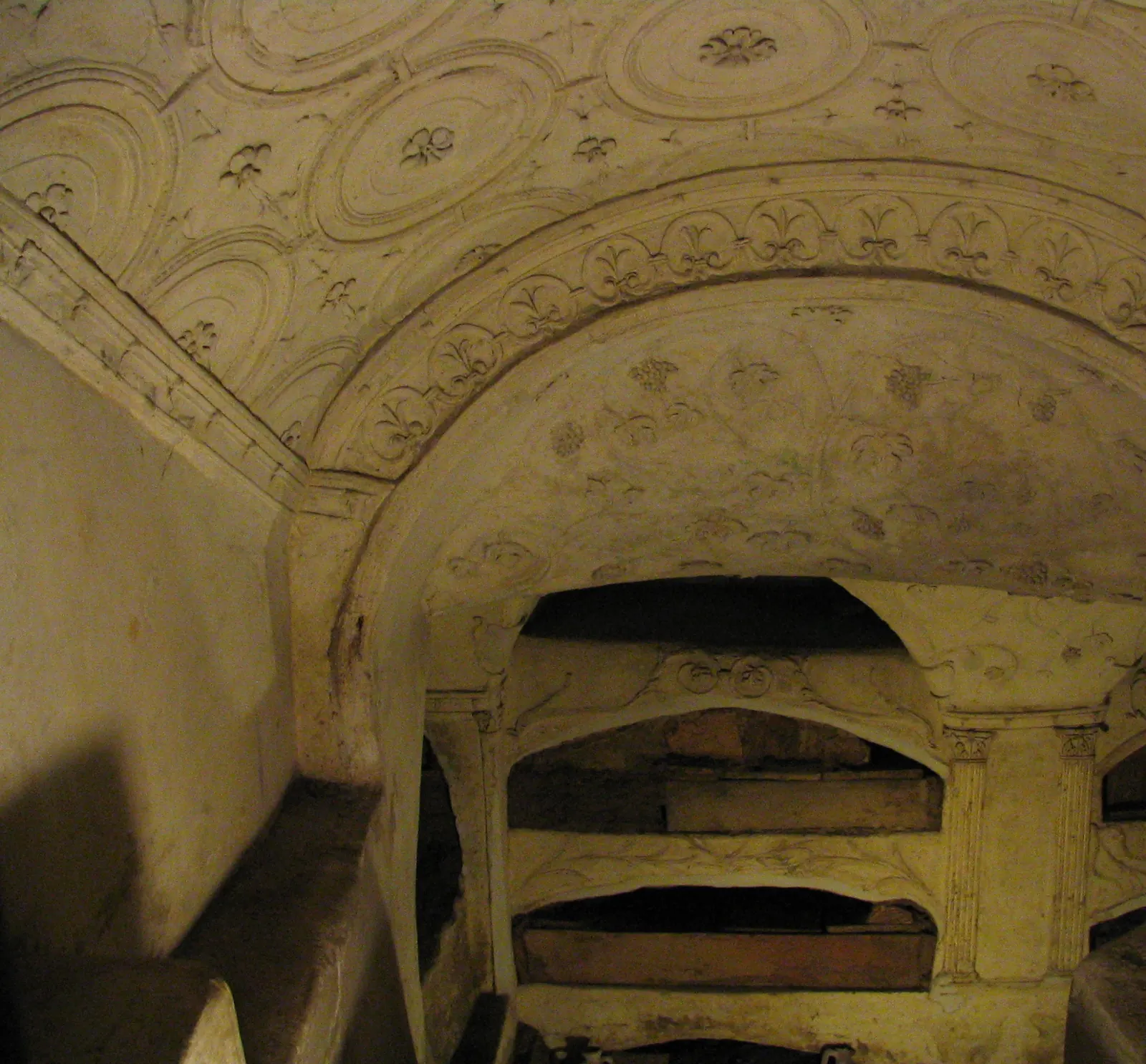
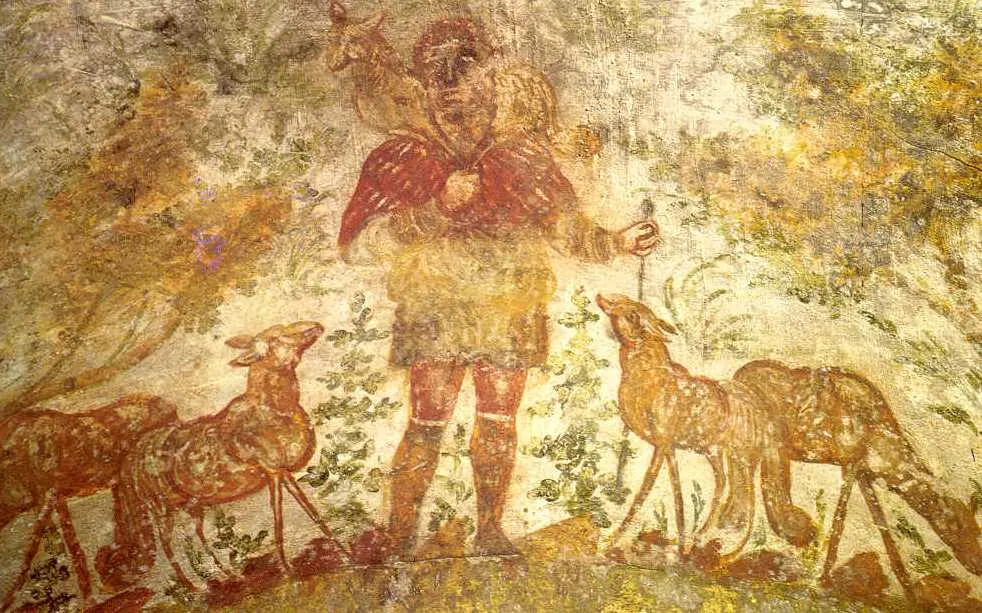
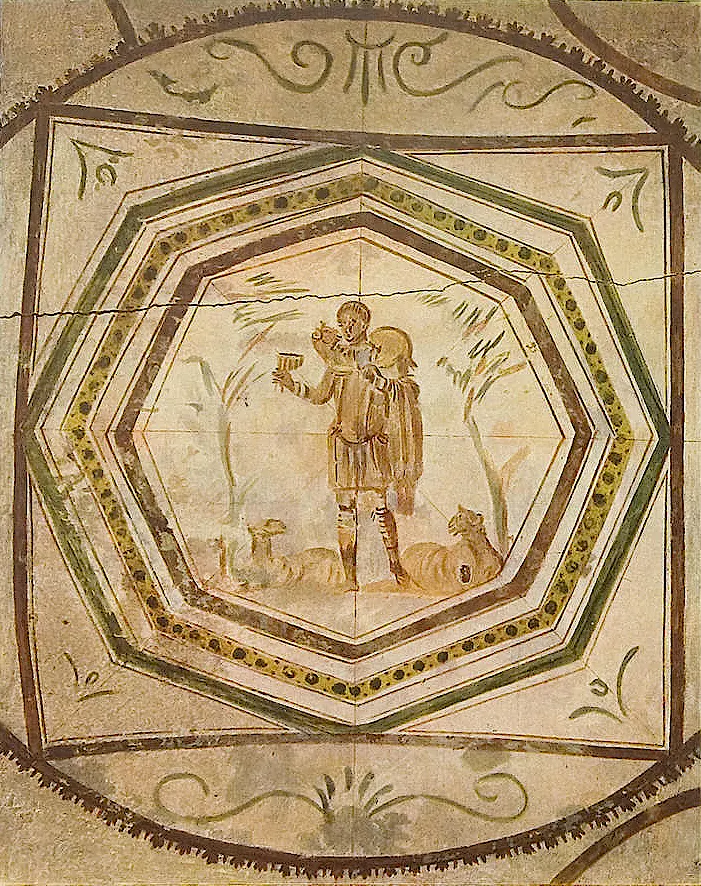
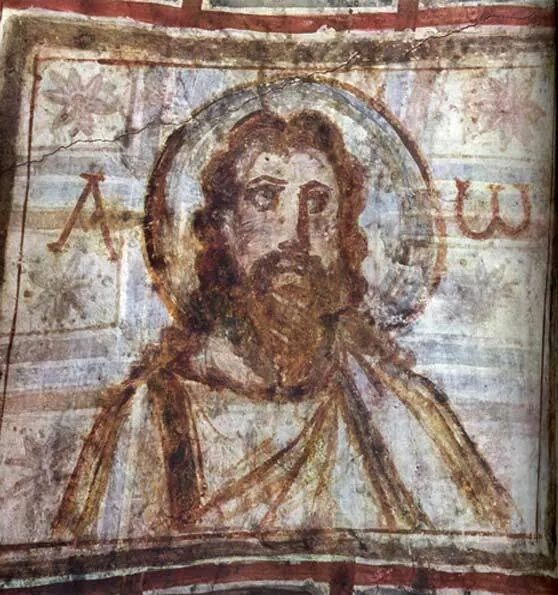
Photo: Diego Delso · CC BY-SA 4.0 · via Wikimedia Commons
Research
Catacombs & Underground
Catacombs, ossuaries, underground cities and forgotten tunnels under the cities
The hypothesis
The open question is how much of what lies under these cities was dug by the people and in the years the record gives, and how much was found, reused and renamed.
Hidden history
What the record shows
Under many old cities lies a second one: 19 tunnel networks, 17 catacombs, 8 ossuaries, 6 underground cities in this section, from Rome and Paris to Cappadocia, Chicago and Cincinnati. The record usually names a purpose (burial, quarrying, freight, a subway that never ran) and sometimes a date. The open question is how much of what lies under these cities was dug by the people and in the years the record gives, and how much was found, reused and renamed.
Questions worth asking
- A whole population, unnamed, arranged as decoration. Who decided that, and when?
- Miles of passages carved by hand for the dead. How many people, and how many years, did that take?
- Who dug all this, and where did all the rock go?
More examples 50
Catacombs, ossuaries, underground cities and forgotten tunnels under cities, including fair cities.
50 of 50
France · 1789Catacombs of ParisA whole population, unnamed, arranged as decoration. Who decided that, and when?The Catacombs of Paris are underground ossuaries in Paris, France, which hold the remains of more than six million people. The ossuary was created as part of the effort to eliminate the effects of the city's overflowing cemeteries. In addition to directing the stacking of skulls, femurs and tibias into the patterns seen in the catacombs today he used the cemetery decorations he could find (formerly stored on the Tombe-Issoire property; many had disappeared after the 1789 Revolution) to complement the walls of bones.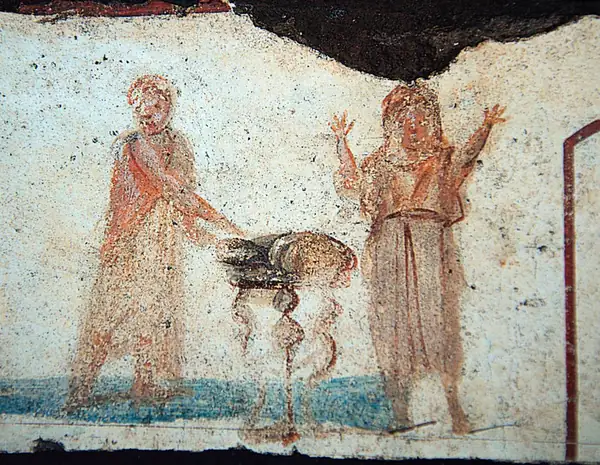 Italy · 1578Catacombs of RomeMiles of passages carved by hand for the dead. How many people, and how many years, did that take?The Catacombs of Rome are ancient catacombs, underground burial places in and around Rome, some rediscovered since 1578, others even as late as the 1950s. It is unknown exactly how many catacombs are in Rome. The Catacombs of San Callisto are around 90 acres large, 12 miles long and contain four levels, extending to a depth of more than 20 meters underground. The Catacombs of Rome (Italian: Catacombe di Roma) are ancient catacombs, underground burial places in and around Rome, some rediscovered since 1578, others even as late as the 1950s.
 Italy · 1822Catacomb of PriscillaWho dug all this, and where did all the rock go?The Catacomb of Priscilla is a large archaeological site on the Via Salaria in Rome, Italy, situated in what was a quarry in Roman times. The catacombs extend underground for over seven miles, making them one of Rome's most extensive catacombs. it was used for thousands of Christian burials from the late 2nd century through the 4th century.
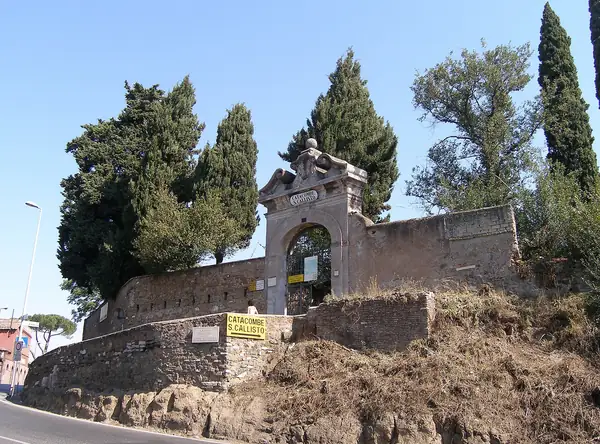 Italy · 1857Catacomb of CallixtusWho dug all this, and where did all the rock go?The Catacomb(s) of Callixtus is one of the Catacombs of Rome on the Appian Way, notable for containing the Crypt of the Popes, which once contained the tombs of several popes from the 2nd to 4th centuries. Joseph Wilpert (1857-1944) directed photographs to be taken by "Pompeo Sansaini, accompanied by his son Renato." These were printed on salted paper and hand colored with watercolors by Carlo Tabanelli, who sat in front of the artworks in the catacombs to accurately reproduce the colors.
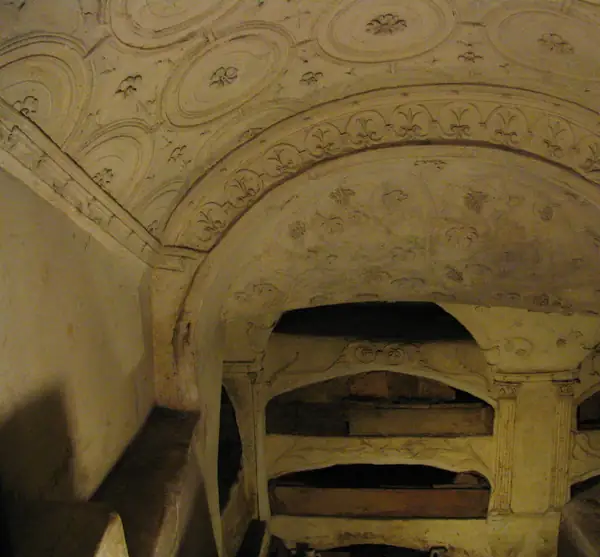 ItalyCatacombs of San SebastianoMiles of passages carved by hand for the dead. How many people, and how many years, did that take?The Catacombs of San Sebastiano are a hypogeum cemetery in Rome, Italy, rising along Via Appia Antica, in the Ardeatino Quarter.
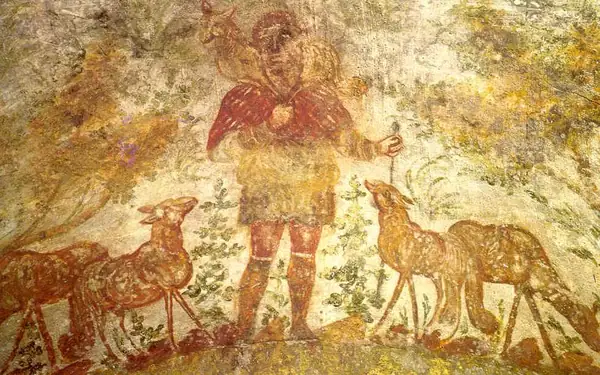 ItalyCatacombs of DomitillaMiles of passages carved by hand for the dead. How many people, and how many years, did that take?The Catacombs of Domitilla are an underground Christian cemetery named after the Domitilla family that had initially ordered them to be dug. Located in Rome, Italy, are the human-made subterranean passageways used for cemeteries and religious practice. They are among the largest catacombs in Rome, spreading out 17 km, largely along the ancient Via Ardeatine, laid out on four levels, and housing approximately 15,000 bodies underground.
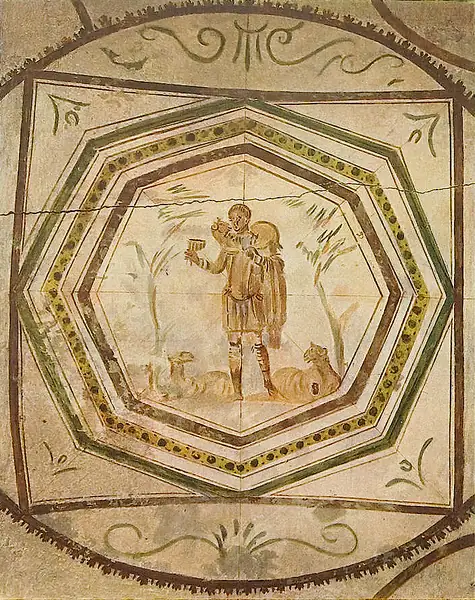 ItalyCatacombs of Marcellinus and PeterMiles of passages carved by hand for the dead. How many people, and how many years, did that take?The Catacombs of Marcellinus and Peter are found approximately three kilometers from southeast Rome and the ancient Via Labicana, and date to the 4th century AD. The catacombs were named in reference to the Christian martyrs Marcellinus and Peter who may have been buried there according to legend, near the body of St. The catacombs "cover 3 hectares with 4.5 kilometers of subterranean galleries on three different levels". Within the catacombs is a variety of frescoes representative of pagan and Christian traditions and a few small artifacts.
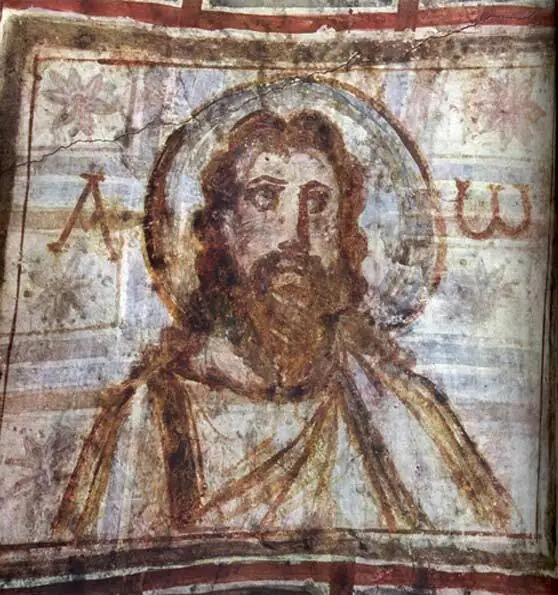 Italy · 1595Catacombs of CommodillaWho dug all this, and where did all the rock go?The Catacombs of Commodilla or Catacombs of Felix and Adauctus is a three-level underground burial complex forming one of the catacombs of Rome.
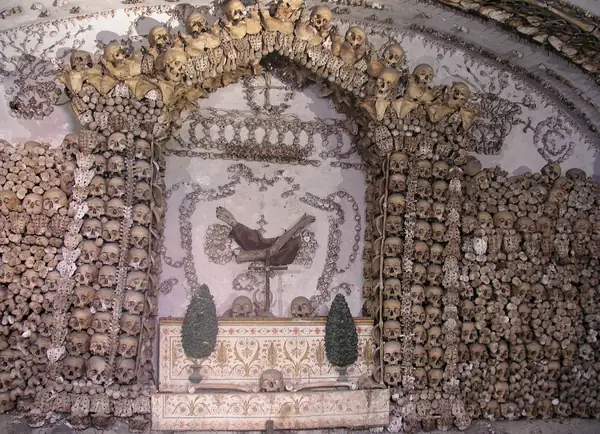 Italy · 1500Capuchin CryptBones of thousands, or millions, moved and stacked. Where did all these people come from, and why are the names gone?The Capuchin Crypt is a small space comprising several tiny chapels located beneath the church of Santa Maria della Concezione dei Cappuccini on the Via Veneto near Piazza Barberini in Rome, Italy. It contains the skeletal remains of 3,700 bodies believed to be Capuchin friars buried by their order. The crypt, or ossuary, now contains the remains of 4,000 friars buried between 1500 and 1870, during which time the Roman Catholic Church permitted burial in and under churches.
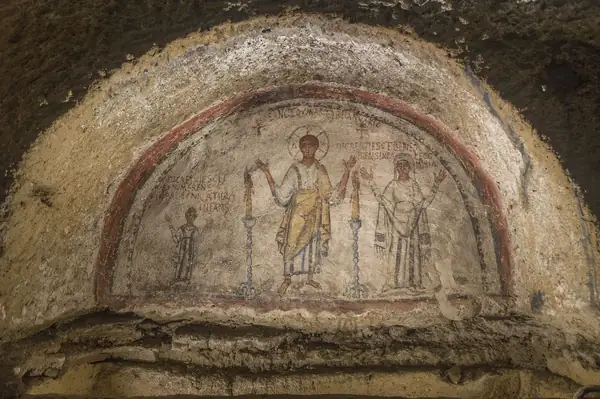 ItalyCatacombs of San GennaroMiles of passages carved by hand for the dead. How many people, and how many years, did that take?The Catacombs of San Gennaro are underground paleo-Christian burial and worship sites in Naples, Italy, carved out of tuff, a porous stone. They are situated in the northern part of the city, on the slope leading up to Capodimonte, consisting of two levels, San Gennaro Superiore, and San Gennaro Inferiore.
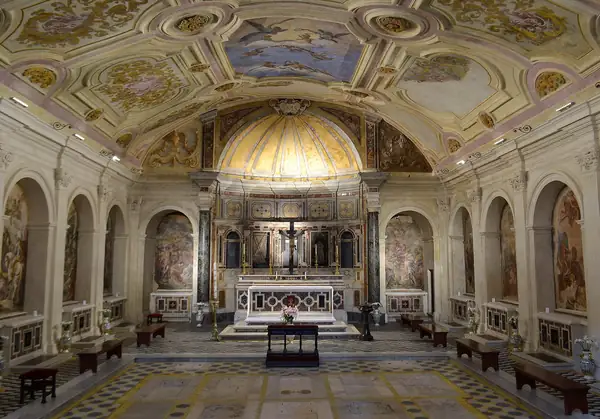 Italy · 1656Catacombs of Saint GaudiosusWho dug all this, and where did all the rock go?The Catacombs of Saint Gaudiosus are underground paleo-Christian burial sites, located in the northern area of the city of Naples. After the outbreak of plague in 1656, the vast limestone caves in the valley became a huge open-air graveyard, and in the early 19th-century at the time of Joachim Murat, numerous bones from the "mummification rooms" were moved as well as later to make space for victims of other epidemics, such as cholera of 1836.
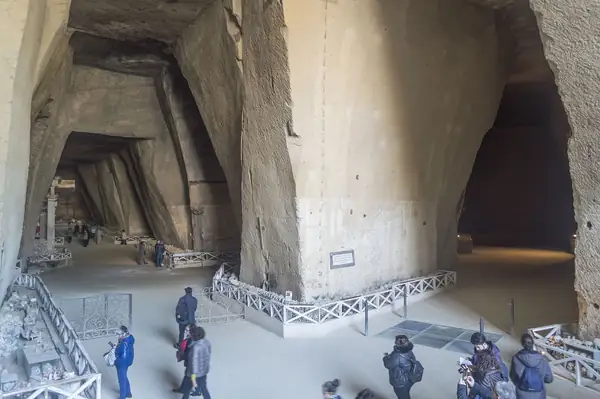 Italy · 1872Fontanelle cemeteryBones of thousands, or millions, moved and stacked. Where did all these people come from, and why are the names gone?The Fontanelle cemetery in Naples is a charnel house, an ossuary, located in a cave in the tuff hillside in the Materdei section of the city. To make space in the churches for the newly interred, undertakers started removing earlier remains outside the city to the cave, the future Fontanelle cemetery. Then, in 1872, Father Gaetano Barbati had the chaotically buried skeletal remains disinterred and catalogued.
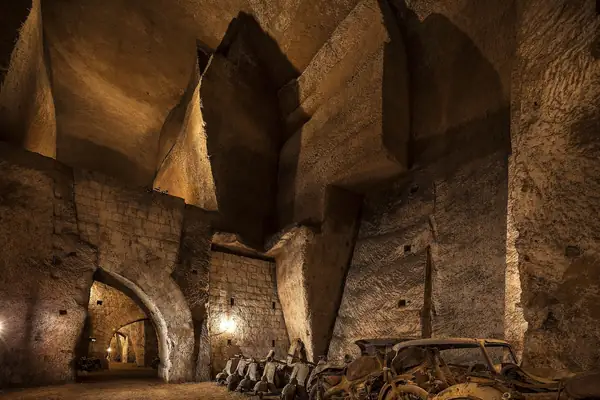 ItalyNaples underground geothermal zoneBuilt, used, sealed and forgotten. Why does that keep happening with what's under our cities?Running beneath the Italian city of Naples and the surrounding area is an underground geothermal zone and several tunnels dug during the ages. Mining and various infrastructure projects during several millennia have formed extensive caves and underground structures in the zone.
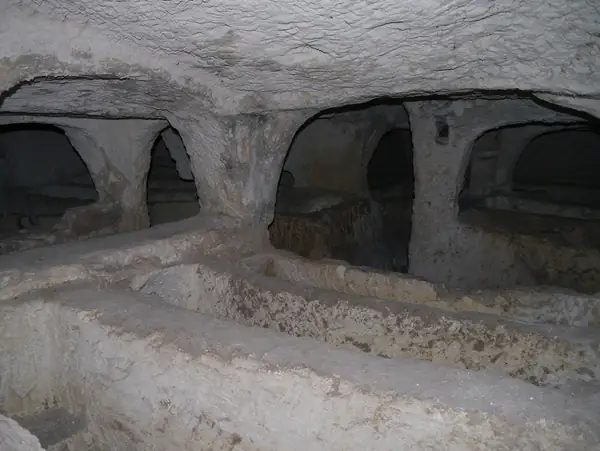 Malta · 1894St. Paul's CatacombsWho dug all this, and where did all the rock go?St. Paul's Catacombs are some of the most prominent features of Malta's early Christianity archeology. The archeological clearing of the site has revealed an extensive system of underground galleries and tombs dating from the third to the eighth centuries CE. The site was first fully investigated in 1894 by Dr.
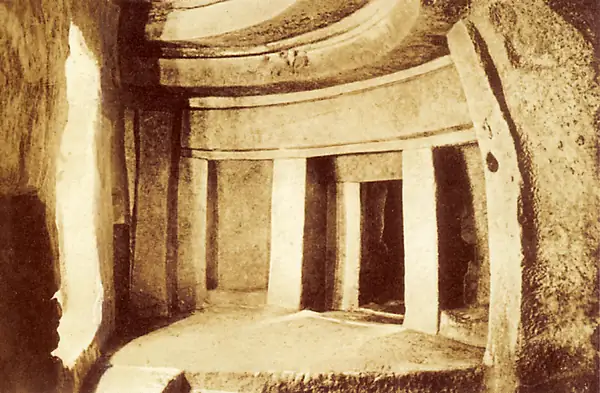 Malta · 1991Ħal Saflieni HypogeumMiles of passages carved by hand for the dead. How many people, and how many years, did that take?The Hypogeum of Ħal Saflieni is a Neolithic subterranean structure dating to the Saflieni phase in Maltese prehistory, located in Paola, Malta. It is often simply referred to as the Hypogeum, literally meaning "underground" in Greek. The Hypogeum was then closed to visitors between 1991 and 2000 for restoration works and to arrange it for visits; and since its reopening, Heritage Malta (the government body that looks after historical sites) allows entry to only 80 people per day, while the site's microclimate is strictly regulated.
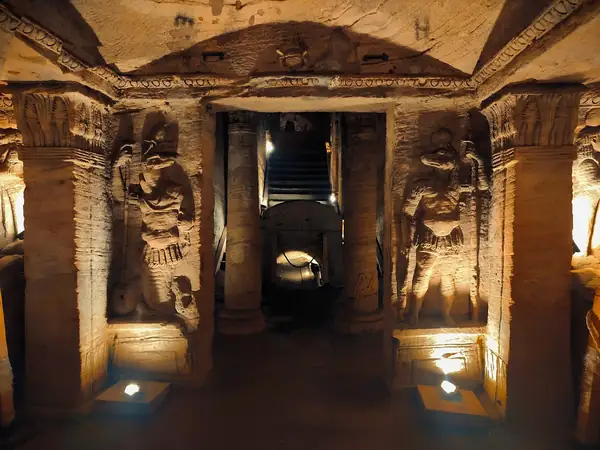 Egypt · 1900Catacombs of Kom El ShoqafaMiles of passages carved by hand for the dead. How many people, and how many years, did that take?The catacombs of Kom El Shoqafa are a historical archaeological site located in Alexandria, Egypt, and are considered one of the Seven Wonders of the Middle Ages. The facility was then used as a burial chamber from the 2nd century to the 4th century, before being rediscovered in 1900 when a donkey accidentally fell into the access shaft.
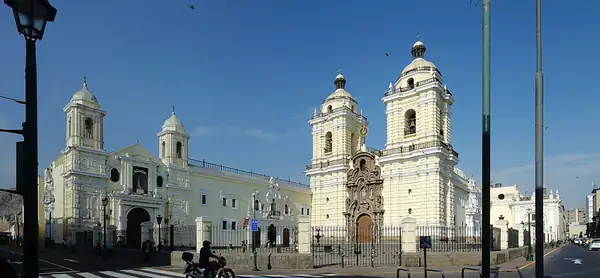 Peru · 1669Basilica and Convent of San Francisco, LimaMiles of passages carved by hand for the dead. How many people, and how many years, did that take?The Basilica and Convent of San Francisco is a Catholic church building located in the Historic Centre of Lima, Peru. It is a rectangular piece, measuring 22 metres (72 ft) long by 12 metres (39 ft) wide, where an impressive Baroque choir stalls, carved in cedar, which extends on both sides, are preserved. During these efforts, the crypt of the former Church of Our Lady of Solitude—demolished in 1669—was discovered.
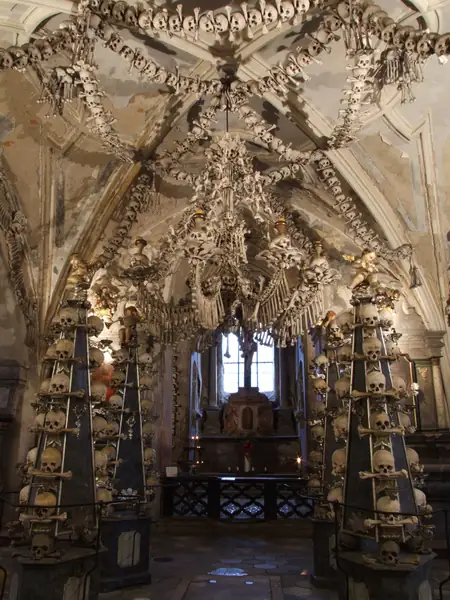 Czech RepublicSedlec OssuaryBones of thousands, or millions, moved and stacked. Where did all these people come from, and why are the names gone?The Sedlec Ossuary is a Roman Catholic chapel, located beneath the Cemetery Church of All Saints, part of the former Sedlec Abbey in Sedlec, a suburb of Kutná Hora in the Czech Republic. The ossuary is estimated to contain the skeletons of between 40,000 and 70,000 people, whose bones have, in many cases, been artistically arranged to form decorations and furnishings for the chapel.
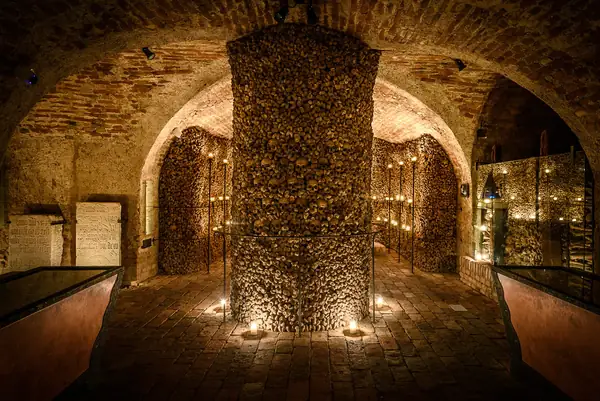 Czech RepublicBrno OssuaryBones of thousands, or millions, moved and stacked. Where did all these people come from, and why are the names gone?Brno Ossuary is an underground ossuary in Brno, Czech Republic. It is estimated that the ossuary holds the remains of over 50 thousand people, which makes it the second-largest ossuary in Europe, after the Catacombs of Paris.
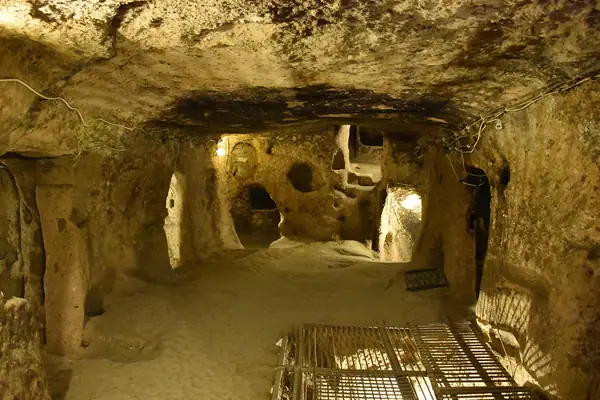 Turkey · 1964Kaymakli underground cityA city dug down many levels, with room for thousands. Who needed to hide that many people, and from what?Kaymakli underground city is contained within the citadel of Kaymakli in Nevşehir Province, in the Central Anatolia Region of Turkey. The city was connected with the Derinkuyu underground city through 8–9 km (5.0–5.6 mi) of tunnels.
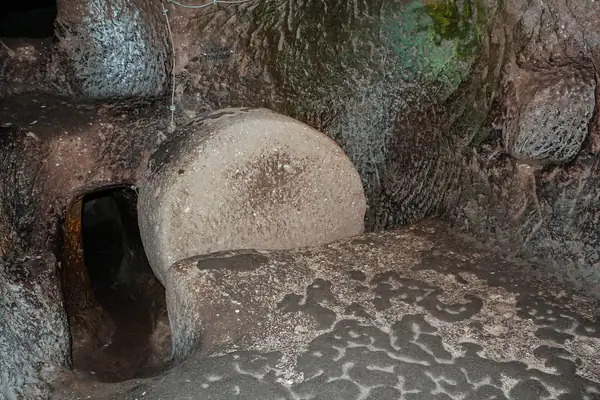 Turkey · 1972Özkonak underground cityVentilation shafts, stables, chapels, all underground. Why go to that much trouble?Özkonak underground city is an ancient city built into the northern slopes of Mt. Idis. The Özkonak Underground City was discovered in 1972 by a local farmer named Latif Acar, who was curious about where his excess crop water was disappearing to. Latif discovered an underground room which, when later excavated, revealed a whole city which could house 60,000 people for up to three months.
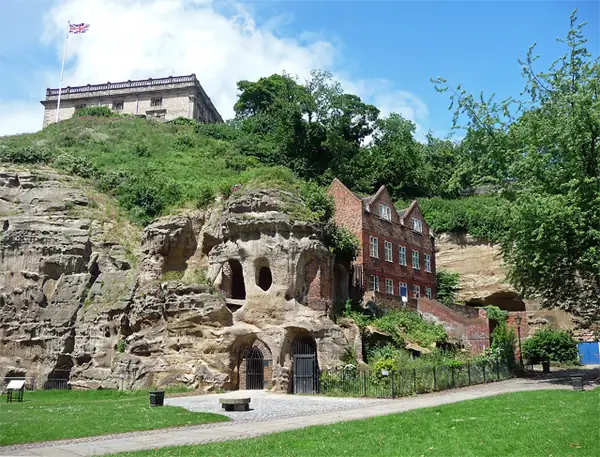 United Kingdom · 1270City of CavesBuilt, used, sealed and forgotten. Why does that keep happening with what's under our cities?City of Caves is a visitor attraction in Nottingham based on a network of caves, carved out of sandstone that have been variously used over the years as a tannery, public house cellars, and as an air raid shelter. The newer City of Caves name refers to the fact that the city of Nottingham has hundreds of man-made caves, which have been in use for over a thousand years. The caves here are some of the oldest remaining in the city, with pottery finds dating some of them to 1270–1300, and were inhabited from at least the 17th century until the St.
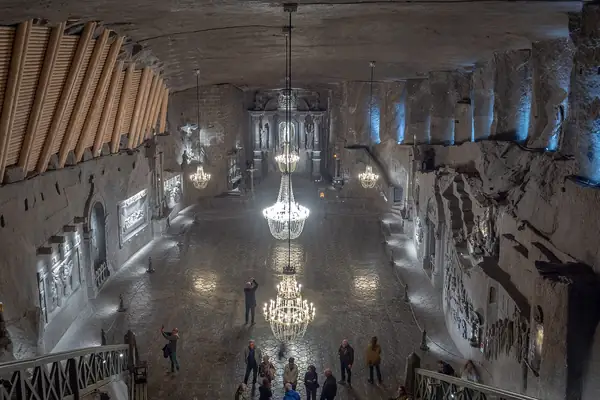 Poland · 1996Wieliczka Salt MineBuilt, used, sealed and forgotten. Why does that keep happening with what's under our cities?The Wieliczka Salt Mine is a salt mine in the town of Wieliczka, near Kraków in southern Poland. The Tourist Route consists of the first 3 levels of the mine. The Wieliczka salt mine, excavated from the 13th century, produced table salt continuously until 1996, as one of the world's oldest operating salt mines.
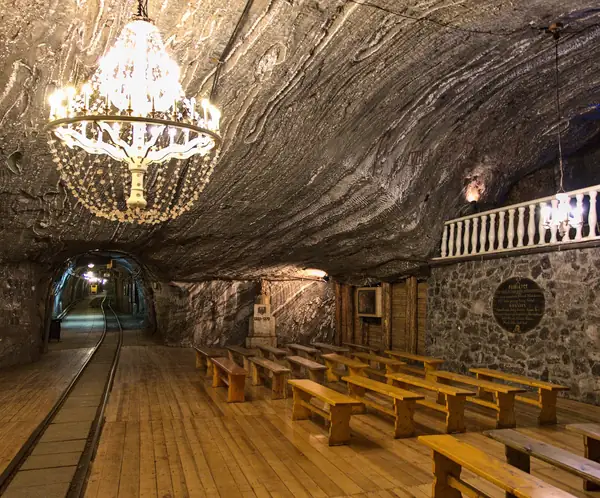 Poland · 1248Bochnia Salt MineBuilt, used, sealed and forgotten. Why does that keep happening with what's under our cities?The Bochnia Salt Mine in Bochnia, Poland, is one of the oldest salt mines in the world and is the oldest commercial company in Poland. The Bochnia salt mine was established in 1248 after salt had been discovered there in the 12th and 13th centuries and became part of the royal mining company, Żupy krakowskie. As a result of this, over the next decades, the August Passage was able to reach a length of nearly 3 km (2 mi).
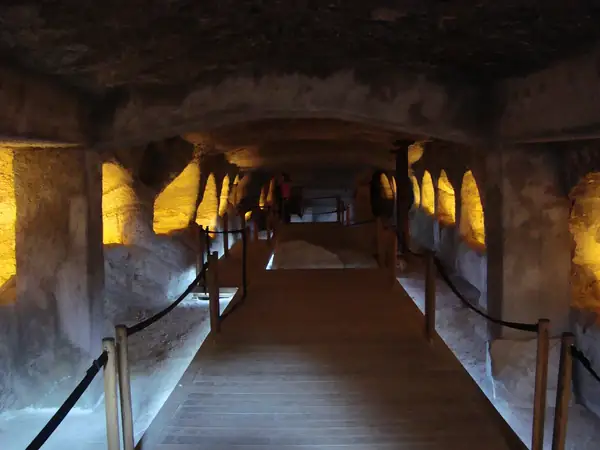 GreeceCatacombs of MilosWho dug all this, and where did all the rock go?The Catacombs of Milos are an ancient underground Christian cemetery located on the island of Milos in the Cyclades, Greece, dating to the 1st-5th century AD. The catacombs are found near the modern settlement of Trypiti, next to the site of the agora of the ancient city of Melos and 200 m to the east of the ancient theatre.
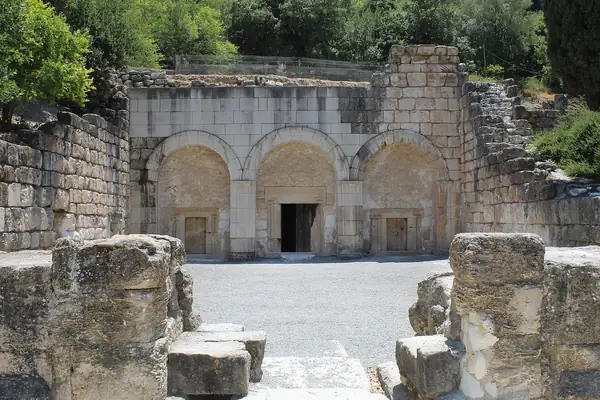 Israel · 1872Beit She'arim necropolisWho dug all this, and where did all the rock go?Beit She'arim Necropolis is an extensive rock-cut necropolis located near the ancient Jewish town of Beit She'arim, 20 km east of Haifa in the southern foothills of the Lower Galilee. Claude Reignier Conder of the Palestine Exploration Fund visited the site in late 1872 and described one of the systems of caves, known as "The Cave of Hell" (Mughārat al-Jahannum).
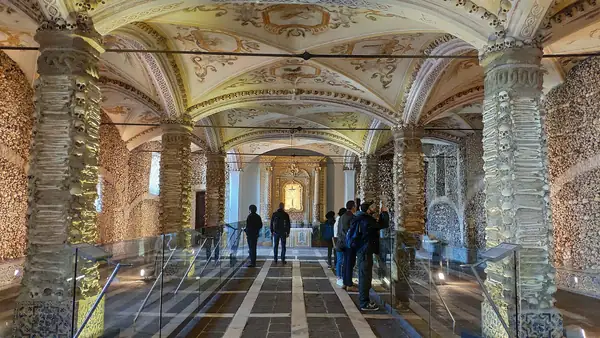 PortugalCapela dos OssosA whole population, unnamed, arranged as decoration. Who decided that, and when?The Chapel gets its name because the interior walls are covered and decorated with human skulls and bones.
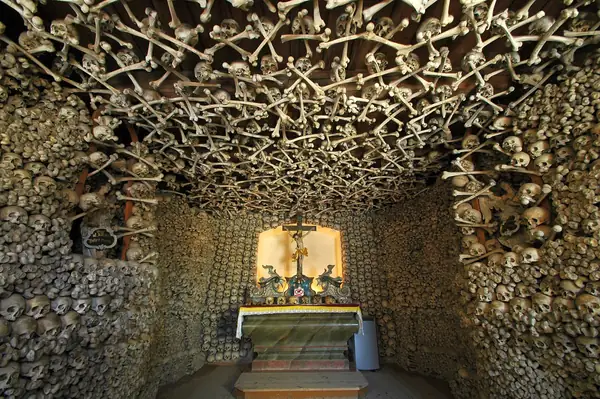 Poland · 1776Skull ChapelBones of thousands, or millions, moved and stacked. Where did all these people come from, and why are the names gone?The Skull Chapel is an ossuary chapel located in the Czermna district of Kudowa-Zdrój, in southwestern Poland. Built in Baroque style in the last quarter of the 18th century, the temple serves as a mass grave with thousands of skulls and human skeletal remains adorning its interior walls, floor, ceiling, and foundations.
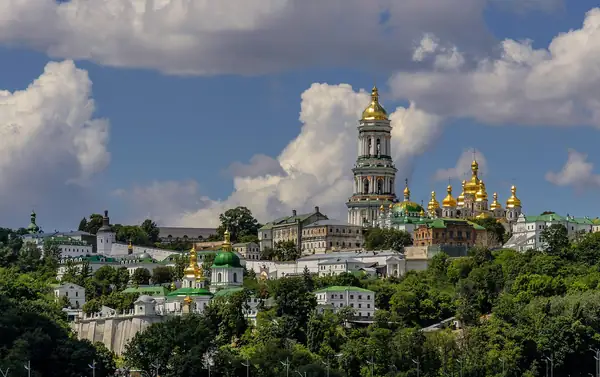 Ukraine · 1051Kyiv Pechersk LavraMiles of passages carved by hand for the dead. How many people, and how many years, did that take?The Kyiv Pechersk Lavra, also known as the Kyiv Monastery of the Caves, is a historic lavra or large monastery of Eastern Christianity that gave its name to the Pecherskyi District where it is located in Kyiv. In 1051, the monk Anthony settled in an old cave in a hill near the Kyiv Pechersk Lavra.
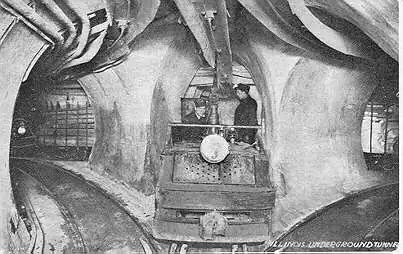 Chicago Tunnel CompanyTunnels under a busy city that most people never knew about. What else is down there that isn't on the maps?The Chicago Tunnel Company was the builder and operator of a 2 ft narrow-gauge railway freight tunnel network under downtown Chicago, Illinois. This was regulated by the Interstate Commerce Commission as an interurban even though it operated entirely under central Chicago, did not carry passengers, and was entirely underground. The Chicago Tunnel Company was the builder and operator of a 2 ft (610 mm) narrow-gauge railway freight tunnel network under downtown Chicago, Illinois.
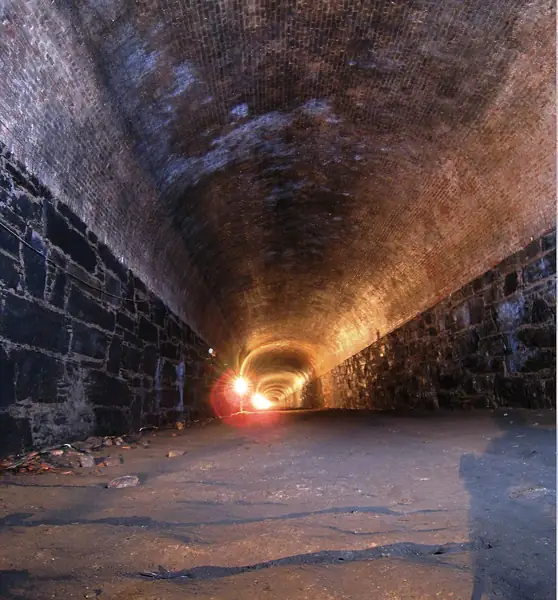 · 1861Cobble Hill TunnelTunnels under a busy city that most people never knew about. What else is down there that isn't on the maps?The Cobble Hill Tunnel is an abandoned Long Island Rail Road (LIRR) tunnel beneath Atlantic Avenue in Brooklyn, New York City, running through the neighborhoods of Downtown Brooklyn and Cobble Hill. It is the oldest railway tunnel beneath a city street in North America that was fully devoted to rail. Once roofed over, the interior height of the newly created tunnel was 17 feet (5.2 m). The ends of the tunnel were sealed in the fall of 1861.
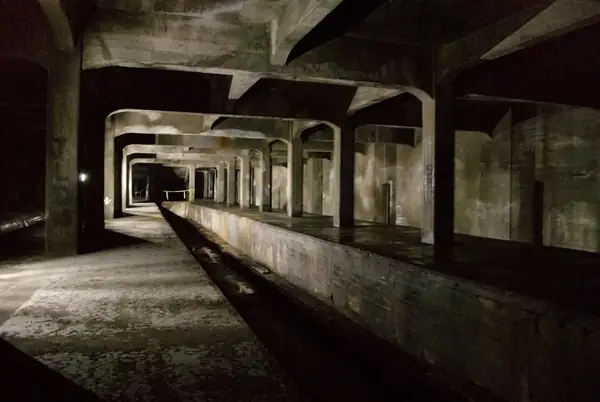 · 1928Cincinnati SubwayTunnels under a busy city that most people never knew about. What else is down there that isn't on the maps?The Cincinnati Subway is a partially completed rapid transit system in Cincinnati, Ohio, planned as an upgrade to the Cincinnati streetcar system. 9.5 miles (15.3 km) of tracks were constructed, of which a slightly more than 2 miles (3.2 km) remain today, after sections were demolished for various projects. The remaining derelict tunnels and stations make up the largest abandoned subway tunnel system in the United States. The construction of the subway system was indefinitely canceled in 1928 and there are no plans to revive the original project.
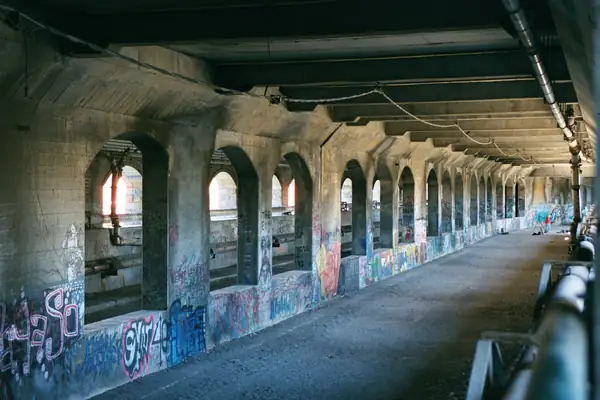 · 1927Rochester subwayBuilt, used, sealed and forgotten. Why does that keep happening with what's under our cities?The Rochester Industrial and Rapid Transit Railway, more commonly known as the Rochester subway, was a freight and rapid transit rail line in the city of Rochester, New York that operated from 1927 to 1956. The subway was constructed in the bed of the old Erie Canal, which allowed the route to be grade-separated for its entire length. Two miles (3.2 km) of the route through downtown were constructed in a cut-and-cover tunnel that became Broad Street, and the only underground portion of the subway.
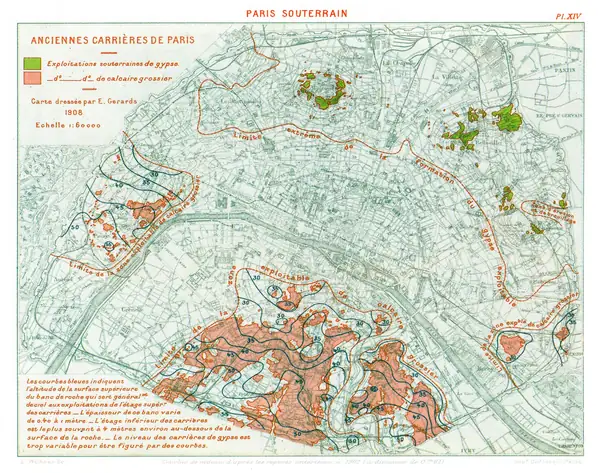 France · 1373Mines of ParisBuilt, used, sealed and forgotten. Why does that keep happening with what's under our cities?The mines of Paris comprise a number of abandoned, subterranean mines under Paris, France, connected together by galleries. A limited part of the network— 1.7 kilometres (1.1 mi) in length—has been used as an underground ossuary, known as the catacombs of Paris, some of which can be toured legally. The first written act concerning any mine dates from almost a century later, 1373, in an authorisation that a certain Dame Perrenelle be permitted to operate the plaster mine already existing in her property to the lower flank of Montmartre.
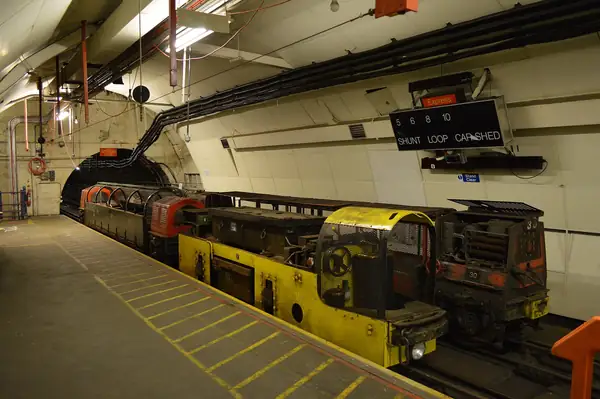 United Kingdom · 1915London Post Office RailwayBuilt, used, sealed and forgotten. Why does that keep happening with what's under our cities?The Post Office Railway, known since 1987 as Mail Rail, is a 2 ft narrow-gauge, driverless underground railway in London that was built by the Post Office with assistance from the Underground Electric Railways Company of London, to transport mail between sorting offices. Inspired by the Chicago Tunnel Company, it opened in 1927 and operated for 76 years until it closed in 2003. Construction of the tunnels started in February 1915 from a series of shafts.
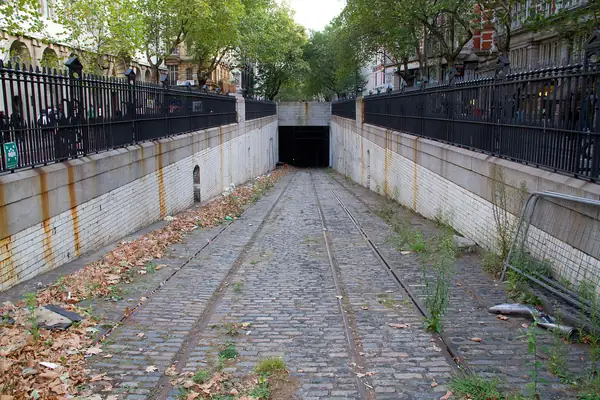 United Kingdom · 1906Kingsway tramway subwayBuilt, used, sealed and forgotten. Why does that keep happening with what's under our cities?The Kingsway tramway subway is a cut-and-cover tunnel in central London, built by the London County Council, and the only one of its kind in Britain. Following the pattern of tramways in New York and Boston, it was decided to build this as an underground connection. The subway opened in 1906 to Aldwych and to Embankment in 1908.
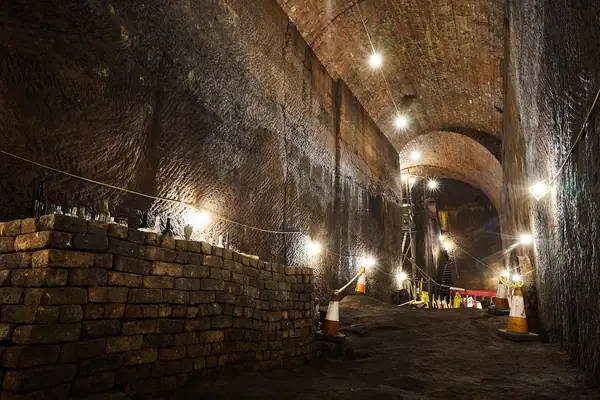 United Kingdom · 1845Williamson TunnelsTunnels under a busy city that most people never knew about. What else is down there that isn't on the maps?The Williamson Tunnels are a series of extensive subterranean excavations in the Edge Hill area of Liverpool, England. Although popularly described as "tunnels", the majority comprise brick or stone vaulting over excavations in the underlying sandstone. Stonehouse, who traversed parts of the tunnels in 1845, described the excavations as a labyrinth of "vaulted passages [...] pits deep, and yawning chasms", including a "fearful opening" beneath Grinfield Street with two "complete four-roomed houses" in the side of it connected by a spiral passage.
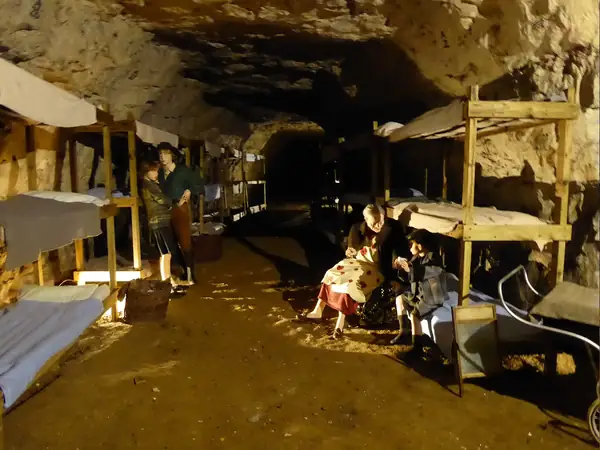 United Kingdom · 1830Chislehurst CavesBuilt, used, sealed and forgotten. Why does that keep happening with what's under our cities?The Chislehurst Caves are a series of intersecting man-made tunnels and caverns covering some 22 miles (35.4 km) in Chislehurst in the London Borough of Bromley. The Chislehurst Caves are a series of intersecting man-made tunnels and caverns covering some 22 miles (35.4 km) in Chislehurst in the London Borough of Bromley. The caves were used between 1830 and the 1860s for producing lime.
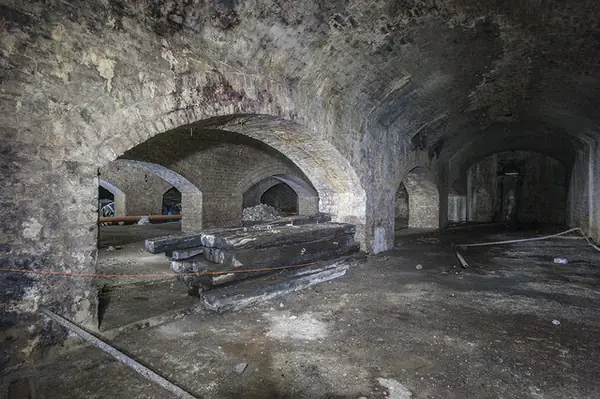 United KingdomCamden CatacombsTunnels under a busy city that most people never knew about. What else is down there that isn't on the maps?The Camden Catacombs are a system of underground passages in Camden Town in north London underneath part of the Camden markets, constructed in the 19th century, and as of 2012 owned by Network Rail. They are not true catacombs as they were never used as repositories for dead bodies, instead being an underground area originally used as stables for horses and pit ponies working on the railways.
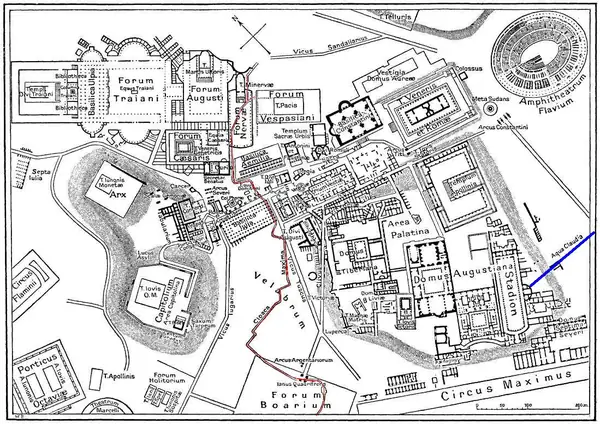 ItalyCloaca MaximaTunnels under a busy city that most people never knew about. What else is down there that isn't on the maps?The Cloaca Maxima or, less often, Maxima Cloaca, is one of the world's earliest sewage systems.
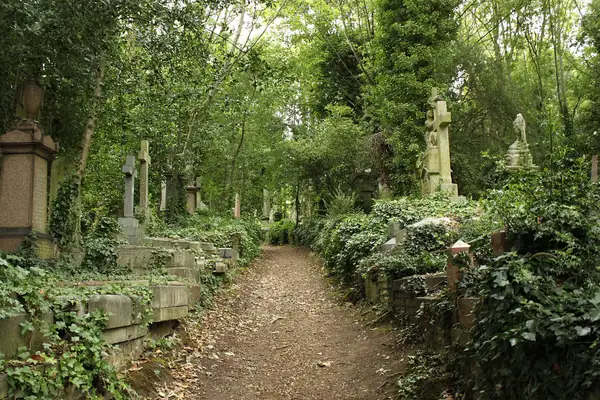 United Kingdom · 1967Highgate CemeteryMiles of passages carved by hand for the dead. How many people, and how many years, did that take?Highgate Cemetery is a place of burial in North London, England, designed by architect Stephen Geary. In 1967 the Dissenter's Catacombs were declared unsafe and demolished.
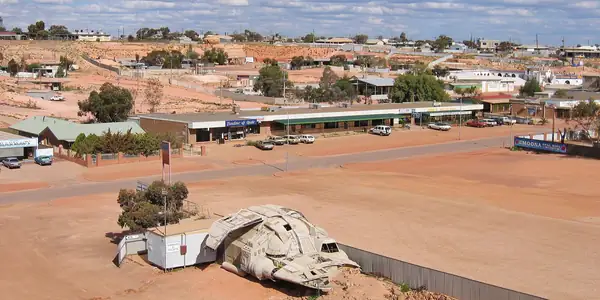 Australia · 1916Coober PedyA city dug down many levels, with room for thousands. Who needed to hide that many people, and from what?The town is sometimes referred to as the "opal capital of the world" because of the quantity of precious opals mined there. Coober Pedy is also renowned for its below-ground dwellings, called "dugouts", which are built in this fashion due to the scorching daytime heat. Opal miners started moving in around 1916.
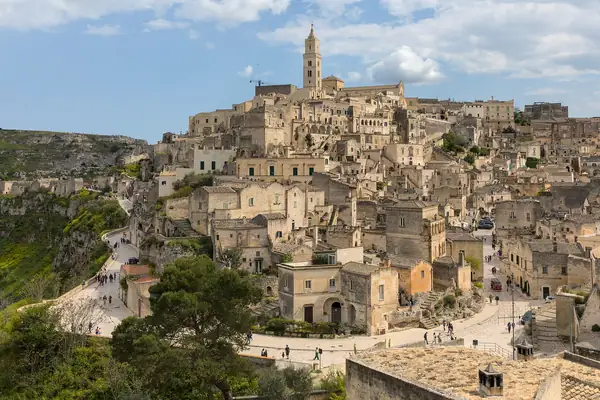 Italy · 1993MateraVentilation shafts, stables, chapels, all underground. Why go to that much trouble?Matera is a city and the capital of the Province of Matera in the region of Basilicata, in Southern Italy. The Sassi consist of approximately twelve levels spanning the height of 380 m, connected by a network of paths, stairways, and courtyards (vicinati). The recognition of the Sassi, labelled la città sotterranea ("the underground city"), together with the rupestrian churches across the Gravina as a UNESCO World Heritage Site in December 1993 has assisted in attracting tourism and accelerated the reclaiming of the site.
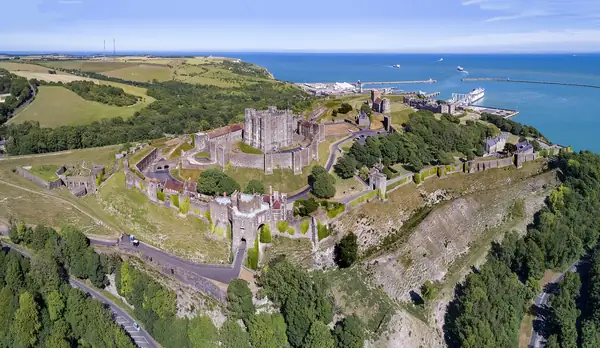 United Kingdom · 1620Dover CastleTunnels under a busy city that most people never knew about. What else is down there that isn't on the maps?Dover Castle is a medieval castle in Dover, Kent, England and is Grade I listed. The solution adopted by Twiss and the Royal Engineers was to create a complex of barracks tunnels about 15 metres below the cliff-top, and the first troops were accommodated in 1803. Around 1620, Edward Zouche, Lord Warden of the Cinque Ports for King James I, noted that four towers were in a state of decay, and the covered gallery leading from the kitchen to the royal lodging had been demolished.
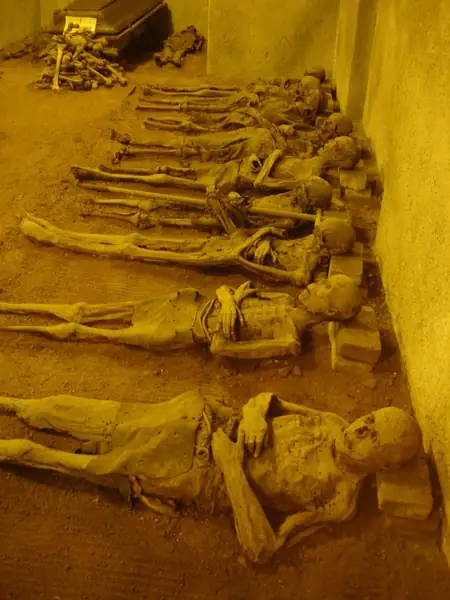 Czech RepublicCapuchin Crypt in BrnoBones of thousands, or millions, moved and stacked. Where did all these people come from, and why are the names gone?The Capuchin Crypt in Brno is a funeral room mainly for Capuchin friars. The crypt was founded in the mid 17th century in the basement of the Capuchin Monastery in the historical centre of Brno.
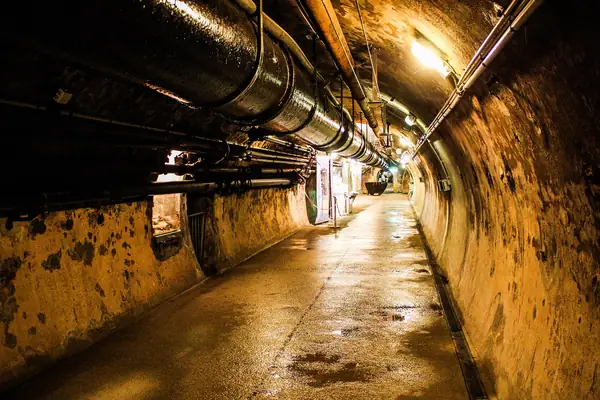 France · 1370Paris sewersTunnels under a busy city that most people never knew about. What else is down there that isn't on the maps?Although the Romans built a small number of sewer lines on the Left Bank, the development of the sewers of Paris dates back to the year 1370, when the first underground system was built under Rue Montmartre. Paris's sewer system has featured in popular culture throughout its existence, including Victor Hugo's 1862 novel, Les Misérables, and H. L. Humes's 1958 novel The Underground City.
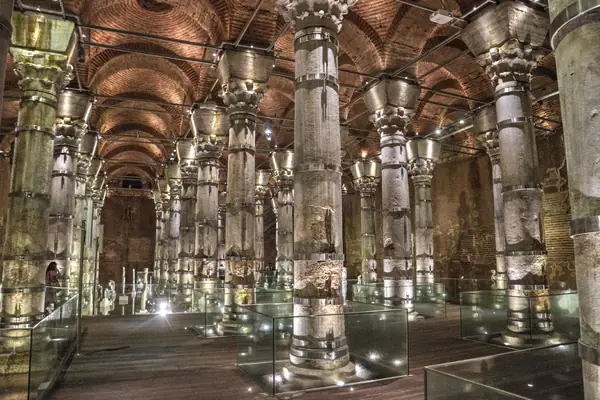 Turkey · 1912Theodosius CisternBuilt, used, sealed and forgotten. Why does that keep happening with what's under our cities?The Theodosius Cistern is one of many ancient cisterns of Constantinople that lie beneath the city of Istanbul, Turkey.
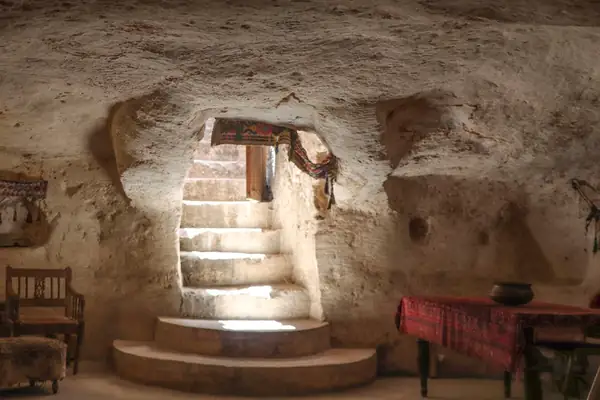 TurkeyMatiateA city dug down many levels, with room for thousands. Who needed to hide that many people, and from what?Matiate is an archaeological site underneath the town of Midyat, in Mardin province, Turkey.
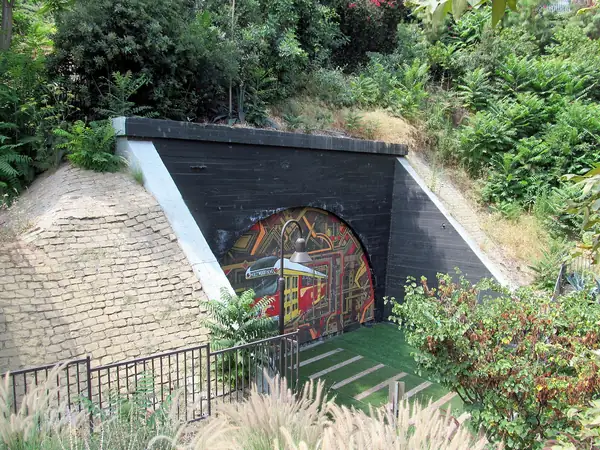 · 1925Hollywood SubwayTunnels under a busy city that most people never knew about. What else is down there that isn't on the maps?The Hollywood Subway, as it is most commonly known, officially the Belmont Tunnel, was a streetcar tunnel used by the interurban streetcars of the Pacific Electric Railway from 1925 through 1955. It ran from its northwest entrance in today's Westlake district to the Subway Terminal Building, in the Historic Core, the business and commercial center of Los Angeles from around the 1910s through the 1950s.
Where it happened 48 places
Open the globe ›Land: Natural Earth (public domain).
What the photos show
- Catacumbas, París, Francia, 2022-11-01, DD 105-107 HDR1 November 2022, 19:18:1 · CC BY-SA 4.0
- Eucharistic bread3 rd century date QS:P,+ · Public domain
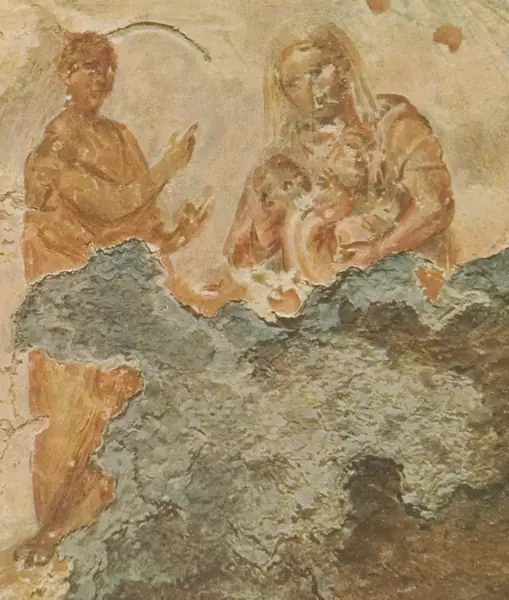
- Madonna catacomblate 2 nd century date Q · Public domain
- Rom, Calixtus-Katakombe, Eingangstor zum Park der Katakombe28 July 2007, 10:01:42 · CC BY-SA 3.0
- Catacombs S. Sebastiano Rome36 March 2007 · CC BY 2.0
- Good Shepherd 04200-300 CE · Public domain
- The Good Shepherd, Catacomb of Petrus and Marcellinus, 3rd century AD, from the from the book Die Malereien der Katakomben Roms, pla cropped sharpenedmore250-300 A.D. · Public domain
- Christ with beardPublic domain


Patterns
The same story turns up in other threads.
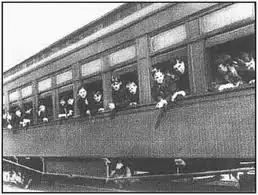 Hypotheses20 patterns across all the threads
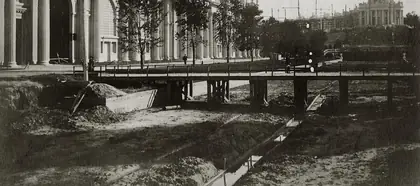 Clues Others Missed110 details in the photos
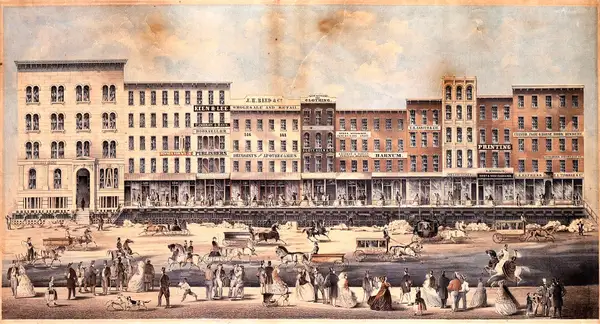 Mud FloodBuried first floors, raised streets and what lies under the cities
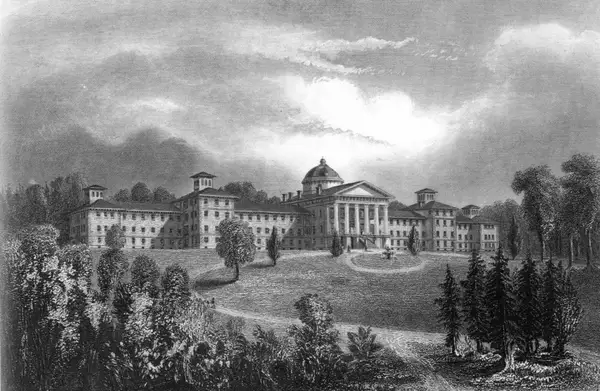 AsylumsKirkbride palaces and why admissions soared
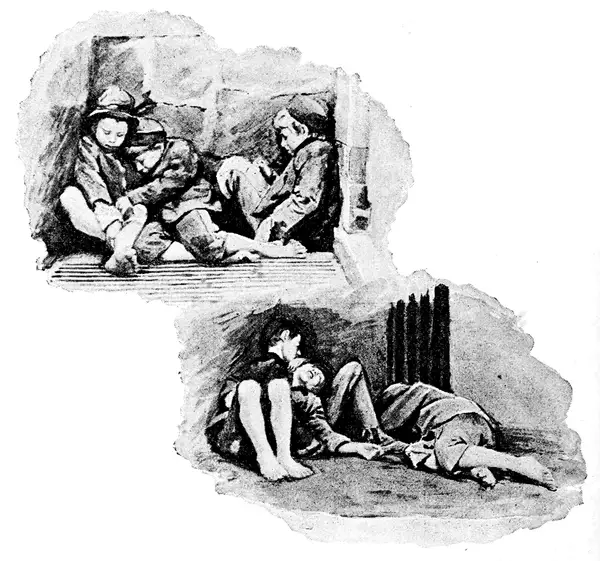 Orphan TrainsAbout 200,000 children sent west, 1854–1929
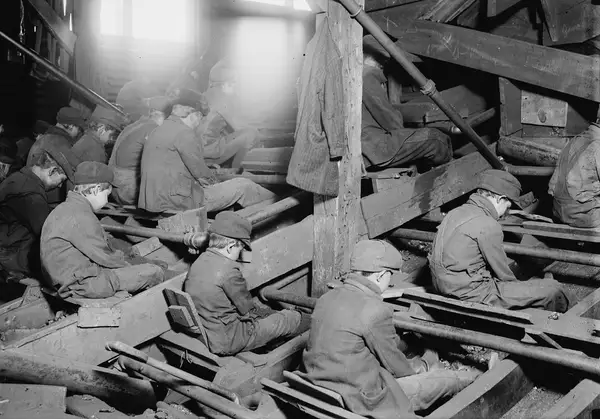 Child Labor & RepopulationBreaker boys, mill girls and the 1850–1920 window
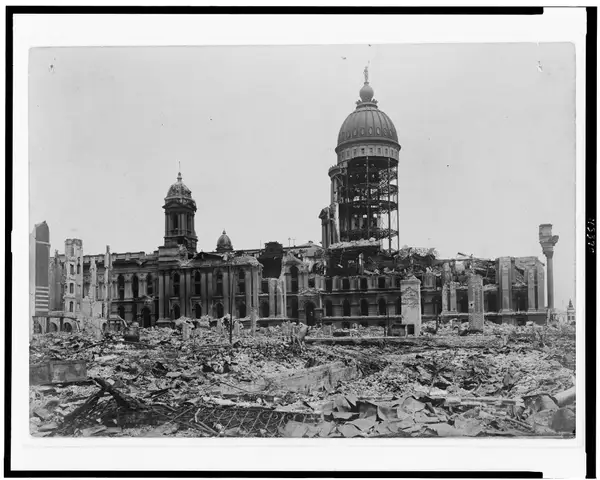 Burned and Rebuilt?Ruins, then palaces: swipe between the two photos
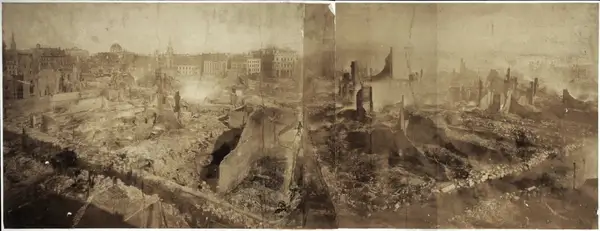 Same Story, Different CityFire, temporary, rebuilt: the same beats in city after city
 Architects of RecordWho got the credit, how old they were, and how long it took
 Does It Add Up?Buildings set against the towns, workforces and timelines the record gives them, scored from sourced facts only.