Hypothesis #1 of 20
The children were moved in the same window
Strength is how much of our gathered material lines up with the pattern. It is not the odds that the idea is true.
The working idea
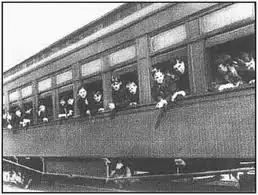
In the same decades as the fairs, the asylum boom and the great fires, hundreds of thousands of children were moved on trains and ships, placed with strangers, renamed or put to work, and whole institutions were founded to take them. Common sense asks where so many parentless children came from in peacetime, and why moving them far away was the answer so often. The possibility researchers raise is a repopulation or restaffing of places after something disrupted families on a large scale.
Strongest examples
The evidence
Orphan, child-migration, child-labour, incubator and immigration entries
205 (133 orphan-trains, 72 repopulation). Round 2 orphan-trains kinds: orphanage 51, poor-farm 15, rider 9, agency 8, receiving-town 8, similar 8, statistic 7, source-home 3, depot 2, departure 1, museum 1, immigration 1; repopulation kinds: child-labor 35, incubator 8, immigration 7, statistic 3, records 1, source-home 1, similar 1
205 entries
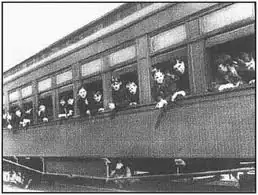
 Orphan train movementNew York City
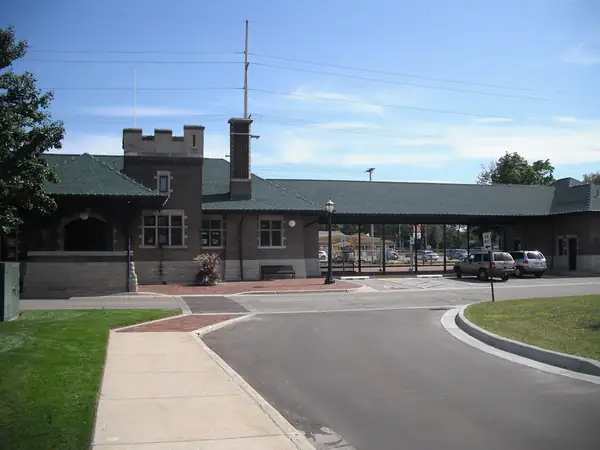 First orphan train stop, DowagiacDowagiac, Michigan
 National Orphan Train ComplexConcordia, Kansas
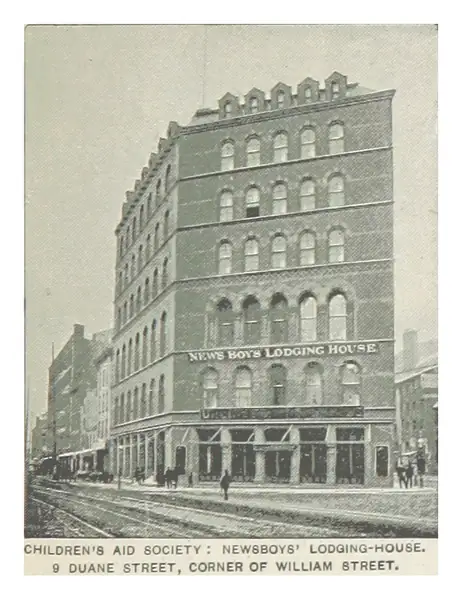 Children's Aid SocietyNew York City
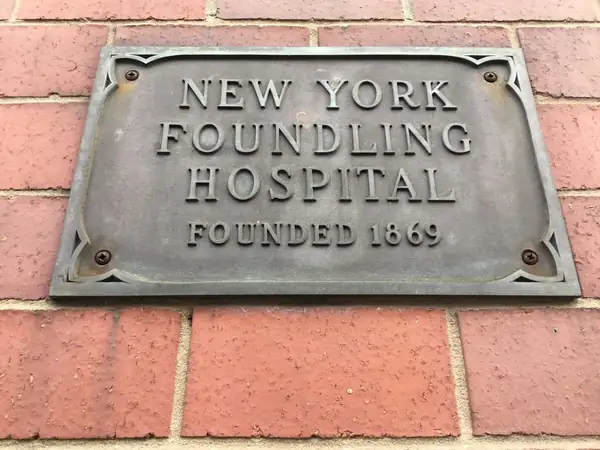 New York FoundlingNew York City
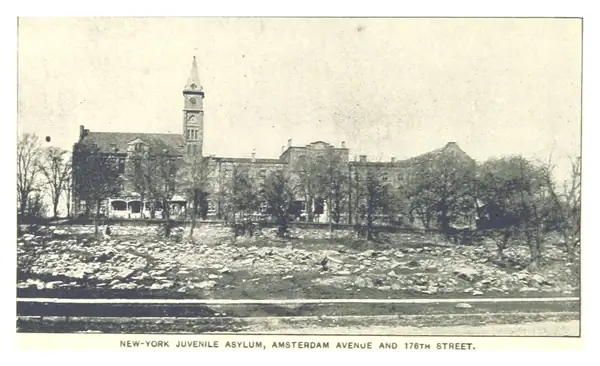 New York Juvenile Asylum (Children's Village)Dobbs Ferry, New York
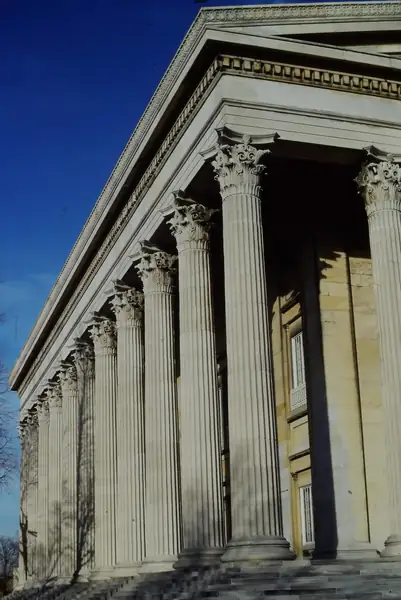 Girard CollegePhiladelphia
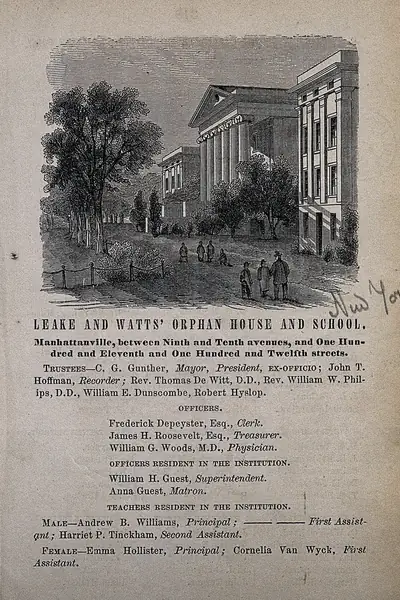 Leake and Watts Orphan AsylumNew York City
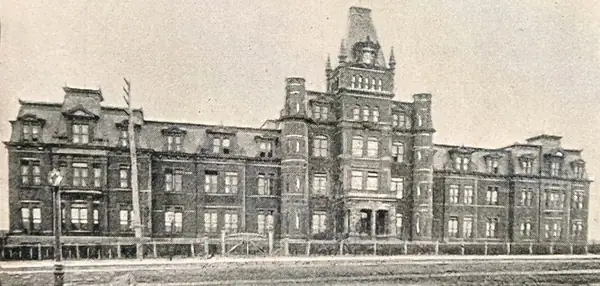 Hebrew Orphan AsylumNew York City
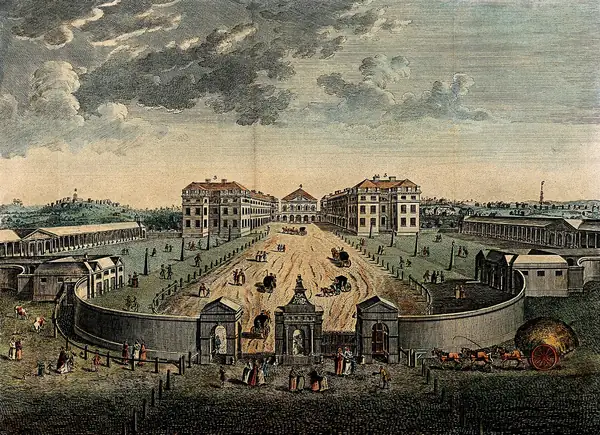 Foundling HospitalLondon
 Barnardo's homesLondon
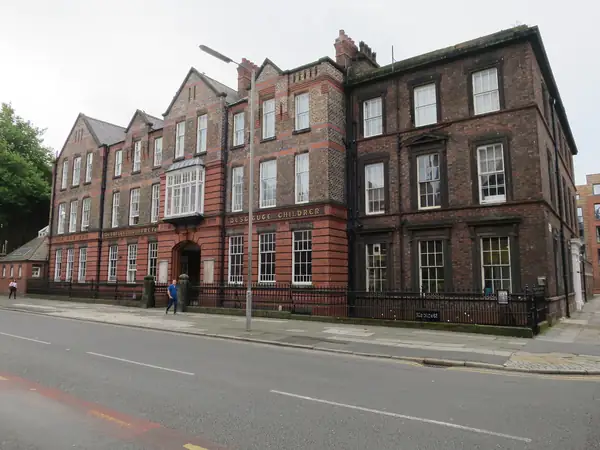 British Home ChildrenLiverpool
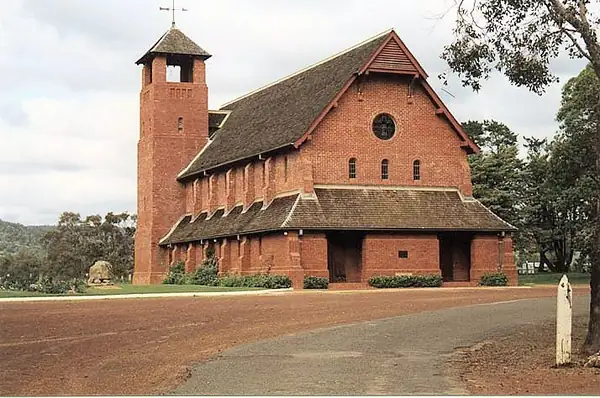 Child migrants to AustraliaFremantle
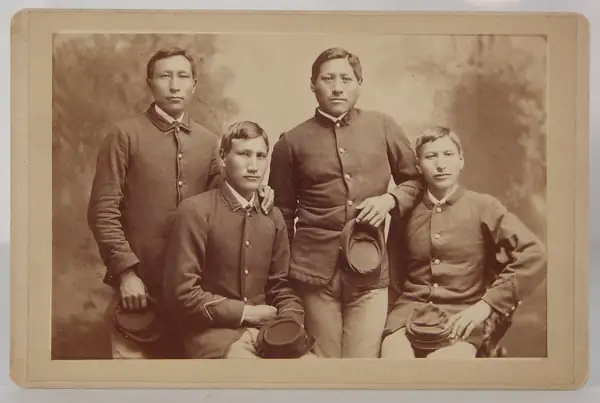 Carlisle Indian Industrial SchoolCarlisle, Pennsylvania
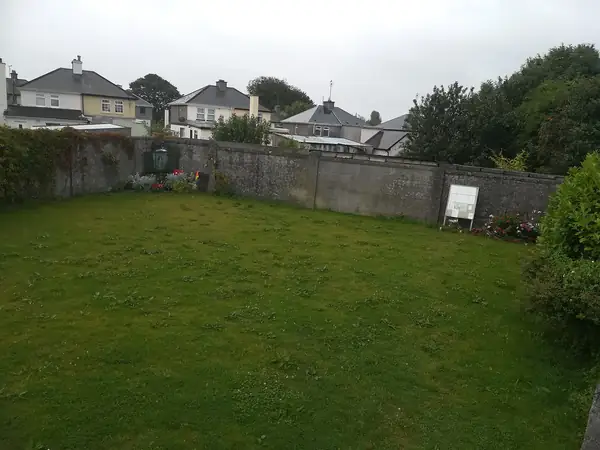 Tuam Mother and Baby HomeTuam
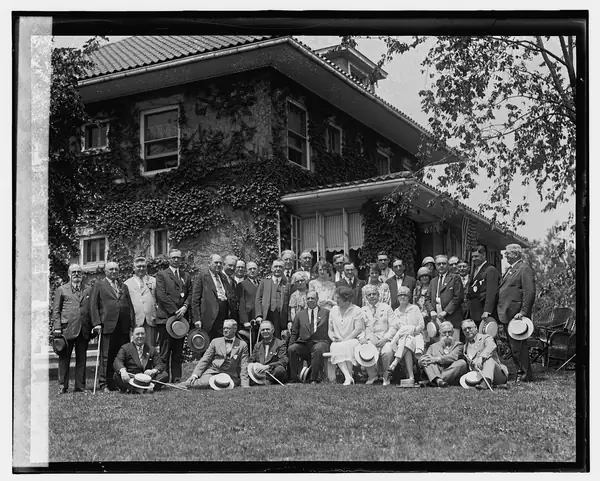 MooseheartMooseheart, Illinois
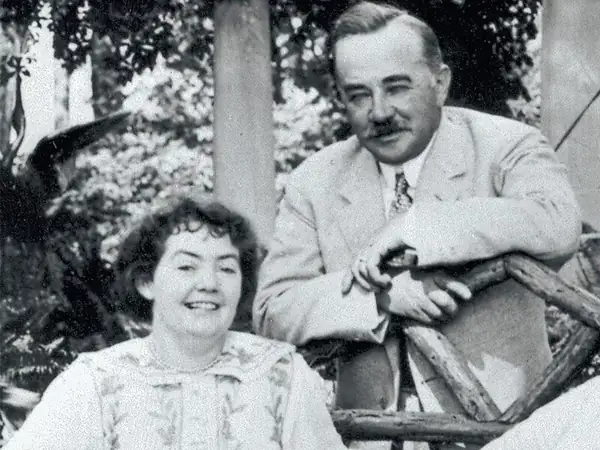 Milton Hershey SchoolHershey, Pennsylvania
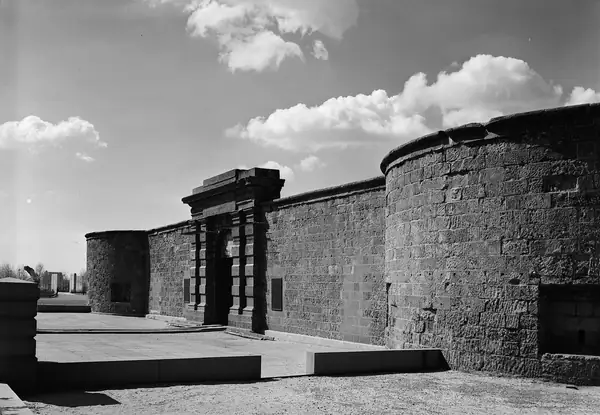 Castle Garden immigrant depotNew York City
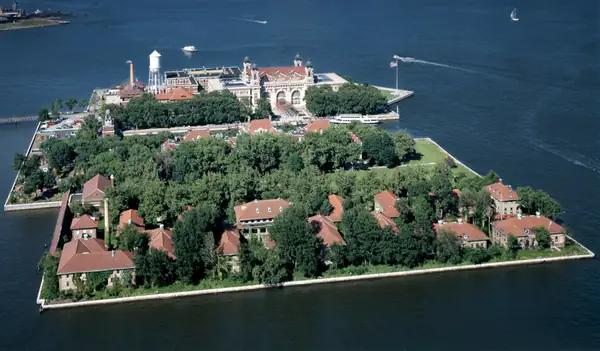 Ellis IslandNew York City
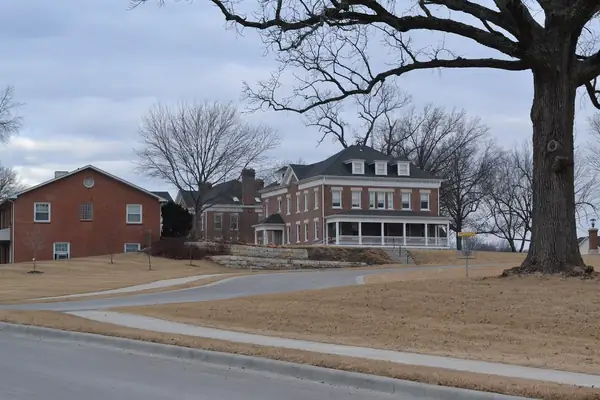 Andrew Drumm InstituteJackson County
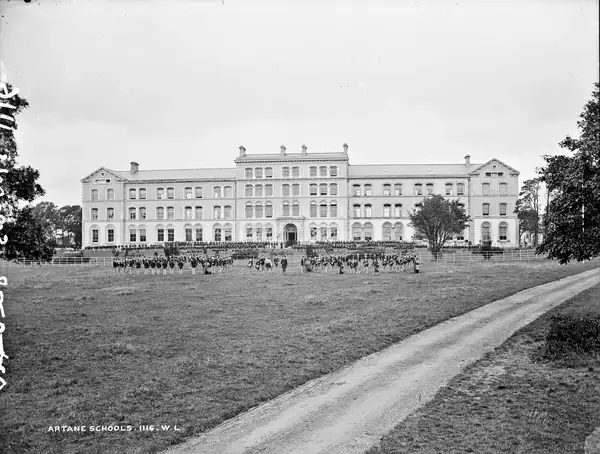 Artane Industrial SchoolArtane, Dublin
- Ballarat OrphanageBallarat
 Barrett Juvenile Correctional CenterHanover County
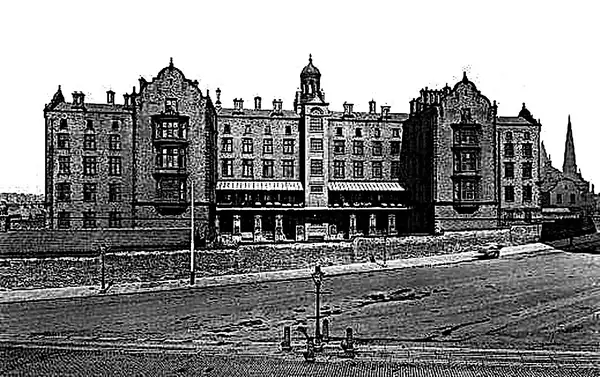 Brownlow Hill infirmaryMerseyside
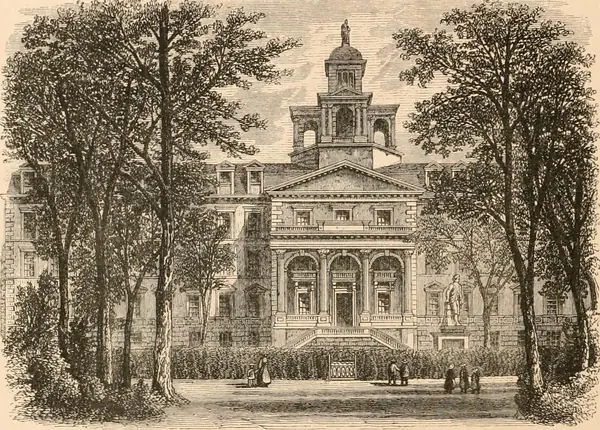 Charleston Orphan HouseCharleston
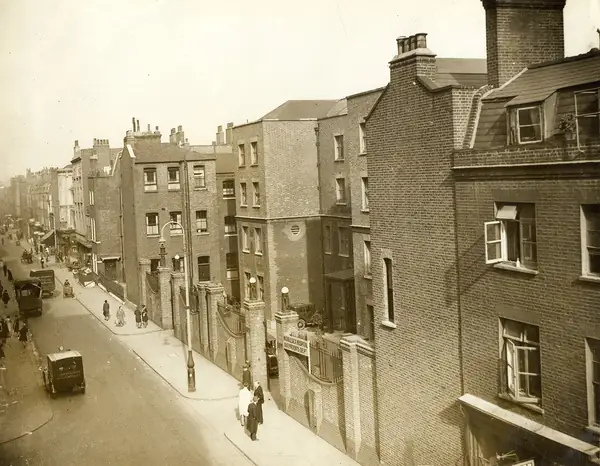 Cleveland Street WorkhouseLondon Borough of Camden
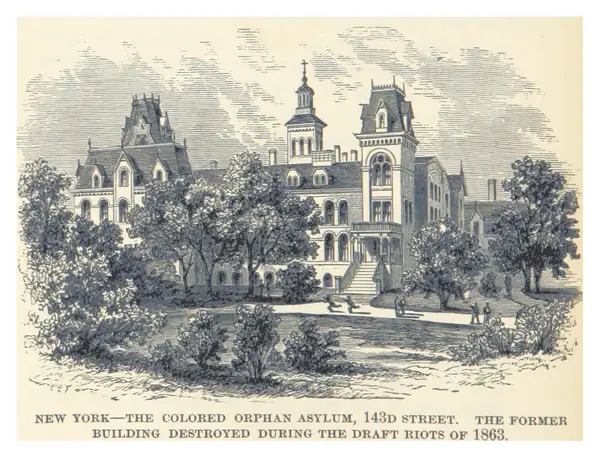 Colored Orphan AsylumManhattan
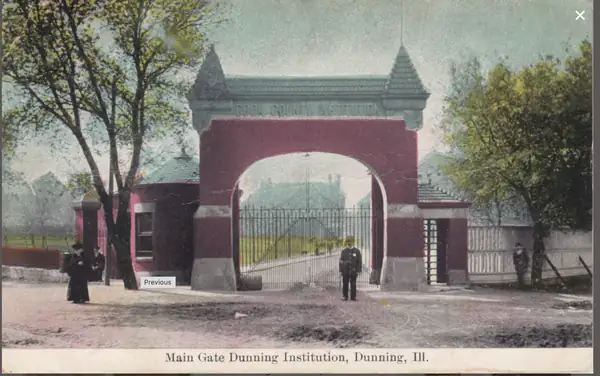 Cook County Poor Farm, IllinoisCook County
 Eastville Workhouse
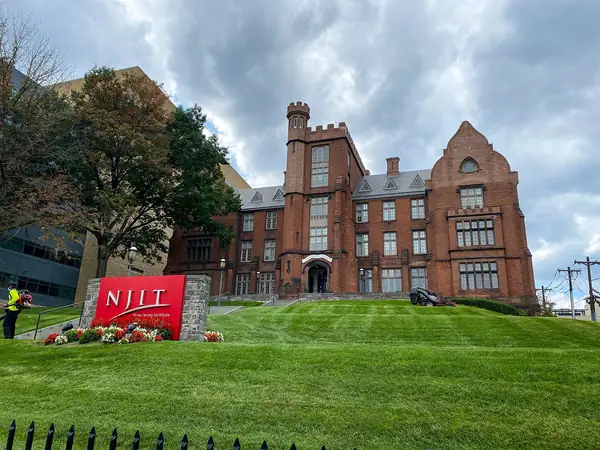 Eberhardt Hall, New Jersey Institute of TechnologyNew Jersey
- Friends' Asylum for Colored OrphansRichmond
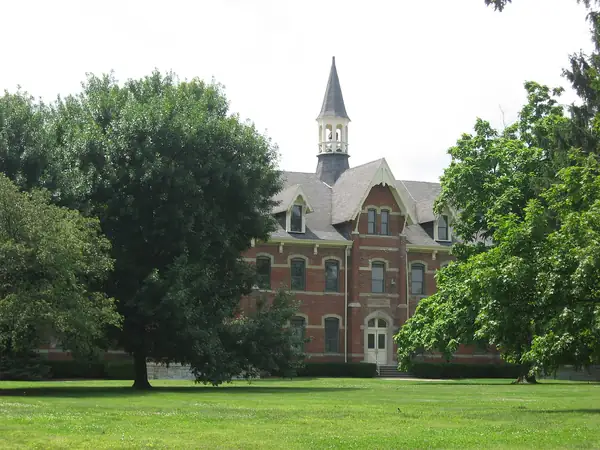 General German Protestant Orphans HomeIndiana
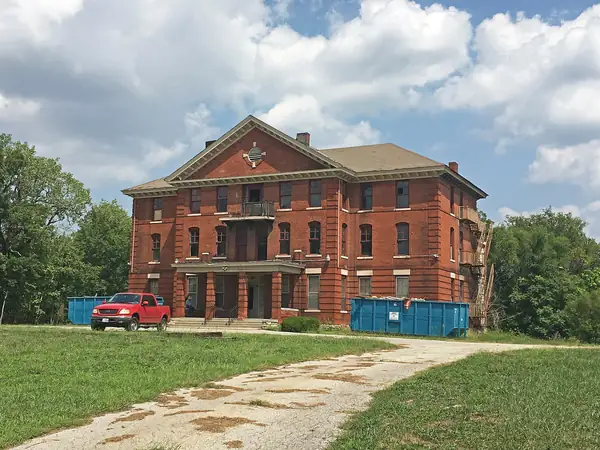 Gillis Orphans' HomeKansas City
- Graham WindhamNew York City
- Gressenhall Farm and WorkhouseBreckland
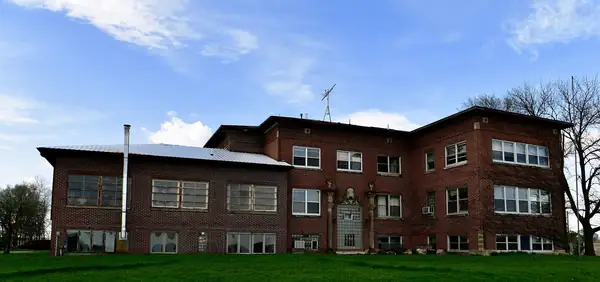 Hardin County Home Historic DistrictHardin County
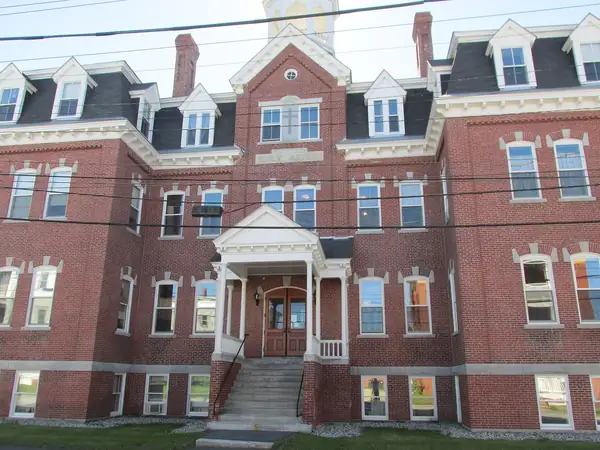 Healy AsylumLewiston
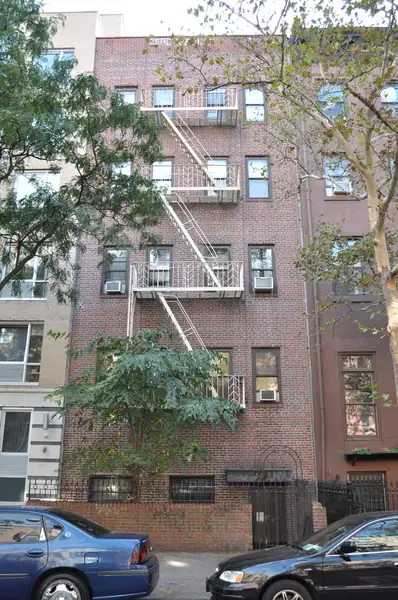 Hebrew National Orphan HomeNew York
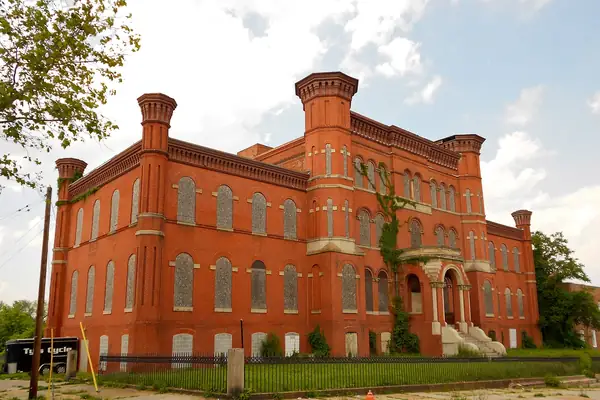 Hebrew Orphan Asylum (Baltimore, Maryland)Maryland
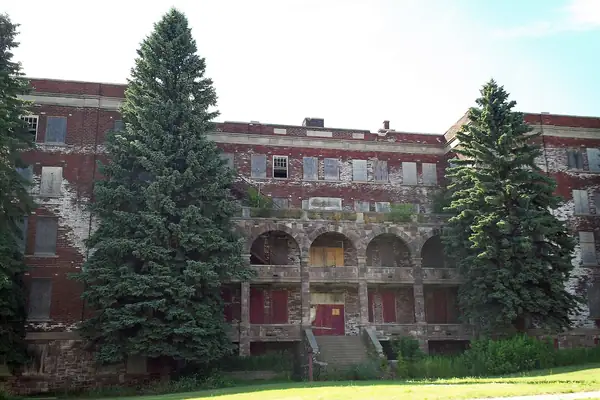 Holy Family OrphanageMarquette
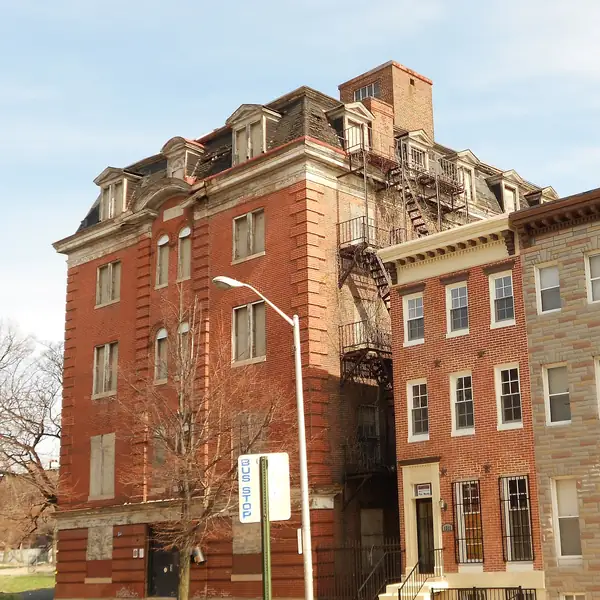 Home of the Friendless (Baltimore, Maryland)Maryland
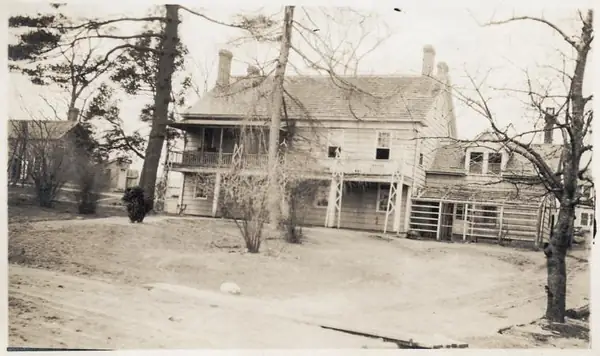 Howard Colored Orphan Asylum
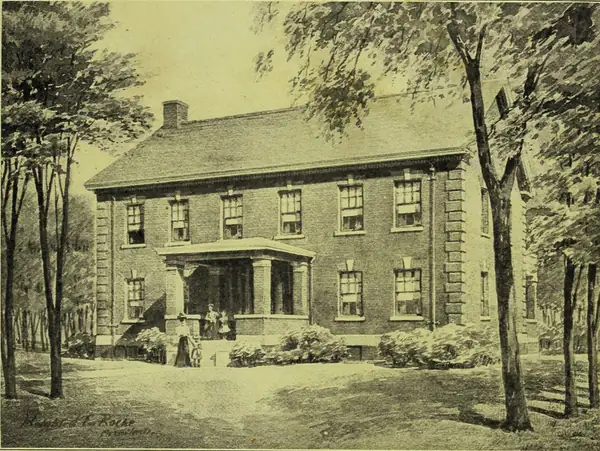 Illinois Industrial School for GirlsEvanston
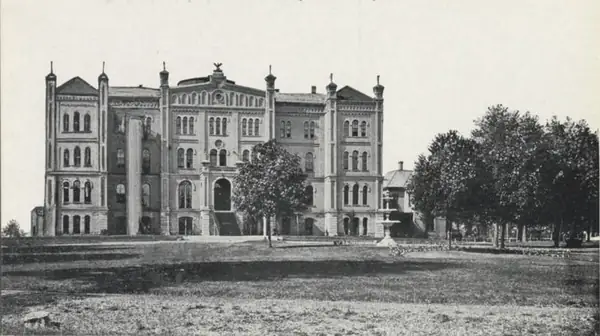 Illinois Soldiers' and Sailors' Children's SchoolNormal
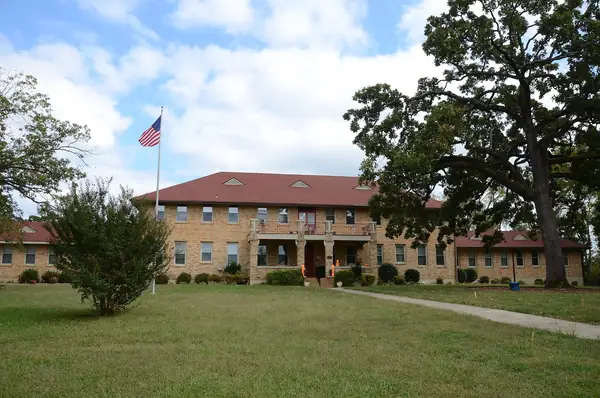 Interstate OrphanageArkansas
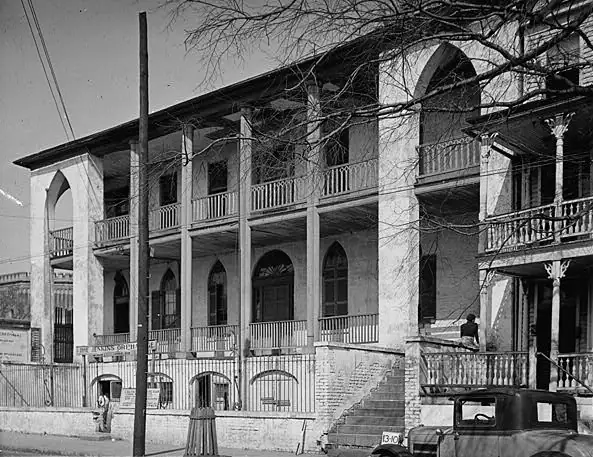 Jenkins OrphanageCharleston
- Julia Morgan School for Girls
- Junior Order United American Mechanics National Orphans Home (Lexington, North Carolina)Davidson County
- Kansas Industrial School for Girls
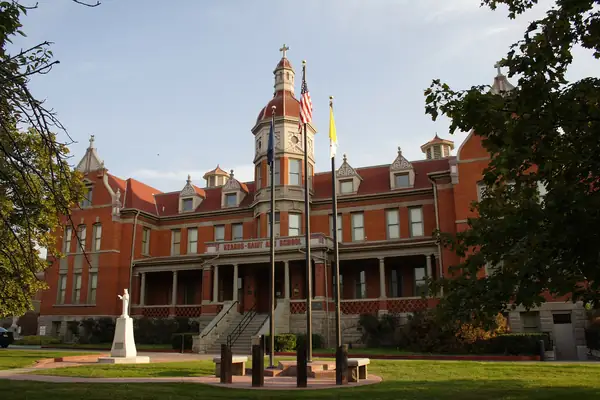 Kearns-Saint Ann Catholic SchoolSouth Salt Lake
- Kelso Home for GirlsMaryland
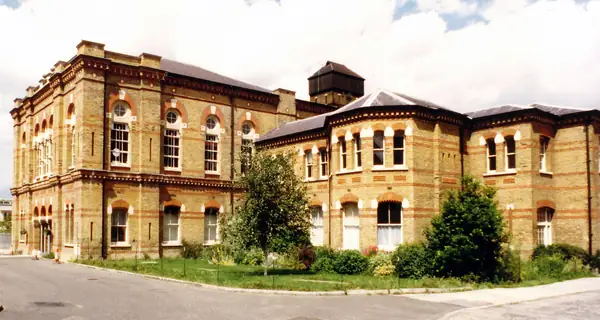 Lambeth WorkhouseLondon
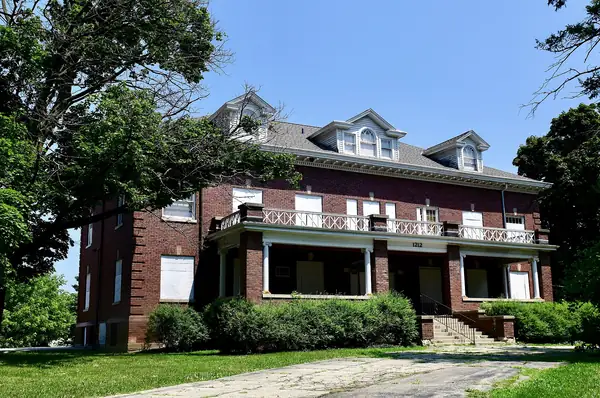 Larkin Home for ChildrenElgin
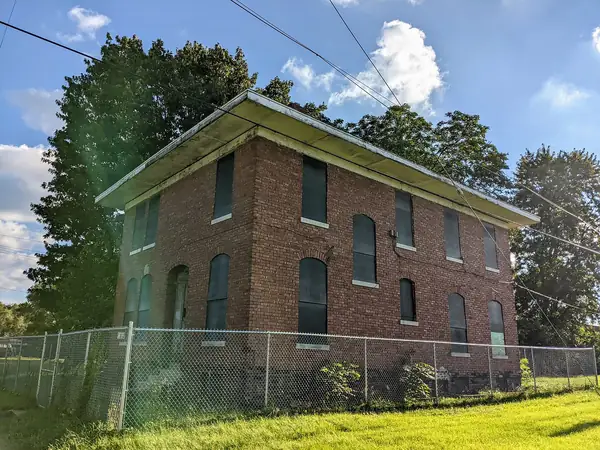 Lincoln Colored HomeIllinois
 Maine Children's Home for Little WanderersWaterville
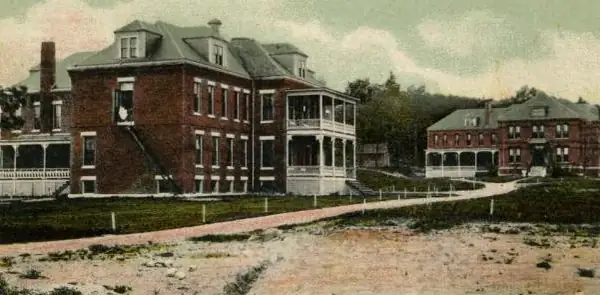 Maine Industrial School for GirlsHallowell
- Meath Protestant Industrial SchoolBlackrock
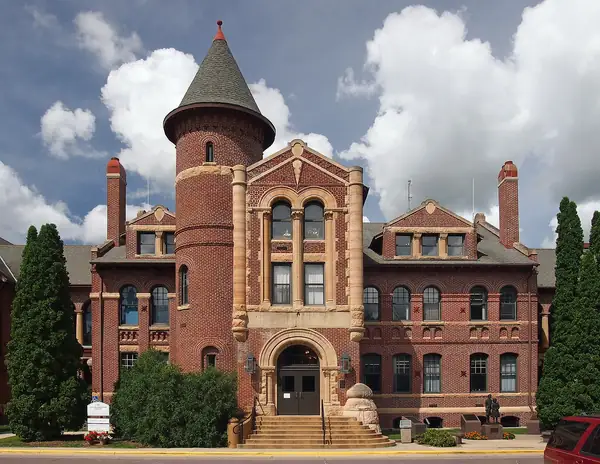 Minnesota State Public School for Dependent and Neglected ChildrenOwatonna
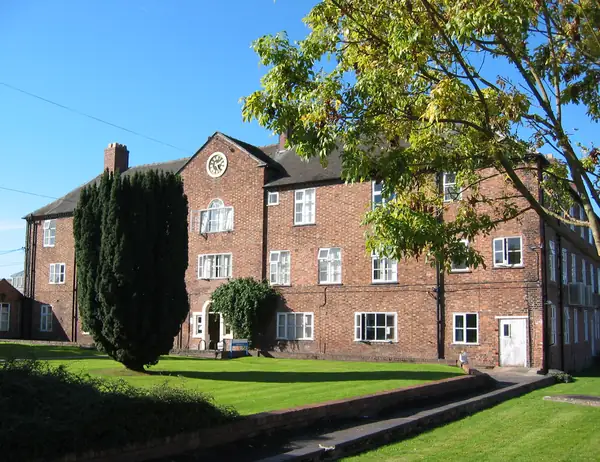 Nantwich WorkhouseNantwich
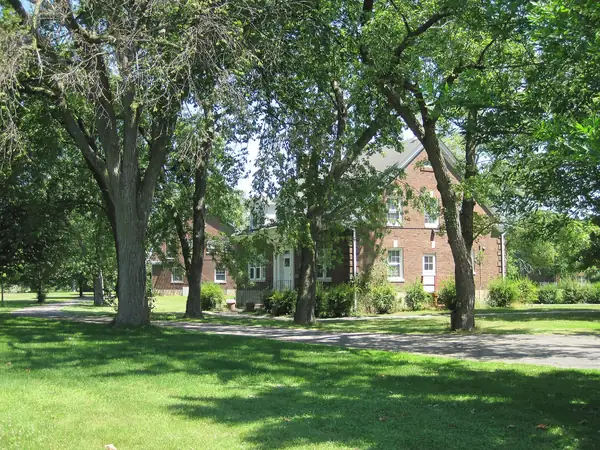 Park Ridge Youth CampusPark Ridge
- Poughkeepsie Almshouse and City InfirmaryPoughkeepsie
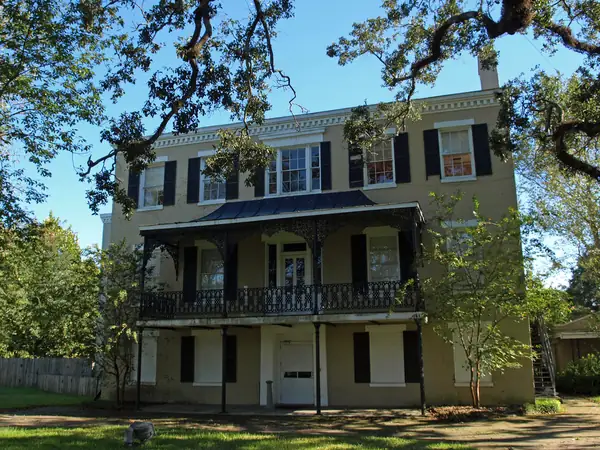 Protestant Children's HomeAlabama
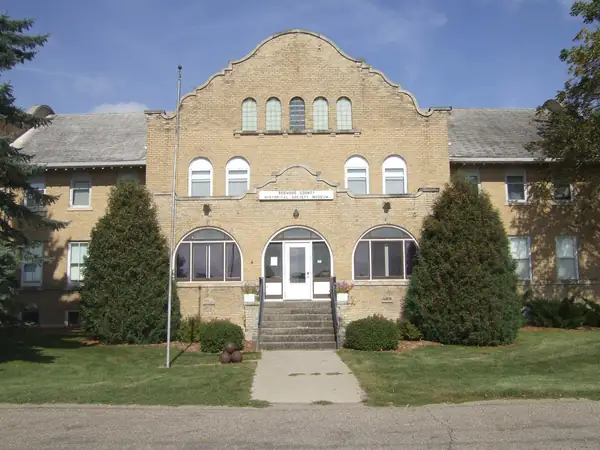 Redwood County Poor Farm
- Reed's SchoolCobham
 Royal National Children's FoundationWanstead, London
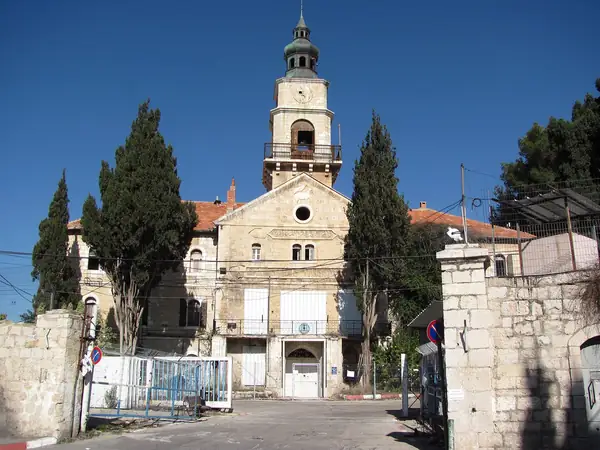 Schneller OrphanageJerusalem District
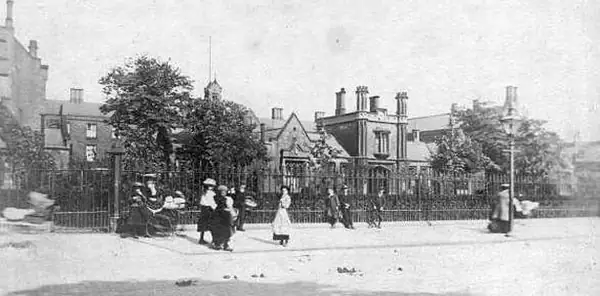 Sculcoates Union WorkhouseEast Riding of Yorkshire
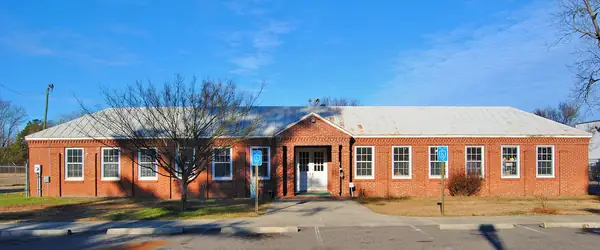 Shiloh OrphanageAugusta
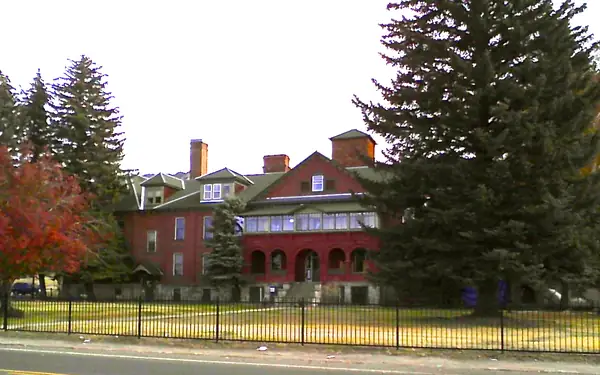 Silver Bow County Poor Farm HospitalButte
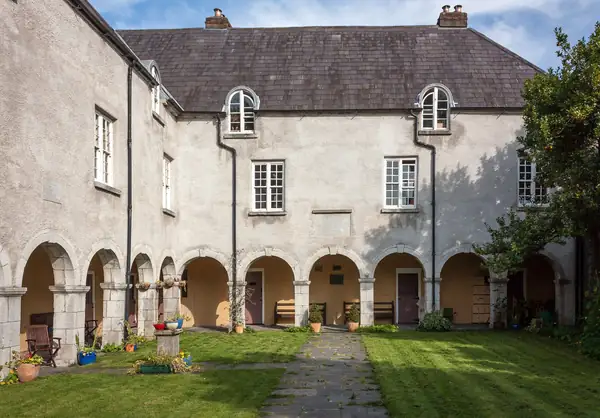 Skiddy's AlmshouseCork
- South African Children's HomeCape Town
- St Joseph's Industrial School, ClonmelClonmel
- St Joseph's Industrial School, GlinCounty Limerick
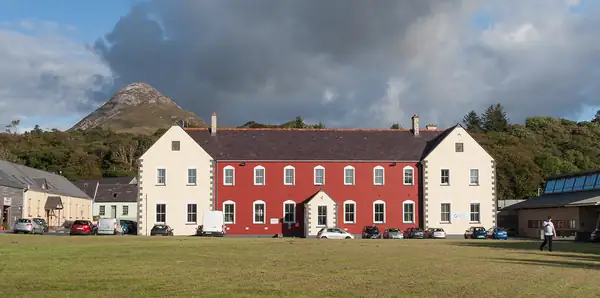 St Joseph's Industrial School, LetterfrackLetterfrack
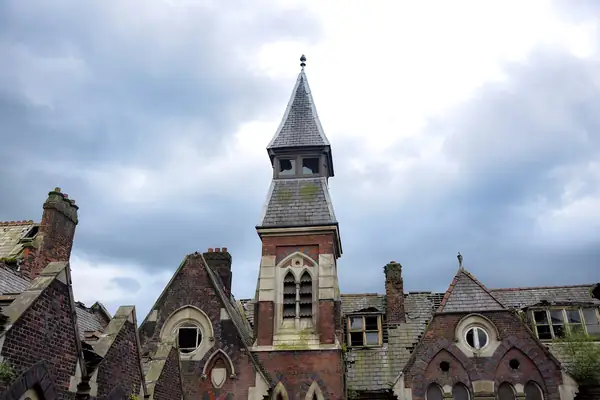 St Joseph's OrphanagePreston
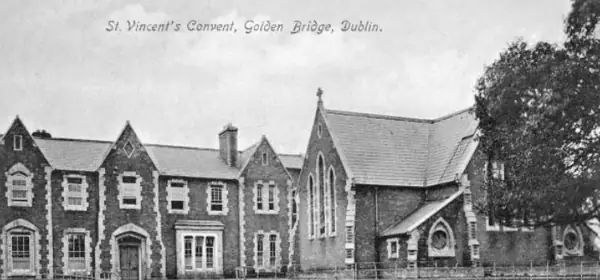 St Vincent's Industrial School, GoldenbridgeInchicore, Dublin
- St. Augustine's Industrial School for GirlsTemplemore
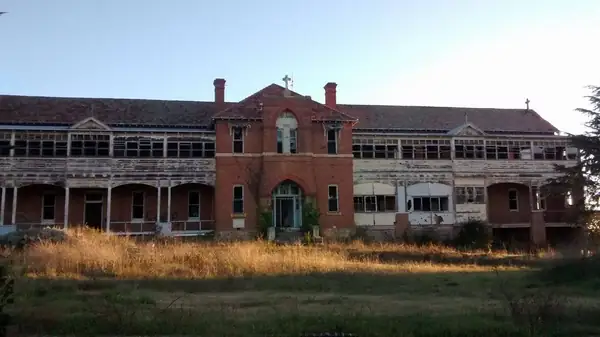 St. John's OrphanageNew South Wales
- St. Patrick's Industrial School, KilkennyKilkenny
- St. Thomas–St. Vincent OrphanageLouisville
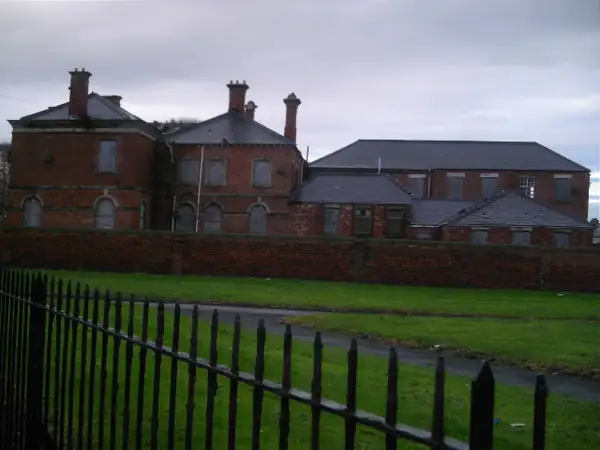 Sunderland Orphan AsylumSunderland
- Vasa Children's HomeGoodhue County
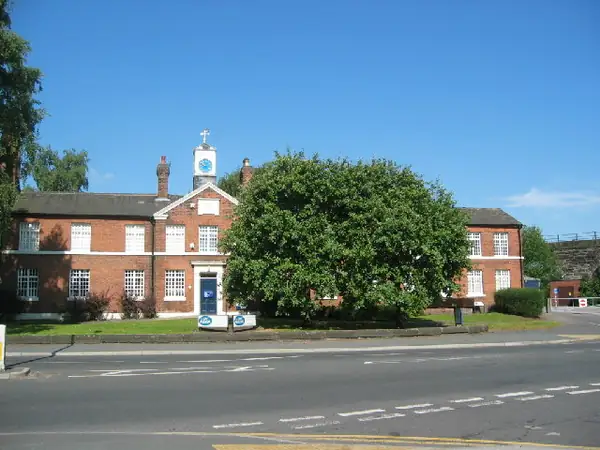 Weaver Hall Museum and WorkhouseNorthwich
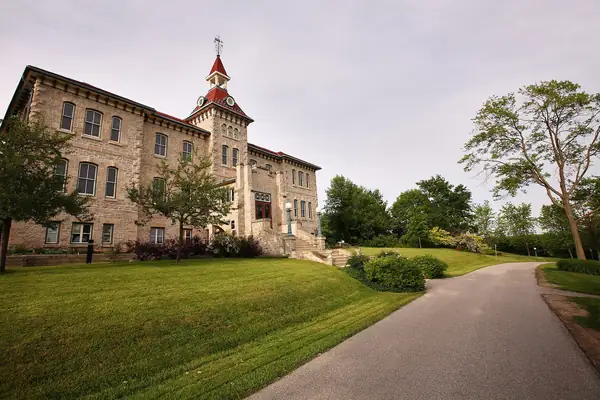 Wellington County House of Industry and RefugeCentre Wellington
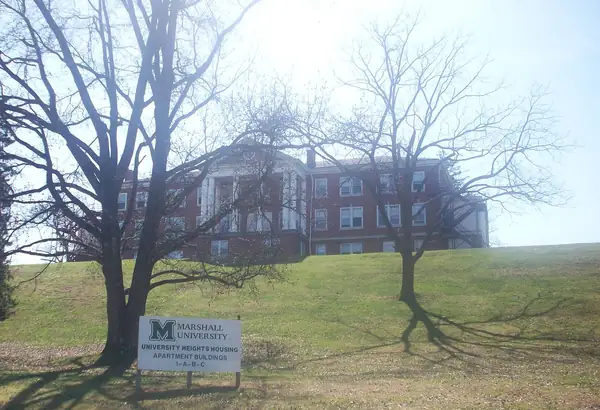 West Virginia Colored Children's HomeWest Virginia
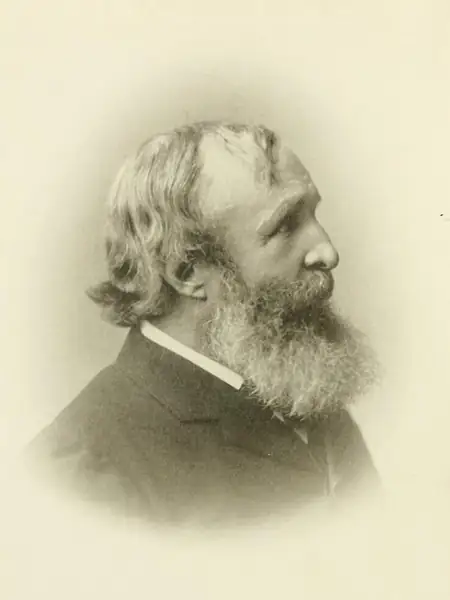 Charles Loring Brace, founder of the orphan trainsManhattan
- Brace's 120,000 childrenManhattan
 How many rode: 200,000 or 250,000?Manhattan
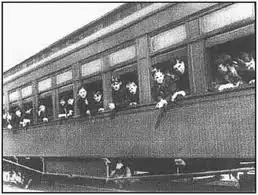 Fewer than half were orphansManhattan
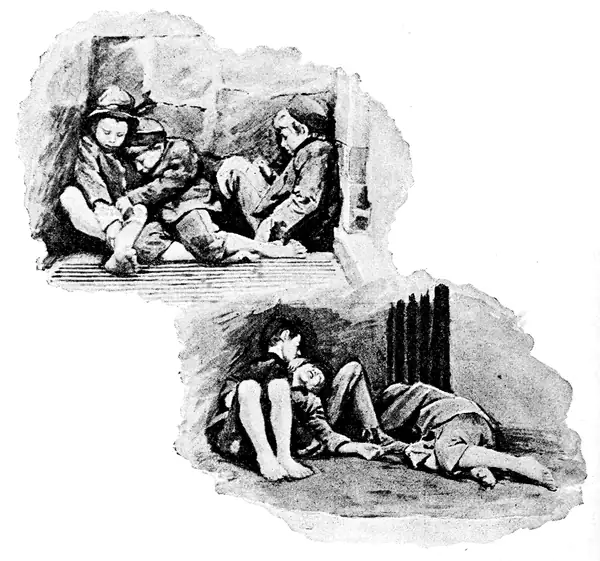 The 1850s street-children estimateManhattan
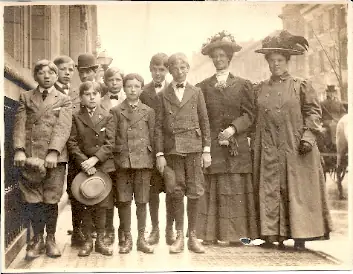 Children's Aid Society, 3,000 a yearManhattan
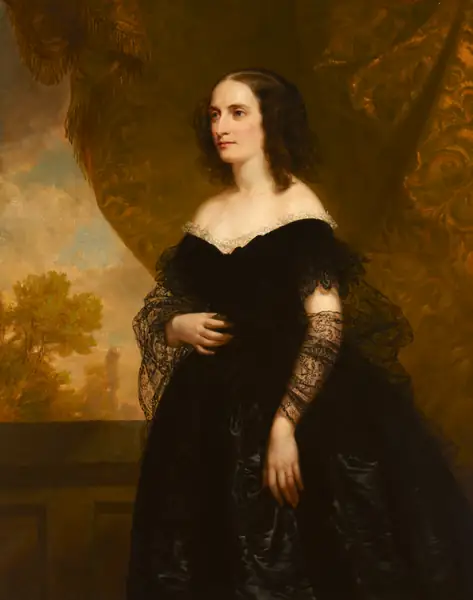 Charlotte Astor's 1,113 childrenManhattan
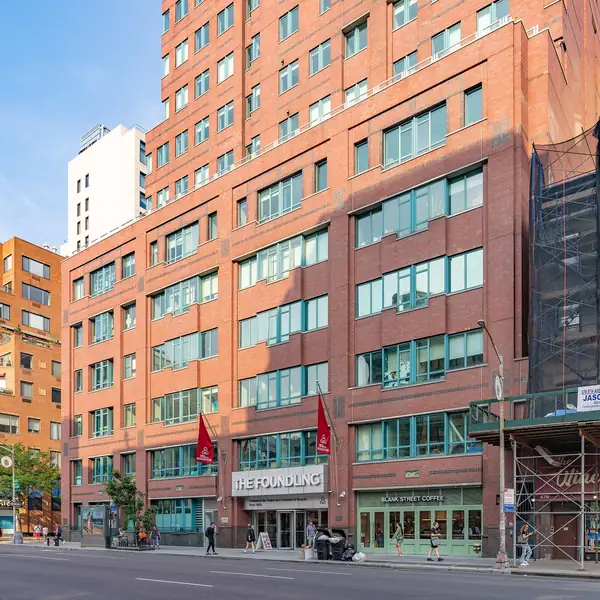 New York Foundling 'Mercy Trains'Upper East Side
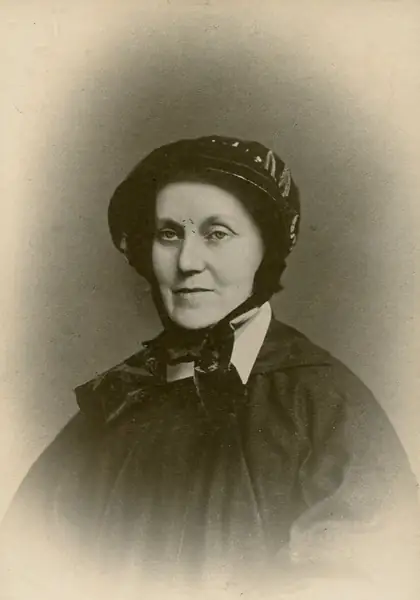 Sister Irene FitzGibbon, Foundling founderUpper East Side
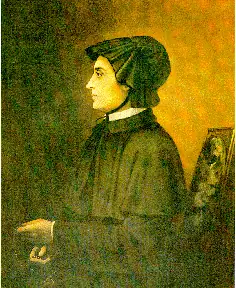 Sisters of Charity of New YorkRiverdale
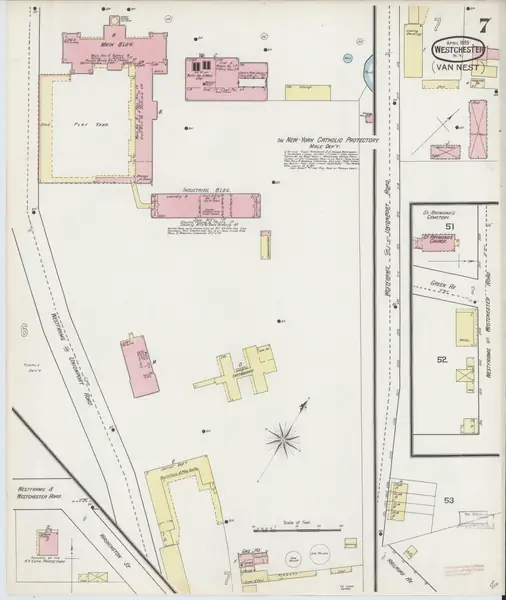 New York Catholic ProtectoryParkchester
- Catholic Guardian SocietyManhattan
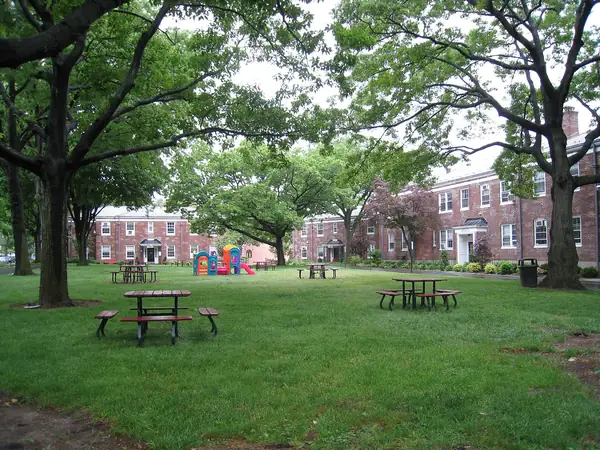 Brooklyn Home for ChildrenForest Hills
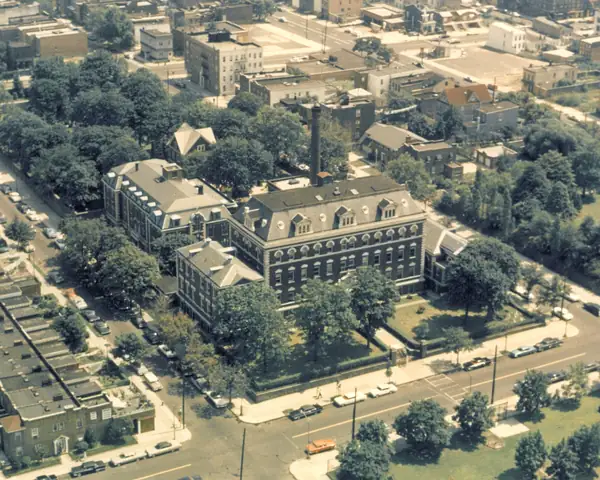 Angel Guardian Home, BrooklynDyker Heights
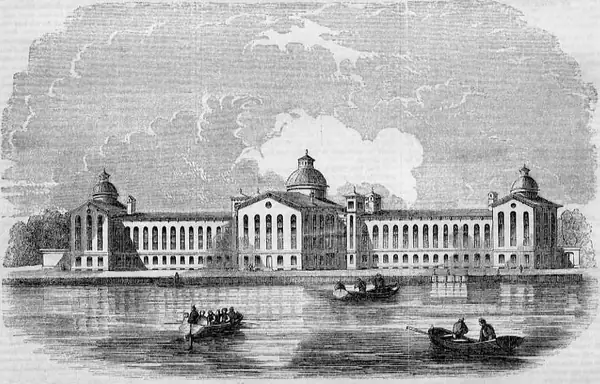 New York House of RefugeRandalls and Wards Islands
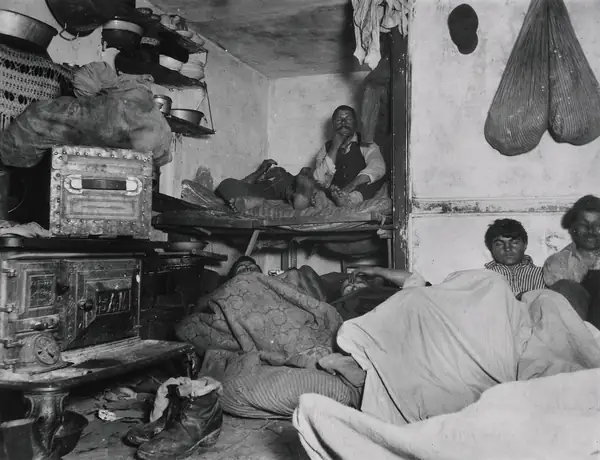 Five Points, where many riders startedFive Points
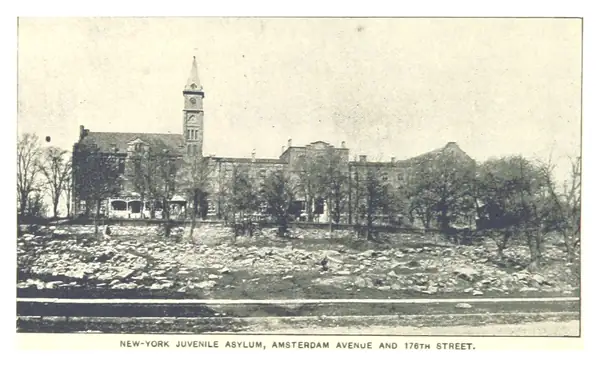 Children's Village placings, 6,323Dobbs Ferry
 Iowa City, the leftovers of the first trainIowa City
 Algona, Dysart and Wesley, IowaAlgona
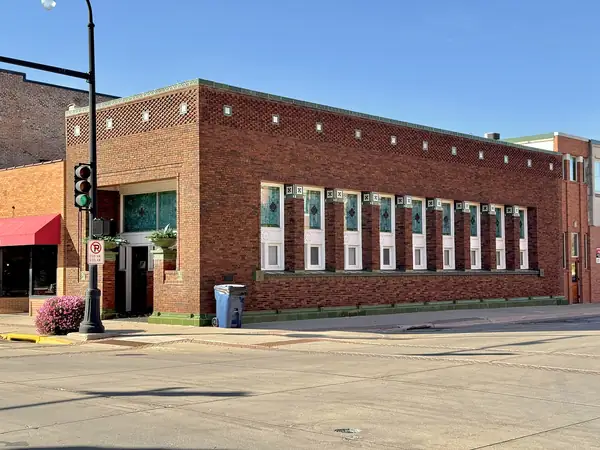
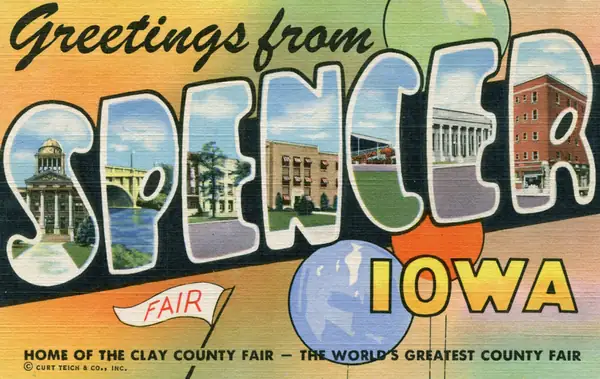 Spencer, Iowa, playhouse for train childrenSpencer
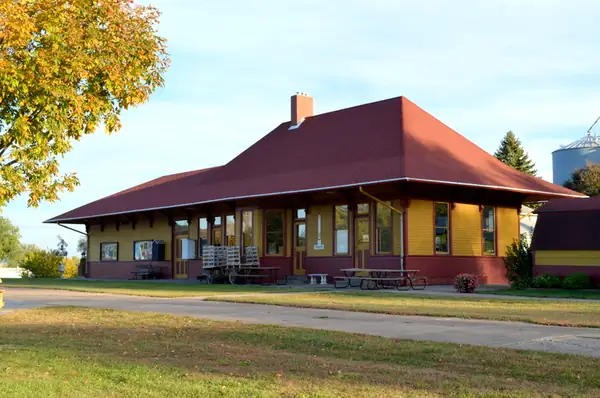 Delmar depot mural, IowaDelmar
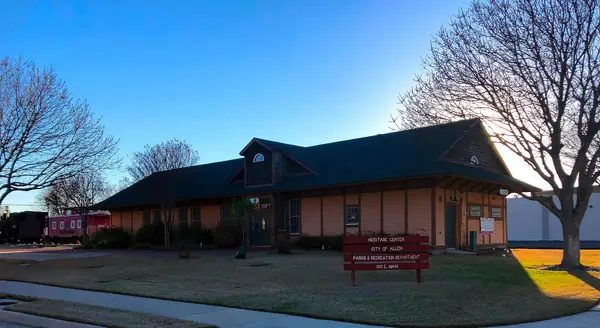 Allen Depot, TexasAllen
 Fort Worth's first orphan train, 1887Fort Worth
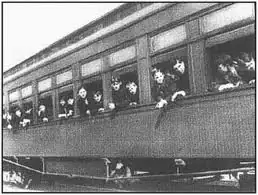 Opelousas, Louisiana Orphan Train MuseumOpelousas
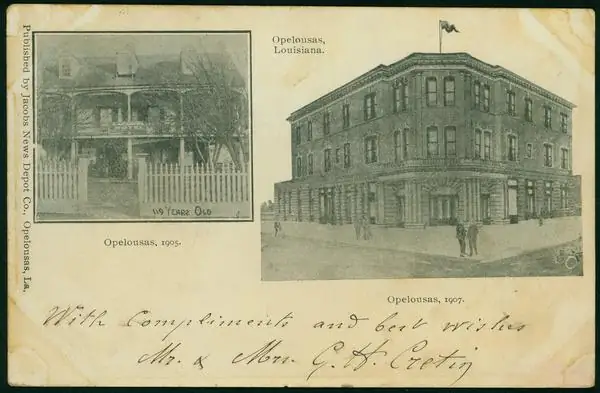 Opelousas trains, 'at least three'Opelousas
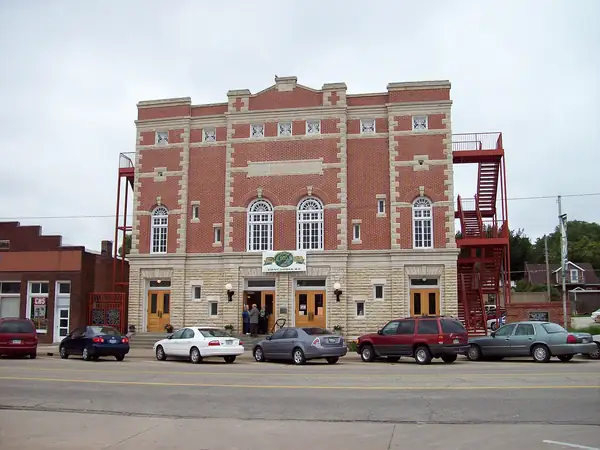 Concordia's Brown Grand and the orphan museumConcordia
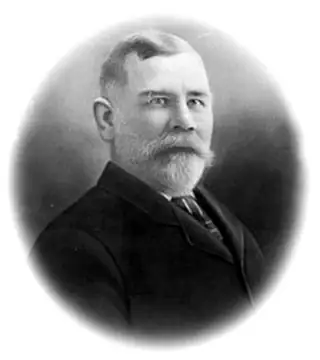 John Green Brady, rider to NoblesvilleNoblesville
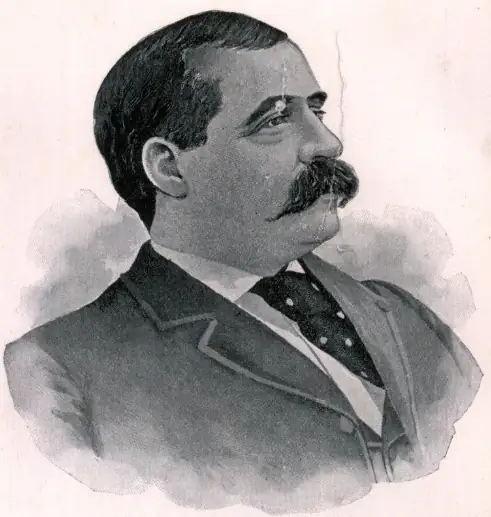 Andrew H. Burke, newsboy to governorNoblesville
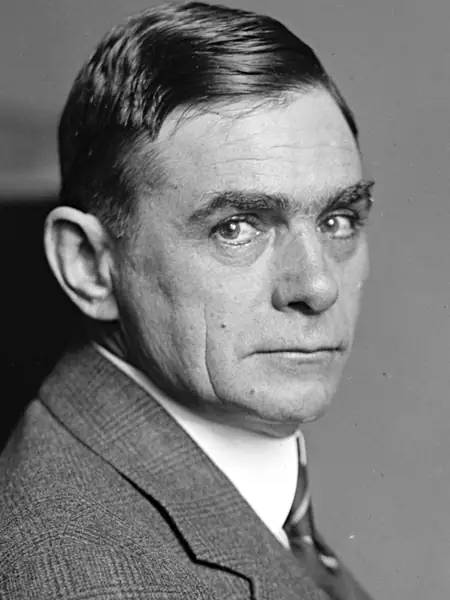 Henry L. Jost, Five Points to MissouriHopkins
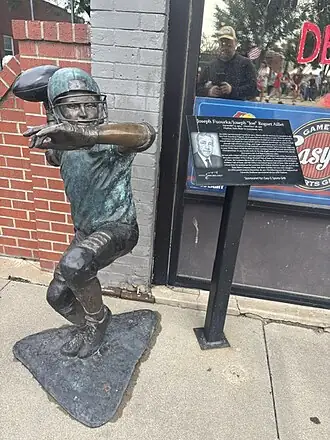
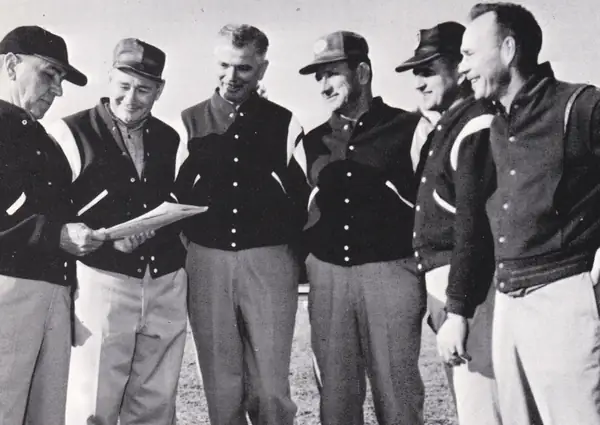 Joe Aillet, Foundling to YoungsvilleYoungsville
- eden ahbez, rider to ChanuteChanute
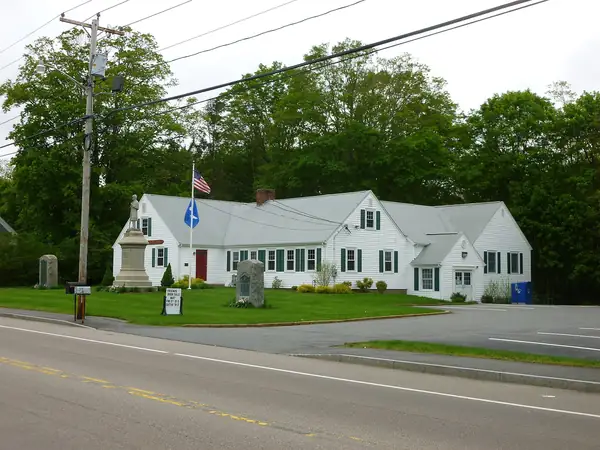 Frederick C. Anderson, rider to RaynhamRaynham
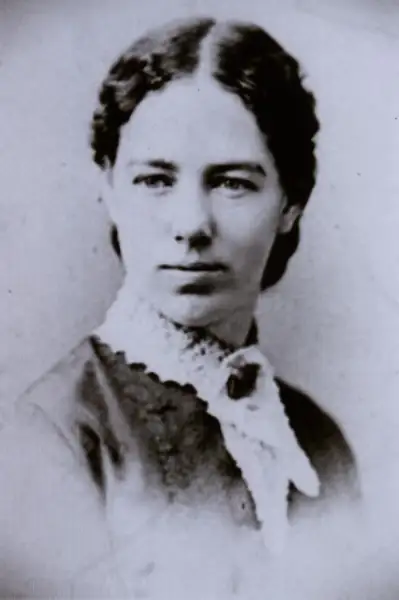 Clarence Colby, rider to BeatriceBeatrice
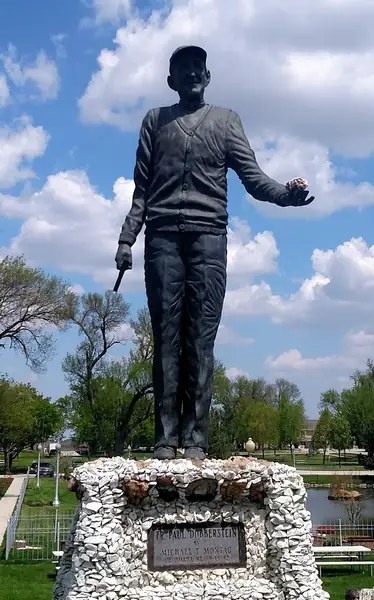 Father Dobberstein's train daughter, West BendWest Bend
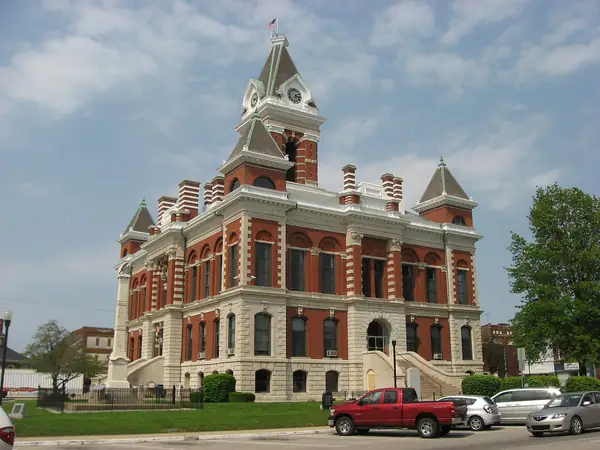 Drummer boy Butler, rider to Princeton, IndianaPrinceton
 Annie MacPherson's Home ChildrenLondon
- Maria Rye, workhouse girls to CanadaNiagara-on-the-Lake
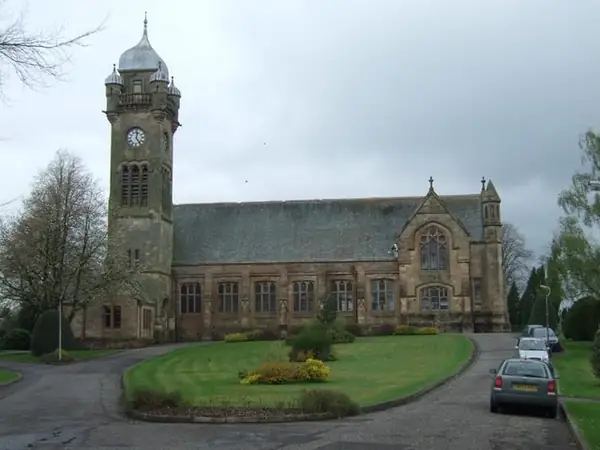 Quarriers, Quarrier's VillageBridge of Weir
- John Middlemore's Birmingham emigration homesBirmingham
 Kingsley Fairbridge farm schoolsPinjarra
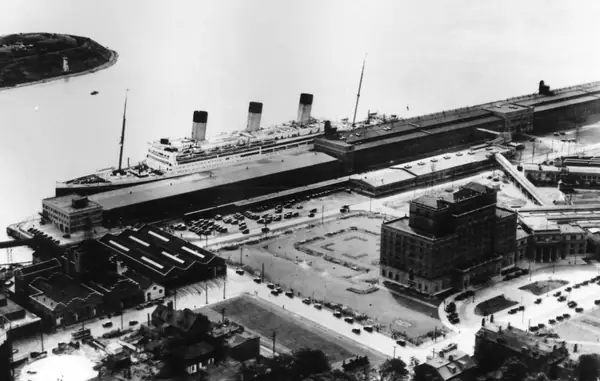 Pier 21, HalifaxHalifax
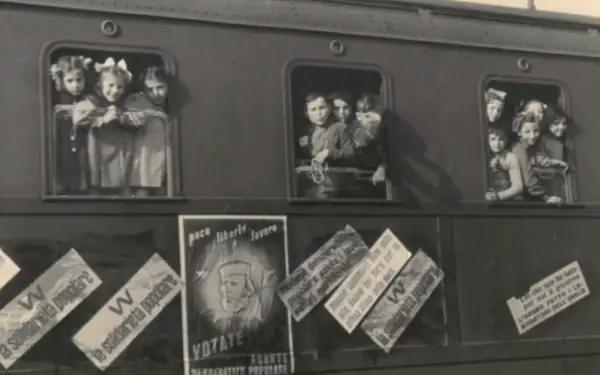 Treni della felicità, ItalyReggio Emilia
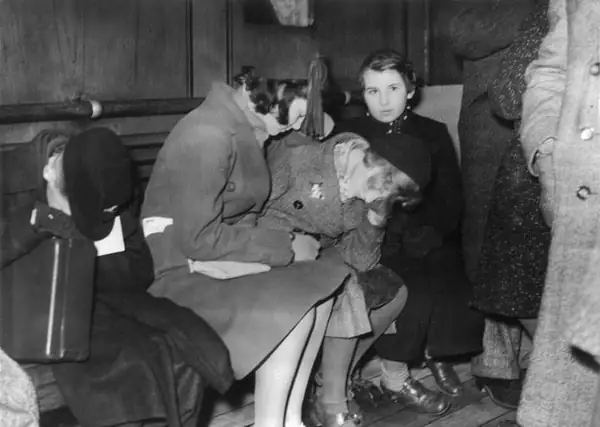 KindertransportHarwich
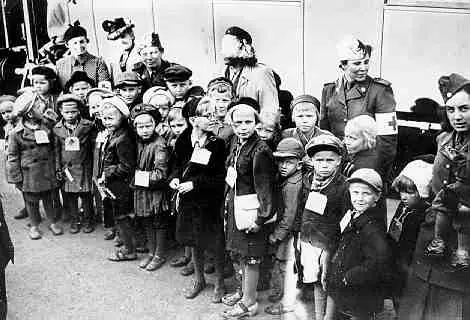 Finnish war childrenHaparanda
- The Home for Little Wanderers, BostonBoston
- Boston's own orphan trainsBoston
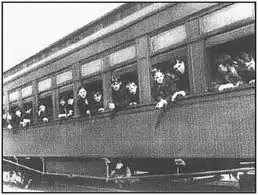 Grand Island 'orders filled'Grand Island
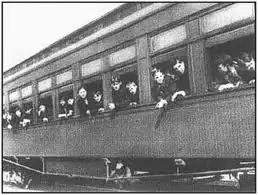 Clifton–Morenci, Arizona, 1904Clifton
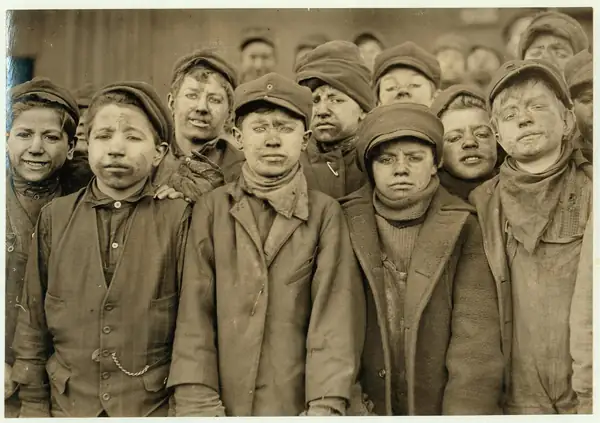 Breaker boys, No. 9 BreakerHughestown, Pennsylvania
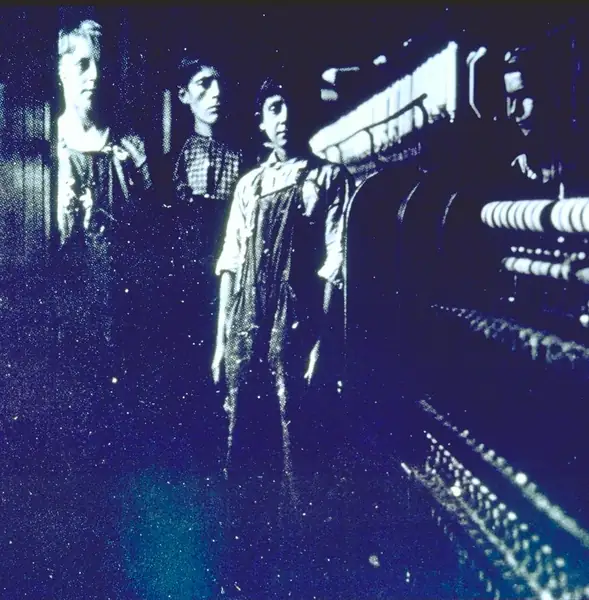 Amoskeag MillyardManchester, New Hampshire
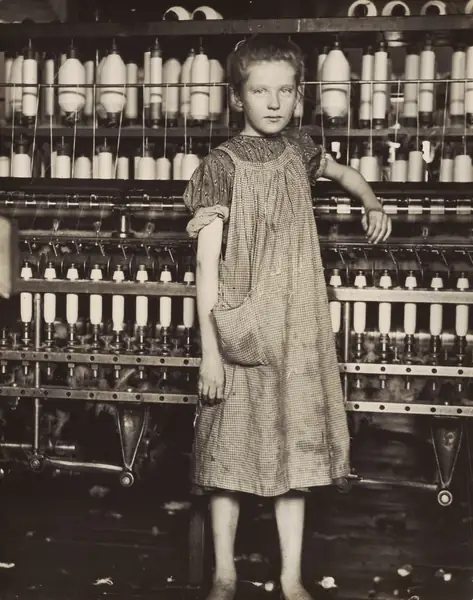 Addie Card, North Pownal millNorth Pownal, Vermont
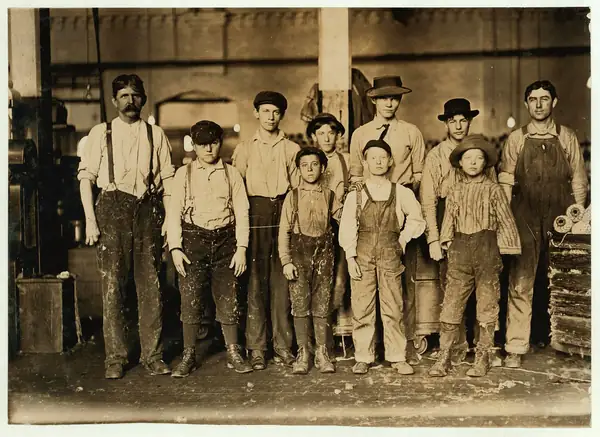 Bibb Mill No. 1Macon, Georgia
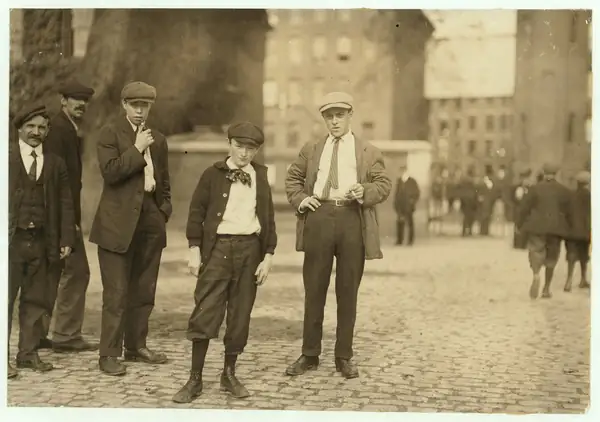 Merrimack Mills child workersLowell, Massachusetts
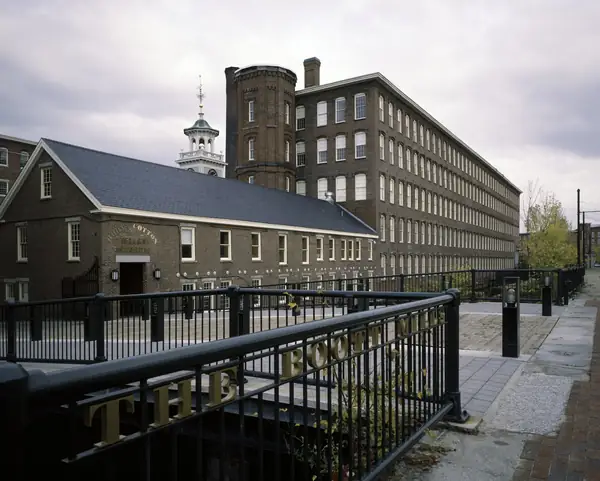 Boott Cotton MillsLowell, Massachusetts
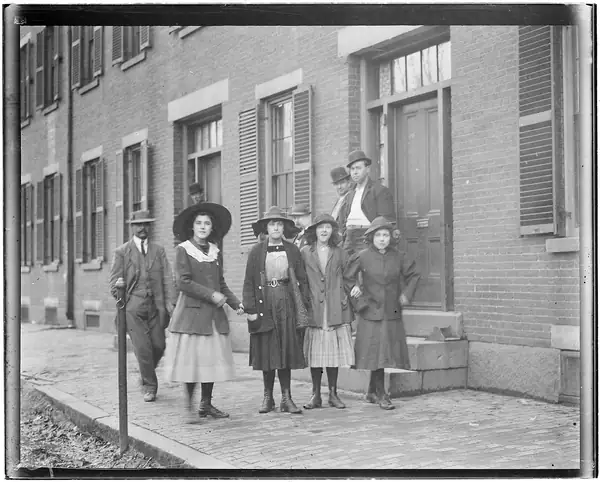 Pacific MillsLawrence, Massachusetts
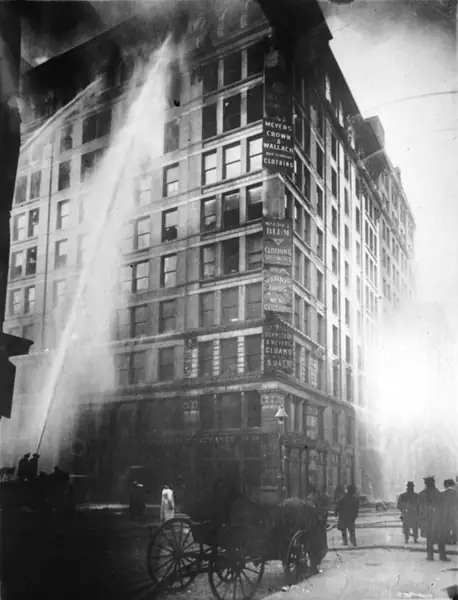 Triangle Shirtwaist FactoryNew York City
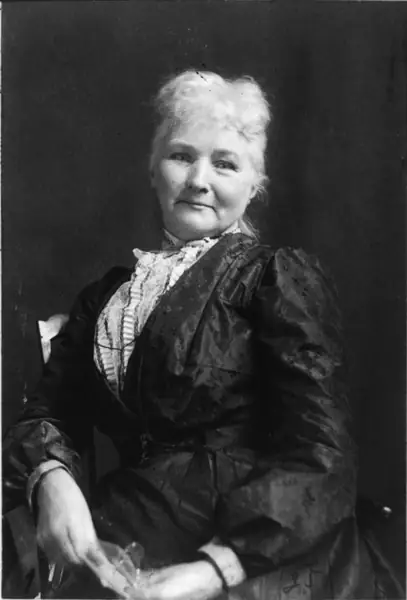 March of the Mill ChildrenPhiladelphia
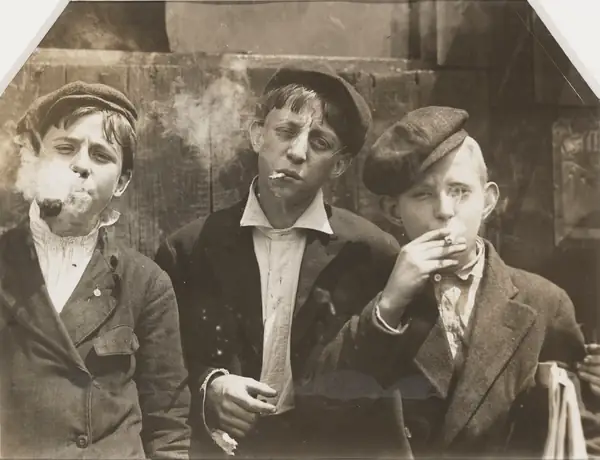 Newsies at Skeeter's BranchSt. Louis
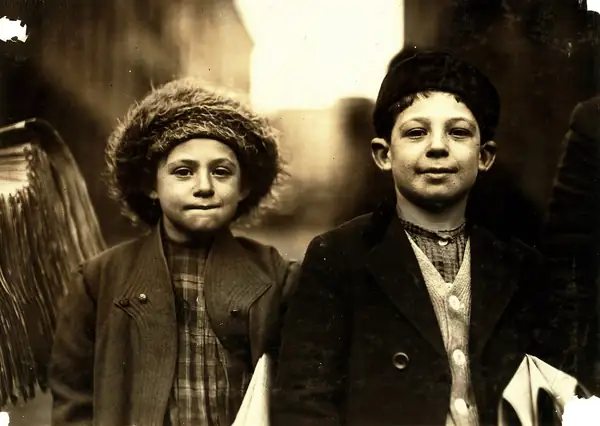 Newsies, NewarkNewark, New Jersey
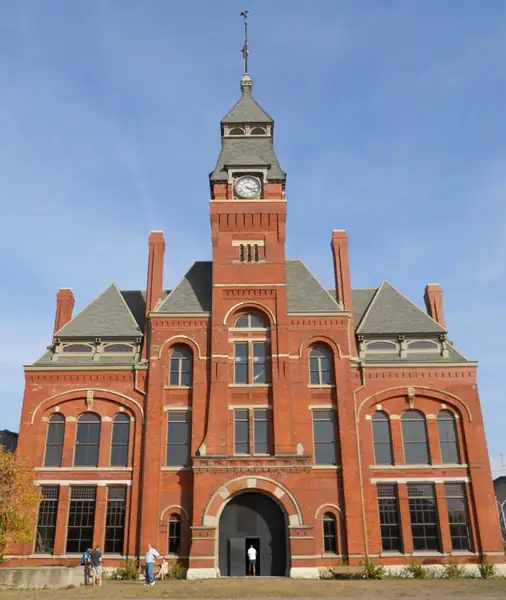 Pullman company townChicago
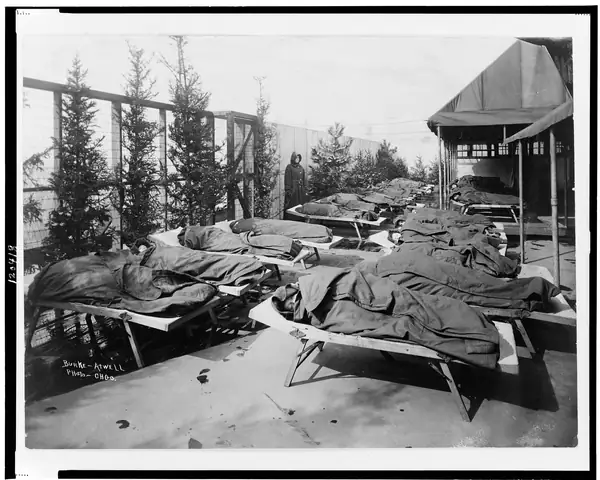 Hull HouseChicago
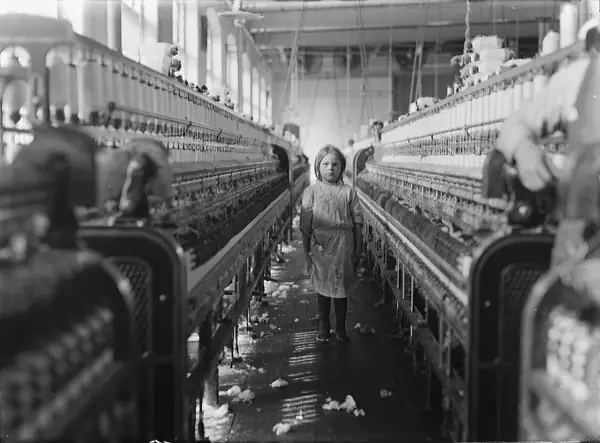 National Child Labor Committee photosWashington, D.C.
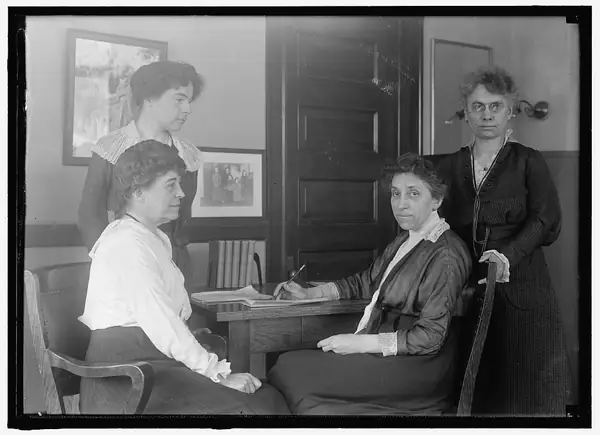 U.S. Children's BureauWashington, D.C.
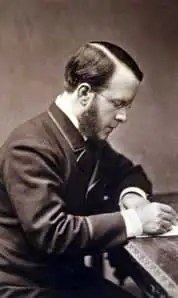 Barnardo Girls' Village HomeBarkingside, London
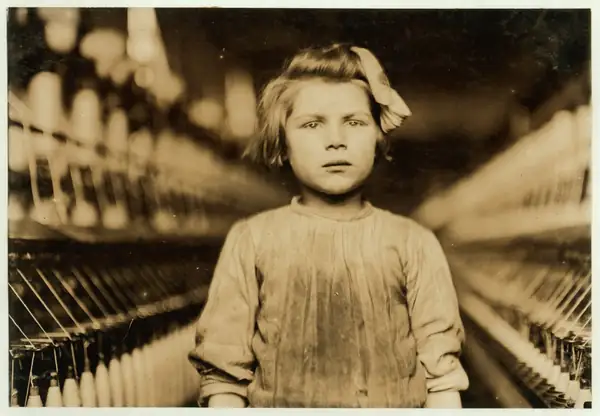 Lewis Hine in Augusta, GeorgiaAugusta
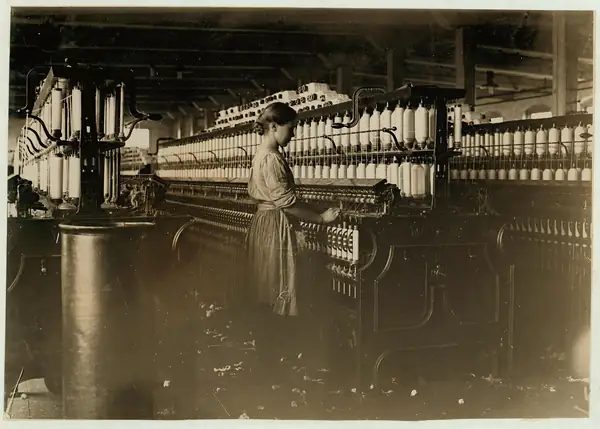 Lewis Hine in Newton, North CarolinaNewton
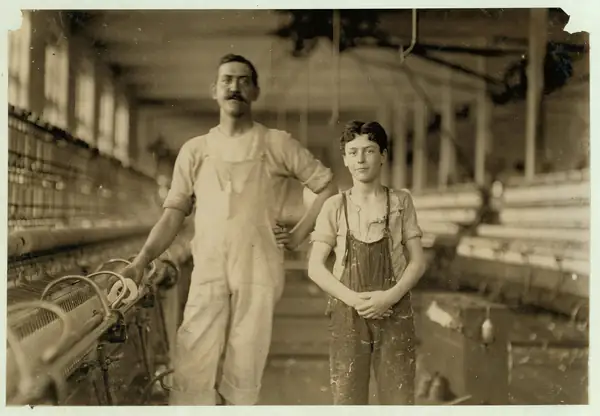 Lewis Hine in Burlington, VermontBurlington
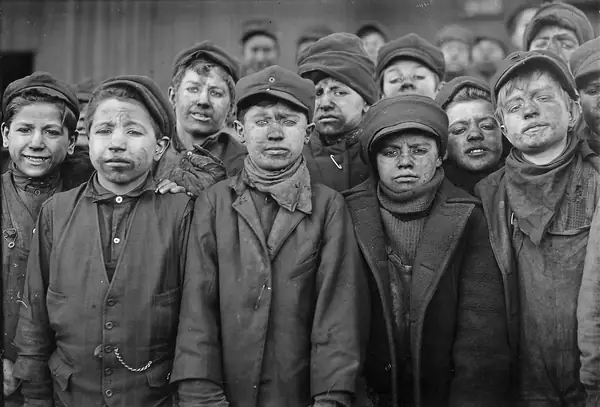 Lewis Hine in Pittston, PennsylvaniaPittston
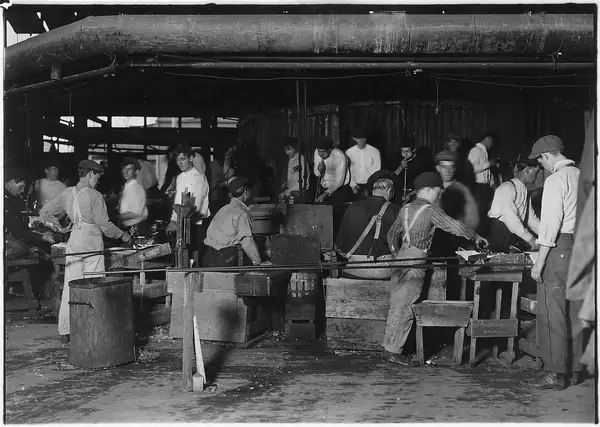 Lewis Hine in Bridgeton, New JerseyBridgeton
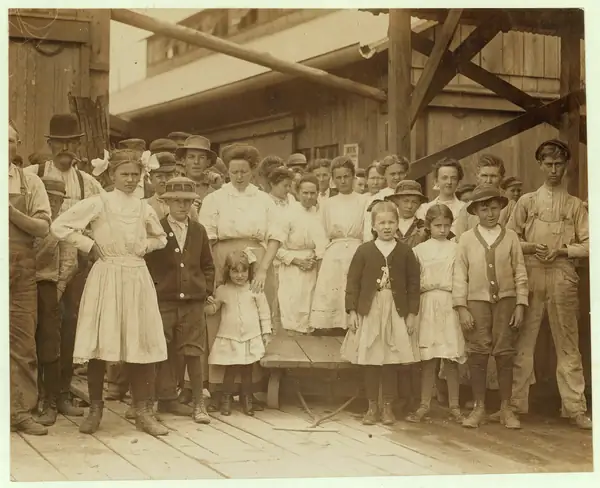 Lewis Hine in Seaford, DelawareSeaford
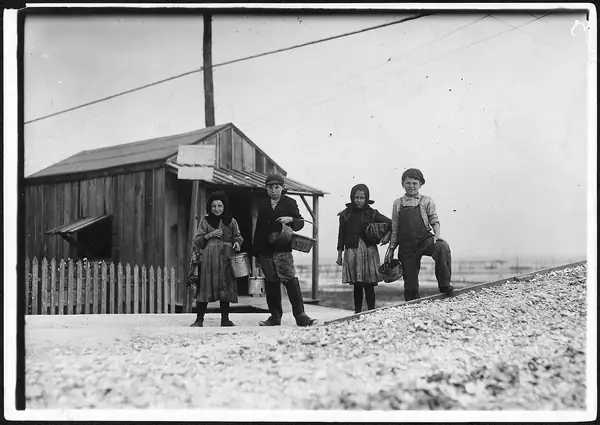 Lewis Hine in Pass Christian, MississippiPass Christian
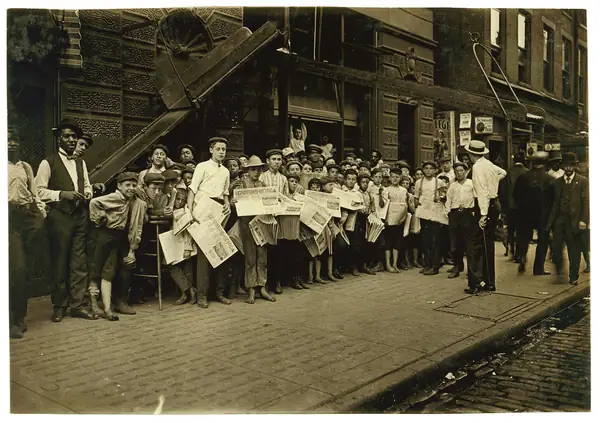 Lewis Hine in Cincinnati, OhioCincinnati
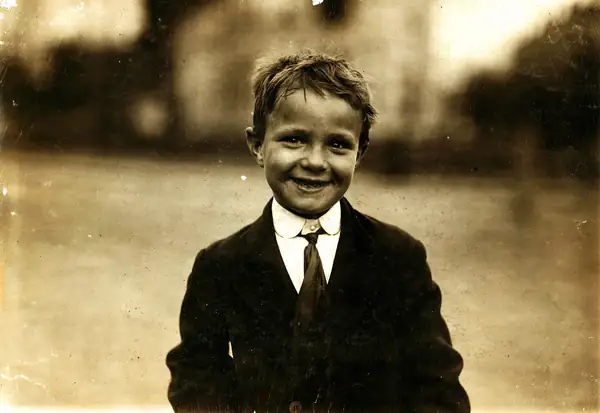 Lewis Hine in Washington, District of ColumbiaWashington
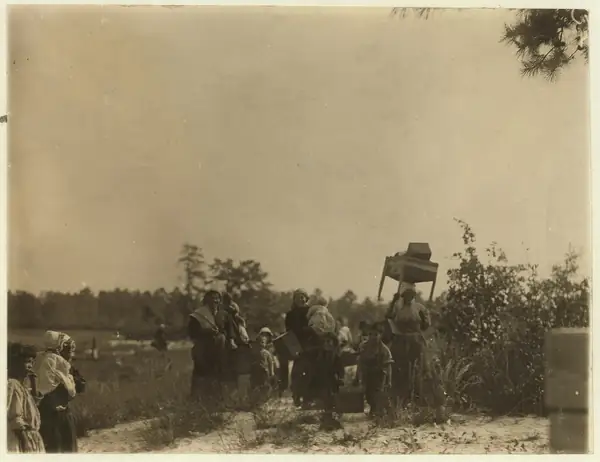 Lewis Hine in Browns Mills, New JerseyBrowns Mills
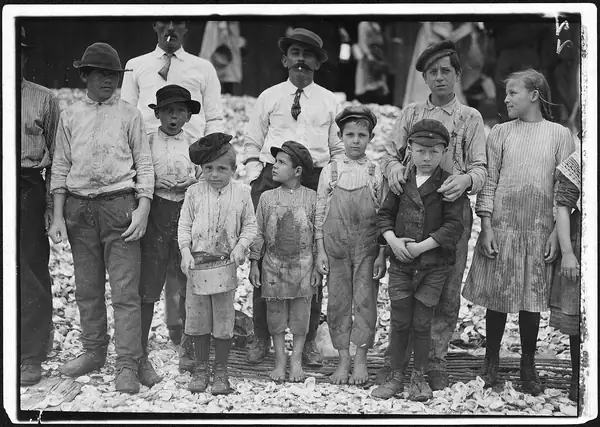 Lewis Hine in Biloxi, MississippiBiloxi
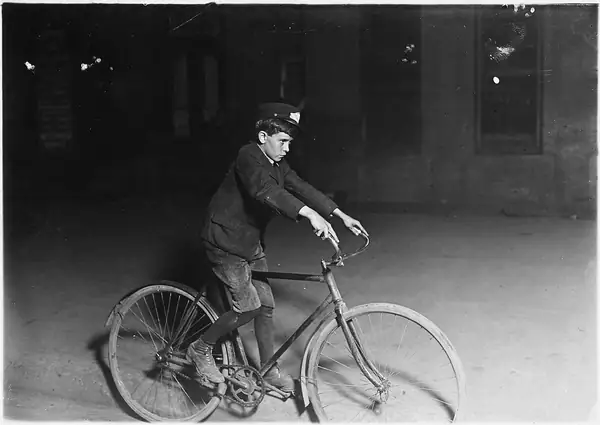 Lewis Hine in Indianapolis, IndianaIndianapolis
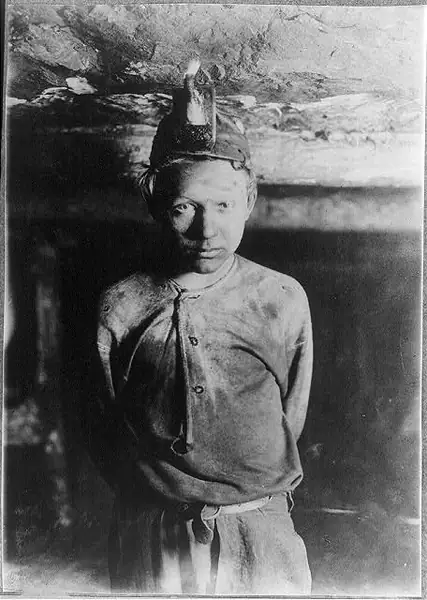 Lewis Hine in Macdonald, West VirginiaMacdonald
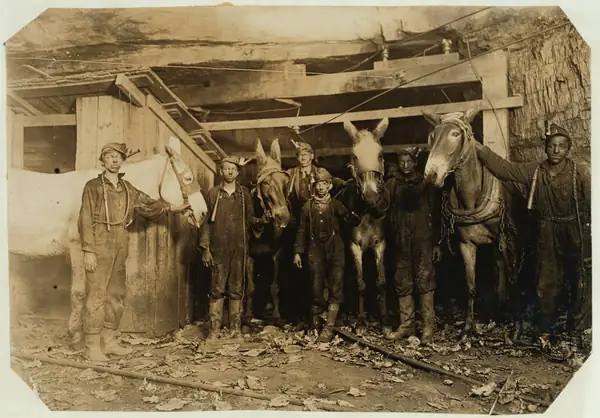 Lewis Hine in Brown, West VirginiaBrown
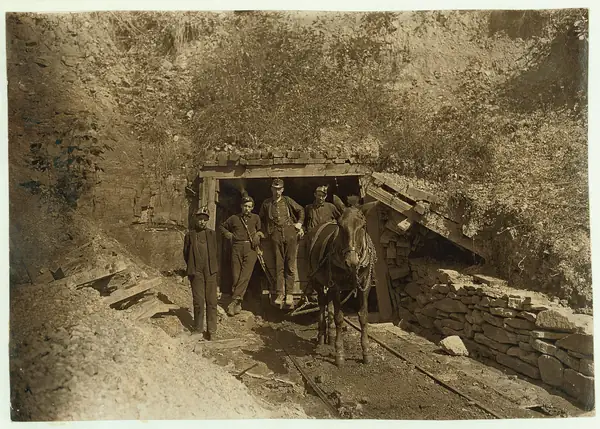 Lewis Hine in Grafton, West VirginiaGrafton
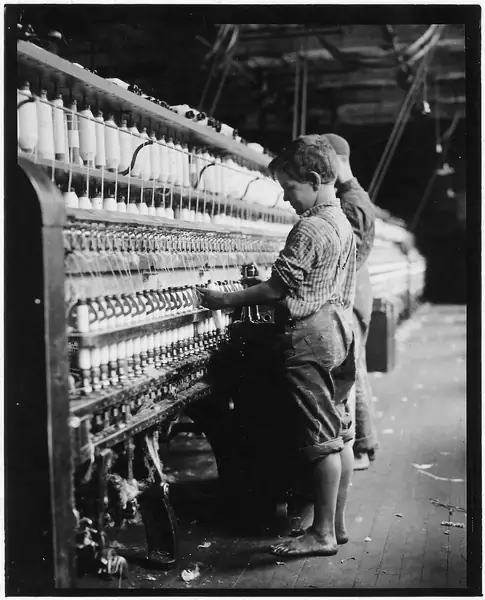 Lewis Hine in North Pownal, VermontNorth Pownal
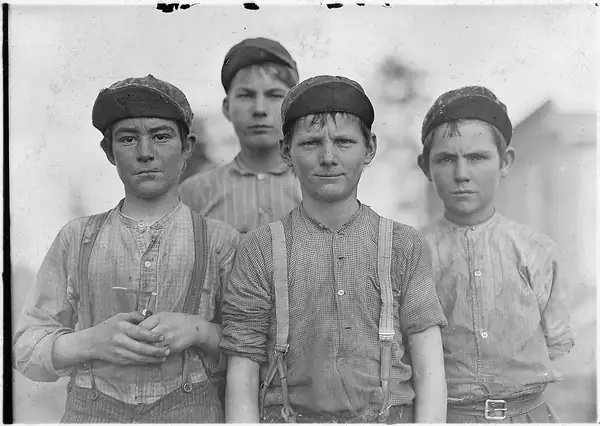 Lewis Hine in Macon, GeorgiaMacon
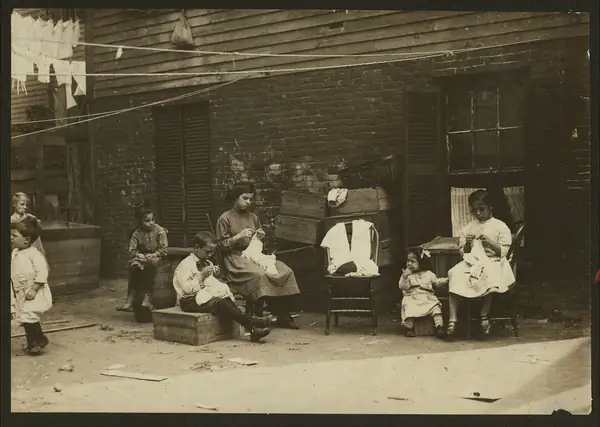 Lewis Hine in Somerville, MassachusettsSomerville
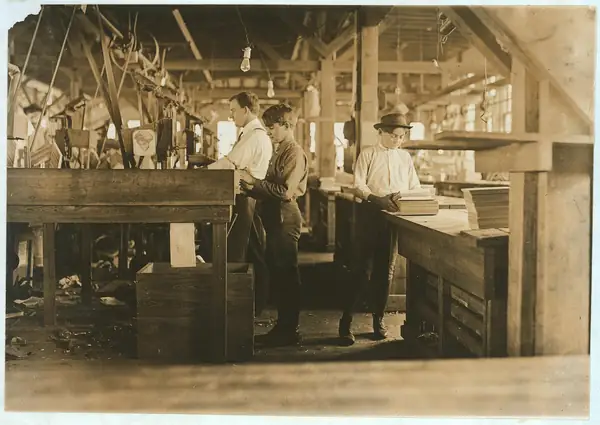 Lewis Hine in Tampa, FloridaTampa
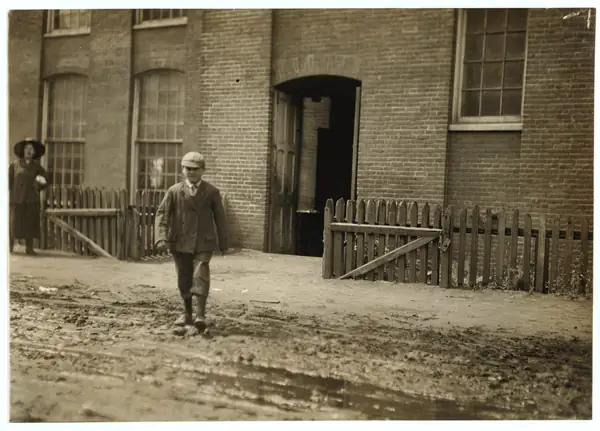 Lewis Hine in Fall River, MassachusettsFall River
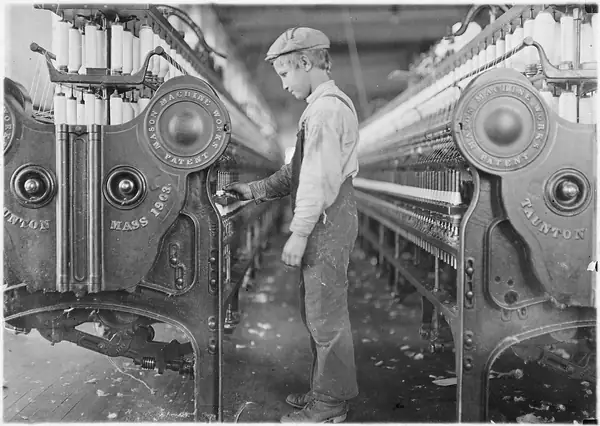 Lewis Hine in Lincolnton, North CarolinaLincolnton
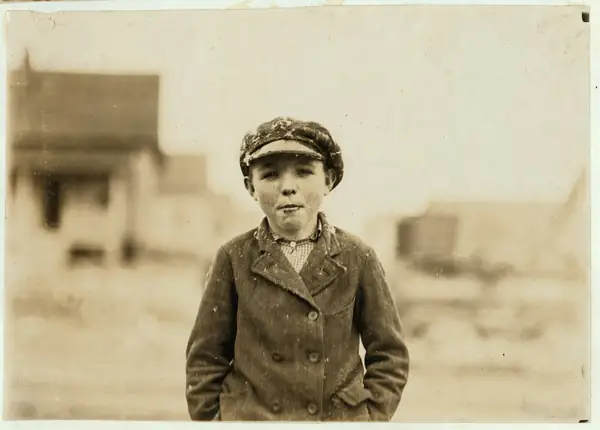 Lewis Hine in Gastonia, North CarolinaGastonia
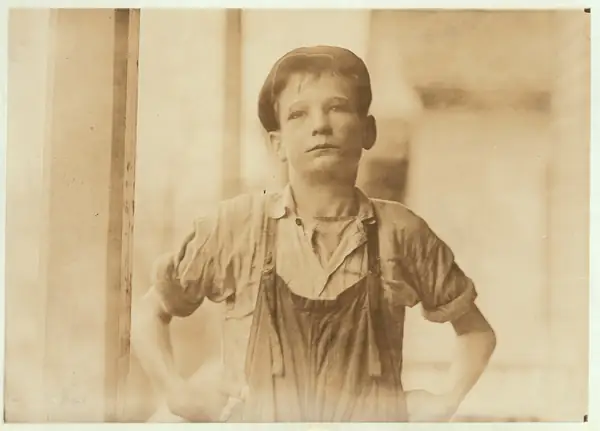 Lewis Hine in Columbia, South CarolinaColumbia
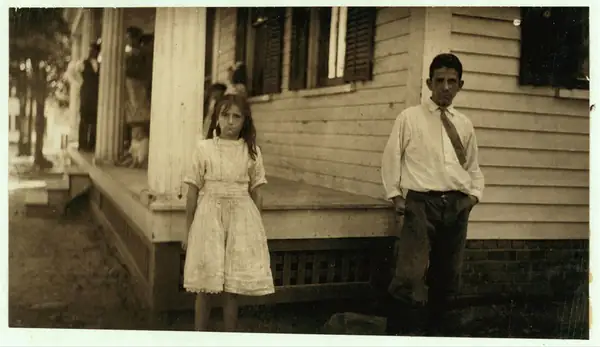 Lewis Hine in Winchendon, MassachusettsWinchendon
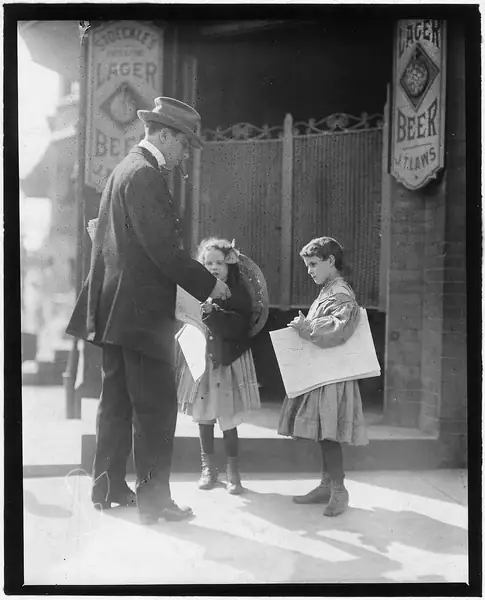 Lewis Hine in Wilmington, DelawareWilmington
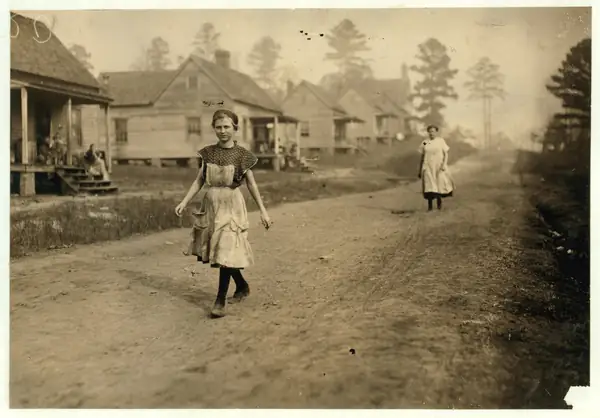 Lewis Hine in Kosciusko, MississippiKosciusko
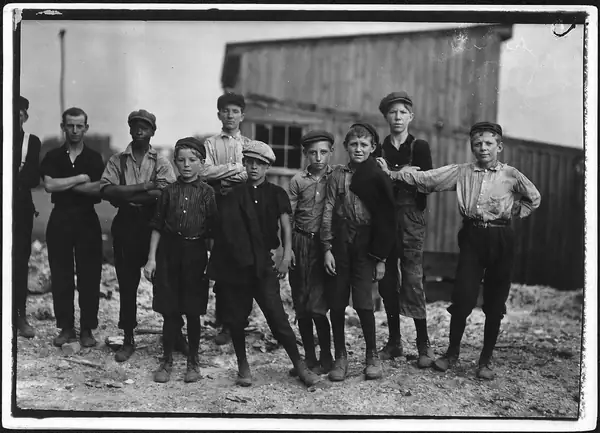 Lewis Hine in Alexandria, VirginiaAlexandria
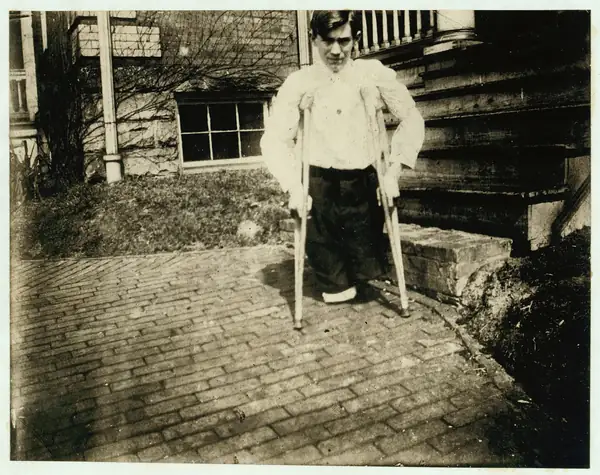 Lewis Hine in Monongah, West VirginiaMonongah
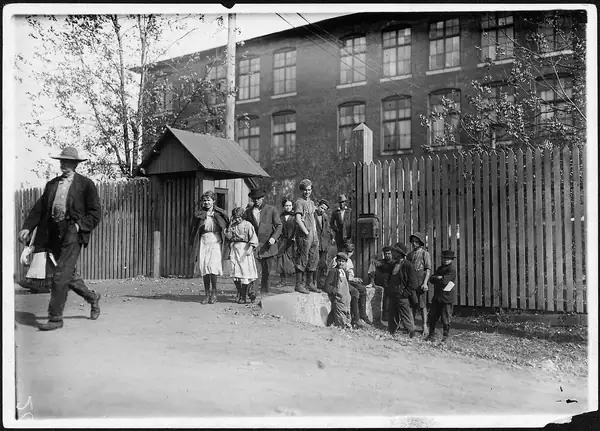 Lewis Hine in Huntsville, AlabamaHuntsville
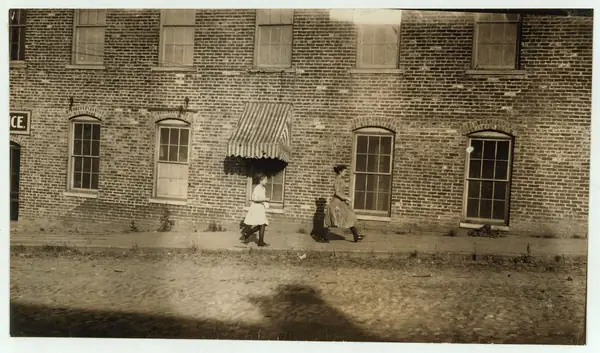 Lewis Hine in Danville, VirginiaDanville
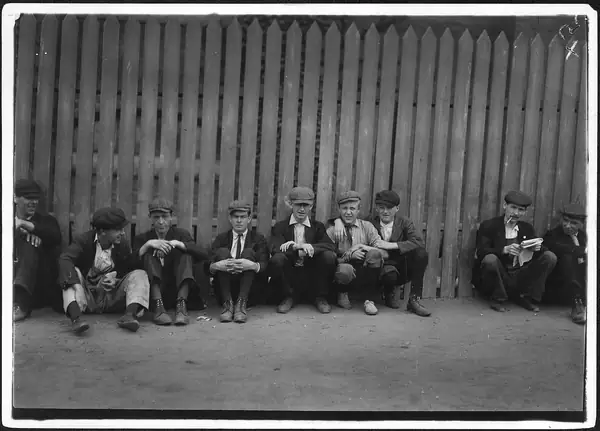 Lewis Hine in New Bedford, MassachusettsNew Bedford
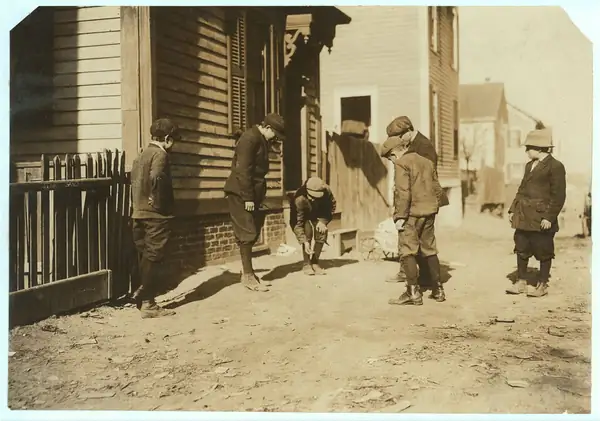 Lewis Hine in Providence, Rhode IslandProvidence
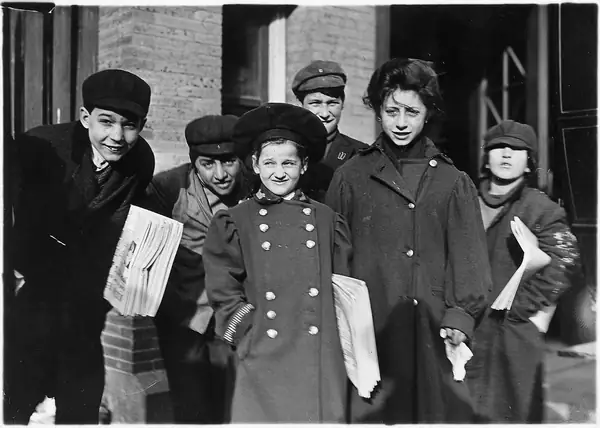 Lewis Hine in Hartford, ConnecticutHartford
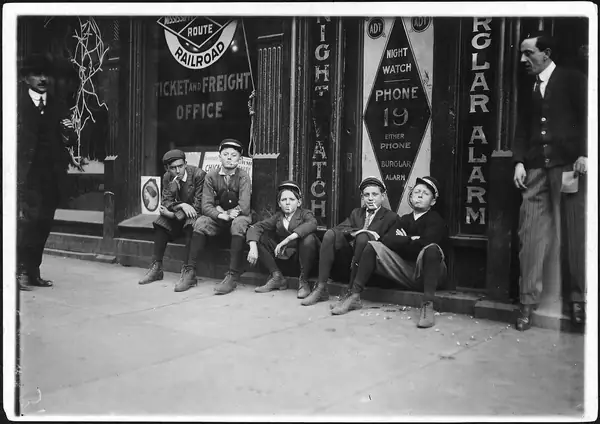 Lewis Hine in Birmingham, AlabamaBirmingham
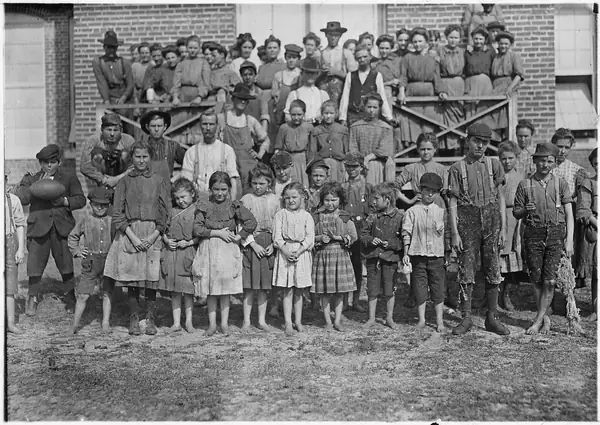 Lewis Hine in Tifton, GeorgiaTifton
- Incubator babies at Berlin, 1896Treptower Park
- Incubator babies at Queen Victoria's Jubilee, 1897Earls Court
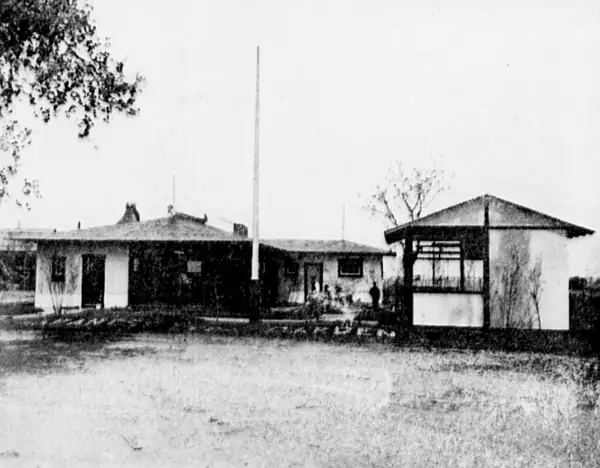 Incubator show at Omaha's Trans-Mississippi fair, 1898Kountze Park
- Infant incubators at the Pan-American Exposition, 1901Buffalo
- The Coney Island 'Infantorium'Coney Island
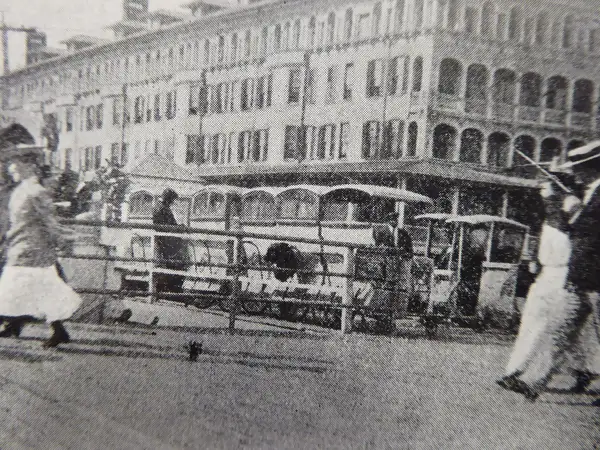 Atlantic City incubator exhibit, 1905–1943Atlantic City
- Incubator babies at Chicago's Century of Progress, 1933Burnham Park (Chicago)
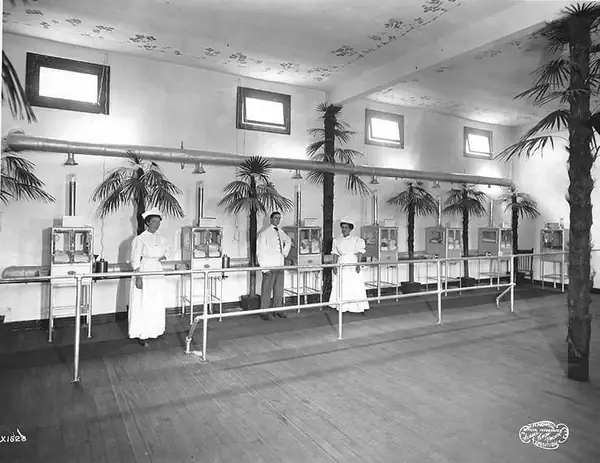 Martin Couney, the record that isn't thereKrotoszyn
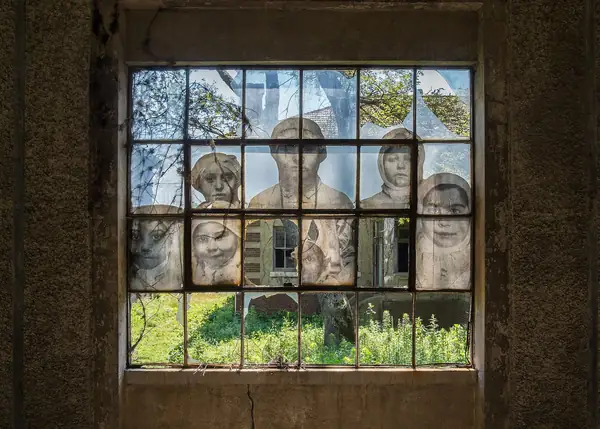 Immigration 1836–1914: over 30 millionBattery Park
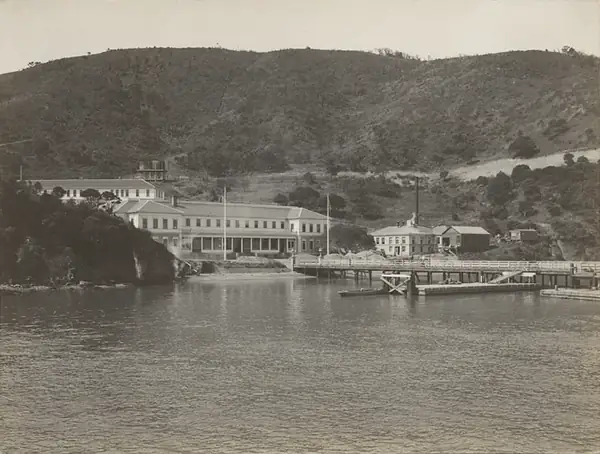 Angel Island Immigration StationAngel Island (California)
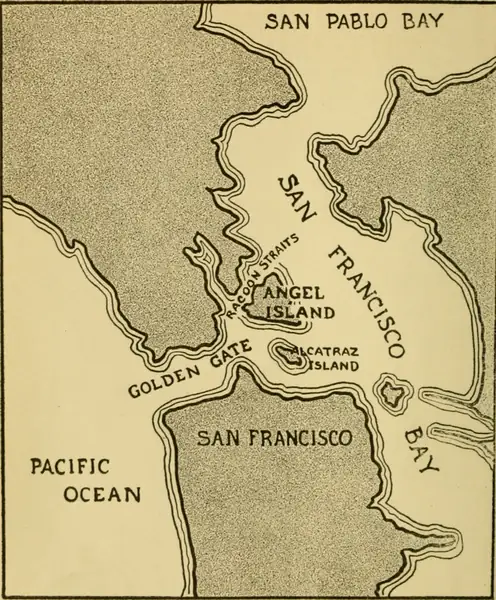 Paper sons: the records that burned in 1906San Francisco
- Washington Avenue Immigration Station, PhiladelphiaPennsport
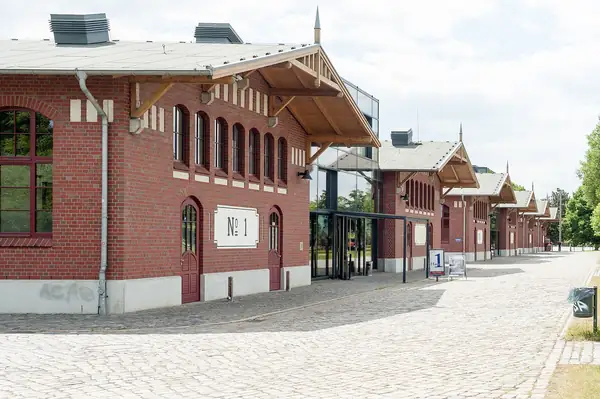 BallinStadt emigration halls, HamburgVeddel
- Grosse Isle quarantine stationGrosse Isle
- Galveston Movement, 1907–1914Galveston
- Immigration Act of 1924 shuts the doorWashington
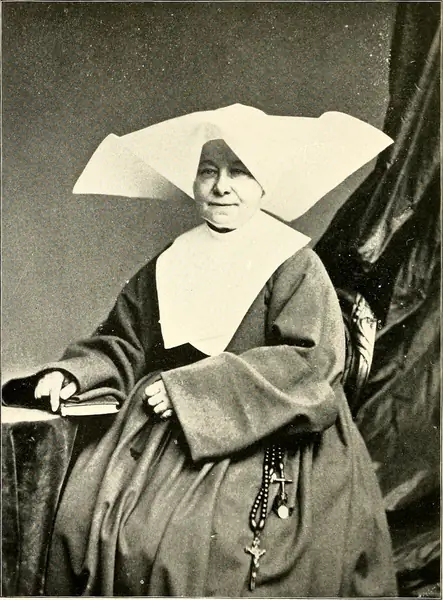 Catholic orphanages: 75 in 1860, over 250 in 1900Manhattan
- About 1,000 orphanages, 100,000 children by 1900Manhattan
- 1910: over 1,000 orphanages, about 3% of childrenWashington
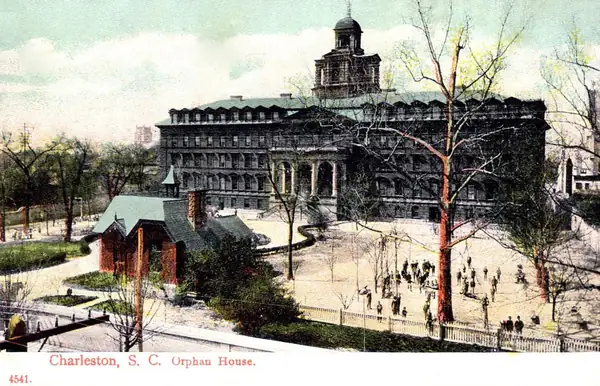 Charleston Orphan House, first public orphanage, 1790Charleston
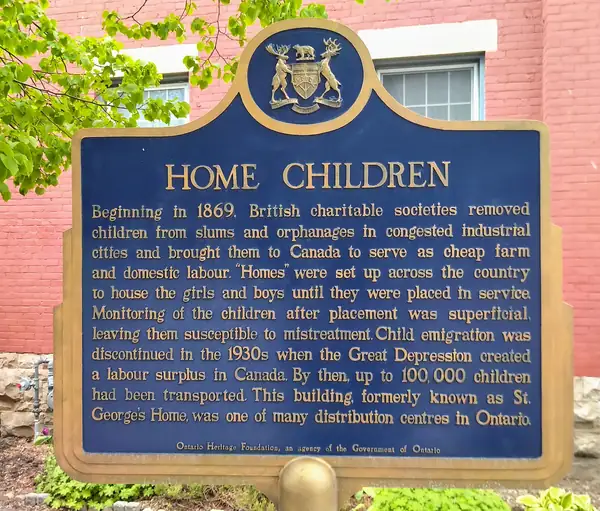 Home Children: 150,000 from BritainLiverpool
Sourced figures from the second batch (they overlap, so not added up)
Children moved, 1854–1929: about 200,000; Children moved, 1854–1929 (other figure): more than 250,000; Children's Aid Society, per year 1855–1875: average of 3,000; Brace, 1853–1890: over 120,000; New York Foundling, per year by the 1910s: 1,000; Children's Village (New York Juvenile Asylum), 1855–1903: 6,323; Sent by Charlotte Augusta Gibbs Astor by 1884: 1,113; Share who were actually orphans: less than half; as many as 25 percent had two living parents; Homeless children in New York City, 1850: estimated 10,000 to 30,000 (city population about 500,000); States receiving children: 45 states, plus Canada and Mexico; Largest receiving state: New York (nearly one-third of the total); Years active: 1854–1929; Catholic orphanages 75 in 1860 and over 250 in 1900; about 1,000 orphanages and 100,000 children by 1900
Children moved, as recorded (figures overlap, so not added up)
Orphan trains about 200,000 (1854–1929); British Home Children more than 150,000; child migrants to Australia about 130,000; Barnardo's nearly 60,000 taken in (1867–1905); New York Juvenile Asylum 6,323 placed (1855–1903); Carlisle over 7,800 enrolled (1879–1918)
Homeless children in one city
10,000 to 30,000 in New York in 1850
1 entries
Arrivals in the same window
Castle Garden more than 7.5 million (1855–90); Ellis Island about 12 million (1892–1954)
Child protection only after the window
US Children's Bureau 1912; Keating–Owen Act in force 1917
Dated riders, receiving towns and depots (overlay 'orphanTrainRecords')
20, all between 1854 and 1919: 1850s 7, 1860s 1, 1870s 1, 1880s 3, 1890s 1, 1900s 4, 1910s 3
20 entries
- Five Points, where many riders startedFive Points
- Iowa City, the leftovers of the first trainIowa City
- Opelousas, Louisiana Orphan Train MuseumOpelousas
- Opelousas trains, 'at least three'Opelousas
- John Green Brady, rider to NoblesvilleNoblesville
- Andrew H. Burke, newsboy to governorNoblesville
- Frederick C. Anderson, rider to RaynhamRaynham
- Drummer boy Butler, rider to Princeton, IndianaPrinceton
- Allen Depot, TexasAllen
- Fort Worth's first orphan train, 1887Fort Worth
- Henry L. Jost, Five Points to MissouriHopkins
- Clarence Colby, rider to BeatriceBeatrice
- Algona, Dysart and Wesley, IowaAlgona
- Delmar depot mural, IowaDelmar
- Joe Aillet, Foundling to YoungsvilleYoungsville
- Father Dobberstein's train daughter, West BendWest Bend
- Clifton–Morenci, Arizona, 1904Clifton
- Spencer, Iowa, playhouse for train childrenSpencer
- eden ahbez, rider to ChanuteChanute
- Grand Island 'orders filled'Grand Island
Open questions
- How many orphan-train children had living parents on record?
- Do the child-moving schemes start in the same years in Britain, the US and Australia, and who coordinated them?
- Why do so many family trees stop in these decades?
What would support it
- Placement records showing children with no traceable birth records, in large numbers.
- Coordinated funding across countries.
What would rule it out
- Birth, death and poorhouse records that explain the children (epidemics, industrial deaths, poverty, immigration) at the scale recorded.
- Charity archives showing ordinary local origins.
Selection bias
Medium.
The rating counts how much of our gathered material lines up with the pattern. It is not a probability that the hypothesis is true, and every count is limited by which buildings were picked for the app (see 'selectionBias' on each card).
Next hypothesis
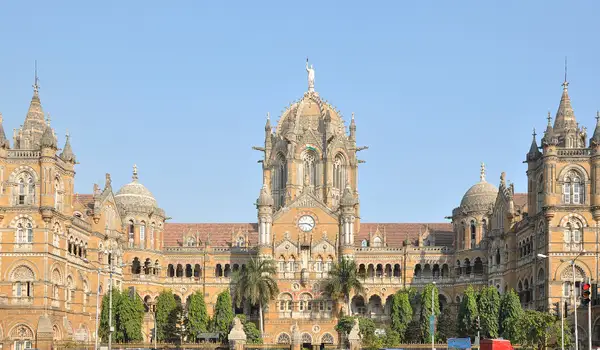 Strong124 entries#2The Great Completion Window, 1865–1915Most of the grand stone buildings in our collection are put on the record as finished inside one 50-year window, on every continent at the same time. Common sense says a world that had never built like this before doesn't suddenly finish capitols, opera houses, stations and city halls from Texas to Kuala Lumpur in the same few decades. One possibility is that much of this was older building stock that got new paperwork, new names and new 'completion' dates in that window.